In this storyOpen index
John Everett Millais: The Rebel Who Ended Up Inside the Palace
From Pre-Raphaelite rebellion to the presidency of the Royal Academy: Ophelia, Effie Gray, and a new way of seeing Victorian art.
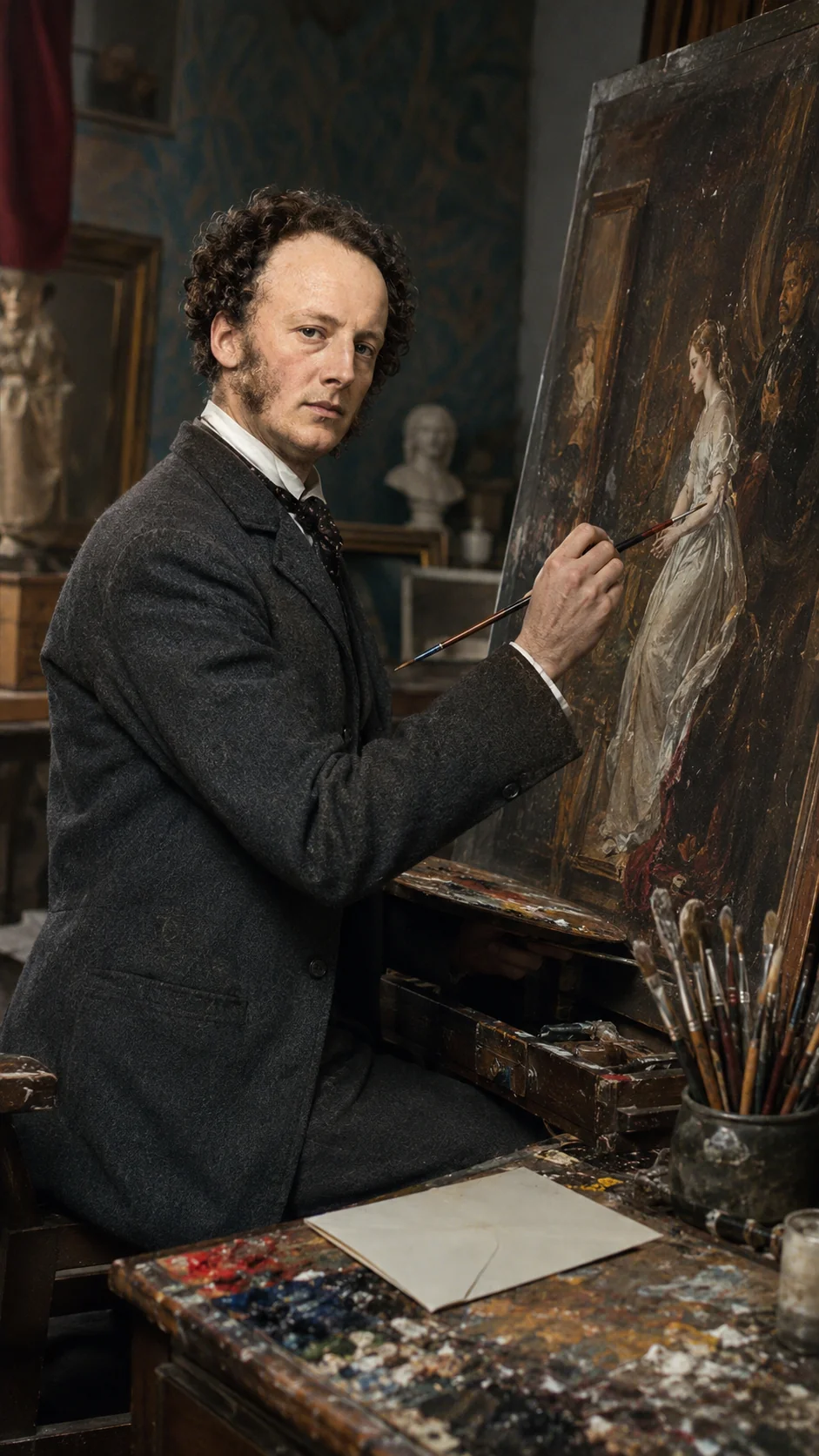
Before Ophelia became one of the most recognisable images in British art, John Everett Millais endured accusations that his work was vulgar, irreverent, and almost offensive. He had painted the Holy Family as real people inside a dirty workshop, filled his canvases with leaves, wood shavings, and flowers observed with obsessive precision, and helped establish a movement that rejected much of what England’s most powerful artistic institution taught.
Decades later, that same institution would elect him its president.
Millais’s career contains a fascinating paradox: he began as a child prodigy, became a youthful rebel, and ended as one of Victorian society’s wealthiest and most decorated painters. Between those extremes, however, he left something more important than a successful career. He taught his contemporaries that truly looking at the world could be an act of rebellion.
John Everett Millais
A life told through rebellion and recognition
Ophelia: literature, nature, and observation
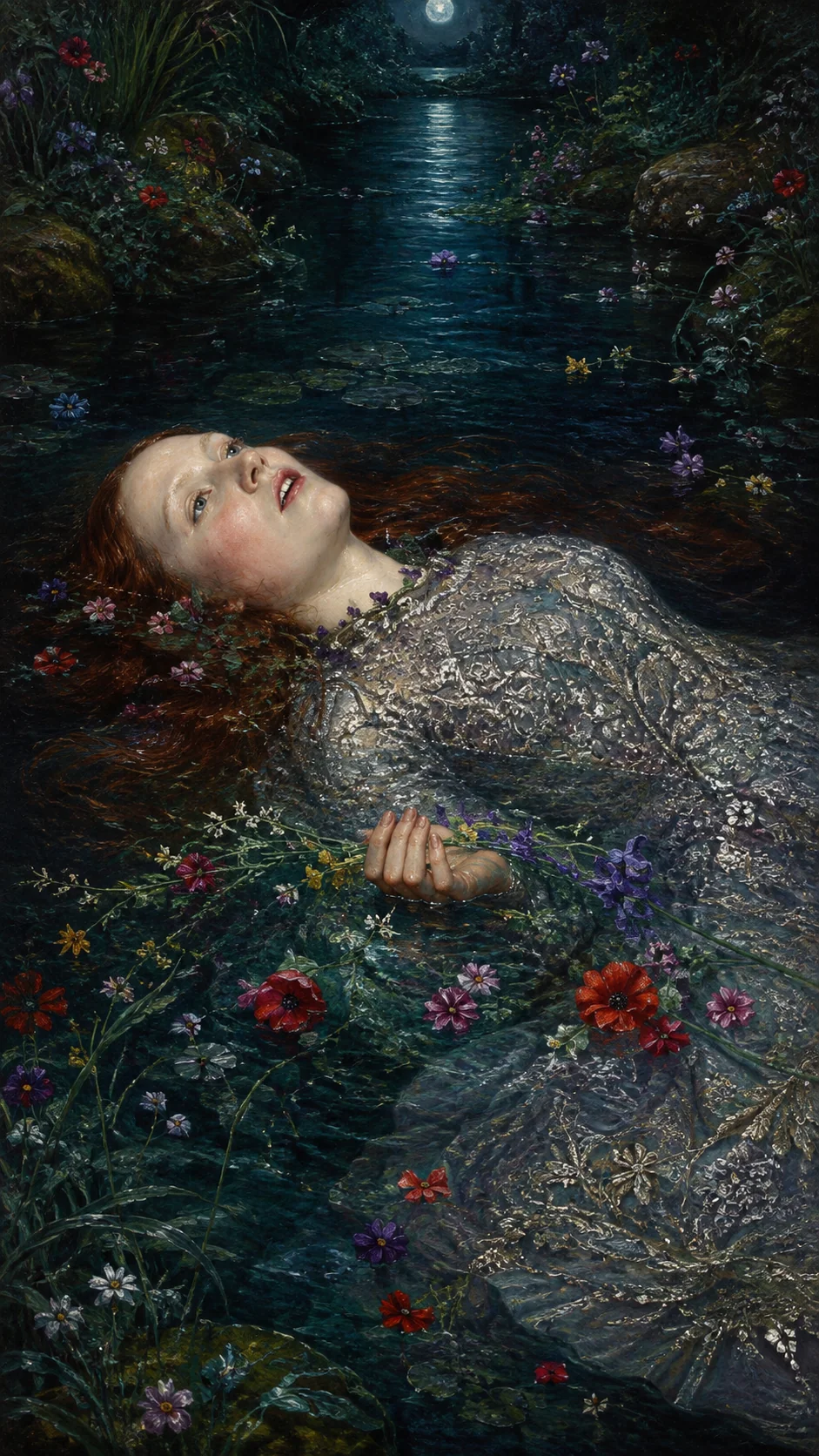
Tate holds Ophelia, painted by Millais in 1851–52. Its dedicated resource explores how the Hogsmill landscape, Shakespeare’s story, and sittings with Elizabeth Siddal came together in a central work of Pre-Raphaelite art. The link leads to the museum’s account; this card’s illustration is an AI-generated interpretation, not the original painting.
The Boy Who Arrived Too Early
John Everett Millais was born in Southampton on 8 June 1829, although he spent much of his childhood on the island of Jersey. His talent emerged so early that his family moved to London to support his artistic education. In 1840, at the age of eleven, he entered the Royal Academy Schools. He was the youngest student ever admitted at that time (National Portrait Gallery, n.d.).
The boy quickly mastered the conventions of academic painting: balanced compositions, idealised figures, historical subjects, and a technique directed toward elegance. By sixteen, he was already exhibiting at the Royal Academy. Everything appeared to be preparing him for a respectable career within the establishment.
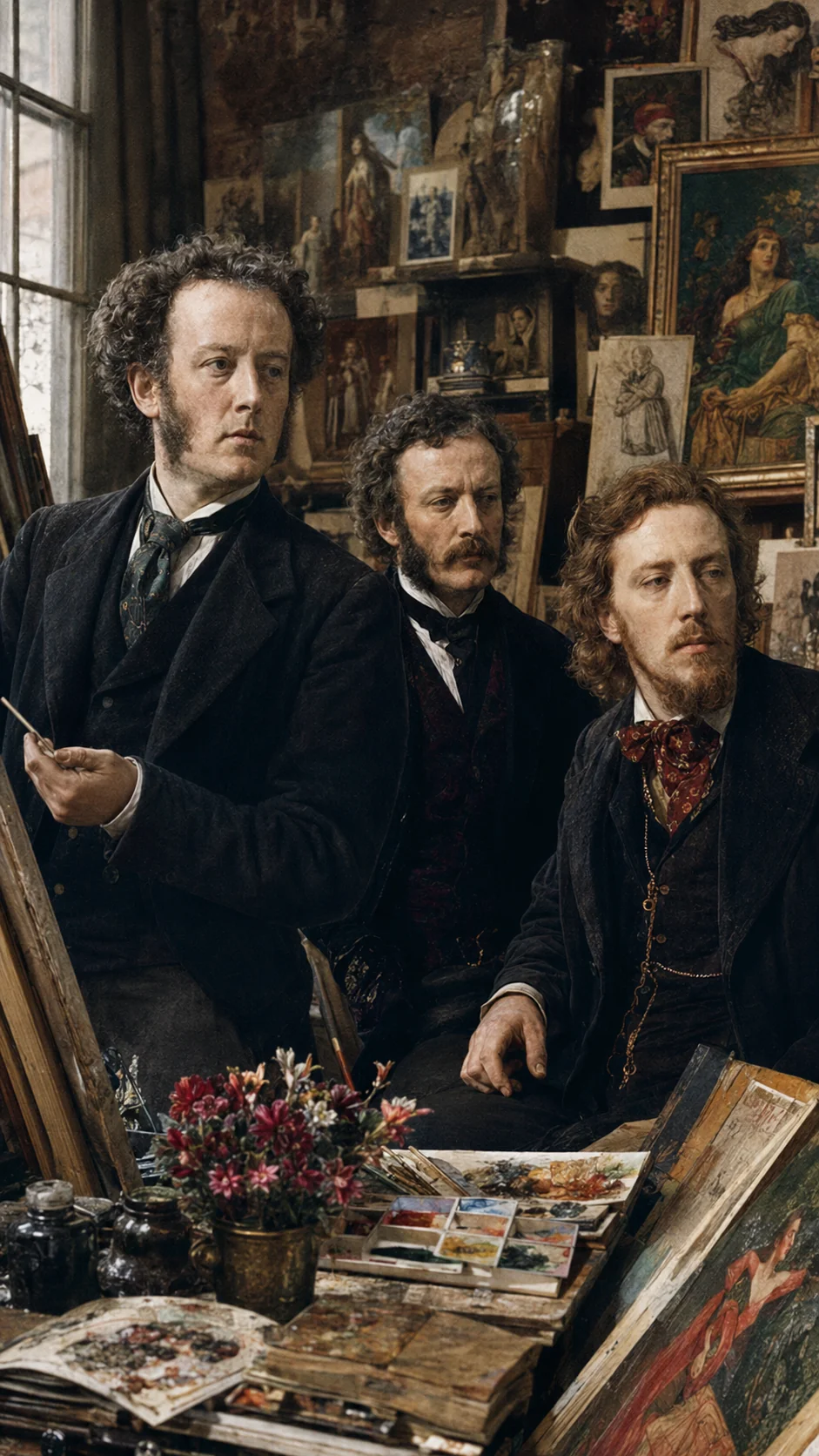
Millais, however, began to distrust an education that turned art into the repetition of formulas. Together with William Holman Hunt and Dante Gabriel Rossetti, he came to believe that British painting had become artificial after Raphael: too dependent on grand poses, dark shadows, and manufactured beauty.
In 1848, the three founded the Pre-Raphaelite Brotherhood, which eventually included four additional members. They did not intend to return literally to the Middle Ages, nor did they reject everything Raphael had created. They hoped to recover what they admired in painters before the High Renaissance: luminous colours, sharply defined forms, abundant detail, and a sincerity they believed academic rules had suppressed (National Museums Liverpool, n.d.).
They signed some paintings with the mysterious initials “P. R. B.” At first, few people knew what they meant.
A New Way of Observing
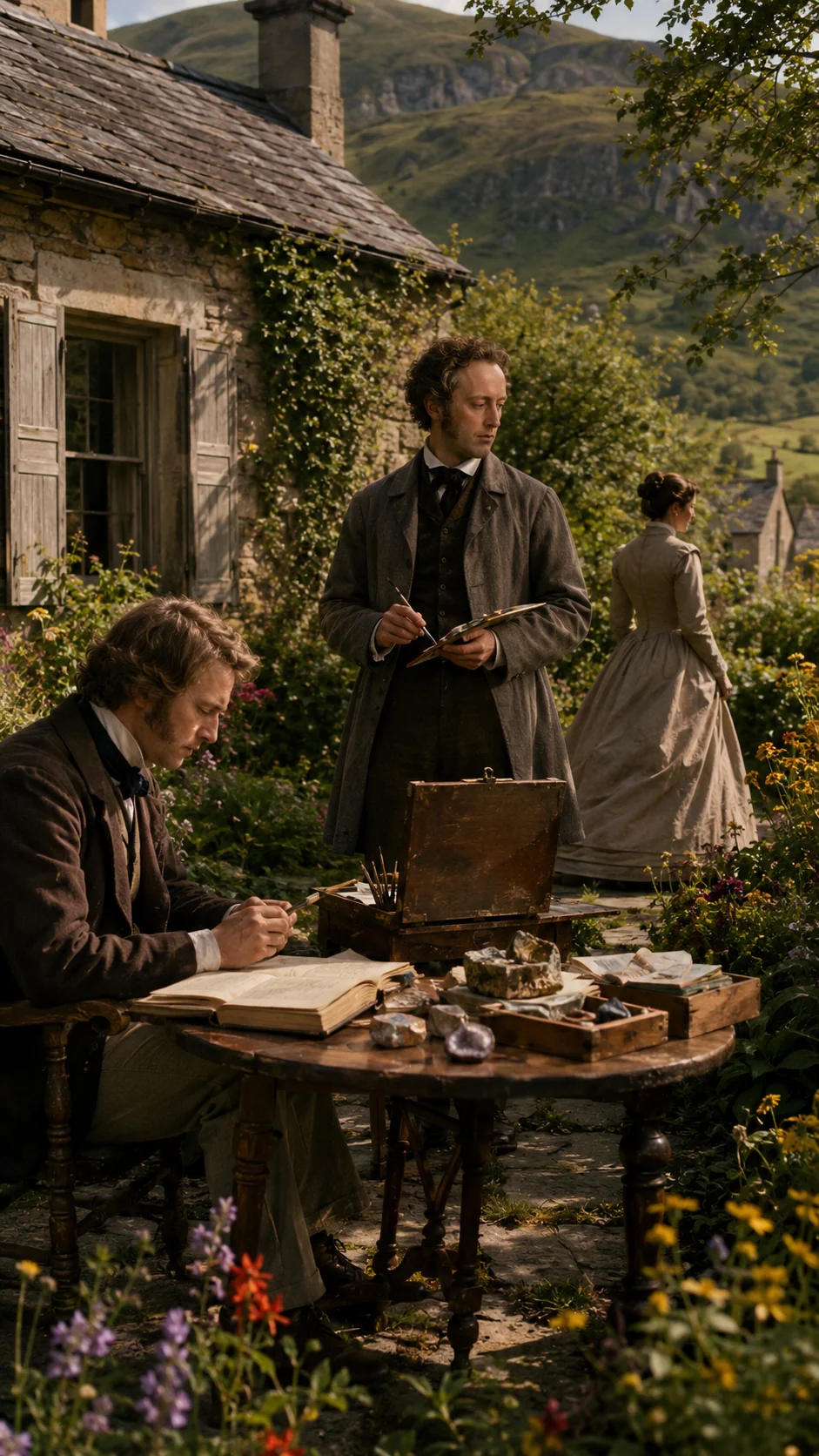
Millais’s first major Pre-Raphaelite painting was Isabella, inspired by a poem by John Keats, itself based on a story by Boccaccio. Millais was only nineteen when he exhibited it in 1849. The painting presents a family dinner filled with signs of the murder to come: one brother kicks Isabella’s dog, Lorenzo offers Isabella a blood orange, and a hawk tearing at a feather anticipates the violence (National Museums Liverpool, n.d.).
The Pre-Raphaelite principle of “truth to nature” did not mean copying the world mechanically. It meant studying each element directly and representing it with equal intensity, rather than reducing landscapes and objects to decorative backgrounds.
Millais worked with pure colours over a wet white ground, helping him achieve extraordinary luminosity. A leaf, a piece of fabric, or a tool could receive as much attention as the protagonist’s face. This visual equality unsettled viewers accustomed to a clear hierarchy between important and secondary elements.
In his paintings, the world was not arranged according to what spectators believed they ought to see. The eye was forced to discover everything.
The Christ Who Scandalised Dickens
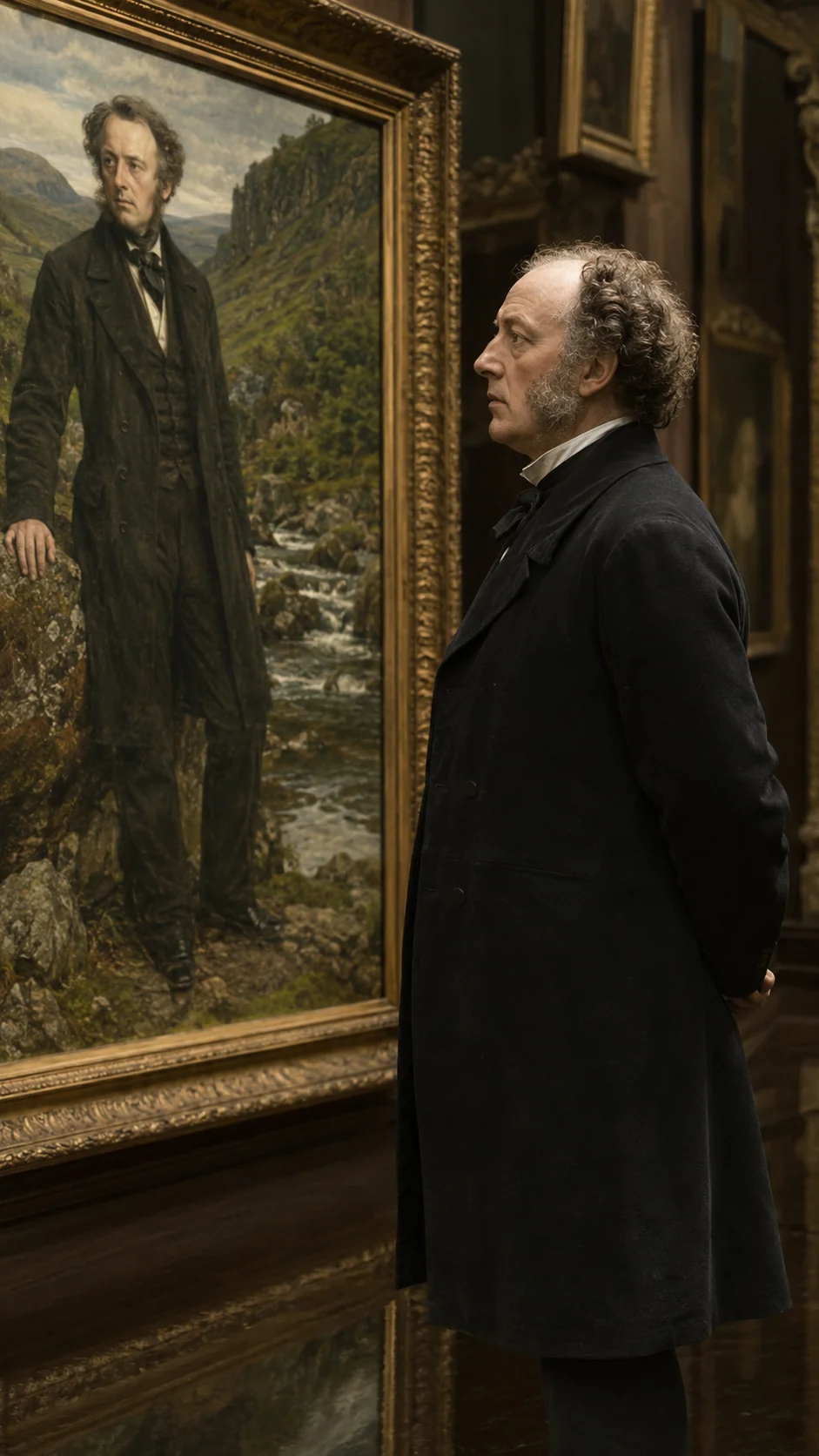
In 1850, Millais exhibited Christ in the House of His Parents. It depicted the young Jesus in Joseph’s carpentry workshop after injuring his hand on a nail. The painting contained numerous religious symbols—the wound anticipated the Crucifixion, a dove represented the Holy Spirit, and a flock of sheep suggested the faithful—but its figures were not idealised beings. They were ordinary-looking labourers whose hands, feet, and faces had been observed without beautification.
The reaction was ferocious. Charles Dickens attacked the painting in his magazine Household Words, describing its figures in deliberately cruel language. The Times found the association of the Holy Family with the dirt and poverty of a workshop repulsive. The controversy reached Queen Victoria, who requested that the painting be brought to the palace so she could inspect it herself (Jeffrey Easby, n.d.).
What angered the critics was not merely the technique. Millais had removed the distance separating the sacred from ordinary life. He had represented the Christian incarnation with uncomfortable literalness: if Christ became human and was born into an artisan’s family, his surroundings might indeed contain sweat, timber, and dirt.
The writer and critic John Ruskin defended the Pre-Raphaelites. He argued that, despite their imperfections, the young painters were attempting to observe nature honestly. His support helped protect them when hostility threatened to destroy their careers.
Ophelia: Beauty Constructed Through Discomfort
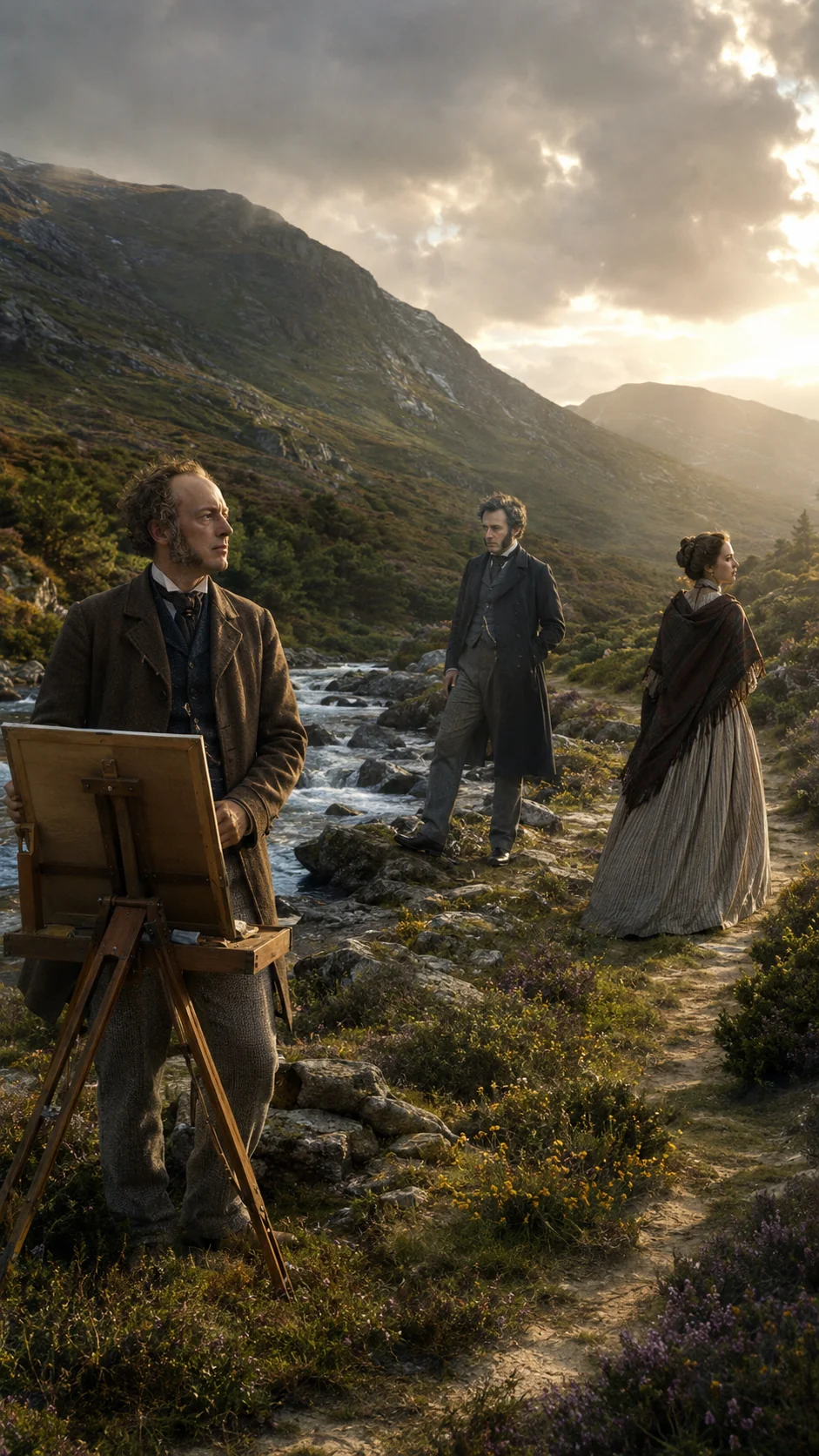
Between 1851 and 1852, Millais created his most famous work. Ophelia represents the moment described by Queen Gertrude in Hamlet: the young woman floats in a stream, singing and apparently unaware that her clothes will eventually pull her beneath the water.
Millais first painted the landscape beside the Hogsmill River near Ewell, Surrey. He worked outdoors for months, enduring insects, bad weather, and long days before the vegetation. Because the plants he observed did not all flower simultaneously, the finished landscape combines species from different moments in the season. Some come from Shakespeare’s text; others carry traditional meanings associated with love, faithfulness, innocence, or death (Tate, n.d.).
The figure of Ophelia was painted separately in the studio. The model Elizabeth Siddal posed fully dressed in a bath filled with water and heated from below by lamps. On one occasion, the lamps went out, and Millais, absorbed in his work, failed to notice. Siddal became ill, and her father demanded that the painter pay her medical bill.
The episode has been embellished so frequently that it is sometimes claimed Siddal developed pneumonia or nearly died. The surviving evidence confirms that she became ill and received medical attention, but it does not establish every dramatic detail repeated in later versions. Tate’s account states that the dispute was settled and that Siddal recovered quickly (Tate, n.d.).
Millais had paid four pounds for the antique embroidered dress Siddal wore. The scene’s apparent spontaneity was therefore the result of months of observation, an expensive second-hand garment, and an uncomfortable session in a bath.
Effie Gray and the Marriage That Shook Victorian Society

Millais’s friendship with John Ruskin led to one of the age’s greatest social scandals. In 1853, Millais travelled to Scotland with Ruskin and his wife, Effie Gray, while painting the critic’s portrait. During the visit, Millais and Effie fell in love.
Effie’s marriage to Ruskin had never been consummated. She left him in 1854 and sought an annulment. The proceedings were public and humiliating, particularly for a woman living within the restrictions of Victorian society. After the annulment was granted, Effie married Millais on 3 July 1855. They had eight children (National Portrait Gallery, n.d.).
Reducing Effie to the role of a muse or participant in a love triangle would be unjust. She managed a large household, maintained important social connections, and helped organise the career of an increasingly sought-after artist. Nevertheless, the consequences of the scandal did not vanish entirely: for years, her marital history complicated her acceptance within certain court circles.
The Rebel Becomes a Celebrity
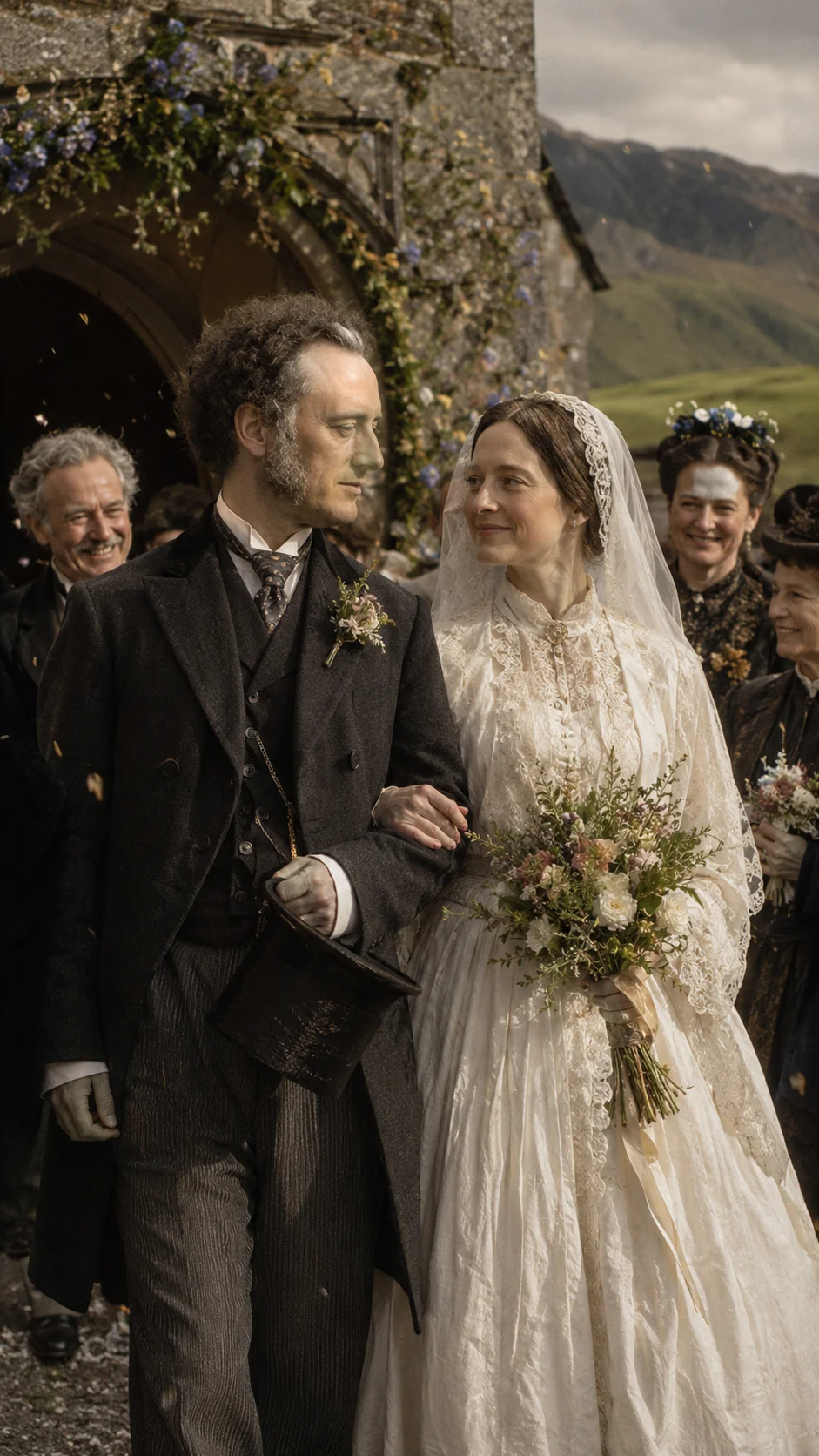
During the second half of the 1850s, Millais’s style began to change. His brushwork grew looser, and his compositions became less obsessed with microscopic detail. He worked as a book and magazine illustrator and produced landscapes, pictures of children, and portraits of leading Victorians, including Thomas Carlyle, Benjamin Disraeli, William Gladstone, and Alfred Tennyson (Tate, n.d.).
Some former admirers interpreted this development as a betrayal. Ruskin eventually complained that the youthful revolutionary had abandoned Pre-Raphaelite precision in favour of commercial success. It may also be understood as the natural evolution of a painter who did not wish to repeat his youth indefinitely.
His painting Bubbles, originally a portrait of his grandson, became enormously popular after its reproduction rights were acquired to advertise Pears soap. The image became almost as familiar through advertising as through art. Millais had not created it as an advertisement, although its association with a commercial product reinforced the impression that the former rebel had fully entered mass culture.
From Rebel to Baronet and President
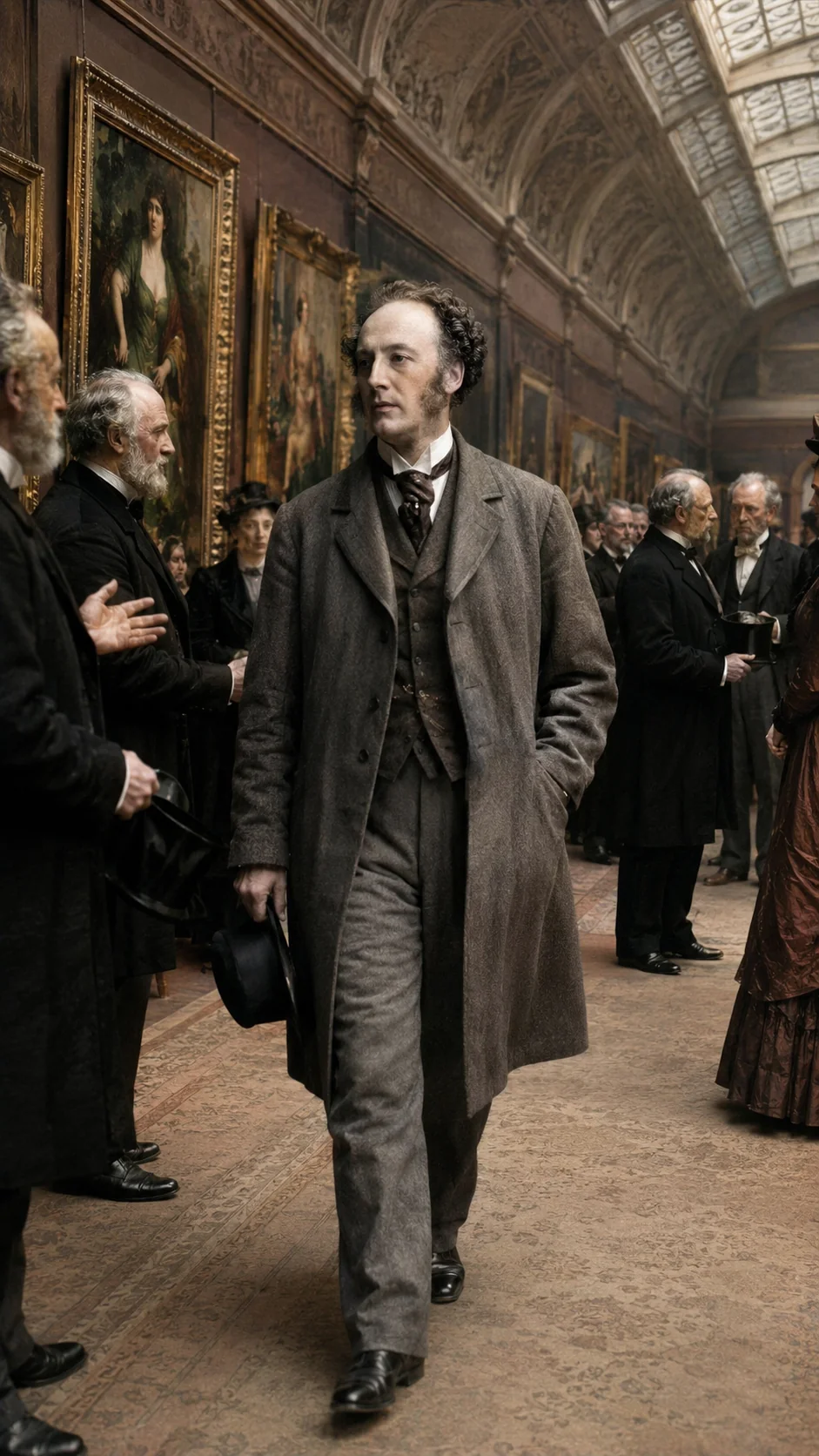
In 1885, Millais received a hereditary title and became a baronet. He was not the first painter to receive that rank: Godfrey Kneller had already been made a baronet in 1715 (National Portrait Gallery, n.d.). The distinction captures the remarkable reversal of his fortunes: the young man who had signed “P. R. B.” as a member of a nearly secret artistic society was now formally recognised by Victorian power.
In February 1896, he was elected president of the Royal Academy, the institution whose formulas he had challenged in his youth. By then, he was suffering from throat cancer and could barely speak. He held the position for only a few months and died in London on 13 August 1896, aged sixty-seven. He was buried in St Paul’s Cathedral near J. M. W. Turner (National Portrait Gallery, n.d.).
Looking Without Hierarchies
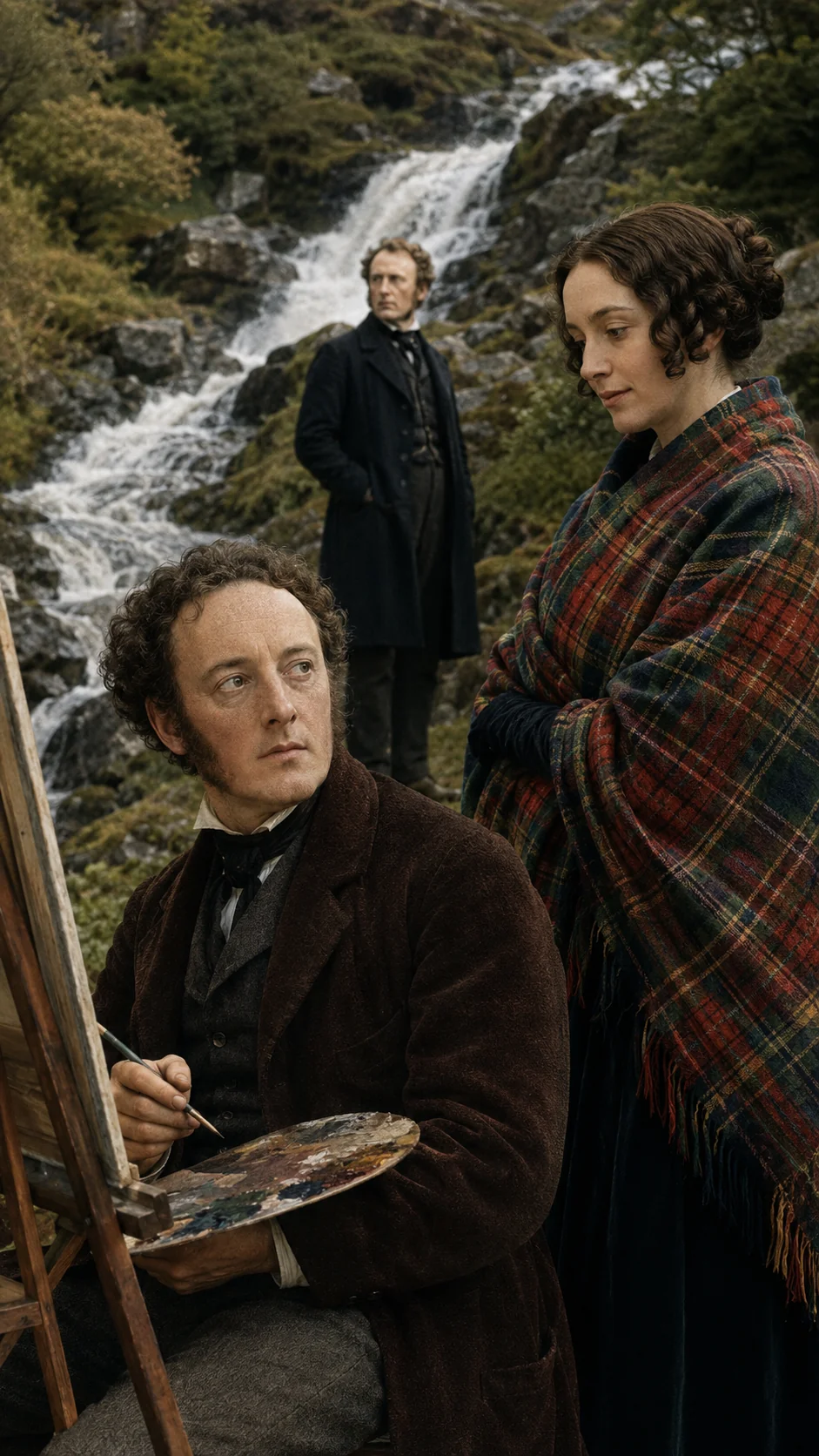
John Everett Millais changed the way people looked because he refused to accept that certain objects were unworthy of attention. In his finest Pre-Raphaelite paintings, a weed could be rendered as precisely as a human figure; a workshop could contain sacred history; and a stream could unite botany, literature, beauty, and death.
His later success does not erase that revolution. On the contrary, it demonstrates how completely a way of seeing initially regarded as offensive eventually altered the taste of an entire age.
Millais began by trying to destroy the academy’s formulas and ended by presiding over it. Between those moments, he painted a world in which nothing was merely decorative. Every flower could announce a destiny, every object could contain a story, and every detail demanded the right to be seen.
References
- Jeffrey Easby, R. (n.d.). Sir John Everett Millais, Christ in the House of His Parents. Smarthistory. View source
- National Museums Liverpool. (n.d.). The Pre-Raphaelites: Love, sex and legacy. Google Arts & Culture. View source
- National Museums Liverpool. (n.d.). Isabella. Google Arts & Culture. View source
- National Portrait Gallery. (n.d.). Effie Gray (Lady Millais). View source
- National Portrait Gallery. (n.d.). Sir John Everett Millais, 1st Bt: Biography and references. View source
- National Portrait Gallery. (n.d.). Sir Godfrey Kneller, Bt. View source
- Rosenfeld, J. (2012). John Everett Millais. Phaidon Press.
- Tate. (n.d.). Sir John Everett Millais, Bt 1829–1896. View source
- Tate. (n.d.). The story of Ophelia. View source
More from this collection
Hieronymus Bosch: The Painter Who Turned Sin into a Universe
Read story →
Artemisia Gentileschi: The Painter Who Made Women the Protagonists of Their Own Stories
Read story →