In this storyOpen index
Carlos Gardel: The Voice That Turned Nostalgia into a Homeland
From the Abasto district to New York film studios, Gardel found a way to sing about loss that listeners can still recognize on a record.
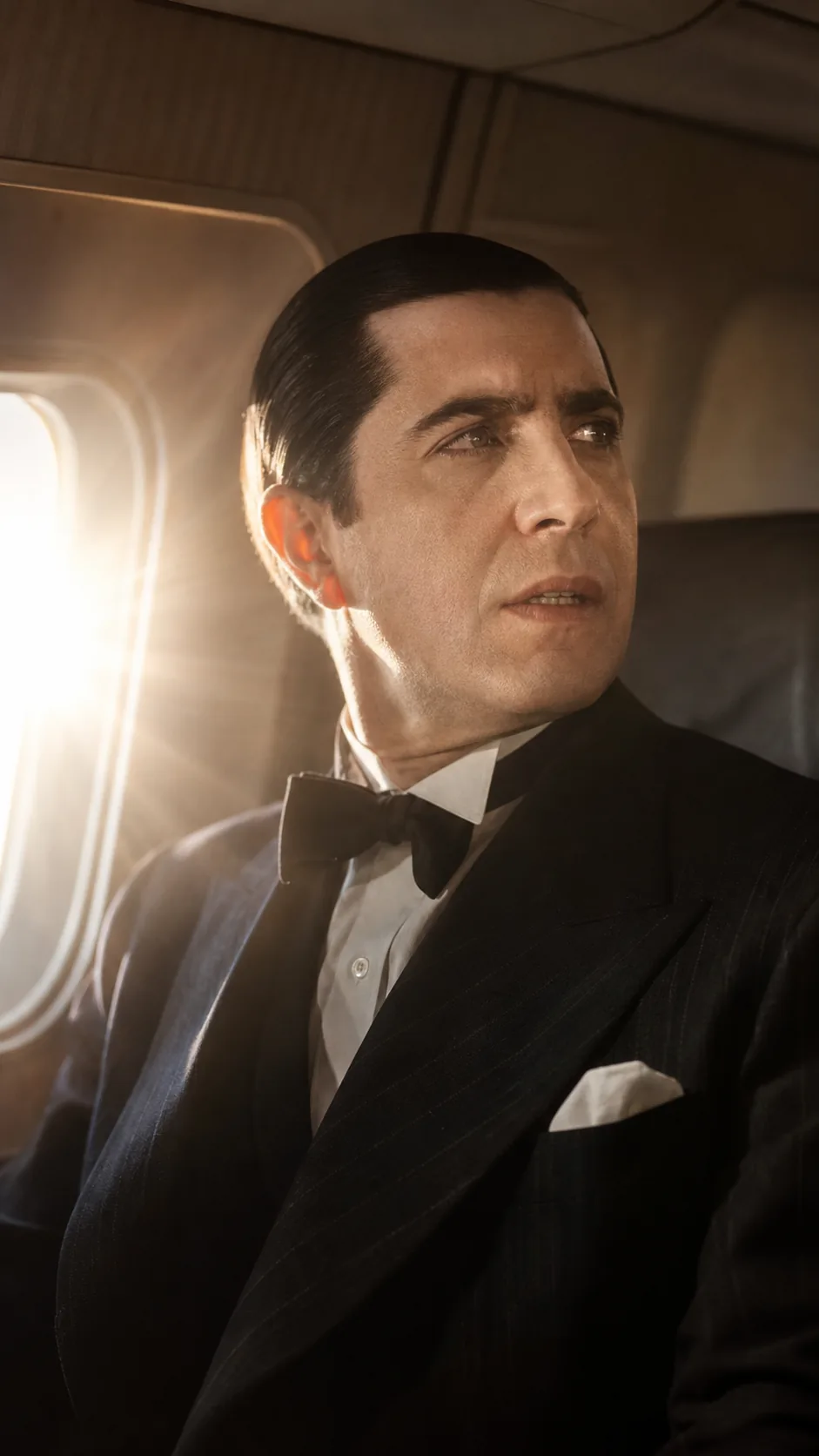
Carlos Gardel transformed songs born in the neighborhoods of Buenos Aires into a language recognized from Paris to New York. He sang of abandonment, distant mothers, defeated men, and cities remembered from afar. His voice did not eliminate sorrow. It gave sorrow a form that others could share.
After his death, three countries disputed his origins, thousands followed his remains, and the real man became trapped inside a phrase that seemed to challenge time: Gardel sang better every day.
Carlos Gardel
A life told through records, tours and films
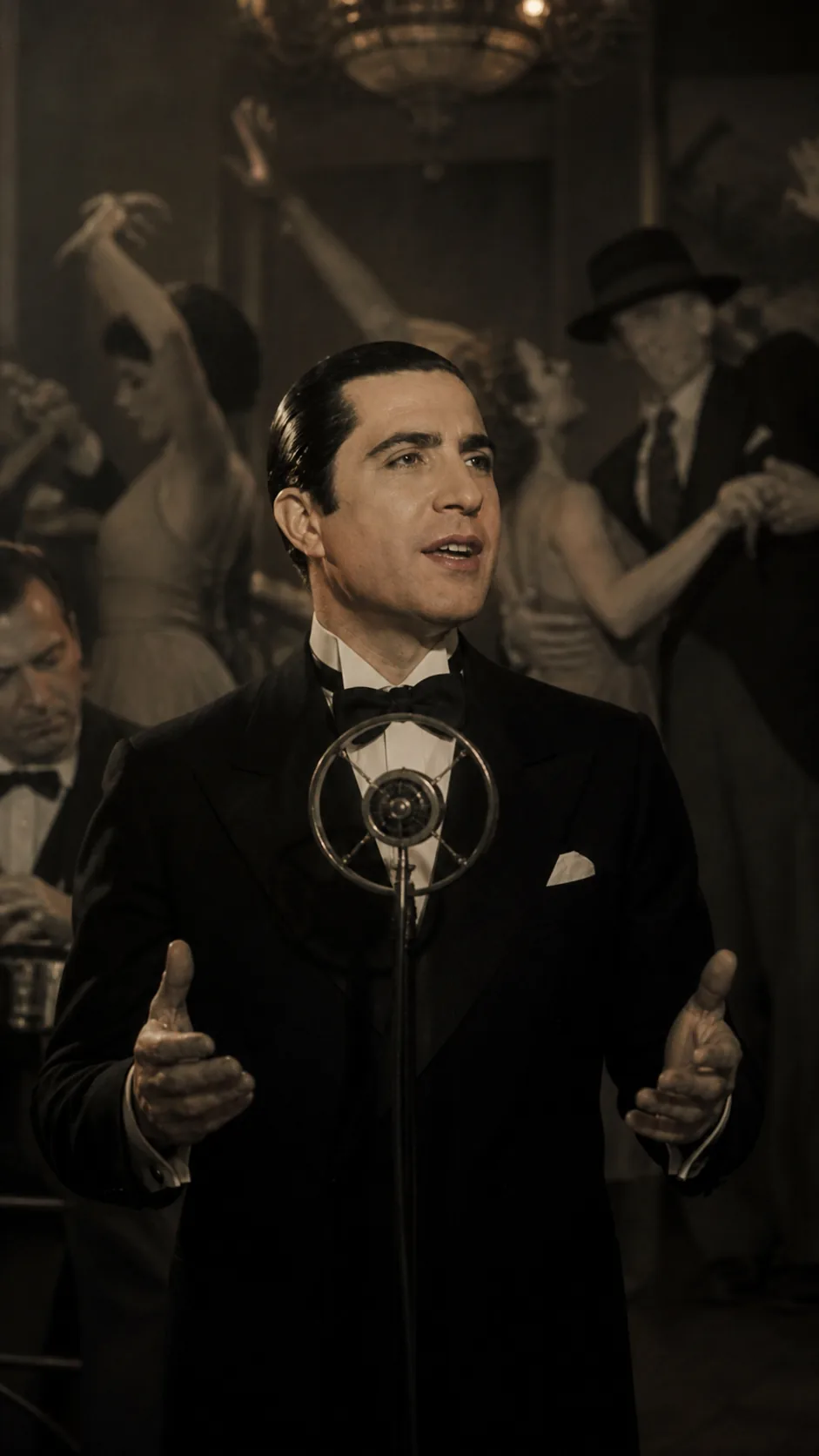
The records in the Horacio Loriente collection
The discs Loriente collected trace Gardel’s work beyond tango: UNESCO identifies 29 genres in the collection.
A Child Who Arrived from France
The strongest surviving documentation identifies Gardel as Charles Romuald Gardès, born on December 11, 1890, at the Hospice de La Grave in Toulouse, France. His birth certificate records him as the son of Berthe Gardès, a young laundress, and an unknown father. The document remains in the Toulouse Municipal Archives as record number 2481 for 1890 (Toulouse Municipal Archives, n.d.).
Berthe emigrated to Argentina with her son. They arrived in Buenos Aires in March 1893 and settled in a city receiving enormous numbers of European immigrants. Charles grew up primarily around the Abasto district, a working-class area shaped by its market, tenements, theaters, and constant mixture of languages.
He gradually adapted his name: Charles became Carlos and Gardès became Gardel. His speech, singing, and social identity developed in Buenos Aires. Thus, although his French birth is supported by civil documentation, his artistic identity was profoundly connected to the Río de la Plata.
The theory that he was born in Tacuarembó, Uruguay, still has defenders. It relies upon later documents in which Gardel declared himself Uruguayan and testimonies concerning an alleged secret parentage. It does not, however, possess a birth record equivalent to the Toulouse certificate. The Carlos Gardel House Museum and current Argentine institutions consider Charles Romuald Gardès the identity best supported by the documentation.
Accepting that evidence does not diminish Gardel’s bond with Uruguay, where he performed repeatedly and found an essential audience. Culturally, he belongs to the entire Río de la Plata, even if the competing historical evidence does not carry equal weight.
The Singer of the Neighborhoods
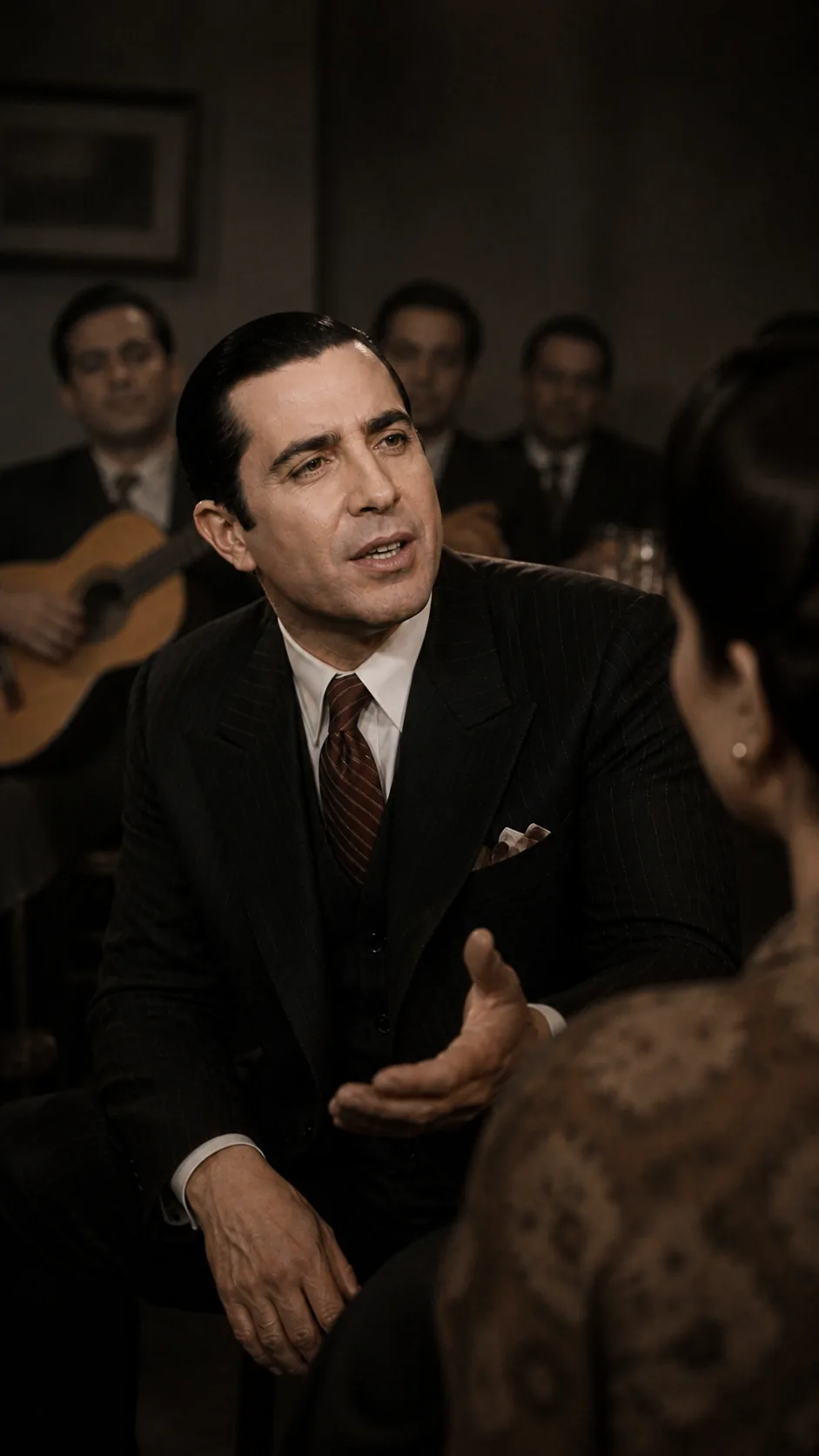
Before becoming tango’s great symbol, Gardel sang Creole styles: cifras, estilos, rural songs, and other genres associated with countryside traditions. He performed in cafés, private gatherings, small theaters, and political clubs. His powerful voice and musical memory helped him establish a reputation within popular entertainment circuits.
In 1911, he met Uruguayan singer José Razzano. They formed a duo that became established in 1913 and toured Argentina, Uruguay, Brazil, and other parts of the region. Gardel contributed a warm, expressive baritone; Razzano provided a higher register that created an effective contrast.
Gardel’s earliest solo recordings date from 1912. He was not yet the performer universally identified with tango. His repertoire remained closer to Creole song, while tango was still largely instrumental music associated with dancing.
The transformation arrived in 1917.
The Night Tango Learned to Tell a Story
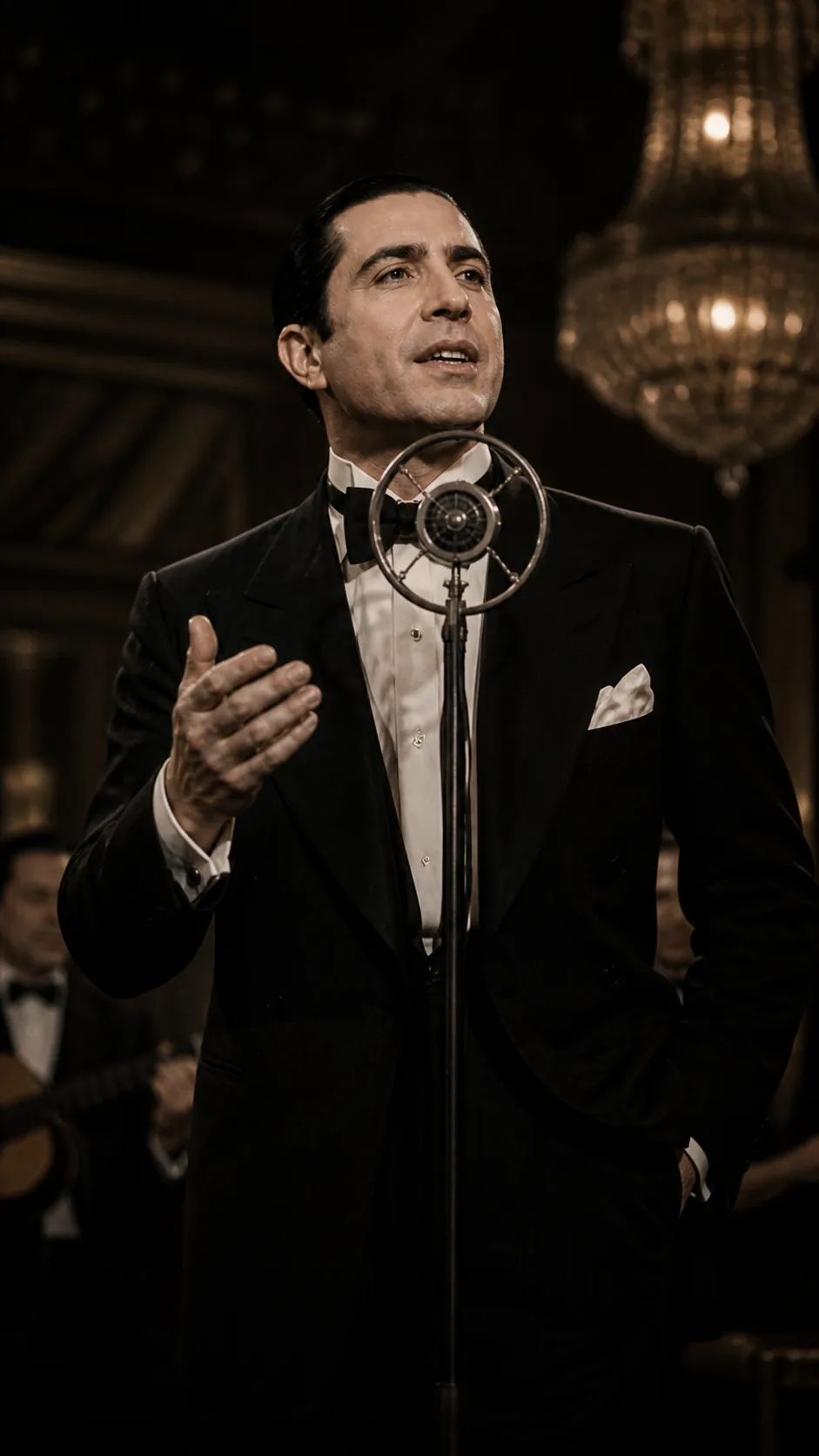
That year, Gardel recorded Mi noche triste, with music by Samuel Castriota and lyrics by Pascual Contursi. The song tells the story of an abandoned man through everyday objects and expressions drawn from Buenos Aires slang. An empty room, familiar possessions, and the absent woman create an intimate drama.
It was not literally the first tango to have words, but the recording is widely regarded as foundational in the consolidation of tango song. Gardel demonstrated that the genre could tell a complete story and that the singer could perform it like an actor, carefully controlling silences, accents, and emotion.
Tango no longer depended entirely upon dance. It could be heard as confession. The voice assumed a central place, while lyrics embraced nostalgia, betrayal, poverty, motherhood, neighborhood life, and loss.
Gardel did not shout pain. He controlled it. That restraint allowed an individual experience to feel as if it belonged to anyone who had lost a person, a home, or a city.
From a Duo to a Man Alone
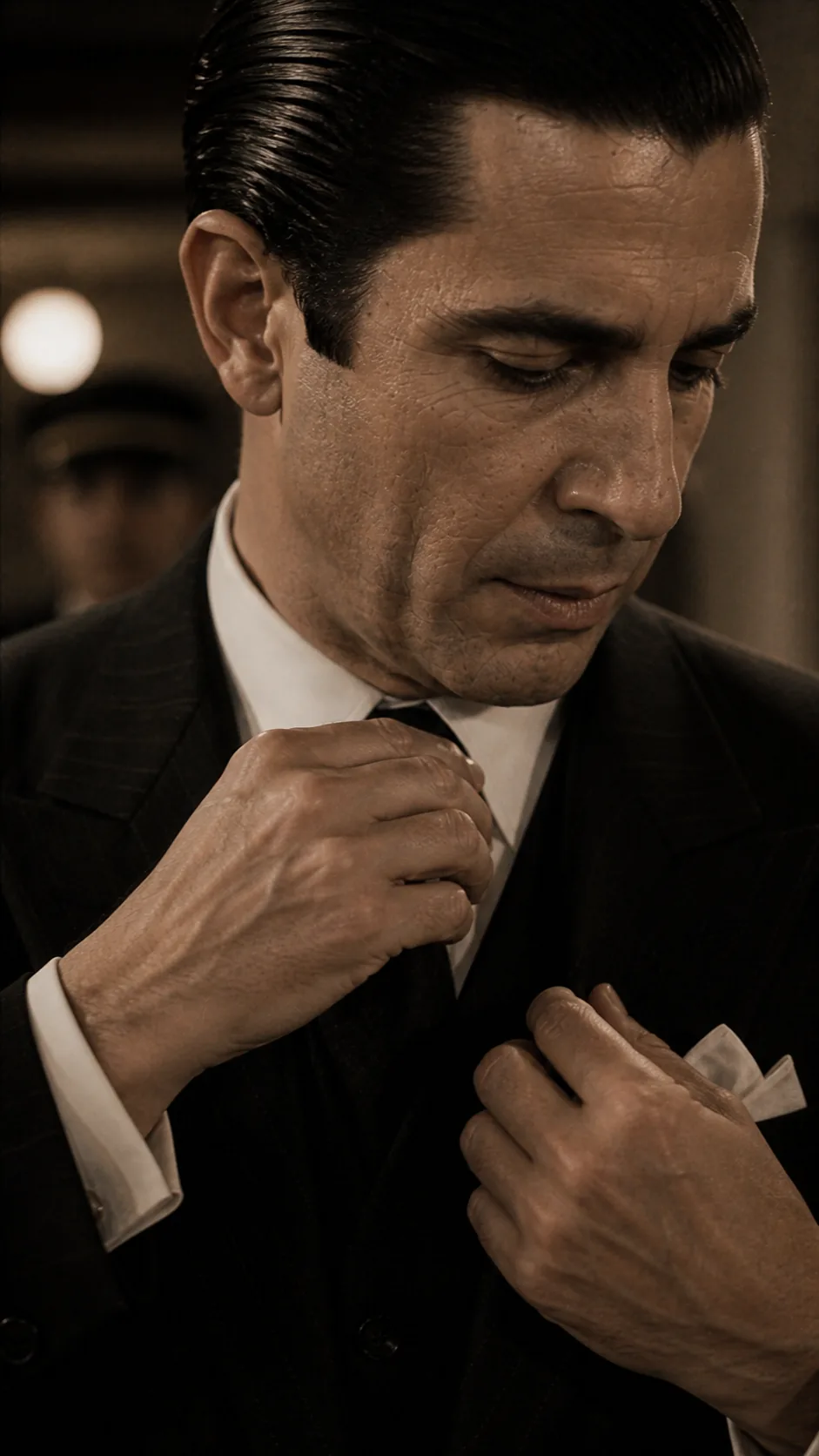
Gardel and Razzano continued performing together for several years. In 1925, throat problems forced Razzano to stop singing, and Gardel began his definitive career as a solo performer.
Their separation did not immediately destroy their relationship. Gardel granted his former partner broad authority to participate in the administration of his artistic affairs, a gesture contradicting the rivalry often assumed after musical partnerships end.
During the 1920s, Gardel achieved success in Spain and France. His appearances in Paris were particularly important. Tango had already entered European ballrooms as an exotic dance, but Gardel gave it a face, voice, and personality.
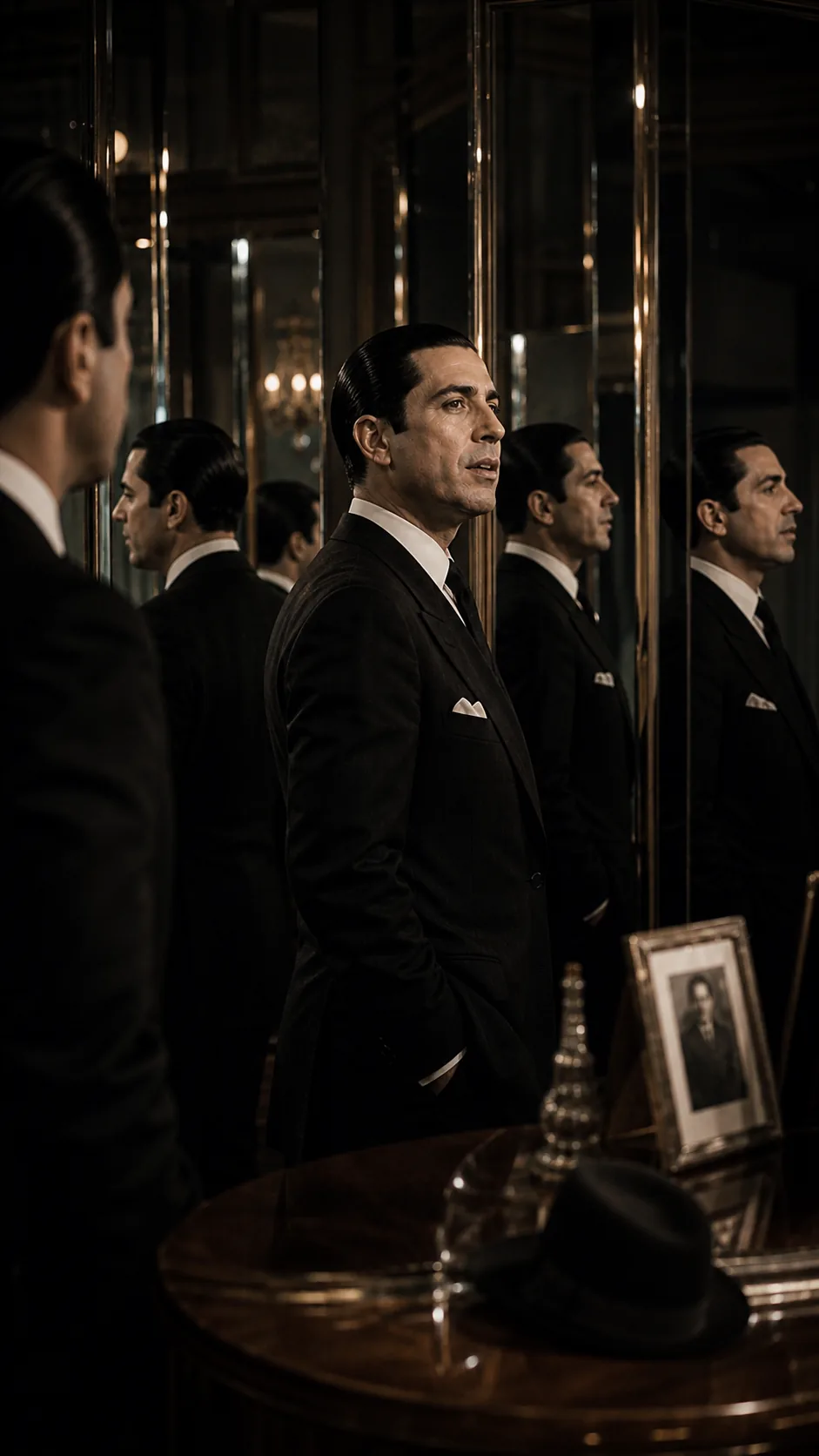
He managed his appearance with remarkable discipline. He lost weight, refined his clothing, posed naturally for photographers, and turned his smile into part of his public identity. Earlier than many singers, he understood that the modern entertainment industry sold more than songs: it sold a recognizable personality.
He was the “Morocho del Abasto” and the “Creole Thrush,” but also an international star able to enter both neighborhood cafés and aristocratic salons.
A Discography Much Broader Than Tango
Gardel became inseparable from tango, although his recorded production was considerably more diverse. The Horacio Loriente collection of original Carlos Gardel recordings, inscribed by UNESCO in the Memory of the World Register, preserves 770 pieces produced between 1913 and 1935. They represent 29 musical genres and include recordings made in Buenos Aires, Paris, and New York (UNESCO, 2003).
The Carlos Gardel House Museum counts 893 songs within his known recording career. The difference between the figures reflects different criteria: preserved records, masters, repeated versions, or documented performances.
This reveals a Gardel broader than the legend. He sang waltzes, zambas, rural styles, Creole songs, foxtrots, and other rhythms. Tango was the center of his artistic identity, but not the limit of his musical curiosity.
He was also a composer. He helped create works including Melodía de arrabal, Volver, Por una cabeza, Cuesta abajo, Mi Buenos Aires querido, and El día que me quieras, many with lyrics by Alfredo Le Pera.
The Camera Found a Voice
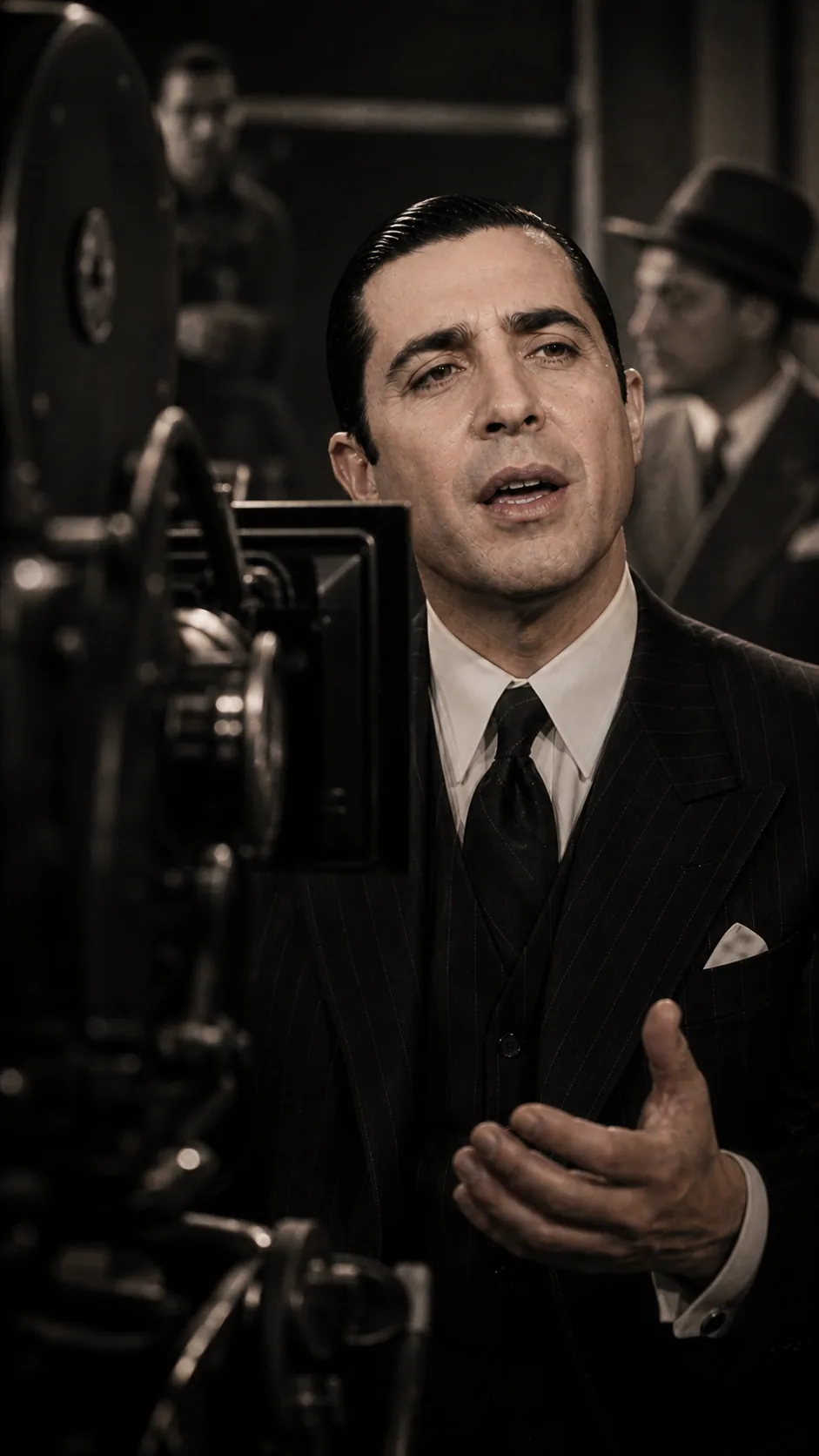
Sound cinema allowed Gardel to multiply his presence. Audiences no longer had to wait for a concert tour: his face and voice could appear before viewers in different countries through the same film.
After making musical shorts in Argentina, he worked in Paramount productions in France and the United States. The studio sought Spanish-language films for the vast international Hispanic market, and Gardel offered something unusual: musical prestige, ease before the camera, and an established international following.
His partnership with Alfredo Le Pera proved decisive. Le Pera wrote stories, dialogue, and lyrics that incorporated songs into narratives accessible to audiences across national borders.
In New York, they made Cuesta abajo and El tango en Broadway in 1934, followed by El día que me quieras and Tango Bar in 1935. These films were not always narratively sophisticated, but they transformed Gardel into one of the first great pan-Hispanic media stars. El día que me quieras was filmed at Paramount’s Long Island studios only months before his death.
The technology intended to extend his career ultimately preserved him as a perpetually young man.
The Final Tour
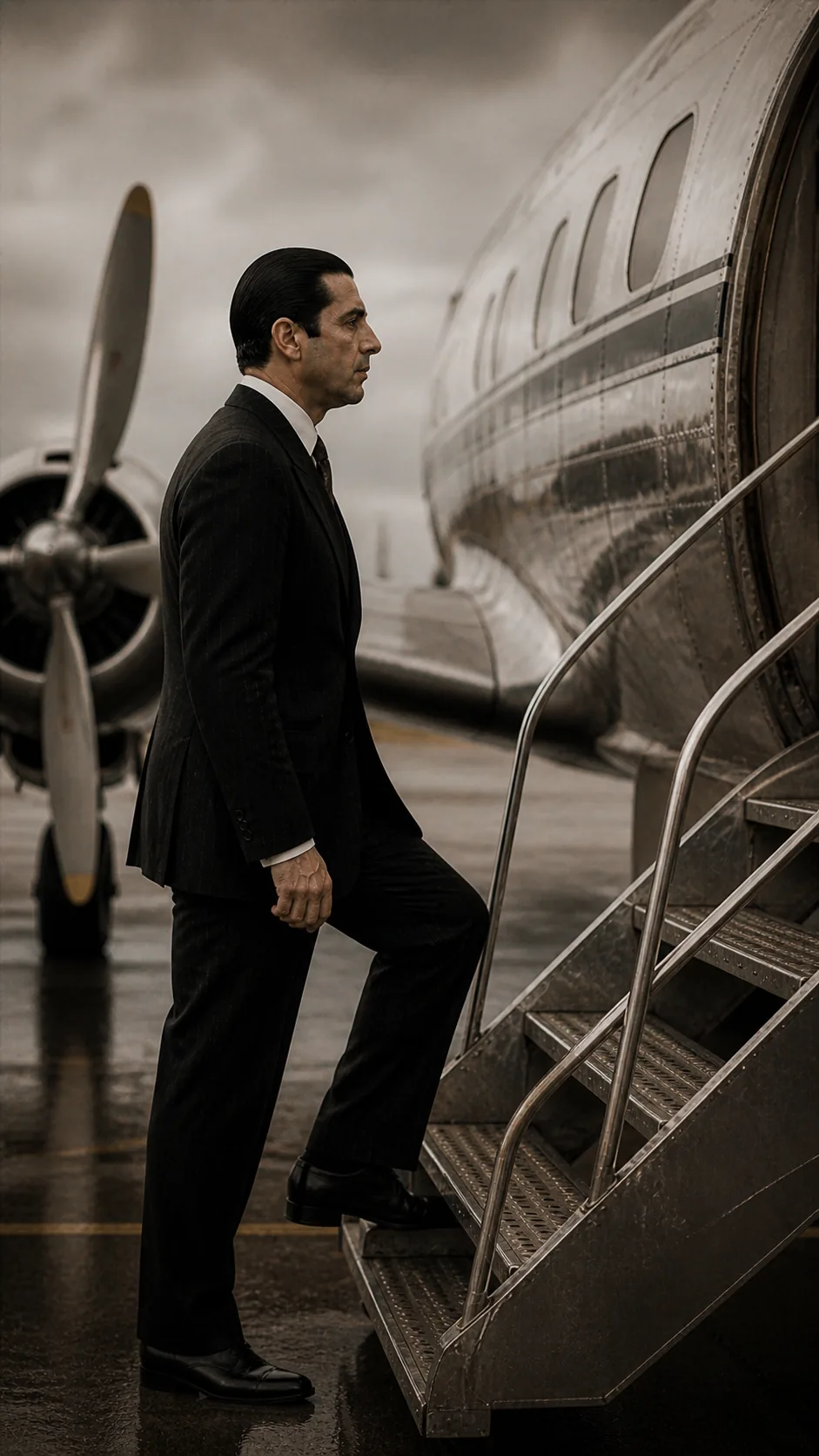
In 1935, Gardel began a tour through the Caribbean and northern South America. He visited Puerto Rico, Venezuela, Aruba, Curaçao, and Colombia. Crowds gathered at stations, hotels, and theaters to see him.
On June 24, his company was scheduled to fly from Medellín to Cali. Gardel boarded a Ford Trimotor operated by SACO at Olaya Herrera Airport. Traveling with him were Alfredo Le Pera, guitarists Guillermo Barbieri and Ángel Domingo Riverol, businessmen, and other members of his entourage.
During its takeoff run, the aircraft veered from its course and collided with another plane belonging to SCADTA that was on the ground. The impact caused a fire. Gardel, Le Pera, and most of those aboard died.
The exact cause became disputed. Early reports mentioned crosswinds, while later investigations examined possible overloading, runway conditions, and pilot decisions. Available documentation confirms the collision but does not responsibly support reducing it to a single undisputed explanation (Colombian Ministry of Foreign Affairs, 2020).
There is also no evidence that the crash was an assassination or that a gunfight occurred aboard the aircraft. Those versions belong to the mythology that developed after the tragedy.
Gardel was forty-four.

His Strangest Journey Happened After Death
One of the least-known episodes in Gardel’s story is the long journey undertaken by his remains.
He was initially buried at San Pedro Cemetery in Medellín. Months later, his body was exhumed for transportation to Argentina, even though Colombian law imposed restrictions that required a special authorization.
The coffin left Colombia, crossed Panama, and reached New York. From there, it traveled by sea, stopping in Rio de Janeiro and Montevideo. Admirers gathered in each city to say farewell.
The remains finally reached Buenos Aires on February 5, 1936. According to Colombian diplomatic records, approximately 40,000 people waited at the port. After a massive procession and a public wake at Luna Park, Gardel was buried at La Chacarita Cemetery (Colombian Ministry of Foreign Affairs, 2020).
The singer who had carried tango around the world returned by an international route even after his death.
A Voice Against Disappearance
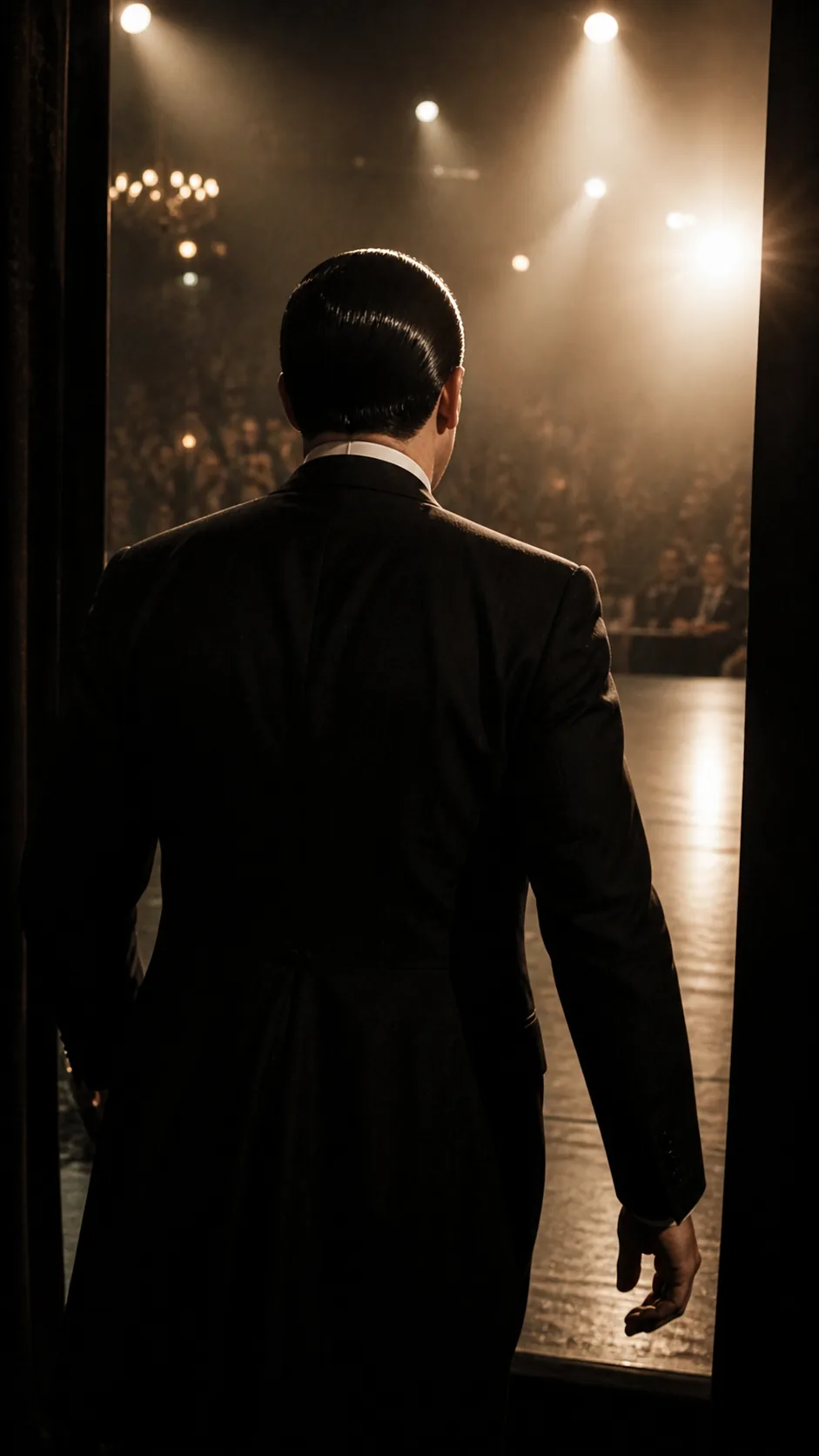
Gardel was not tango’s only great singer, but he established the standard against which others would be measured. He transformed interpretation through phrasing, diction, volume control, and the ability to turn every lyric into a scene.
His death prevented him from aging before the public. The films preserved his smile; the records captured a voice in full command. The accident interrupted the man and completed the myth.
He sang against the darkness because he gave words to people who had abandoned countries, neighborhoods, families, or loves. In a society built by immigrants, his nostalgia could belong to millions.
The argument over whether he was French, Argentine, or Uruguayan seems small beside what he eventually represented. He was born in Toulouse, grew up in Buenos Aires, was embraced throughout the Río de la Plata, and died in Medellín. His true homeland became a song heard far from home.
Sources
- Archives de Toulouse. FAQ : Carlos Gardel.
- Museo Casa Carlos Gardel. Exposición permanente.
- Museo Casa Carlos Gardel. Grabaciones de 1917.
- Ministerio de Relaciones Exteriores de Colombia (2020). El accidente aéreo que le produjo la muerte al cantante Carlos Gardel.
- UNESCO (2003). Original records of Carlos Gardel – Horacio Loriente Collection (1913–1935).
More from this collection
Benny Moré: The Voice That Conducted an Orchestra Without Reading Music
Read story →
Carmen Sevilla: The Star Who Survived the Image Created for Her
Read story →