In this storyOpen index
Nostradamus: The Man Who Turned Fear into Prophecy
From plague remedies to the court of France: how readers turned sixteenth-century verses into predictions after the event.
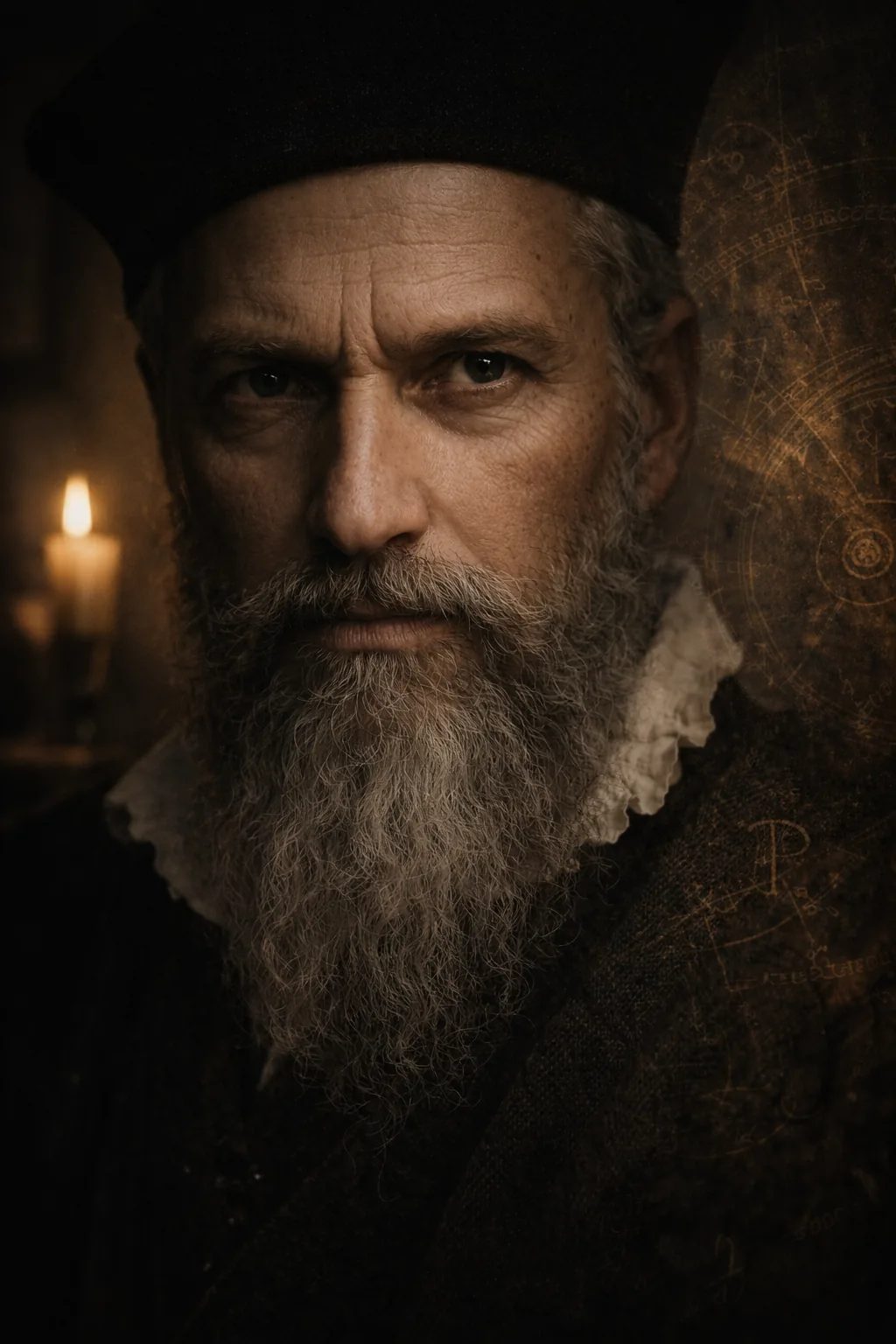
For almost five centuries, every war, epidemic, assassination, or catastrophe has provoked the same question: Did Nostradamus predict it?
He has been credited with foreseeing the French Revolution, Napoleon, Hitler, the atomic bombs, Kennedy’s assassination, the September 11 attacks, and even disasters that have not yet happened. Almost none of those interpretations, however, appeared before the events they supposedly predicted.
Nostradamus’s true power may not have been the ability to see the future. It was his ability to write texts so obscure, disturbing, and adaptable that every generation could discover its own fears within them.
Behind the legendary prophet stood Michel de Nostredame, a Renaissance man associated with pharmacy, medicine, astrology, cosmetics, and even the preparation of preserves. He lived amid epidemics, religious conflict, and royal courts obsessed with discovering what awaited them.
Nostradamus
A life told through medicines, almanacs and quatrains
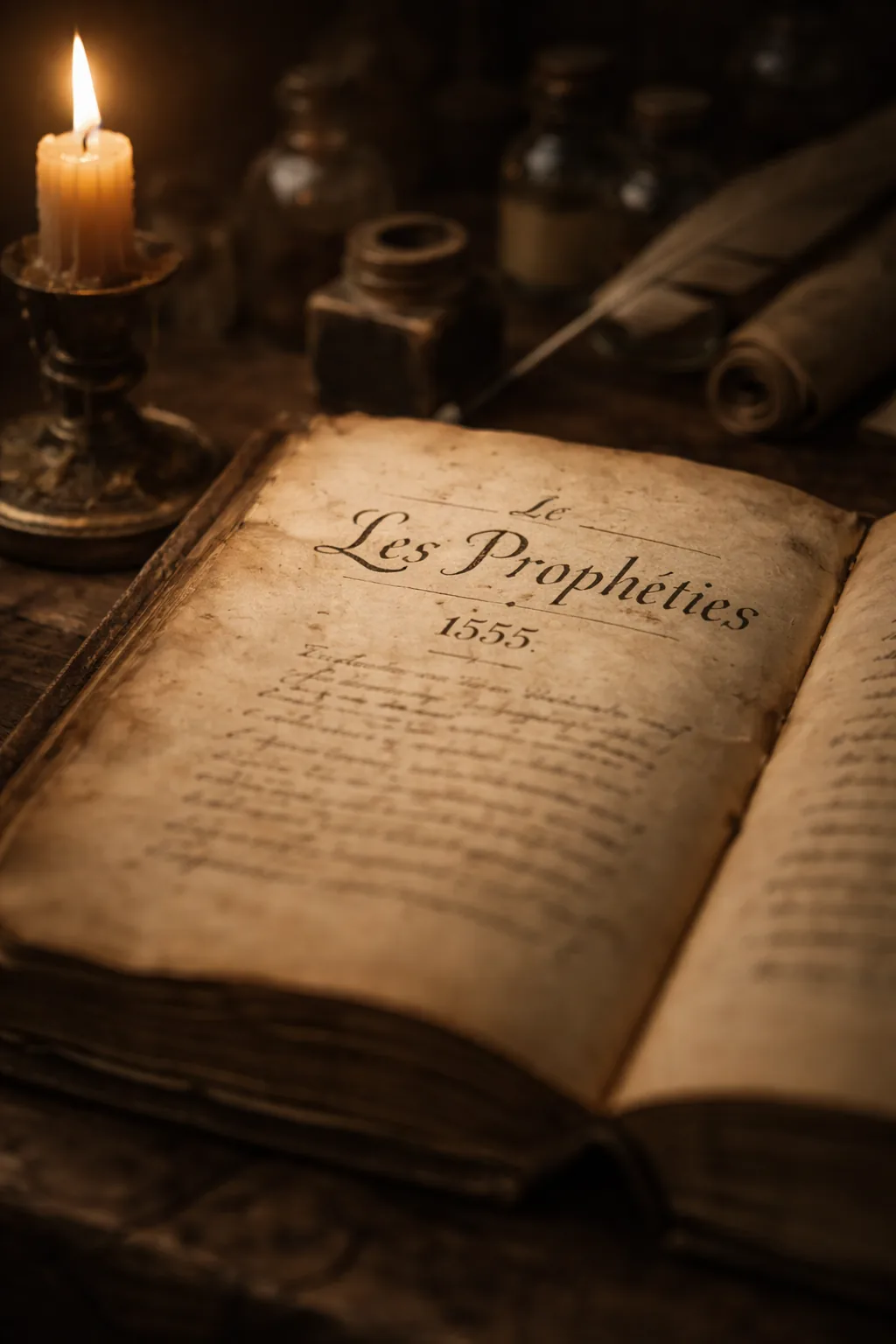
Les Prophéties · Lyon, 1555
Which verses could a reader actually consult in 1555? Pierre Brind’Amour’s critical edition takes the printing by Macé Bonhomme as its starting point and comments on the first 353 quatrains. The French national library’s record identifies this scholarly edition; the illustration alongside is an imagined page.
A Descendant of Converts
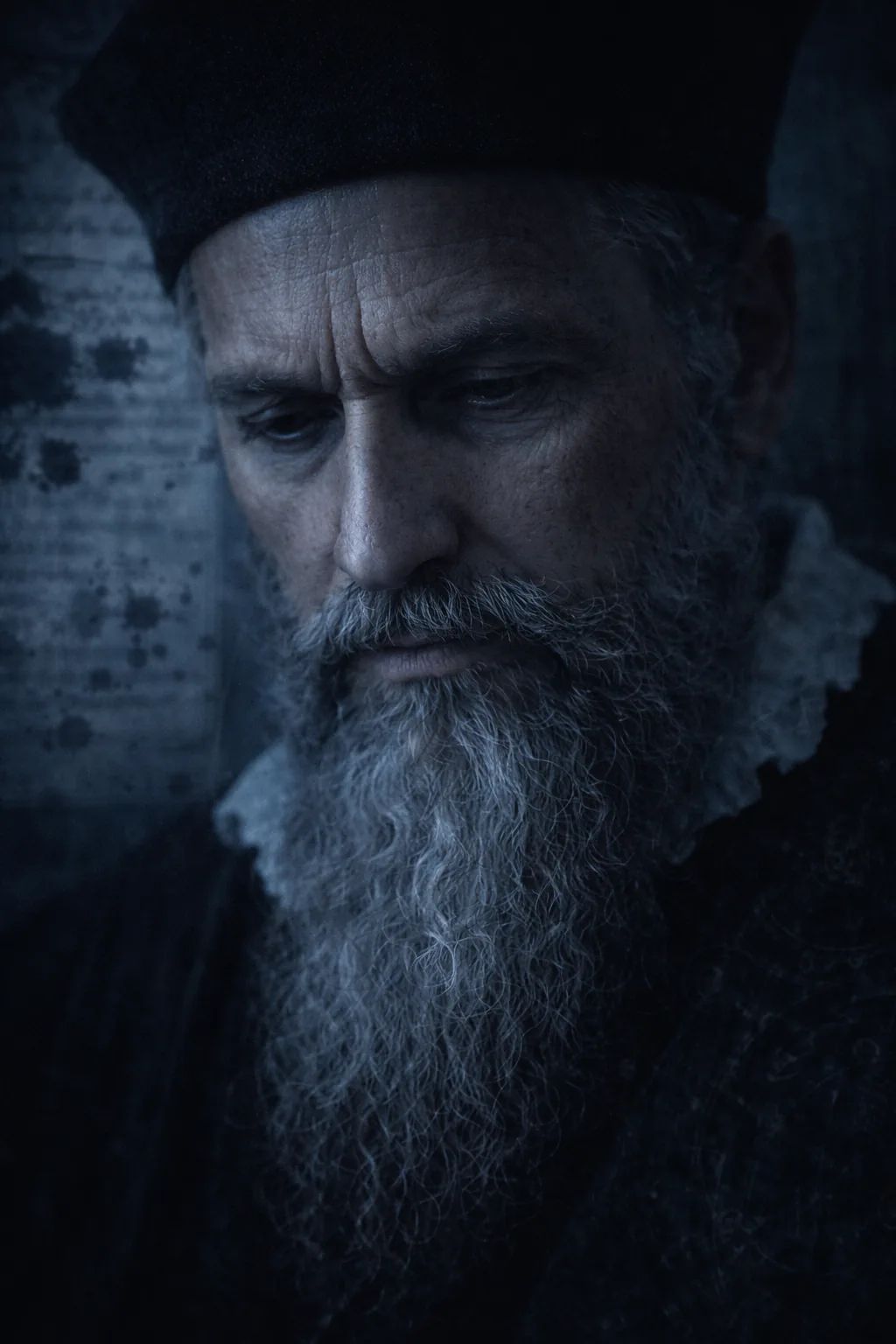
Michel de Nostredame was born on December 14, 1503, in Saint-Rémy-de-Provence in southern France. His family descended from Provençal Jews who had converted to Christianity.
This background has generated many legends about secret knowledge supposedly transmitted through his ancestors. There is no strong evidence that Michel received a clandestine education in Kabbalah. He did, however, grow up in a relatively educated family connected with commerce and professions that required mathematical and administrative knowledge.
He studied liberal arts in Avignon, where his education probably included grammar, rhetoric, logic, astronomy, and astrology. Astrology was not yet a marginal pursuit. It belonged to university culture and was used to interpret weather, disease, and political events.
Physician or Apothecary?
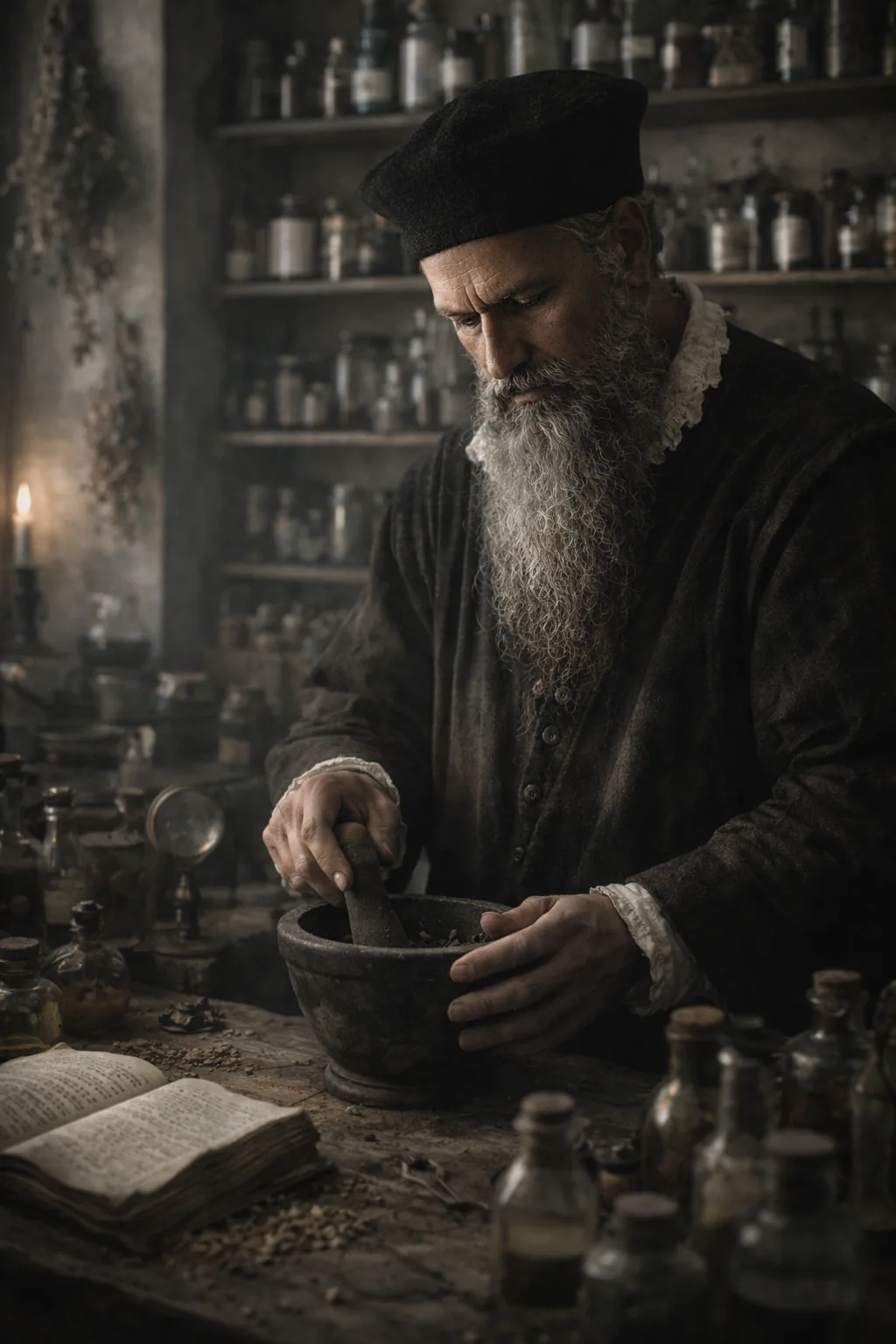
For years, biographies claimed that Nostradamus received a medical doctorate from the University of Montpellier. Surviving documentation makes that assertion uncertain.
He enrolled at Montpellier in 1529, but a university record indicates that he was denounced for having worked as an apothecary—an occupation the institution’s statutes considered incompatible with university medical training. Some historians believe he was expelled and never received the Montpellier doctorate he later claimed.
His work should not be evaluated solely through modern medical standards. Sixteenth-century European medicine combined observation with Greco-Roman traditions, astrology, bloodletting, purging, and remedies of highly variable effectiveness.
During outbreaks in Provence he prepared aromatic lozenges containing rose petals. His account tells us what he made and how he expected it to work. It does not establish that the lozenges prevented infection or cured plague.
When the Epidemic Entered His Home
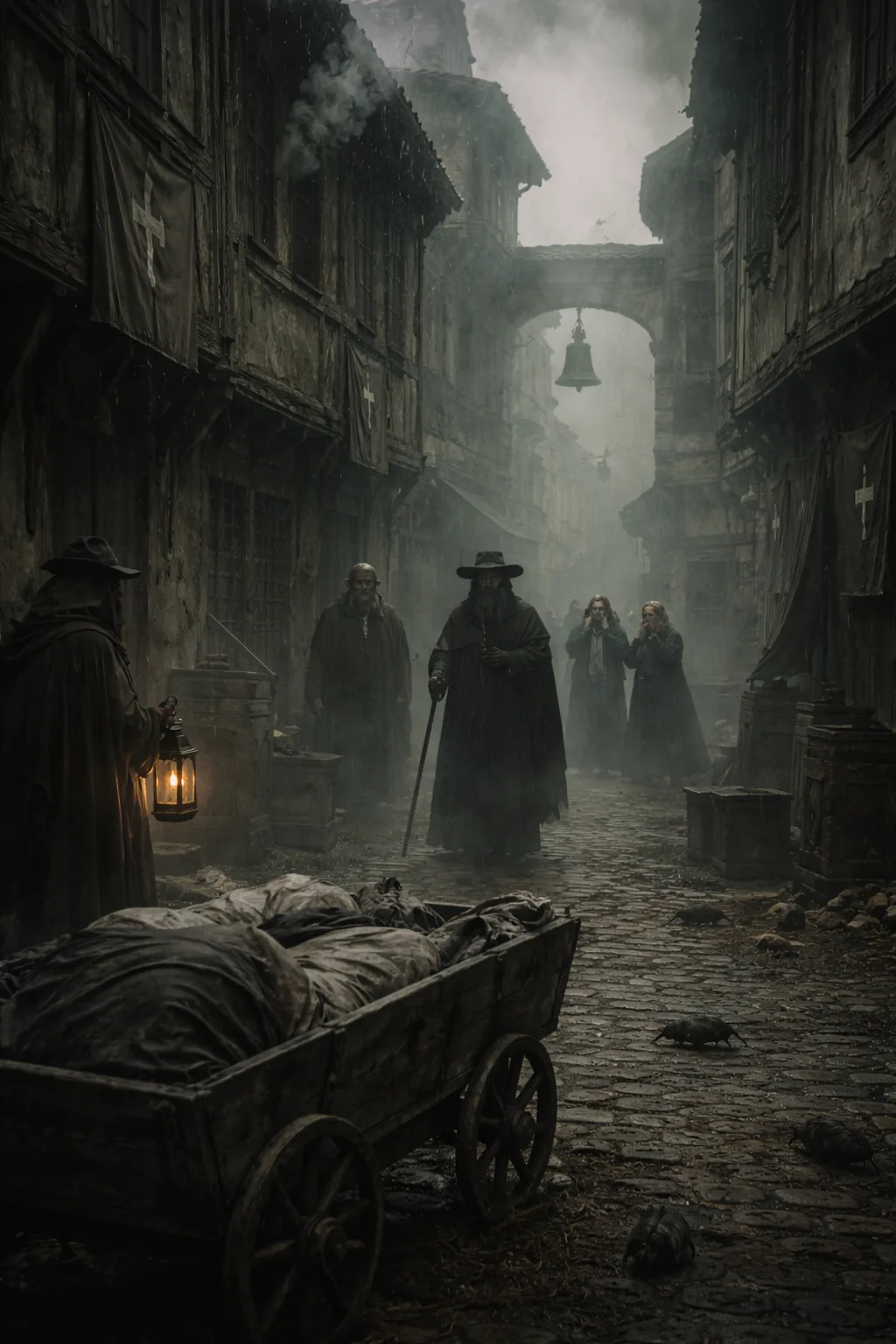
Around 1531, Nostradamus settled in Agen, where he became associated with the humanist Julius Caesar Scaliger. He married and had children there.
His first wife and children died some years later. An epidemic is often cited, but the surviving evidence does not establish the cause of their deaths.
He left Agen and traveled for several years. Later accounts filled this period with stories of secret initiations and supernatural experiences. The evidence is considerably less dramatic. He probably practiced as an itinerant apothecary and healer, expanded his knowledge, and carefully constructed a public identity.
In 1547, he settled in Salon-de-Provence, married Anne Ponsarde, and established a new family with whom he had six children. The house in which they lived has been preserved as a municipal museum (Ministry of Culture, n.d.).
The Prophet Was Born in an Almanac

In 1550, he published an almanac containing astronomical information, calendars, and predictions for the coming year. Almanacs were popular products. Farmers, merchants, and nobles consulted them for lunar phases, expected weather, harvests, illnesses, and potential conflicts.
Its success encouraged him to publish new editions every year. In these works, he used the Latinized form of his surname: Nostradamus.
This was not an insignificant choice. He had created a recognizable brand within one of the period’s most profitable publishing markets. His forecasts combined astronomical observations with warnings about wars, epidemics, famine, unrest, and the deaths of important people.
Prophecies That Were Never Meant to Be Clear
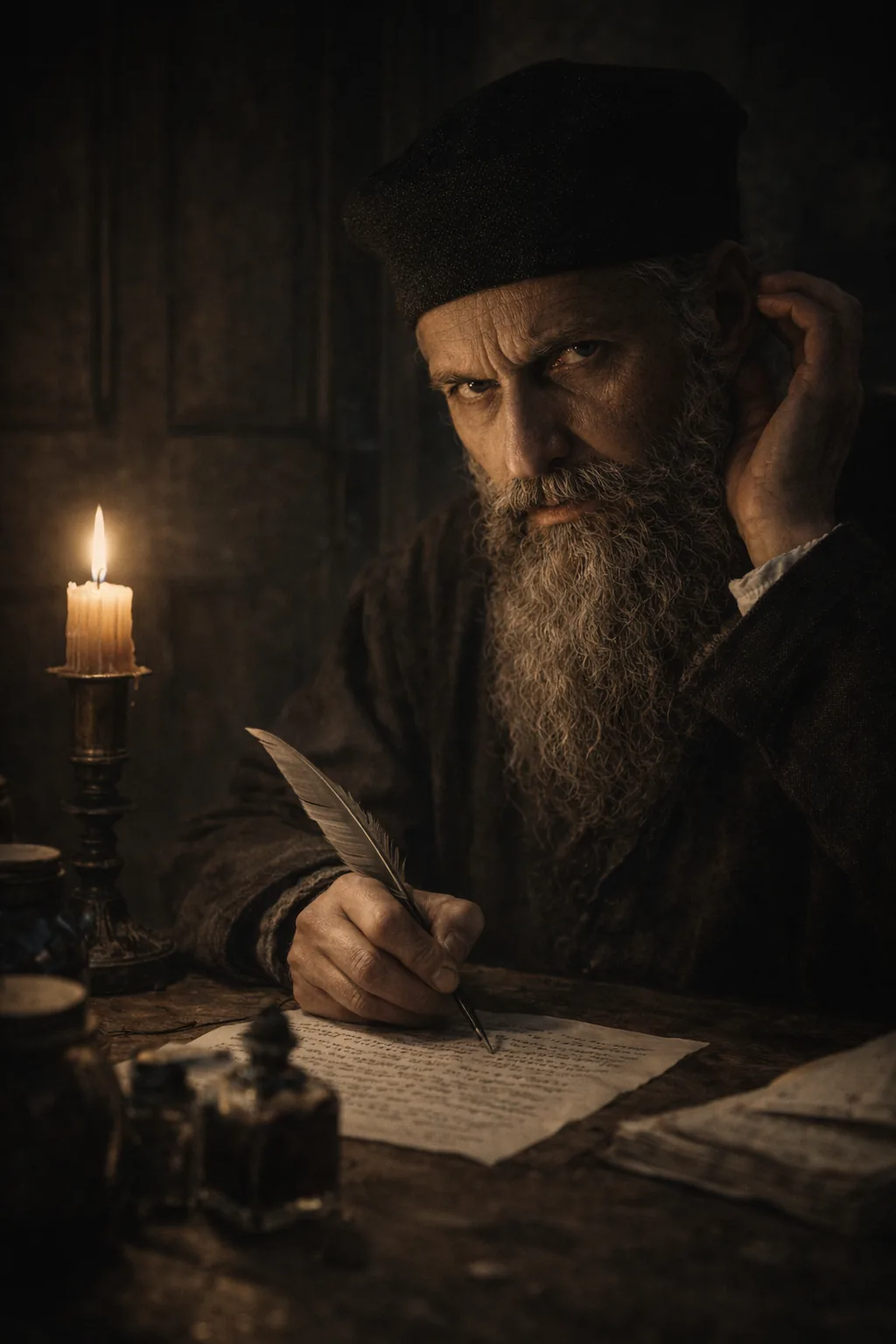
The first edition of Les Prophéties appeared in Lyon in 1555. It contained 353 quatrains arranged in sections called “Centuries.” An expanded posthumous edition appeared in 1568 (Bibliothèque nationale de France, n.d.).
Nostradamus wrote in sixteenth-century French but incorporated Latin, Greek, Italian, and Provençal words. He altered names, disrupted syntax, and avoided providing a continuous chronology. His verses combined images of fires, blood, monarchs, comets, battles, floods, and destroyed cities.
This obscurity may have protected him against religious or political accusations, but it also transformed his work into an almost unlimited engine of interpretation. A quatrain without a date, identifiable characters, or precise context can retrospectively be connected to many events.
Historian Stéphane Gerson argues that the Nostradamus phenomenon does not depend solely upon what he wrote, but also upon what readers, editors, and commentators have done with his texts over the centuries (Gerson, 2012).
The Death of Henry II
The most famous prediction attributed to Nostradamus is commonly associated with the death of King Henry II of France.
Quatrain I.35 sets a young lion against an older one and evokes a golden cage and an injury to the eyes. In 1559 a splinter from Gabriel de Montgomery’s lance struck Henry during a joust. He died days later. Once readers knew the story of the tournament, the cage could be read as a helmet.
The resemblance appears remarkable once the outcome is known. Yet the quatrain does not name the king, France, Montgomery, a tournament, or the year 1559. Moreover, the interpretation directly linking it with Henry’s death spread after the event.
The case demonstrates the central problem with retrospective prophecies: the event occurs first, and only afterward do readers search for words that can be made to fit it.
Catherine de’ Medici and the Power of Being Heard
Queen Catherine de’ Medici became interested in his almanacs and summoned him to Paris in 1555. She wanted him to explain predictions concerning the royal family and prepare horoscopes for her children.
His connection to the court dramatically increased his prestige. In 1564, during a royal journey through France, Catherine met him again in Salon-de-Provence. Nostradamus was appointed counselor and physician-in-ordinary to King Charles IX, although the precise, everyday nature of those duties remains debated.
Consulting astrologers was not exceptional behavior for Renaissance courts. Rulers sought information from every available source. A prediction could influence marriages, military campaigns, and alliances. Anyone who interpreted the stars came dangerously close to the center of power.
The Unexpected Book of Cosmetics and Preserves
One of the least-known facts about Nostradamus is that, in the same year he published his first prophecies, another very different practical treatise appeared.
The volume had two sections. One described cosmetics, perfumes, and personal-care preparations; the other explained how to make preserves, jellies, and candied fruit. Its recipes involved sugar, fruit, spices, and flowers (Bibliothèque nationale de France, 1555).
The work reveals a Nostradamus far removed from the impenetrable language of the Centuries. His instructions were clear because people were meant to use them in daily life. The supposed prophet of the end of the world also knew how to preserve pears, prepare marzipan, and manufacture beauty products.
Hitler Was Not in His Verses
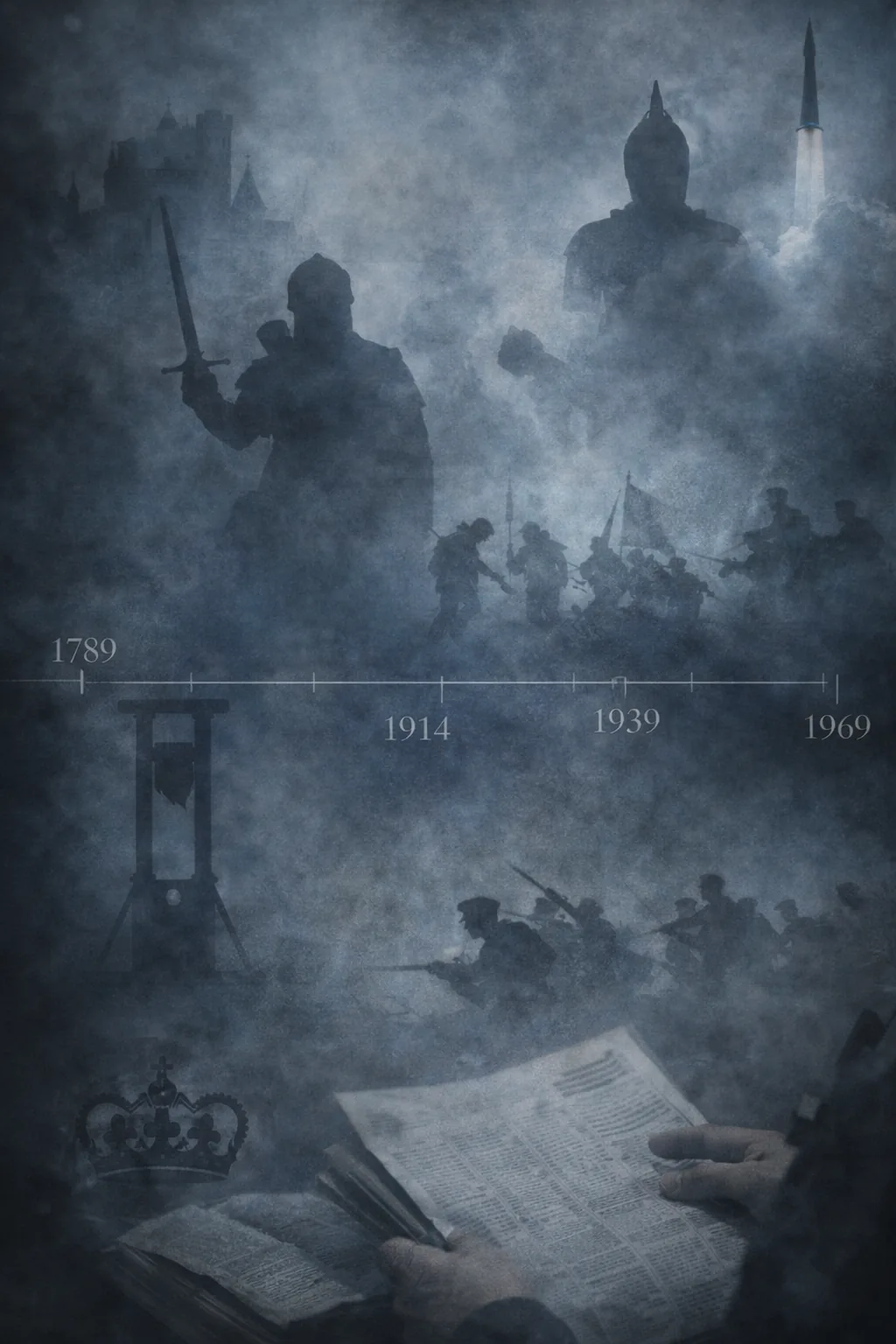
One of the most repeated modern claims is that Nostradamus predicted Adolf Hitler because he used the word “Hister.”
In fact, Hister was an ancient geographical name associated with the lower Danube. Turning it into a misspelling of “Hitler” ignores the historical vocabulary employed by the author. During World War II, both German and Allied propagandists exploited alleged Nostradamus predictions to influence public opinion.
Something similar occurred after the September 11, 2001, attacks. Verses attributed to Nostradamus circulated online, referring to “two brothers” being destroyed and a “great city.” Some were altered combinations of older writings; others had been composed in modern times to demonstrate how easily a convincing prophecy could be manufactured.
A prediction has evidentiary value only if it is documented before the event, identifies what will happen with reasonable precision, and does not have to be rewritten afterward. Nostradamus’s most famous interpretations rarely satisfy those conditions.
The Man Died; the Myth Learned to Survive
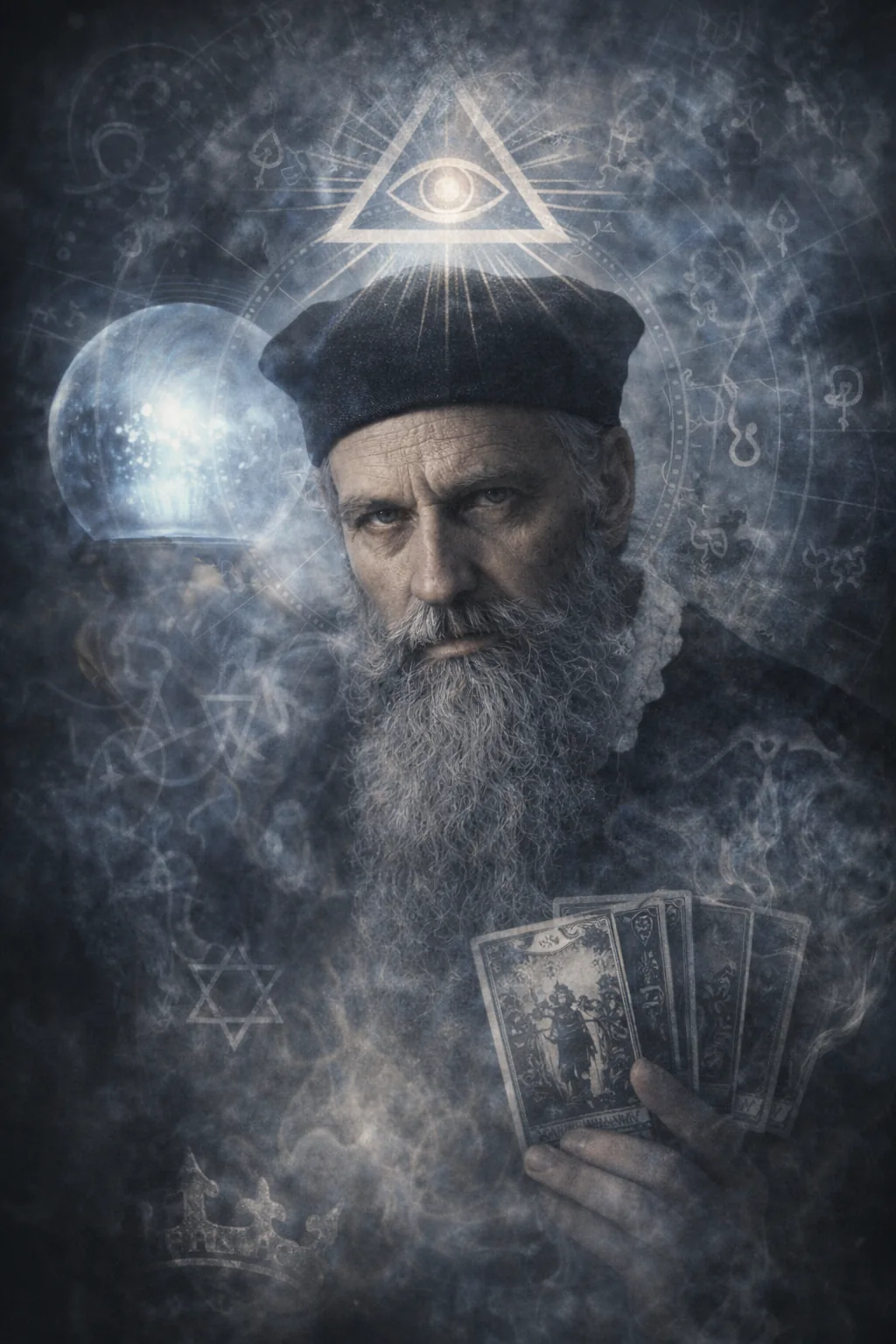
During his final years, Nostradamus suffered from gout and edema. He died in Salon-de-Provence during the night of July 1–2, 1566.
His followers claimed that he had anticipated his own death. The statement usually quoted comes from later biographical testimony and cannot establish a supernatural prediction. A gravely ill man could understand that his end was approaching.
What was extraordinary was not Nostradamus’s ability to see the future, but his construction of a body of work capable of renewing itself during every crisis. His quatrains function like mirrors: they do not necessarily reveal what will happen, but what each age fears might happen.
Sources
- Bibliothèque nationale de France (n.d.). Prophéties (notice de l’œuvre).
- Brind’Amour, P. (Ed.). (1996). Les premières centuries ou prophéties : édition Macé Bonhomme de 1555. Droz.
- Nostradamus. (1555). Excellent & moult utile opuscule. Catalogue général de la BnF.
- Gerson, S. (2012). Nostradamus: How an obscure Renaissance astrologer became the modern prophet of doom. St. Martin’s Press.
- Ministère de la Culture (n.d.). Maison de Nostradamus – Salon-de-Provence.
More from this collection
Helen Peters Nosworthy: The Woman Who Named the Ouija and Later Called It a Liar
Read story →
Mina “Margery” Crandon: The Medium Who Made Science Tremble from a Darkened Room
Read story →