
In this storyOpen index
Mina “Margery” Crandon: The Medium Who Made Science Tremble from a Darkened Room
A bell, a voice, and a divided investigation: the case that brought Margery into conflict with Houdini.
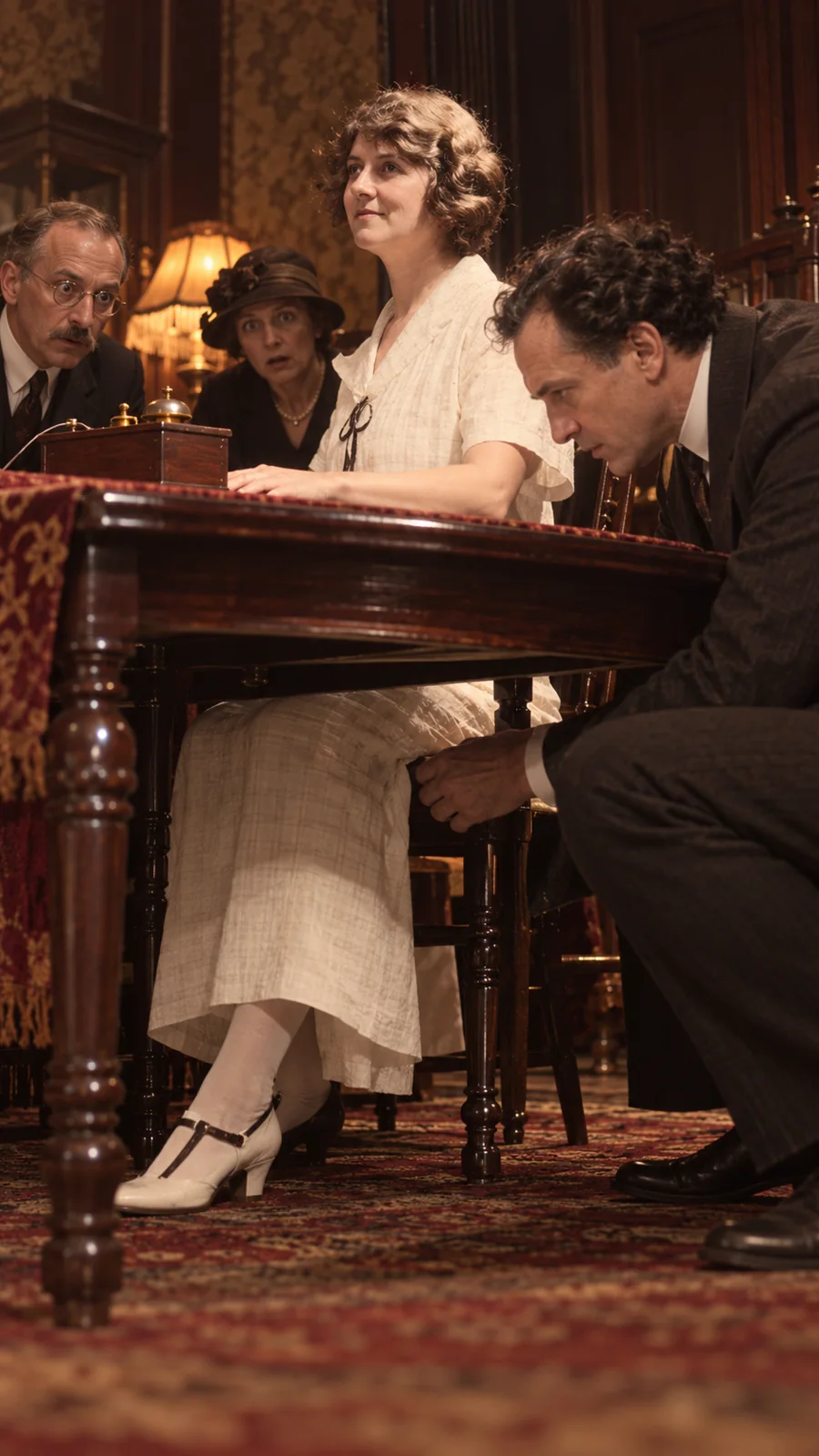
A bell rang inside a closed box while everyone claimed to be holding the medium’s hands and feet. In the darkness, a harsh voice insulted the investigators, answered questions, and claimed to belong to a dead man.
During the 1920s, Mina Crandon—known publicly as “Margery”—turned her Boston home into one of the most controversial settings in the history of Spiritualism. Physicians, professors, journalists, and members of high society gathered to witness raps, moving objects, automatic writing, disembodied voices, and supposed materializations.
Scientific American investigated her to determine whether she deserved a prize for demonstrating genuine psychic phenomena. Sir Arthur Conan Doyle believed in her. Harry Houdini considered her a fraud.
Margery never demonstrated her powers under controls capable of excluding deception. Her true power, however, did not exist only in what happened during the séances. It lay in her ability to divide scientists, transform weaknesses in an investigation into spectacle, and make uncertainty resemble confirmation.
Mina Margery Crandon
A life told through séances and controversy
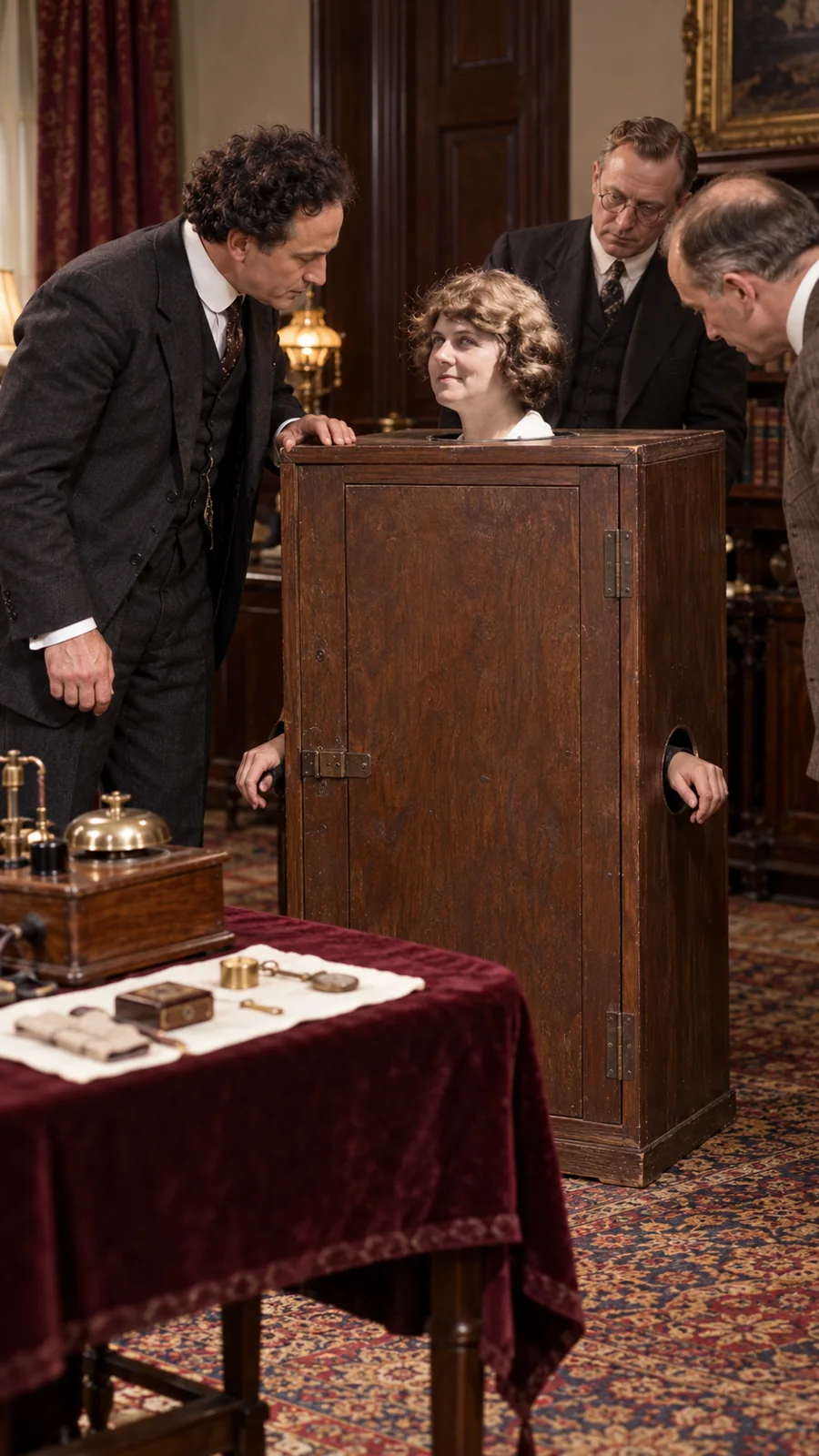
Houdini inside the “Margie Box”
The Library of Congress preserves a 1924 photograph of Houdini in the restraint cabinet. The link opens the historical record; this card uses an AI reconstruction.
From a Canadian farm to Boston society
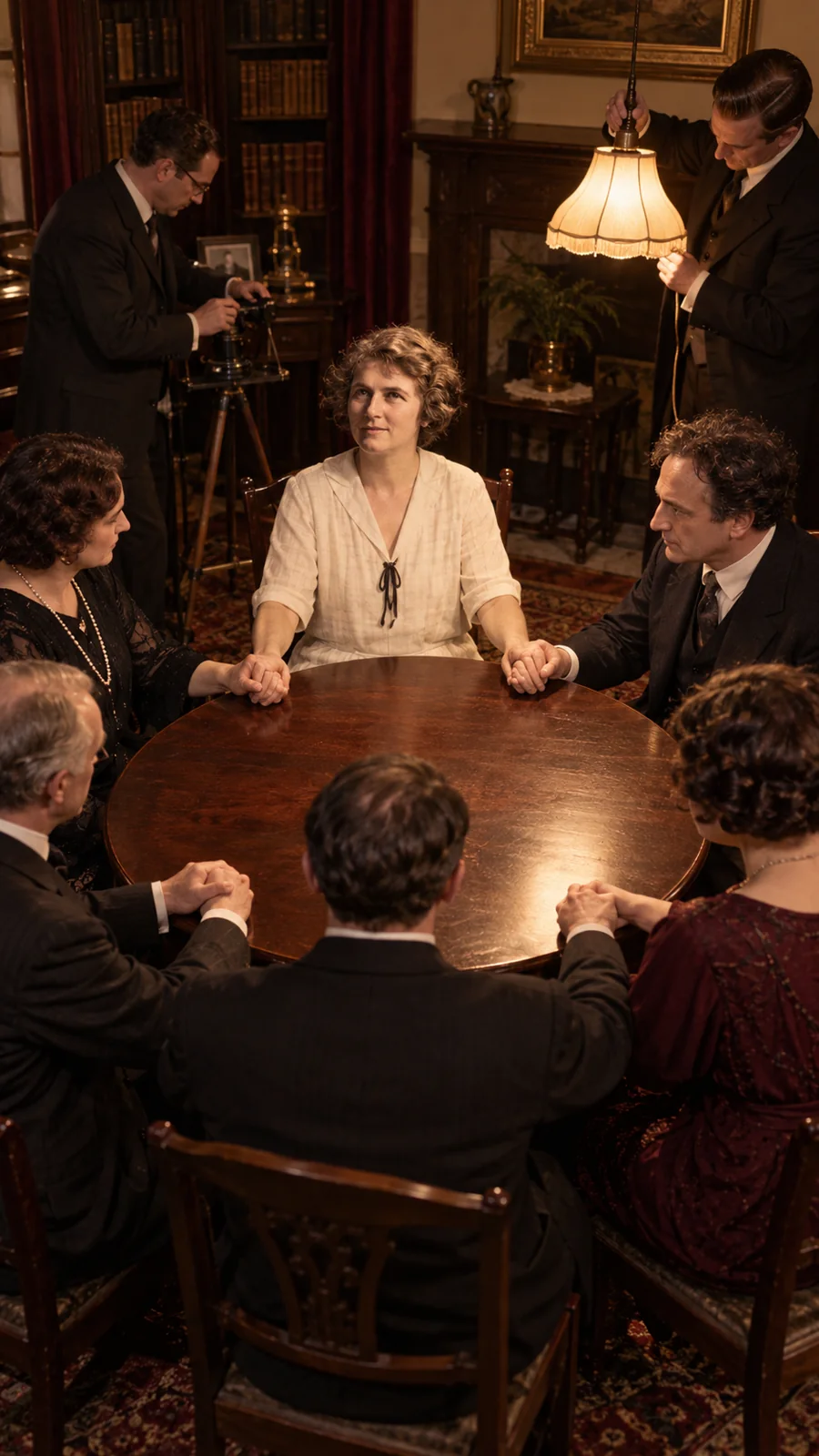
Mina Marguerite Stinson was born in 1888 in Ontario, Canada. She grew up in a rural environment and later moved to Boston, where she worked as a secretary.
She first married Earl Rand, with whom she had a son. The marriage ended in divorce. In 1918, she married Le Roi Goddard Crandon, a Harvard-educated Boston surgeon considerably older than she was.
Her husband’s position gave Mina access to privileged social and intellectual circles. The couple lived at 10 Lime Street in Beacon Hill, one of Boston’s most distinguished neighborhoods. Their home became a destination for psychical researchers, journalists, and advocates of Spiritualism (Jaher, 2015).
Margery was not a traveling medium selling tickets in a rented hall. She was the wife of a respected physician and received guests inside an elegant home. That social difference profoundly influenced how people perceived her.
Observers who would have immediately suspected a professional medium tended to ask why a wealthy woman would risk her reputation by committing fraud.
Walter’s voice
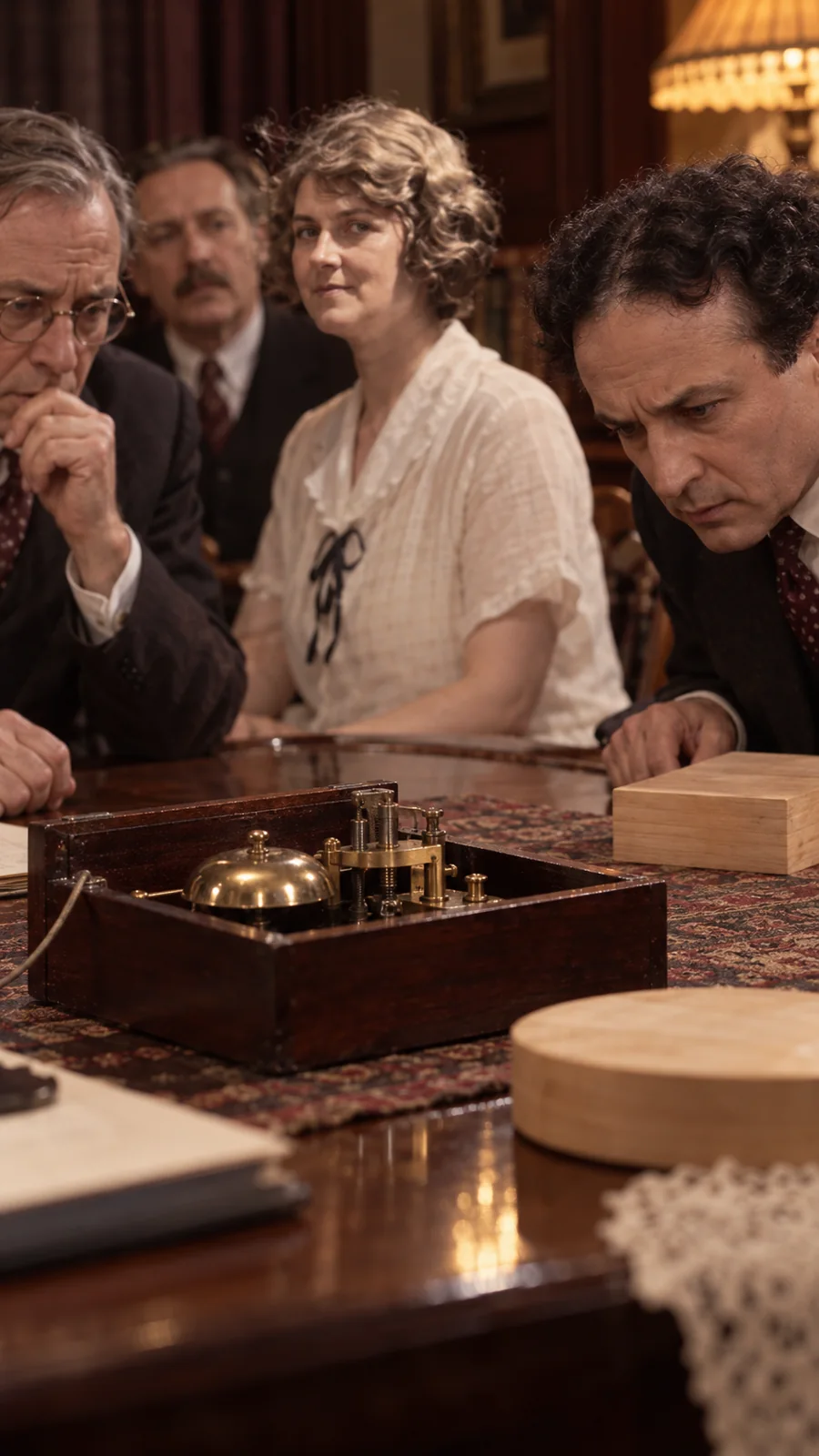
The séances began as private experiments around 1923. Mina entered trances and claimed to establish contact with Walter Stinson, her brother, who had died years earlier.
Walter became her supposed “spirit control”—the entity that organized the phenomena and spoke through her. His personality differed dramatically from Mina’s refined public image. He was irreverent, aggressive, playful, and frequently insulted anyone who questioned his powers.
Participants reported raps on walls, whistles, moving tables, the movement of an acoustic trumpet, and sounds emerging from a box containing a bell. Messages also appeared through automatic writing and, during later experiments, impressions in dental wax supposedly made by materialized fingers.
Some observers claimed to hear Walter while Margery’s mouth appeared to contain water or while she was physically controlled. Others noted that the séances occurred in darkness or under inadequate red illumination, conditions that made precise observation of her movements impossible (Bird, 1925; Jaher, 2015).
Walter’s personality also served a convenient function: when something failed, believers could explain that the spirit felt offended, distrusted an investigator, or refused to perform under particular conditions.
An era that needed to speak with the dead
Margery’s popularity cannot be understood without considering the historical moment. Millions of families had suffered losses during the First World War and the influenza pandemic. Spiritualism promised that death had not completely severed communication.
Radio, telephones, photography, and telegraphy had accustomed the public to receiving voices and images from invisible or distant sources. To many people, discovering another form of transmission did not seem incompatible with scientific progress.
The movement also granted some women an unusual degree of authority. During a séance, a woman could speak in a different voice, challenge professors, establish the meeting’s rules, and become the center of attention for powerful men.
Margery combined all these elements: grief, technology, spectacle, social standing, and a personality capable of controlling the room.
Her supporters included Arthur Conan Doyle, creator of Sherlock Holmes and one of Spiritualism’s most prominent advocates. His endorsement helped make her an international figure, although it did not constitute evidence for her claims.
The Scientific American prize
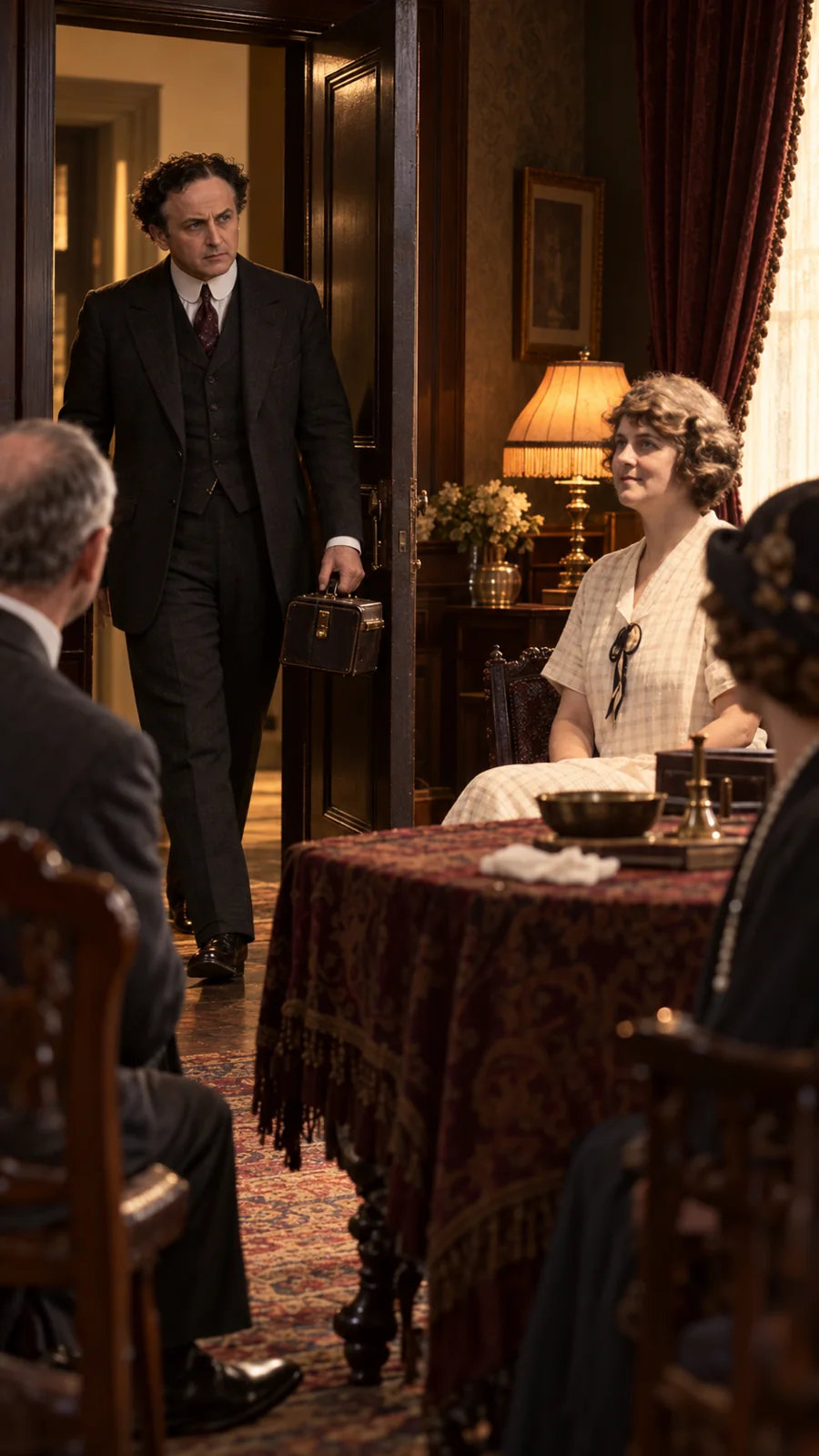
In 1922, Scientific American organized a committee to investigate paranormal claims. The magazine offered cash prizes, including $2,500 for anyone who could produce a physical psychic manifestation under conditions accepted by the investigators.
The committee included psychologist William McDougall, physicist Daniel Frost Comstock, psychical researcher Walter Franklin Prince, author and investigator Hereward Carrington, and illusionist Harry Houdini. J. Malcolm Bird, a member of the magazine’s editorial staff, served as secretary but was not one of the judges holding a decisive vote (Houdini, 1924; Jaher, 2015).
Margery was submitted as a candidate in 1924. By then, she had impressed numerous visitors and enjoyed her husband’s enthusiastic support.
The case appeared ideal for the magazine: a socially respectable medium, apparently observable physical phenomena, and a group of evaluators combining scientists, psychical researchers, and an expert in theatrical deception.
The experiment soon revealed a fundamental problem. The investigators did not share the same standards, and some had developed personal relationships or prior positions concerning the medium.
Instead of operating as a unified investigation, the committee became a battleground.
Houdini enters the room
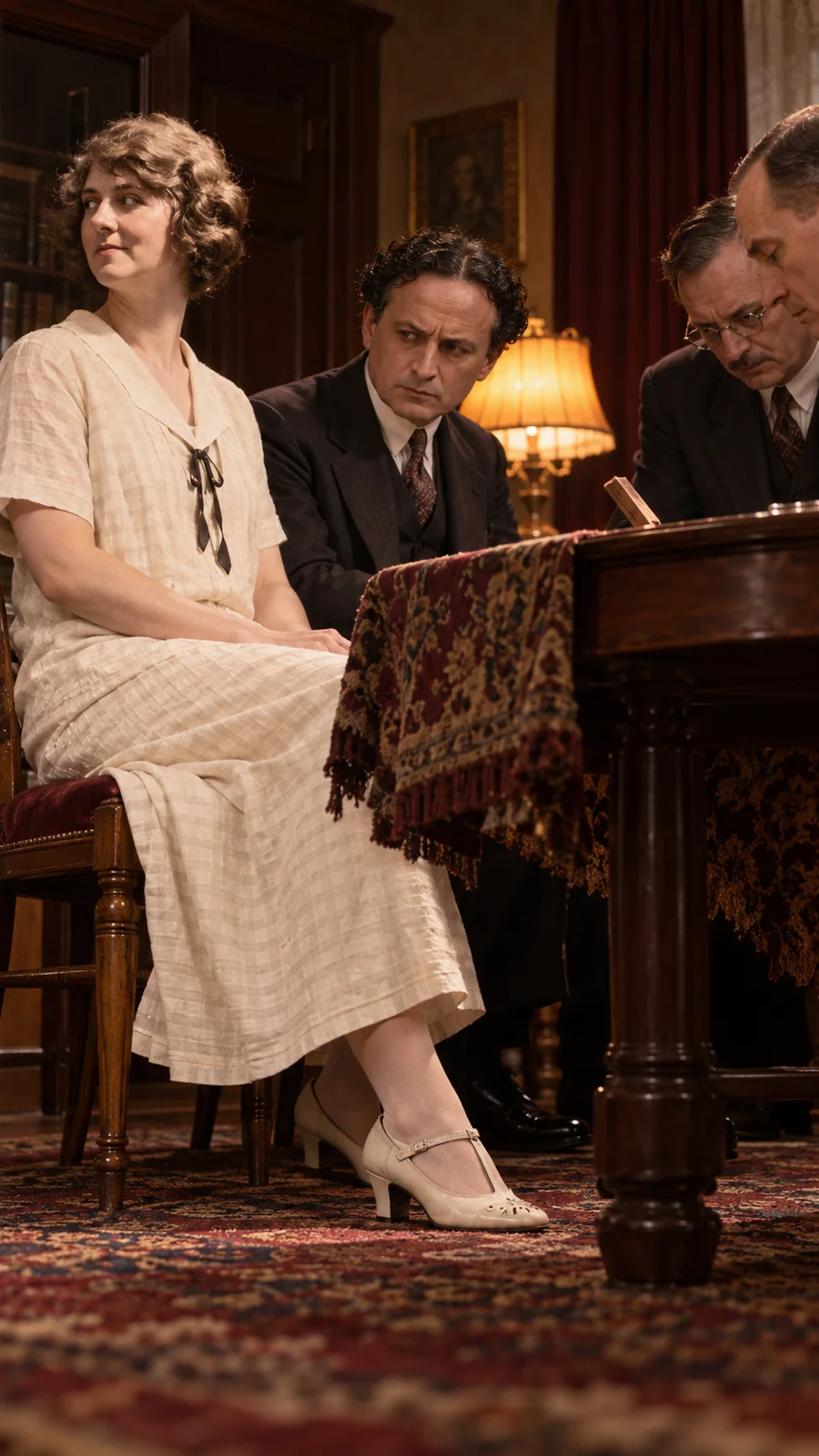
Houdini understood something the other evaluators did not always appreciate: a person could appear completely restrained while retaining enough freedom to move an object.
During séances in July 1924, he claimed that Margery escaped physical control and used her foot, head, or shoulders to create certain effects. He also considered the participants’ methods of monitoring her body inadequate.
To subject her to stricter control, he designed a structure popularly known as the “Margery box.” The medium sat inside a cabinet that restricted the movement of her torso and legs while leaving her head and arms in observable positions.
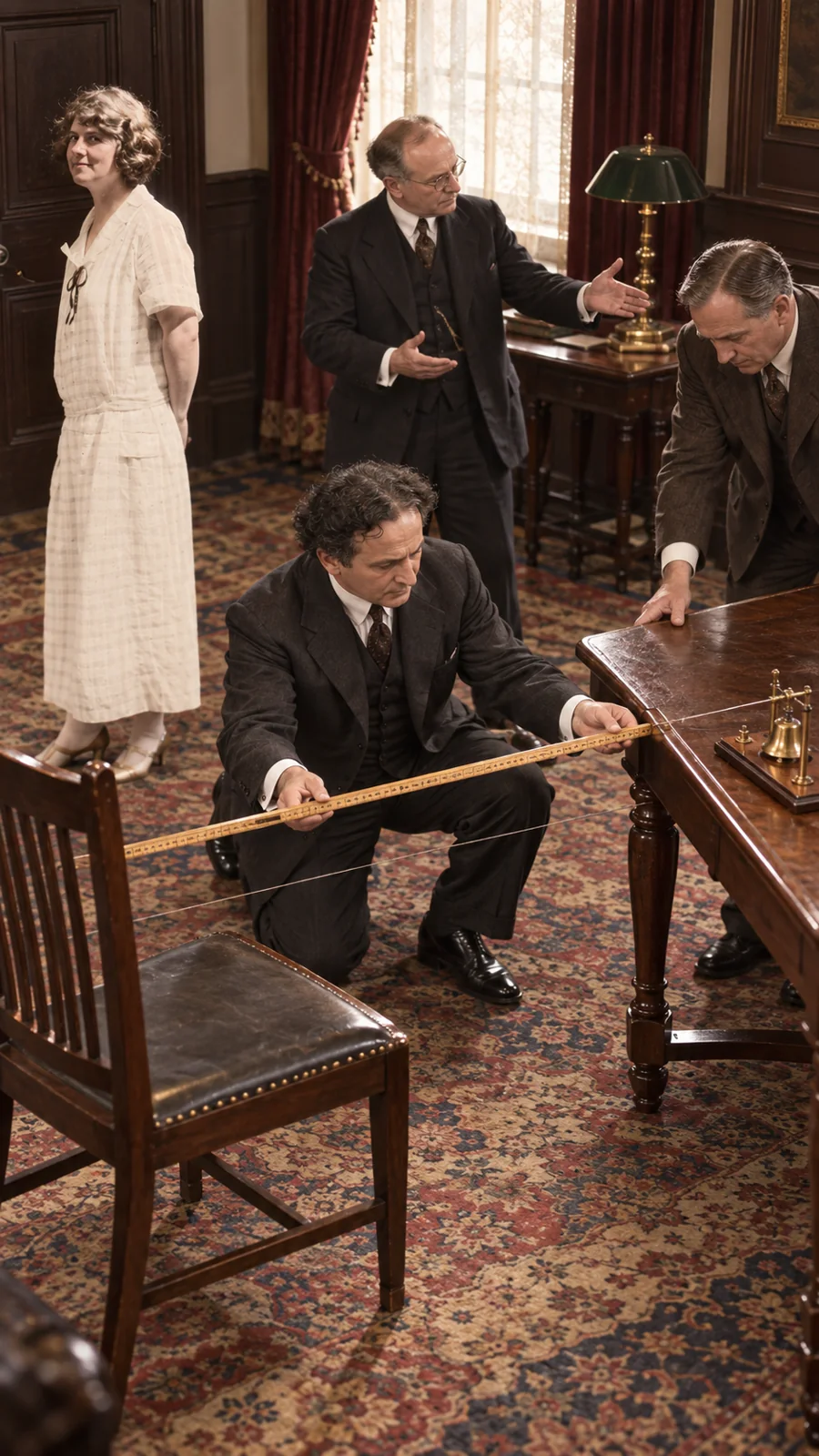
The cabinet tests also prompted disputes about their conditions and the possibility of manipulating the apparatus. Houdini maintained that the controls could be defeated; Margery and her supporters rejected his explanations and accused him of trying to discredit her (Houdini, 1924).
Another experiment used a control that kept her feet and knees in a position more difficult to alter. Under those strict conditions, the expected phenomenon did not occur.
The conflict ceased to be a calm discussion of evidence. Walter insulted Houdini during the séances. Houdini publicly reproduced the alleged phenomena as stage tricks and published a pamphlet explaining their probable methods.
The rivalry made Margery an even greater celebrity.
The committee that could not control its own investigation
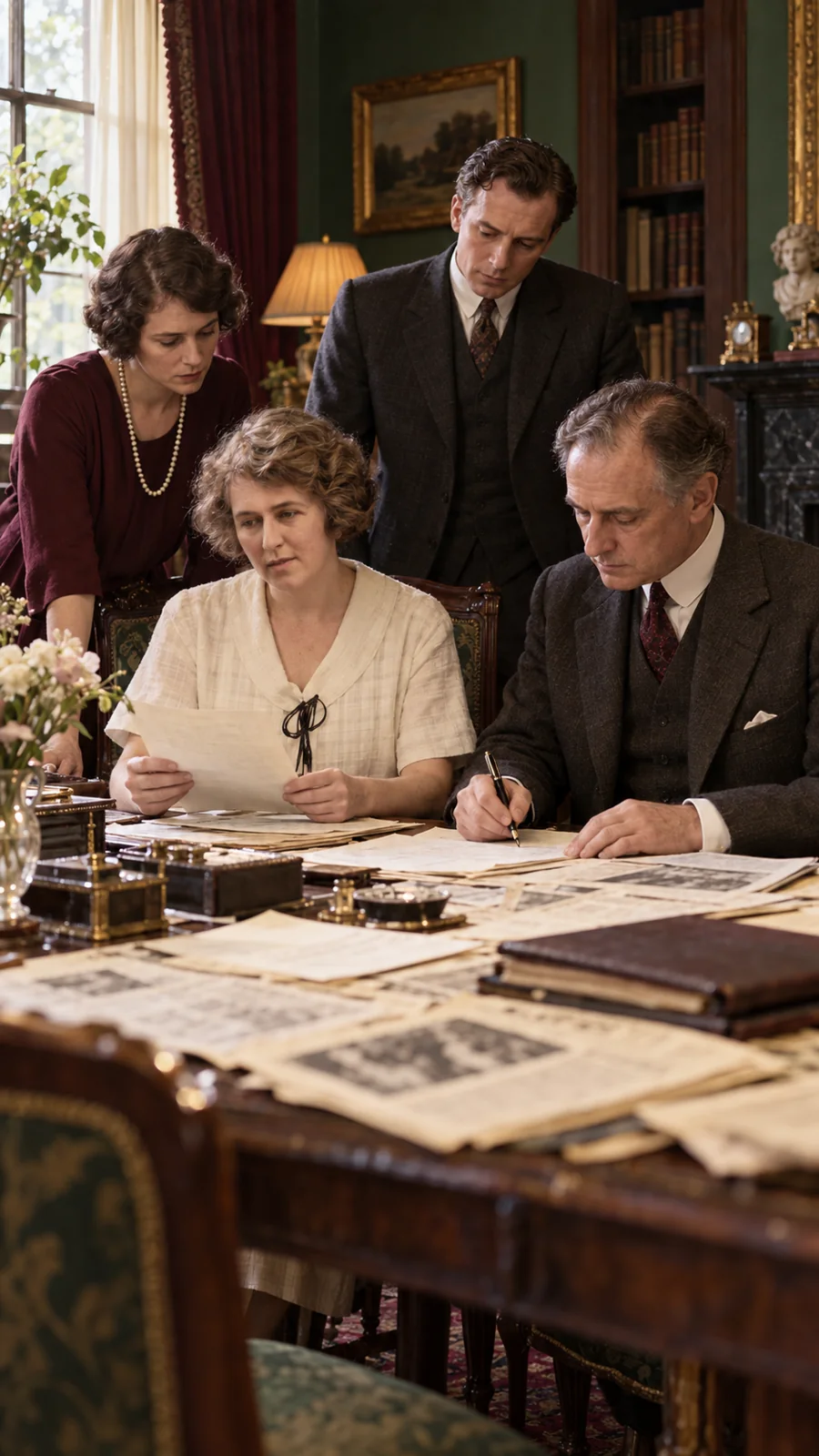
J. Malcolm Bird published favorable comments before the committee had issued a final verdict. His conduct created the impression that the magazine was about to validate Margery and enraged Houdini.
The members ultimately presented different opinions. Hereward Carrington supported the authenticity of the phenomena. Houdini maintained that he had detected fraud. Other members expressed reservations, identified failures in the controls, or considered the evidence insufficient.
Margery did not receive the prize. Later Scientific American reports explained that her manifestations had failed to satisfy the required conditions.
This point matters: the magazine did not certify her powers. Nor did the committee’s disagreement turn the phenomena into something “unexplained” in a supernatural sense. It primarily demonstrated that the procedures had been inconsistent and that the group had failed to produce reliable, repeatable evidence.
The investigation was intended to study Margery but instead revealed how easily prestige, personal sympathies, publicity, and rivalry could contaminate an experiment.
The secretary who came under suspicion
The controversy surrounding Malcolm Bird continued after the investigation. Houdini suspected that the secretary collaborated with Margery or intervened during séances to create effects.
Years later, Walter Franklin Prince reported on a paper in which Bird said that Margery had asked him to produce a phenomenon if she could not. The paper was not published in full at the time. This account records an allegation of willingness to deceive, but should not be confused with an unequivocal confession by Bird that he had carried out that effect (Prince, 1933).
The accusation does not automatically prove that every phenomenon was produced in the same way. It does destroy the idea that the séances occurred within a clean experimental environment.
If someone associated with organizing the tests helped produce even one effect, every observation conducted under that person’s supervision became compromised.
In 1933, Scientific American published Prince’s analysis under the title “The Case Against Margery,” a clear indication of how severely the case’s credibility had deteriorated.
The dead man’s fingerprints belonged to the living
After her confrontation with Houdini, Margery continued holding séances. One of her most striking tests involved placing soft dental wax inside controlled containers. According to her supporters, Walter materialized a finger and left his print.
The impressions appeared to offer something more substantial than a noise in the darkness. A voice could be imitated and a bell reached with a foot, but a fingerprint appeared to be a permanent record comparable with forensic evidence.
That apparent triumph became one of the case’s greatest problems.
Investigators discovered that prints attributed to Walter matched those of a living person connected with Margery’s circle: her dentist, who had participated in introducing dental wax as an experimental material. Documentary collections preserve comparisons between the supposed spirit impressions and the dentist’s prints.
Supporters responded with accusations of evidence tampering, substituted samples, and failures in the chain of custody. Those disputes reinforced the underlying problem: the experiments had not been protected by controls capable of securely establishing the prints’ origin.
The object intended to become definitive physical proof led instead to a living person.
Other investigators observe ordinary movements
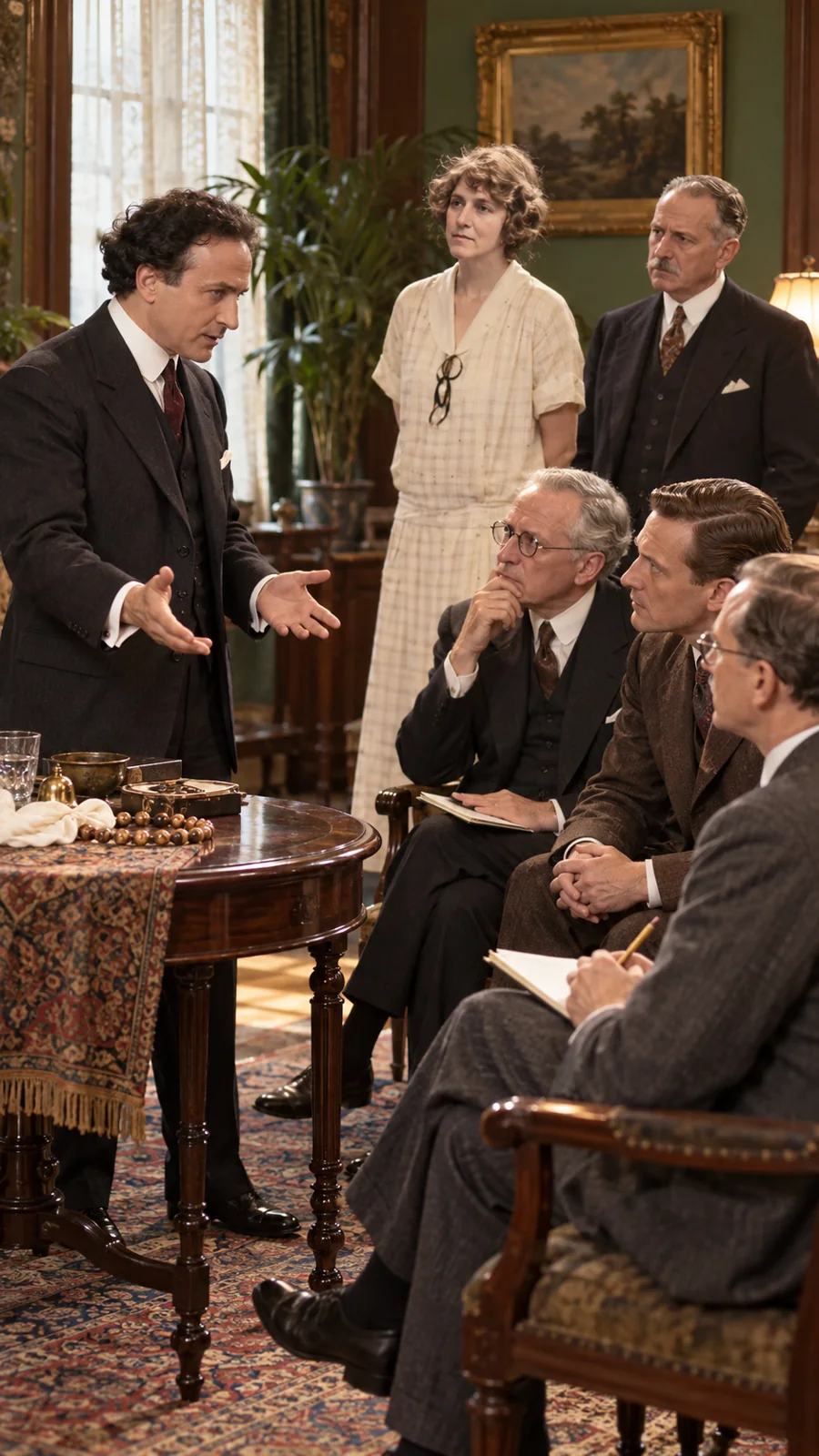
During a séance held in 1926, investigators Joseph Banks Rhine and Louisa Rhine observed Margery under physical controls. They reported seeing her free one leg and use her foot to move a megaphone that was subsequently presented as a paranormal displacement (Rhine & Rhine, 1927).
Joseph Rhine would later become a central figure in experimental parapsychology. His rejection of the case is significant because he did not begin from the assumption that every psychic phenomenon was impossible. He was attempting to develop statistical methods for investigating such claims.
Different investigators reached different conclusions, but a pattern repeatedly appeared: when controls effectively prevented normal movement, the phenomena diminished or disappeared; when darkness, ambiguous contact, or partial freedom returned, so did the manifestations.
That pattern does not demonstrate precisely how every incident was produced. It does prevent the collection from serving as scientific evidence of communication with the dead.
The female body as a stage
Margery’s séances also possessed a physical and sexual dimension that both disturbed and fascinated her contemporaries. Some manifestations supposedly emerged from beneath her clothing or from intimate areas of her body. Examinations were sometimes performed in an attempt to exclude concealed objects.
The situation mixed scientific investigation, spectacle, vulnerability, and power. Margery could appear to be a woman subjected to scrutiny by several men, but she also controlled the séance’s structure. Her trance, Walter’s commands, and the darkness determined what the investigators could do and when they were required to stop.
Gender shaped the controversy. Critics described her through images of seduction and deception, while some supporters appeared captivated by her personality and social position. Relationships within the investigative circle became charged with rivalry, intimacy, and personal accusations (Jaher, 2015).
This does not in itself prove that the phenomena were either genuine or fraudulent. It shows that the experiment never occurred within the neutral space its participants claimed to have created.
After Houdini
Houdini died in 1926, but Margery continued to be investigated and defended for years. Her home continued receiving visitors, and Walter supposedly continued communicating through voices, raps, and messages.
The controversy survived because no single exposure reconstructed every accumulated story. Believers could dismiss each exposure as a flawed test or personal attack. Skeptics argued that it was unnecessary to reconstruct every trick once the medium had been observed violating controls.
Mina Crandon died in Boston on November 1, 1941. She was in her early fifties. By then, her fame had declined, although the case remained alive in books about Spiritualism, illusion, and psychical research.
She never received the Scientific American prize. No scientific institution established that she had communicated with her dead brother.
The real horror of Lime Street
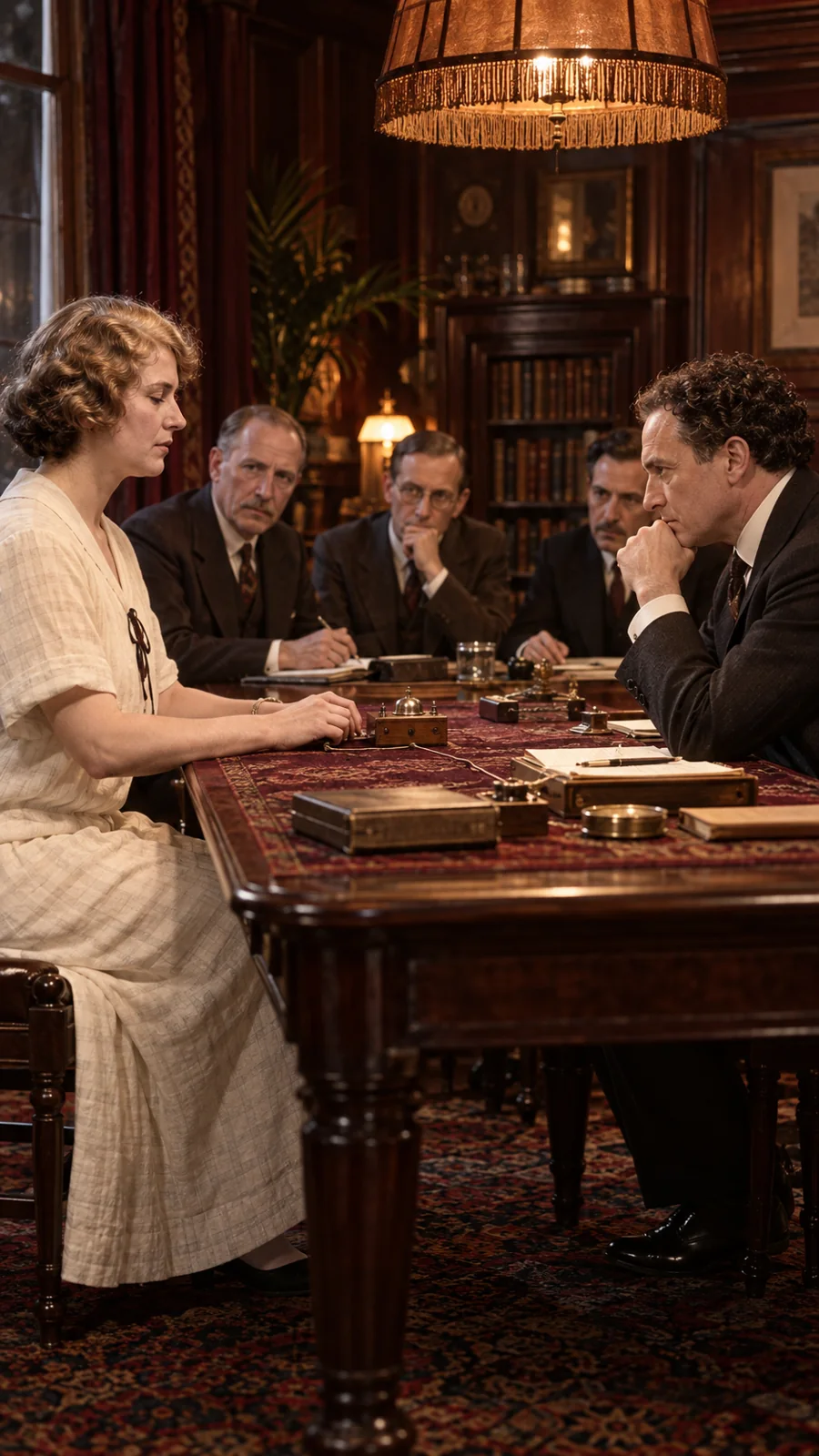
Margery’s story does not require ghosts to be disturbing.
A respected magazine attempted to test extraordinary claims but assembled investigators with incompatible methods, beliefs, and interests. Some became too close to the medium. Others turned the investigation into a public confrontation. The press transformed provisional findings into headlines, and spectacle overwhelmed procedure.
Margery understood, consciously or instinctively, that an incomplete test could be more powerful than a failure. If the bell did not ring, Walter refused to cooperate. If it rang under defective controls, the result was presented as unexplained. If someone identified a possible method, supporters could accuse that person of hostility.
Uncertainty never closed the case; it fed it.
That is why Mina Crandon crossed the line between myth, power, and horror. The myth was Walter, the dead brother’s voice. The power lay in the network of physicians, journalists, authors, and academics gathered around her. The horror did not reside in a supernatural apparition but in discovering how vulnerable reason can become when it desperately wants something to be true.
References
- Bird, J. M. (1925). “Margery” the medium. Small, Maynard & Company. Find in library catalogue
- Brandon, R. (1993). The life and many deaths of Harry Houdini. Random House. Find in library catalogue
- Christopher, M. (1969). Houdini: The untold story. Thomas Y. Crowell. Find in library catalogue
- Houdini, H. (1924). Houdini exposes the tricks used by the Boston medium “Margery”. Adams Press. View source
- Jaher, D. (2015). The witch of Lime Street: Séance, seduction, and Houdini in the spirit world. Crown. Find in library catalogue
- Polidoro, M. (2001). Final séance: The strange friendship between Houdini and Conan Doyle. Prometheus Books. Find in library catalogue
- Prince, W. F. (1933). The case against Margery. Scientific American, 148(5), 261–263. View source
- Rhine, J. B., & Rhine, L. E. (1927). One evening’s observation on the Margery mediumship. Journal of Abnormal and Social Psychology, 21, 401–421. Find in library catalogue
- Richardson, M. W., Bird, J. M., Dudley, E. E., & Richardson, J. L. (1929). The thumbprint and cross-correspondence experiments made with the medium Margery during 1927 and 1928. American Society for Psychical Research. Find in library catalogue
More from this collection

Helen Peters Nosworthy: The Woman Who Named the Ouija and Later Called It a Liar
Read story →
Vlad the Impaler: The Prince Who Turned Terror Into Propaganda and Lent His Name to Dracula
Read story →