
In this storyOpen index
Terry de la Mesa Allen: The General Removed From Command Who Returned to Prove He Could Still Win
Removed from the Big Red One, Allen returned to the front with the Timberwolves. His story brings together leadership, disputes over authority, and family tragedy.
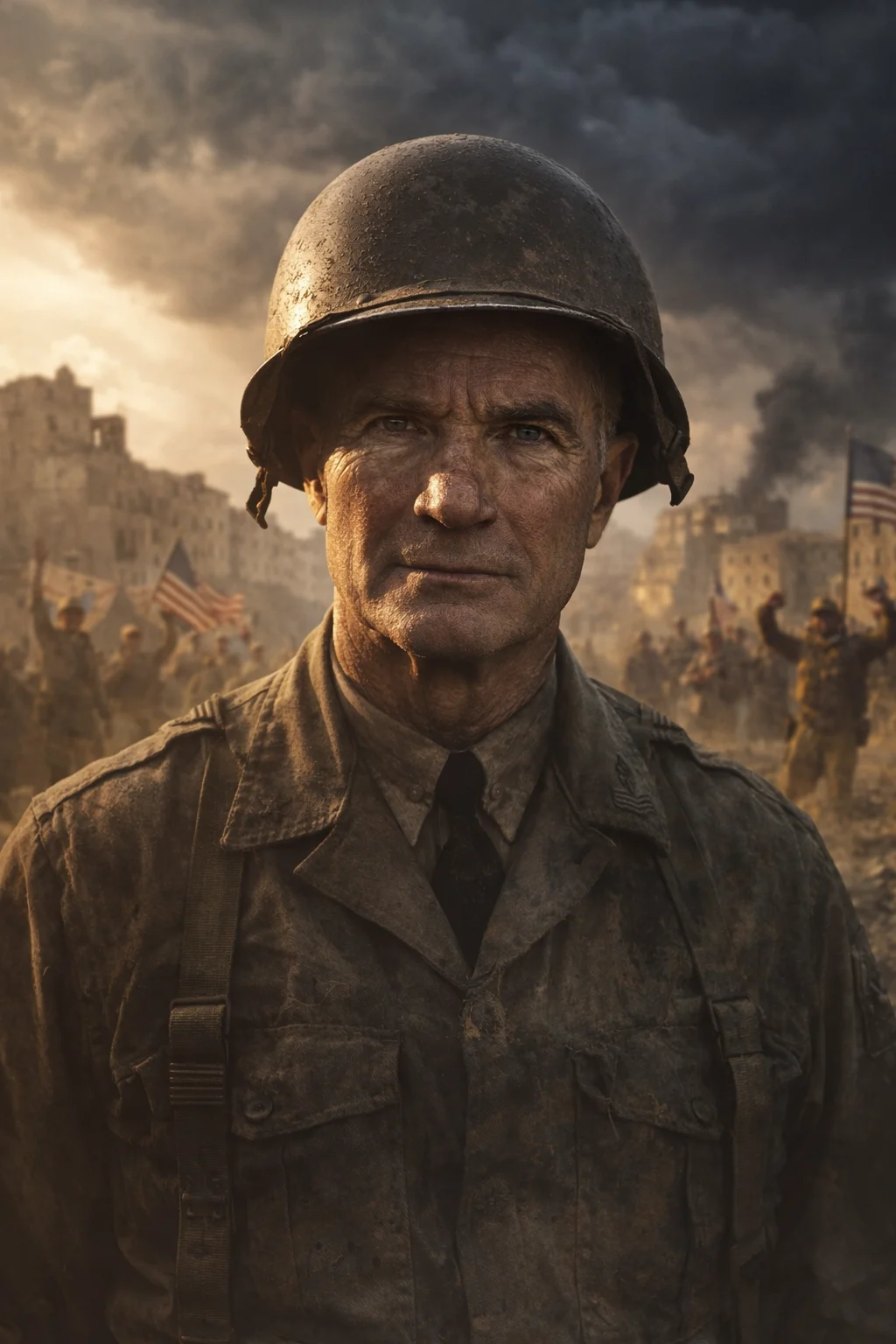
In August 1943, Terry de la Mesa Allen had just led the U.S. 1st Infantry Division through some of the hardest fighting in North Africa and Sicily. His men had endured, attacked, and prevailed. Yet while the Sicilian campaign was still underway, Allen received an order capable of destroying any general’s career: he was to surrender his command and return to the United States.
He had not lost a decisive battle. Nor had he been accused of cowardice. His real problem was harder to measure. He had created a division that was brutally effective in combat but also undisciplined, proud, and so closely identified with its commander that his superiors began to regard it as a threat to the Army’s institutional order.
Terry Allen knew how to prepare men for war. What he never entirely learned was how to reassure the men watching from above.
Terry de la Mesa Allen
A life told between command and its shadows
The Terry de la Mesa Allen papers
The University of Texas at El Paso preserves Allen’s correspondence, photographs, scrapbooks, and documents, including training memoranda for both his divisions. This archive offers a way to examine the commander through the records he left. The image is a reconstruction, not an item from the collection.
AI-generated visual reconstruction; not a historical document.
A Spanish Name in the United States Army
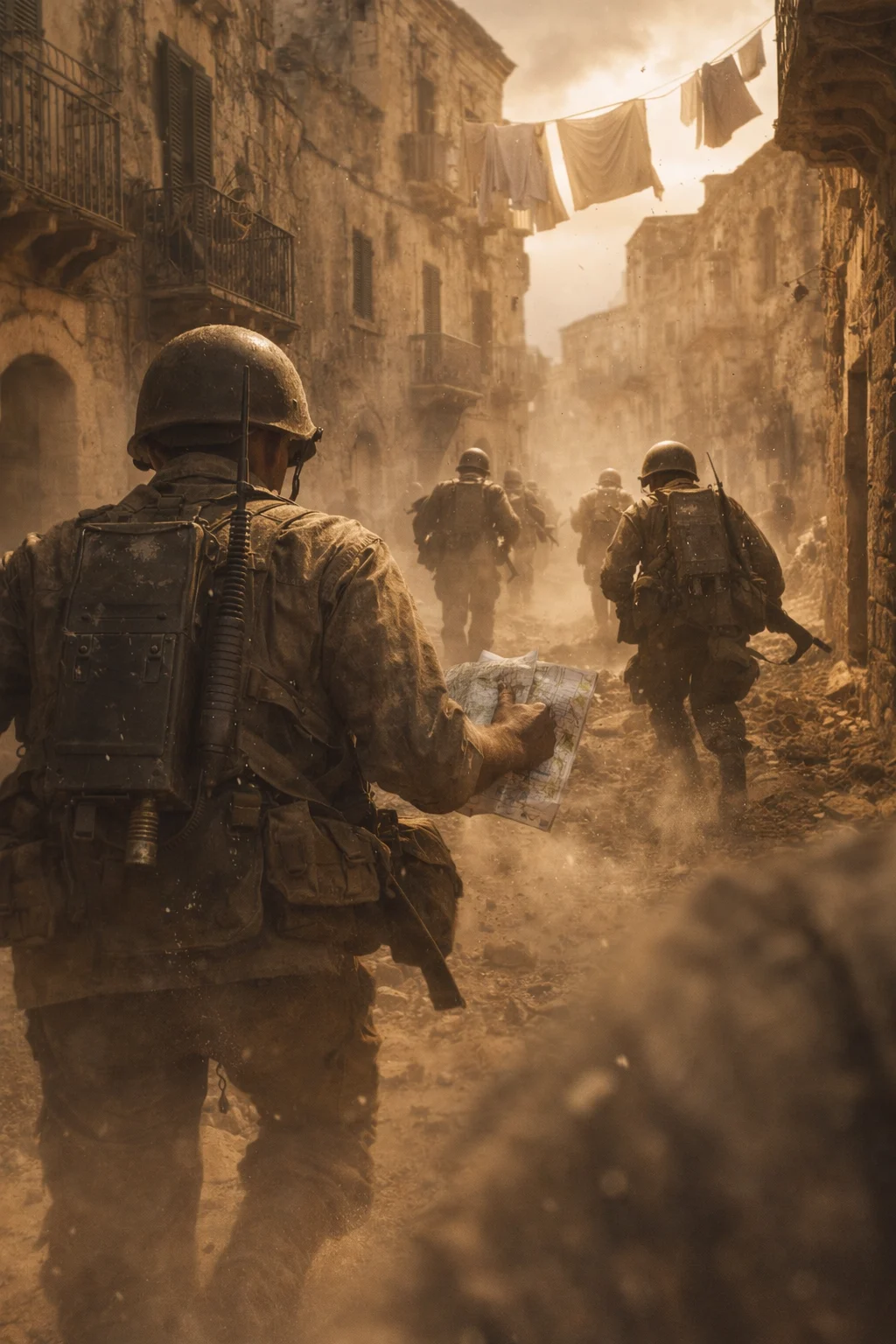
Terry de la Mesa Allen was born on April 1, 1888, at Fort Douglas, Utah. His father, Samuel Edward Allen, was a career U.S. Army officer. His mother, Consuelo de la Mesa Allen, came from a family of Spanish origin. The name “de la Mesa,” which he retained throughout his life, came from her side of the family (Burdett, 1976).
He grew up among military posts, horses, and uniformed men. Everything appeared to point naturally toward West Point, but his time at the academy was far from distinguished. He accumulated academic deficiencies and disciplinary demerits until he was dismissed in 1911. Some accounts claim that he failed twice; what can be established is that his West Point career ended without graduation.
Instead of abandoning the Army, he attended the Catholic University of America and eventually obtained a commission as an officer. His story began with a contradiction that followed him for the rest of his life: the man considered unsuited to academic discipline would later train some of the most effective combat formations in the U.S. Army (Astor, 2003).
The War That Turned a Failed Student Into a Commander
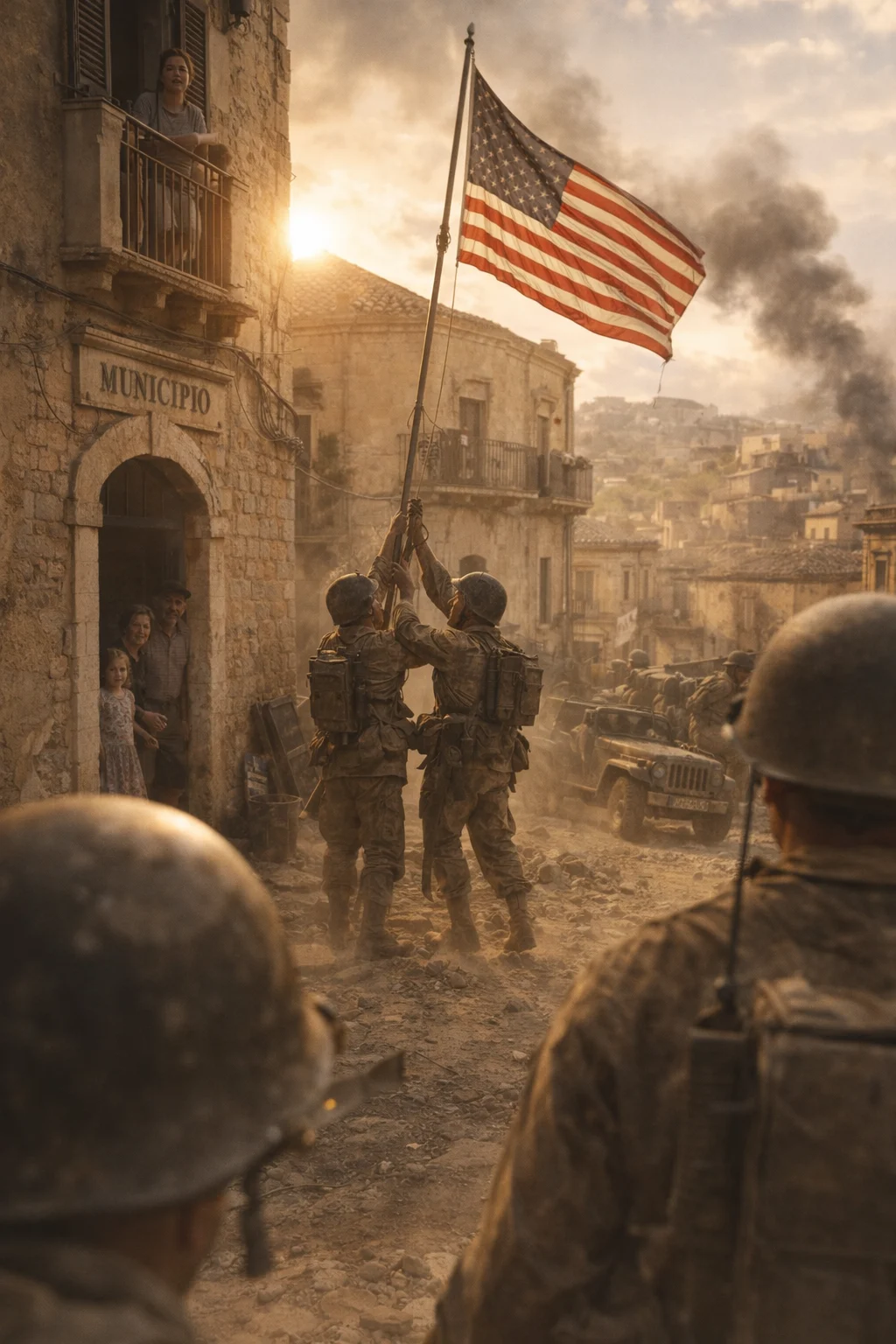
Allen served along the Mexican border and was later sent to France during the First World War. There he demonstrated an ability that examinations had failed to detect: he could quickly understand terrain, remain composed under fire, and gain the confidence of the men required to follow him.
During the operations of 1918, he led infantry troops in combat. He did not command exclusively from a distant headquarters. He inspected positions, moved close to the front, and shared some of his soldiers’ danger. That behavior earned him respect, while also strengthening his contempt for officers who appeared more concerned with regulations than with the realities of battle (Astor, 2003).
Peace did not fully tame his temperament. Allen remained an exceptional horseman and competed on the American polo team at the 1920 Olympic Games in Antwerp. The United States won the bronze medal, a seldom-remembered episode in the future general’s life. Before becoming one of the most controversial American commanders of the Second World War, Allen had been an Olympic medalist.
During the interwar years, he held a variety of assignments and developed relationships with officers who would later control the U.S. Army. They included George C. Marshall, George S. Patton, Dwight D. Eisenhower, and Omar Bradley. Some valued his instinct for combat. Others distrusted his personality, his drinking, and his indifference toward military formalities.
Creating a Division in His Own Image
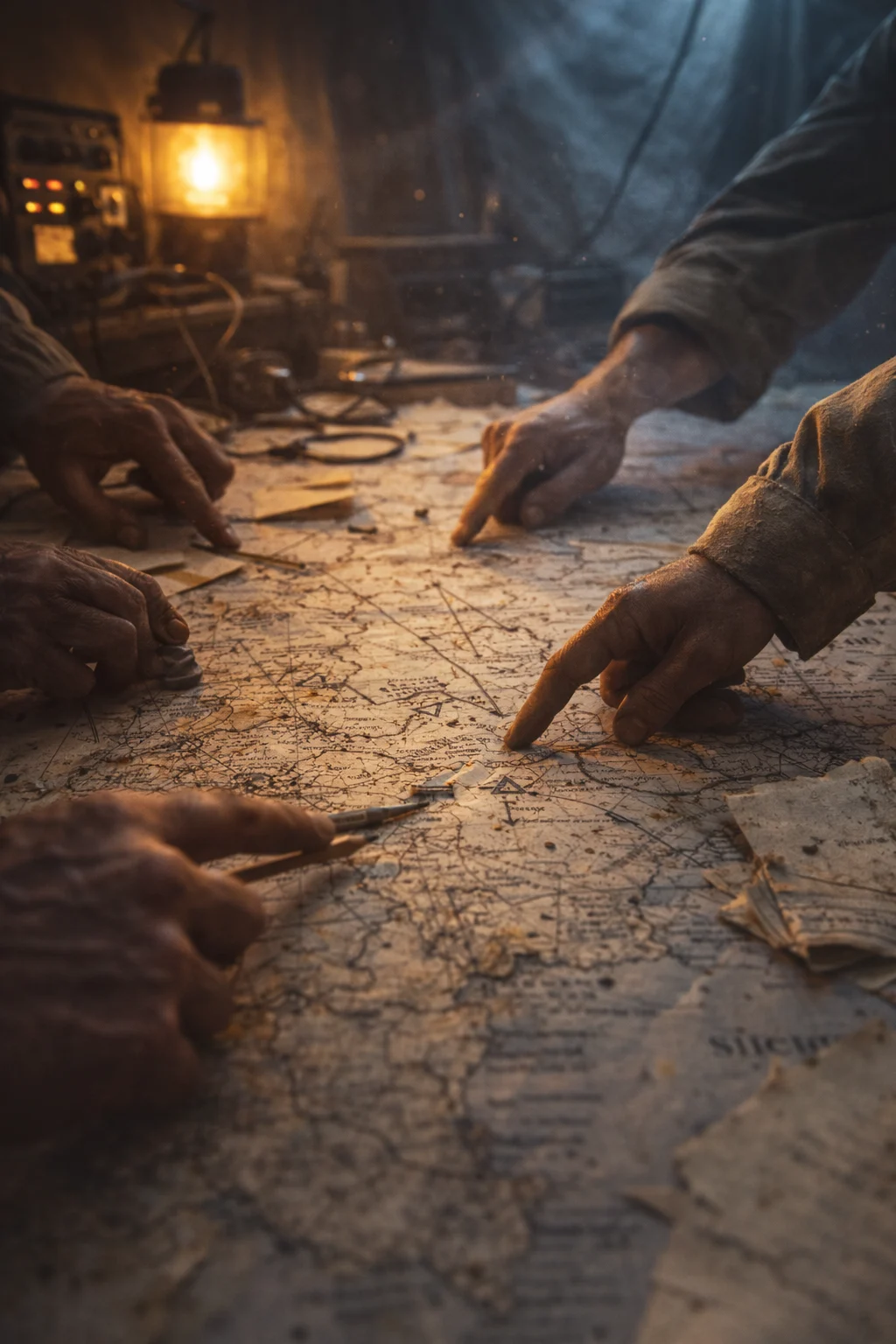
In 1942, Allen received command of the 1st Infantry Division, known as the Big Red One. His assistant division commander was Theodore Roosevelt Jr., son of President Theodore Roosevelt and a veteran of the First World War.
Allen and Roosevelt formed an unusual partnership. Both valued aggression, individual initiative, and direct contact with soldiers. They believed that a unit should be prepared to survive and win rather than to impress observers on a parade ground.
Allen tolerated wrinkled uniforms, unshaven faces, and behavior that other generals considered scandalous. That tolerance did not mean the complete absence of discipline. He demanded that weapons function, that units be prepared to move, and that officers understand their men. He might ignore an improperly buttoned shirt, but he did not forgive incompetence that placed lives at unnecessary risk (Astor, 2003).
The division eventually resembled its commander: aggressive, noisy, intensely proud, and largely uninterested in pleasing anyone outside its own ranks.
From North Africa to El Guettar
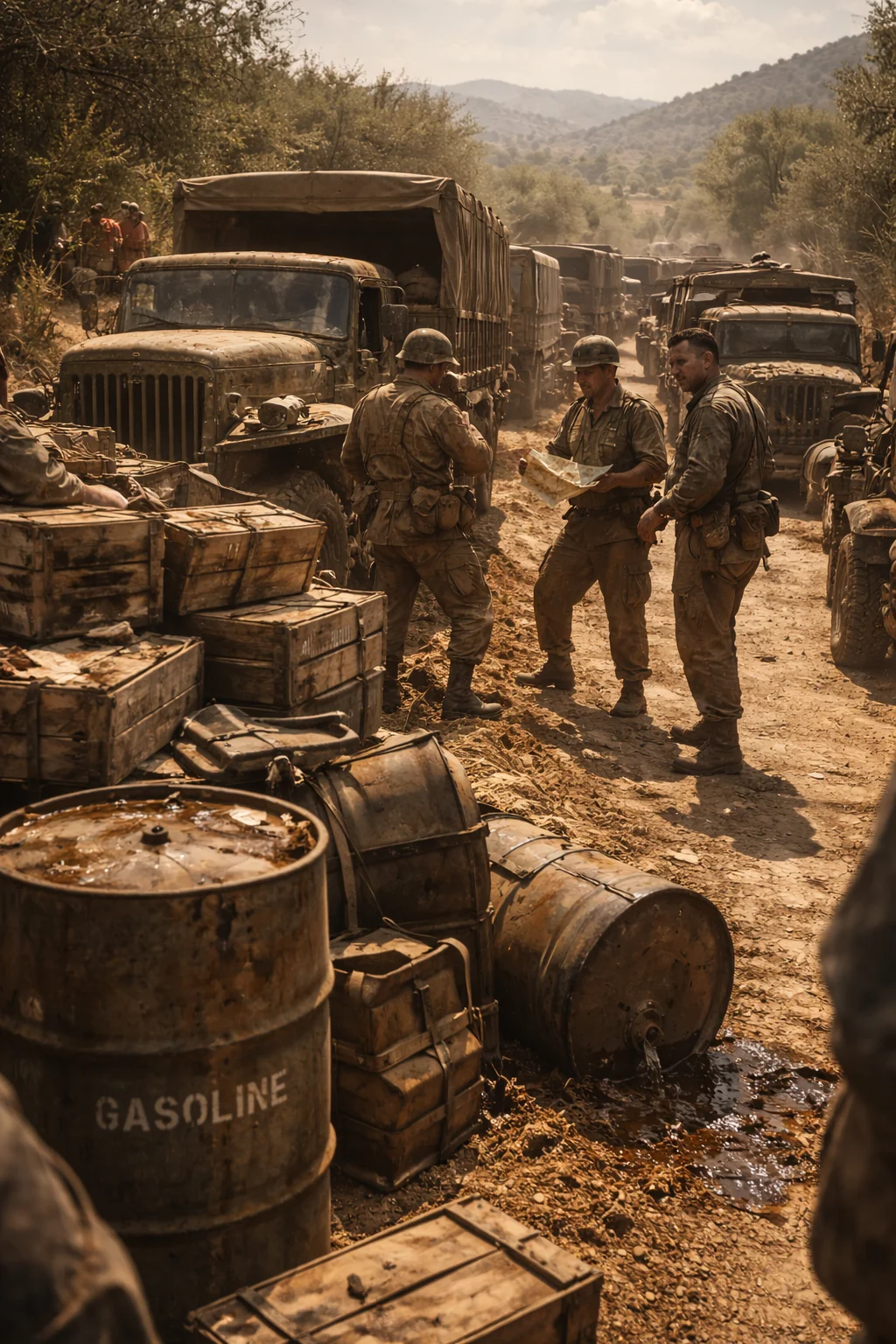
The 1st Infantry Division landed near Oran on November 8, 1942, as part of Operation Torch, the Allied invasion of French North Africa. It later advanced toward Tunisia, where American forces discovered that their training had not fully prepared them to confront an experienced German army.
The American defeat at Kasserine Pass in February 1943 exposed serious problems in command, coordination, and the employment of armored forces. The 1st Division was not solely responsible for the disaster, but it took part in the difficult recovery that followed.
At El Guettar during March and April, Allen’s men resisted attacks and fought across harsh terrain. There they strengthened their reputation as one of the most dependable American divisions in the campaign. Allen was not a solitary genius who won battles through instinct alone. He relied on artillery, subordinate commanders, and lessons painfully acquired after earlier failures. He did, however, convince his soldiers that he expected more than obedience from them. He expected initiative and endurance (Howe, 1957).
War correspondent Ernie Pyle, who lived alongside American troops, helped make Allen and the Big Red One familiar to readers at home. The popular image was that of a disorderly general who seemed more comfortable near soldiers than inside high-level headquarters.
Sicily and the Beginning of His Fall
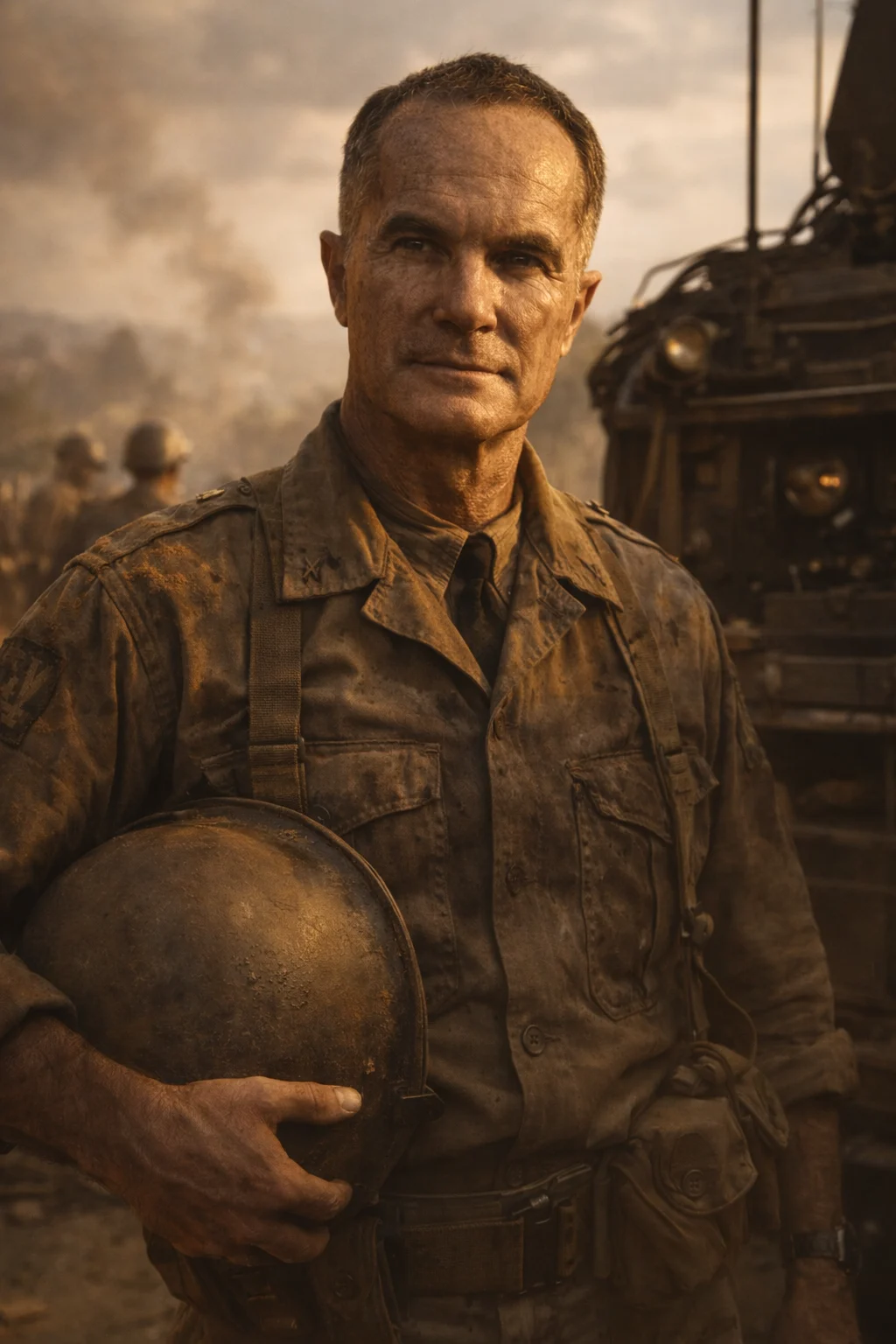
George Patton wanted the 1st Division for the invasion of Sicily because he trusted its combat experience. On July 10, 1943, Allen’s troops landed at Gela and helped contain Italian and German counterattacks, including armored forces that threatened the American beachhead.
The division then advanced through Sicily’s mountainous interior. Its campaign culminated in the battle for Troina, an exhausting struggle against German defenses positioned on commanding heights. The town fell after days of artillery fire, attacks, and heavy casualties (Atkinson, 2007).
Militarily, the division had once again accomplished its mission. Institutionally, Allen was losing his war against his superiors.
Omar Bradley, commander of II Corps, believed that Allen and Theodore Roosevelt had allowed the division to become excessively independent. He objected to the soldiers’ appearance, incidents behind the lines, and the unit’s almost personal identification with its commanders. Bradley did not necessarily doubt Allen’s courage under fire. He doubted whether Allen was the kind of general who should lead a division during the next phase of the war (Bradley, 1951).
On August 7, 1943, Allen was replaced by Clarence R. Huebner. Roosevelt also lost his position in the division.
Was He Removed for Incompetence?
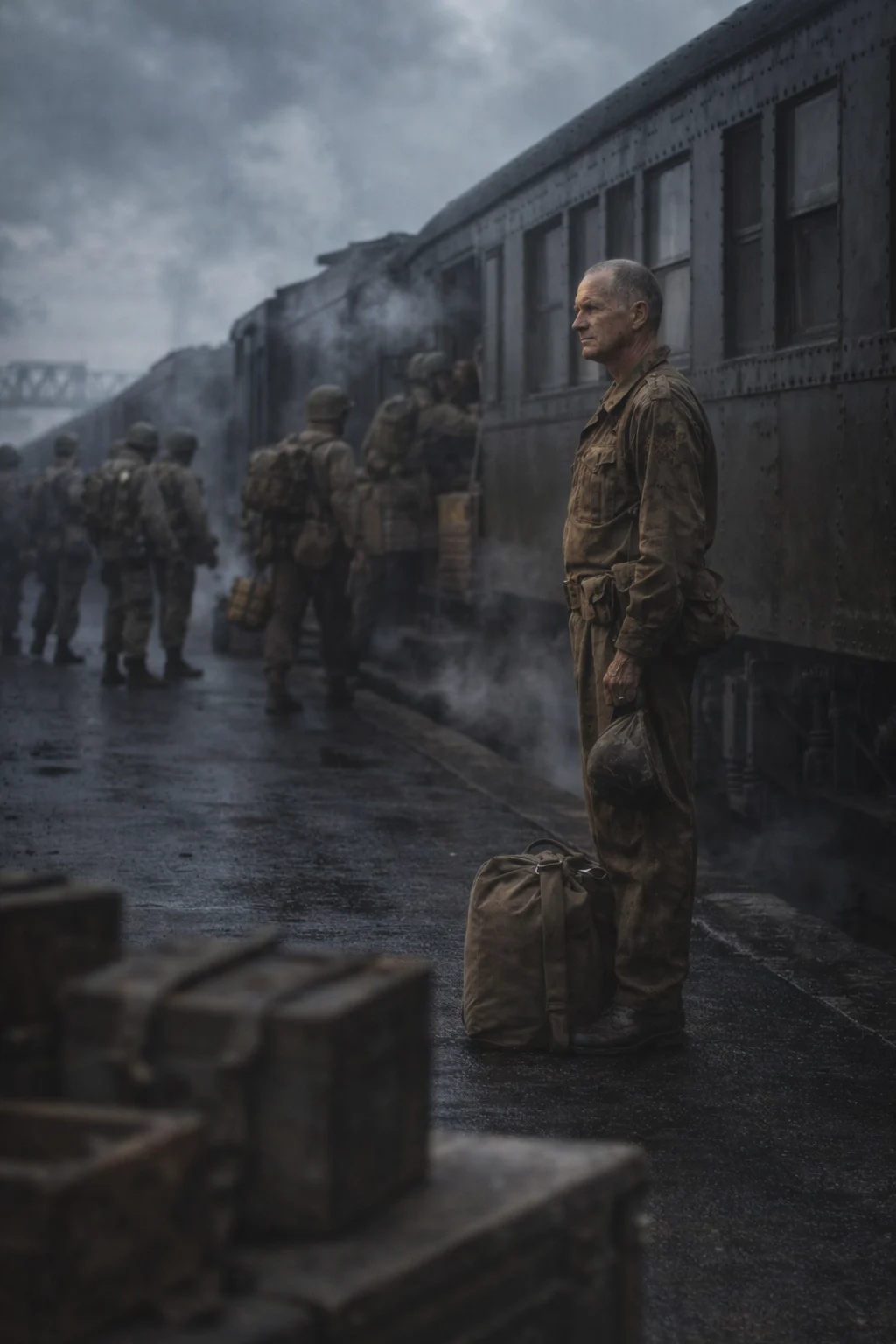
For years, Allen’s departure was presented simply as the punishment of a brilliant but undisciplined general. The reality was more complicated.
Bradley did want a change in command and had expressed serious criticism of the division’s internal culture. Documents associated with Dwight D. Eisenhower, however, indicate that Allen was not judged militarily incompetent. Eisenhower made it clear that he would be willing to trust Allen with another division. There were also legitimate reasons to rotate commanders and allow an exhausted formation to adopt new methods before future campaigns (Astor, 2003).
The 1st Division had endured months of nearly continuous combat. It had suffered substantial casualties and developed an identity that was difficult to separate from Allen himself. Huebner strengthened its formal discipline and later commanded it during the Normandy landings.
It is therefore inaccurate to claim that Allen was dismissed simply because he had failed at Troina. His removal resulted from a combination of personal rivalry, disagreements over discipline, the need for rotation, and concern about institutional control over a division too closely tied to its commanders.
The humiliation was nevertheless real. Allen returned to the United States while other generals prepared to lead the invasion of Europe.
The Return Few Expected
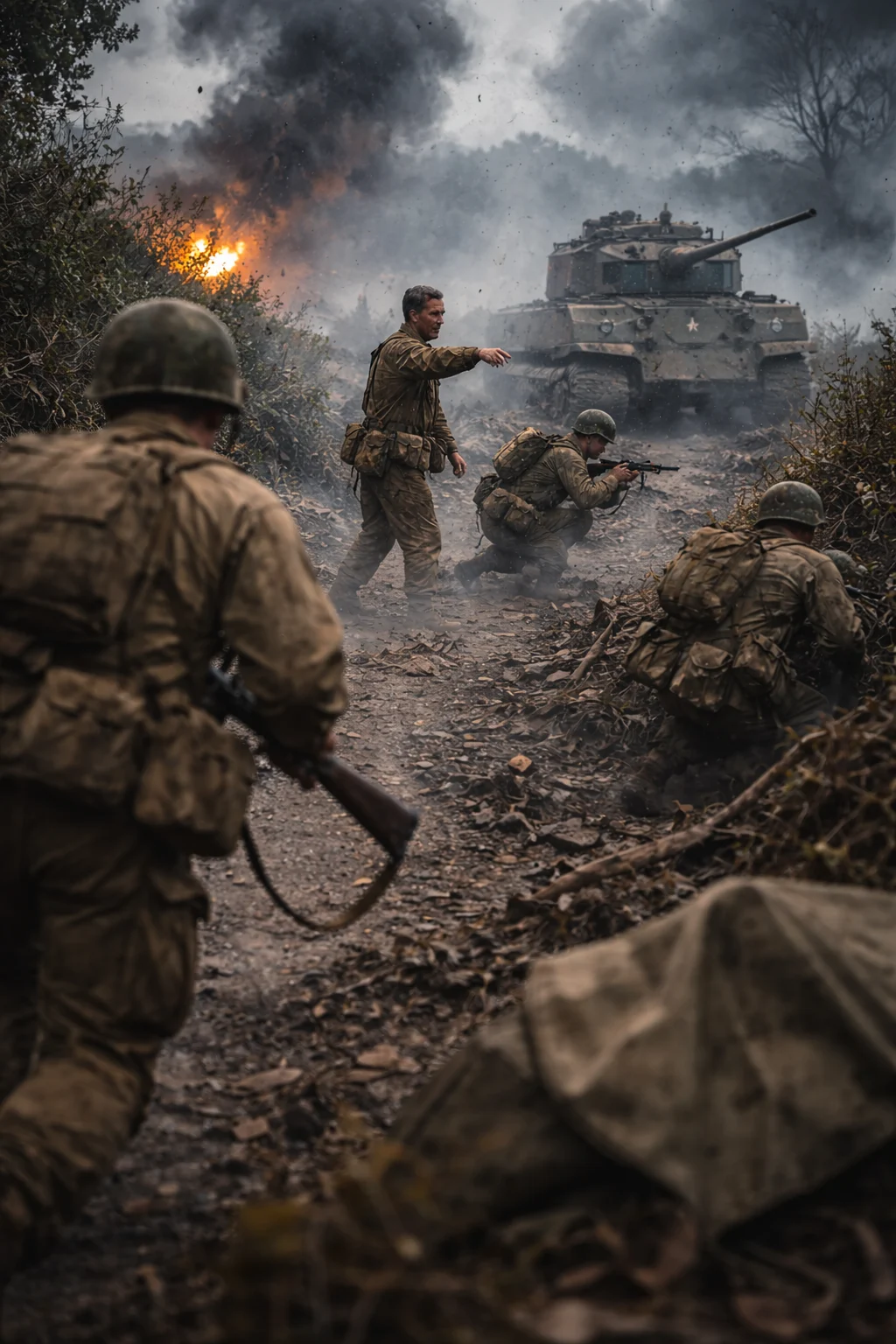
Terry Allen’s career appeared finished, but in October 1943 he received command of the 104th Infantry Division, the Timberwolves. It was a formation that had not yet experienced combat.
Allen now had to prove that he could accomplish something more difficult than leading veterans: he had to transform inexperienced soldiers into a division capable of confronting the German army.
He applied the lessons learned in North Africa and Sicily. He emphasized cooperation between infantry and artillery, the ability of junior officers to act without constantly awaiting instructions, and, above all, night combat. Soldiers repeatedly practiced movement, infiltration, and attacks in darkness until night operations became a defining characteristic of the division.
This training was not an eccentric obsession. Allen understood that darkness could reduce the effectiveness of German defensive positions and allow his men to approach with less exposure. The 104th Division developed a special reputation for successful night attacks in the Netherlands and Germany (Astor, 2003).
The commander accused of failing to impose discipline had built a formation disciplined precisely where he believed it mattered most: on the battlefield.
From the Netherlands Into Germany
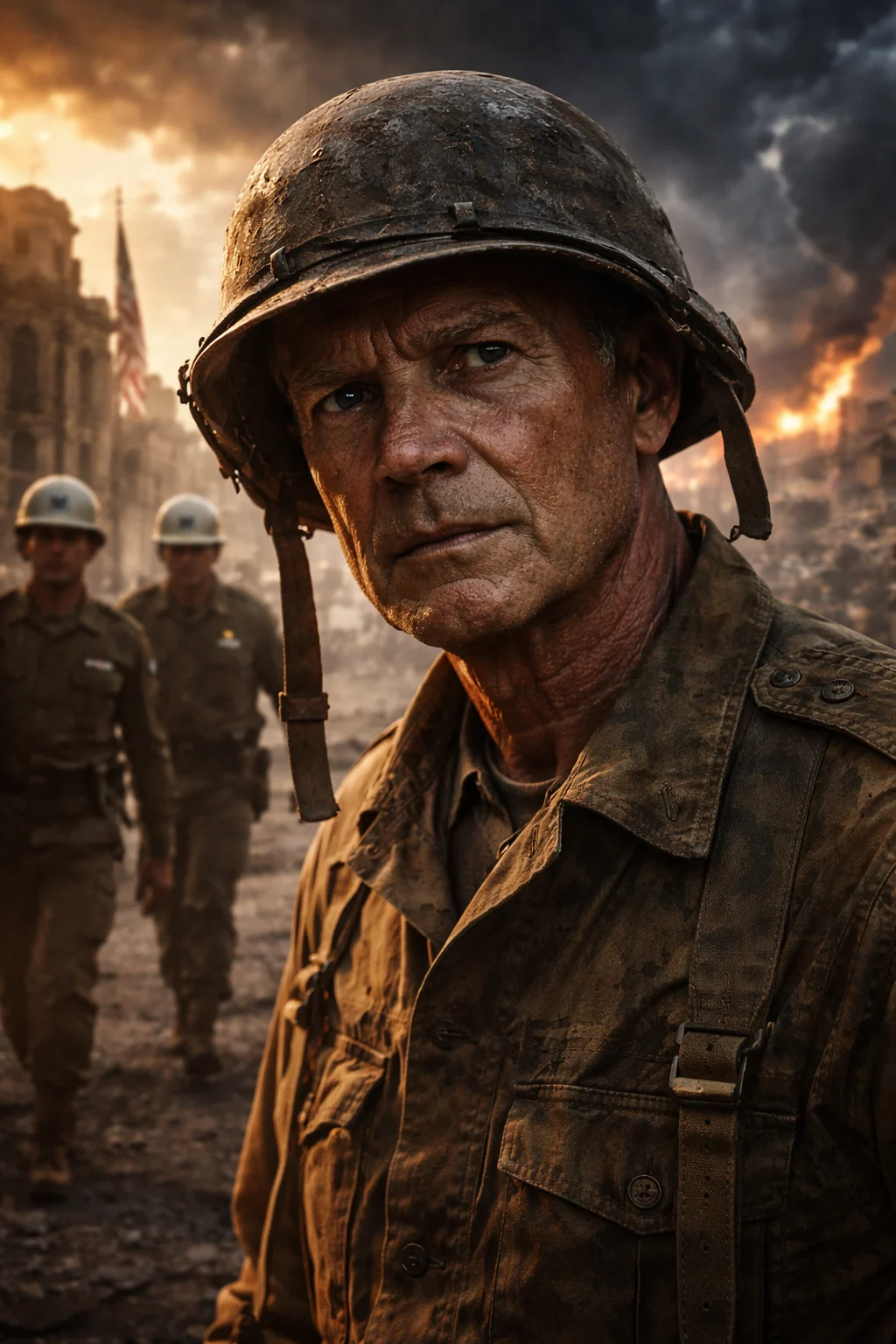
The 104th Division arrived in Europe in 1944 and entered combat under Allied command in the Netherlands. It later advanced into Germany, participated in operations around Aachen and Cologne, crossed the Roer River, and continued eastward.
Allen did not merely reproduce the personality of the 1st Division. The Timberwolves developed an identity of their own, but they shared one essential quality with his former command: their soldiers trusted that their general understood the price infantrymen would pay for every decision.
In April 1945, members of the 104th Division participated in the occupation of Nordhausen and the liberation of the Mittelbau-Dora concentration camp complex. There they encountered thousands of dead or dying prisoners, victims of forced labor, starvation, disease, and murder associated with Germany’s underground weapons industry. The division was later officially recognized as a liberating unit (United States Holocaust Memorial Museum, n.d.).
The war Allen had understood through maps, commanding heights, and night movements now revealed another face: piles of corpses, skeletal survivors, and an industry organized around human exploitation.
On April 26, patrols from the division made contact with Soviet forces near Pretzsch on the Elbe River. Allen had returned to Europe not for a ceremonial assignment, but to lead another division during the final advance against the Third Reich.
The Lesser-Known Story: A Father Haunted by the Same Division
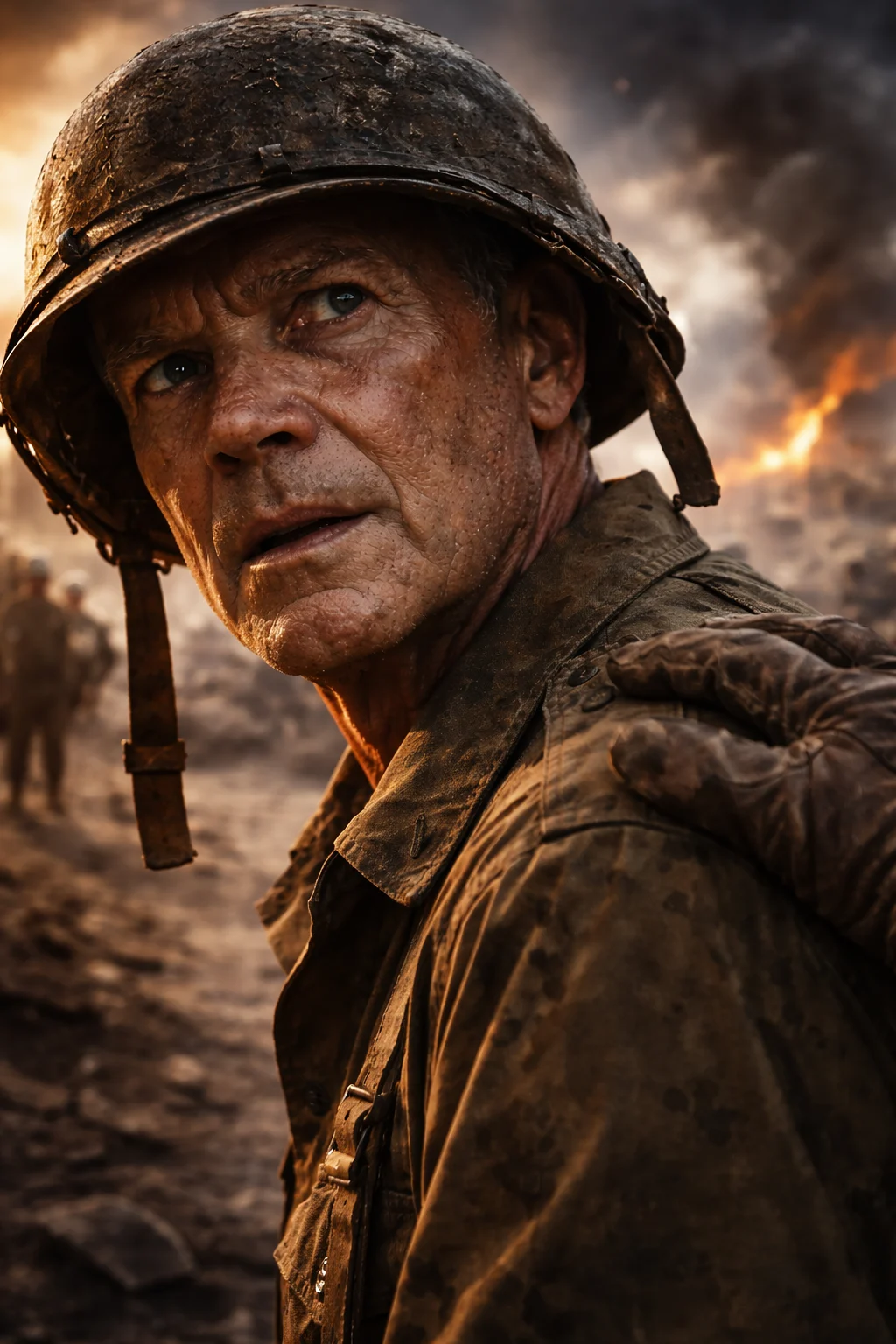
The most painful chapter in Terry Allen’s life occurred more than two decades later.
His only son, Terry de la Mesa Allen Jr., also pursued an Army career. By 1967, he was a lieutenant colonel commanding the 2nd Battalion, 28th Infantry Regiment, in Vietnam. That regiment belonged to the 1st Infantry Division—the same Big Red One his father had commanded in North Africa and Sicily.
On October 17, 1967, Allen Jr. was killed during the battle of Ong Thanh, when his battalion was caught in an ambush by Viet Cong forces. Many American soldiers were killed or wounded. The general’s son had died leading men who wore the same red shoulder insignia that had defined his father’s life.
Terry Allen Sr. never fully recovered from the loss. His health deteriorated during the following two years. He died in El Paso, Texas, on September 12, 1969, at the age of 81, and was buried beside his son at Fort Bliss National Cemetery (Astor, 2003).
The Ghost Behind Authority
Terry de la Mesa Allen never achieved the fame of Patton, Eisenhower, or Bradley. He did not command entire armies or appear in the most celebrated photographs of victory. His legacy remained divided between two seemingly incompatible images.
To some, he was an irresponsible commander who tolerated too much freedom and challenged the authority of his superiors. To others, he was one of America’s finest combat generals—a man who understood infantrymen because he knew that decisions made at headquarters ultimately landed on the shoulders of exhausted soldiers.
Both images contain part of the truth. Allen drank, argued, and dismissed ceremonies he considered useless. He also studied terrain, trained his units intensely, and demanded that subordinates prepare for the realities of combat. His apparent disorder concealed a rigid set of priorities.
Military power allowed him to send thousands of men against enemy positions. It also condemned him to remember those who never returned. Eventually, war reached his own family.
The general who survived two world wars ended his life haunted by the death of a son who carried his name, followed his profession, and wore the insignia of his former division. That was Terry de la Mesa Allen’s final shadow: the discovery that no rank, victory, or experience could protect him from the price he had watched so many other fathers pay.
References
- Astor, G. (2003). Terrible Terry Allen: Combat general of World War II—The life of an American soldier. Presidio Press.
- Atkinson, R. (2007). The day of battle: The war in Sicily and Italy, 1943–1944. Henry Holt and Company.
- Bradley, O. N. (1951). A soldier’s story. Henry Holt and Company.
- Burdett, T. F. (1976). Guide to the Terry de la Mesa Allen papers, 1888–1969. University of Texas at El Paso Library.
- Garland, A. N., & Smyth, H. M. (1965). Sicily and the surrender of Italy. U.S. Army Center of Military History.
- Howe, G. F. (1957). Northwest Africa: Seizing the initiative in the West. U.S. Army Center of Military History.
- United States Holocaust Memorial Museum. (n.d.). The 104th Infantry Division during World War II. Holocaust Encyclopedia.