
In this storyOpen index
Hans Litten: The Lawyer Who Forced Hitler to Answer to the Law
He questioned Hitler in 1931 and represented victims of Nazi violence. His story brings together law, resistance, and remembrance.
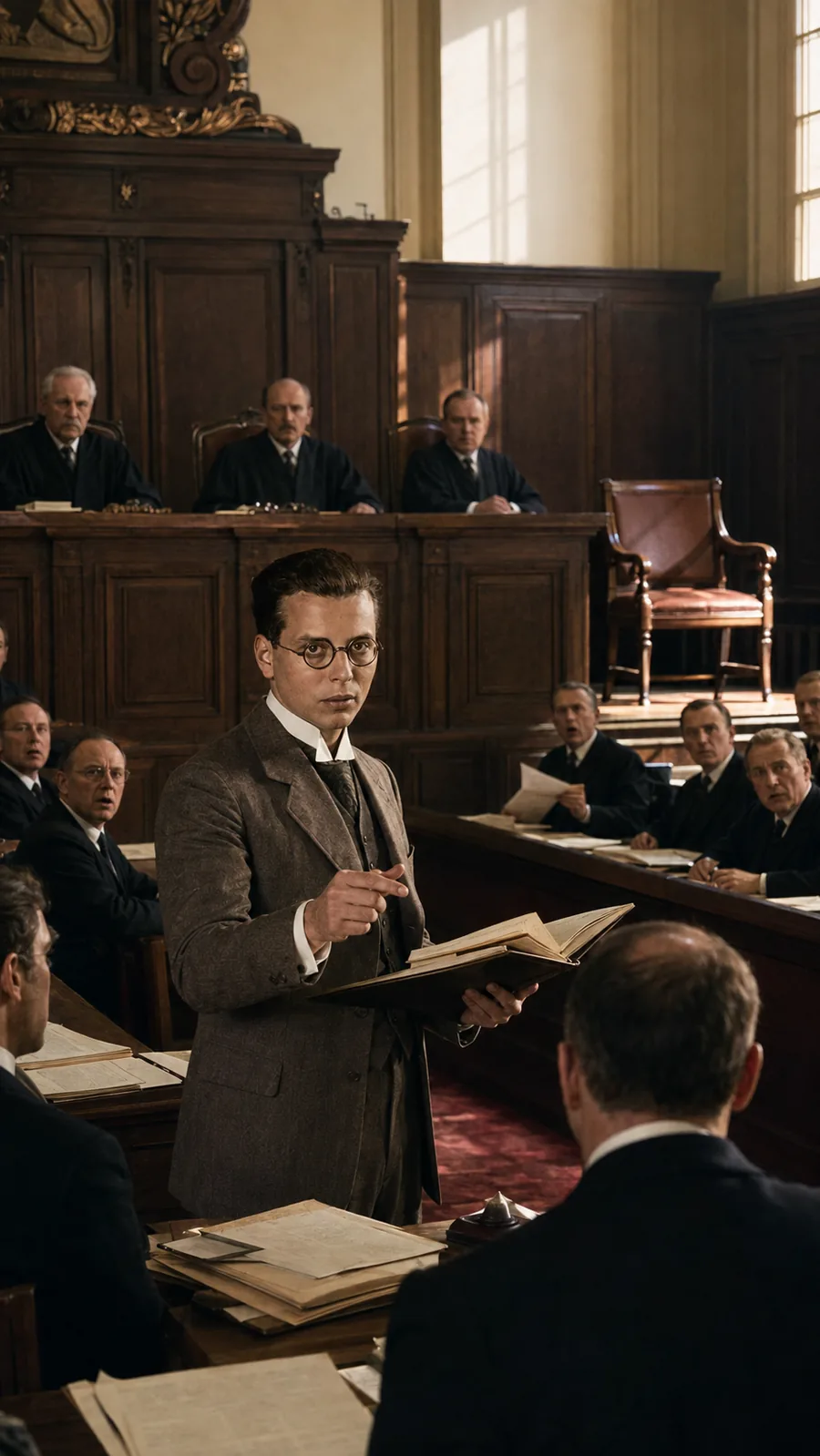
In May 1931, when Adolf Hitler did not yet rule Germany, a young lawyer accomplished something few people would ever manage again: he placed Hitler on the witness stand and forced him to explain, under oath, the relationship between his political rhetoric and the violence committed by his followers.
The lawyer was Hans Litten. He was twenty-seven years old, possessed an extraordinary memory, and believed in a conception of law that left little room for comfortable neutrality. Courts, he argued, should not merely punish the men who fired the shots or delivered the blows. They should also expose those who created the conditions in which such men believed they had permission to act.
The interrogation made Litten a personal enemy of Hitler. Two years later, when the Nazis seized power, the law he had tried to defend would no longer be able to protect him.
Hans Litten
A life between law and resistance
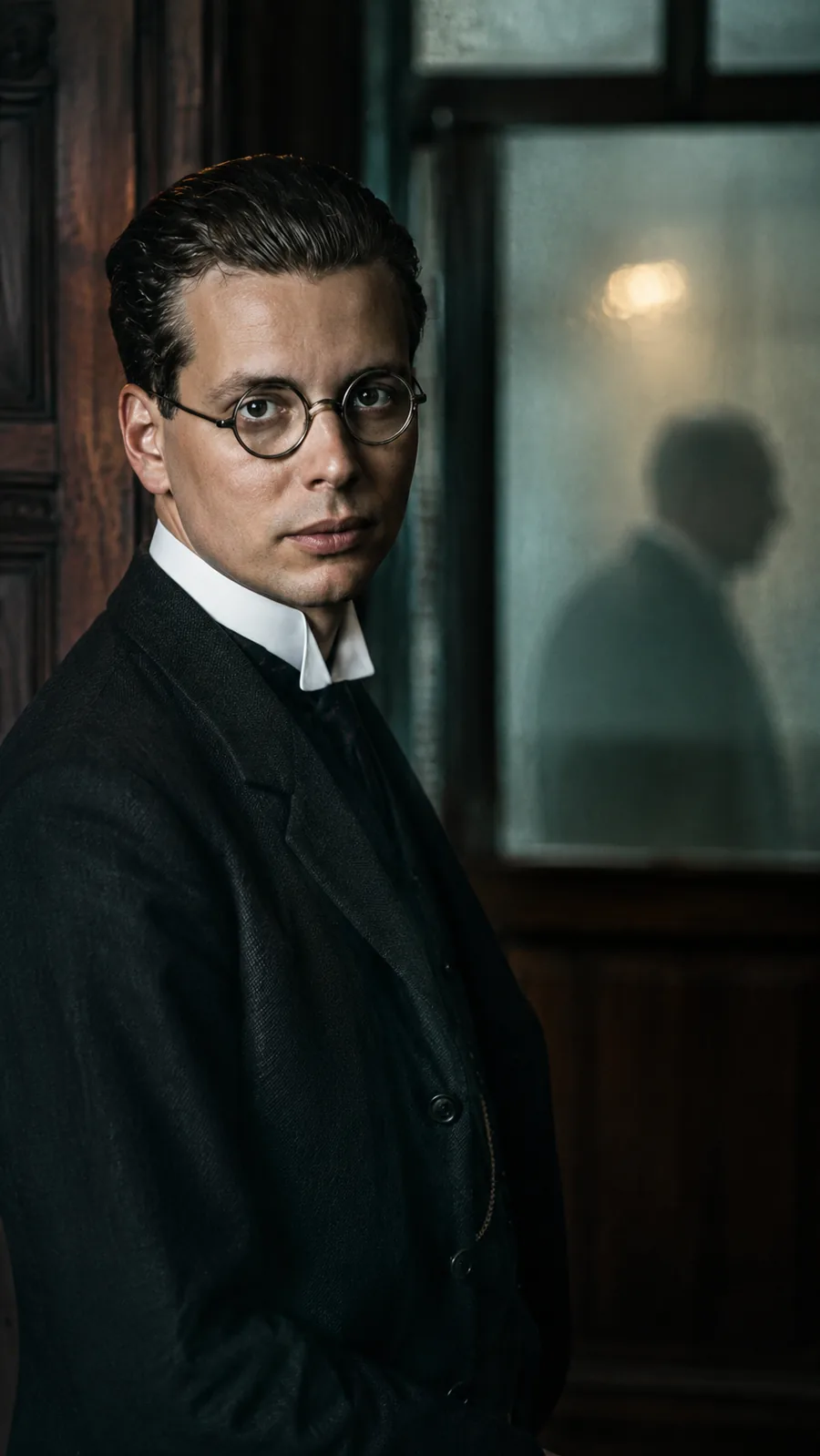
The 1933 portrait of Hans Litten
The Buchenwald Memorial biography reproduces a photograph from 1933, credited to the German Resistance Memorial Center. Follow the link to consult the original record; the image on this card is an AI recreation.
An Uncomfortable Son of the German Elite
Hans Joachim Albert Litten was born on June 19, 1903, in Halle, although he grew up mainly in Königsberg, the capital of East Prussia. He belonged to an educated and prosperous family. His father, Friedrich Litten, came from a Jewish family, converted to Christianity, and became a professor and dean of the law faculty at the University of Königsberg. His mother, Irmgard, came from a Protestant academic family and possessed more liberal and artistic inclinations (Buchenwald Memorial, n.d.).
The relationship between Hans and his father was difficult. Friedrich represented authority, professional prestige, and conservative nationalism. Hans was drawn to literature, art, and ideas that challenged traditional hierarchies. As a young man, he became involved in the Jewish youth movement and developed political views that moved between radical socialism, anarchism, and communism without submitting completely to any organization (Bergbauer et al., 2022).
His parents wanted him to study law. Hans was interested in languages, art, and literature, but he partly obeyed: he studied law while transforming the profession chosen for him into a weapon against the political world his father represented.
In 1928, he opened a legal practice in Berlin with Ludwig Barbasch. He began representing workers and left-wing activists prosecuted for their participation in strikes, demonstrations, and political confrontations. He also accepted cases connected to Rote Hilfe, a legal aid organization close to the Communist Party. Nevertheless, describing him simply as a communist lawyer is misleading. Litten guarded his independence and distrusted both party rigidity and institutions that claimed neutrality while tolerating political violence (Hett, 2008).
Violence as a Political Method
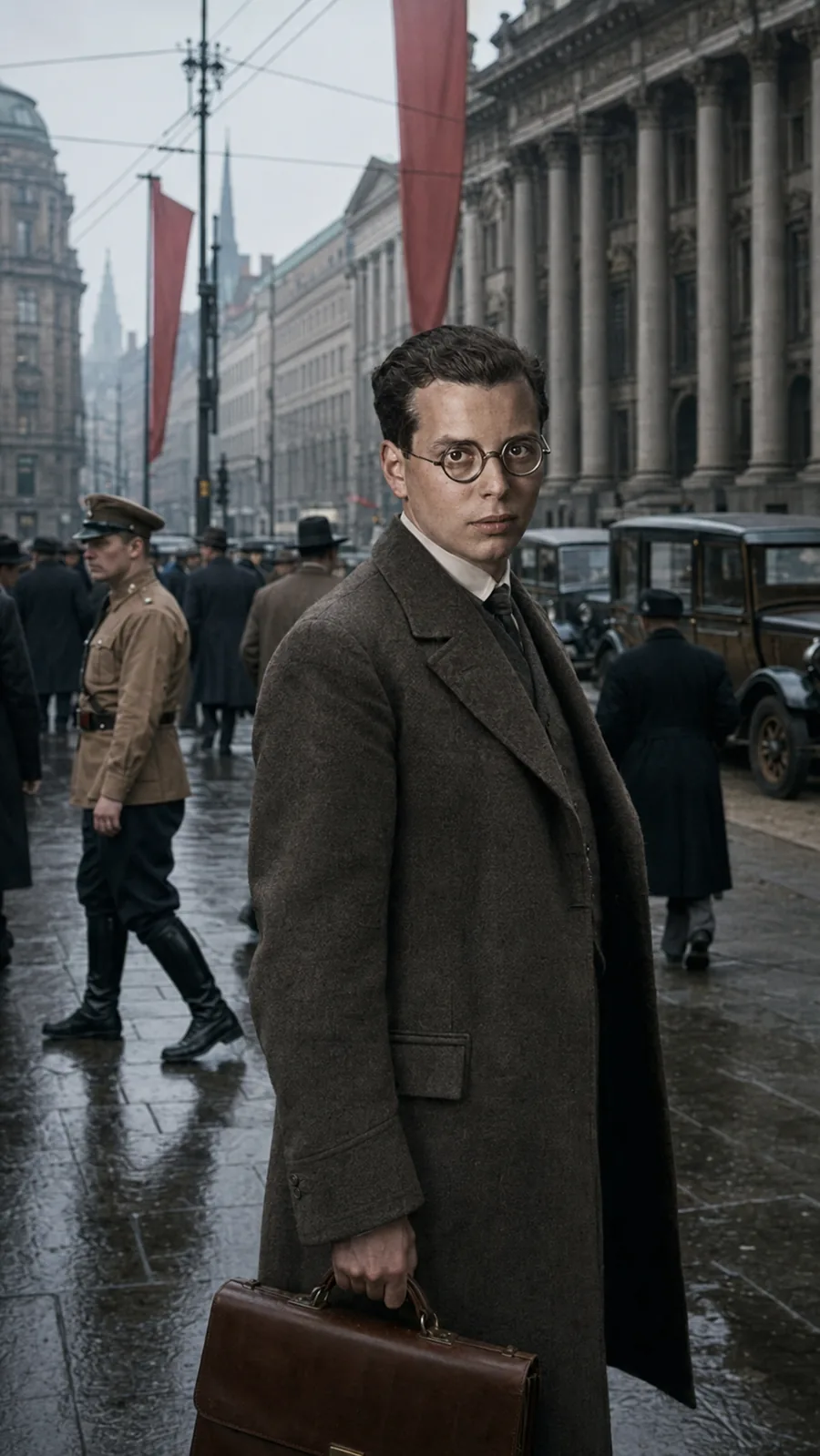
The Weimar Republic was disintegrating under the pressure of economic crisis, unstable governments, and street warfare. Nazi stormtroopers, known as the SA, attacked political meetings, workers’ clubs, and opponents. Officially, Hitler claimed that the Nazi Party intended to gain power through legal means. In practice, intimidation and violence were helping to destroy the democratic order from within.
Litten understood that prosecuting individual SA members was not enough. Someone had to demonstrate that their attacks were not merely spontaneous excesses but part of a political strategy.
The opportunity arose after the assault on the Eden Dance Palace, a Berlin venue frequented by workers. On the night of November 22, 1930, approximately twenty SA men attacked a meeting held by a left-wing association. Shots were fired and three people were wounded. At the trial the following year, Litten represented several of the victims as private counsel for the prosecution (United States Holocaust Memorial Museum, n.d.).
His purpose extended far beyond securing convictions for the attackers. He wanted to demonstrate that the Nazi leadership knew about and encouraged such violence. He therefore requested that Adolf Hitler be summoned as a witness.
Questioning Hitler in Court
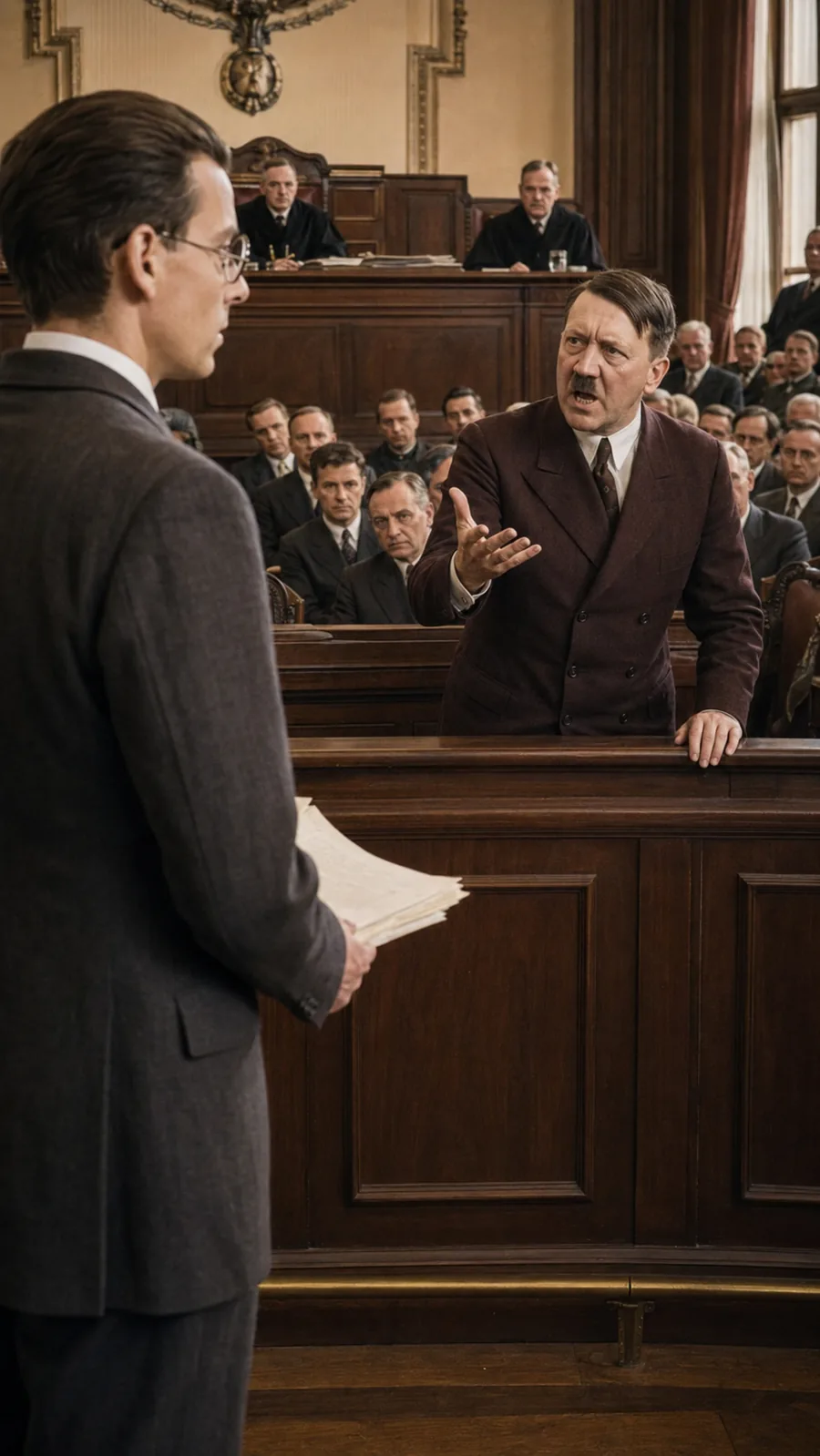
On May 8, 1931, Hitler appeared as a witness before the Berlin criminal court. He was still a politician who needed to preserve an appearance of legality. After the failed coup of 1923, he had learned that he could use democratic institutions to reach power and later destroy them.
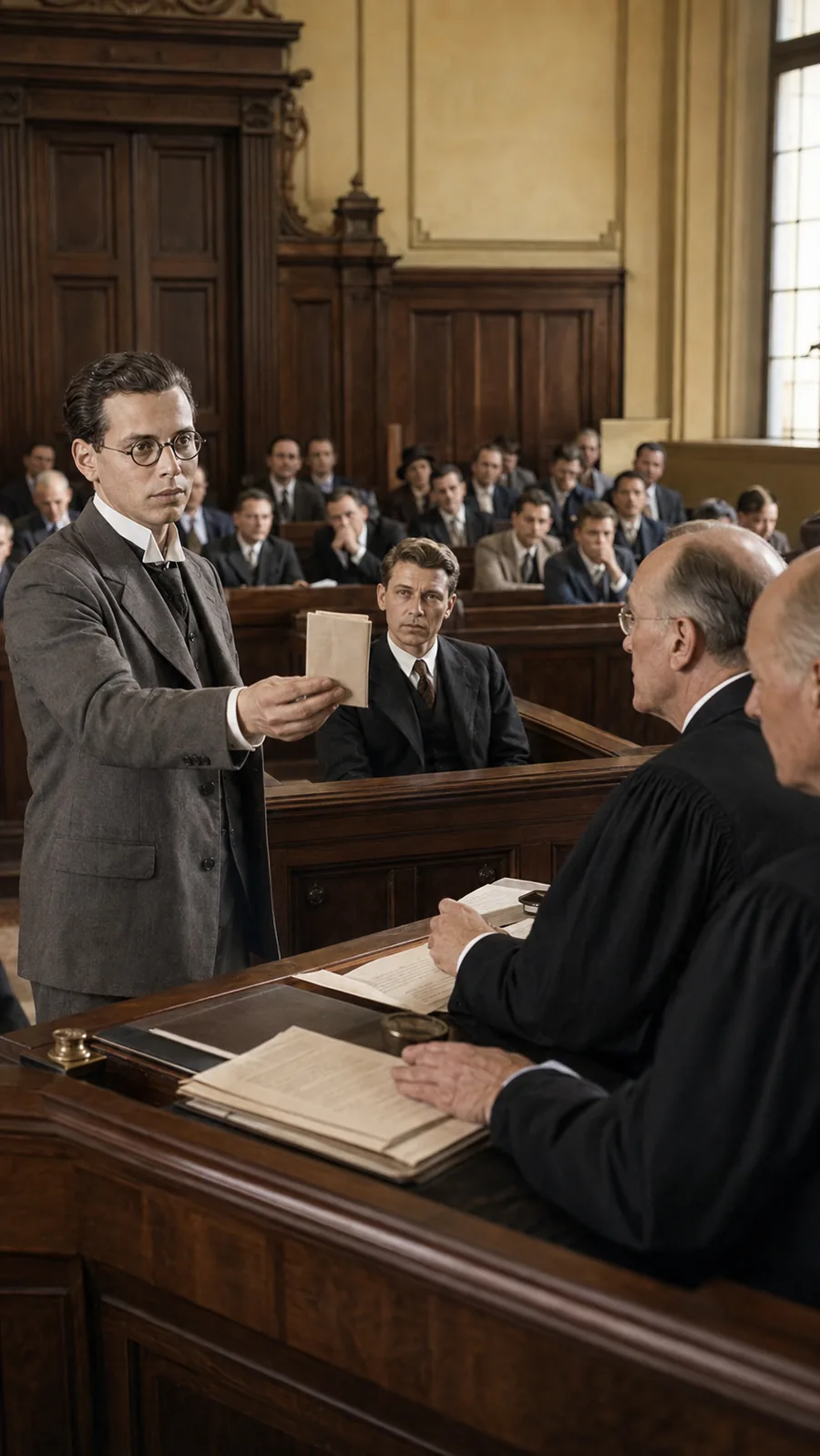
In court, Hitler maintained that the Nazi Party rejected violence and that the SA performed an essentially defensive and propagandistic role. Litten then confronted him with speeches, documents, and the actions of his subordinates.
One of the central issues was Joseph Goebbels’s pamphlet Der Nazi-Sozi, which contained language endorsing revolution and the destruction of political opponents. Litten asked how such statements could be reconciled with the party’s supposed commitment to legality. Hitler became increasingly agitated, attempted to portray Goebbels’s words as political metaphors, and eventually shouted at the lawyer questioning him (German Federal Bar, n.d.).
During hours of questioning, Litten exposed the contradictions between the moderation Hitler proclaimed before judges and the violence he encouraged among his followers. He did not obtain a confession, but he briefly shattered the image of control Hitler sought to project.
The encounter has sometimes been presented as a decisive legal victory. It was not. Nazism continued to grow, and the courts of the Weimar Republic never succeeded in stopping it. Yet the interrogation revealed something fundamental: Hitler needed the law while advancing toward power, but he could not tolerate being examined by it.
According to numerous later accounts, Hitler never forgot the name Hans Litten.
The Lawyer Who Chose Not to Escape

Litten continued working against Nazi violence. In subsequent trials, he attempted to demonstrate the coordination between the party’s political leadership and its stormtroopers. His work became increasingly dangerous. Friends and relatives urged him to leave Germany, particularly after Hitler was appointed chancellor on January 30, 1933.
He refused.
His decision kept him beside the people he represented, although we cannot reconstruct all his motives with certainty. The German Federal Bar recalls that he rejected his family’s advice to emigrate and emphasizes his commitment to people facing political persecution.
On the night of February 27, 1933, the Reichstag burned. The Nazi government used the fire as a pretext to suspend fundamental rights and arrest thousands of opponents. In the early hours of February 28, Hans Litten was arrested and placed in so-called “protective custody,” a bureaucratic term that allowed the authorities to imprison a person indefinitely without charge or trial.
He had attempted to prove that Nazi violence was a system. Now that system could operate without restraint.
Five Years Without a Trial
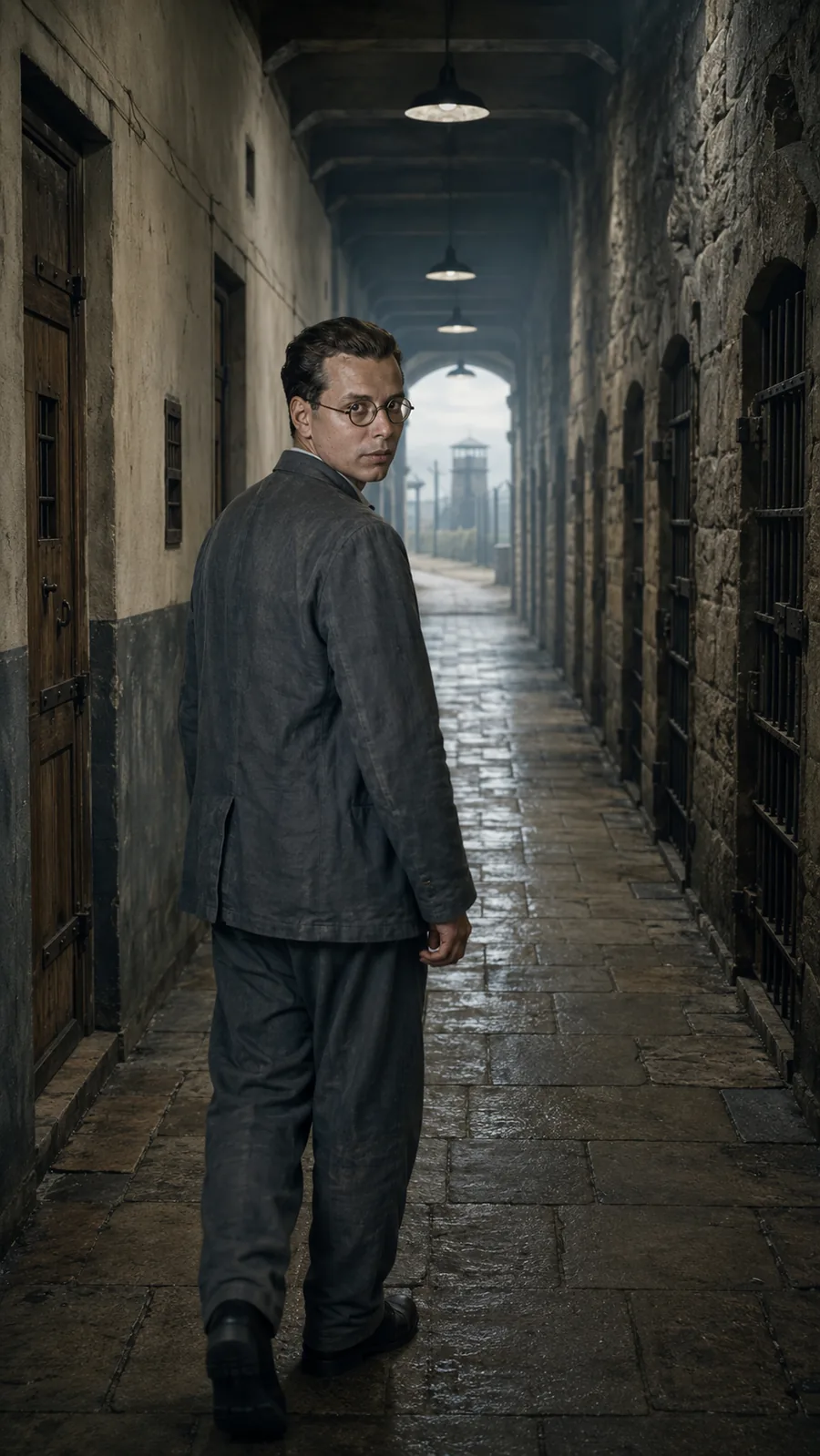
For almost five years, Litten was moved through several prisons and concentration camps, including Spandau, Sonnenburg, Brandenburg, Esterwegen, Lichtenburg, Buchenwald, and finally Dachau. He was never given a trial that could justify his detention. He endured interrogations, forced labor, beatings, and repeated torture (German Resistance Memorial Center, n.d.).
His mother, Irmgard, launched a desperate campaign to secure his release. She visited government offices, submitted petitions, and sought the intervention of politicians, lawyers, and prominent foreigners. Her appeals to officials of the regime and to people abroad failed to secure Hans’s release. He remained imprisoned without a regular criminal trial (German Federal Bar, n.d.).
After Hans’s death, Irmgard described her struggle in a book published in 1940, known in German as Die Hölle sieht dich an. The German Resistance Memorial Center lists it among the accounts of Litten’s life.
Culture as Resistance Among Prisoners
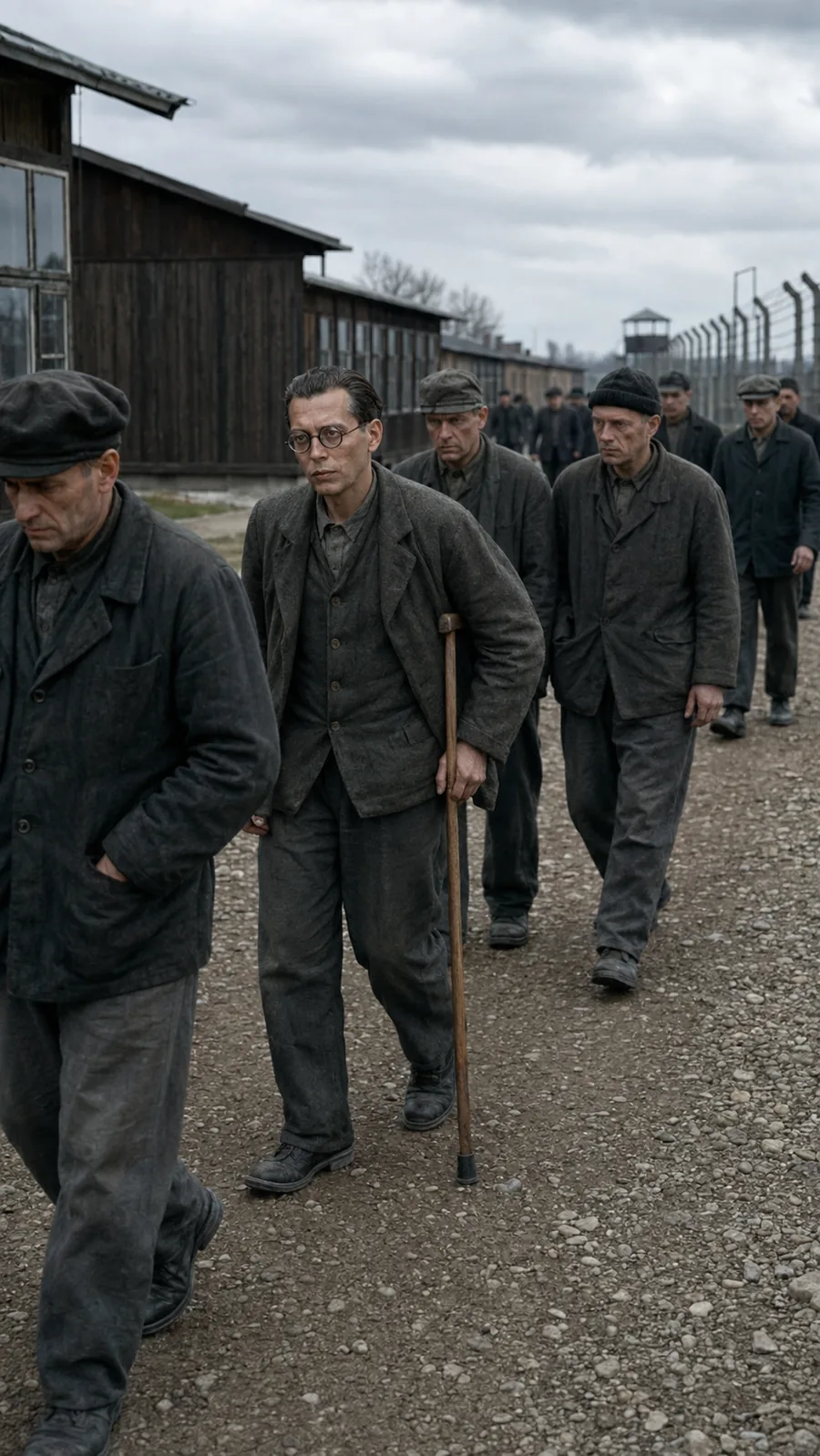
Litten is usually remembered as the lawyer who questioned Hitler. Yet one of the most extraordinary aspects of his life occurred during his imprisonment.
Despite injuries that forced him to walk on crutches and the physical deterioration caused by torture, Litten gave informal talks to fellow prisoners on law, literature, art, metaphysics, and history. He possessed a remarkable memory and could recite long passages of literature from memory. At Lichtenburg, he worked in the camp library and bookbinding workshop and produced studies on medieval literature and art (Buchenwald Memorial, n.d.).
These conversations were more than distractions. In a system designed to reduce people to obedient bodies, remembering a poem or explaining a legal idea became an act of resistance. Litten could not open the camp gates, but he could still protect an inner space in which his companions continued to regard themselves as human beings.
This episode also reveals a personality more complex than that of an uncompromising political militant. Litten was deeply interested in spirituality, languages, and culture. He had studied languages including Arabic, Sanskrit, and Chinese (Buchenwald Memorial, n.d.).
The man who had once tried to strip away the language of power in a courtroom now used language to prevent power from completely destroying its captives.
Dachau
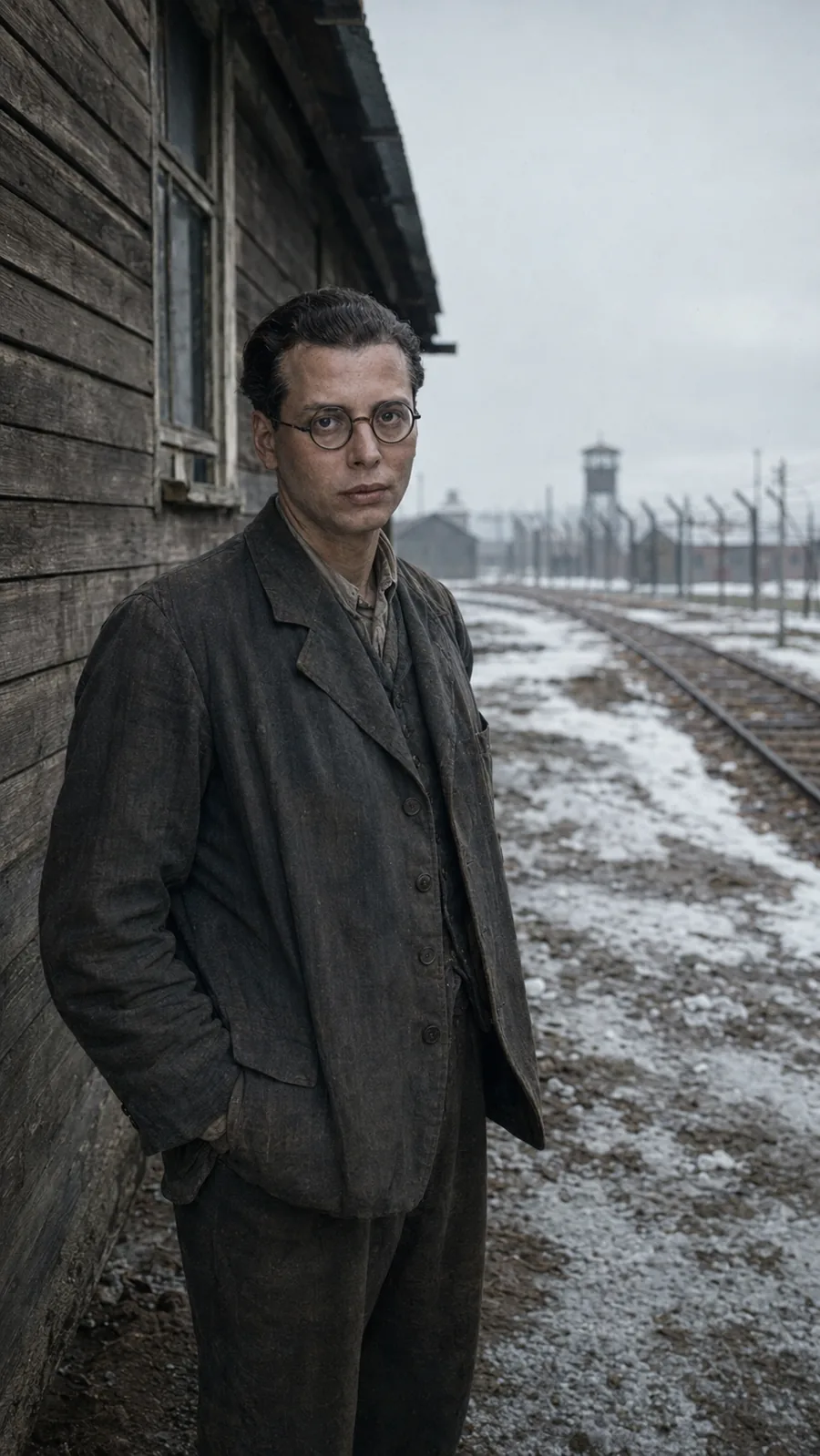
Litten arrived at Dachau on October 17, 1937. Forced labor and torture had severely damaged his health. The transfer prolonged an imprisonment approaching five years (Buchenwald Memorial, n.d.).
On February 5, 1938, he died by suicide in Dachau at the age of thirty-four, after years of torture and mistreatment (German Resistance Memorial Center, n.d.).
Simply saying that he “committed suicide,” however, risks concealing the responsibility of those who drove him to that point. Hans Litten died in the custody of a regime that had imprisoned him without trial, systematically tortured him, and deprived him of every reasonable hope of freedom.
The Ghost Power Could Not Erase
Litten did not defeat Hitler in 1931. No single cross-examination could have stopped the rise of Nazism. His significance lies elsewhere.
Confronting a movement that used legality as a disguise, Litten forced its leader to answer questions inside a courtroom. He understood that political violence does not begin only with a blow or a gunshot. It begins when language turns an opponent into someone who may legitimately be destroyed; when organizations publicly deny what they privately encourage; and when institutions prefer the comfort of neutrality to the examination of power.
Hitler succeeded in imprisoning and physically destroying the lawyer who had confronted him. He did not succeed in erasing the scene of the 1931 questioning: a young man, with neither an army nor a political party of his own, forcing him to answer questions.
In that Berlin courtroom, for a few hours, the future dictator did not exercise complete control over the story. He had to listen. He had to justify himself. He had to pretend to respect a legal order his movement would ultimately destroy.
That was Hans Litten’s limited, fragile, and profoundly human victory.
References
- Buchenwald Memorial. Hans Litten. View source
- Gedenkstätte Deutscher Widerstand. Hans Litten. View source
- United States Holocaust Memorial Museum. Eden Dance Palace shooting. View source
- Bundesrechtsanwaltskammer. Hans Litten. View source
- Hett, B. C. (2008). Crossing Hitler: The Man Who Put the Nazis on the Witness Stand. Oxford University Press. Excerpt: “Who Was Hans Litten?” View source
- Bergbauer, K., Fröhlich, S., & Schüler-Springorum, S. (2022). Hans Litten – Anwalt gegen Hitler. Eine Biographie. Wallstein Verlag. View source