In this storyOpen index
Lord Lucan: The Aristocrat Who Vanished After Sandra Rivett’s Murder
A murder, a disappearance, and the privilege that turned the suspect into a legend.
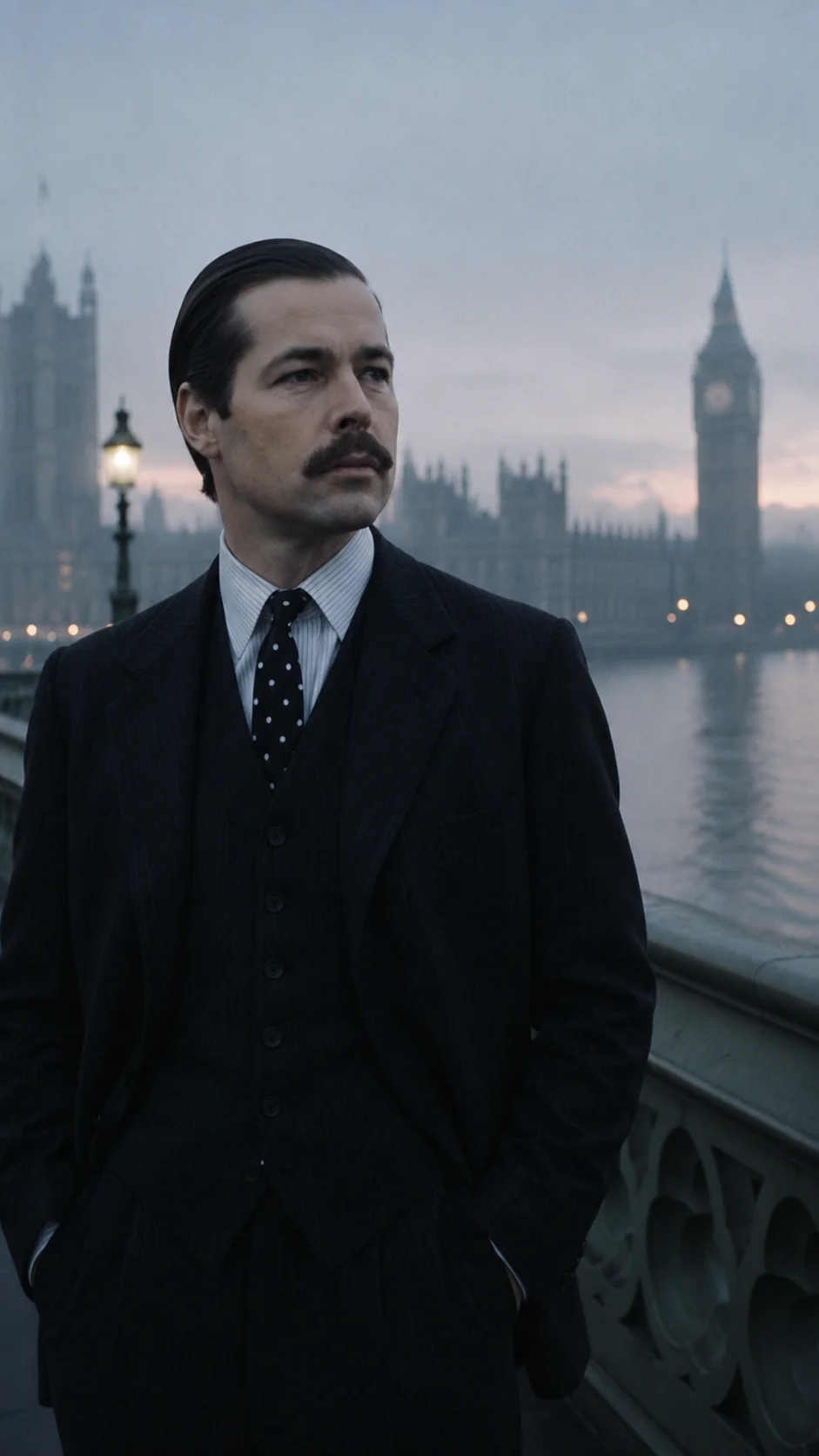
On the evening of November 7, 1974, a blood-covered woman burst into the Plumbers Arms, a public house in Belgravia, one of London’s wealthiest districts. She had suffered head injuries and cried out that her husband had murdered her children’s nanny.
Lord Lucan
The man, the crime, and the disappearance
The case file that remained open
Decision FS50626924 explains why police records remained protected after the declaration of death. The link opens the published decision; the image is symbolic and does not reproduce the document (Information Commissioner’s Office, 2016).
1. A Scream in the Pub
The woman was Veronica Bingham, Countess of Lucan. In the basement of her home at 46 Lower Belgrave Street, police found the body of Sandra Rivett inside a canvas sack. She had been struck with a blunt object. The principal suspect was Richard John Bingham, the seventh Earl of Lucan, known to his friends as “Lucky Lucan.”
Hours later, the aristocrat visited friends in Sussex, wrote several letters, and departed again. No confirmed sighting of him was ever reported afterward.
Sandra Rivett’s murder rapidly became “the Lord Lucan mystery.” That phrase reveals a lasting injustice: the suspect’s title, celebrity, and disappearance overshadowed the murdered woman. Her story should begin with Rivett, even if the ghost that fascinated the public wore an aristocratic crown (Metropolitan Police Service, 2002).
2. The Making of “Lucky Lucan”
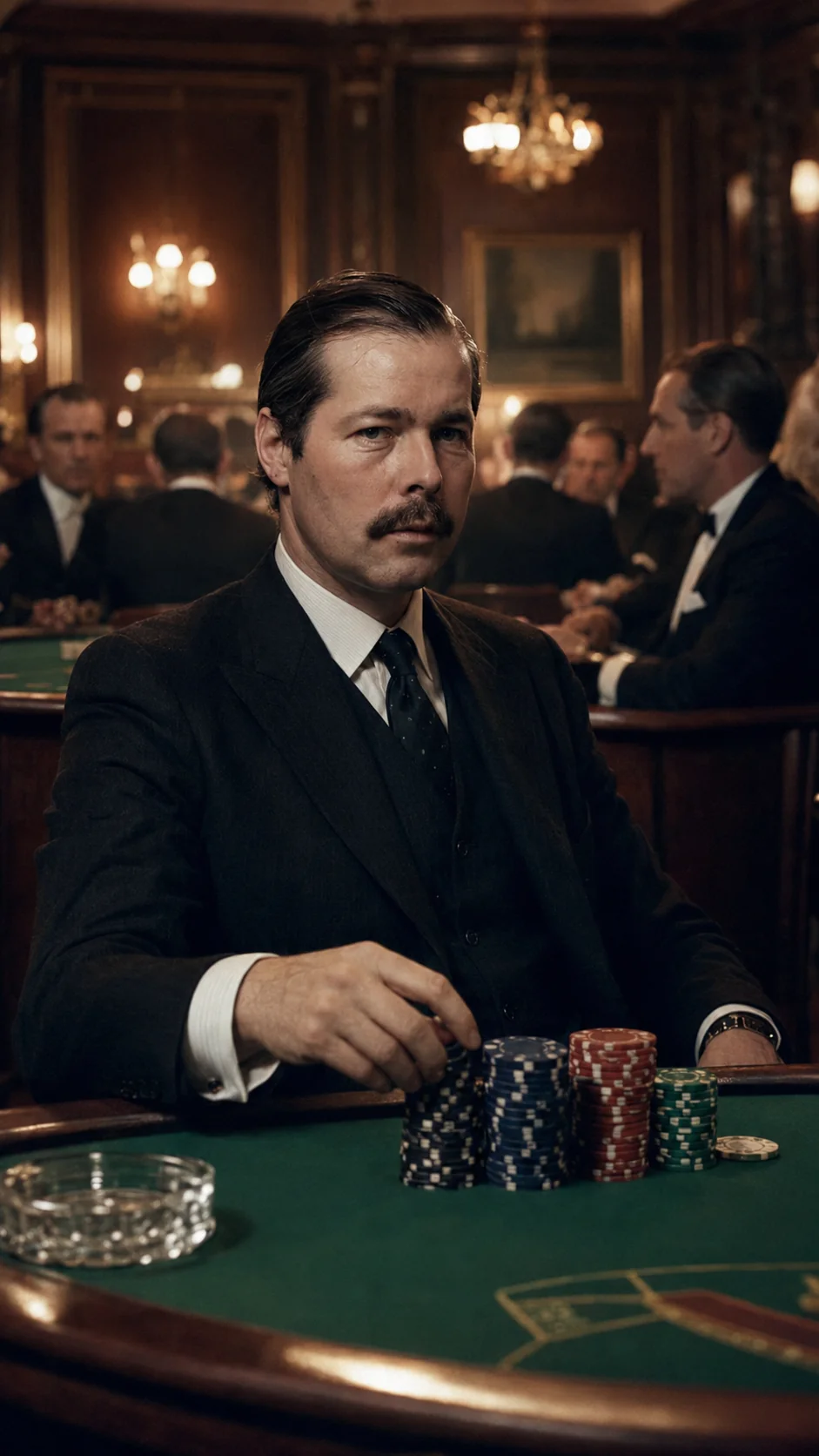
Richard John Bingham was born in London on December 18, 1934. He was the eldest son of the sixth Earl of Lucan and heir to an Anglo-Irish aristocratic family. During the Second World War, he was evacuated first to Wales and then to North America, remaining separated from his parents for several years.
He attended Eton, completed national service, and briefly worked in merchant banking. Gambling, however, became his great fascination. He abandoned a secure profession to become a professional gambler and entered the private casino culture of Mayfair and Belgravia.
The nickname “Lucky” followed a substantial victory at chemin de fer, but it eventually became ironic. His losses greatly exceeded his winnings, and by 1974 he faced severe financial pressure (Metropolitan Police Service, 2002).
Lucan belonged to the Clermont Set, a circle of wealthy men associated with John Aspinall’s Clermont Club. Expensive cars, powerboats, fine vodka, and high-stakes gambling characterized a world in which the appearance of wealth could survive long after the money itself began disappearing.
3. The Marriage That Became a War
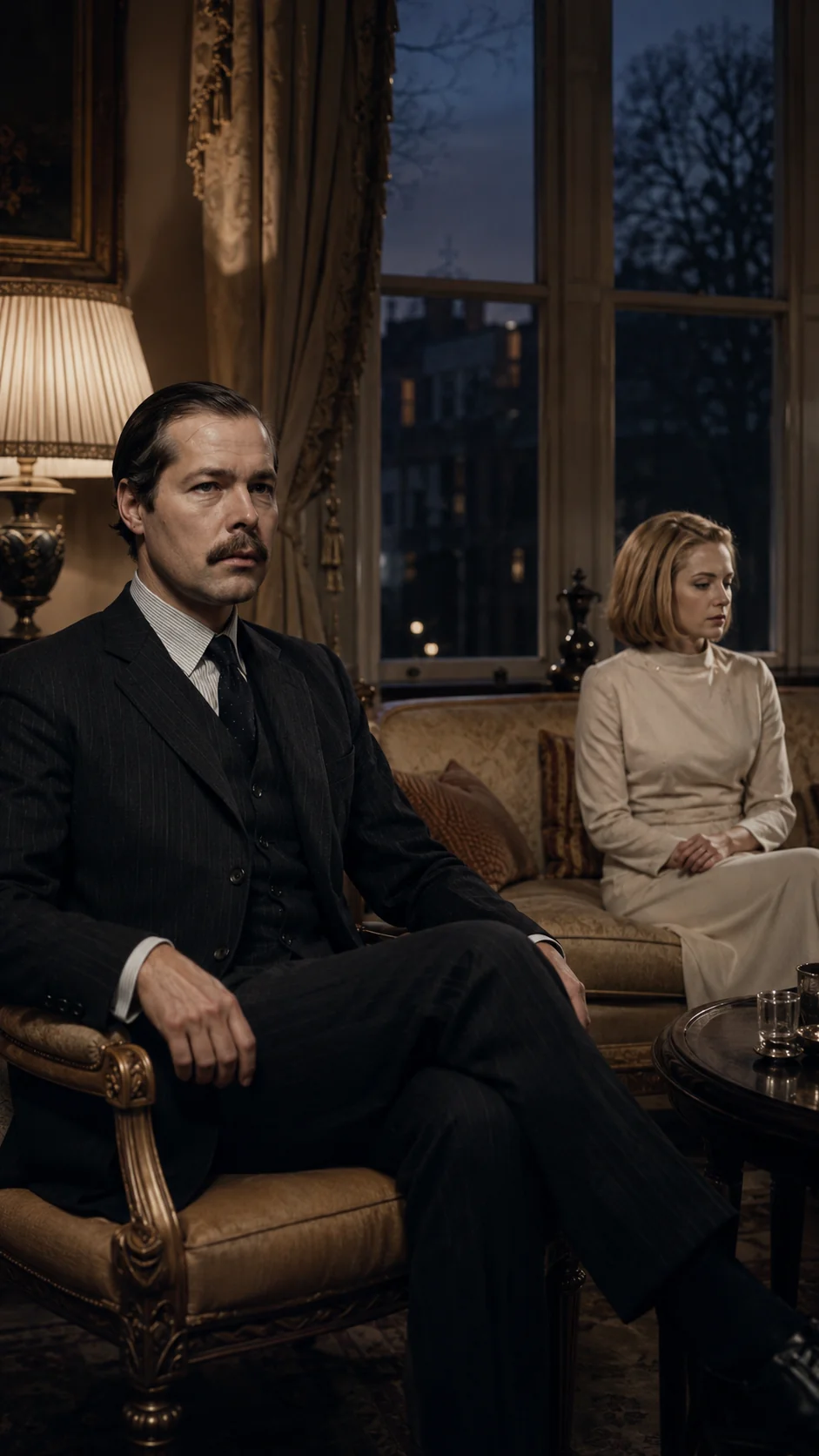
In 1963, Bingham married Veronica Duncan, who had worked as a model and secretary. His father died shortly afterward, and Richard inherited the title of seventh Earl of Lucan. The couple had three children: Frances, George, and Camilla.
Their marriage deteriorated over the following years. Veronica experienced mental health difficulties and received psychiatric treatment. Accounts of the case have repeatedly used her condition to dismiss her testimony automatically, but a medical diagnosis does not make a victim’s statement false.
Lucan left the family home in January 1973. The separation developed into a bitter custody battle. In March, he removed the children from a park after obtaining an interim court order. In June 1973, the High Court granted Veronica custody and allowed their father access on alternate weekends and during part of the school holidays (Metropolitan Police Service, 2002).
The defeat devastated Lucan. He hired people to watch his wife, hoping to establish that she was an unfit mother, accumulated legal expenses, and lost daily control over his children. Friends later reported that he spoke obsessively about recovering custody. Meanwhile, his gambling debts continued growing.
4. Sandra Rivett, the Woman Erased by the Mystery
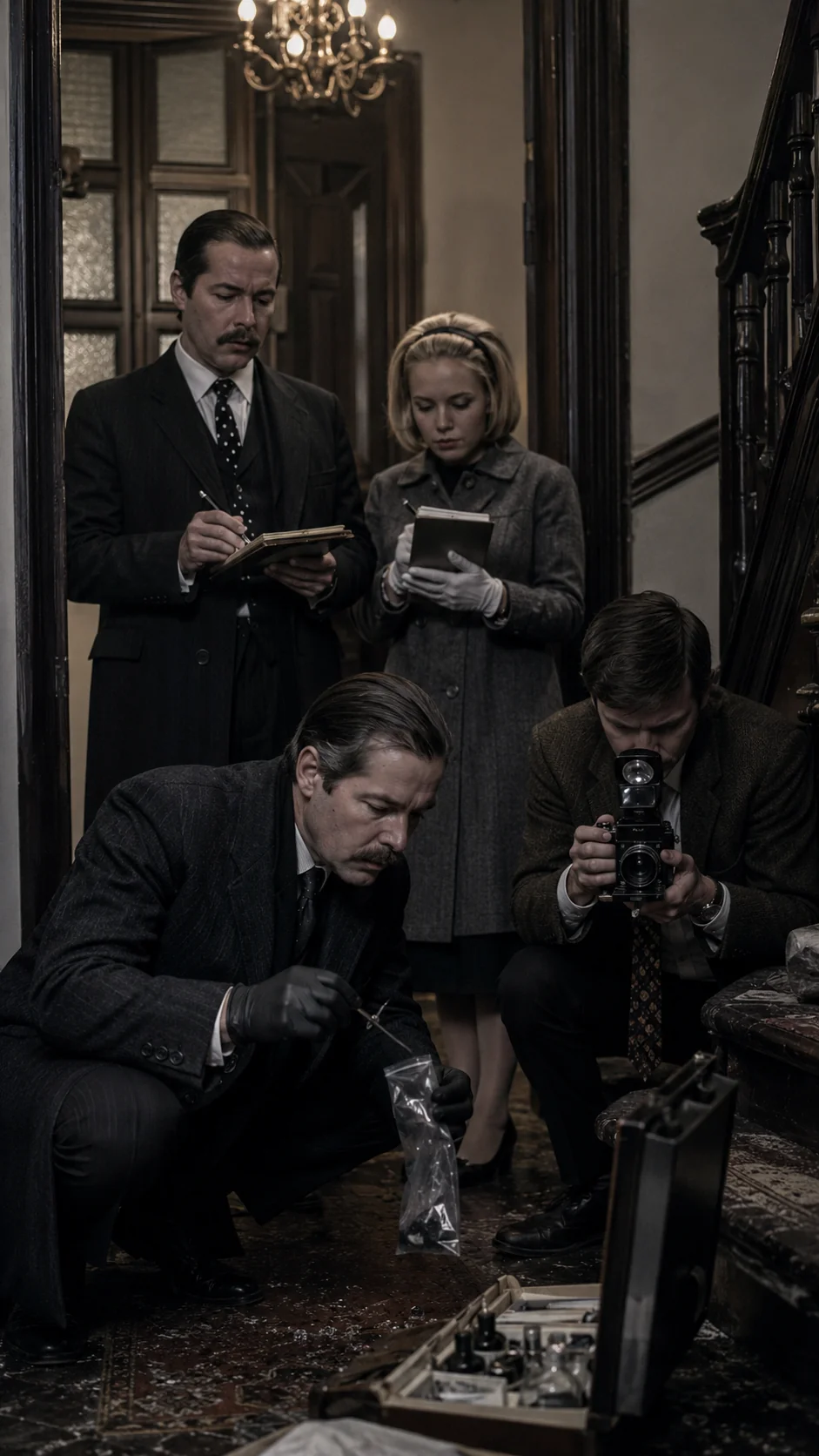
Sandra Eleanor Rivett was twenty-nine and worked as nanny to the Lucans’ three children. She lived on the top floor of the Lower Belgrave Street house. She had endured personal difficulties but was rebuilding her life and had formed an affectionate relationship with the children.
On the night of the murder, two children were in bed; the eldest daughter was still with her mother and Sandra. Shortly before nine, she went to the basement to make tea. The area was dark; police found a bulb removed from its fitting. When she did not return, Veronica went downstairs to find her.
According to Lady Lucan’s testimony, a man attacked her in the darkness and repeatedly struck her head. She said that she recognized her husband’s voice during the struggle. The attacker then moved her toward the upper rooms. When he became distracted, Veronica escaped and ran to the nearby pub for help.
Police found Sandra Rivett inside a sack in the basement. A blood-covered length of lead piping was found on the ground floor. The investigators’ main theory was that Lucan intended to murder his wife but, in the darkness, first attacked the nanny by mistake. It is a plausible explanation, but it was never tested through an adversarial criminal trial (Metropolitan Police Service, 2002).
5. The Story Lucan Left Behind
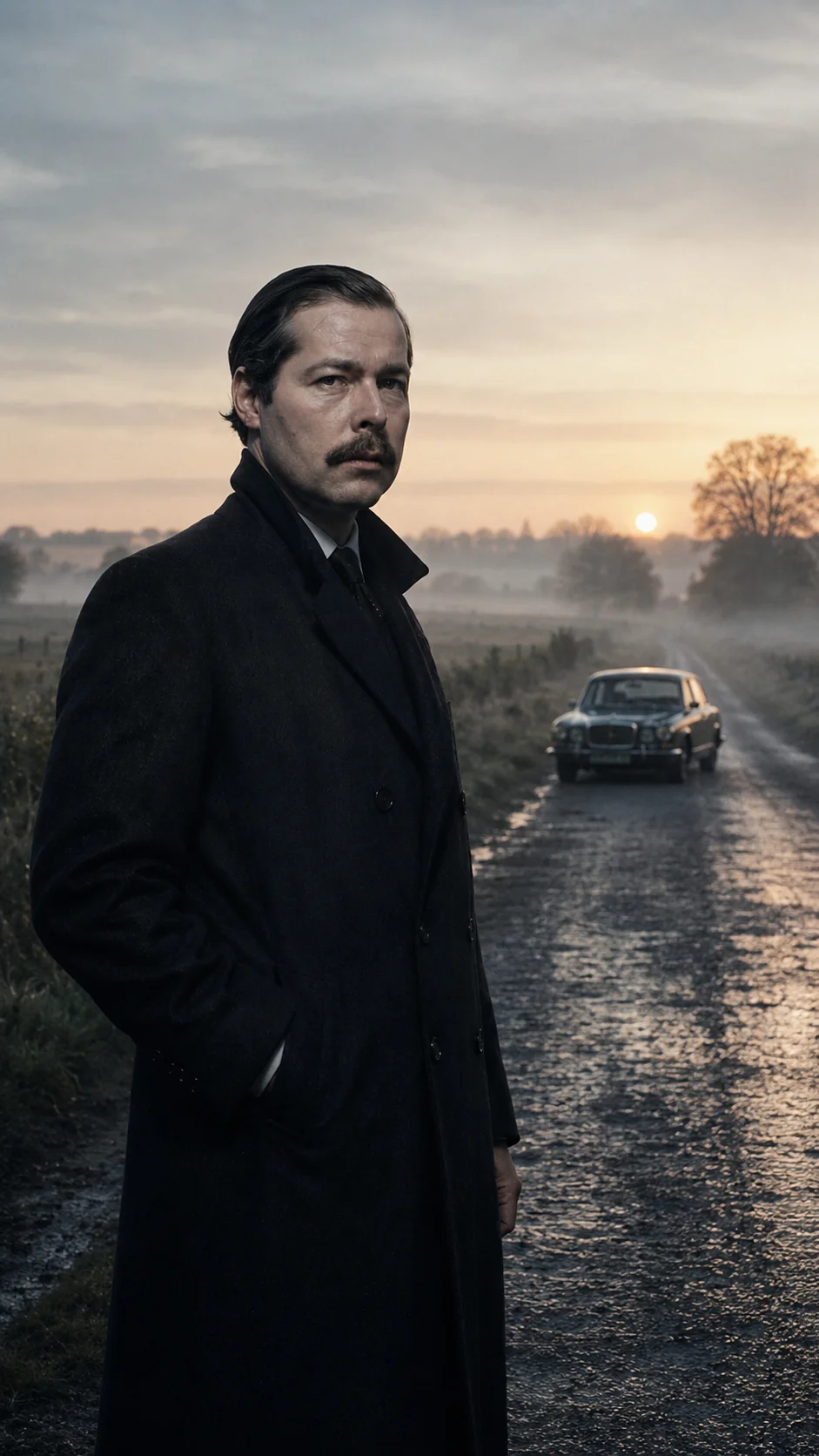
Lucan did not remain in London to speak with police. He drove to Grants Hill House in Uckfield, Sussex, the home of his friends Ian and Susan Maxwell-Scott. Susan became the last known person to confirm seeing him.
Lucan claimed that he had happened to pass the family house, noticed a struggle, and entered to help Veronica. According to his account, an unknown attacker fled, while his wife—motivated by hatred—would eventually accuse him.
The story raised obvious questions. Why had he not immediately called the police? Why did he leave Sandra Rivett without requesting medical help? Why flee if he had just witnessed a murder?
In Uckfield he wrote two letters to Bill Shand-Kydd, acknowledging damaging circumstantial evidence and asking that his children be protected. Michael Stoop also received a note attributed to Lucan; it should be distinguished from the two letters documented as written at Susan’s house (Metropolitan Police Service, 2002).
The letters contained a defense but also resembled a farewell. After leaving the Maxwell-Scotts’ home during the early hours of November 8, Lord Lucan vanished.
6. The Car at Newhaven
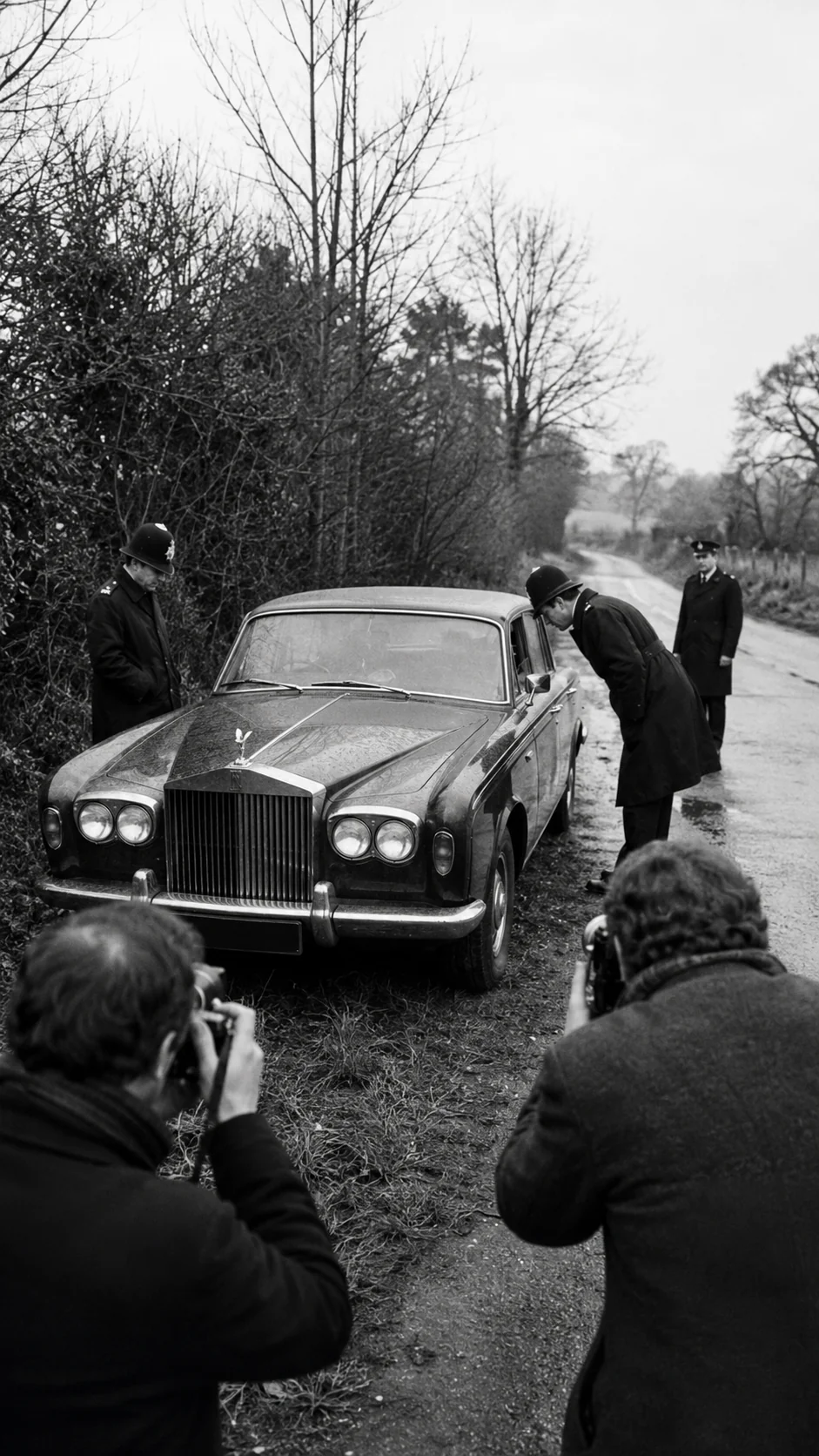
Lucan was driving a Ford Corsair borrowed from his friend Michael Stoop. The vehicle was found abandoned at Newhaven, a coastal town in Sussex. Investigators discovered bloodstains inside and another taped length of lead piping in the trunk.
Forensic science in 1974 lacked the precision of modern DNA analysis. Investigators relied upon blood groups, fibers, hair, and physical comparisons. Evidence compatible with Sandra Rivett’s and Veronica Lucan’s blood types appeared at locations connected with the crime and vehicle.
The car’s proximity to the English Channel inspired an immediate interpretation: Lucan might have taken his own life after abandoning it. Alternatively, he might have used the coast as part of an escape route.
No body, boat, or verifiable route was discovered. The vehicle marked the final known territory of his flight, not a definitive answer (Metropolitan Police Service, 2002).
7. A Verdict That Was Not a Criminal Trial
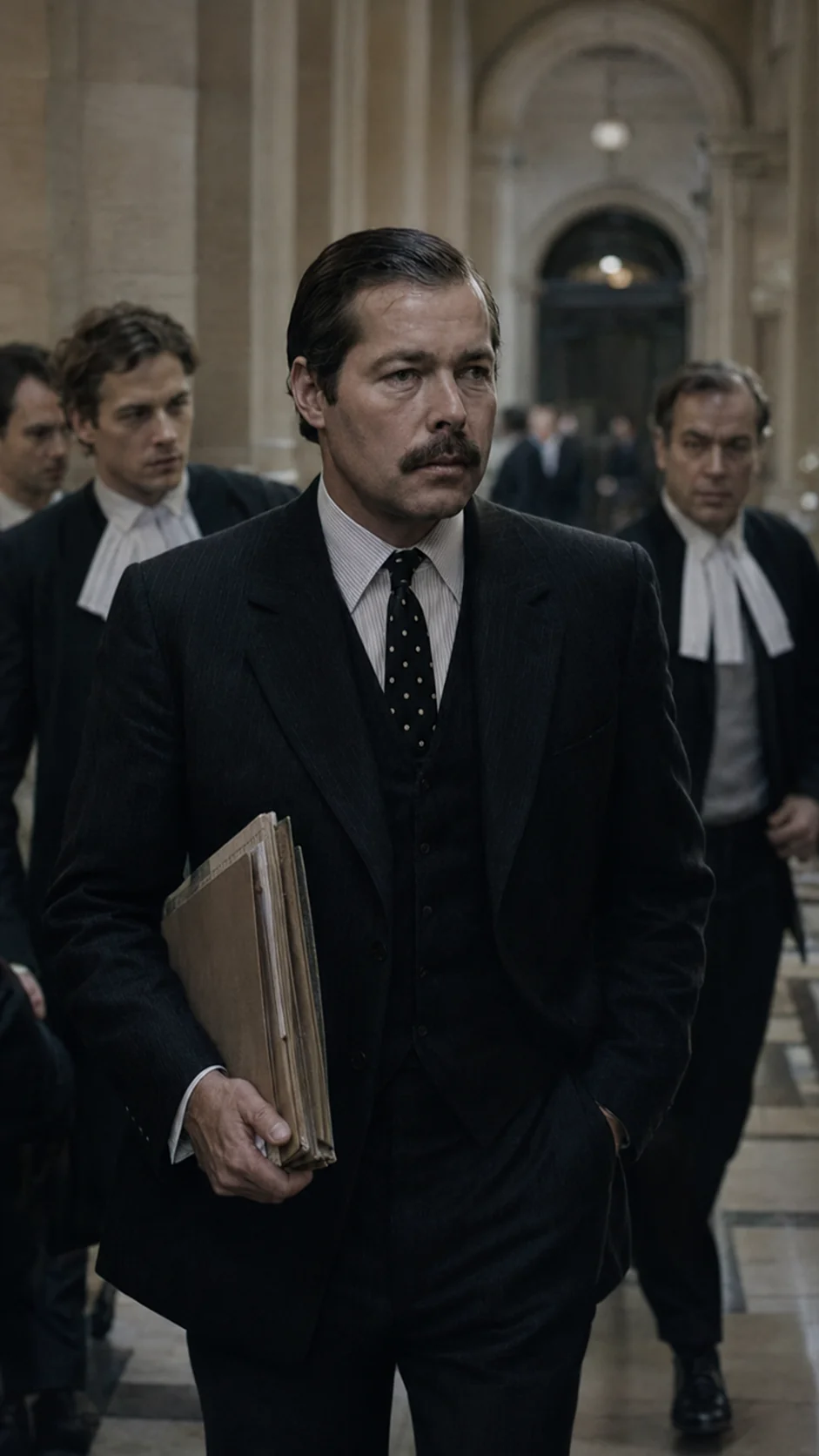
The inquest into Sandra Rivett’s death began in June 1975. The coroner’s jury heard witnesses, including Veronica, and considered the available forensic evidence. It concluded that Sandra had been “murdered by Lord Lucan.”
That finding was not equivalent to a conviction following a criminal trial. Lucan was absent and never faced a criminal trial; the coroner’s inquiry did not provide the same safeguards or serve the same purpose as that process. At the time, an inquest jury could identify an alleged murderer and commit that person for trial. Parliament later abolished that procedure through the Criminal Law Act 1977 (High Court of Justice, 2012).
It is therefore accurate to state that the inquest jury named Lord Lucan as Sandra Rivett’s murderer. It is inaccurate to claim that a criminal court convicted him in his absence.
The arrest warrant could never be executed. In 2024, the Metropolitan Police confirmed that the investigation into Rivett’s death remains formally open, like other unsolved homicides, and that significant new evidence would be considered (Metropolitan Police Service, 2024).
8. Powerful Friends and Impossible Theories
Over the decades, alleged sightings placed Lucan in Africa, Australia, India, Ireland, New Zealand, and South America. None was verified. Several men photographed as possible matches were eventually identified as unrelated individuals (Stein & Armitage, 2024).
Suspicion also developed that Lucan’s aristocratic friends had helped him escape. Some members of the Clermont Set possessed money, international connections, and considerable loyalty to him. Nevertheless, no conclusive evidence has demonstrated an organized conspiracy that kept him hidden for decades.
John Aspinall said he believed Lucan died by suicide in the English Channel to avoid public disgrace. Other theories proposed that he lived under protection in Africa or that his body was destroyed at Aspinall’s private zoo. The zoo story, involving wild animals, became part of the case’s folklore but has no verifiable evidential foundation.
Privilege encouraged both the possibility of escape and the public imagination. To some observers, a wealthy aristocrat necessarily possessed a secret network capable of making him disappear. To others, his social class’s concept of honor made suicide more probable. Neither interpretation has been proved.
9. The Little-Known Fact: The Case Helped Change British Inquests
The jury investigating Sandra Rivett’s death was among the last in England permitted to name a specific person as a murderer and commit that person for trial. The controversy surrounding the case contributed to debate about the proper function of coroners.
Section 56 of the Criminal Law Act 1977 removed an inquest’s power to find a person guilty of murder, manslaughter or infanticide and commit that person for trial through that procedure. Parliament later expressly recalled the Lucan case when explaining the distinction between investigating a death and determining criminal liability (UK Parliament, 2009).
This reform highlights the case’s legal anomaly: Lord Lucan was publicly identified as a murderer through a procedure that soon ceased to exist, yet he never appeared to answer the accusation in a criminal trial.
That distinction does not establish his innocence. It explains why precise language matters. The historical and judicial evidence against him is extremely serious, but there was no criminal judgment after a trial.
10. The Ghost the Law Finally Had to Kill
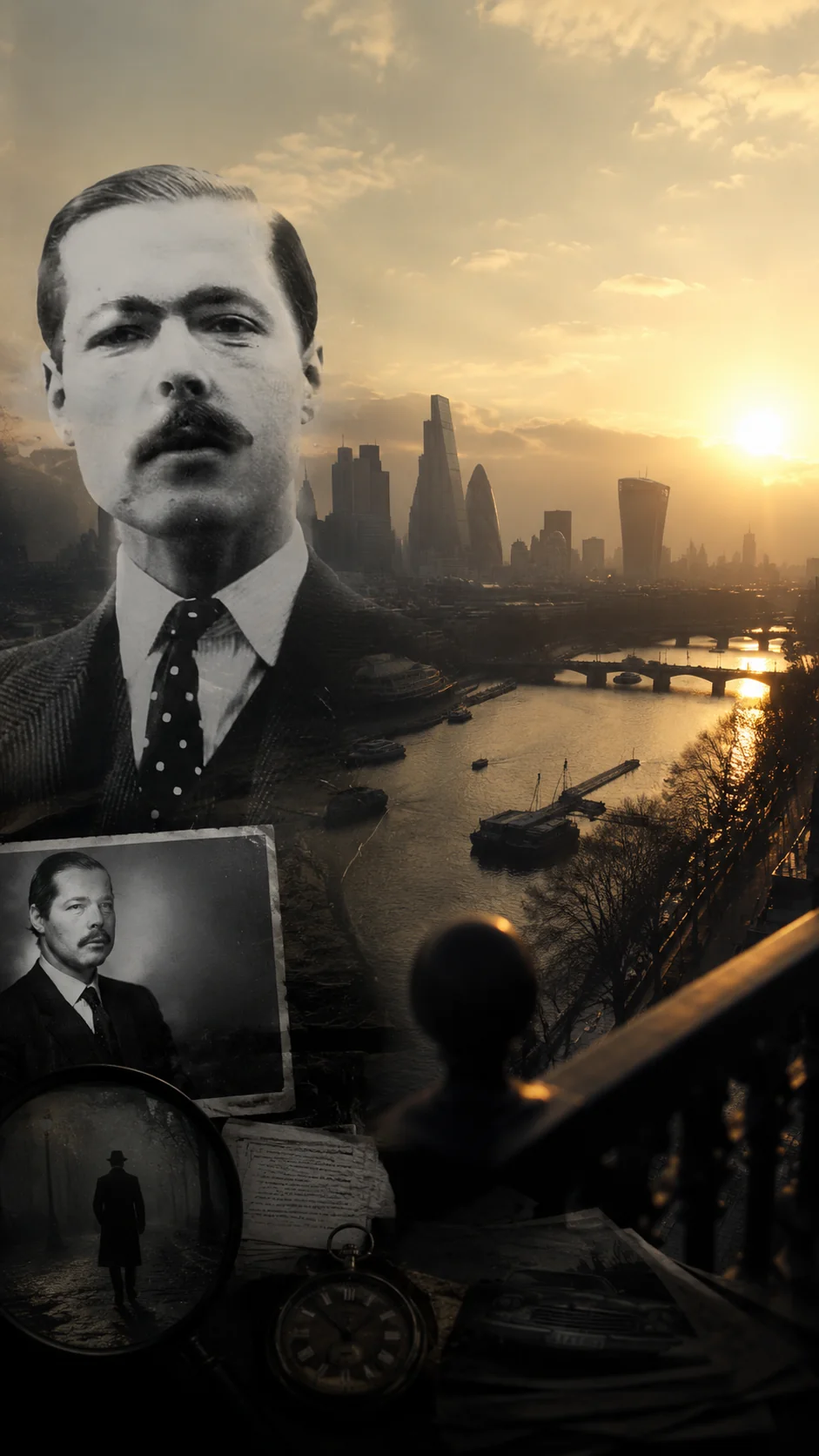
For decades, the absence of a body complicated succession to the title. In 1999, death was accepted for certain probate purposes, but that did not automatically allow Lucan’s son to inherit the earldom.
The Presumption of Death Act 2013 created a new mechanism. In February 2016, the High Court issued a declaration of presumed death after finding that Lucan had not been known to be alive for at least seven years. George Bingham could legally become the eighth Earl of Lucan (ITV News, 2016).
The declaration settled the title, not the mystery. It did not establish when, where, or how the seventh earl died.
Decision FS50626924 confirmed in 2016 that declaring the suspect dead neither closed the investigation nor required disclosure of its files (Information Commissioner’s Office, 2016).
Fascination with his disappearance has always threatened to transform a murder into an aristocratic adventure. Yet the center of the case is not a nobleman who may have used privilege to escape. It is Sandra Rivett, a murdered woman whose death never reached a criminal trial. It is also Veronica Lucan, who survived a brutal attack and maintained that her husband was responsible.
Lord Lucan vanished physically, but his social class, title, and circle of influential friends allowed him to occupy more historical memory than Sandra Rivett and Veronica Lucan. He became a ghost of British power—a man whom the law eventually declared dead but whose fate it still cannot explain.
Timeline
| Year | Event |
|---|---|
| 1934 | Richard John Bingham is born. |
| 1963 | Marries Veronica Duncan. |
| 1964 | Inherits the earldom. |
| 1973 | Separation and custody dispute. |
| 1974 | Sandra Rivett is murdered; Lucan disappears. |
| 1975 | The inquest jury names Lucan. |
| 1977 | The inquest’s power to determine criminal guilt is removed. |
| 2016 | Judicial declaration of death. |
| 2024 | Police confirm the investigation remains open. |
Sources
- High Court of Justice. (2012). R (Wilkinson) v. HM Coroner for the Greater Manchester South District, [2012] EWHC 2755 (Admin).
- Information Commissioner’s Office. (2016). Commissioner of the Metropolitan Police Service: FS50626924.
- ITV News. (2016). Lord Lucan death certificate granted.
- Metropolitan Police Service. (2002). Murder of Sandra Rivett and disappearance of Lord Lucan – Resume of circumstances [report; public copy hosted by a third party].
- Metropolitan Police Service. (2024). Case files relating to Sandra Rivett murder: 01.FOI.24.038244.
- Stein, L., & Armitage, R. (2024). The mystery of Lord Lucan: How a British aristocrat accused of murdering his children’s nanny vanished into thin air.
- UK Parliament. (2009). Coroners and Justice Bill: House of Lords debate, 21 October 2009.