In this storyOpen index
Genghis Khan: The Man Who Conquered the World but Could Not Govern His Own Legend
Temüjin united the Mongols and founded a dynasty whose power outlived him. His story combines organization, conquest, and a contested legacy.
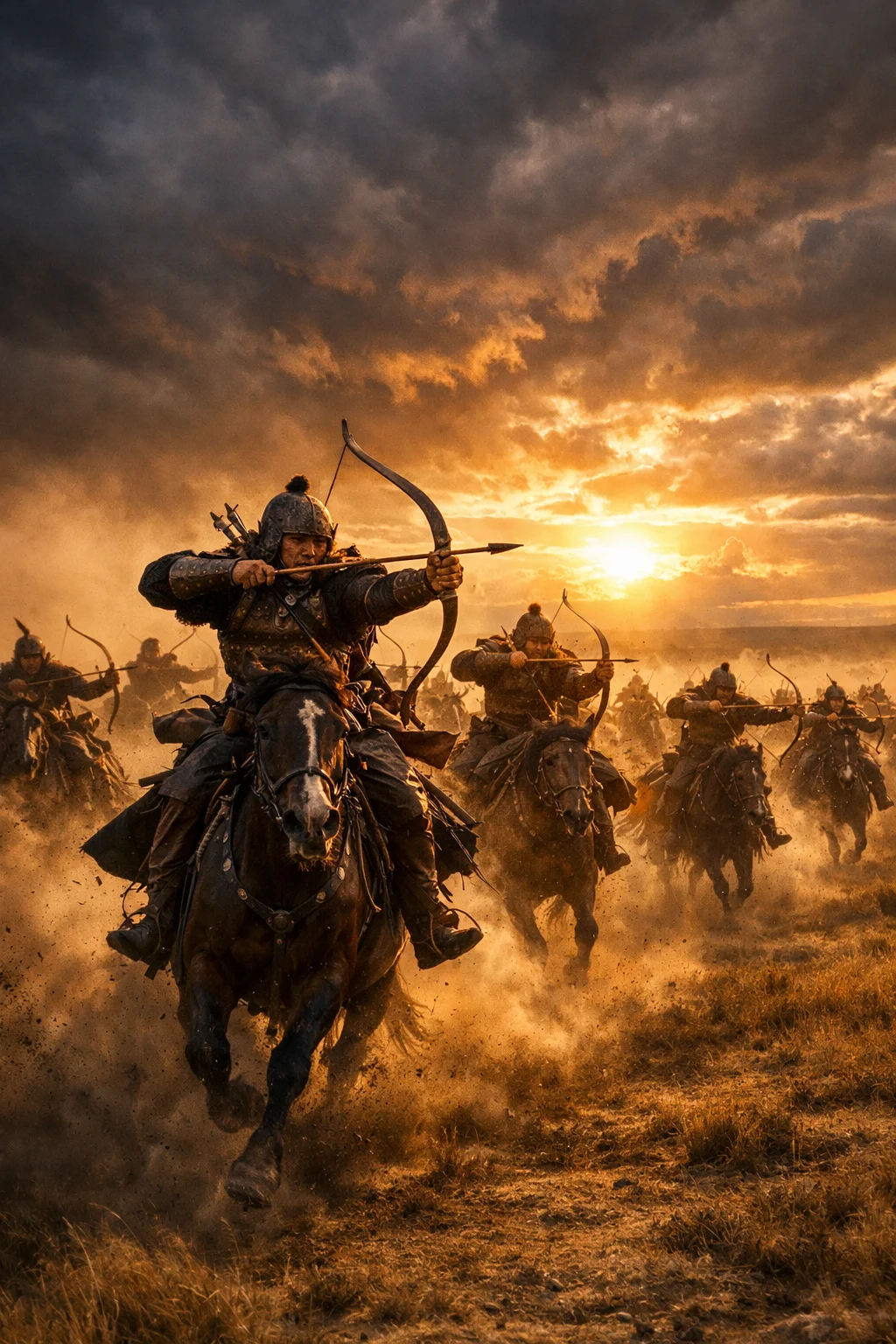
He was born Temüjin sometime during the second half of the twelfth century, probably around 1162. The precise year remains uncertain because medieval sources provide conflicting chronologies. Even The Secret History of the Mongols, the account closest to his world and the only major narrative of the empire’s rise written from a Mongolian perspective, was compiled after his death. It combines historical memory, oral tradition, and dynastic legitimization (De Rachewiltz, 2004; May, 2018).
That uncertainty seems appropriate for a man whose life disappeared beneath the scale of his legend. Genghis Khan has been remembered as a conqueror, lawgiver, monster, unifier, and sacred ancestor. Each image contains part of the truth, but none explains him completely.
His empire began with a childhood in which even survival was uncertain.
Genghis Khan: The Weight of a Dynasty
A Life Told Between the Steppe and the Empire
The Secret History of the Mongols
This thirteenth-century chronicle preserves a Mongol perspective on Temüjin and his dynasty. The Australian National University’s Mongolia Institute presents Igor de Rachewiltz’s annotated edition. The image is a reconstruction, not a manuscript.
AI-generated visual reconstruction; not a historical document.
The Abandoned Child of the Steppe
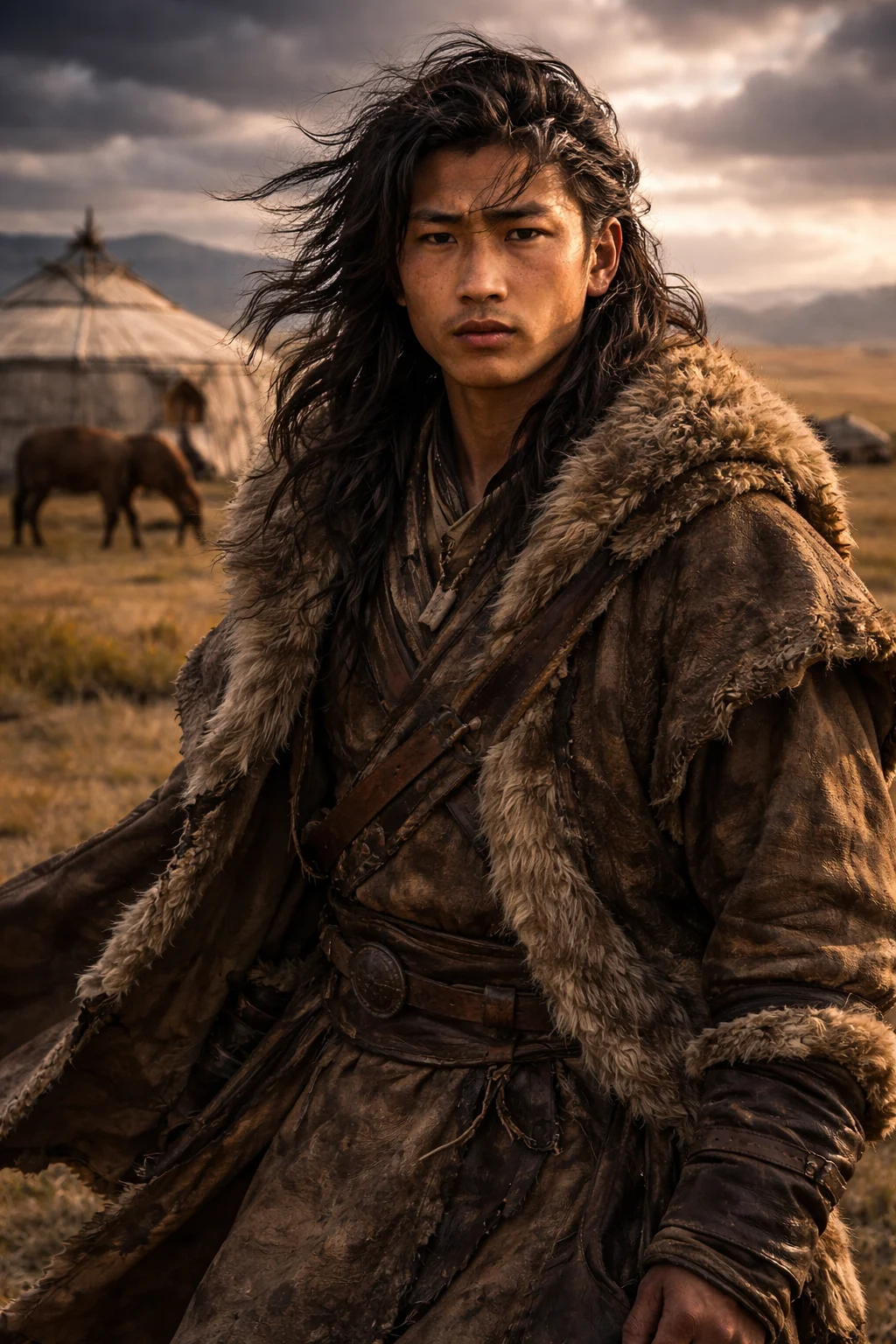
Temüjin was the son of Yesügei, the leader of a minor aristocratic family, and Hö’elün, a woman who had been abducted by her future husband. According to the tradition preserved in The Secret History of the Mongols, Yesügei was poisoned by Tatar enemies while Temüjin was still a child. After his death, the families that had followed the leader abandoned his widow and children.
Hö’elün kept the family alive with roots, fish, small animals, and anything else the steppe could provide. The experience taught Temüjin a lesson he never forgot: belonging to a prestigious lineage did not guarantee protection. Authority depended on retaining followers, distributing rewards, and punishing betrayal (De Rachewiltz, 2004).
Violence also entered the family itself. Temüjin and his brother Qasar killed their half-brother Bekter during a dispute over the household’s meager resources. It was not a heroic episode but an early indication of a world in which hunger, hierarchy, and survival could turn relatives into rivals.
Temüjin was later captured by the Tayichi’ut, former followers of his father, but escaped with the assistance of a man belonging to the very group holding him prisoner. The episode anticipated a defining element of his leadership: Temüjin knew how to reward loyalty even when it came from beyond his own clan.
Börte, Jamukha, and the Struggle for Power
Temüjin’s marriage to Börte, arranged years earlier by their families, gave him an essential alliance. Soon afterward, however, she was abducted by the Merkits. Temüjin requested the assistance of Toghrul, ruler of the Kereits, and Jamukha, his anda, or sworn brother. Their campaign recovered Börte and temporarily strengthened the bond among the three men.
The friendship with Jamukha did not last. The two men came to represent different ways of organizing power on the steppe. Jamukha remained more closely connected to traditional aristocratic hierarchies. Temüjin attracted many followers by promoting men whose position rested on military ability and personal loyalty, although he never abolished the privileges of birth. His system was flexible, not egalitarian (Ratchnevsky, 1991).
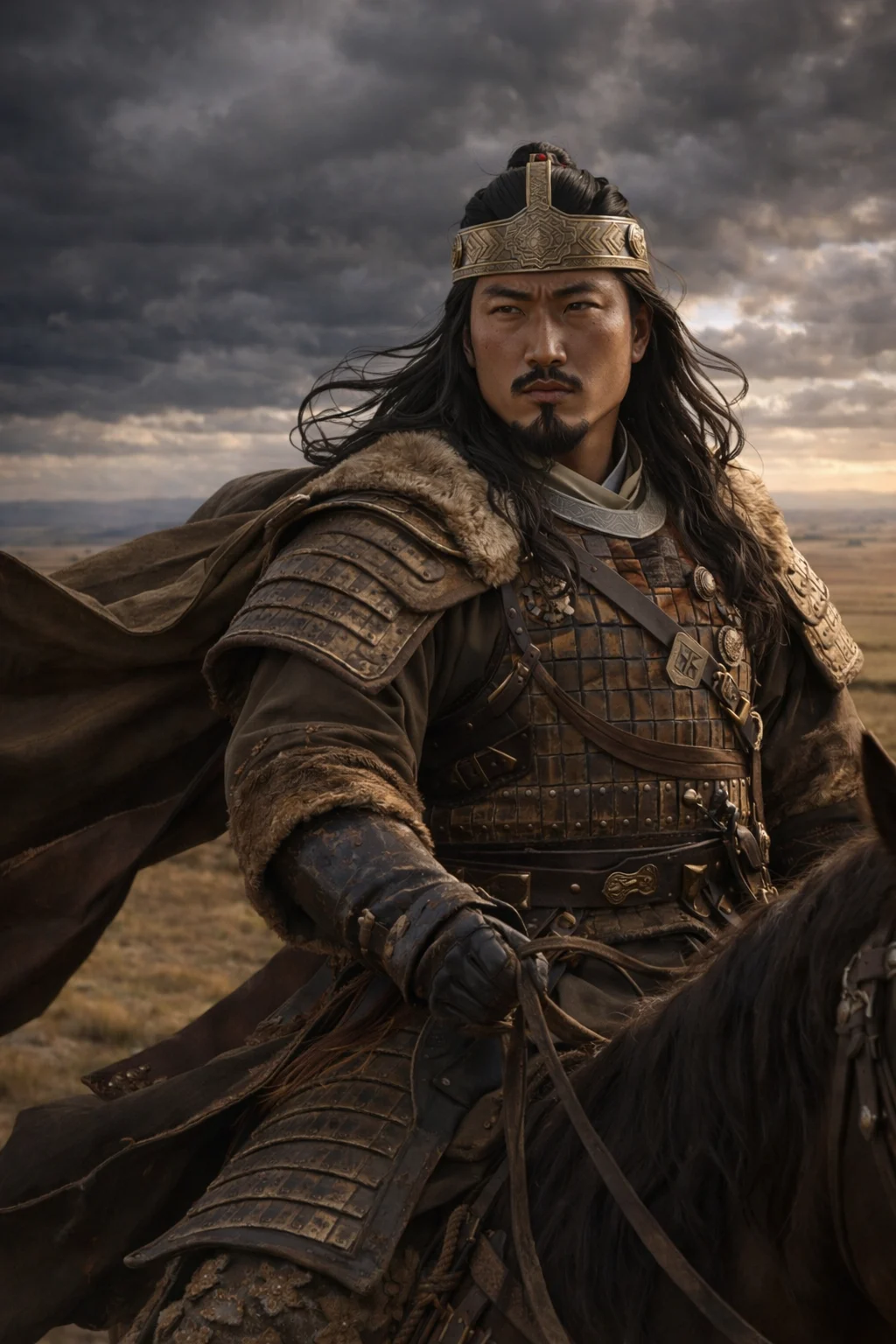
After years of alliances, defeats, reconciliations, and wars, Temüjin overcame his principal rivals. In 1206, a great assembly, or quriltai, proclaimed him Chinggis Khan, a title whose exact meaning remains disputed. In English it became Genghis Khan.
He had not simply united a collection of “eternally warring tribes,” as the story is often told. He had reorganized shifting communities, dismantled former loyalties, and created a new political structure centered on his own dynasty (May, 2018).
An Army Designed to Survive
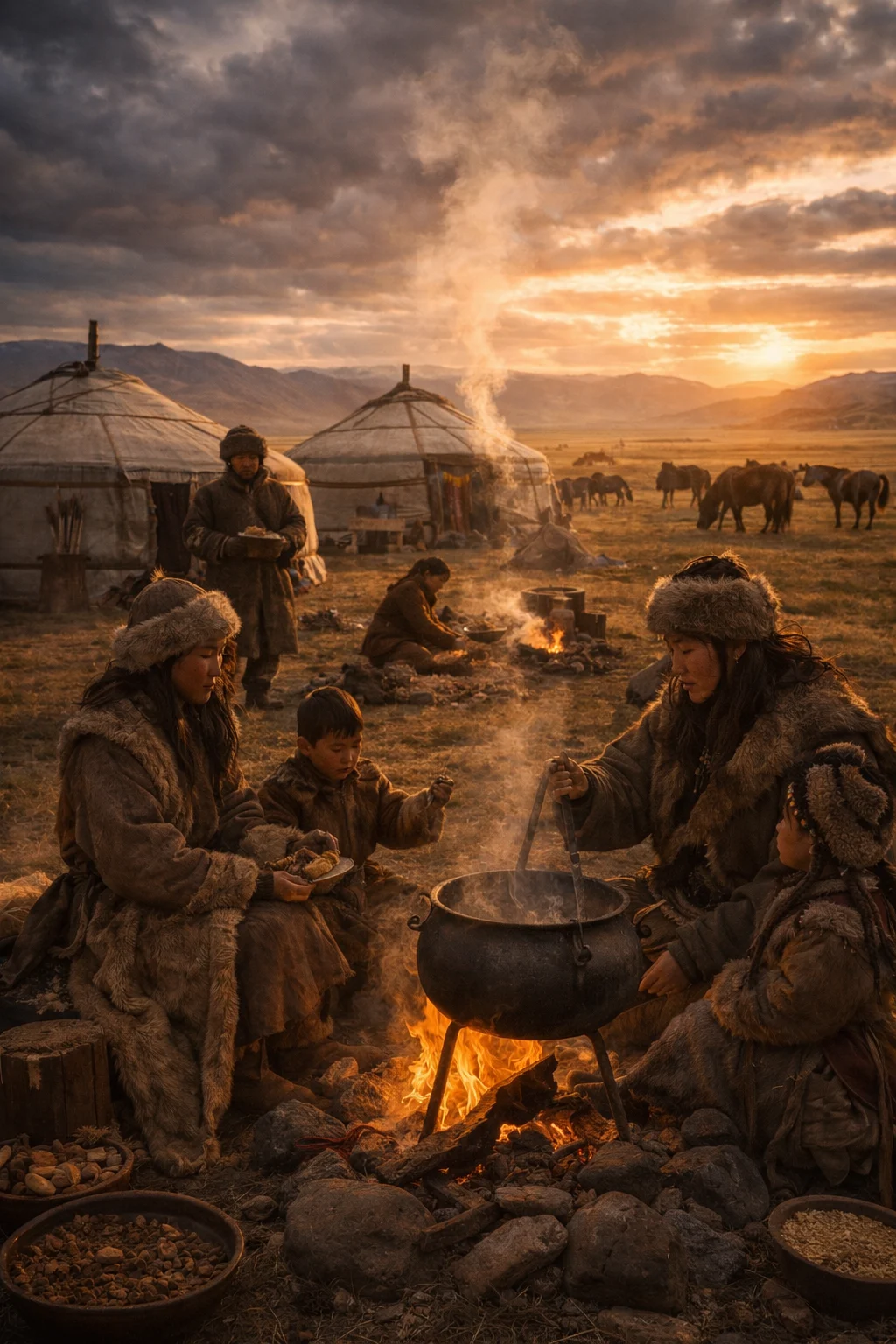
Mongol power did not rest on extraordinary archers alone. Its effectiveness came from coordination, mobility, discipline, and a remarkable willingness to adopt foreign knowledge.
The army was organized into decimal units, although their actual strength did not always correspond to their theoretical numbers. Commanders could rise through achievement and loyalty. Mongol forces relied on scouts, messenger networks, encircling movements, feigned retreats, and multiple horses for each warrior, allowing them to maintain speed during long campaigns.
They also learned from conquered peoples. Chinese, Muslim, and Central Asian engineers contributed expertise in siege warfare, gunpowder, administration, and military machinery. The image of a purely instinctive horde conceals an organization capable of combining technologies drawn from widely separated regions (Morgan, 2007).
That ability did not make Mongol conquest less violent. It made it more effective.
Violence as a Political Language
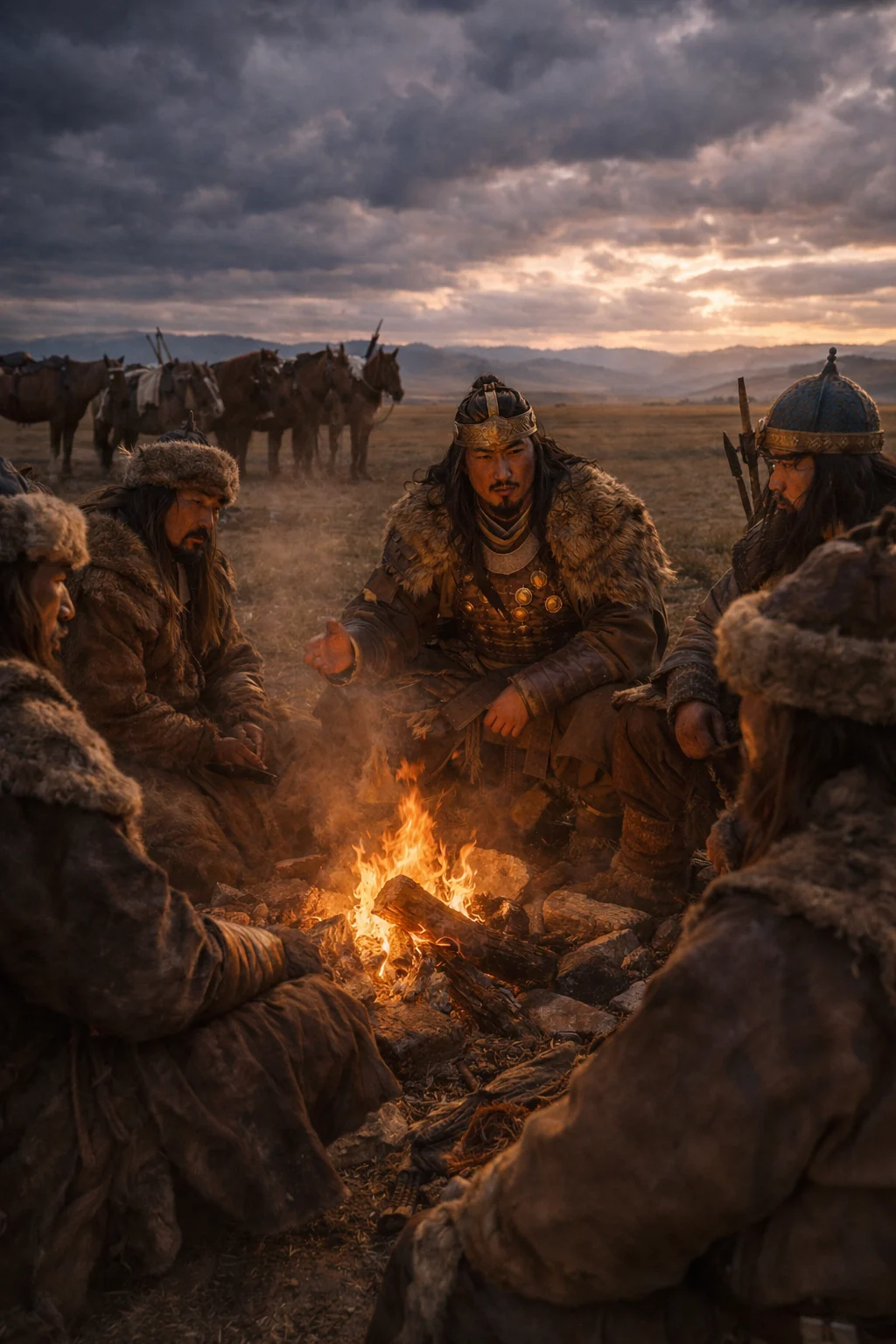
Genghis Khan first campaigned against the Tangut kingdom of Xi Xia and then against the Jin Empire in northern China. His armies sacked cities, displaced populations, and used terror to discourage future resistance.
In 1218, an incident at Otrar opened the road toward Central Asia. A caravan connected to merchants under Mongol protection was detained within the Khwarazmian Empire. Its members were accused of spying and executed. Genghis Khan sent envoys demanding redress; at least one was killed. The Mongol response was a devastating invasion that destroyed the shah’s power and ravaged major urban centers (Boyle, 1990; May, 2018).
Contemporary and later chronicles provide enormous death tolls for Bukhara, Samarkand, Merv, and Nishapur. Those figures cannot be accepted literally and sometimes exceed the cities’ probable populations. Yet questioning the numbers does not mean denying the massacres. Mass killing, deportation, enslavement, and widespread destruction are well documented (Morgan, 2007).
Terror formed part of the strategy. A city that surrendered might preserve some of its people and specialists. A city that resisted exposed itself to exemplary punishment. The Mongols’ reputation traveled ahead of their horses.
The Lawgiver Behind the Conqueror
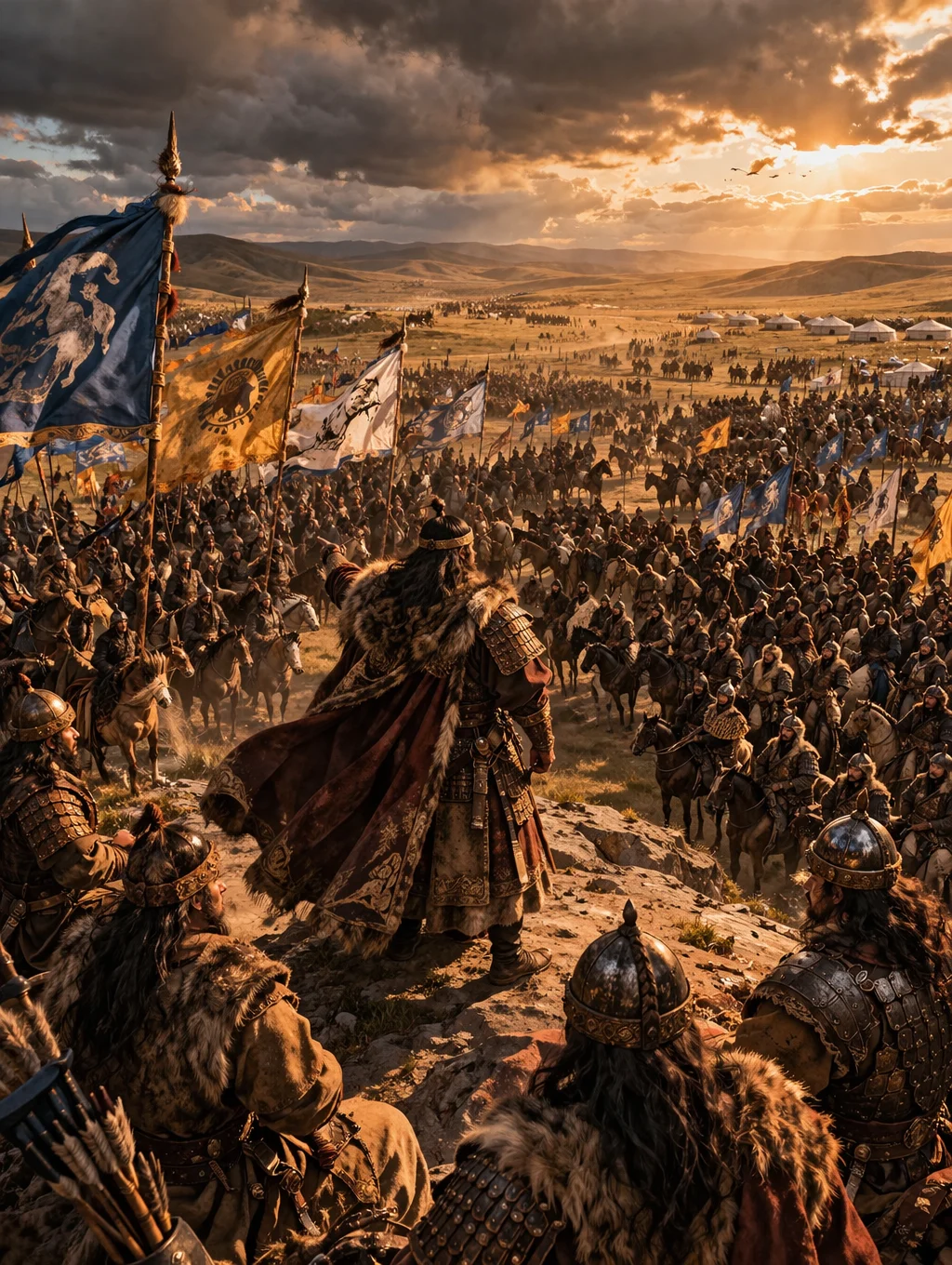
Genghis Khan is frequently credited with creating a complete written law code known as the Yasa or Jasagh. The idea is attractive, but no copy of such a code survives. The term probably referred to an evolving collection of orders, military rules, precedents, and imperial decisions that later tradition transformed into a perfectly organized legal system (Morgan, 2007).
Measures for governing a diverse empire did exist. Genghis Khan protected scribes and administrators, employed officials from conquered societies, and favored specialists who could serve the state. The Mongols displayed considerable tolerance toward different religions, although this did not amount to religious liberty in the modern sense. It was also a practical means of securing obedience and using the knowledge possessed by priests, monks, and subject communities.
The expansion begun under Genghis Khan and continued by his descendants connected distant regions of Eurasia. The empire reached its greatest extent after his death and eventually separated into several dynastic branches; it was never solely the achievement of one man.
The Lesser-Known Story: The Daughters Who Guarded the Empire
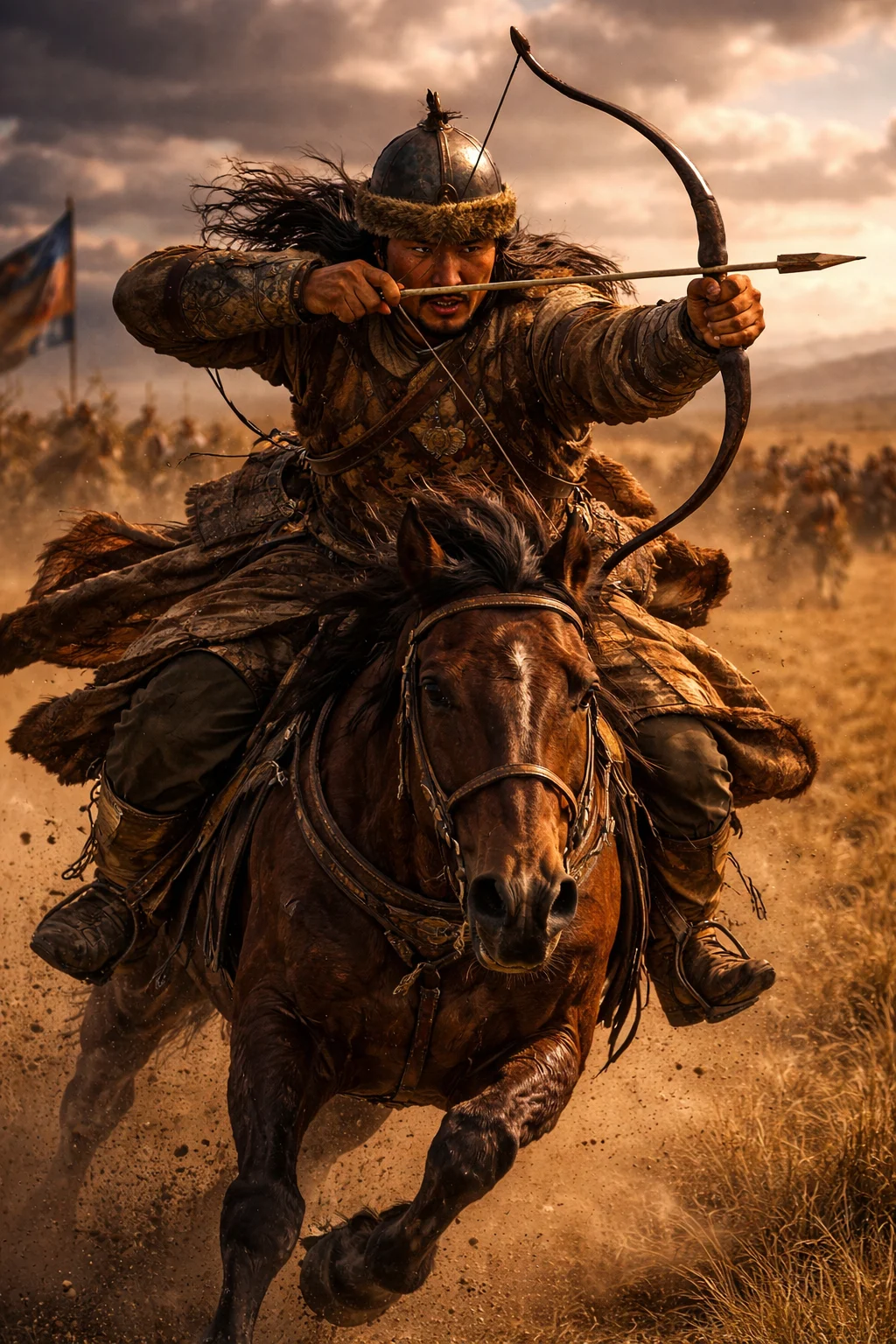
Popular history usually concentrates on Börte’s four sons: Jochi, Chagatai, Ögedei, and Tolui. Genghis Khan’s daughters, however, were also essential to his political project.
Through carefully arranged marriages, several daughters became connected to peoples surrounding the Mongol heartland. These unions were more than family ceremonies. Husbands could be summoned to participate in military campaigns while the women administered strategically important territories, populations, and resources. The marriages created a network of alliances that helped protect the routes and frontiers of the new empire.
Some of these women exercised substantial authority, although later chronicles diminished or erased parts of their role. Mongol power did not depend exclusively on warriors advancing into foreign lands. It also relied on the women who governed the territories left behind (Broadbridge, 2018).
This overlooked fact changes the familiar picture of the solitary conqueror. The empire was also a family enterprise in which mothers, wives, daughters, and political marriages shaped the distribution of power.
A Crown Divided Among Sons
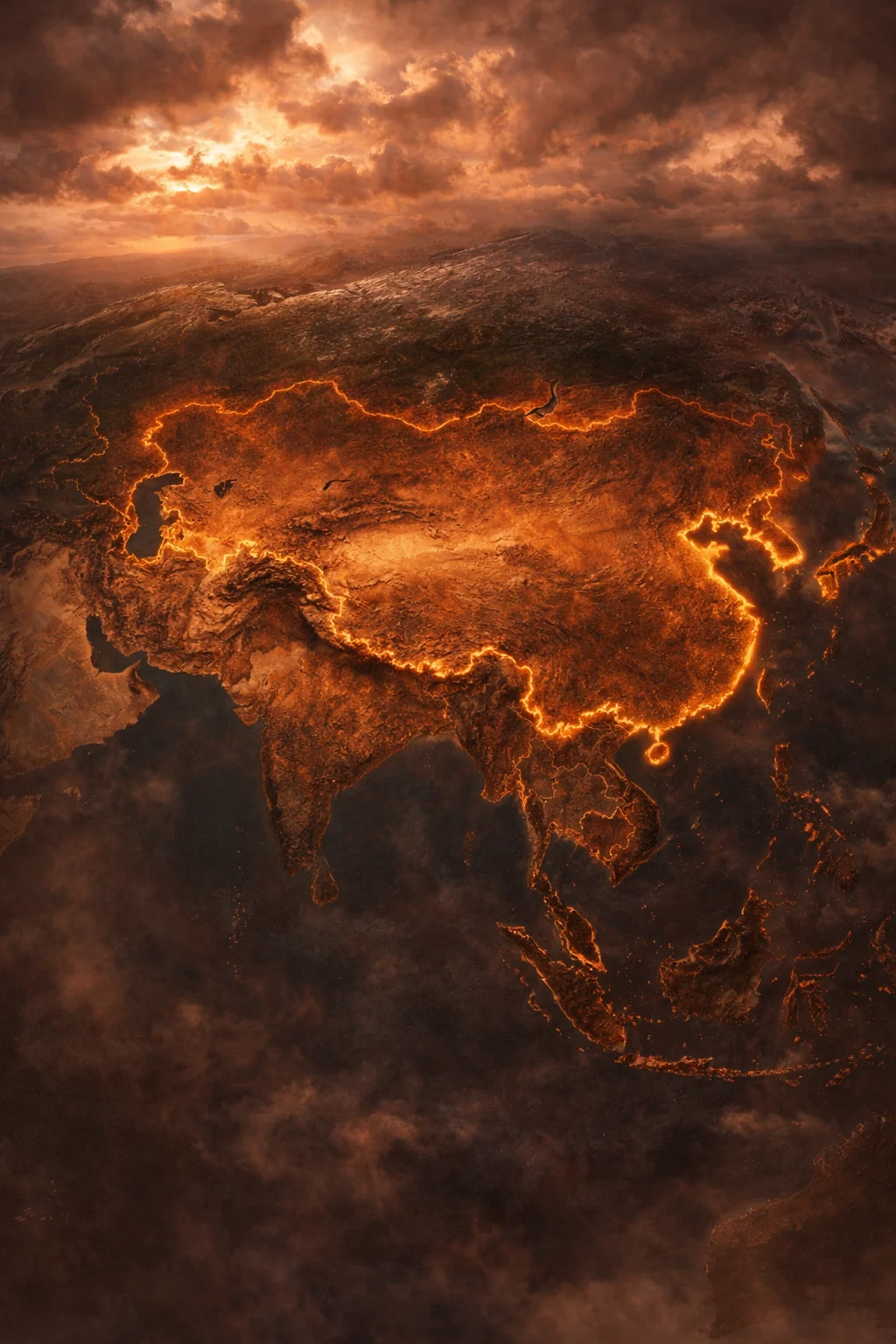
The greatest succession problem concerned Jochi. Börte had returned pregnant after her captivity among the Merkits, and doubts about the child’s paternity were later used against him by Chagatai during discussions over the succession. Genghis Khan publicly recognized Jochi as his son, but the tension never disappeared.
To prevent the rivalry from destroying the dynasty, Genghis selected Ögedei, who was regarded as a more conciliatory figure. Jochi died before his father, probably in 1227. His descendants received western territories that eventually formed the core of what became known as the Golden Horde.
The decision prevented an immediate war but did not solve the underlying problem. The empire was the collective inheritance of Genghis Khan’s family. Every branch possessed its own armies, territories, and ambitions. For several generations, loyalty to the imperial house maintained a degree of unity. Later succession disputes helped produce political fragmentation (Favereau, 2021).
The crown was heavy because it never belonged entirely to the person who wore it. It was shared with brothers, sons, widows, generals, and princes capable of claiming their portion of the conquered world.
A Death Without a Tomb
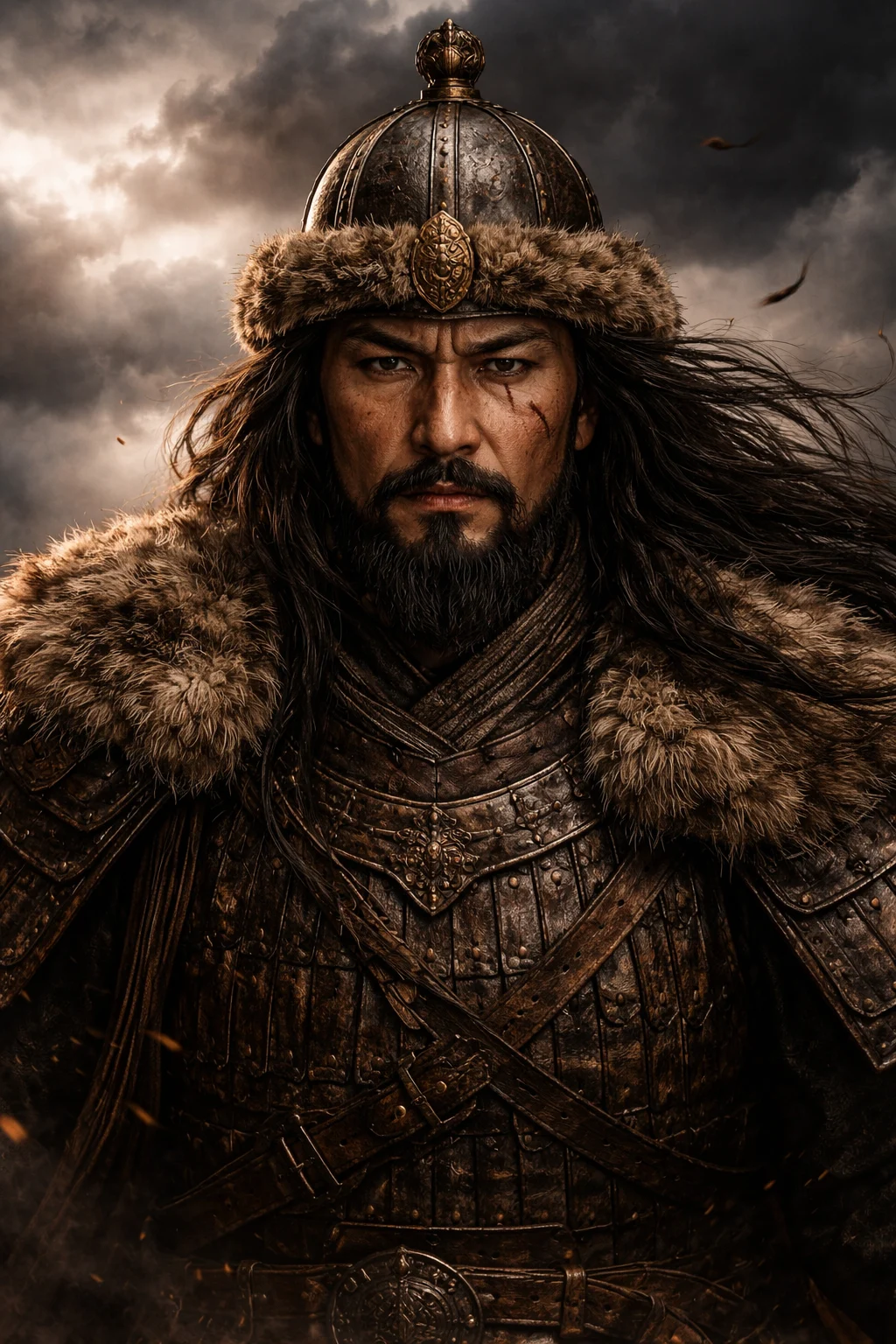
Genghis Khan died in August 1227 during a campaign against Xi Xia. The exact circumstances remain unknown. Later sources variously blamed a fall from a horse, illness, a battlefield wound, or even the actions of a Tangut princess. None of these accounts can be proven.
His burial place is also unknown. Tradition maintains that he was secretly buried in Mongolia, possibly near the sacred mountain Burkhan Khaldun, but his tomb has never been identified. Stories claiming that soldiers killed every witness to the funeral procession belong to later traditions and should not be repeated as established history (Ratchnevsky, 1991).
His death was concealed long enough for the campaign to continue. The state survived because the conqueror had built a dynasty, an army, and an idea of legitimacy capable of moving forward without him.
The Weight of an Impossible Memory
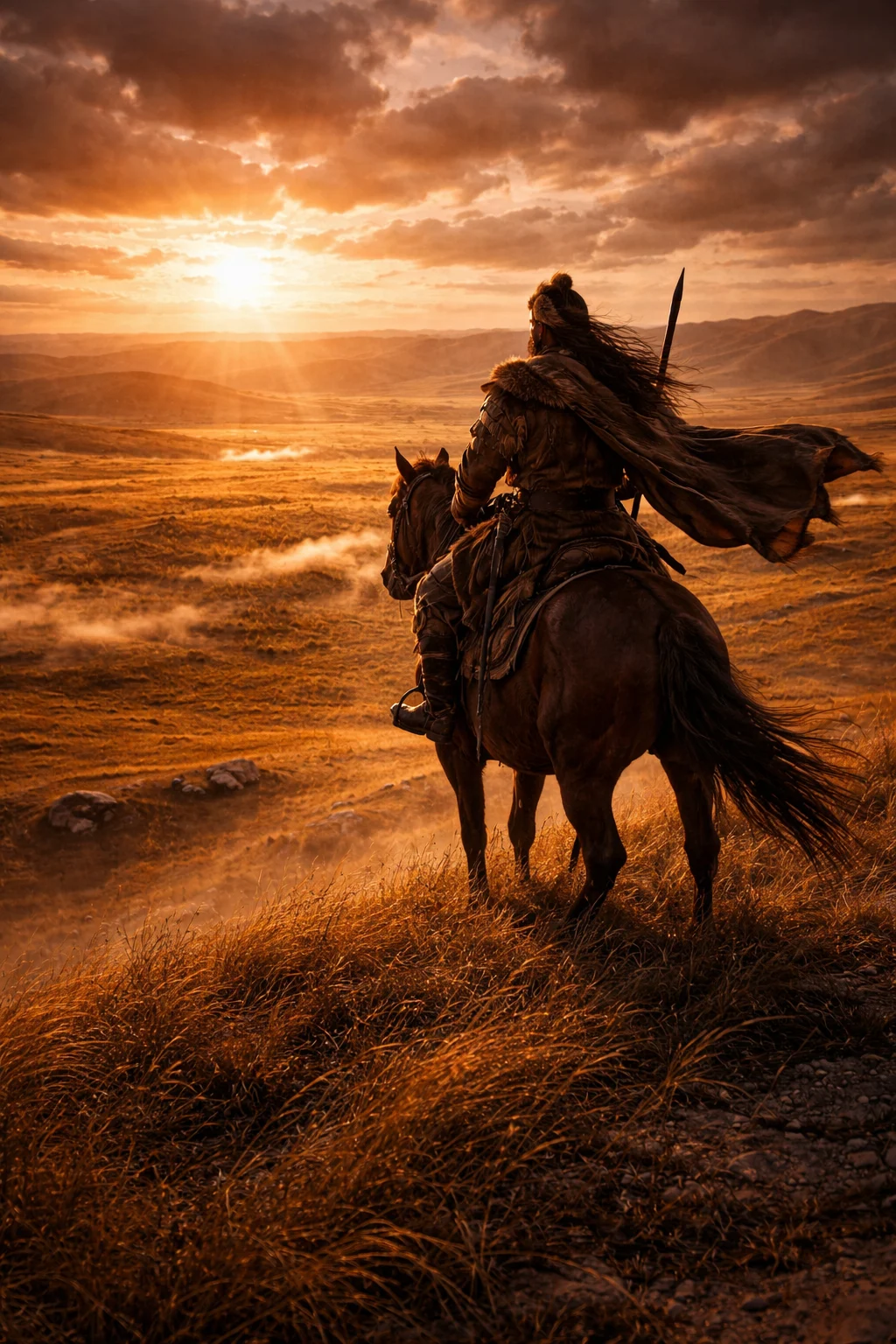
For some peoples, Genghis Khan represents destroyed cities, enormous loss of life, and the beginning of foreign domination. For many Mongolians, he is the founder who gave their ancestors political unity and placed Mongolia at the center of world history.
Reducing him to a civilizing hero erases his victims. Portraying him only as an irrational barbarian makes it impossible to understand the political and military organization behind his victories. He did not single-handedly create an age of peaceful commerce, nor did he invent modern tolerance. But neither was he a destroyer without a political project.
He built a system that rewarded loyalty, absorbed foreign talent, and transformed fear into an administrative instrument. His campaigns destroyed entire communities, while the states created by his descendants also encouraged cultural and artistic exchange across Eurasia. That legacy generated new visual and courtly traditions in territories as distant as Iran and China.
Genghis Khan died without a known funerary palace and without a tomb that could become a monument. Yet he left behind something more difficult to bury: a dynasty that presented his blood as a source of authority for centuries.
He conquered immense territories, but the final victory belonged to his name. After his death, rulers who had never known him tried to govern through his memory. The crown of Genghis Khan was not an object. It was an inheritance so powerful that his descendants eventually fought for the right to carry its weight.
References
- Boyle, J. A. (1990). The Mongol world empire, 1206–1370. Variorum.
- Broadbridge, A. F. (2018). Women and the making of the Mongol Empire. Cambridge University Press.
- De Rachewiltz, I. (Trans.). (2004). The Secret History of the Mongols: A Mongolian epic chronicle of the thirteenth century. Brill.
- Favereau, M. (2021). The Horde: How the Mongols changed the world. Harvard University Press.
- May, T. (2018). The Mongol Empire. Edinburgh University Press.
- Morgan, D. (2007). The Mongols (2nd ed.). Blackwell Publishing.
- Ratchnevsky, P. (1991). Genghis Khan: His life and legacy (T. N. Haining, Trans.). Blackwell.
More from this collection
Catherine the Great: The Foreign Empress Who Conquered Russia and Was Condemned by an Obscene Lie
Read story →
Peter the Great: The Tsar Who Rebuilt Russia Without Asking What It Would Cost
Read story →