
In this storyOpen index
D. B. Cooper: The Man Who Jumped from an Airplane and Entered a Legend That May Never Have Belonged to Him
D. B. Cooper: the 1971 hijacking, the recovered ransom, and the evidence separating documented history from an unsolved mystery.
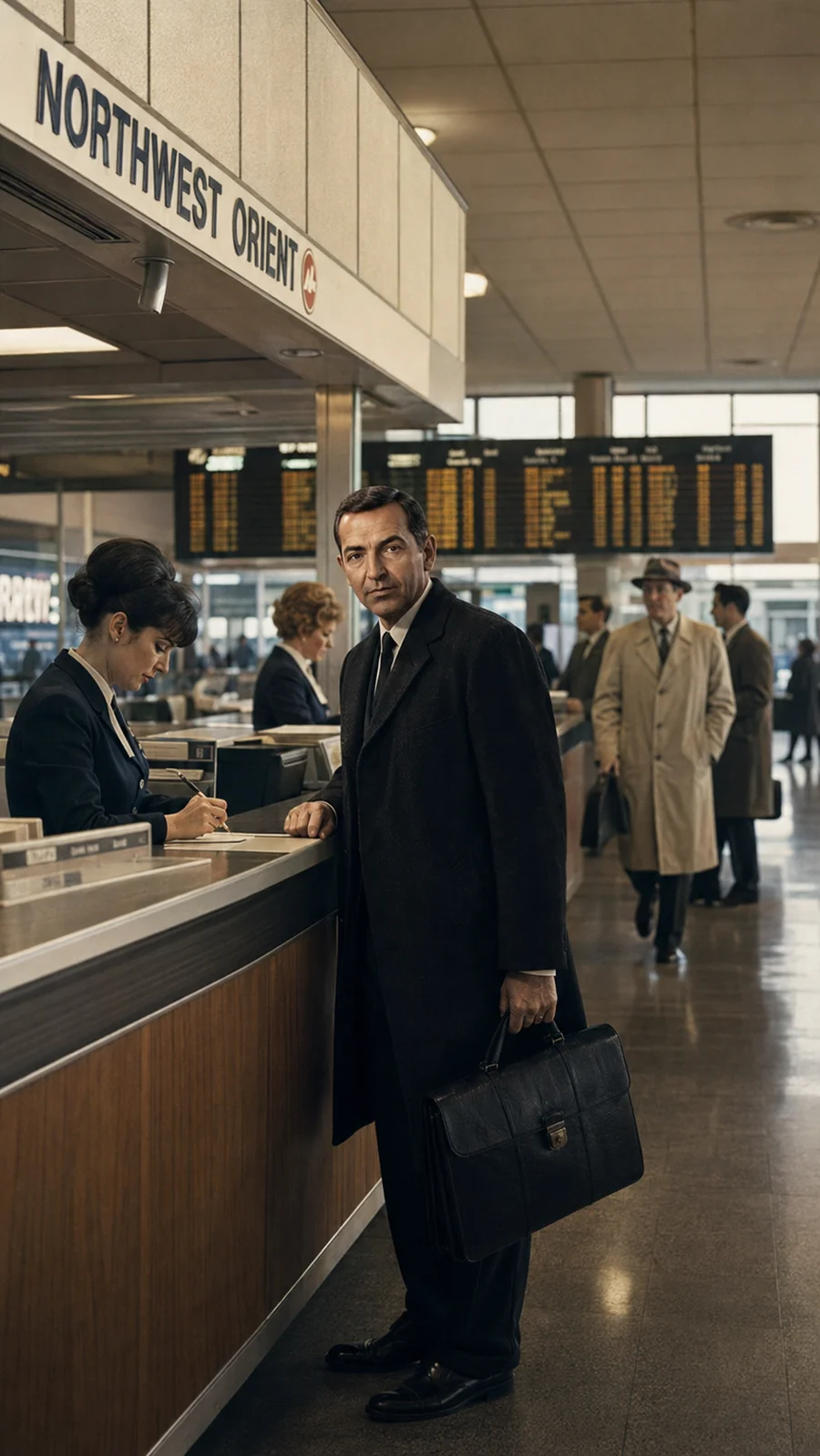
D. B. Cooper was not the name that passenger gave when he bought his ticket.
The passenger who boarded Northwest Orient Airlines Flight 305 used a different name: Dan Cooper. The initials that eventually identified him originated in a journalistic mistake. Yet the mistake endured through nearly forty-five years of investigation, even as the man’s identity and fate remained unknown.
On November 24, 1971, that unidentified passenger hijacked a Boeing 727, obtained $200,000, released the passengers, and parachuted over Washington State on a cold and rainy night. He was never identified, and no body definitively attributable to the hijacker was ever recovered.
The disappearance transformed a dangerous crime into a legend. Behind the myth of the elegant criminal who defeated the system, however, were detained passengers, a threatened crew, and a woman forced to remain for hours beside a man who claimed to be carrying a bomb.
D. B. Cooper
A case told through its evidence
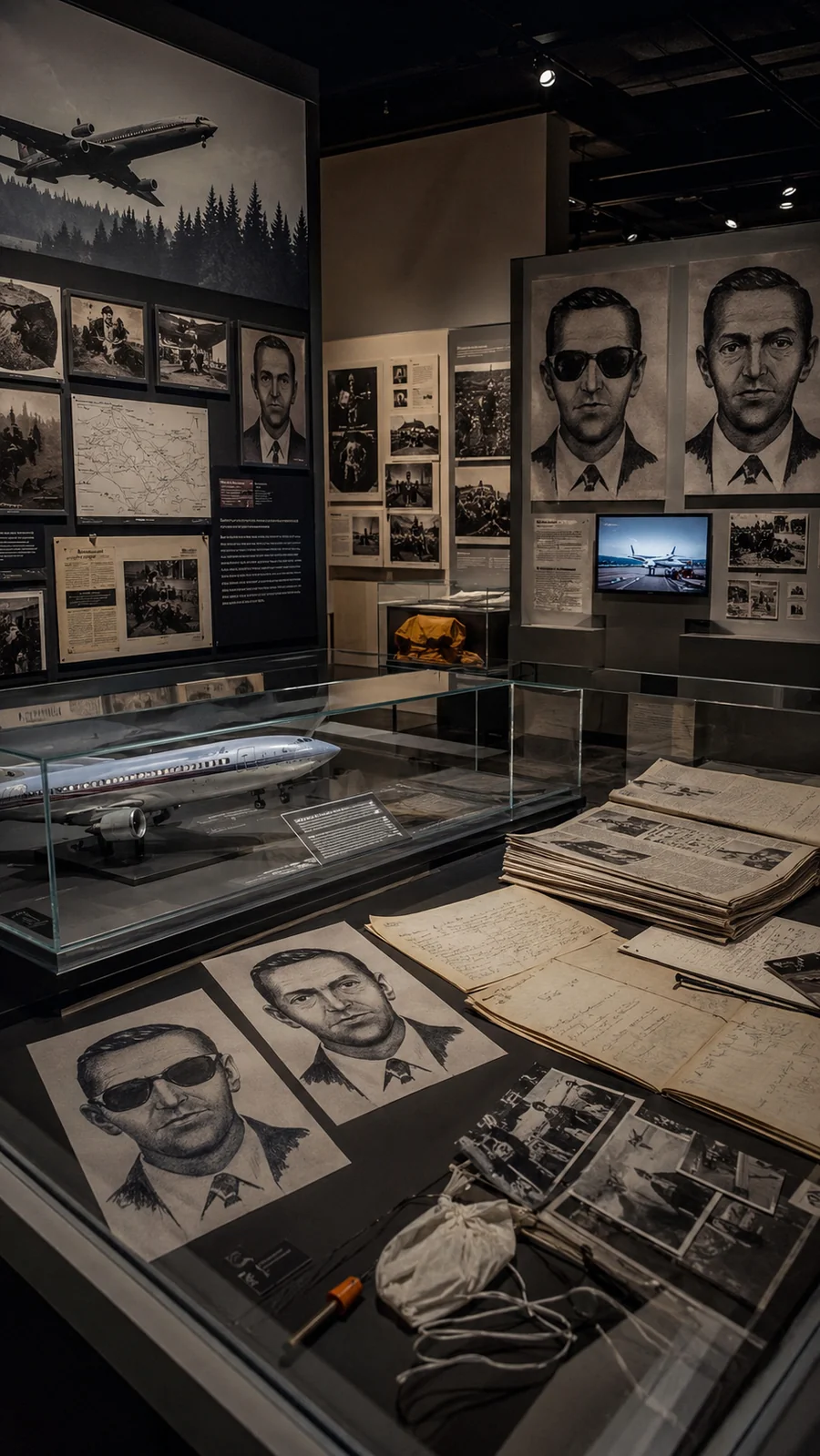
Dan Cooper’s plane ticket
The FBI preserves and presents the ticket associated with the passenger who identified himself as Dan Cooper. The artifact returns us to the name used at the airport, before the reporting mistake that popularized the initials D. B. This card shows an AI-imagined exhibition; the link leads to the artifact documented by the FBI.
A Ticket Purchased with Twenty Dollars

On the afternoon of November 24, 1971, the day before Thanksgiving, a man arrived at the airport in Portland, Oregon. At the Northwest Orient Airlines counter, he requested a one-way ticket on Flight 305, a journey of approximately thirty minutes to Seattle.
He gave his name as Dan Cooper.
He paid twenty dollars in cash and received change because the ticket cost less. He wore a dark suit, white shirt, black tie, and dress shoes. Witnesses estimated that he was in his mid-forties. He carried a black attaché case and a paper bag.
He sat near the rear of the Boeing 727. According to the FBI, he ordered a bourbon and soda while the aircraft was waiting to take off. He also smoked, which was then permitted aboard commercial aircraft (Federal Bureau of Investigation, n.d.-a).
Shortly after 3:00 p.m., he handed a note to flight attendant Florence Schaffner. She initially assumed it was a telephone number from a passenger attempting to flirt and placed it in her pocket without reading it.
The man leaned toward her and warned that she should open it because he had a bomb.
The Briefcase
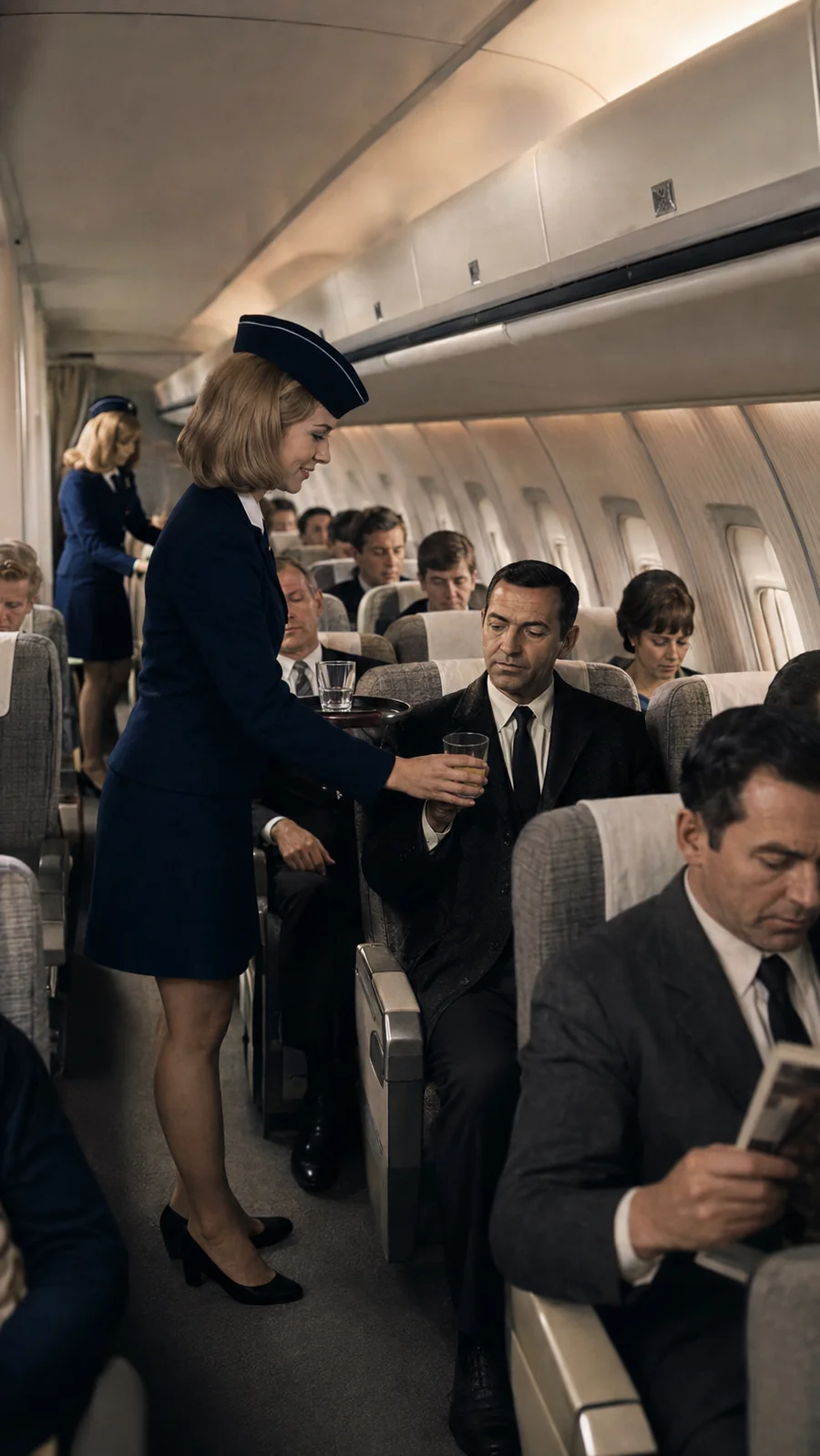
Schaffner sat beside him. Cooper partly opened the attaché case and showed her several reddish cylinders, wires, and what appeared to be a battery. It has never been established that the device was a real bomb. For the people aboard the aircraft, however, there was no safe way to test the claim.
The hijacker demanded $200,000 in twenty-dollar bills, four parachutes, and a fuel truck waiting when the plane landed in Seattle. He instructed Schaffner to deliver his demands to the captain.
His request for four parachutes has been interpreted as a way to suggest that he might take hostages with him. That intention has not been established: a plausible explanation is not a proven motive.
While the plane circled to give authorities time to assemble the ransom, the other passengers received only a partial explanation: a mechanical problem was delaying their arrival. Many did not realize they had been hijacked until after leaving the aircraft.
Communication between Cooper and the cockpit occurred mainly through the flight attendants. Florence Schaffner received the original note; Tina Mucklow remained near the hijacker during much of the ordeal, carrying instructions, explaining technical details, and bringing the money and parachutes aboard.
Cooper’s reported composure does not diminish the violence of the situation. His control depended on convincing everyone that he could destroy the aircraft.
The Exchange in Seattle
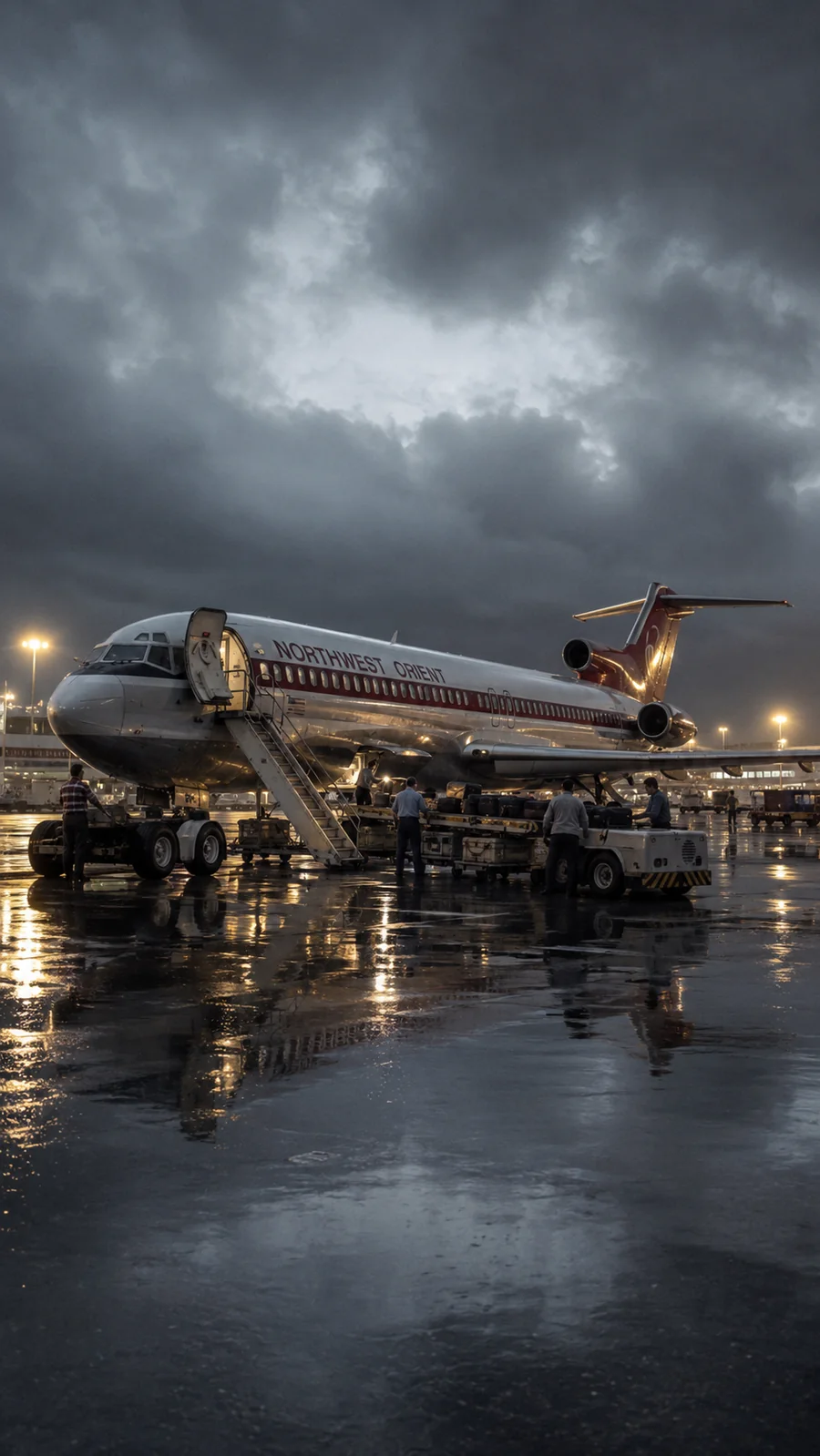
Flight 305 landed at Seattle-Tacoma International Airport at approximately 5:39 p.m. Authorities had assembled the $200,000 and recorded the serial numbers of the 10,000 twenty-dollar bills. They had also obtained four parachutes.
After receiving the money and equipment, Cooper allowed all thirty-six passengers and two flight attendants to leave. He kept Tina Mucklow and the three cockpit crew members aboard: Captain William Scott, First Officer William Rataczak, and Flight Engineer Harold Anderson (Federal Bureau of Investigation, n.d.-a).
He ordered the pilots to fly toward Mexico City, with a possible refueling stop. He demanded that the Boeing maintain a low speed, keep its landing gear extended, and set its wing flaps at a specified angle. He also wanted to take off with the rear stairs lowered.
The crew explained that taking off under those conditions was unsafe. They eventually agreed that Cooper would lower the stairs after the plane was airborne.
These instructions have fueled the belief that he possessed aviation knowledge. Yet familiarity with certain features of a Boeing 727 does not prove that he was a pilot, military parachutist, or airline employee. Some of his information may have come from observation, professional experience, or publicly available publications.
The Aircraft He Chose

The Boeing 727 possessed one crucial feature: a ventral stairway at the rear of the fuselage. Unlike its side doors, that exit could be opened during flight under certain conditions.
Cooper knew that he could use it.
The plane departed Seattle at approximately 7:36 p.m. Two military aircraft followed at a distance, but darkness and poor weather made it difficult to observe the rear of the airliner.
Cooper ordered Tina Mucklow into the cockpit. When she saw him for the last time, he was handling the parachutes and attempting to secure the bag containing the ransom. He cut cords from one of the supplied parachutes to tie the money bag shut (Federal Bureau of Investigation, n.d.-a).
At approximately 8:00 p.m., the crew observed an indicator showing that the aft stairs had been activated. Shortly afterward, they felt an oscillation in the tail consistent with the moment when a person of Cooper’s weight might have jumped from the stairs.
When the aircraft landed in Reno, Nevada, the stairway was still lowered.
Cooper was gone.
A Jump Without Guarantees
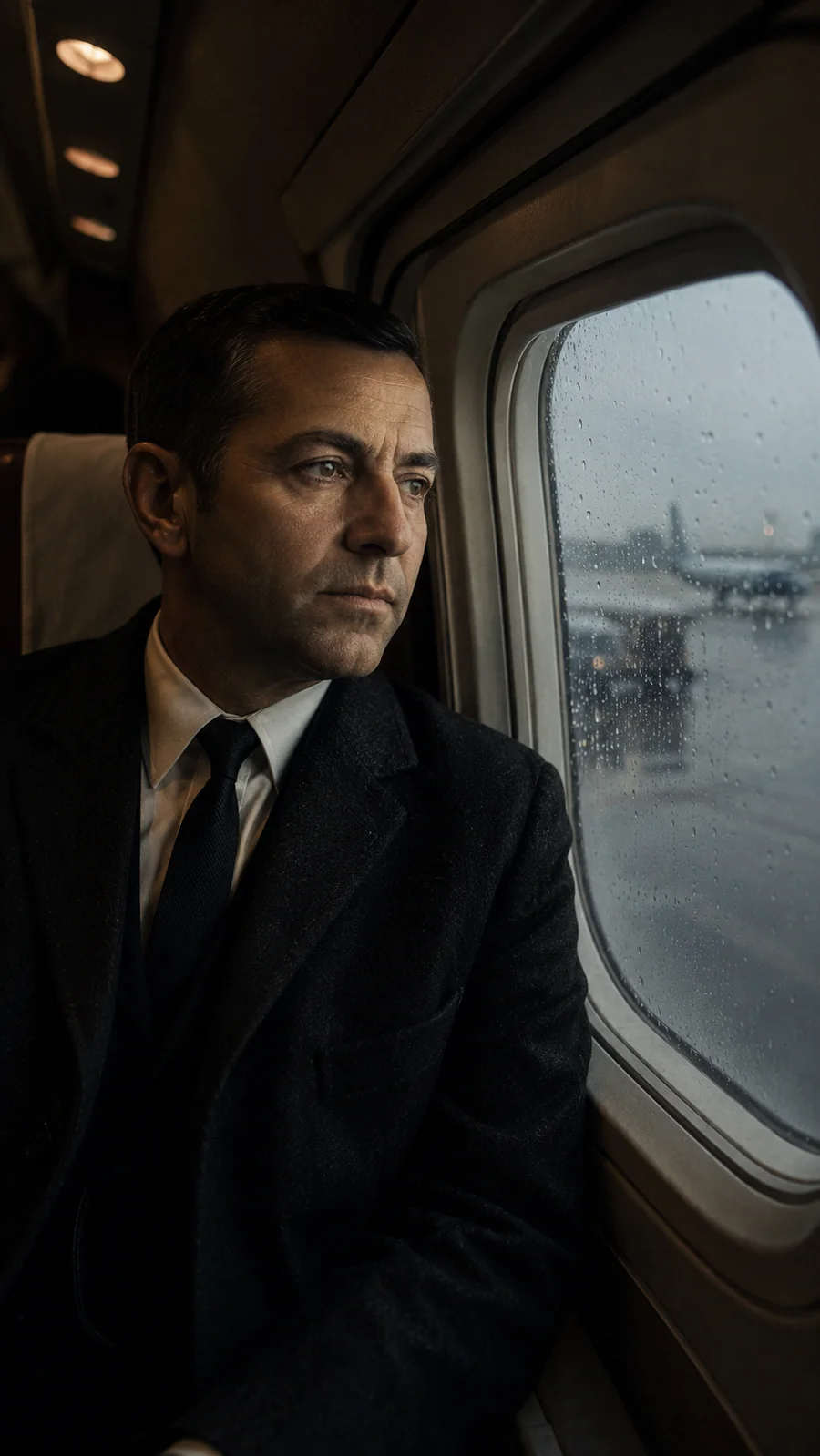
Popular culture often depicts the jump as a precisely calculated military operation. The actual conditions were far less favorable.
It was dark. Rain was falling. The wind was strong, and the plane was crossing terrain that would have been difficult to identify from the air. Cooper wore a business suit and dress shoes. He carried a bag containing the ransom money and used a parachute that could not be steered with the accuracy of modern sport models.
The clothing and footwear described by witnesses were unsuitable for a difficult landing. The exact jump location was never established either, complicating later searches.
The FBI considered it possible that he did not survive. A landing in trees, water, or uneven ground could have been fatal even for an experienced parachutist. Yet because investigators never recovered a body, parachute, or most of the money, that hypothesis could not be confirmed (Federal Bureau of Investigation, n.d.-a).
The jump may have been a carefully prepared operation, a desperate improvisation, or a combination of knowledge and mistakes. The surviving evidence cannot decide among those possibilities.
The Little-Known Detail: One Parachute He Carried Was Sewn Shut
Cooper requested four parachutes, but authorities did not obtain four identical pieces of equipment. The delivery included both main and reserve parachutes. One reserve unit was a demonstration device used for instruction: it had been sewn shut and was not operational.
After the jump, investigators determined that Cooper had taken two units, including the sealed training parachute. The FBI records that one of the two parachutes he took was that training unit. Why he took it, and whether he intended to use it as a reserve, has not been established (Federal Bureau of Investigation, n.d.-a).
This detail challenges the image of an absolutely meticulous expert. A highly experienced parachutist might have recognized that the equipment was unusable. Cooper may also have been working hurriedly, in poor light, or may never have intended to use it.
What the detail does not establish is equally important. It does not prove that he was an amateur or that he died. It merely reveals that the plan, despite its cinematic appearance, included risks Cooper did not control.
NORJAK
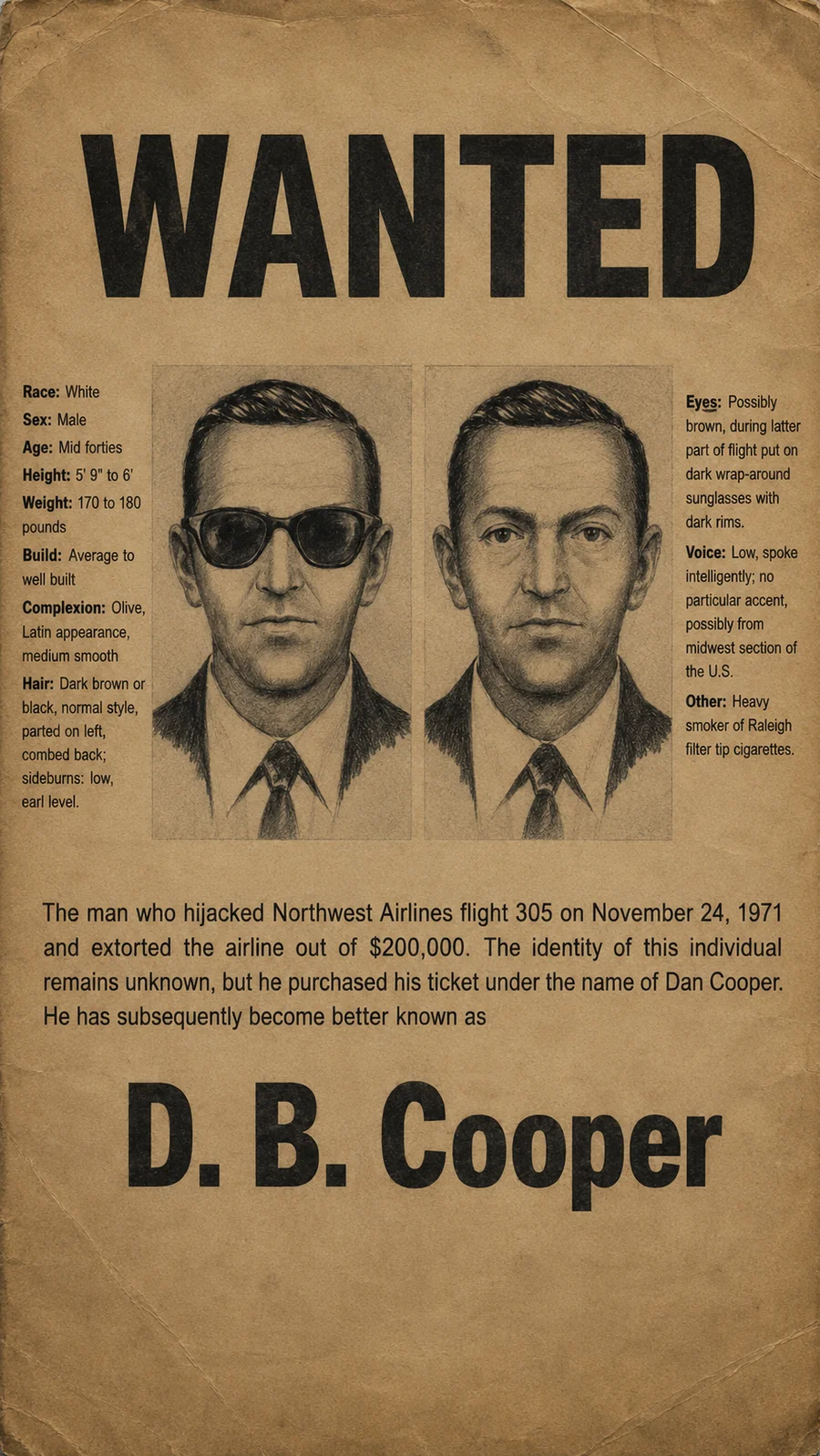
The FBI named the investigation NORJAK, short for Northwest Hijacking. Authorities conducted aerial and ground searches, interviewed hundreds of people, and examined thousands of leads. By the fifth anniversary of the hijacking, more than eight hundred suspects had been considered (Federal Bureau of Investigation, n.d.-a).
Several objects remained on the airplane, including a black J. C. Penney tie and tie clip. The FBI later obtained a genetic sample from the tie, but investigators could not establish that it belonged exclusively to the hijacker or use it to identify him conclusively.
Numerous men have been proposed as Cooper. Some had military experience, others were parachutists or aviation employees, and several confessed or were identified by relatives. None could be connected to the hijacking with sufficient evidence.
One of the best-known suspects was Richard Floyd McCoy, who carried out a similar hijacking in 1972 and escaped by parachute with $500,000. The FBI ruled him out, partly because he did not sufficiently match the descriptions provided by the flight attendants (Federal Bureau of Investigation, n.d.-a).
Similarities create theories. Criminal investigations require evidence.
The Money That Returned
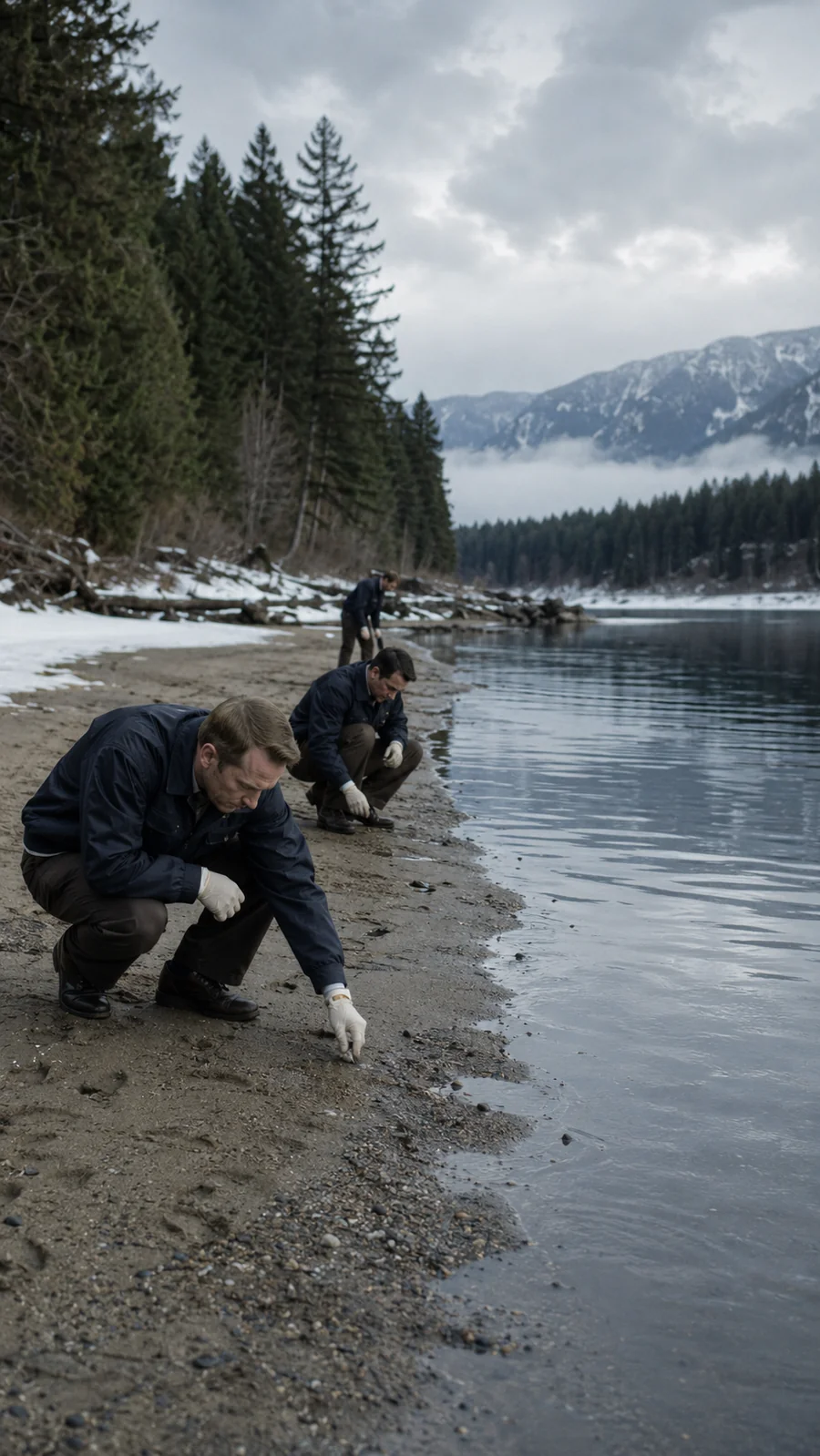
For more than eight years, none of the ransom bills appeared.
On February 10, 1980, eight-year-old Brian Ingram was with his family at Tena Bar, a sandy area beside the Columbia River, when he discovered several packets of deteriorated currency beneath the sand.
The recovered total was $5,800: two packets containing one hundred bills each and a third containing ninety. Their serial numbers matched the ransom delivered to Cooper. The bills still retained part of the arrangement in which they had been prepared in 1971 (HistoryLink, 2024).
The discovery did not solve the case. It made it stranger.
Tena Bar did not fit easily with some estimates of the jump zone. Investigators and researchers proposed several explanations: Cooper may have lost part of the money; someone may have buried it; the river may have transported it; or the original calculations of the aircraft’s path may have been wrong.
No explanation has been conclusively established. The remainder of the money was never identified in circulation, although searching for 10,000 serial numbers among millions of banknotes was always an extraordinarily difficult task.
The Man Everyone Calls by the Wrong Name
The hijacker purchased his ticket as Dan Cooper. Where, then, did “D. B.” originate?
The FBI attributes the initials to a media mistake and explains that it questioned another man with the initials D. B., who was not the hijacker. The error became attached to the case (Federal Bureau of Investigation, n.d.-a).
There is also an intriguing hypothesis: Dan Cooper was the name of the hero of a Franco-Belgian aviation comic series. The hijacker may have known those comics, which were more widely distributed in Canada and Europe than in the United States. This has produced speculation about a possible Canadian connection.
There is no evidence, however, that he selected the alias because of the character. It may be a coincidence.
The irony remains: the unidentified man carefully controlled the name he provided at the airport, but the press ultimately gave him another. The historical figure called D. B. Cooper was created jointly by the hijacker, a reporting error, and decades of public imagination.
The Investigation That Ended Without an Answer
On July 8, 2016, after nearly forty-five years, the FBI redirected the resources assigned to NORJAK toward other priorities. The agency explained that no lead had produced a definitive identification and that the evidence would be preserved. It also stated that it would consider new physical material specifically connected to the ransom money or parachutes (Federal Bureau of Investigation, 2016).
Ending the active investigation did not mean solving the case.
No one knows who Cooper was, whether he survived the jump, where he landed, or what happened to most of the ransom. Nor has any popular suspect been proven to be the man seen by Florence Schaffner and Tina Mucklow.
Each new theory seems to begin with a photograph resembling the composite sketch, a compatible employment history, or a family confession. But resemblance is not identification, and a persuasive narrative cannot replace physical evidence.
The Price of Becoming a Myth

D. B. Cooper is frequently portrayed as a gentleman criminal: polite, well dressed, and supposedly careful not to hurt anyone. That image ignores the fact that he threatened to use a bomb, held people against their will, and forced a crew to operate an aircraft under dangerous conditions.
No deaths were reported among the passengers and crew, but their safety was threatened. The hijacker’s fate is a separate question and remains unresolved.
The case also influenced aviation security. Hijackings were common during the late 1960s and early 1970s, when security screening at American airports was minimal. After Cooper and several imitators, passenger screening increased, and Boeing 727 aircraft were fitted with a device informally called the Cooper vane, which prevented the aft stairs from being lowered during flight.
Cooper did not merely disappear into a storm. He disappeared into a story that the public continues to rewrite.
If he died that night, he could not enjoy the ransom. If he survived, we do not know what life he led afterward. Neither possibility justifies presenting his escape as a proven success.
Yet the most historically responsible answer remains the least dramatic:
We do not know who he was.
We do not know whether he lived.
And we do not even call him by the name he chose.
References
- Federal Bureau of Investigation. (2009, March 17). In search of D. B. Cooper. View source
- Federal Bureau of Investigation. (2016, July 12). Update on investigation of 1971 hijacking by D. B. Cooper. View source
- Federal Bureau of Investigation. (n.d.-a). D. B. Cooper hijacking. View source
- Federal Bureau of Investigation. (n.d.-b). D. B. Cooper plane ticket. View source
- McNerthney, C. (2024, August 6). $5,800 of airplane hijacker D. B. Cooper’s ransom money is found near the Columbia River on February 10, 1980. HistoryLink. View source
- Bednarek, J. (2022, July 18). A brief history of airplane hijackings, from the Cold War to D. B. Cooper. Smithsonian Magazine / The Conversation. View source