
In this storyOpen index
Carmen Sevilla: The Star Who Survived the Image Created for Her
Carmen Sevilla’s life, from cinema and La venganza to Telecupón: a career shaped by stardom, censorship, and reinvention.
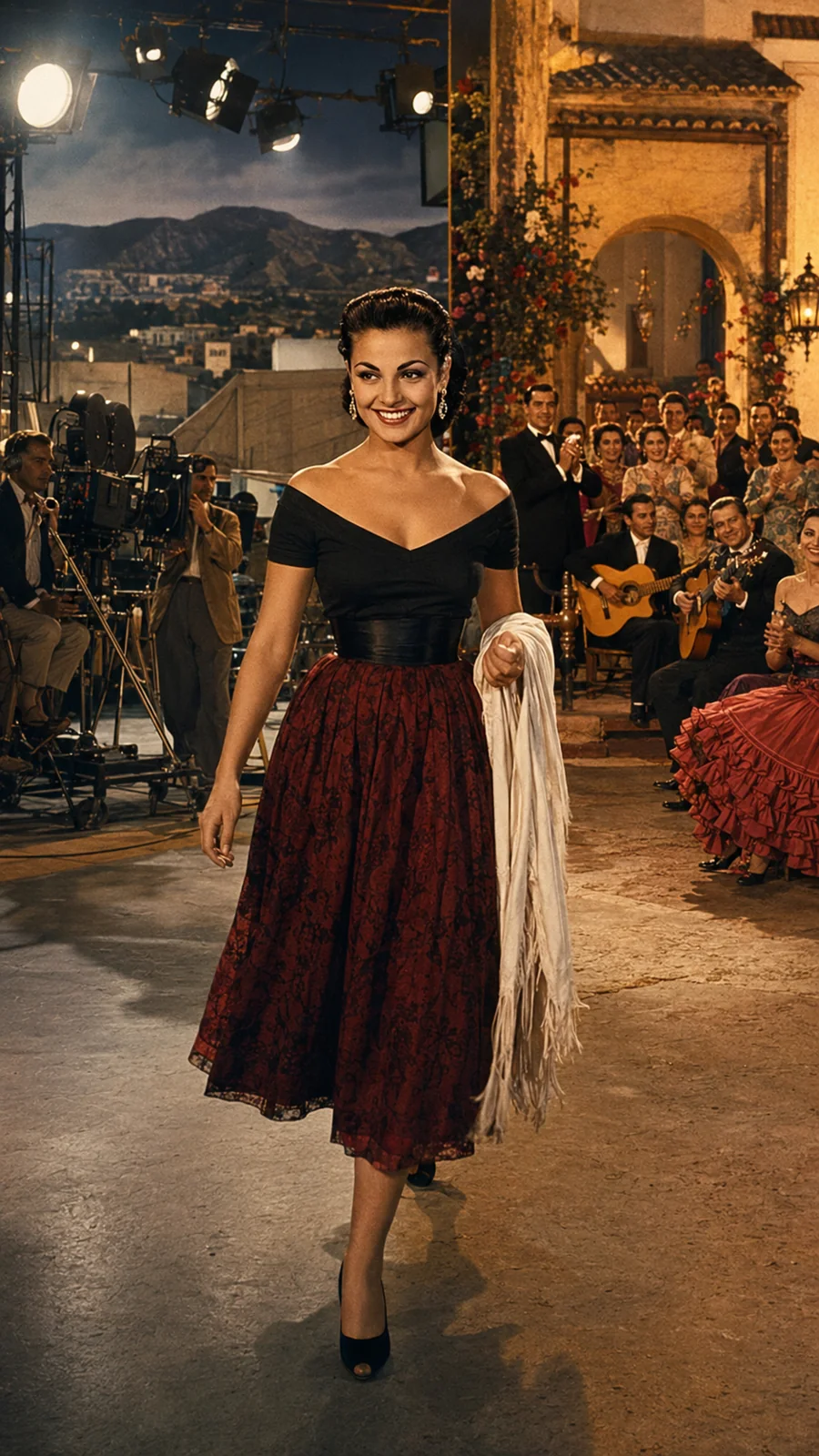
For years, Carmen Sevilla was presented as the perfect sweetheart of a Spain that needed to smile: beautiful, kind, obedient, and always ready to sing. But that luminous image also functioned as a cage.
Behind the folkloric films, regional dresses, and sentimental songs was an actress capable of portraying far more complex characters. After stepping away from cinema, she found a second period of great popularity on television. And when mistakes during live broadcasts threatened to make her ridiculous, she did something even more difficult: she laughed at herself before anyone else could.
Her career crossed more than half a century of Spanish popular culture. She was a dancer, singer, actress in international productions, and television presenter. She was also a woman forced to grow older before an audience that seemed determined to preserve her forever inside one of her early films.
Carmen Sevilla
From cinema to a second life on television
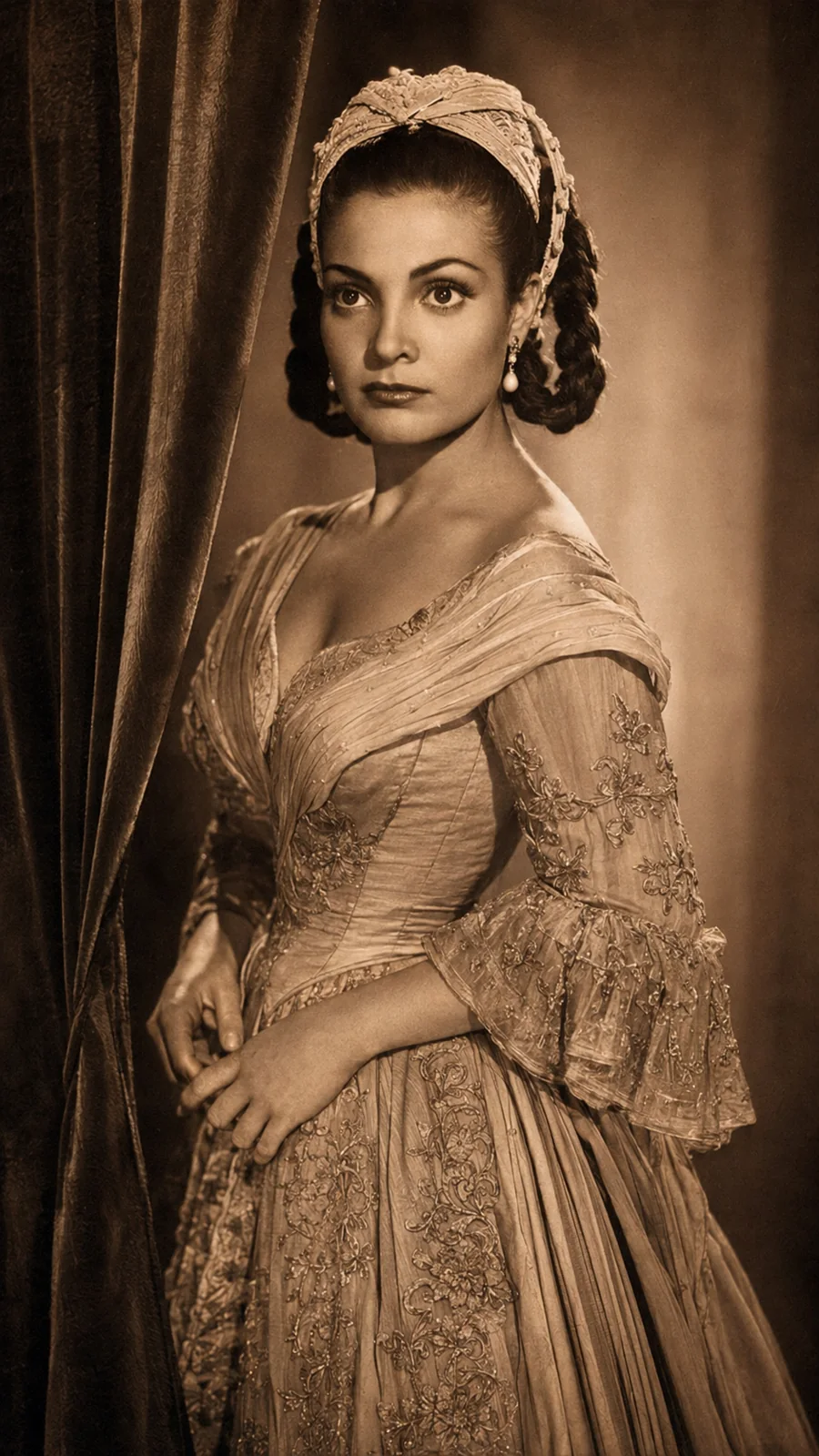
La venganza · Cannes 1958
The official Cannes archive records La venganza in the 1958 competition and credits Carmen Sevilla as Andrea. The record lists the film’s cast and crew. This card’s image is an AI recreation, not a film still or an original poster.
A Lyricist’s Daughter
María del Carmen García Galisteo was born in Seville on October 16, 1930. Her father, Antonio García Padilla, wrote lyrics for performers such as Imperio Argentina and Estrellita Castro. Carmen grew up close to the entertainment world, although her first ambition was to become a dancer.
She studied dance and began appearing onstage while still an adolescent. Estrellita Castro played an important role in her early career: Carmen performed with her company and learned the discipline of touring, rehearsing, and facing a live audience. According to testimony preserved by RTVE, she made her professional singing debut on her fourteenth birthday (Radiotelevisión Española, 2024).
That training partly explains her later ease before a movie camera. Carmen did not enter cinema as an academically trained actress but as a performer accustomed to singing, dancing, and responding to real spectators. Her presence did not depend only on technique. She possessed an accessibility that the camera transformed into intimacy.
In 1947, she appeared briefly in Juan de Orduña’s Serenata española. Her major opportunity came with Jalisco canta en Sevilla, a Spanish-Mexican coproduction starring Jorge Negrete. Released in 1949, the film joined the Mexican charro tradition with a folkloric image of Andalusia and made the young Carmen recognizable to audiences on both sides of the Atlantic (Academia de Cine, 2023).
“Spain’s Sweetheart”
During the 1950s, Carmen Sevilla became one of the most popular actresses in Spanish cinema. She starred in films including La hermana San Sulpicio, Imperial Violets, The Belle of Cádiz, The Miller’s Saucy Wife, The Taming of the Shrew, and Bread, Love and Andalusia.
Many of these productions combined melodrama, song, comedy, and an idealized vision of Spain designed for domestic and foreign audiences. Carmen appeared as a virtuous, joyful young woman in love. The press eventually called her “Spain’s sweetheart,” an affectionate description that also imposed limitations.
The label turned a real woman into a national model of femininity. She had to be attractive without seeming threatening, sensual without abandoning innocence, and famous without appearing ambitious. In Francoist Spain, a female star had to fit within a public morality that monitored her body, conduct, and screen characters.
Carmen knew how to inhabit that image, but she was not merely its product. Her skill in comedy, singing, and dance made her an extraordinarily adaptable performer. She worked alongside figures such as Jorge Negrete, Luis Mariano, Vittorio De Sica, Raf Vallone, Fernando Rey, and Charlton Heston in Spanish, French, Italian, Mexican, and American productions.
Her fame also took her beyond Spanish-speaking entertainment. In 1965, she appeared as a guest on The Ed Sullivan Show, one of the most important variety programs on American television—an appearance now rarely mentioned in accounts of her international career (Artistas Intérpretes o Ejecutantes, 2023).
A Popular Voice, Not a Protest Singer
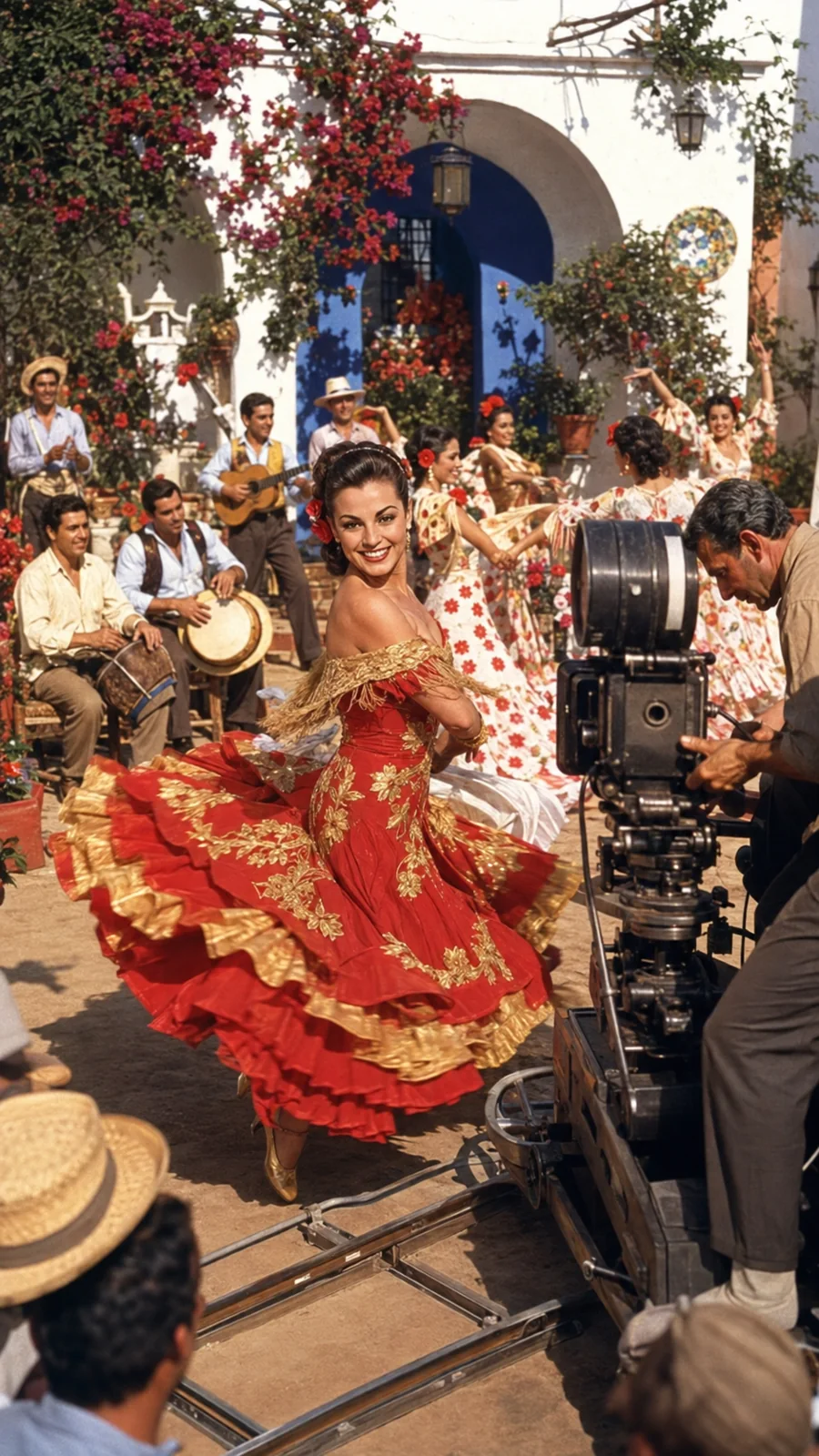
Placing Carmen Sevilla among the voices that sang against the darkness does not mean artificially transforming her into a political singer. She was not one. Her repertoire consisted mainly of copla, Andalusian songs, pasodobles, and musical numbers connected to her films.
Her importance lay elsewhere.
She sang in a society that offered female performers a narrow range of possible identities. Many songs told stories of suffering in love, jealousy, abandonment, and resignation. Yet Carmen brought them a vitality that often exceeded the passive role assigned to women within the lyrics.
Her voice did not possess the tragic depth of Concha Piquer or the raw intensity of Lola Flores. It was lighter, clearer, and more conversational. Her principal instrument was naturalness. She seemed to sing directly to the listener without creating a solemn distance between star and audience.
That accessibility enabled her career to survive the gradual disappearance of folkloric cinema. Carmen could stop being the young woman in Andalusian dress because audiences were not attached only to her songs. They were attached to her.
La venganza: The Film Censorship Tried to Transform
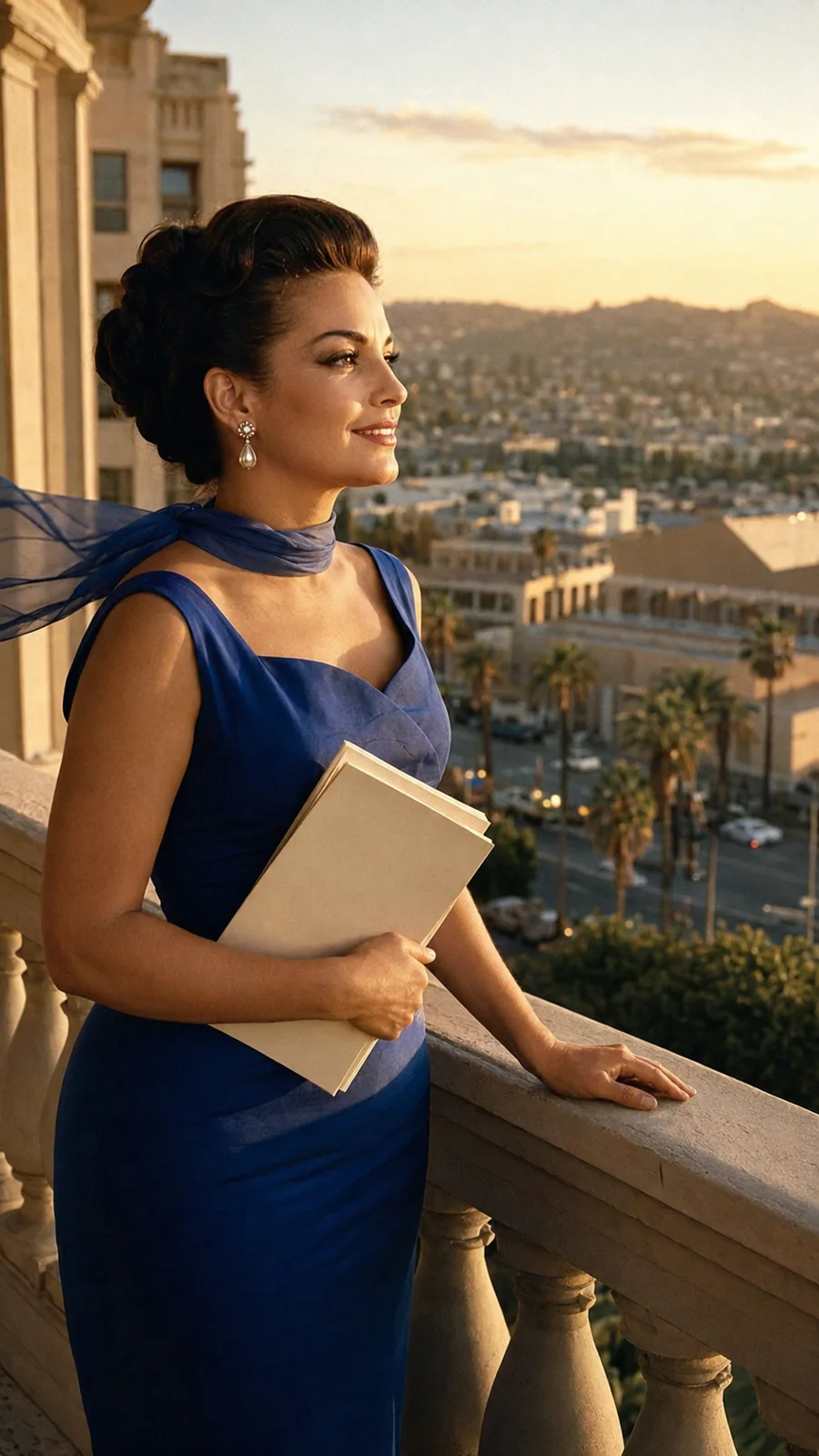
One of the most important and least remembered episodes of Carmen’s career was her role in Juan Antonio Bardem’s La venganza, presented at Cannes in 1958, alongside Raf Vallone and Jorge Mistral.
Bardem was one of the filmmakers most critical of Francoist society. He intended to portray a traveling group of harvest workers and use their conflicts to create a parable about hatred, poverty, and the need for reconciliation after the Spanish Civil War.
Carmen played Andrea, a woman who accompanies her brother Juan after his release from prison. They join a group of harvesters led by Luis, the man Juan considers responsible for his imprisonment. The story places Andrea between her brother’s desire for revenge, family loyalty, and the possibility of breaking a cycle of violence.
The role was far removed from the decorative young women Carmen was frequently asked to portray. Andrea works, suffers, and makes decisions within a rural world dominated by men. The film used the Castilian landscape and the harvesters’ physical labor to reveal an impoverished Spain that rarely appeared in the musical fantasies of officially approved cinema.
From Censorship to an Oscar Nomination
Bardem wanted to call the film Los segadores—The Harvesters. Francoist censors rejected the title, partly because of its resemblance to Els Segadors, the Catalan anthem. They also forced the director to move the story from contemporary Spain to the years before the Civil War so the poverty and conflict on screen could not be interpreted as direct criticism of the regime. RTVE cites critic Luciano G. Egido’s account of the removal of references to the war and the imposition of 1931 as the story’s setting (Radiotelevisión Española, 2022).
The censors did not merely change a film. They altered the historical context in which Carmen Sevilla’s character was meant to be understood. Andrea ceased to be a worker in Franco’s Spain and officially became a woman belonging to a period before the regime.
Despite these interventions, La venganza competed at the 1958 Cannes Film Festival and subsequently became the first Spanish film nominated for the Academy Award in the category then known as Best Foreign Language Film (Festival de Cannes, 1958; Academy of Motion Picture Arts and Sciences, 1959).
At the 1959 ceremony it did not win; Jacques Tati’s Mon Oncle received the award. The nomination belonged to the film representing Spain; it was not an individual acting nomination for Carmen Sevilla. But the nomination placed Spanish cinema on an international stage and proved that Carmen Sevilla could appear in a socially critical work without relying on songs, regional costumes, or romantic comedy.
The paradox is revealing: one of the greatest international distinctions of her career came through a film that Spanish audiences were not allowed to see as its director had conceived it.
An Actress Trying to Escape Her Own Postcard
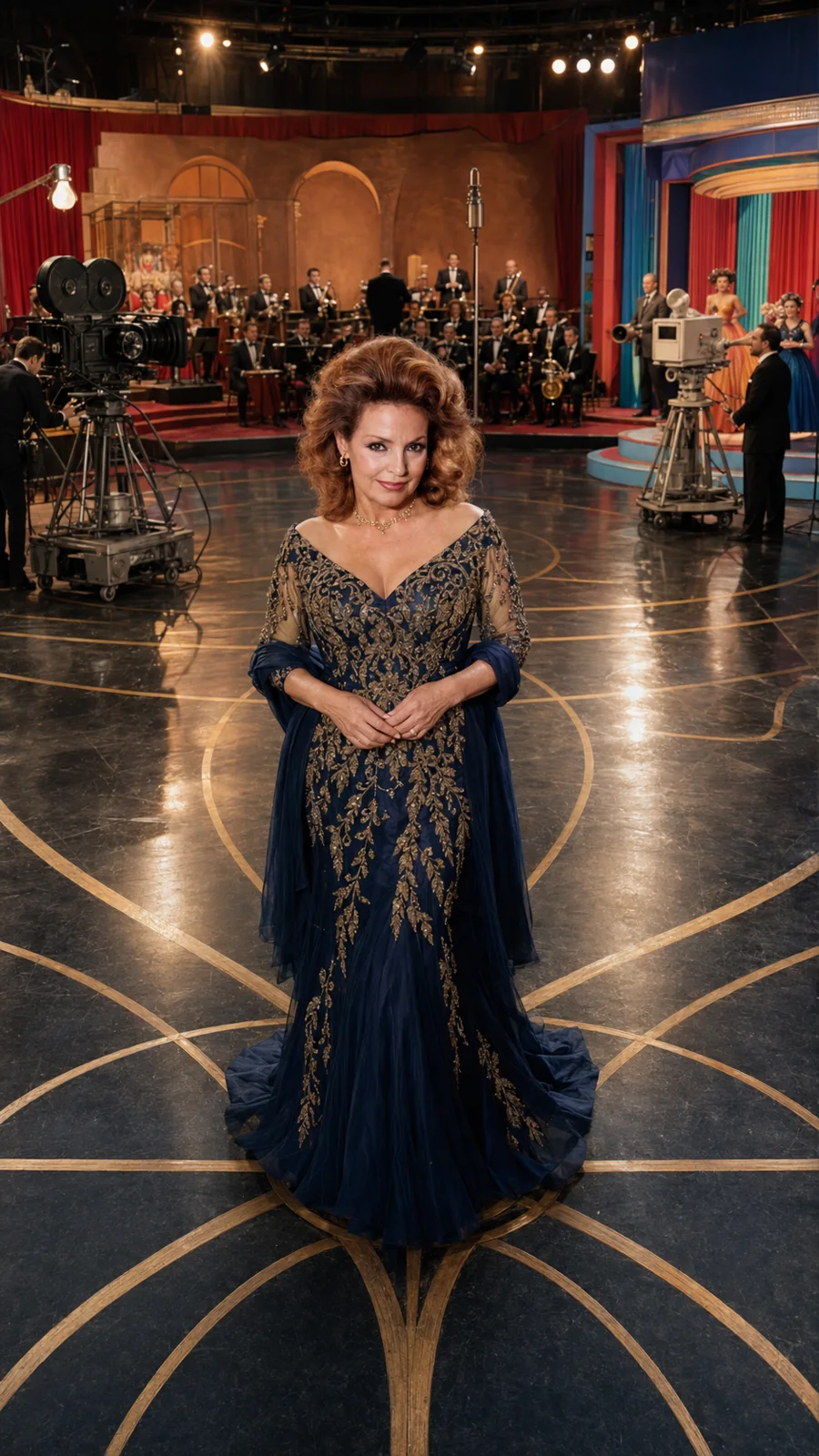
By the end of the 1960s, the cinematic model that had made Carmen a star was disappearing. Spanish cinema was changing, audiences wanted different faces, and leading women associated with folklore were increasingly treated as remnants of an earlier era.
Carmen responded by accepting riskier and more dramatic roles. She appeared in Enseñar a un sinvergüenza, El apartamento de la tentación, La cera virgen, No es bueno que el hombre esté solo, and Nadie oyó gritar. She also participated in horror and erotic films that expanded during the final years of the Franco dictatorship.
This period is sometimes described as a decline because many of the productions were commercial and uneven in quality. Yet it can also be understood as an attempt to escape the frozen image of “Spain’s sweetheart.” Carmen allowed the camera to show an adult woman who was vulnerable, desiring, and sometimes threatened. She risked losing the audience that preferred to remember her as eternally young.
Her final film was Rostros (1978). She later reduced her public appearances and spent a period away from the spotlight with businessman Vicente Patuel, whom she married in 1985, on a rural property devoted to livestock.
Her public life seemed to be over.
Television and a Second Life
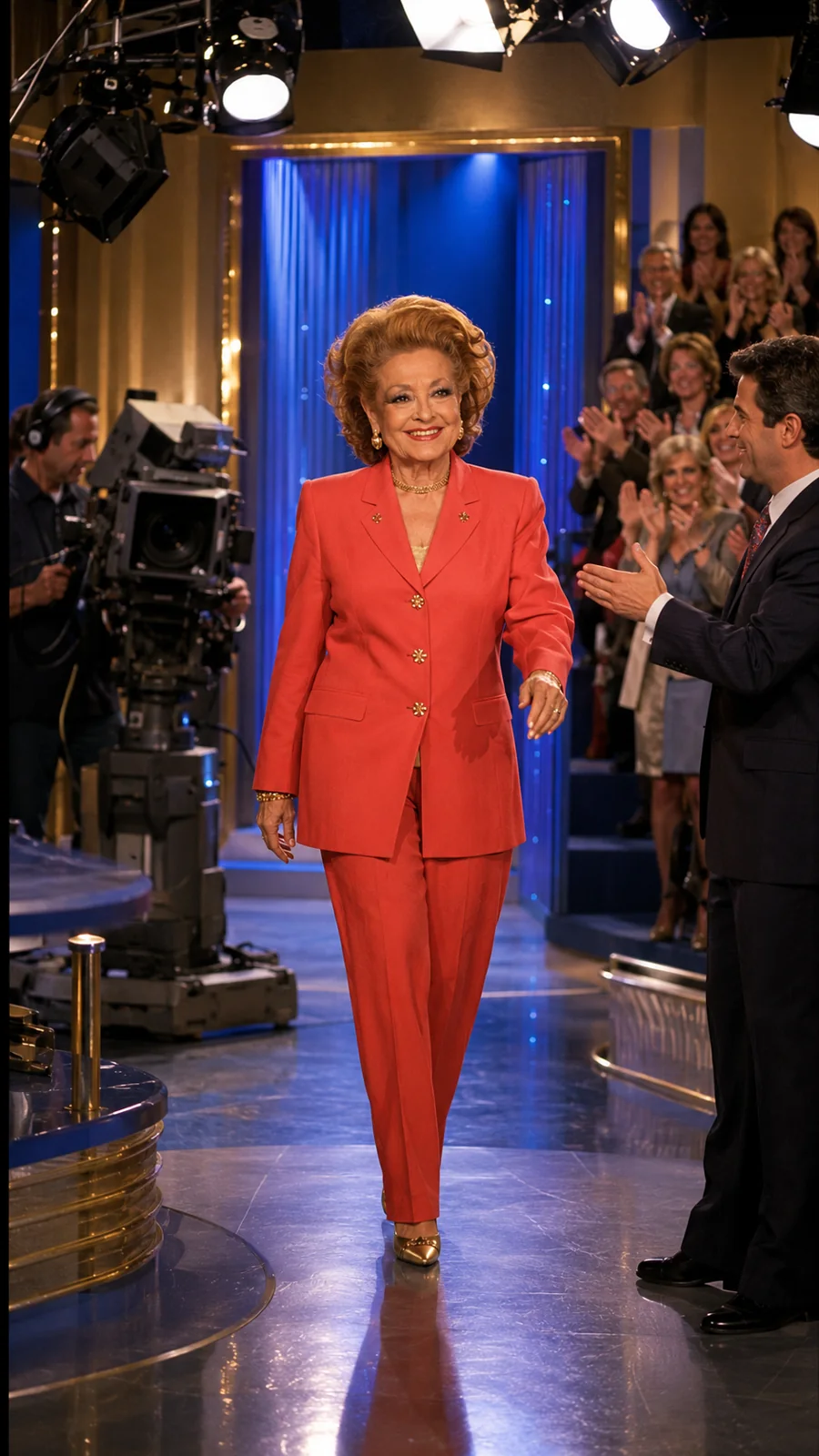
In 1991, Carmen Sevilla returned as the host of Telecupón on Telecinco. She was around sixty and entered a new world of commercial television seeking familiar personalities capable of creating immediate intimacy.
The comeback was unexpectedly successful.
Carmen read lottery numbers, spoke with contestants, improvised, and made mistakes. She confused names, misplaced objects, forgot instructions, and talked directly to technicians. Instead of destroying her career, these errors created a new relationship with viewers.
The carefully lit movie star of the 1950s became an unpredictable and recognizably human presenter. Her television style did not depend on impossible perfection. When she made a mistake, she laughed and continued. Her spontaneity transformed potential moments of humiliation into complicity.
It was not all improvisation. Behind the distracted appearance stood a professional with decades of experience before cameras and audiences. She knew how to hold attention, fill silences, and make viewers feel that they knew her personally.
She later hosted other programs and returned to RTVE to present Cine de barrio from 2004 to 2010. There she introduced many films from the era in which she herself had starred. The older woman presented her younger self on television, creating an unusual dialogue between two periods of the same life (Radiotelevisión Española, 2024).
The Final Years, Away from the Cameras
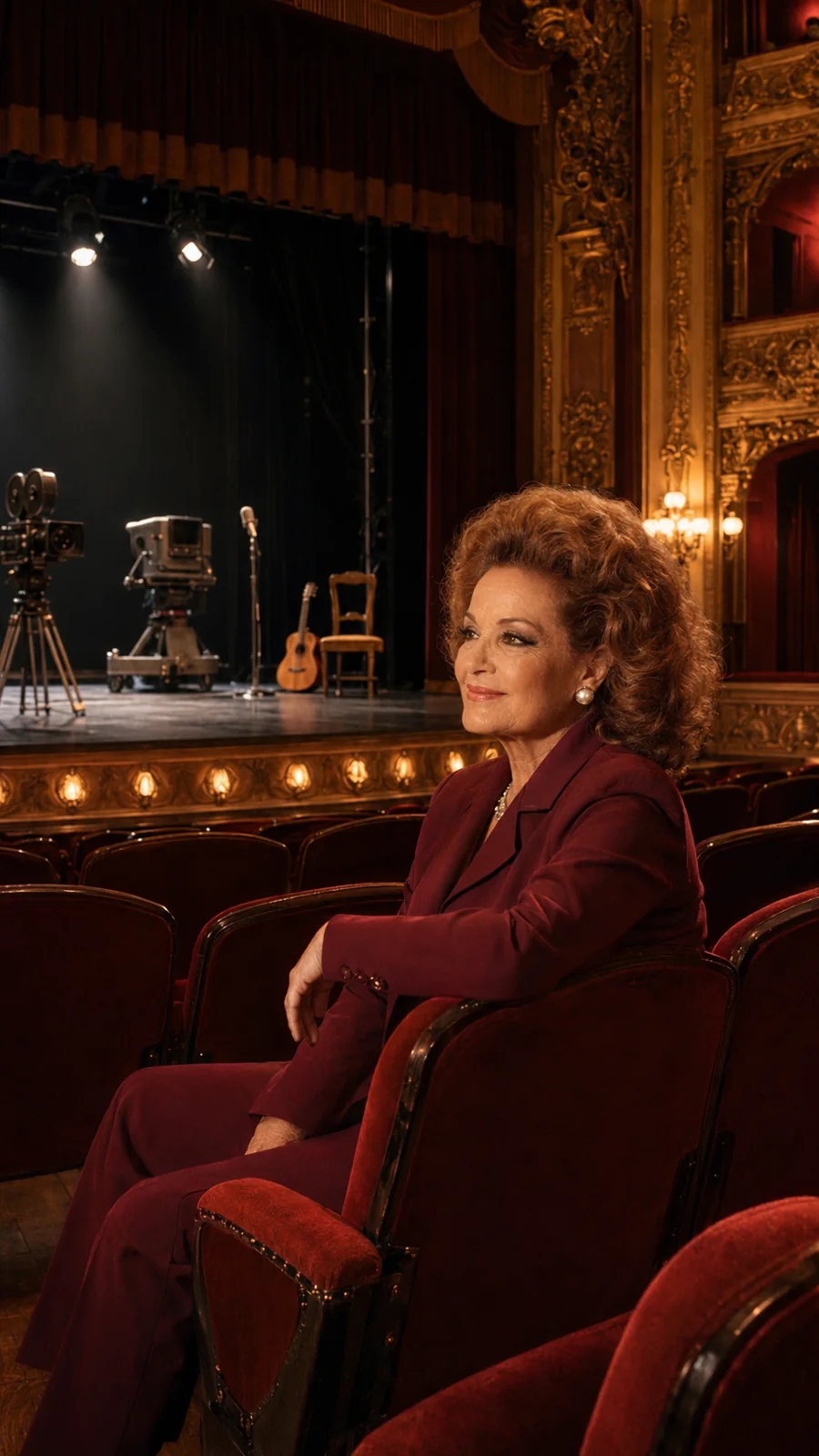
For years, Carmen’s absent-minded moments were treated as part of her comic appeal. At the end of 2010, however, she withdrew completely from public life after being diagnosed with Alzheimer’s disease (Radiotelevisión Española, 2023).
Later knowledge of her illness does not allow a retrospective diagnosis of her television appearances. Her on-screen mistakes should not be presented as evidence of cognitive decline or automatically equated with the diagnosis subsequently made public.
Carmen spent her final years away from the cameras. She died in Madrid on June 27, 2023, at the age of ninety-two.
Her disappearance from public life had begun long before her death. A woman whose profession required her to be seen ended her life protected from the collective gaze. The final silence contrasted with a career built from songs, dialogue, laughter, and live broadcasts.
The Smile Was Not the Whole Story
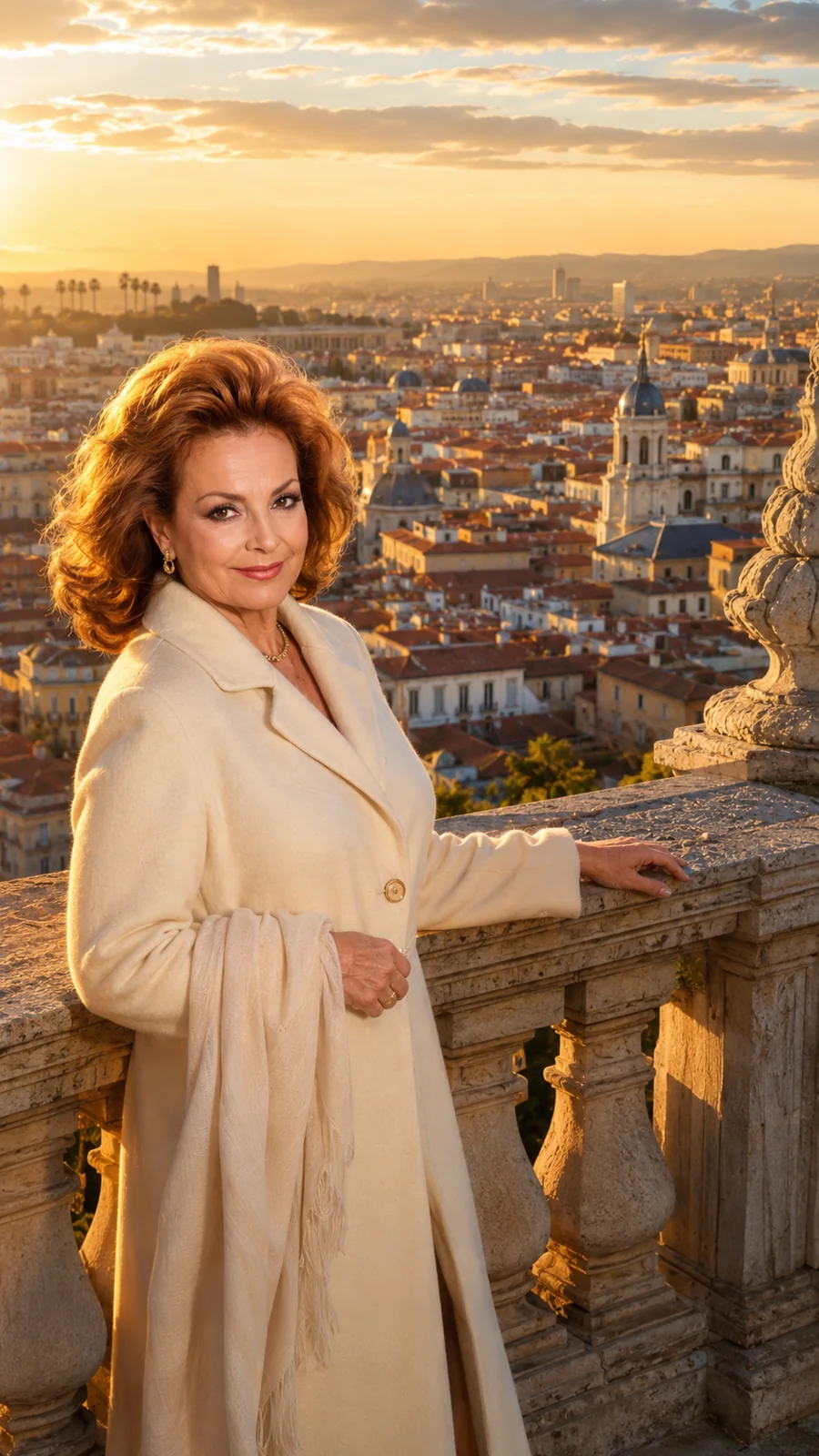
Carmen Sevilla was called “Spain’s sweetheart,” “the most beautiful smile,” and “the most beloved woman in Spain.” These were affectionate descriptions, but they reduced an extraordinarily long career to beauty and charm.
She was one of the major Spanish stars with a presence in international postwar cinema. She appeared in the first Spanish film nominated for the Academy Award for Best Foreign Language Film. She survived the disappearance of folkloric cinema, accepted roles that disrupted her established image, and returned decades later to conquer a radically different television medium.
She did not sing against a dictatorship in the manner of political protest singers. Her resistance was less explicit: she continued to possess a voice after the industry had already decided how she should look, which roles she could play, and at what age she ought to disappear.
Carmen Sevilla survived the perfect young woman cinema had manufactured for her. When she could no longer be that girl, she learned to present herself as imperfect. Because of that imperfection, a new generation came to love her without ever hearing her earliest songs.
The darkness against which she sang was also the darkness of oblivion.
For a very long time, she kept it away.
References
- Academia de Cine. (2023-06-27). Adiós a «la novia de España». View source
- Academy of Motion Picture Arts and Sciences. (1959). The 31st Academy Awards. View source
- Artistas Intérpretes o Ejecutantes. (2023-06-28). Adiós a Carmen Sevilla. View source
- Festival de Cannes. (1958). La venganza. View source
- Casanova, V. / RTVE. (2022-06-05). Juan Antonio Bardem: La venganza y la censura. View source
- RTVE. (2023-06-27). Carmen Sevilla, una estrella en la pequeña y gran pantalla. View source
- Costa, P. / RTVE. (2024-06-19). Carmen de España: primer aniversario de su muerte. View source