
In this storyOpen index
Lillian Gish: The Face That Taught Cinema to Think in Silence
A pioneer of screen acting between the art of silence and the contradictions of her legacy.
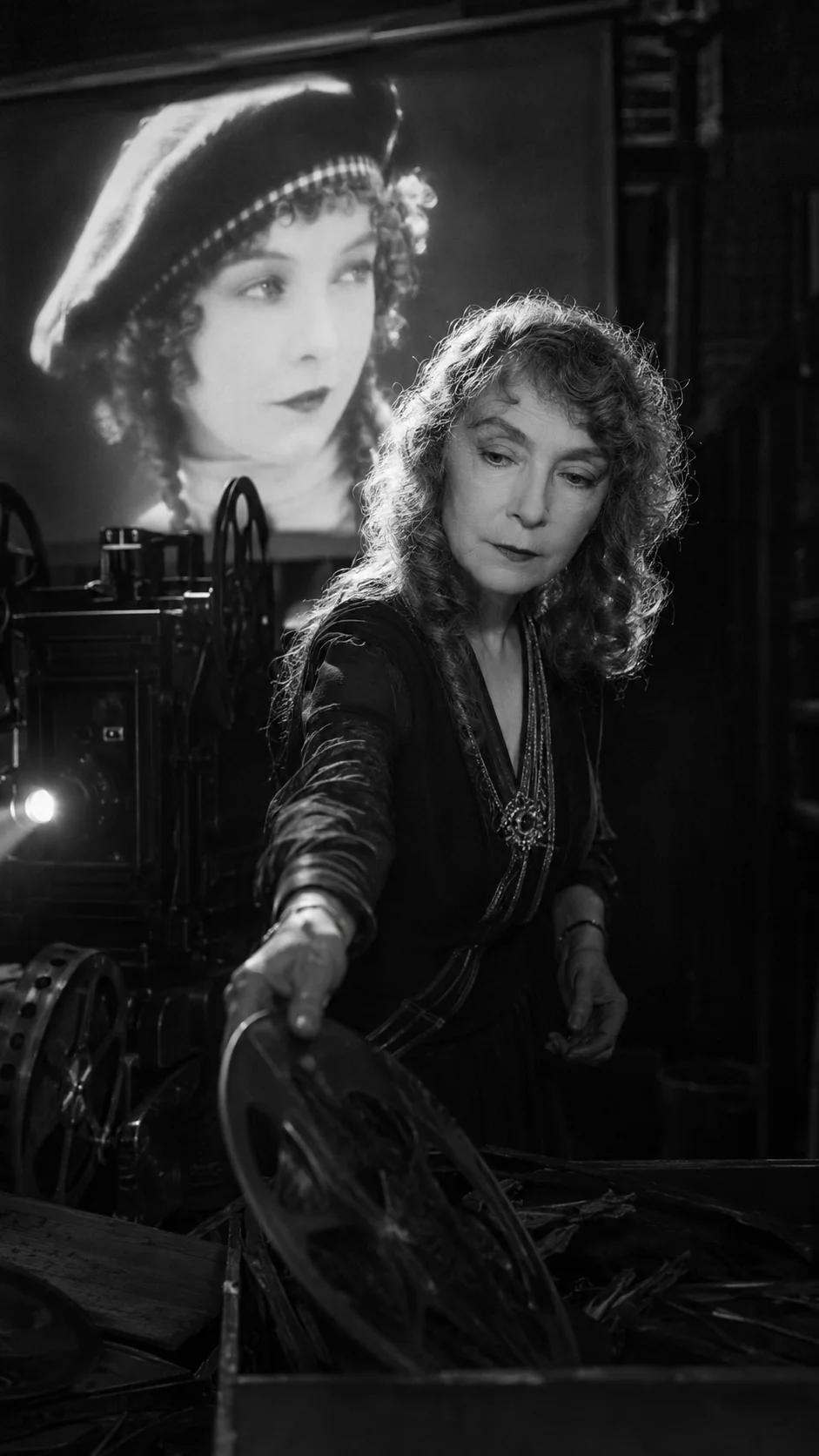
Before cinema could speak, Lillian Gish learned to express fear with her eyelids, pain with a breath, and despair with an almost imperceptible movement of her hand. While other performers still acted as though they were standing on a distant stage, she understood that the camera could move so close that any exaggerated gesture became a lie.
Her face helped construct the emotional language of early cinema. But it also appeared in one of the most racist and influential films in American history. Her legacy cannot be told simply as a succession of masterpieces: it requires us to confront both the beauty cinema could create and the harm it could inflict.
Lillian Gish lived for almost one hundred years. When she began acting, films lasted only a few minutes and were screened in makeshift venues. By the time she made her final screen appearance, the world knew stereophonic sound, color, and large-scale visual effects. Very few people experienced such a transformation from inside the screen.
Lillian Gish
A life told between the screen and memory
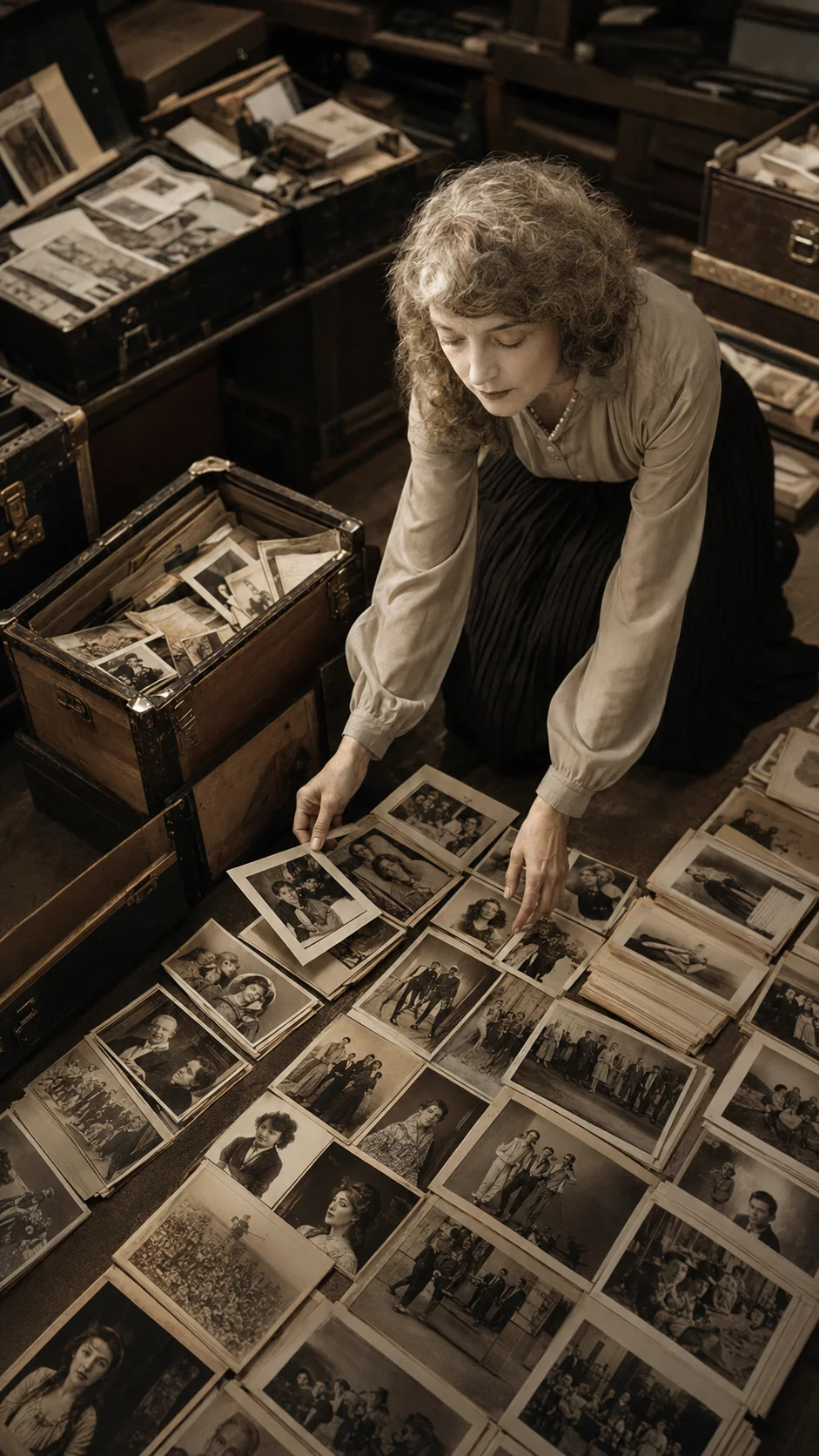
The Lillian Gish Papers
The Library of Congress preserves Lillian Gish’s correspondence, scripts and legal records. These papers illuminate her work and professional relationships beyond the screen. This card uses an AI reconstruction, not a photograph of the collection.
AI-generated illustration; an artistic representation, not a historical document.
A childhood without stability
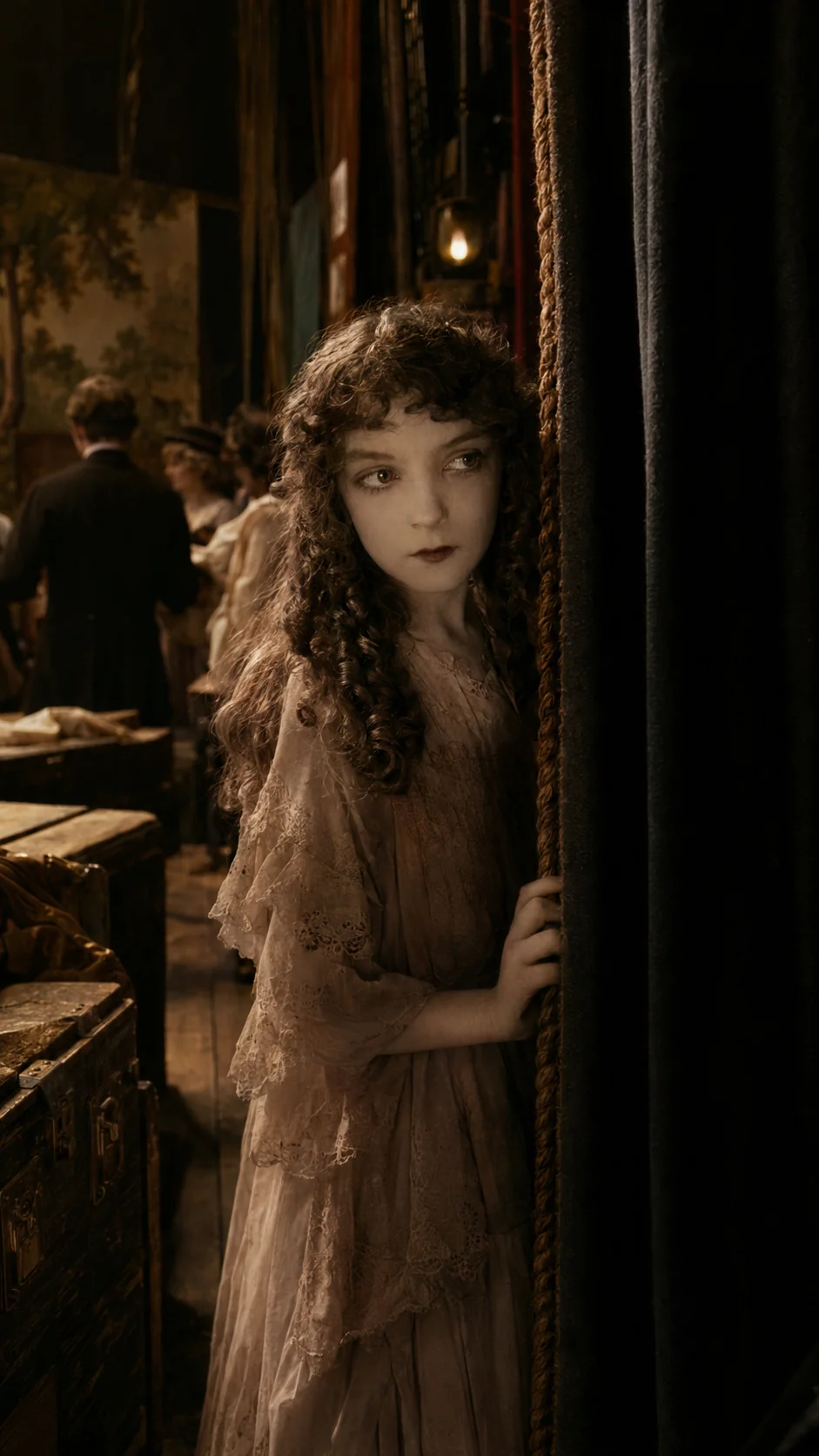
Lillian Diana Gish was born on October 14, 1893, in Springfield, Ohio. Her sister Dorothy arrived in 1898. Their father, James Leigh Gish, gradually abandoned the family, leaving their mother, Mary, to find different ways of supporting her daughters.
The stage did not initially appear as a romantic calling but as an economic necessity. Lillian began working as a child in touring theater companies. Dorothy did the same, while their mother accepted work as an actress and operated a candy shop.
Those tours meant temporary rooms, long train journeys, repeated performances, and a childhood without a permanent home. Lillian quickly learned to memorize dialogue, follow instructions, and work even when tired or ill. The delicacy she later displayed before the camera did not come from a protected life but from discipline acquired through insecurity (Affron, 2001).
During those years, she met another child actress named Gladys Smith. The world would later know her as Mary Pickford.
The doorway to an art without prestige
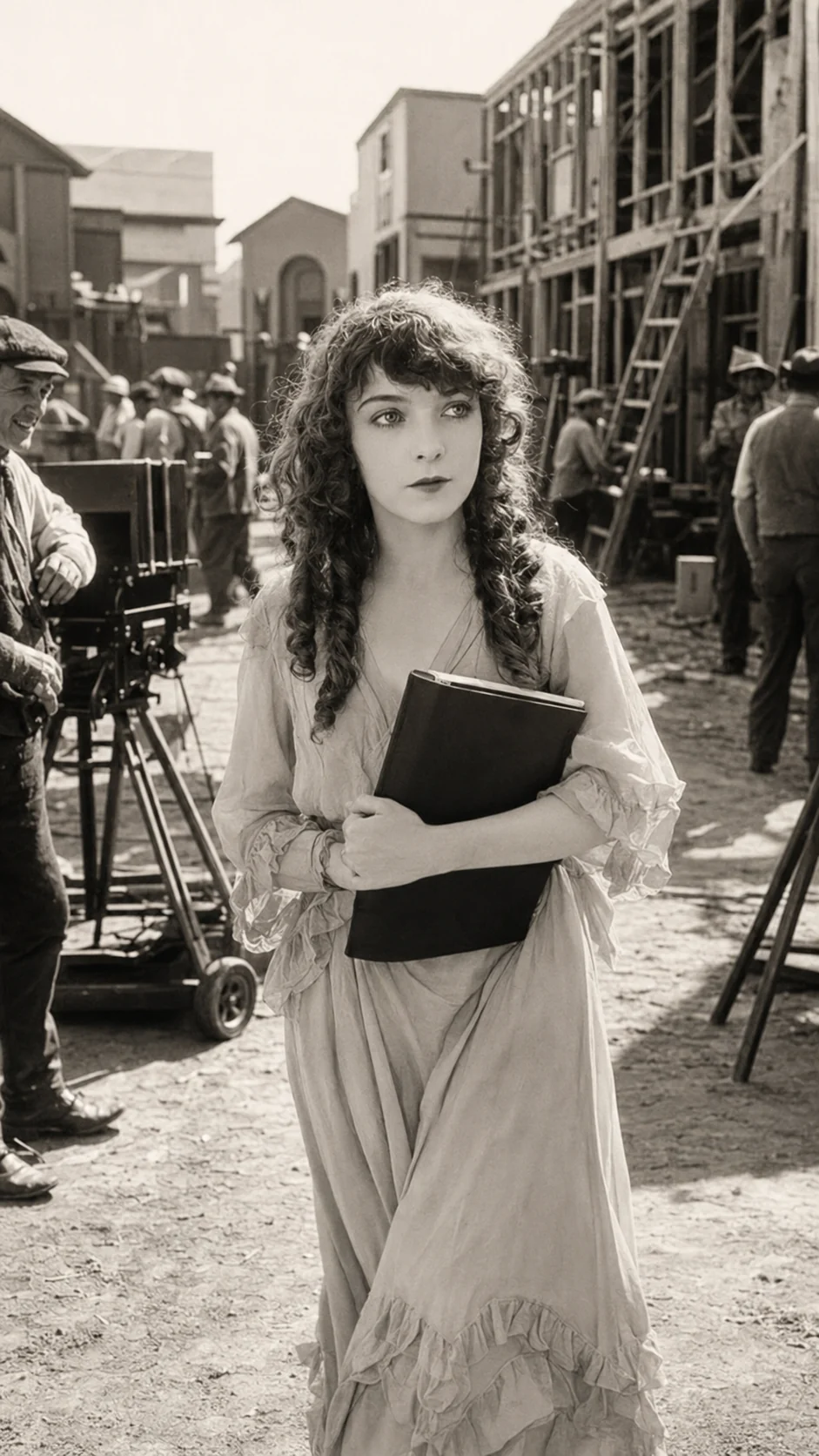
In 1912, Mary Pickford introduced Lillian and Dorothy Gish to director D. W. Griffith, who was working for the Biograph Company in New York. Many stage actors still considered motion pictures an inferior form of entertainment.
The sisters made their film debut together in An Unseen Enemy, a short directed by Griffith. The picture included a scene in which they were trapped while a threat appeared on the other side of a door. The situation allowed audiences to observe the protagonists’ fear without hearing a single word.
Lillian quickly understood that film required a different kind of performance. Onstage, a gesture had to reach the back row. Before a camera, a thought could become visible through a glance. She learned to reduce her movements, control the rhythm of her blinking, and sustain an emotion during a close-up without turning it into a caricature (Gish & Pinchot, 1969).
She did not single-handedly invent screen acting, just as Griffith did not individually invent every technique attributed to him. Film language was constructed by numerous directors, cinematographers, editors, and performers. Gish nevertheless became one of the artists who demonstrated how much a face could reveal once the camera learned to observe it.
The film that changed cinema and distorted history
In 1915, Gish played Elsie Stoneman in The Birth of a Nation. The film was a technical and commercial landmark, but its story presented American Reconstruction from a white supremacist perspective, degraded Black characters, and glorified the Ku Klux Klan.
The NAACP organized a national campaign against the picture, exposed its historical distortions, and demanded that it be banned or stripped of its most offensive scenes. Some cities imposed cuts or restrictions, but the controversy also helped turn it into a mass phenomenon.
Gish did not write or direct the film, but she was one of its principal performers and continued to defend Griffith’s artistic importance for the rest of her life. Acknowledging her enormous contribution to screen acting does not require ignoring that choice.
The Birth of a Nation demonstrated that narrative techniques could move an audience, but also that they could clothe a lie in the authority of history. A film’s formal beauty does not neutralize its content. In this case, that beauty made its propaganda more persuasive and therefore more dangerous.
One year later, Gish appeared in Intolerance, portraying a maternal figure connecting different historical periods. Griffith presented the film as a vast meditation on human persecution, although it did not constitute a direct or sufficient retraction of his previous film’s racism.
The art of dying without words
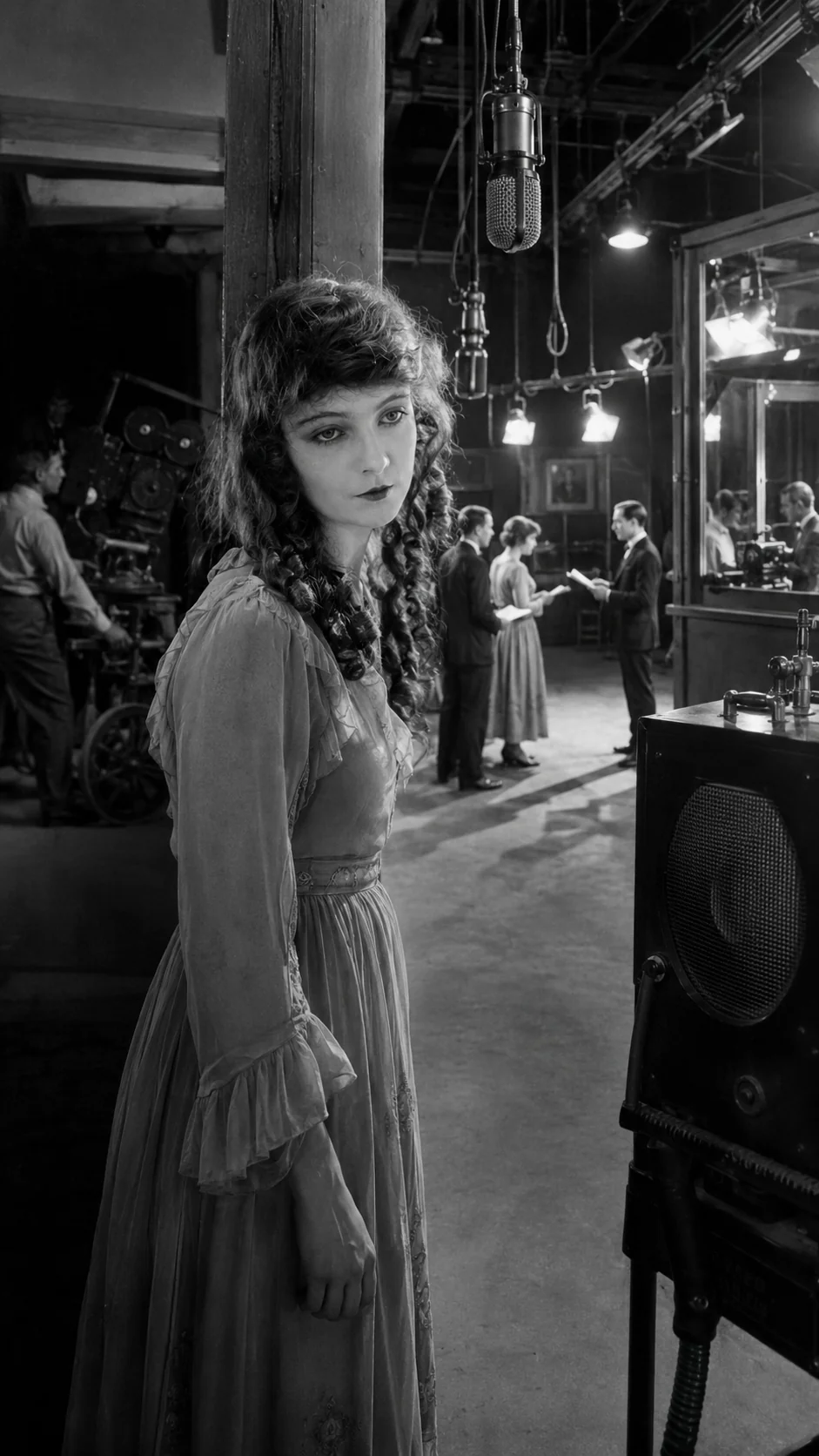
In 1919’s Broken Blossoms, Gish played Lucy Burrows, a young woman abused by her father. One of her most famous scenes occurs when the character, trapped inside a closet, transforms her face through a succession of terror, pleading, and exhaustion.
Gish avoided relying exclusively on large gestures. She constructed emotion through small physical changes: the position of her mouth, the tension in her fingers, or the direction of her gaze. Such precision was particularly important in an era when makeup, lighting, and irregular projection speeds could distort a performance.
In Way Down East, released in 1920, she participated in a sequence filmed on real ice and water. Her character was carried toward a waterfall while the hero attempted to rescue her. The scene was filmed under extremely harsh winter conditions, with Gish exposed to the cold through repeated takes (Brownlow, 1968).
The sequence is often remembered for its physical danger, but its true power lies in the actress’s face. Even when surrounded by a spectacular landscape, Gish refused to let the human body disappear behind the spectacle.
Director of a lost film
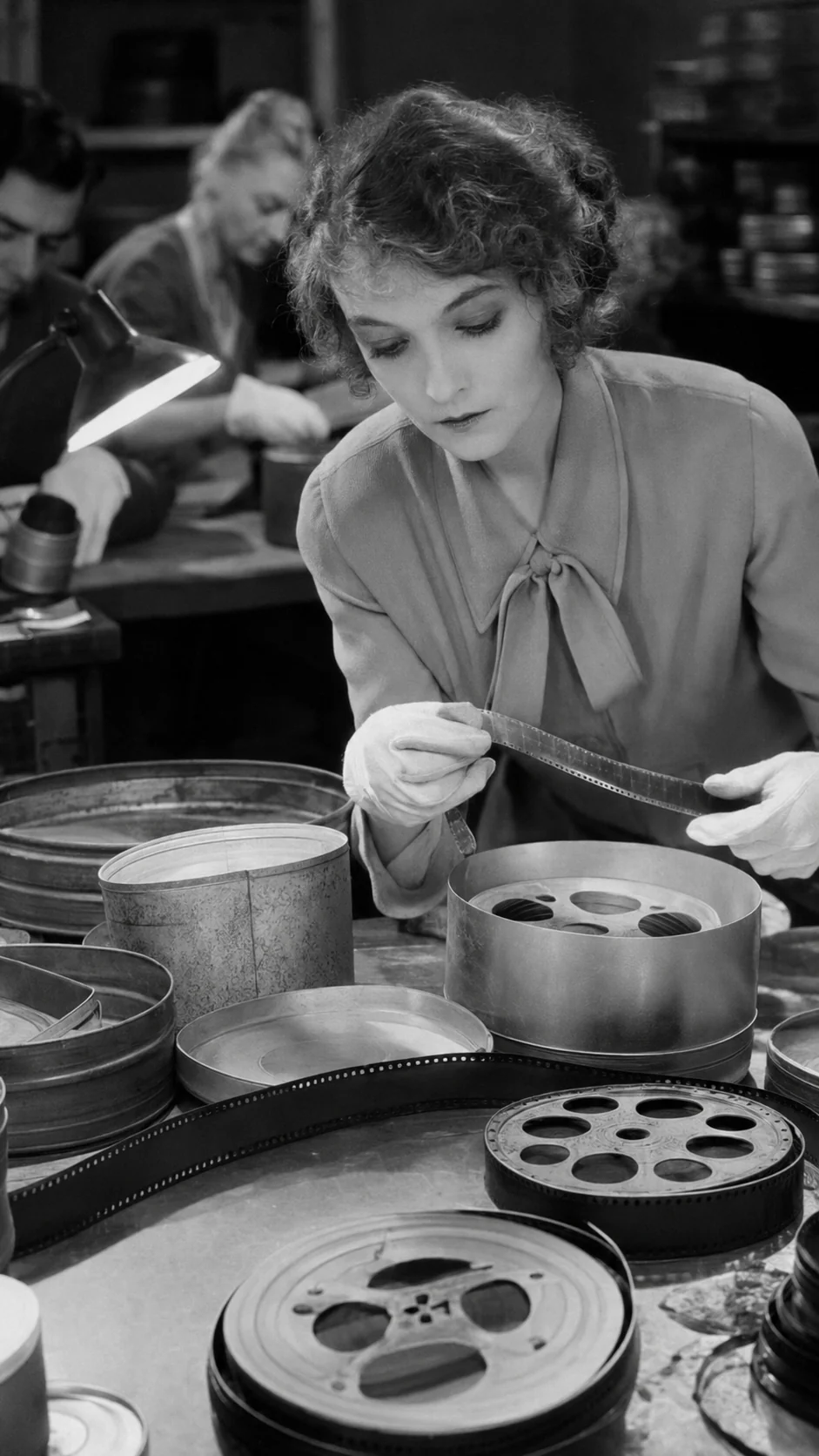
A lesser-known chapter of her career occurred in 1920, when she directed Remodeling Her Husband, a comedy starring Dorothy Gish. It was the only film Lillian officially directed.
In addition to working with the actors, she participated in selecting the furniture, designing the sets, and arranging the costumes. The experience demonstrates that her knowledge of filmmaking extended beyond standing before the camera. She understood the construction of an entire production (Gish, 1973).
The film is considered lost. No complete surviving copy is known, a common fate for silent films because of chemical decomposition, fires, deliberate destruction, and the studios’ lack of interest in preserving material believed to have exhausted its commercial value. The American Film Institute’s record confirms that it was her only directorial work.
Thus, one of the earliest films directed by a major American star can now be reconstructed only through reviews, documents, photographs, and memories. Gish helped create a work we can no longer watch.
A woman with power inside the studio
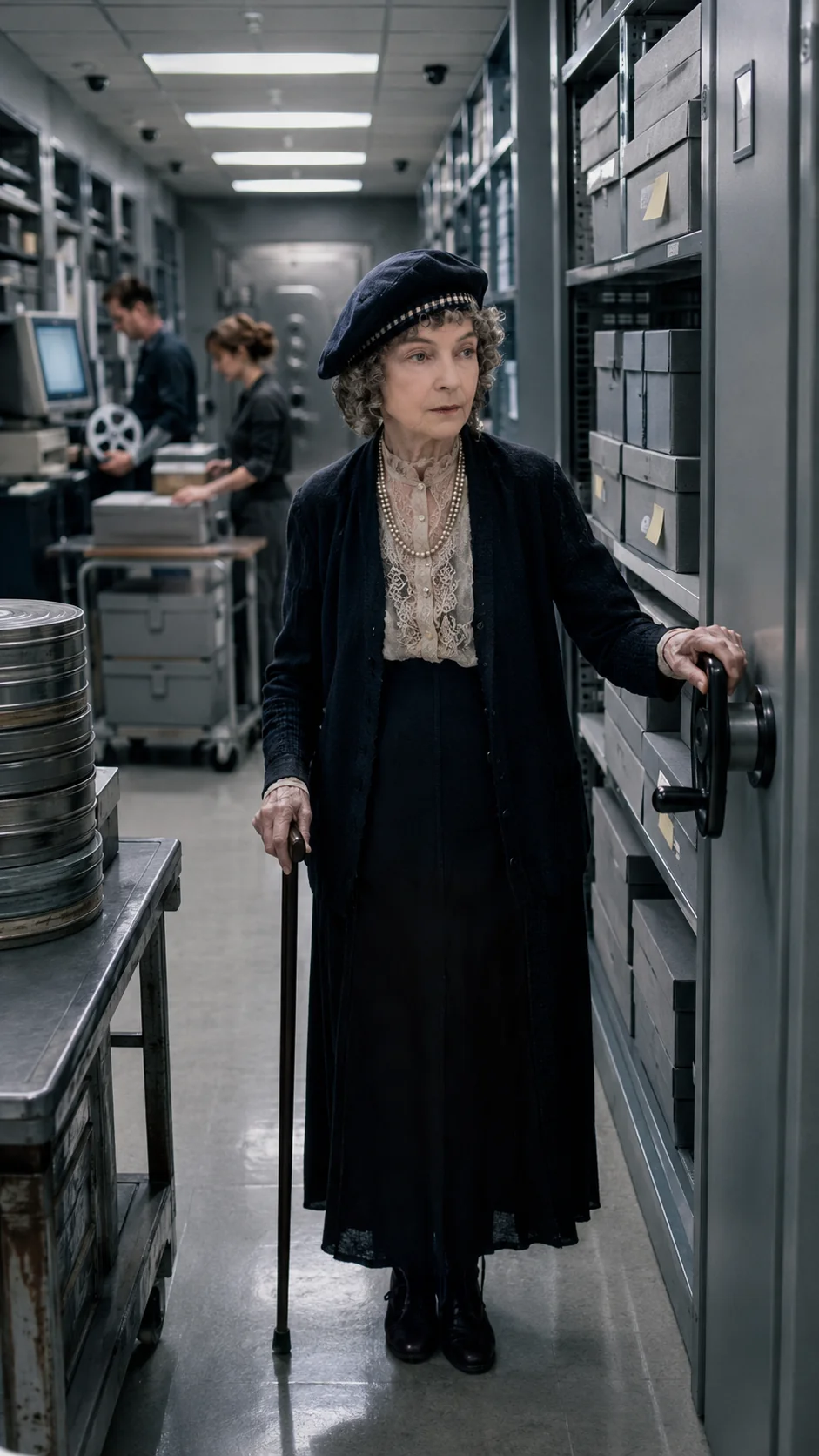
After separating professionally from Griffith, Gish achieved a level of control unusual for an actress. When she joined Metro-Goldwyn-Mayer in 1925, she participated in choosing stories, directors, and leading men.
For La Bohème, she requested director King Vidor and actor John Gilbert. The contemporary press observed that the studio rearranged its plans to accommodate her choices, demonstrating that Gish was more than a decorative figure within the industry.
She played Hester Prynne in The Scarlet Letter and portrayed a woman isolated in an environment where sand seems to invade both body and mind in The Wind. Filmed in 1927 and released in 1928, the latter became one of silent cinema’s visual culminations.
Gish recalled that the studio replaced a tragic ending, close to Dorothy Scarborough’s novel, with a more optimistic conclusion. Charles Affron, however, challenged that account using production materials, a disagreement also examined by Agustin Zarzosa. The claim that a tragic ending was filmed and discarded should therefore not be treated as an undisputed fact (Affron, 2001; Zarzosa, 2007).
The relative commercial disappointment of some of her final silent pictures, combined with the arrival of sound and Hollywood’s changing models of femininity, weakened her position within the studio system.
Sound did not destroy her
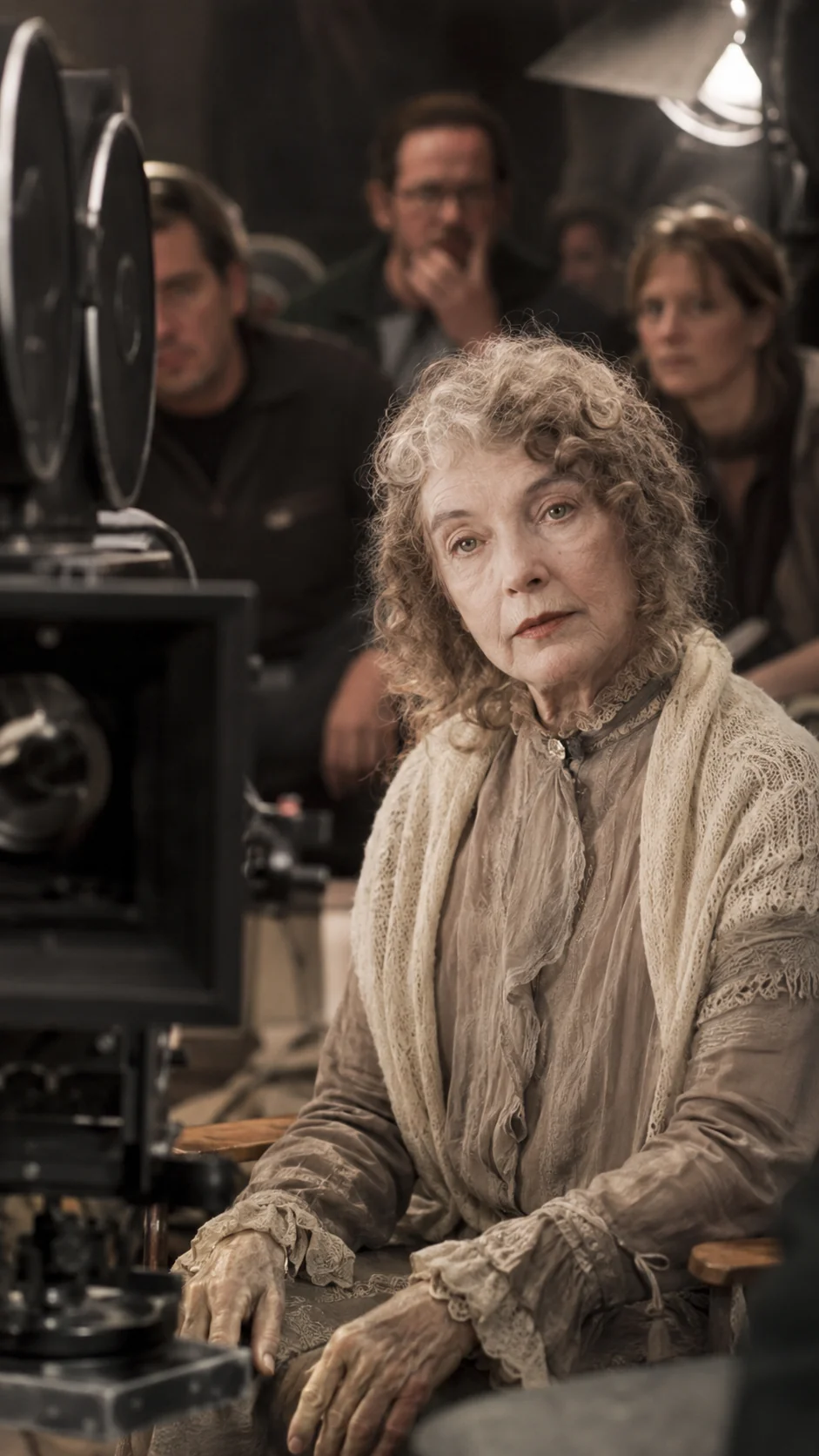
Unlike many stars closely associated with silent film, Gish did not disappear when motion pictures began to speak. Her first sound feature was One Romantic Night, released in 1930. She returned primarily to the theater, however, where she found more complex roles and greater control over her work.
Over the following decades, she moved among Broadway, radio, television, and film. She performed works by Chekhov, Shakespeare, and other dramatists, refusing to become merely a relic of the silent screen.
In 1955, Charles Laughton cast her in The Night of the Hunter. Gish played Rachel Cooper, a woman protecting several children from a false preacher. In one of the film’s central images, she sits with a rifle before the darkness while listening to their pursuer sing.
The scene reverses many of her earlier roles. She was no longer the defenseless young woman waiting to be rescued. She was the figure who remained awake to protect others.
Although The Night of the Hunter was not an immediate success, it eventually came to be regarded as one of the great American films. Gish brought something to the character that makeup could never manufacture: the visible memory of cinema itself.
The final appearance
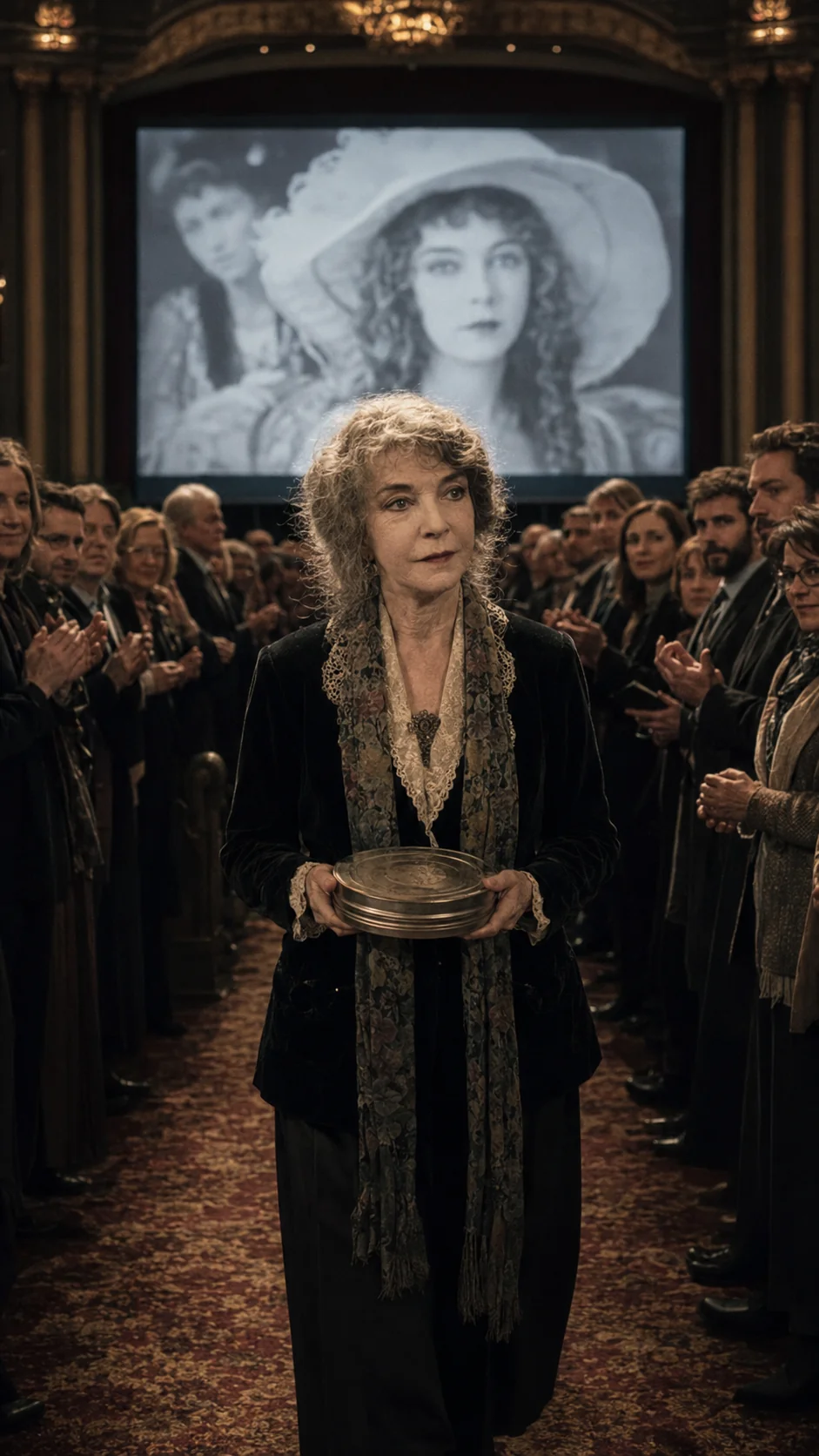
Gish received an Honorary Academy Award in 1971. She also devoted herself to preserving and promoting the study of silent film. She presented screenings, delivered lectures, and explained to new generations that silent pictures were not primitive drafts of talking films but an art form with their own expressive resources.
Her personal papers, preserved by the Library of Congress, include correspondence, scripts, legal files, and materials connected with decades of work. The institution describes a stage, motion-picture, and television career spanning more than eighty years.
Her final film was The Whales of August, released in 1987. She was 93 during filming and shared the screen with Bette Davis. Instead of concealing old age, the story made it its central subject: two sisters confronting physical decline, memories, and the approach of death.
Lillian Gish died in New York on February 27, 1993, only months before her hundredth birthday.
The face and its shadow
Gish helped demonstrate that cinema did not require words to reveal an interior life. Her performances could appear fragile, but they were built upon rigorous discipline and exceptional technical knowledge.
She also remained connected to Griffith and to a cinematic tradition that used its innovations to disseminate a racist interpretation of history. That contradiction belongs to her legacy and should not be reduced to a footnote.
Lillian Gish helped consolidate close-up performance and parallel storytelling, lived through the arrival of synchronized sound, and contributed to preserving cinema’s past. She was a child worker, a star, an occasional director, a stage actress, a television performer, and an advocate for cinematic memory.
Her face helped invent cinema. Her career also reminds us that artistic innovation is never innocent by itself: an image can reveal truth, construct emotion, or turn prejudice into spectacle.
Gish mastered silence, but her story demands that we now speak about what the cinema of her time attempted to silence.
References
- Affron, C. (2001). Lillian Gish: Her legend, her life. Scribner. View source
- American Film Institute. (n.d.). Remodeling Her Husband. AFI Catalog of Feature Films. View source
- Brownlow, K. (1968). The parade’s gone by…. Alfred A. Knopf. View source
- Gish, L. (1973). Dorothy and Lillian Gish. Charles Scribner’s Sons. View source
- Gish, L., & Pinchot, A. (1969). Lillian Gish: The movies, Mr. Griffith, and me. Prentice-Hall. View source
- Library of Congress. (2012). Lillian Gish Papers: A finding aid to the collection in the Library of Congress. View source
- Library of Congress. (n.d.). Founding and early years: NAACP—A century in the fight for freedom. View source
- Oderman, S. (2000). Lillian Gish: A life on stage and screen. McFarland. View source
- Zarzosa, A. (2007). Sjöström’s The Wind and the transcendental image. Colloquy: Text, Theory, Critique, 13, 34–50. View source
- Academy of Motion Picture Arts and Sciences. (n.d.). The 43rd Academy Awards: 1971. View source
More from this collection
Roscoe “Fatty” Arbuckle: The Face Hollywood Condemned After Justice Acquitted Him
Read story →
Totò: The Prince of Laughter Who Kept Acting When He Could Barely See
Read story →