
In this storyOpen index
Antonio Lucio Vivaldi: The Red Priest Who Made Storms Resound and Died in Silence
A priest, violinist and impresario between musical imagination, fame and oblivion.

Antonio Vivaldi turned trembling, cold, rain, and fear into music. His violins imitated birds, dogs, winds, thunder, and footsteps on ice long before recordings could preserve the sounds of nature. Yet the composer of one of the most recognizable works in history ended his life far from Venice, impoverished and buried in a grave whose exact location would disappear.
For almost two centuries, a considerable part of his music remained forgotten. The man who had made the weather speak through instruments came close to being reduced to a few pages in the history of the Baroque.
Antonio Vivaldi
A life told between harmony and storm
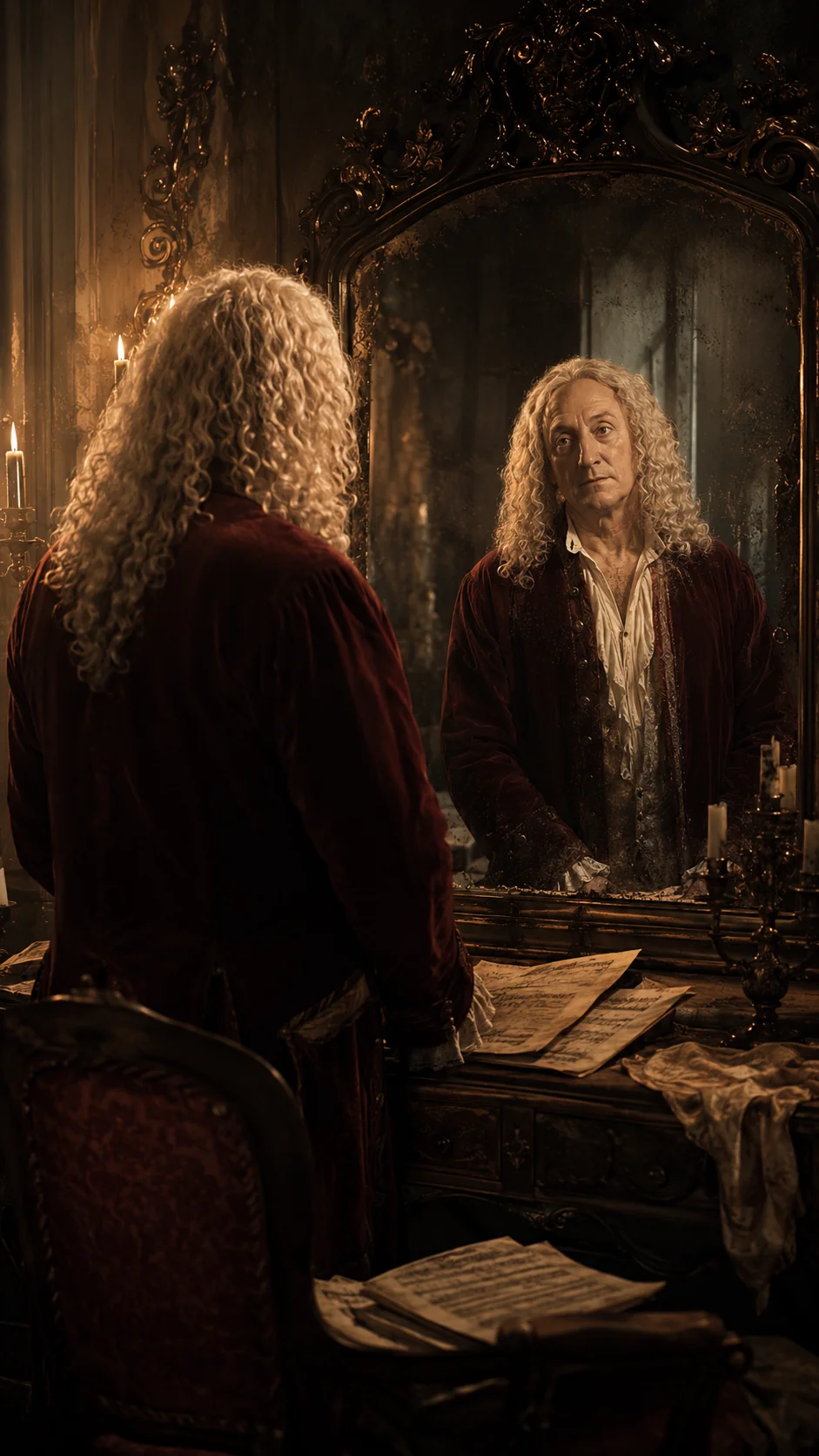
The manuscript of Concerto RV 365
The autograph score of the Violin Concerto in B-flat major, RV 365, survives in Turin, manuscript Foà 31, folio 52r. Follow the link to the official collection. This card’s illustration is symbolic and does not reproduce the manuscript.
AI-generated illustration; an artistic representation, not a historical document.
The child who struggled to breathe
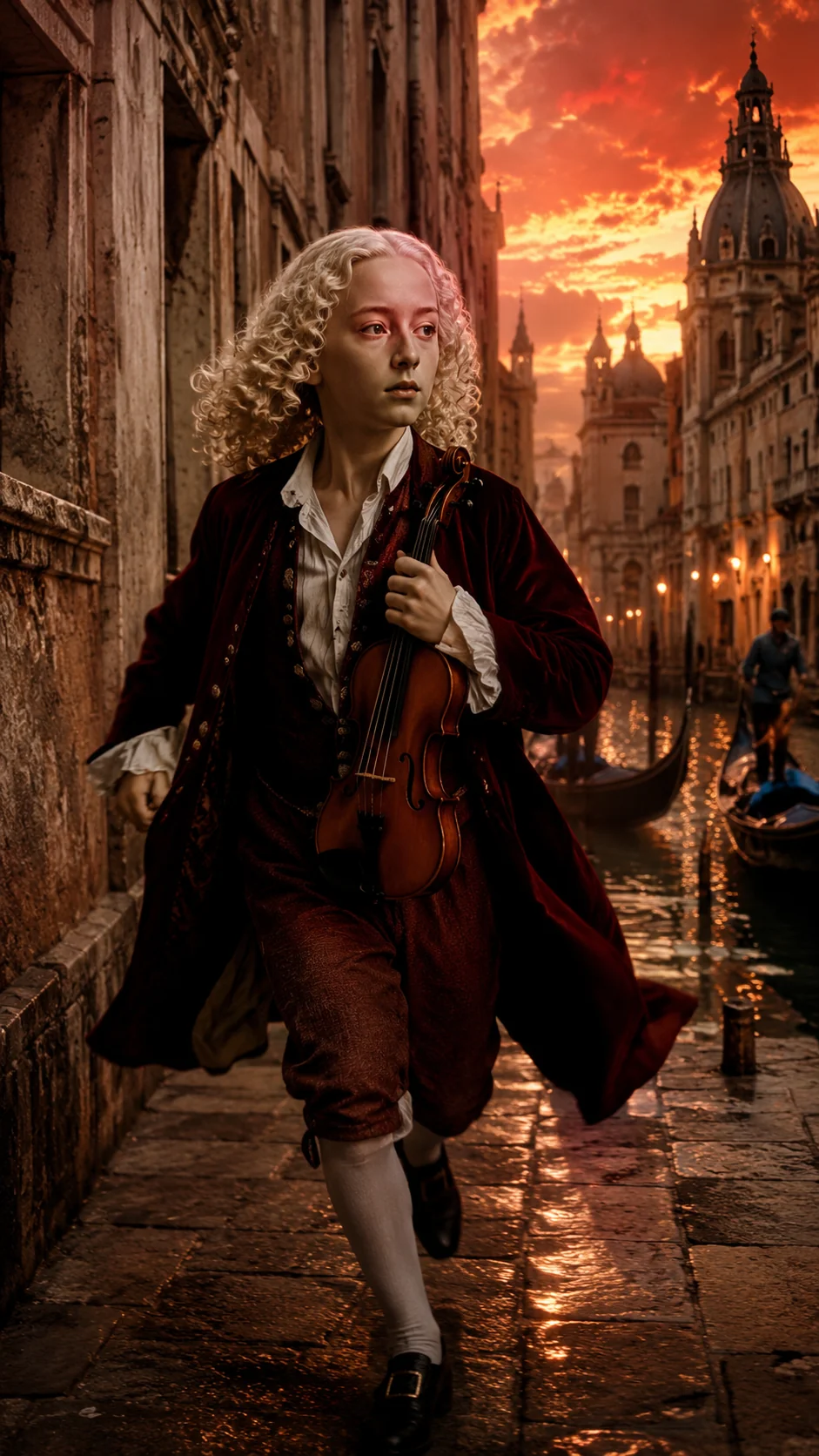
Antonio Lucio Vivaldi was born in Venice on March 4, 1678. He was given an emergency baptism at home by the midwife. The parish record states that this was done “because of danger of death,” although it does not explain the cause. The formal ceremony was completed two months later at the church of San Giovanni in Bragora.
His father, Giovanni Battista Vivaldi, was a barber and professional violinist at St. Mark’s Basilica. He probably taught Antonio to play the instrument and introduced him to Venice’s musical world (Talbot, 2011).
Throughout his life, Vivaldi suffered from what he called strettezza di petto, or “tightness of the chest.” The condition has often been identified as asthma, but no surviving diagnosis makes that conclusion certain. Other respiratory or cardiovascular disorders have also been proposed. What is known is that the difficulty accompanied him from an early age and restricted some of his activities, although it did not prevent him from traveling, teaching, composing, or playing the violin with extraordinary energy (Heller, 1997).
The priest who stopped celebrating Mass
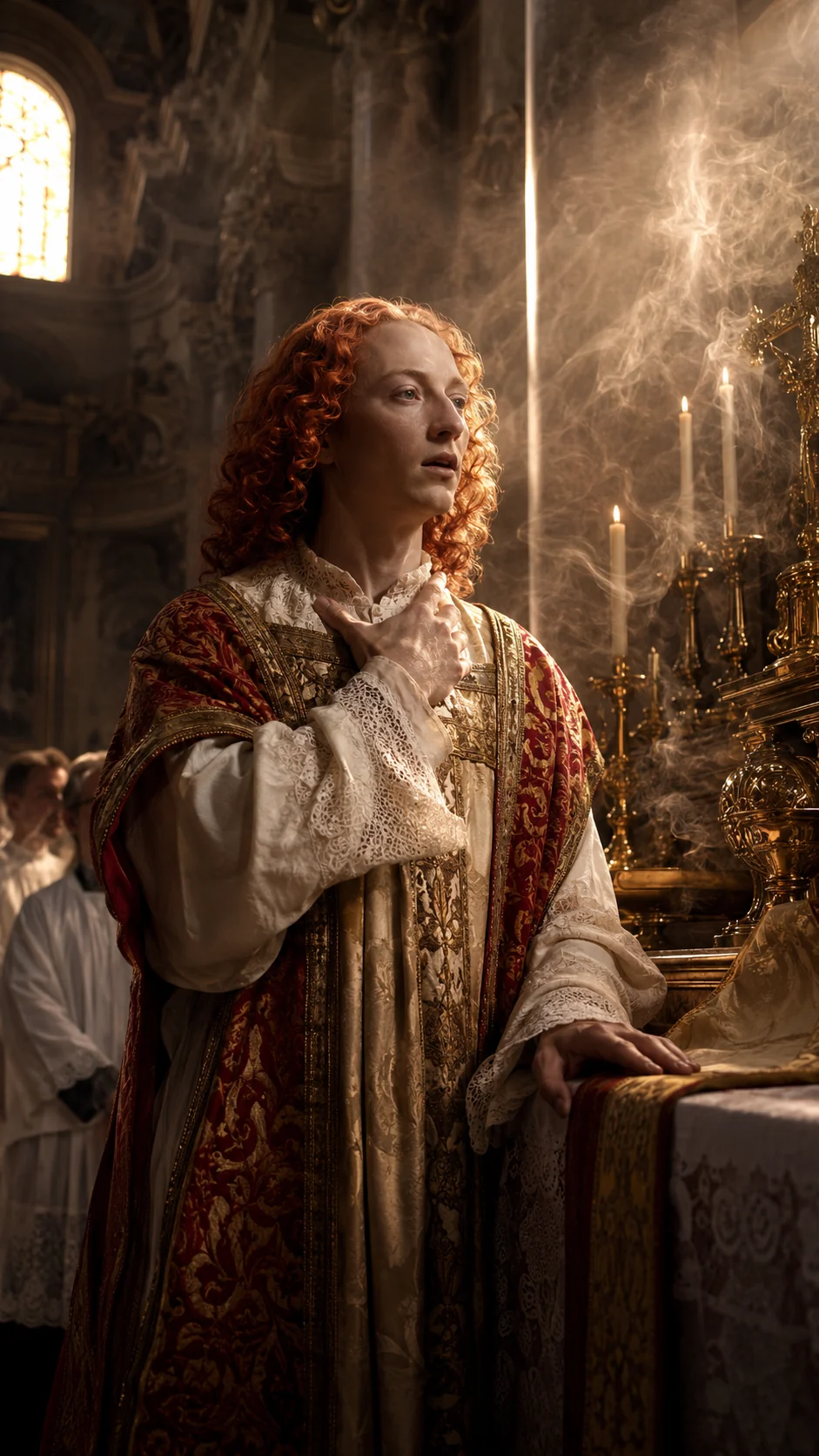
Vivaldi began his religious training as a teenager and was ordained in 1703. His reddish hair earned him the nickname Il Prete Rosso: the Red Priest.
Not long after his ordination, he stopped celebrating Mass regularly. Years later, he explained that the tightness in his chest sometimes forced him to leave the altar. The situation generated rumors. One claimed that he interrupted the service to write down musical ideas in the sacristy. No solid evidence confirms that story.
Vivaldi did not abandon the priesthood and was not expelled from the Church. He continued to identify and dress as a priest and signed some compositions with the title “Don Antonio Vivaldi.” Illness is the documented explanation for his withdrawal from liturgical duties, although the precise nature of his condition remains uncertain (Talbot, 2011).
Behind the picturesque image of the red-haired priest stood a more difficult reality: a man in fragile health who chose an extremely competitive and unstable musical profession.
The Pietà’s musical laboratory
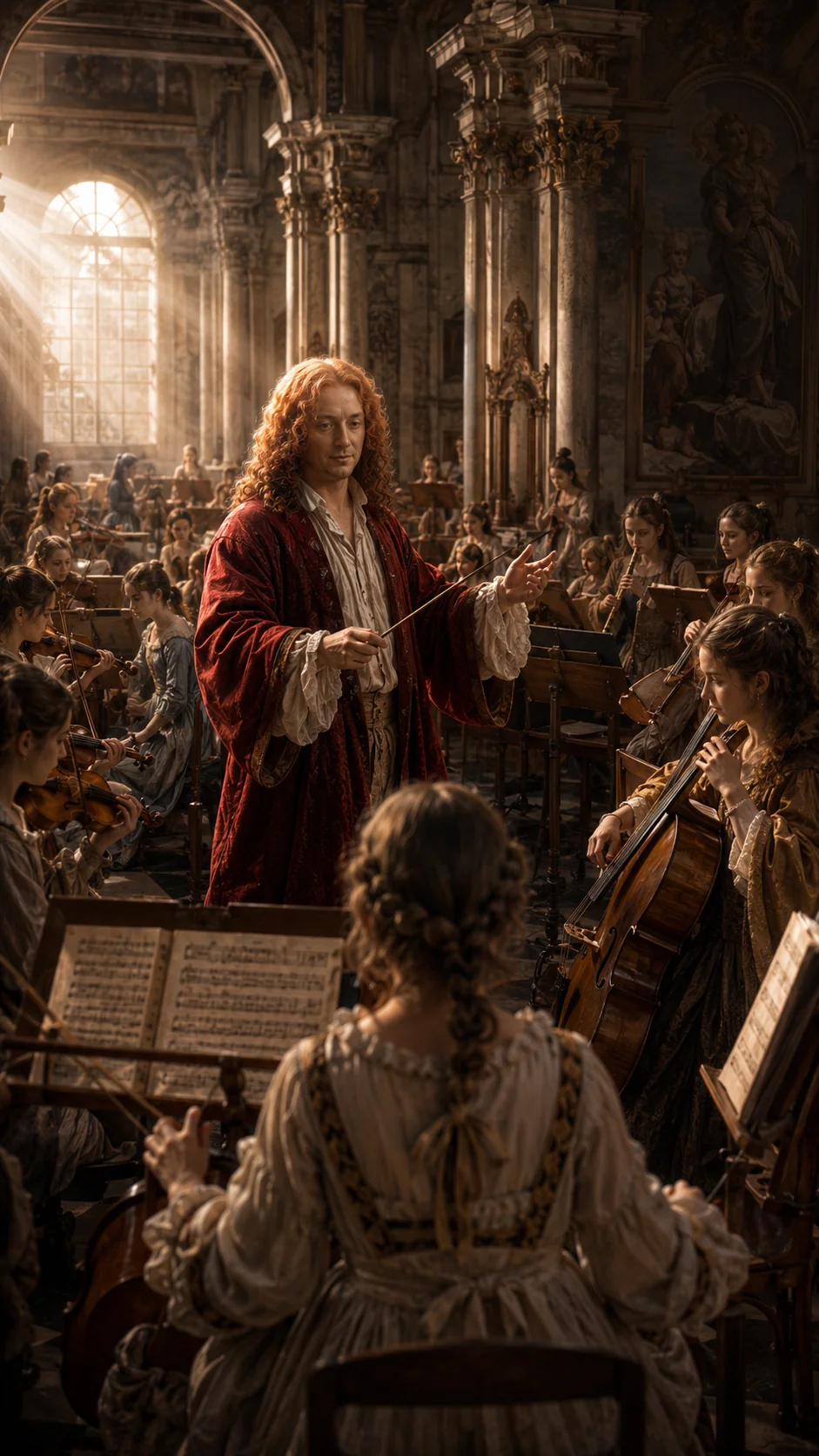
In September 1703, Vivaldi began working as a violin teacher at the Ospedale della Pietà. Despite its name, the institution was not a hospital in the modern sense. It primarily housed girls who had been abandoned, orphaned, or placed in Venetian charitable care.
Some received musical training of an exceptionally high standard. The most accomplished performers remained at the institution into adulthood, taught younger pupils, and played in an orchestra that became famous among European travelers.
The women performed behind screens or in elevated galleries that partially separated them from the audience. Visitors came to hear extraordinary music played by women whose faces, in many cases, they could barely see.
Vivaldi composed numerous concertos and sacred works for these performers. The variety of instruments preserved or documented at the Pietà—violins, cellos, oboes, bassoons, flutes, mandolins, violas d’amore, and other less familiar instruments—provided him with a genuine sonic laboratory (Heller, 1997).
Vivaldi should not be portrayed simply as the man who “taught music to poor orphans” and single-handedly turned them into virtuosos. The Pietà possessed a musical tradition before his arrival, and its adult female musicians were highly trained professionals. Their relationship was more complex and more interesting: Vivaldi wrote for performers capable of carrying his imagination to limits few orchestras could reach.
Music that moved like fire
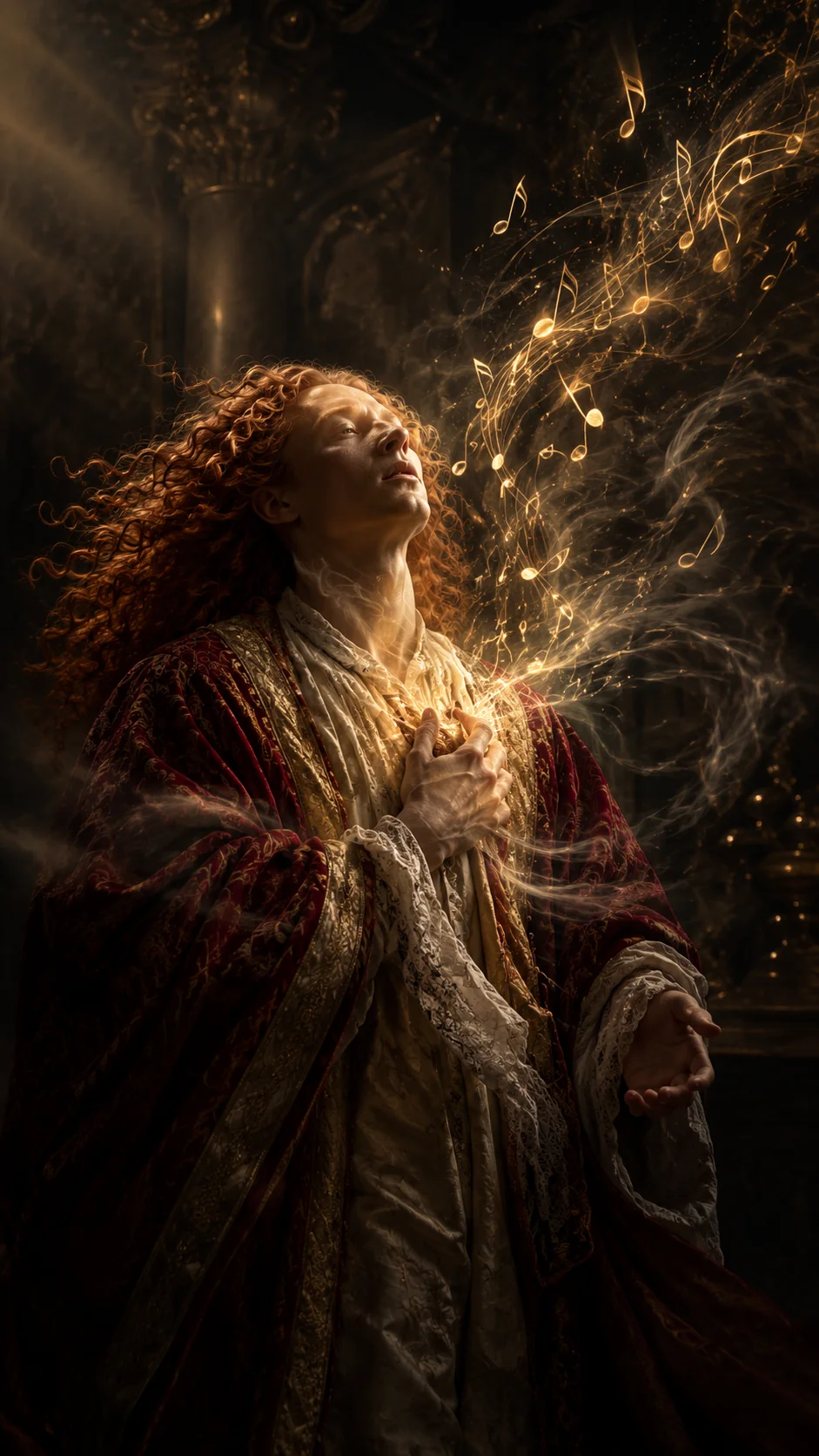
Vivaldi’s style depended on contrast. He alternated passages played by the full ensemble with episodes assigned to the soloist, creating tension, momentum, and an almost constant sensation of movement.
His collection L’estro armonico, published in Amsterdam in 1711, circulated across Europe and profoundly influenced other composers. Johann Sebastian Bach studied and transcribed several of its concertos. This was not casual admiration: by working through the scores, Bach could examine the Venetian composer’s structural clarity, instrumental dialogue, and rhythmic power (Talbot, 2011).
Vivaldi helped establish the form of the solo concerto, although he was not its sole inventor. His importance lay in bringing the form to an extraordinary level of energy and flexibility.
He composed hundreds of concertos for different instruments, as well as sonatas, cantatas, sacred music, and operas. For many years, people repeated the joke that Vivaldi had written “the same concerto five hundred times.” The phrase reduces a far more varied body of work and appears to derive from later criticism rather than a serious assessment of his music.
The seasons were not peaceful music
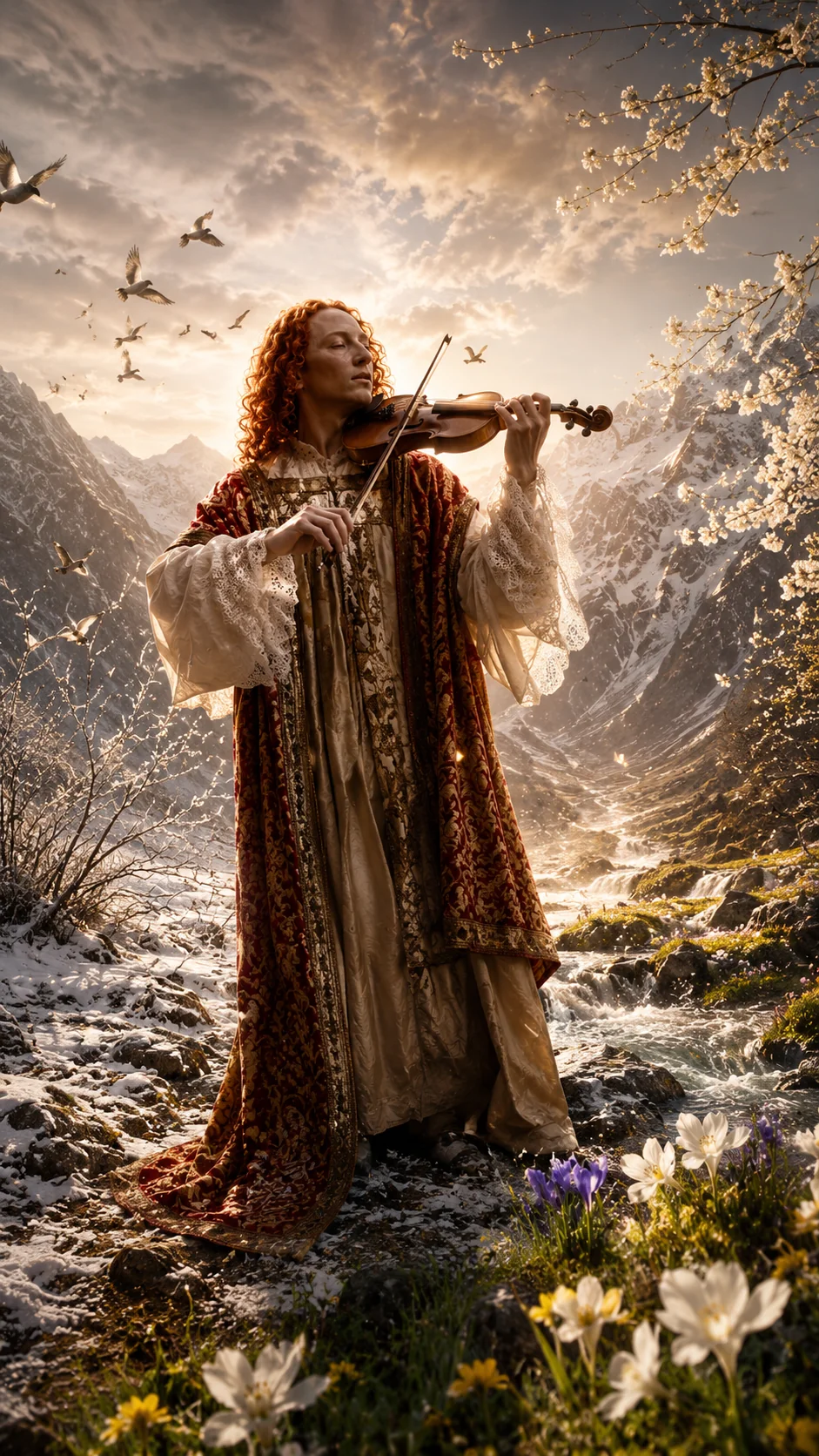
Around 1725, Il cimento dell’armonia e dell’inventione, a collection of twelve concertos, was published in Amsterdam. Its first four works formed Le quattro stagioni: Spring, Summer, Autumn, and Winter.
Today they are often heard as elegant, comforting music. In reality, they contain violence, uncertainty, and danger.
In Summer, the heat paralyzes the landscape before a storm erupts. In Autumn, peasants drink, dance, fall asleep, and later go hunting. In Winter, a person trembles, stamps his feet, runs across the ice, falls, and rises again while the wind cuts through the landscape.
The concertos were associated with four descriptive sonnets. Vivaldi may also have written them, but their authorship has not been definitively established. The scores include directions connecting specific passages to particular scenes: a barking dog, singing birds, buzzing insects, thunder, and teeth chattering in the cold (Everett, 1996).
The Four Seasons, therefore, is not simply a pleasant depiction of the calendar. It is a work about human vulnerability before nature. Vivaldi transformed instruments into characters and turned the concerto into a narrative without a stage. The collection was published in 1725, and its first four concertos marked a decisive moment in the development of program music.
An opera impresario under suspicion
Vivaldi did not live enclosed within a religious institution. He was also a virtuoso violinist, opera composer, and theatrical entrepreneur. He claimed to have written more than ninety operas, although that figure may include unfinished projects or collaborations; far fewer survive.
Venetian opera was a ruthless business. A producer had to hire singers, negotiate with theaters, attract audiences, answer rivals, and assume financial risks. Vivaldi participated directly in that world and traveled to different cities to supervise productions.
The singer Anna Girò was closely associated with him. She performed roles in numerous Vivaldi operas and traveled within his professional circle. Rumors suggested that they were lovers, but Vivaldi denied the accusation, and no conclusive documentation proves a sexual relationship. Anna and her sister Paolina may also have assisted him because of his health problems (Talbot, 2011).
The rumor was especially damaging because Vivaldi remained a priest. To his opponents, a clergyman who produced operas and traveled with a female singer offered an irresistible target.
The cardinal who stopped his opera
In 1737, Vivaldi was preparing to present an opera season in Ferrara when Cardinal Tommaso Ruffo prohibited him from entering the city. The reasons mentioned included his status as a priest who did not celebrate Mass and his professional association with Anna Girò.
Vivaldi answered with a lengthy letter defending his conduct, explaining his illness, and claiming that his reputation was being destroyed. The prohibition had serious financial consequences: he had invested money in the productions and depended on the performances to recover it (Heller, 1997).
The episode reveals a Vivaldi very different from the serene composer whose music now accompanies dinners, hotels, and advertisements. He was an entrepreneur vulnerable to censorship, rumor, debt, and changing tastes.
The journey from which he never returned
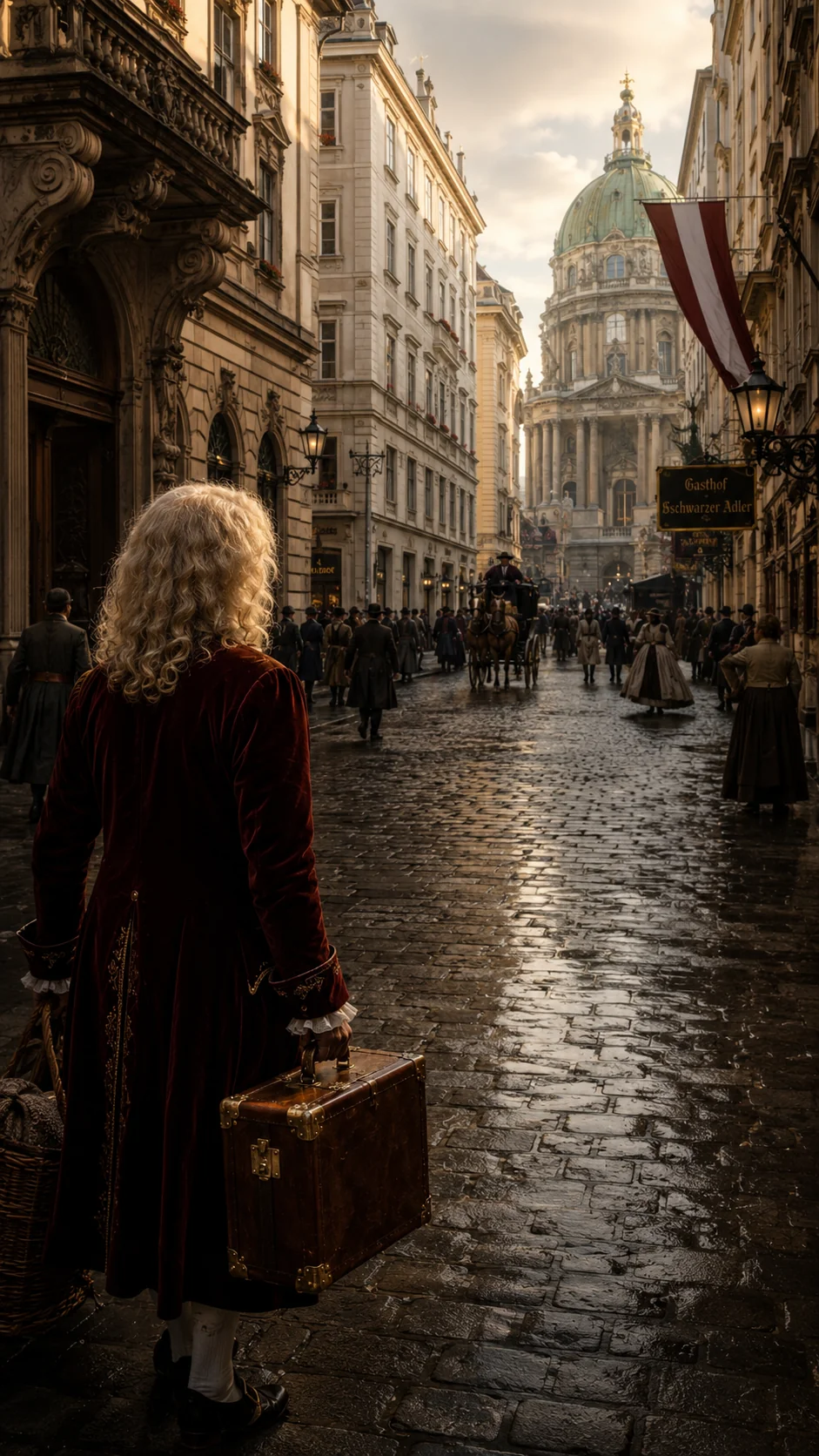
By the end of the 1730s, Vivaldi’s position in Venice had weakened. His music was beginning to seem old-fashioned beside emerging styles. In need of money, he sold groups of manuscripts at reduced prices.
In 1740, he left Venice and traveled to Vienna. He probably hoped to obtain work or protection from Emperor Charles VI, who admired his music and had met him years earlier. Charles VI, however, died in October 1740, shortly after the composer’s arrival. Imperial mourning brought much theatrical activity to a halt, leaving Vivaldi without the support that had probably motivated his journey (Talbot, 2011).
Vivaldi died in Vienna on July 28, 1741, at the age of 63. The register gave the cause as an “internal infection,” a phrase too vague to identify the actual illness.
He received a modest funeral and was buried in the cemetery belonging to the former civil hospital near St. Charles’s Church. The cemetery was later removed during Vienna’s urban redevelopment. Consequently, no identifiable grave containing his remains exists today.
The claim that Vivaldi was buried in a pauper’s mass grave exaggerates the surviving evidence. He did die with limited resources, and his funeral was simple, but the records do not justify turning those facts into a scene of absolute abandonment.
The manuscripts that nearly disappeared
After Vivaldi’s death, his reputation declined rapidly. Some works continued to circulate, and his name survived partly because of his connection with Bach, but an immense portion of his output vanished from the stage.
The little-known event that changed this story occurred in the twentieth century. During the 1920s, an enormous collection of manuscripts surfaced in a Piedmontese monastery. Musicologist Alberto Gentili recognized that it contained numerous unknown Vivaldi compositions and feared that the documents would be sold separately.
To keep the archive intact, funds were secured from two benefactors, Roberto Foà and Filippo Giordano. The collections entered the National University Library of Turin in 1927 and 1930 and were dedicated to the memory of Mauro Foà and Renzo Giordano, the donors’ deceased sons. Hundreds of concertos, operas, and sacred works were reunited there, making the modern revival of the composer possible (Talbot, 2011).
The Vivaldi known by the world today did not survive merely because The Four Seasons remained popular. He survived because a collection of manuscripts nearly dispersed and several people recognized its value before it was too late.
At the edge of the abyss
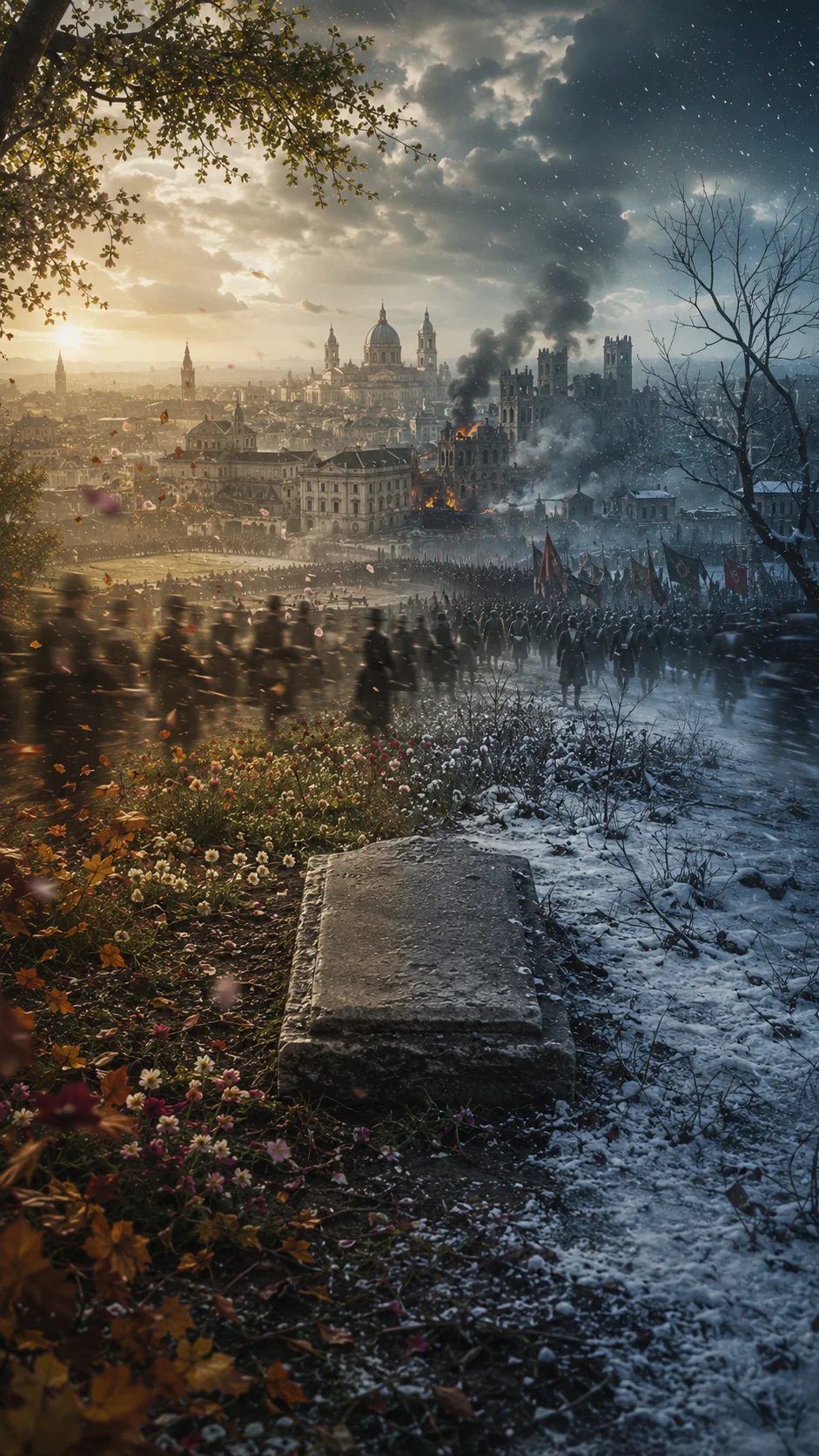
Antonio Vivaldi lived among contrasts. He was a priest who built his career in opera houses. He possessed delicate health but maintained a relentless level of activity. He wrote for young women kept apart from society and helped their performances earn admiration across Europe. He achieved international prestige but died far from his native city without financial security equal to his fame.
His music also exists through contrast: stillness and storm, order and danger, harmony and invention. Beneath its Baroque elegance, something always seems about to break.
Vivaldi did not compose a decorative vision of nature. He composed a world in which birds sing before the thunder, ice can crack beneath a person’s feet, and winter contains fear as well as beauty.
He died in silence, but left behind the written sounds of everything that could not remain still.
References
- Everett, P. (1996). Vivaldi: The Four Seasons and other concertos, Op. 8. Cambridge University Press. View source
- Heller, K. (1997). Antonio Vivaldi: The Red Priest of Venice. Amadeus Press. View source
- Talbot, M. (2011). The Vivaldi compendium. Boydell Press. View source
- Biblioteca Nazionale Universitaria di Torino. (n.d.). Manoscritti vivaldiani: raccolta Foà e raccolta Giordano. View source
More from this collection
Franz Schubert: The Musician Who Composed as Though Time Were Chasing Him
Read story →
Mozart: The Man Who Survived the Child Prodigy
Read story →