In this storyOpen index
Miguel Hernández: The Poet Whose Voice Survived Prison
From Orihuela to Madrid, from love to war and imprisonment: a voice that turned absence into poetry.
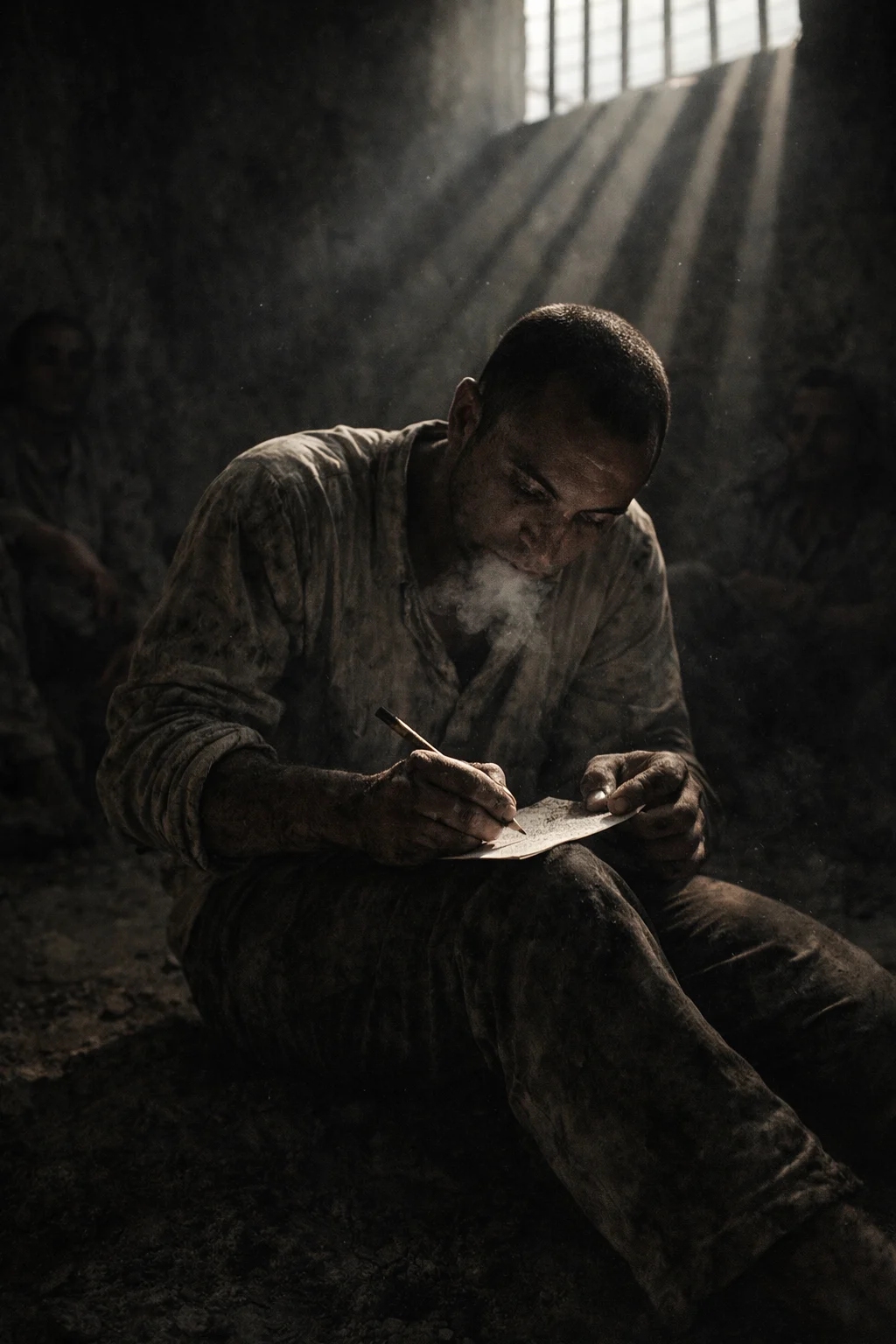
Miguel Hernández was not born among books, but among animals, fields, and mountains. He entered the world in Orihuela, Alicante, on October 30, 1910, in a family involved in raising and trading livestock. For years, he helped tend his father’s goats—an authentic part of his biography that eventually became central to his legend.
Yet describing him only as “the shepherd poet” can be misleading. Behind that picturesque image stood a voracious reader, an intensely disciplined writer, and a young man determined to enter a literary world that seemed reserved for people with greater wealth and education.
Hernández attended school until his father decided that he should devote himself fully to the family business. The end of his formal education did not extinguish his vocation. He read whatever he could obtain and visited Orihuela’s public library. His earliest poems combined the landscape of southeastern Spain, Catholic tradition, the masters of Spain’s Golden Age, and an unexpectedly ambitious command of poetic form (Ferris, 2010).
At the bakery owned by Carlos Fenoll’s family, he found a small circle of young literary enthusiasts. There he became close to José Marín Gutiérrez, who wrote under the name Ramón Sijé. Sijé became his friend and intellectual guide, although their political and philosophical paths gradually diverged.
Miguel Hernández: the voice that survived imprisonment
A life told through poetry, love, and absence
The notebook of Cancionero y romancero de ausencias
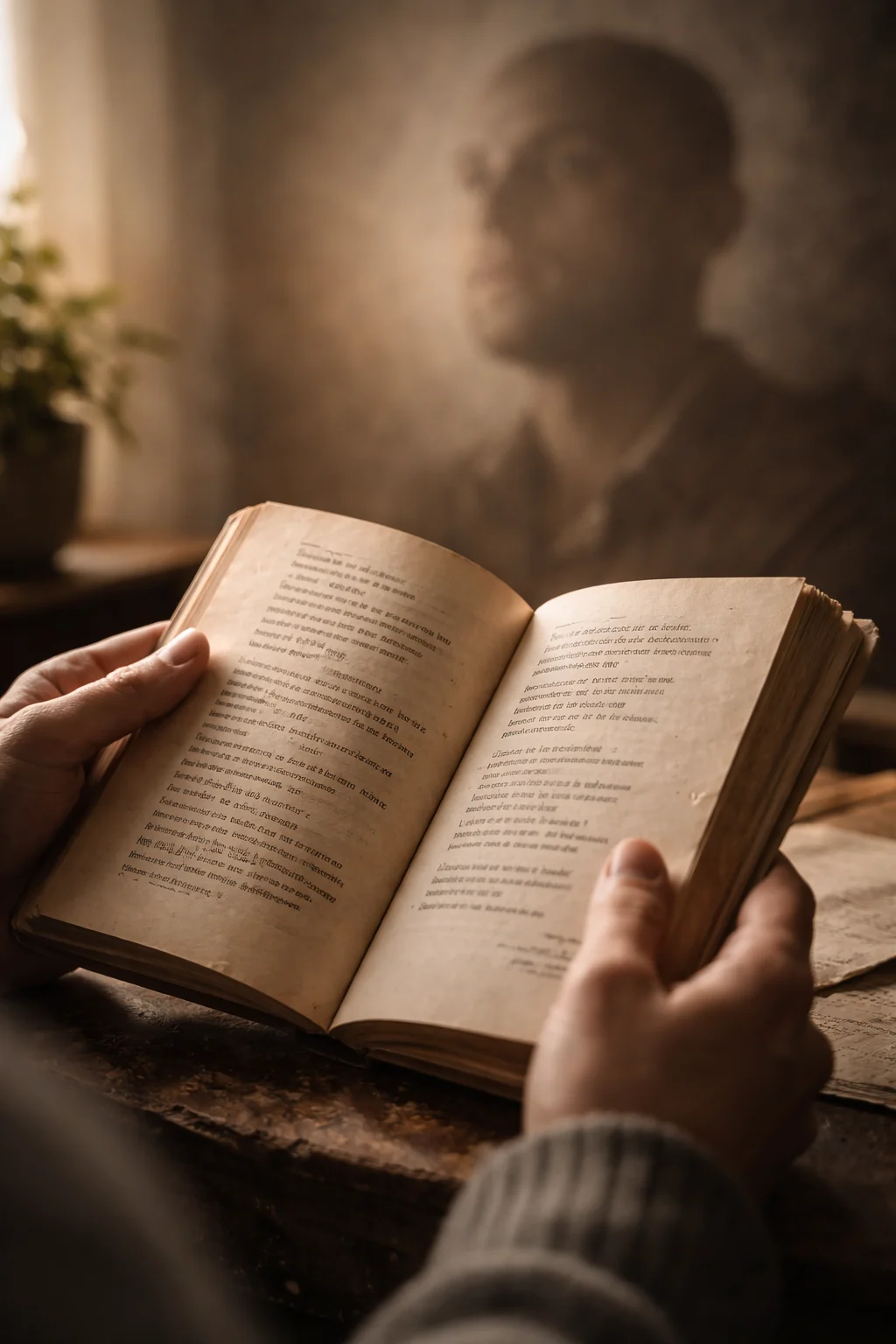
The autograph manuscript notebook reveals poetry shaped by loss and separation. Hernández gave it to Josefina Manresa after his brief release in September 1939. The Biblioteca Virtual Miguel de Cervantes provides a digital facsimile. Follow the link to the document; the image displayed here is a reconstruction and does not reproduce the manuscript.
AI-generated visual reconstruction; not a historical document.
Madrid Was Not the City He Had Imagined
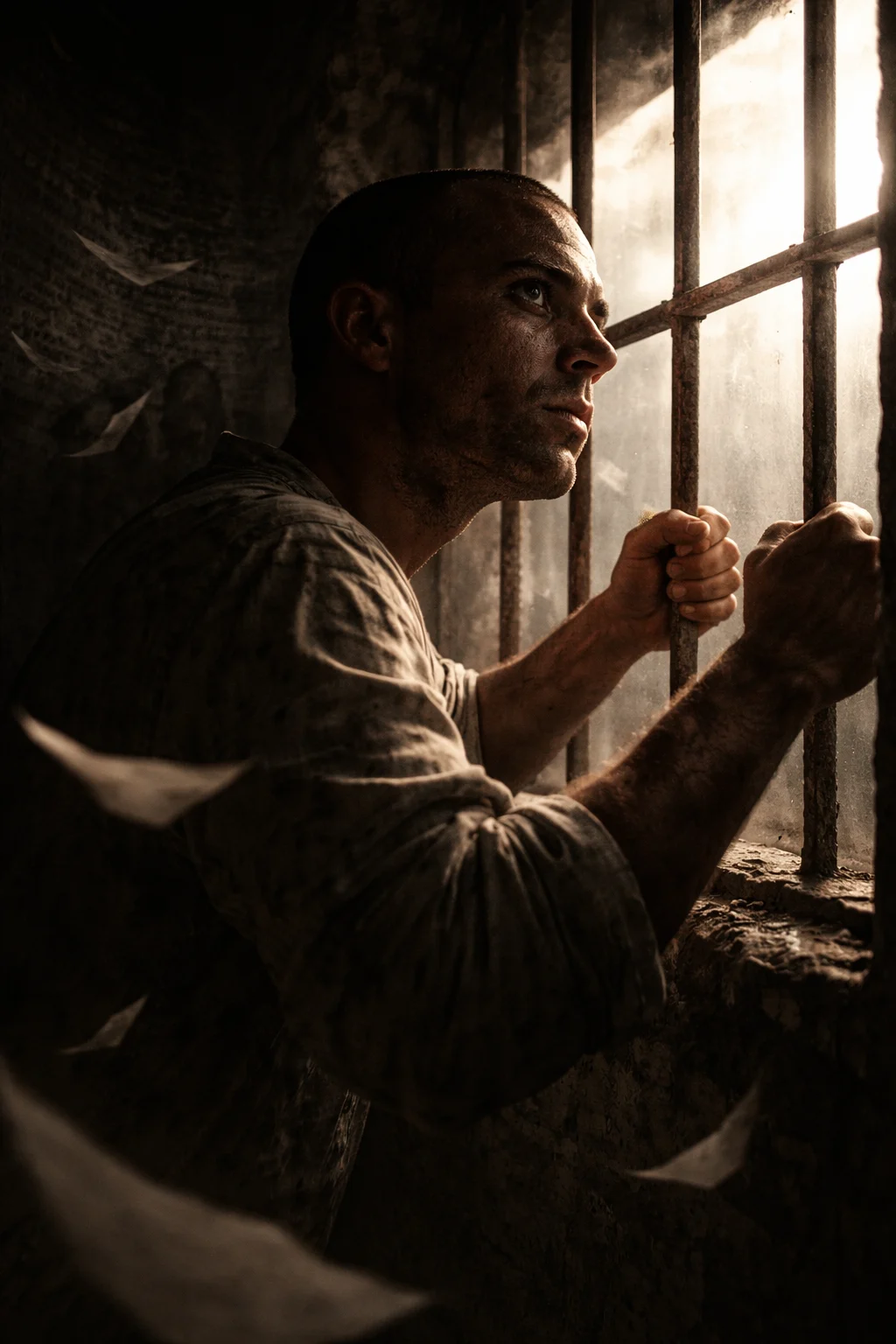
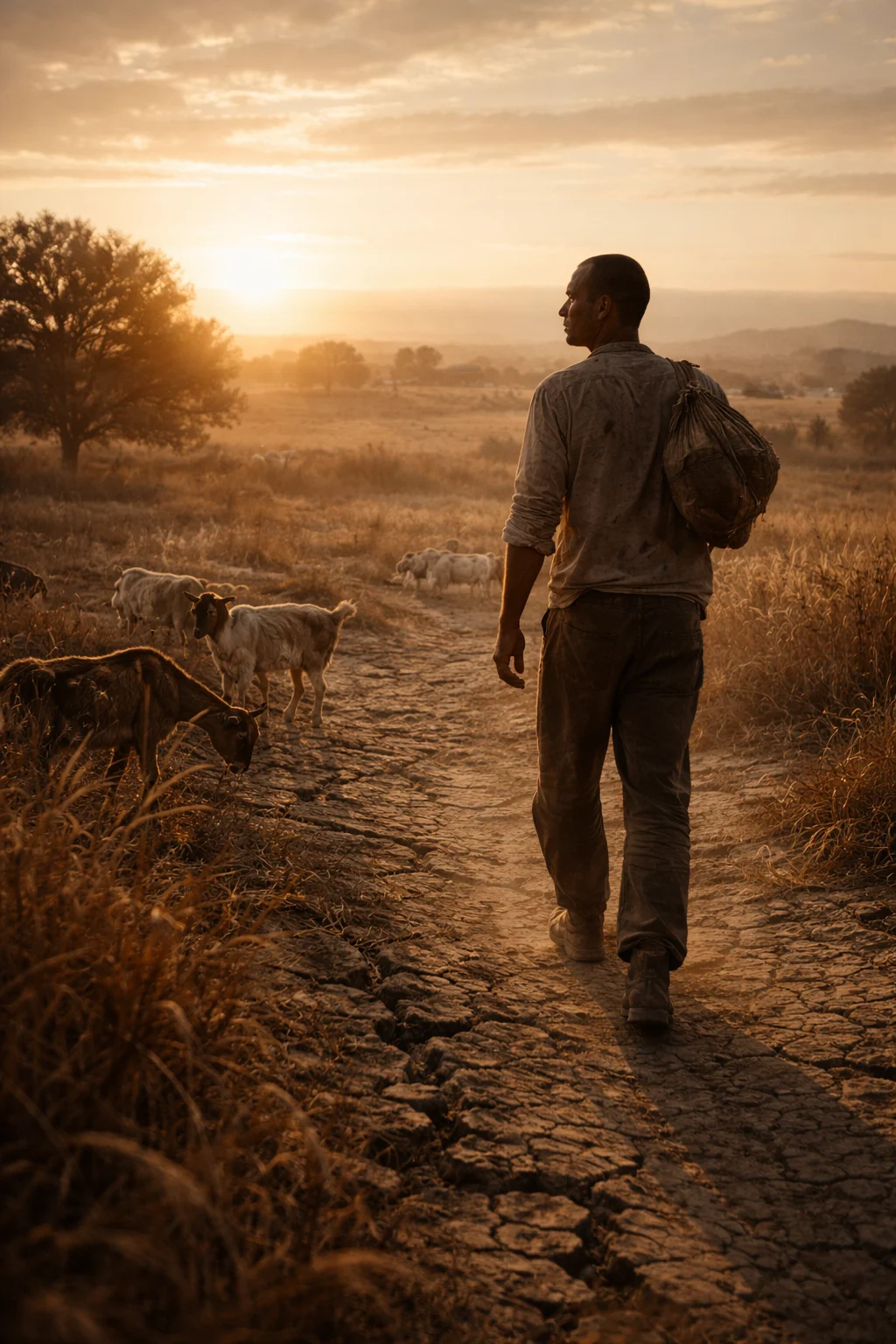
Hernández first traveled to Madrid in 1931, carrying poems and hoping to gain recognition. The experience was bitter. He endured poverty, failed to establish himself, and eventually returned to Orihuela. In a letter, he admitted that Madrid was nothing like the city he had imagined.
The failure did not defeat him. He continued writing, and in 1933 he published Perito en lunas, a collection of highly elaborate poems influenced by the seventeenth-century poet Luis de Góngora. Its complexity contradicts the idea that Hernández wrote by instinct alone. He studied language, revised carefully, and mastered demanding metrical structures (Sánchez Vidal, 1992).
When he returned to Madrid in 1934, he entered new literary circles and met Pablo Neruda. In 1935, he became friends with Vicente Aleixandre and began working with José María de Cossío on the encyclopedia Los toros. Contact with Madrid’s literary and political circles transformed him. His work gradually moved away from the conservative Catholic culture of his youth and toward revolutionary and socially committed ideas.
This evolution increased the distance between Hernández and Ramón Sijé. Nevertheless, when Sijé died suddenly in December 1935, Hernández wrote one of the most moving elegies in Spanish literature. Included in El rayo que no cesa, the “Elegy” was more than an expression of mourning. It also carried the remorse of a man who had left important words unspoken.
For Hernández, personal wounds almost inevitably became poetry.
Love as Desire and Wound
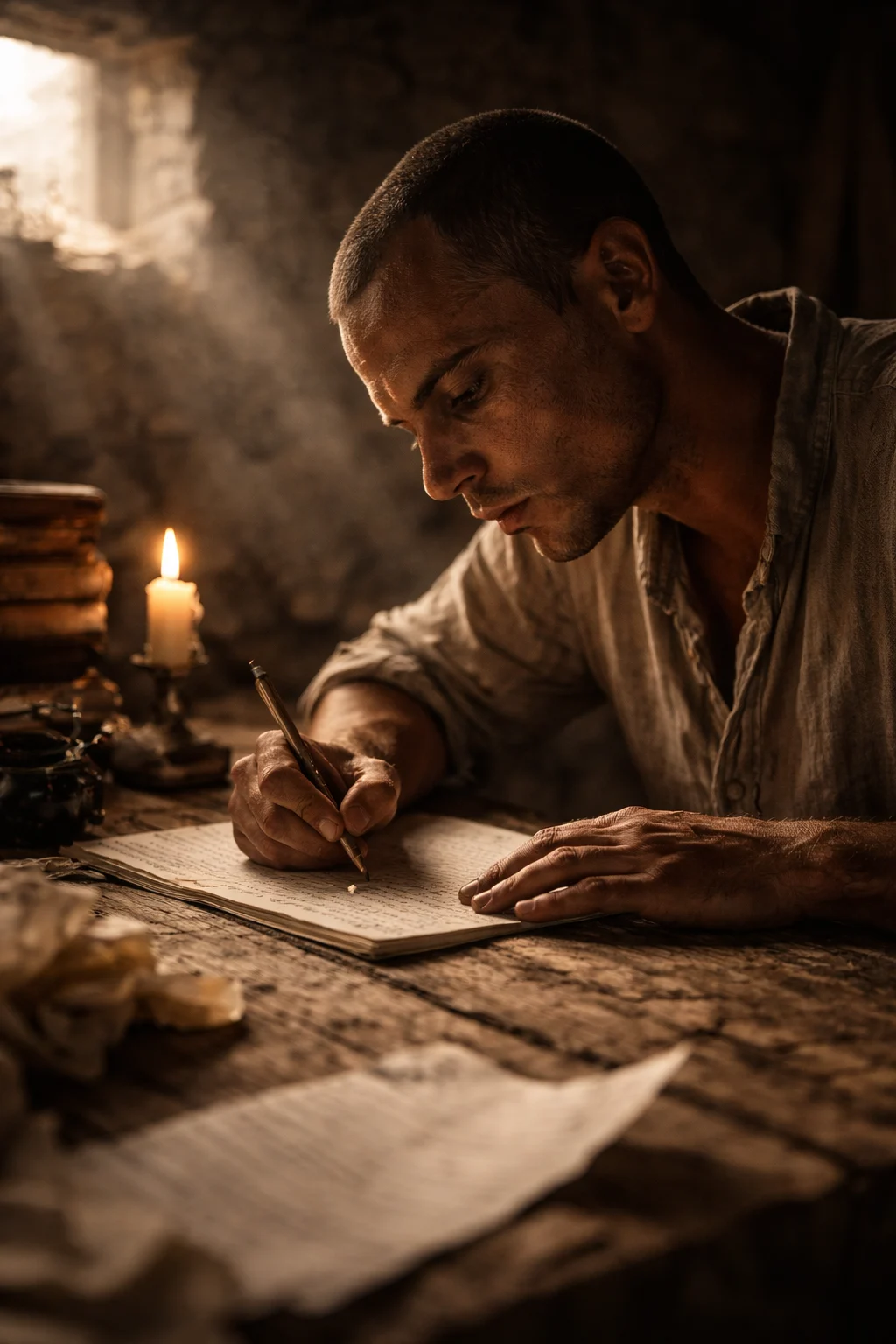
Josefina Manresa occupied a central place in his life. Hernández met her in Orihuela, and their relationship unfolded through separations, disagreements, war, and a vast exchange of letters. Much of the emotional tension in El rayo que no cesa, published in 1936, grew from that courtship, although his emotional life was more complicated than early official biographies acknowledged (Ferris, 2010).
Hernández represented love as a force that promised fulfillment while simultaneously causing pain. Knives, bulls, lightning, and blood recur throughout his poetry as different embodiments of the same fatal wound. He did not need to invent a tragic speaker. His own contradictions provided one.
He and Josefina were married in a civil ceremony in March 1937. Their first son, Manuel Ramón, was born later that year and died in 1938, before reaching his first birthday. Their second child, Manuel Miguel, was born in January 1939. Fatherhood, grief, and separation would profoundly alter Hernández’s writing.
A Poet at War
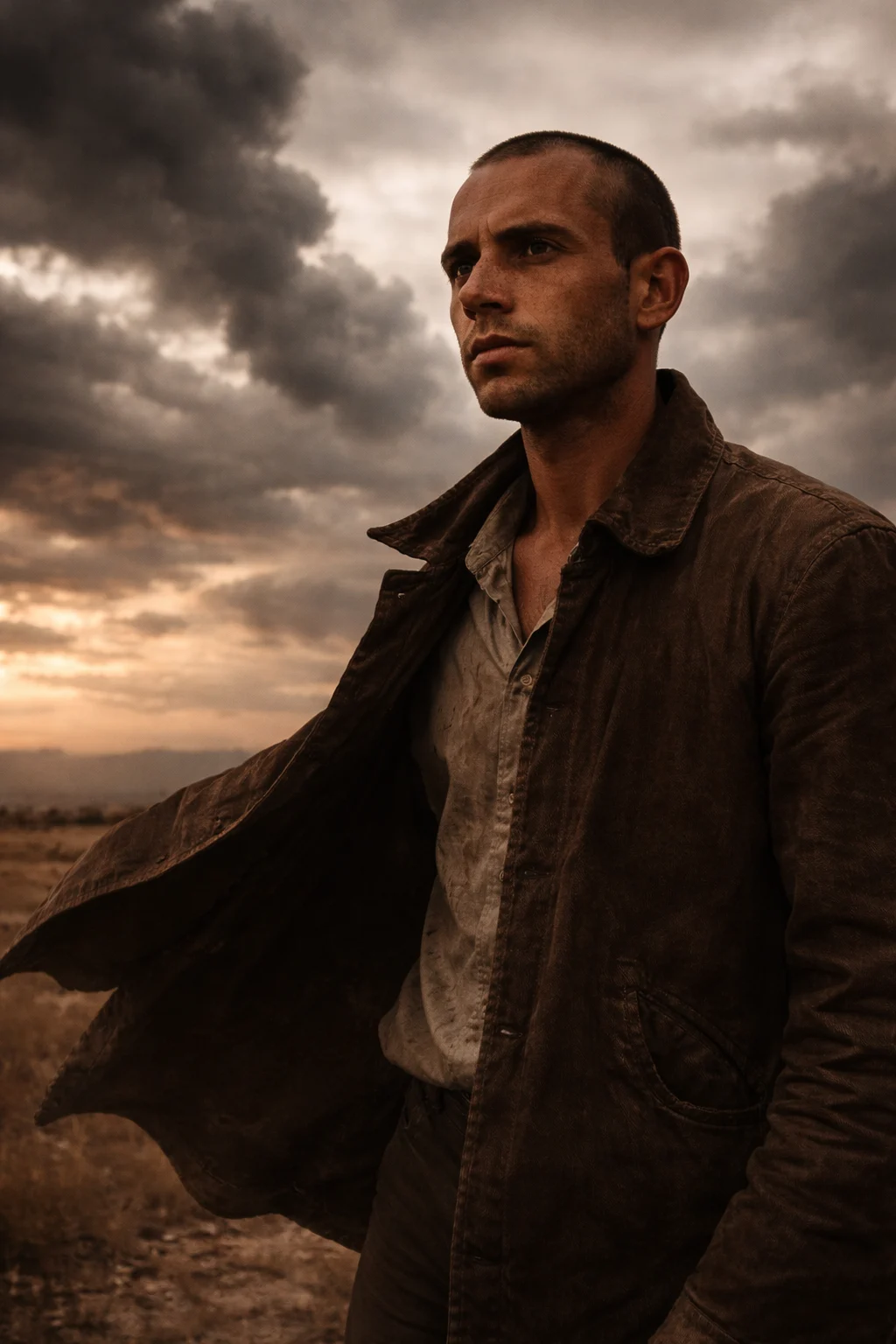
When the Spanish Civil War began, Hernández joined the Republican forces. He took part in military and cultural activities, traveled to several fronts, and recited poetry to soldiers. In Viento del pueblo (1937), his voice became collective: he wrote about farm laborers, workers, and those fighting fascism.
He was not a protected observer of violence. He witnessed its consequences and treated poetry as a form of political intervention. Yet his initial enthusiasm darkened as the conflict continued. In El hombre acecha, written mainly between 1937 and 1938, war no longer appears solely as heroic struggle. It becomes a machine capable of degrading human beings.
One of the lesser-known episodes in Hernández’s career concerns this book. El hombre acecha was nearly ready for distribution in Valencia when the war ended. Franco’s new authorities destroyed the edition, but two unbound copies survived. Those copies later made it possible to reconstruct and publish the complete collection (Luis & Urrutia, 1981; Sánchez Vidal, 1992).
The survival of an essential work of Spanish poetry therefore depended on two fragile gatherings of printed paper.
A Freedom That Lasted Too Briefly
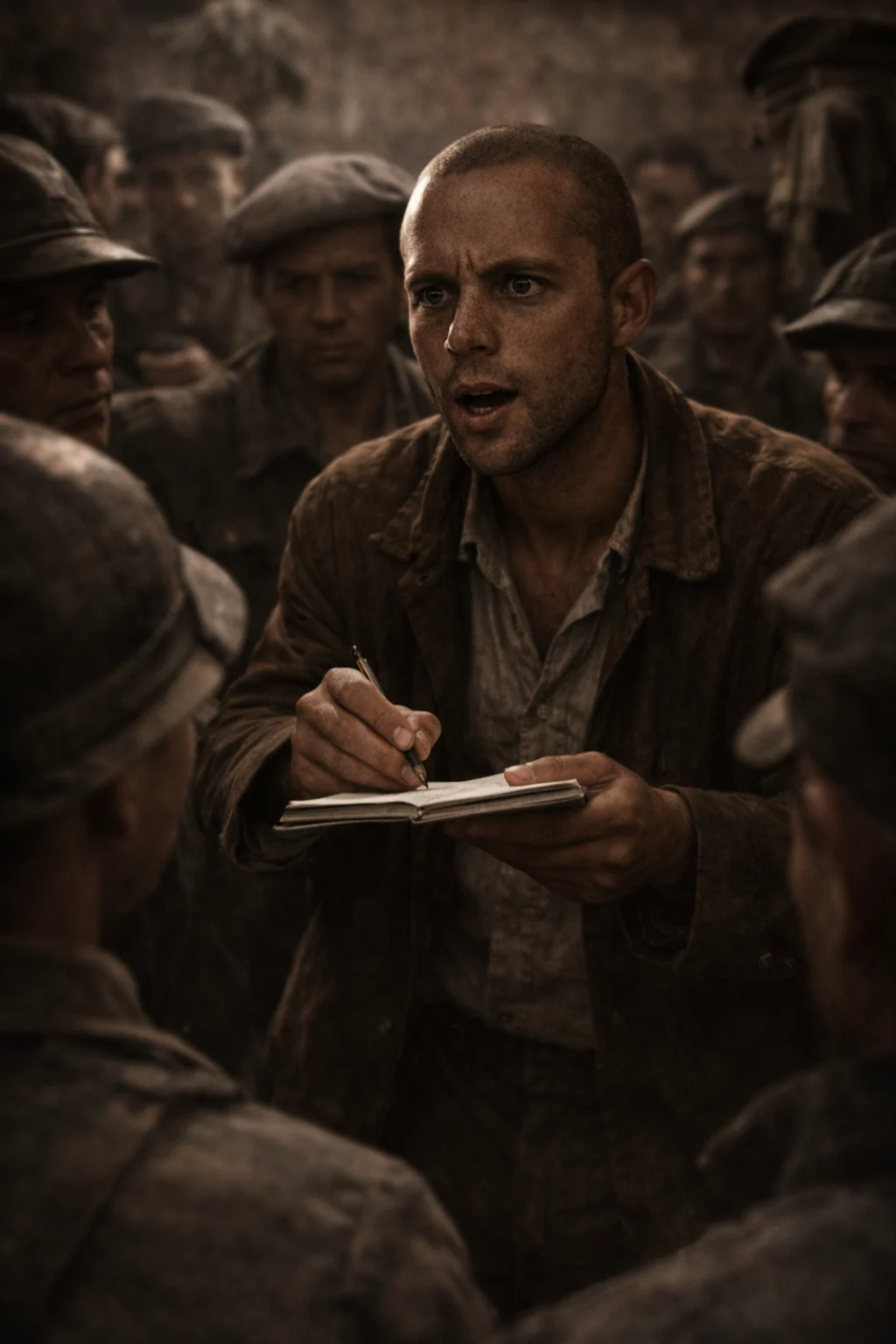
Following the Republican defeat, Hernández attempted to cross into Portugal in the spring of 1939. Portuguese authorities arrested him and returned him to Spain. This began a journey through detention centers and prisons.
He was unexpectedly released in September 1939, probably because of administrative irregularities and interventions made on his behalf. Instead of seeking a safer refuge, he returned to Orihuela, where he was recognized and arrested again.
The decision is often described as reckless, but it also reveals something fundamental about Hernández. He could never entirely detach himself from his family, his landscape, or the life from which his poetry had grown.
A military court sentenced him to death on January 18, 1940. Several months later, the sentence was commuted to thirty years in prison. Various people from different political and social backgrounds intervened for him, so attributing the commutation to a single influential protector oversimplifies a more complicated process (Martín, 2010).
The sentence was no longer officially called death, but the prison conditions ultimately produced a similar result.
The Story Behind “Lullabies of the Onion”
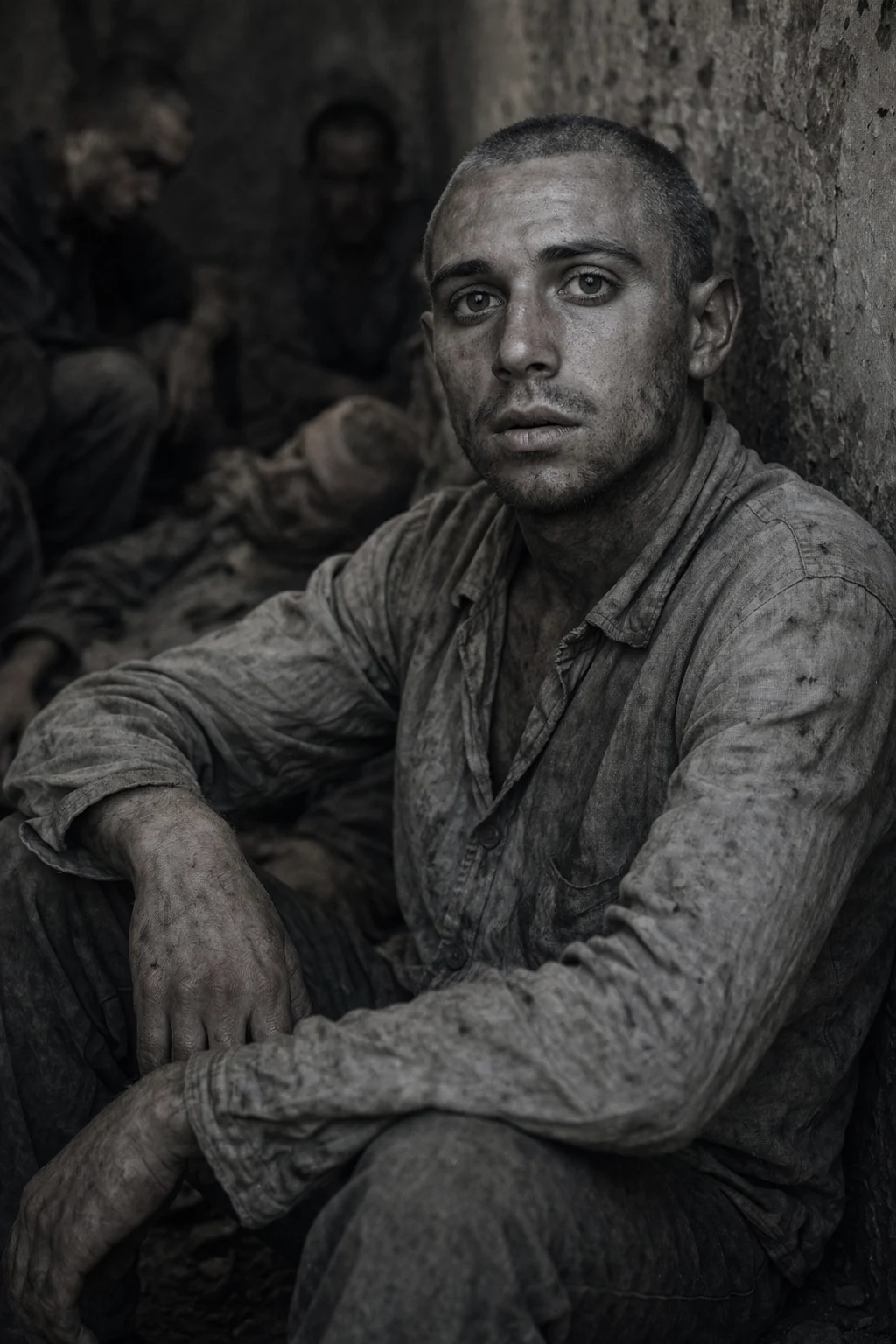
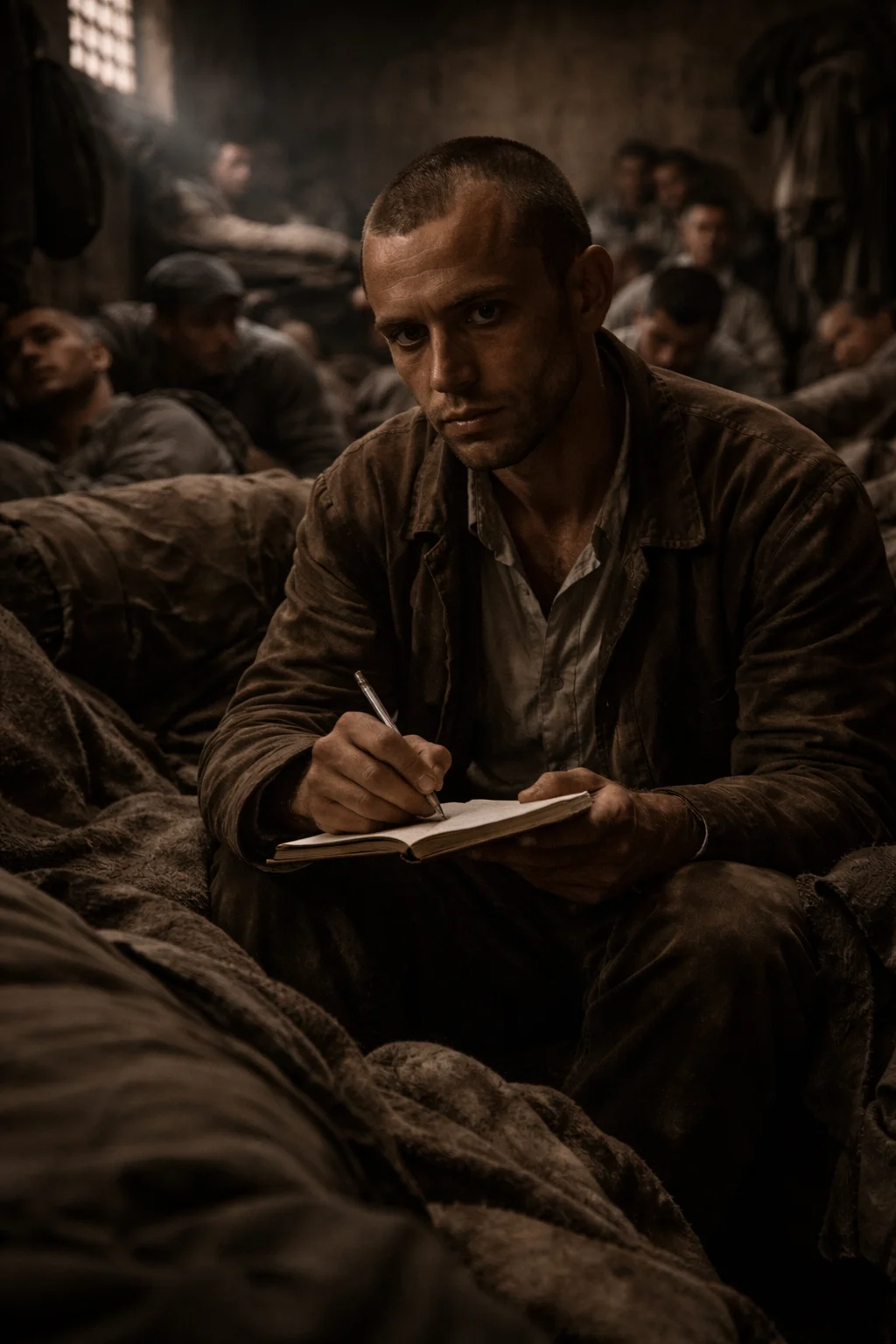
While Hernández was imprisoned in Madrid, Josefina wrote that she was surviving mainly on bread and onions while nursing their infant son. Hernández answered with the poem later known as “Nanas de la cebolla”—“Lullabies of the Onion.”
It was not merely a poem about hunger. It was a captive father’s attempt to protect his son’s capacity for joy when he could provide neither food nor companionship.
The poem’s origin is documented in Hernández’s correspondence and in scholarship devoted to his work. Josefina’s letter provided the immediate inspiration. In the poem, the onion becomes an image of deprivation, while the baby’s laughter defies the darkness surrounding the family (Hernández, 1992; Biblioteca Virtual Miguel de Cervantes, 2023).
It is frequently claimed that Hernández wrote all his prison poetry on toilet paper. Writing materials were certainly scarce, and some of his surviving notes were composed on precarious scraps. Turning that fact into a general explanation for his prison writing, however, creates a romantic legend that the evidence cannot fully support.
His poems were not merely desperate improvisations. They reveal revision, literary memory, and remarkable formal control.
Cancionero y romancero de ausencias began before his imprisonment, in 1938, after the death of his first son. Hernández continued writing and revising it during the war and in prison; the collection should therefore not be described as having originated entirely behind bars. His language became increasingly stripped down. Many decorative elements disappeared, leaving a handful of essential realities: his wife, his child, hunger, absence, freedom, and death. As his physical world grew smaller, his poetry became more universal.
An Avoidable Death
Hernández was transferred through several prisons before arriving at Alicante’s Adult Reformatory in 1941. His health deteriorated severely there. He suffered from several illnesses and eventually developed pulmonary tuberculosis, worsened by inadequate treatment and the conditions of his confinement.
He died on March 28, 1942. He was thirty-one years old.
His death later became surrounded by symbolic stories, including the famous account that no one could close his eyes after he died. Whatever the literal truth of that image, the documented reality is terrible enough: a young writer died sick and imprisoned after being condemned for his loyalty to the Spanish Republic.
Hernández is frequently associated with the Generation of 1927, although he was younger than its central figures and is also connected with the Generation of 1936. Neither label contains him completely. His work moved from Góngora-inspired complexity to erotic and emotional poetry, from revolutionary epic to an intimate language reduced almost to bare bone.
He belongs among the writers who could not escape themselves because nearly everything he experienced entered his poetry. The boy removed from school learned to write with a classical poet’s precision. The lover transformed longing into an open wound. The soldier discovered that war could destroy the very people it promised to liberate. The imprisoned father turned an onion into a lullaby of resistance.
The dictatorship could ban his work, imprison his body, and allow him to die. It could not separate his voice from the memory of those who continued to read him.
References
- Biblioteca Virtual Miguel de Cervantes. (2023). Cancionero y romancero de ausencias: Reproducción facsímil del cuaderno manuscrito autógrafo. View source
- Ferris, J. L. (2010). Miguel Hernández: Pasiones, cárcel y muerte de un poeta. Temas de Hoy. View source
- Hernández, M. (1981). El hombre acecha (L. de Luis & J. Urrutia, Eds.; facsimile edition). Diputación Provincial de Santander / Ediciones de la Casona de Tudanca. View source
- Hernández, M. (1992). Obra completa (A. Sánchez Vidal & J. C. Rovira, Eds., with the collaboration of C. Alemany). Espasa-Calpe. View source
- Instituto Cervantes. (n.d.). Miguel Hernández: Cronología 1910–1942. Centro Virtual Cervantes. View source
- Luis, L. de, & Urrutia, J. (1981). Introducción a El hombre acecha de Miguel Hernández. Ediciones de la Casona de Tudanca. Digital reproduction in Biblioteca Virtual Miguel de Cervantes (2022). View source
- Martín, E. (2010). El oficio de poeta: Miguel Hernández. Aguilar. View source
- Sánchez Vidal, A. (1992). Miguel Hernández, desamordazado y regresado. Planeta. View source
More from this collection
Sylvia Plath: The Poet Who Lived Beneath a Bell Jar and Hid Spring Inside Her Final Poems
Read story →
Federico García Lorca: The Poet Whose Murder Was Recorded in a Secret Report
Read story →