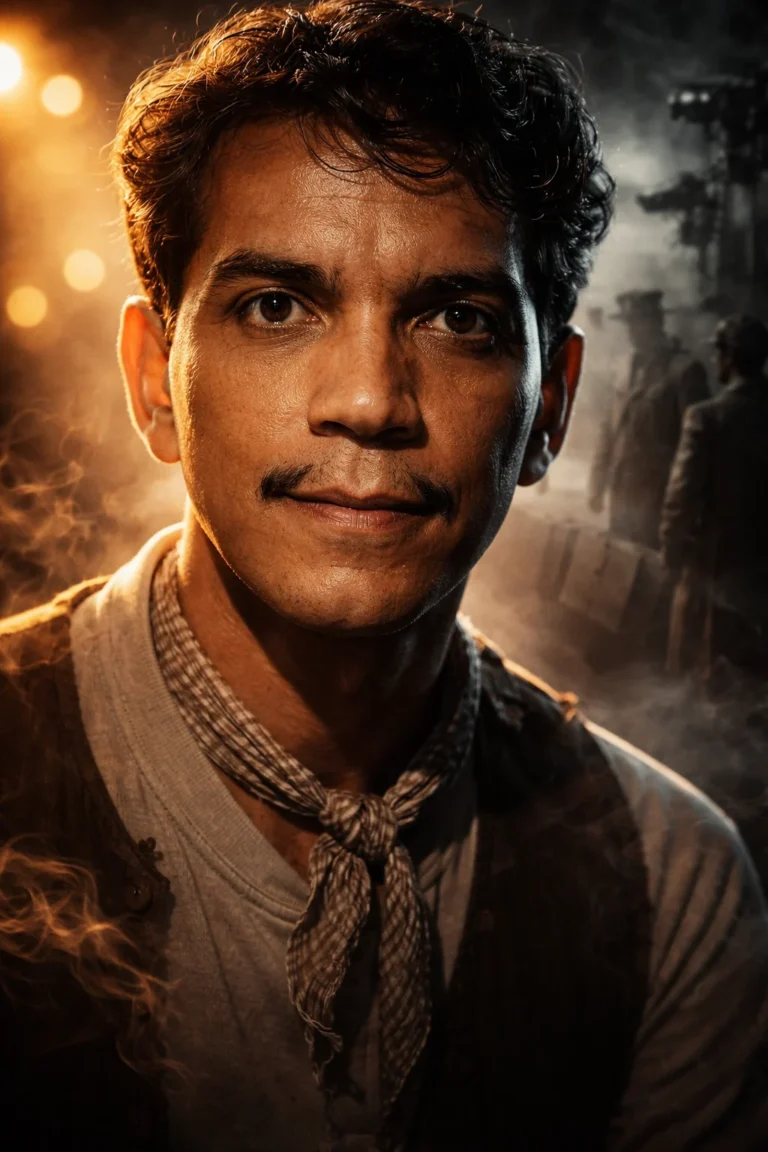
In this storyOpen index
Totò: The Prince of Laughter Who Kept Acting When He Could Barely See
Poverty, humiliation, and severely impaired sight shaped the actor who turned his body into one of European cinema’s greatest masks.
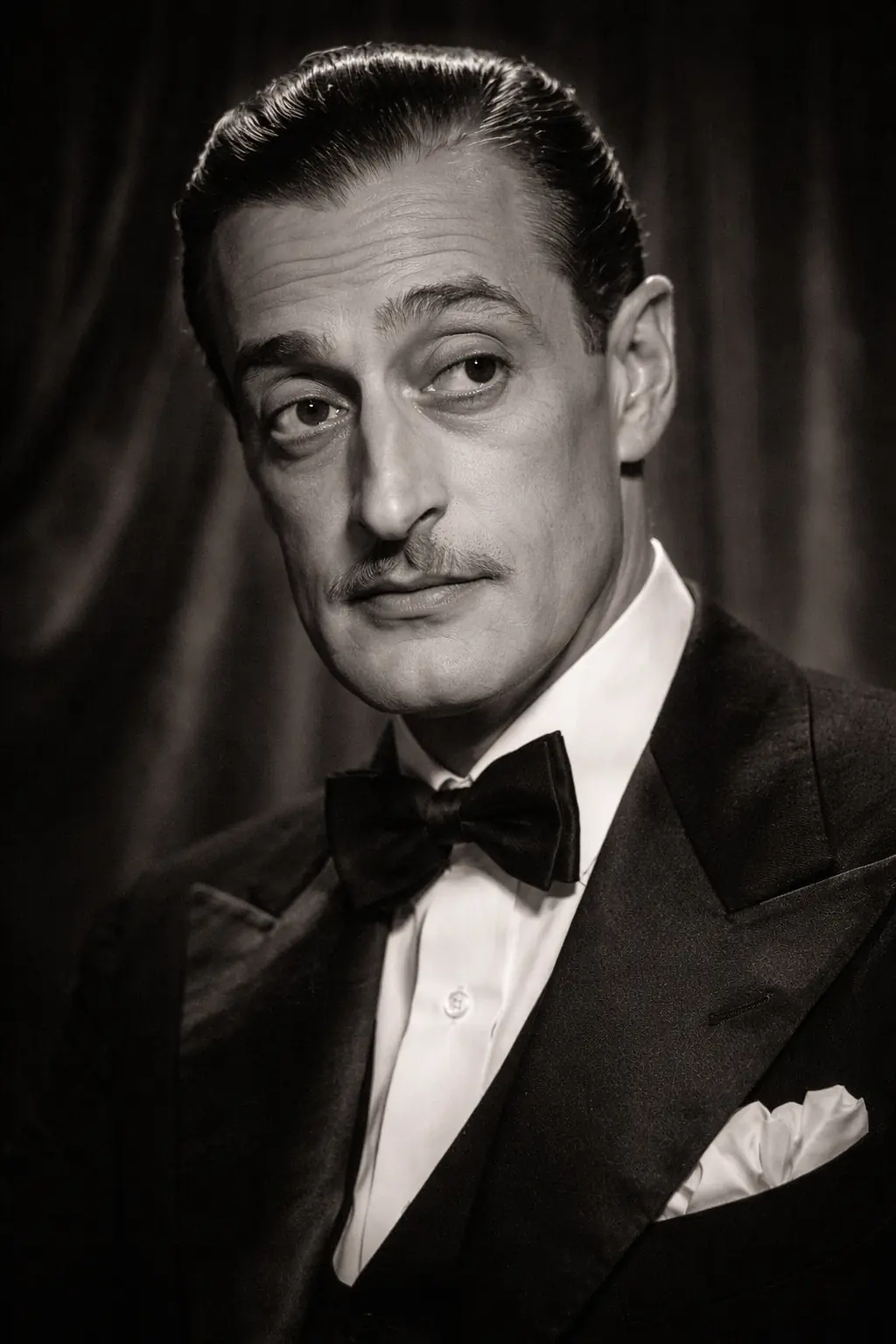
Before becoming one of the most recognizable faces in Italian cinema, he was a child without his father’s surname in one of Naples’s poorest neighborhoods. He later proclaimed himself a prince, transformed his body into a human marionette, and starred in dozens of films that critics dismissed while audiences filled the theaters.
Totò seemed born to produce laughter. Behind his impossible movements, distorted words, and elastic face, however, stood an actor obsessed with escaping humiliation, poverty, and anonymity.
His comedy did not emerge from comfort. It arose from watching how power treated those beneath it.
Totò on video
Discover this story on our YouTube channel.
A life told through places and decisive moments
Enter the archive
The Dizionario Biografico degli Italiani preserves Antonio De Curtis’s historical record, from his Neapolitan childhood to the creation of Totò’s screen mask.
- Collection
- Dizionario Biografico degli Italiani · Vol. 33
- Institution
- Istituto della Enciclopedia Italiana
Institutional record from Treccani.
The Boy Who Lacked a Father’s Name
Antonio Vincenzo Stefano Clemente was born on February 15, 1898, in the Rione Sanità, a densely populated Neapolitan neighborhood marked by poverty and social inequality. His mother, Anna Clemente, initially raised him alone. His father, Giuseppe De Curtis, who belonged to a family of noble ancestry, did not legally recognize him during his childhood (Faldini & Fofi, 2004; Fofi, 1987).
That absence left a profound mark. The boy grew up as Antonio Clemente and endured ridicule connected with his status as an illegitimate child. Years later, after becoming a performer, he would pursue family recognition and the noble titles denied to him at birth with almost obsessive determination.
School failed to hold his interest. He preferred the streets, small theaters, and the observation of the figures moving through Naples: vendors, beggars, officials, ruined aristocrats, and men who survived through a mixture of cunning and performance. That world would become the raw material of his comedy.
He began appearing in modest venues while still young. He used several stage names before settling on Totò, a diminutive of Antonio that sounded intimate, childlike, and unmistakably Neapolitan. He learned by working before difficult audiences who could interrupt or reject any performer unable to win them over quickly (Giacovelli, 2009).
Before a camera ever recorded his gestures, Totò had already built his art in direct contact with spectators who could answer back.
A Body That Broke the Rules
Totò did not depend solely on dialogue. His body seemed to lack normal joints: he could shift his jaw, stiffen his neck, walk like a mechanical creature, and pass from dignity to misery with a single movement. He described himself as a marionette, and this physical quality drew upon popular theater, commedia dell’arte, music-hall performance, and the itinerant Neapolitan comedians known as guitti (Anile, 2010).
An injury sustained in his youth contributed to the unusual asymmetry of his face. Rather than concealing it, Totò incorporated it into his artistic mask. Within seconds, his face could appear elegant, hungry, arrogant, or terrified.
His humor also dismantled language. He altered words, invented expressions, and carried sentences into absurdity. He was not simply speaking incorrectly; he was using language as a battlefield. In his hands, the official Italian of soldiers, judges, physicians, and bureaucrats disintegrated before the desperate logic of the ordinary man.
Totò almost always portrayed someone who wanted food, needed a home, hoped to escape an order, or pretended to occupy a social position he did not possess. Hunger was a constant presence in his comedy, but it was rarely treated sentimentally. It was a physical force capable of overturning society’s rules.
From the Stage to a Cinema That Did Not Yet Know How to Film Him
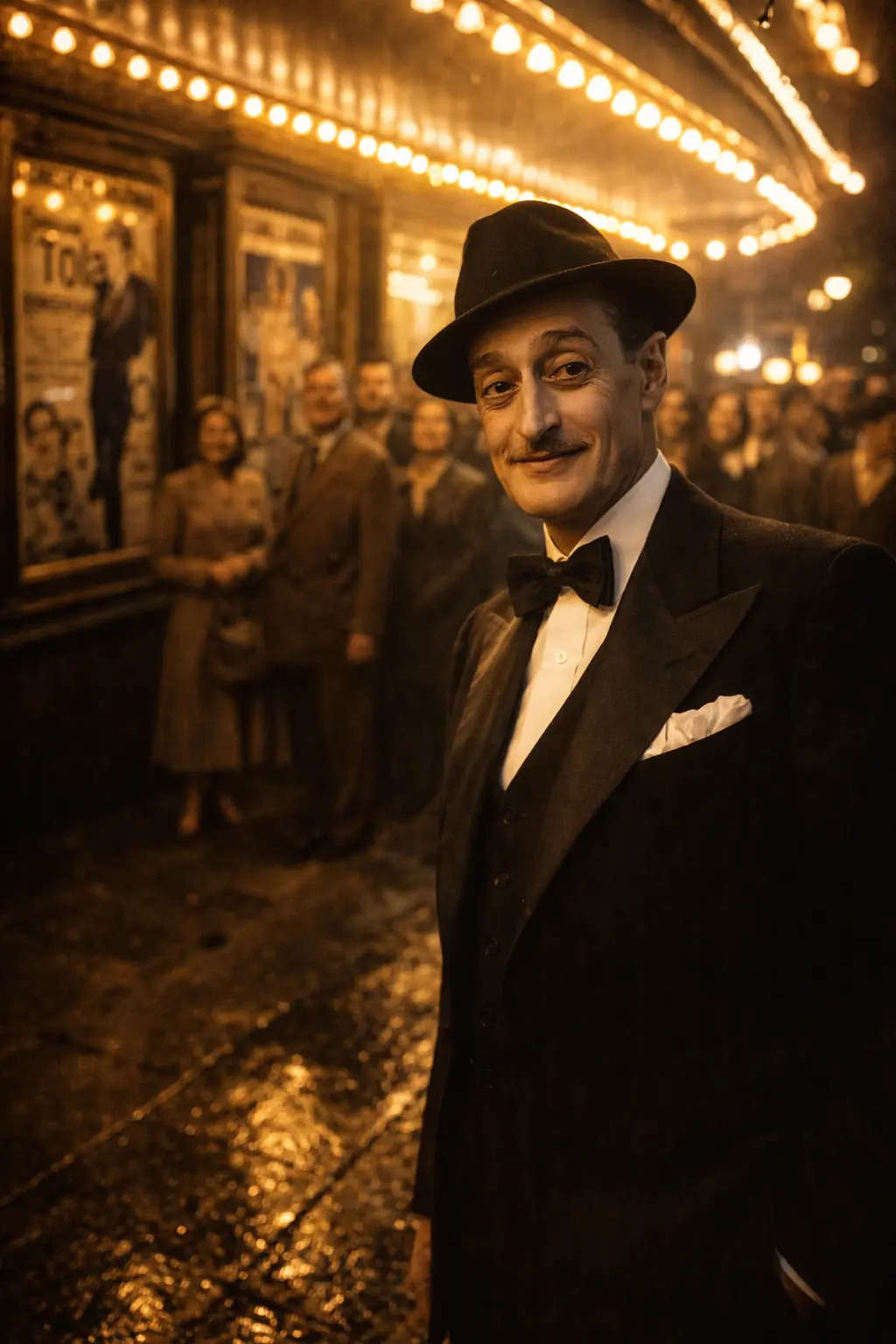
When Totò made his screen debut in Fermo con le mani! in 1937, he was already an experienced and popular variety performer. Cinema, however, took time to understand him. His early films attempted to transfer successful theatrical routines to the screen without always finding a suitable cinematic form for his energy (Anile, 2010).
His true expansion came after the Second World War. Italy was emerging from Fascism and confronting ruined cities, unemployment, housing shortages, and profound inequality. While neorealism depicted those problems through dramatic stories, Totò’s films transformed them into comedy.
In Totò cerca casa (1949), the struggle to find housing becomes a succession of absurd situations. In Guardie e ladri (1951), directed by Mario Monicelli and Steno, a pursuit involving a thief and a policeman reveals that both men are trapped by similar family needs. The film helped some critics recognize that behind the mask stood an actor capable of communicating tenderness and defeat without abandoning laughter (Gundle, 2013).
Totò worked at extraordinary speed. Budgets were frequently limited, and scripts could change during production. His ability to improvise rescued scenes and created moments that had never been written. This spontaneity contributed to his popularity but also reinforced the prejudice of those who regarded his films as minor commercial products.
For years, millions of Italians loved him before critics were willing to take him seriously.
The Prince Created by a Fatherless Man
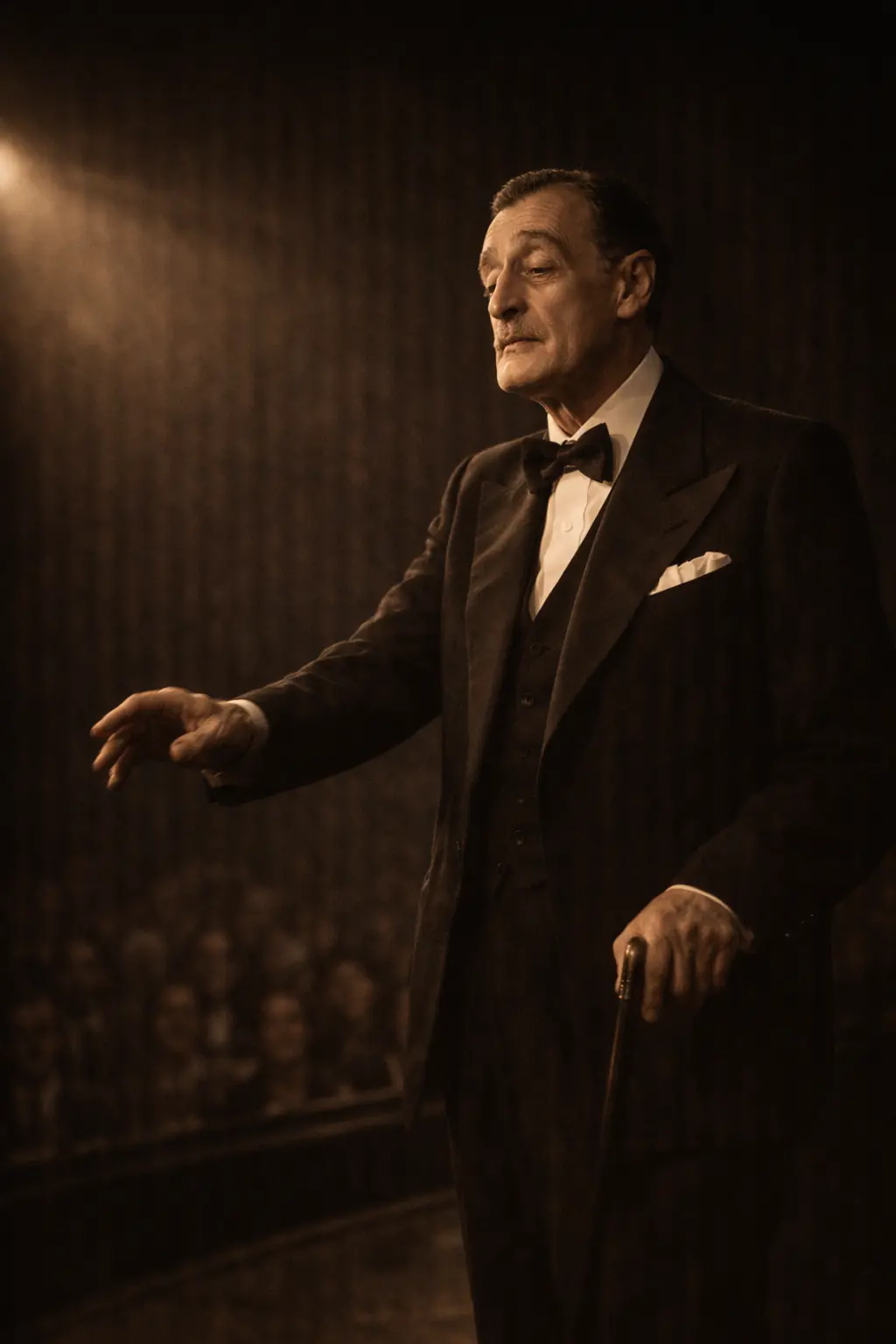
Totò’s obsession with nobility can seem like one of his greatest jokes, but it held a painfully personal meaning for him. In 1933, he was legally adopted by Marquis Francesco Maria Gagliardi Focas, an elderly man from a noble family. His biological father subsequently recognized him as well (Faldini & Fofi, 2004).
Through legal and genealogical proceedings, the actor accumulated an extensive sequence of names and titles. He presented himself as Antonio Griffo Focas Flavio Angelo Ducas Comneno De Curtis di Bisanzio and claimed, among other dignities, the rank of prince.
The historical legitimacy of such a genealogy has been questioned, and the Italian Republic ceased officially recognizing noble titles after 1948. Yet reducing the episode to mere eccentricity conceals its deeper meaning. The child who had been denied a surname attempted to reconstruct himself as the descendant of emperors.
The paradox defined his entire artistic life: the man who wanted to be a prince became immortal by portraying people who owned nothing.
A Little-Known Fact: He Acted When He Could Barely Make Out Faces
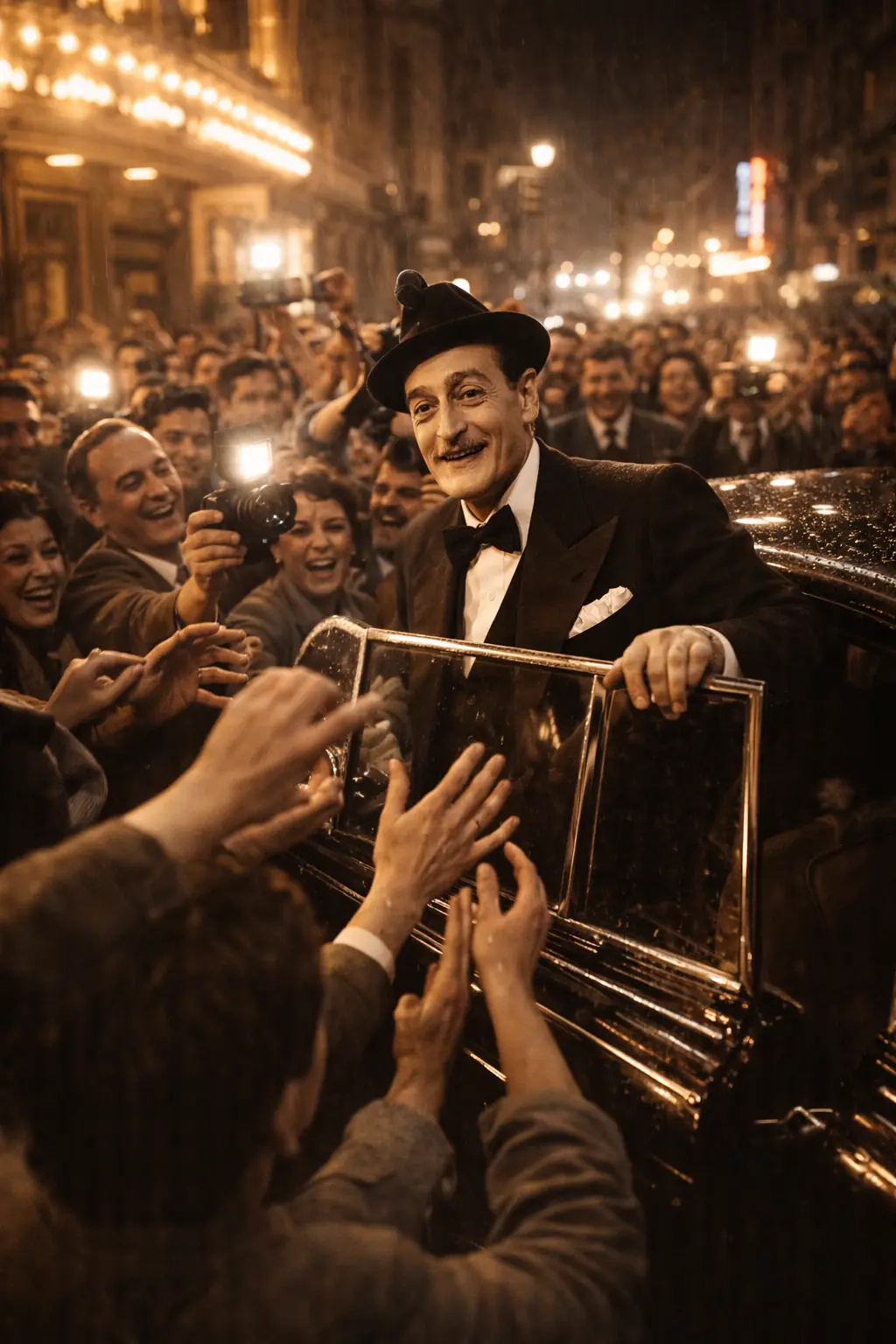
In 1957, during a theatrical performance, Totò suffered a severe ocular crisis related to a condition that had already damaged one of his eyes. His sight became seriously impaired. For a time, people feared that he would be unable to perform again, but he returned to work and continued making films throughout the following decade (Anile, 2010).
To move around a film set, he needed to know the positions of objects and fellow actors carefully. Colleagues and crew members helped orient him, while he relied on memory, sound, and the remarkable physical control he had developed over decades.
Audiences watching his precise movements did not always know that the actor could barely distinguish what lay before him.
This limitation helps explain the maturity of his final performances. Totò had created his character through his face and body, but as his sight disappeared, he also had to sustain it through rhythm, hearing, and an exceptional stage memory. The mask did not collapse; it became more restrained.
Continuing to work was not merely a professional decision. It was his way of defending an identity constructed over an entire lifetime.
Comedy Confronts Power
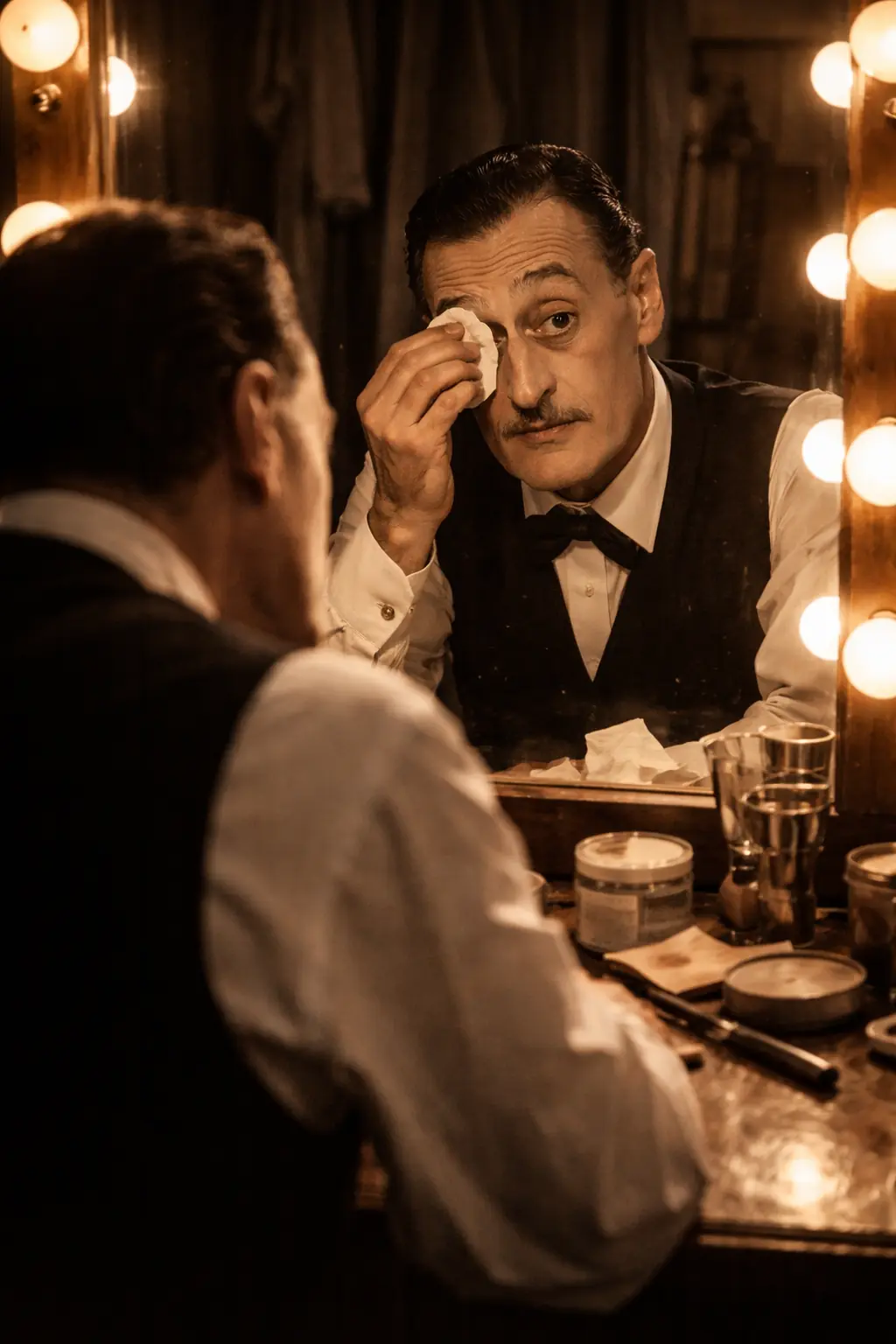
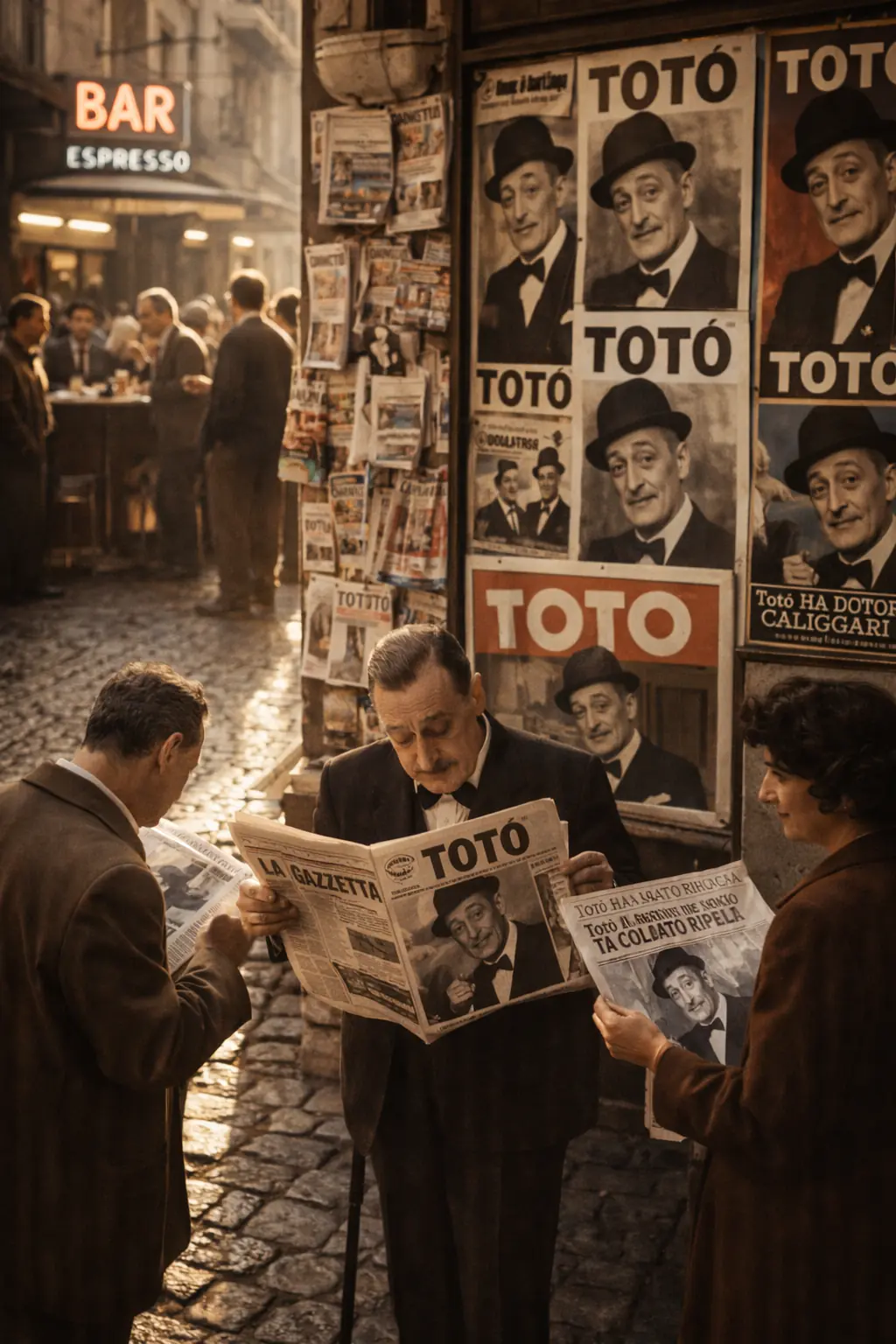
In Totò’s films, society is often divided between “men” and “corporals.” The expression, placed at the center of Siamo uomini o caporali? (1955), distinguished those who suffer from those who use a small amount of authority to humiliate others.
The “corporal” did not have to be a great dictator. He could be an official, landlord, military superior, or anyone who enjoyed making another person feel inferior. This idea summarized the political dimension of Totò’s comedy without turning it into an ideological speech.
Totò understood the distance between institutions and ordinary life. His characters confronted forms, uniforms, titles, and incomprehensible regulations. They responded through deception, absurd language, or disobedience. His humor granted the poor individual a temporary victory over a system that usually defeated him.
Censorship and pressure from producers or distributors affected some of his films. Totò e Carolina (1955), in which he portrayed a policeman forced to care for a young woman he had arrested, underwent cuts and alterations because its depiction of law enforcement made contemporary Italian authorities uncomfortable (Anile, 2010).
Totò’s laughter was not innocent. It allowed people to say what would have encountered greater resistance if spoken seriously.
The Encounter with Pasolini
In 1966, Pier Paolo Pasolini chose Totò to star in Uccellacci e uccellini. The combination surprised many people: a controversial intellectual and one of Italy’s most popular comedians appeared to come from opposing worlds.
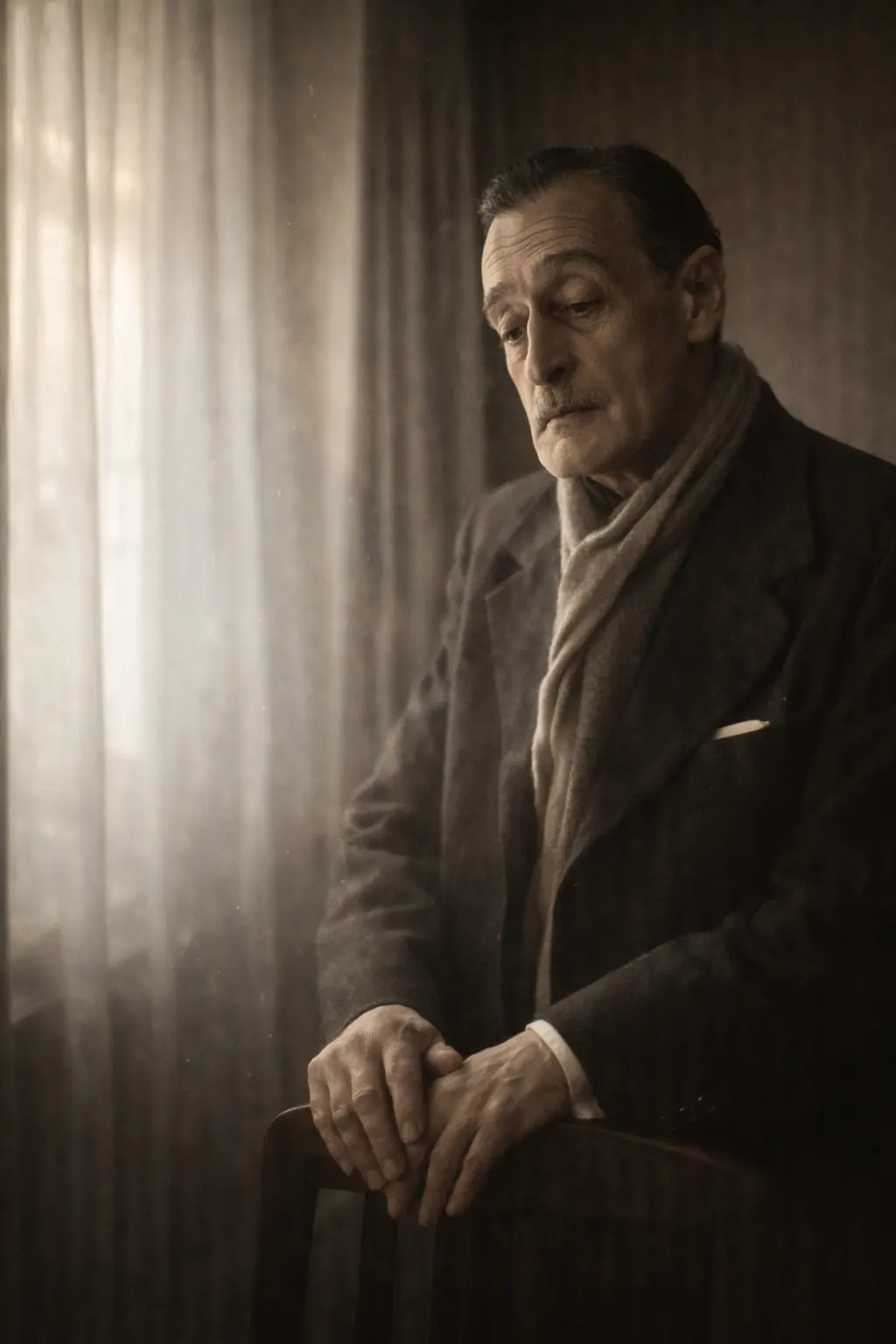
Pasolini, however, understood that Totò’s mask contained something ancient and tragic. In the film, the actor travels alongside Ninetto Davoli while a talking crow attempts to explain the contradictions of politics, religion, and class struggle. Totò retains his comic qualities, but his face also reveals the exhaustion of a man who has traveled through a changing Italy without finding a stable place within it.
The performance received special recognition at the Cannes Film Festival and earned Totò a Nastro d’Argento. It was a late confirmation of what the public had known for decades: he was not merely a comedian capable of improvisation, but an actor of extraordinary depth (Giacovelli, 2009).
Pasolini did not invent the serious Totò. He simply allowed the sadness that had always lived behind the mask to remain visible for longer.
Naples Says Goodbye
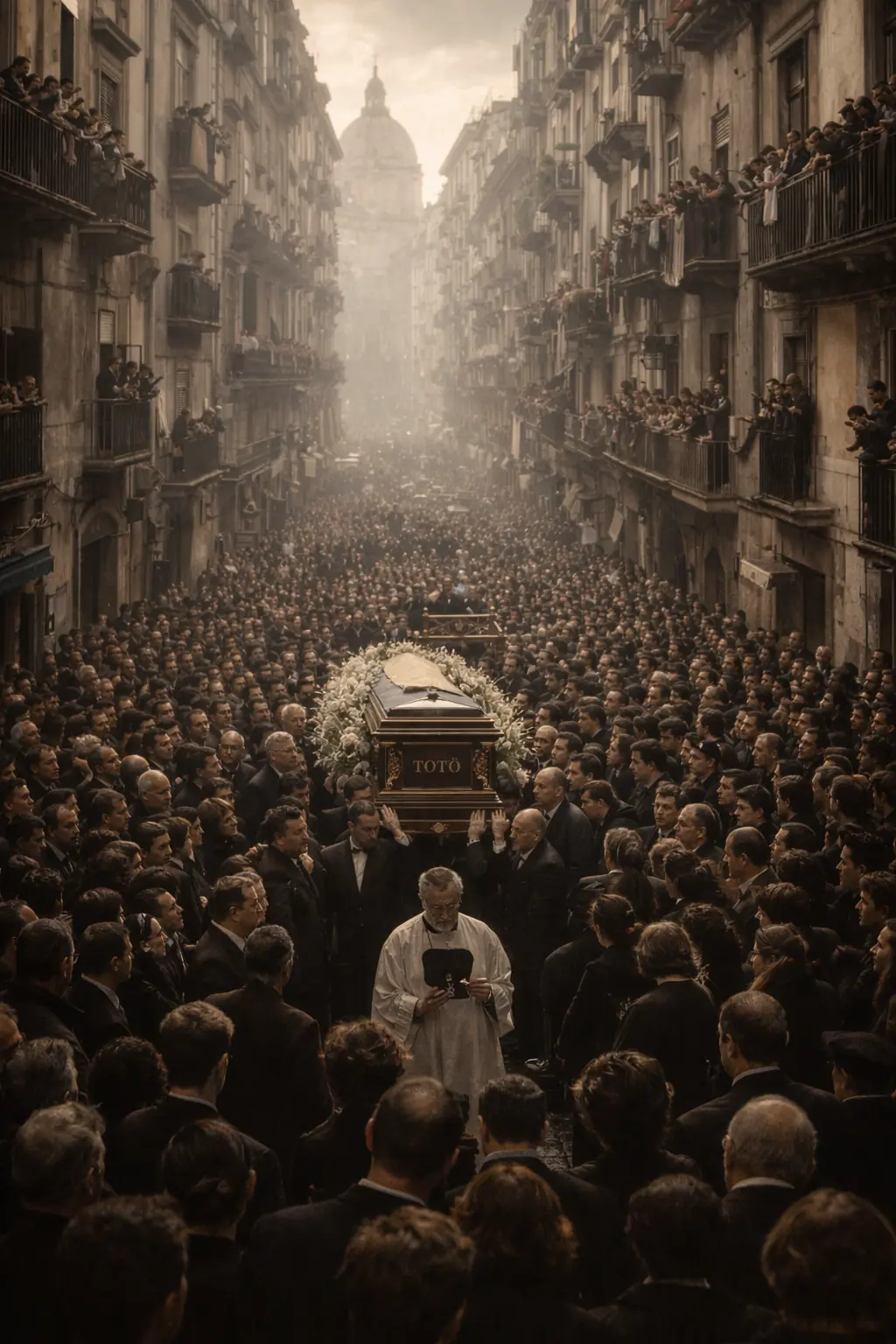
Totò died in Rome on April 15, 1967, at the age of sixty-nine, after suffering a heart attack. Funeral ceremonies were held in Rome and Naples. In his native city, an immense crowd came out to say farewell. A symbolic ceremony was later organized in the Rione Sanità, the neighborhood where his story had begun (Faldini & Fofi, 2004).
The scale of the mourning demonstrated that Totò had ceased to be merely an actor. His phrases had entered everyday speech, and his characters had accompanied Italy through war, reconstruction, and the so-called economic miracle.
After his death, television kept his films in circulation, and new generations began repeating his dialogue. Critics also reconsidered their judgments. Works once dismissed as disposable entertainment came to be studied as documents of Italian society and examples of a unique form of screen performance.
Totò helped invent a cinematic face that did not aspire to perfection. It was asymmetrical, mobile, insolent, and vulnerable. He could become an aristocrat or a beggar, a thief or a policeman, a madman or a clerk, yet he always retained something of the Neapolitan child who had learned to defend himself by making people laugh.
He wanted to transform his name into that of a prince. The public ultimately granted him a more enduring title: one of the great creators of European film comedy.
References
Anile, A. (2010). Il cinema di Totò (1930–1945): L’estro funambolo e l’ameno spettro. Le Mani.
Faldini, F., & Fofi, G. (2004). Totò: L’uomo e la maschera. L’Ancora del Mediterraneo.
Giacovelli, E. (2009). Poi dice che uno si butta a sinistra! Totò, vita, opere e miracoli. Gremese.
Gundle, S. (2013). Death and the dolce vita: The dark side of Rome in the 1950s. Canongate.
Fofi, G. (1987). De Curtis, Antonio, detto Totò. In Dizionario biografico degli italiani (Vol. 33). Istituto della Enciclopedia Italiana. https://www.treccani.it/enciclopedia/antonio-de-curtis_%28Dizionario-Biografico%29/
More from this collection
Lillian Gish: The Face That Taught Cinema to Think in Silence
Read story →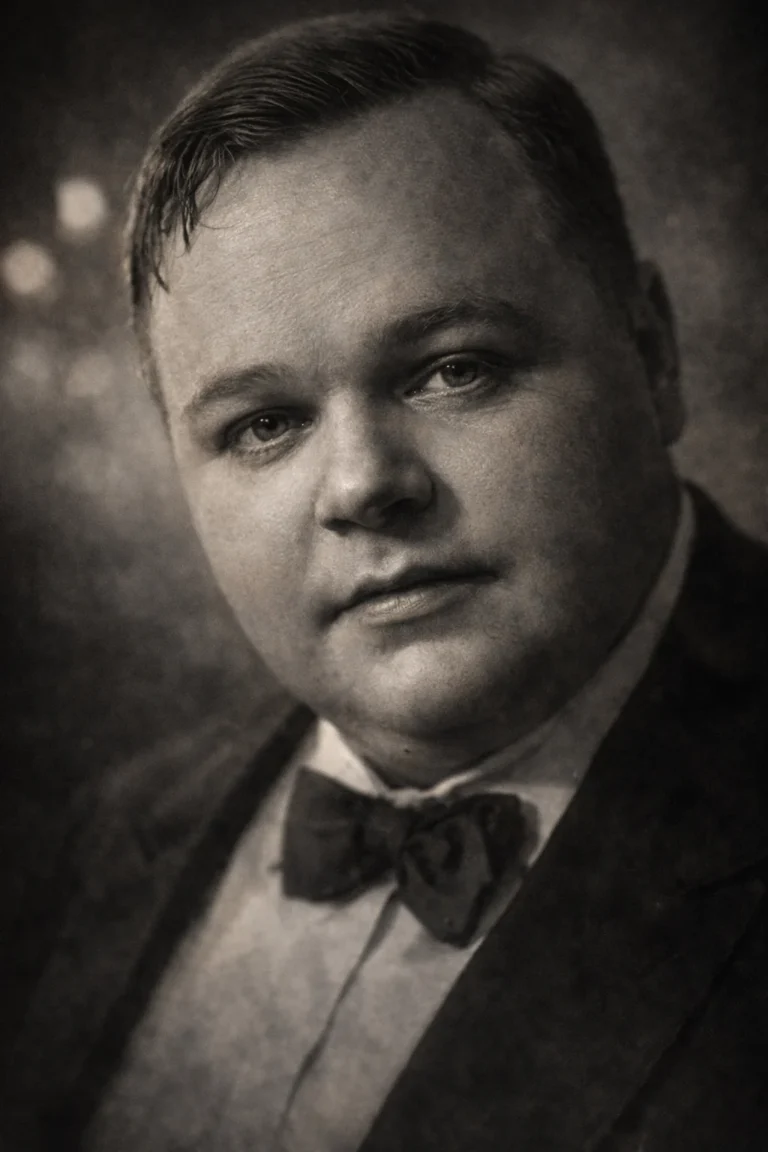
Roscoe “Fatty” Arbuckle: The Face Hollywood Condemned After Justice Acquitted Him
Read story →