In this storyOpen index
William Shakespeare: The Man Who Turned the Human Wound into Words
From the Globe to the First Folio, Shakespeare gave language to grief and human contradiction without leaving a confession of his own life.
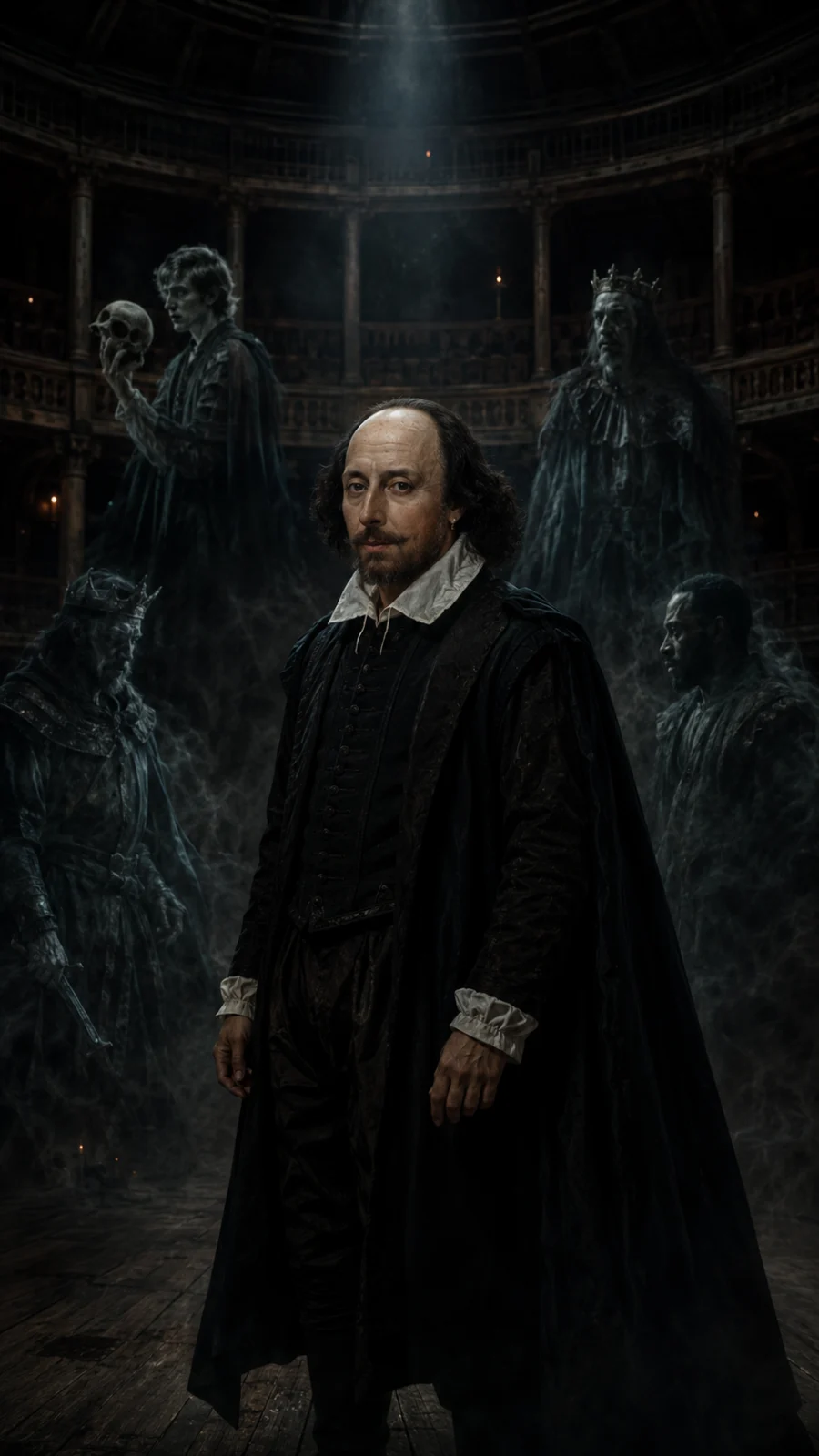
William Shakespeare wrote about kings who lost their sanity, sons haunted by their fathers, lovers condemned by inherited hatred, and men willing to murder for power. Yet we know surprisingly little about his personal feelings.
He left no diaries, memoirs, or intimate letters through which we can hear his private voice. His surviving records concern baptisms, property, lawsuits, investments, and inheritance. Shakespeare’s wound cannot be reconstructed as a conventional autobiographical confession. It must be sought elsewhere: in his astonishing ability to understand grief, jealousy, ambition, guilt, and the fear of disappearing.
His greatest achievement was not explaining what he felt. It was finding words for emotions that millions of people still did not know how to name.
William Shakespeare: words for the human wound
A life between Stratford and the London stage
Enter the archive
The Folger Shakespeare Library presents the 1623 First Folio: thirty-six plays assembled by John Heminges and Henry Condell, including eighteen not previously printed. The image is a reconstruction, not a photograph of the original volume.
AI-generated visual reconstruction; not a photograph of the historical document.
A Birth Date We Do Not Actually Know
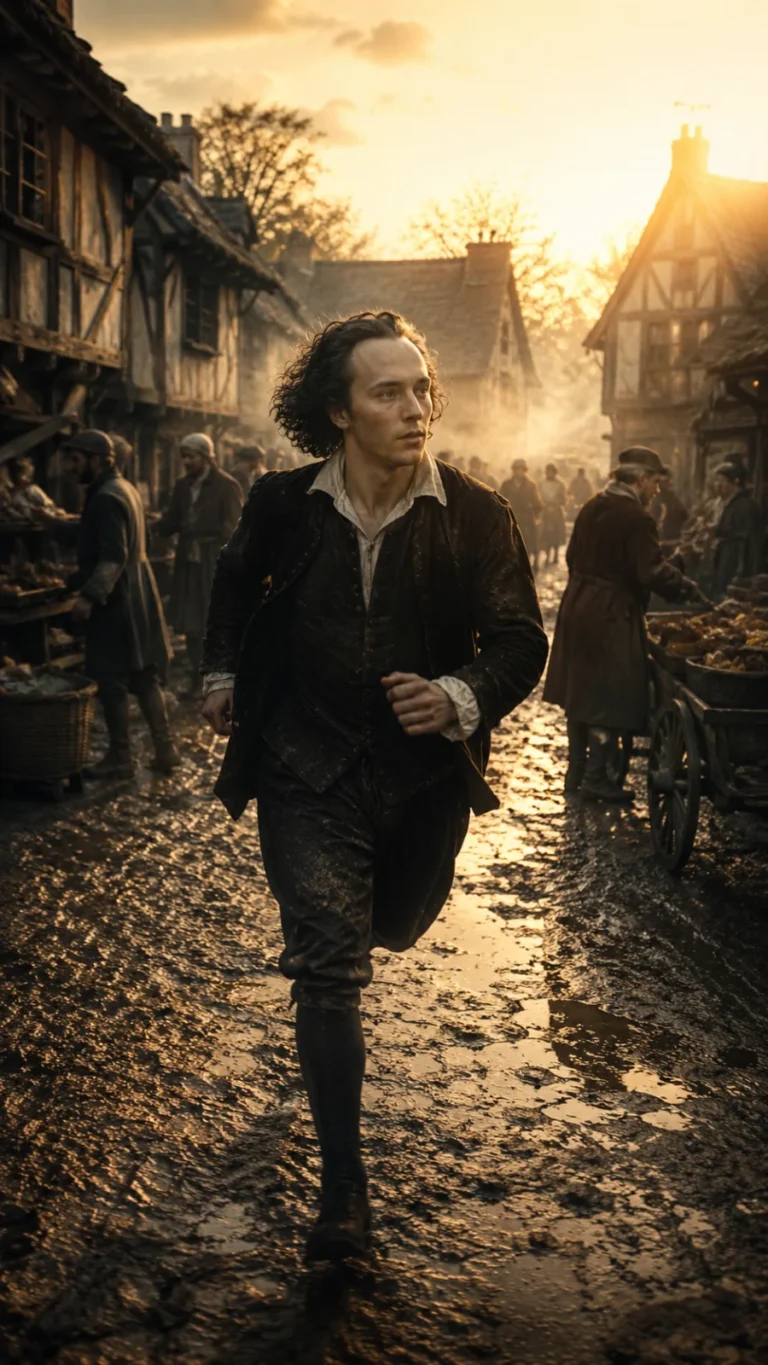
William Shakespeare was born in Stratford-upon-Avon in 1564. His birthday is traditionally celebrated on April 23, but that date is not documented. What survives is the record of his baptism at Holy Trinity Church on April 26. Because children were commonly baptized only a few days after birth, April 23 became an accepted date, helped by the fact that it was also Saint George’s Day.
He was the third child of John Shakespeare, a glove maker and merchant who held municipal offices, and Mary Arden, who came from a family of landowners. His childhood home combined domestic life, artisanal work, and aspirations toward greater social status (Schoenbaum, 1987).
Shakespeare probably attended Stratford’s grammar school, where he would have studied Latin, rhetoric, and writers such as Ovid, Seneca, Plautus, and Virgil. No surviving school register contains his name, but his literary education and his father’s social position make this conclusion reasonable.
His lack of a university education was later used to claim that he could not have written his works. An Elizabethan grammar school, however, offered intensive linguistic instruction. Furthermore, the theater of Shakespeare’s time was not an art reserved for scholars. It was a collective and commercial profession rooted in performance.
An Early Marriage and Three Children
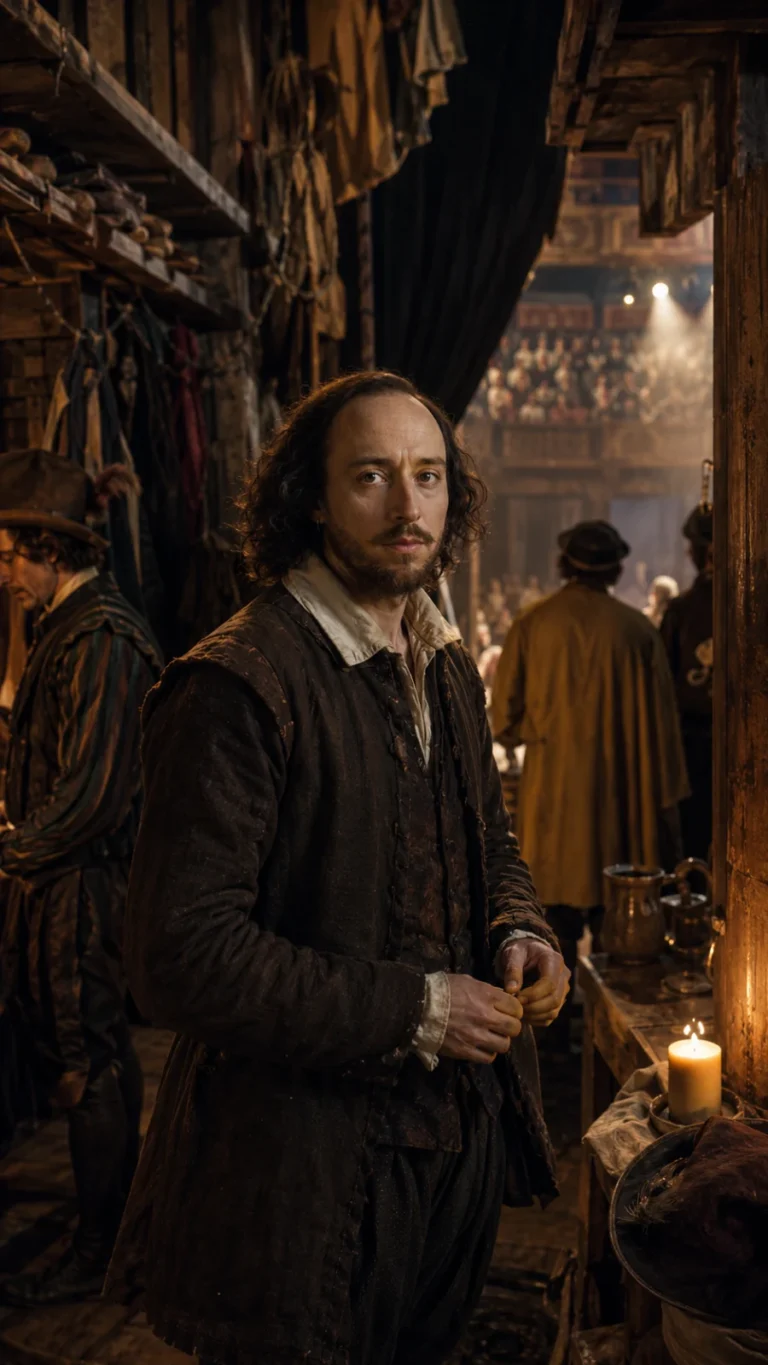
In 1582, the eighteen-year-old Shakespeare married Anne Hathaway, who was twenty-six. Their first daughter, Susanna, was baptized six months later. Twins Hamnet and Judith were born in 1585.
After that record, Shakespeare disappears from the surviving documentation for several years. This interval, roughly between 1585 and 1592, has become known as the “lost years.” It has been claimed that he worked as a teacher, soldier, lawyer’s clerk, or horse attendant outside London’s theaters. Another tradition says that he fled Stratford after poaching deer on a local landowner’s estate.
None of these stories has been proven. The lost years are not a solved mystery but a documentary gap upon which later generations constructed appealing narratives (Schoenbaum, 1987).
By 1592, Shakespeare was in London and prominent enough in the theater to provoke an attack from another writer. In a pamphlet published that year, Robert Greene called him an “upstart crow” who presumed to compete with university-educated playwrights. The insult is among the earliest pieces of evidence that Shakespeare was already recognized as an actor and dramatist.
Theater as a Business
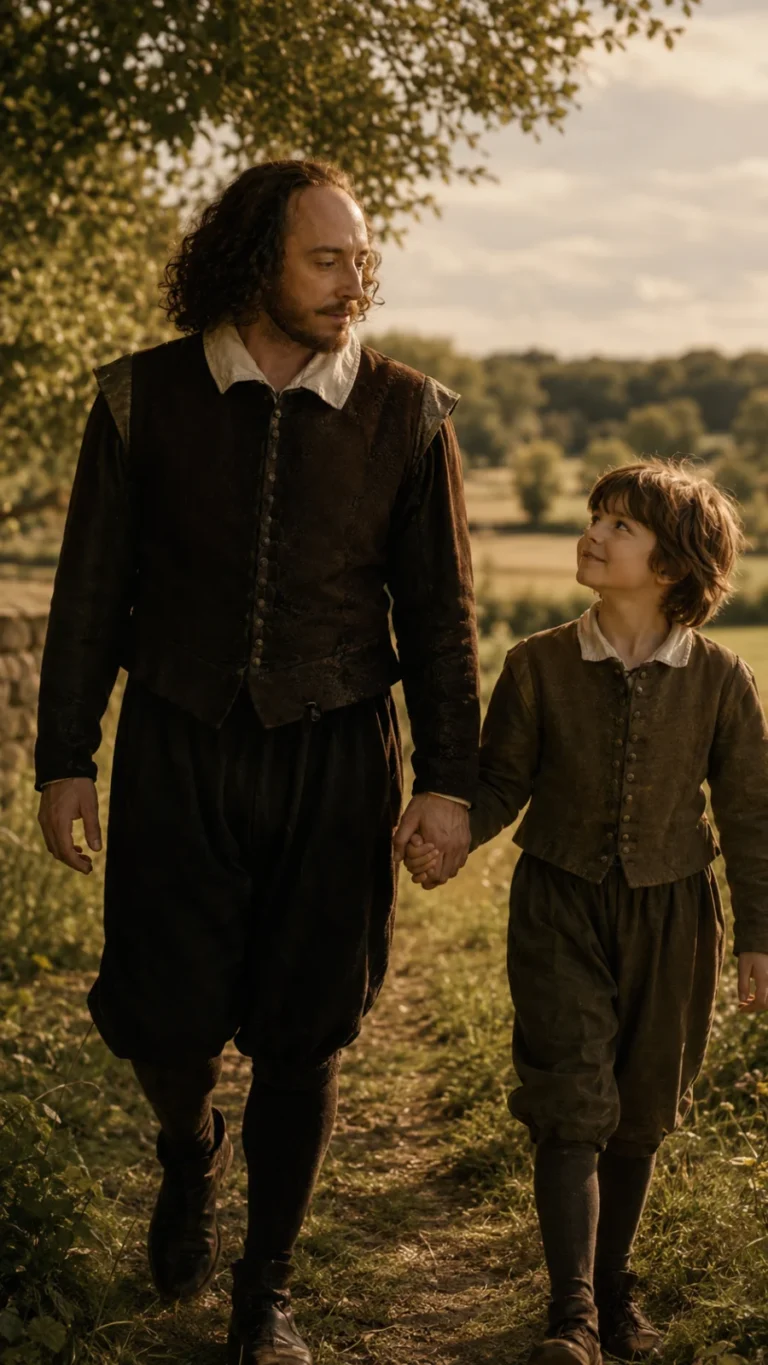
The romantic image of the solitary poet conceals an essential reality: Shakespeare was a professional entertainer and a capable businessman.
In 1594, he became a founding member, actor, playwright, and shareholder of the Lord Chamberlain’s Men. The company included performers such as Richard Burbage, who probably originated the roles of Hamlet, Othello, King Lear, and Richard III. When James I came to the throne in 1603, the company received royal patronage and became the King’s Men (Royal Shakespeare Company, n.d.).
Shakespeare did not earn money exclusively by writing. As a company shareholder, he received a portion of the profits from performances. He also held interests in the Globe and later in the indoor Blackfriars Theatre. This economic structure helped him accumulate considerable wealth, acquire property, and invest in Stratford.
In 1597, he purchased New Place, one of the largest residences in his hometown. The dramatist who wrote about beggars, fools, and fallen kings was simultaneously becoming a respectable property owner.
A Theater Built from the Remains of Another
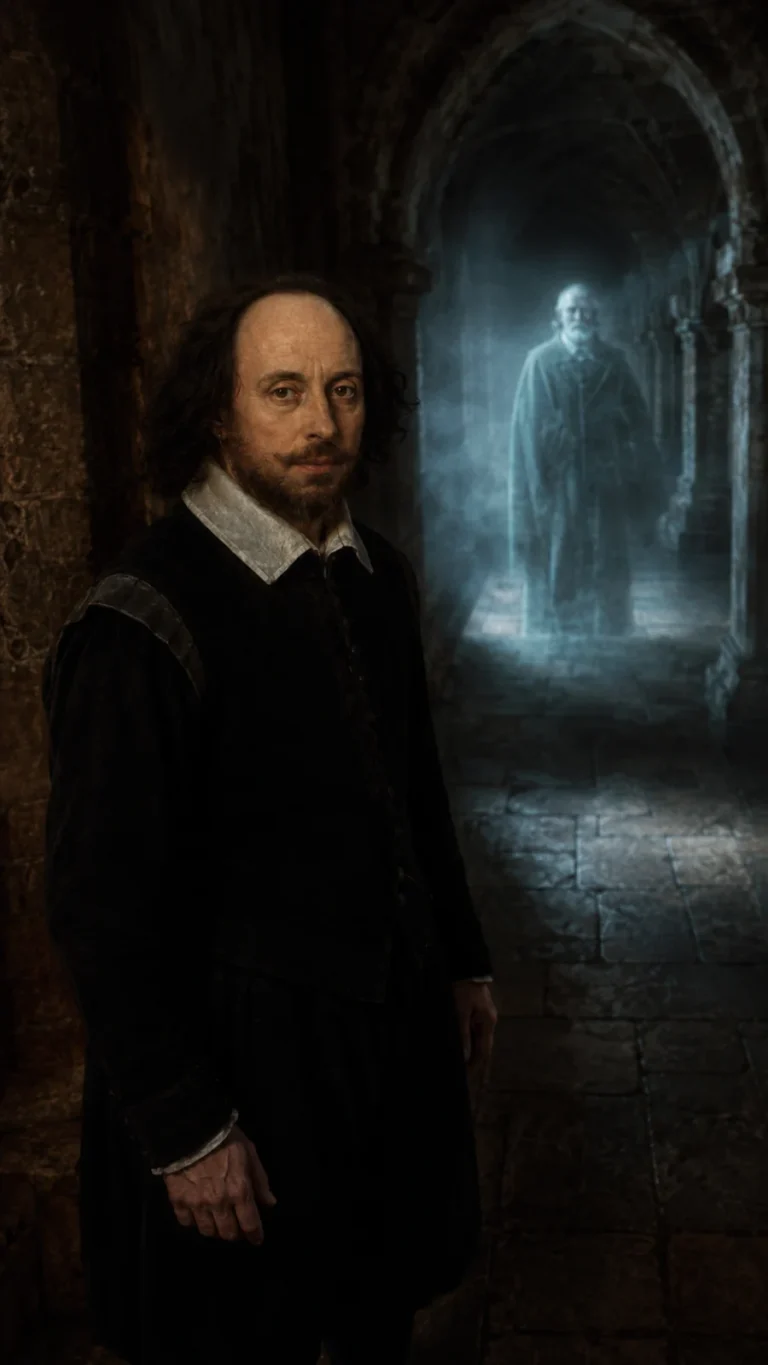
The Globe Theatre, forever associated with Shakespeare, emerged from a property dispute. His company had performed in a London building called the Theatre but lost the right to remain on the land beneath it.
In December 1598, while the landowner was away, members of the company dismantled the timber structure. The beams were transported across the Thames and reused to build the Globe, which opened in 1599.
Shakespeare’s most famous theater was therefore constructed, quite literally, from the skeleton of another. It could accommodate thousands of spectators, bringing laborers, merchants, aristocrats, and foreign visitors into the same space. Those buying the least expensive admission stood in front of the stage, while wealthier patrons occupied the galleries (Royal Shakespeare Company, n.d.).
The plays were not originally intended to be read silently. They were written for particular actors, restless audiences, and performances in which language and imagination had to replace scenery the stage could not provide.
Hamnet and the Grief We Cannot Prove
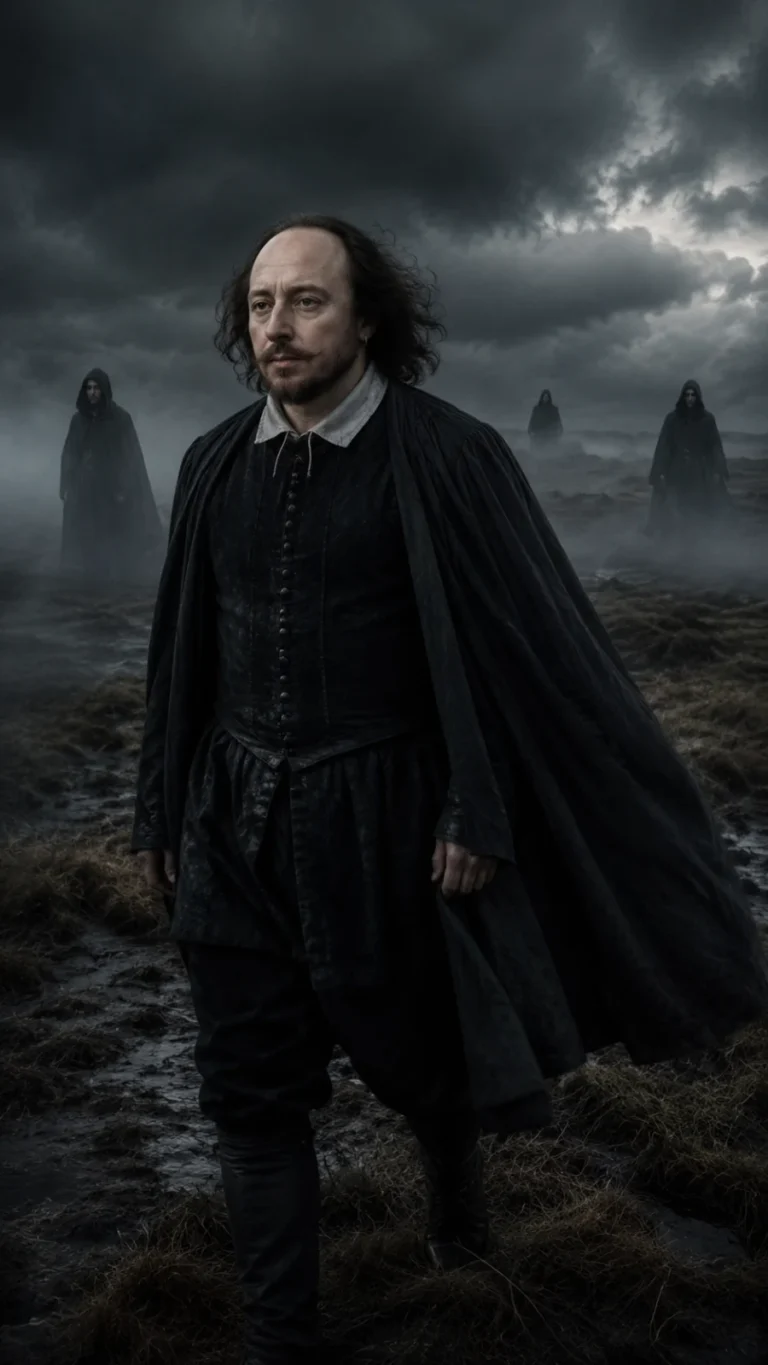
In August 1596, Hamnet Shakespeare died in Stratford at the age of eleven. The cause is unknown. His father was then pursuing his theatrical career in London.
The similarity between the names Hamnet and Hamlet has encouraged a direct connection between the boy’s death and the tragedy written several years later. In that period, Hamnet and Hamlet were interchangeable forms of the same name. It is understandable to imagine that the loss affected Shakespeare, particularly because his later works explored relationships between parents and children with exceptional intensity.
No surviving statement, however, confirms that Hamlet was written as a memorial to his son. The tragedy drew upon an earlier story about a Danish prince named Amleth and probably upon a lost play performed before Shakespeare’s version (Greenblatt, 2004).
The emotional connection is possible, but it should not be presented as established fact. What can be documented is that, after Hamnet’s death, Shakespeare wrote some of literature’s most profound explorations of grief. In King John, a mother says that grief occupies her absent child’s room, fills his empty clothing, and imitates his gestures. The play may predate Hamnet’s death, showing that Shakespeare already understood the experience theatrically; personal tragedy may have given it another dimension.
The Man Who Contained Everyone
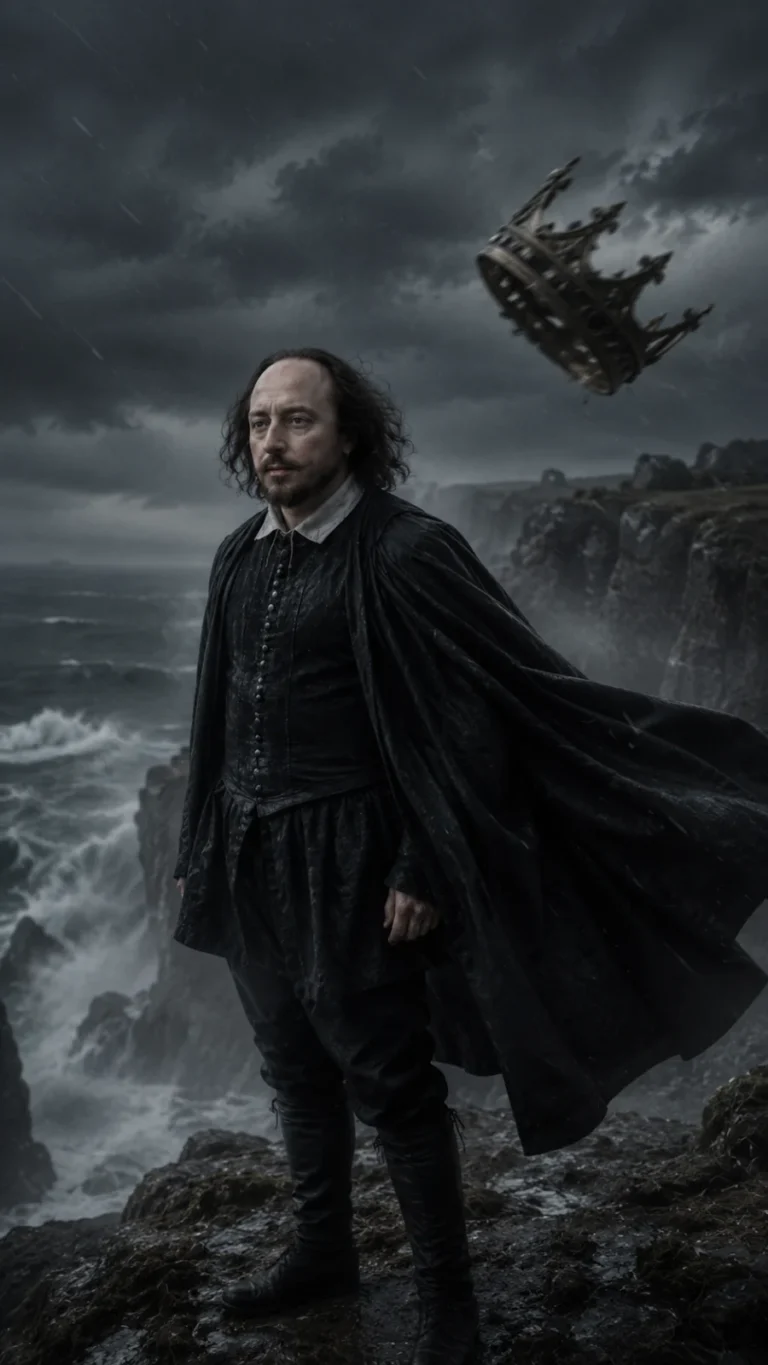
Between the late sixteenth and early seventeenth centuries, Shakespeare produced the plays that transformed Western theater: Romeo and Juliet, Julius Caesar, Hamlet, Othello, King Lear, Macbeth, Antony and Cleopatra, and The Tempest, among many others.
Shakespeare did not invent most of his plots. He borrowed stories from chronicles, poems, Italian tales, classical writers, and earlier plays. In his time, originality did not necessarily mean creating a story from nothing. It meant transforming inherited material.
His power lay in what he added: characters able to contradict themselves, speak to themselves, and change while uttering a sentence. Hamlet wants revenge yet doubts his right to pursue it. Macbeth desires power but understands the horror of his actions. Othello loves and destroys what he loves. Lear demands affection but cannot recognize it.
Through the soliloquy, audiences could listen to thought taking shape. Shakespeare turned consciousness itself into dramatic action.
Collaboration, Not Isolation
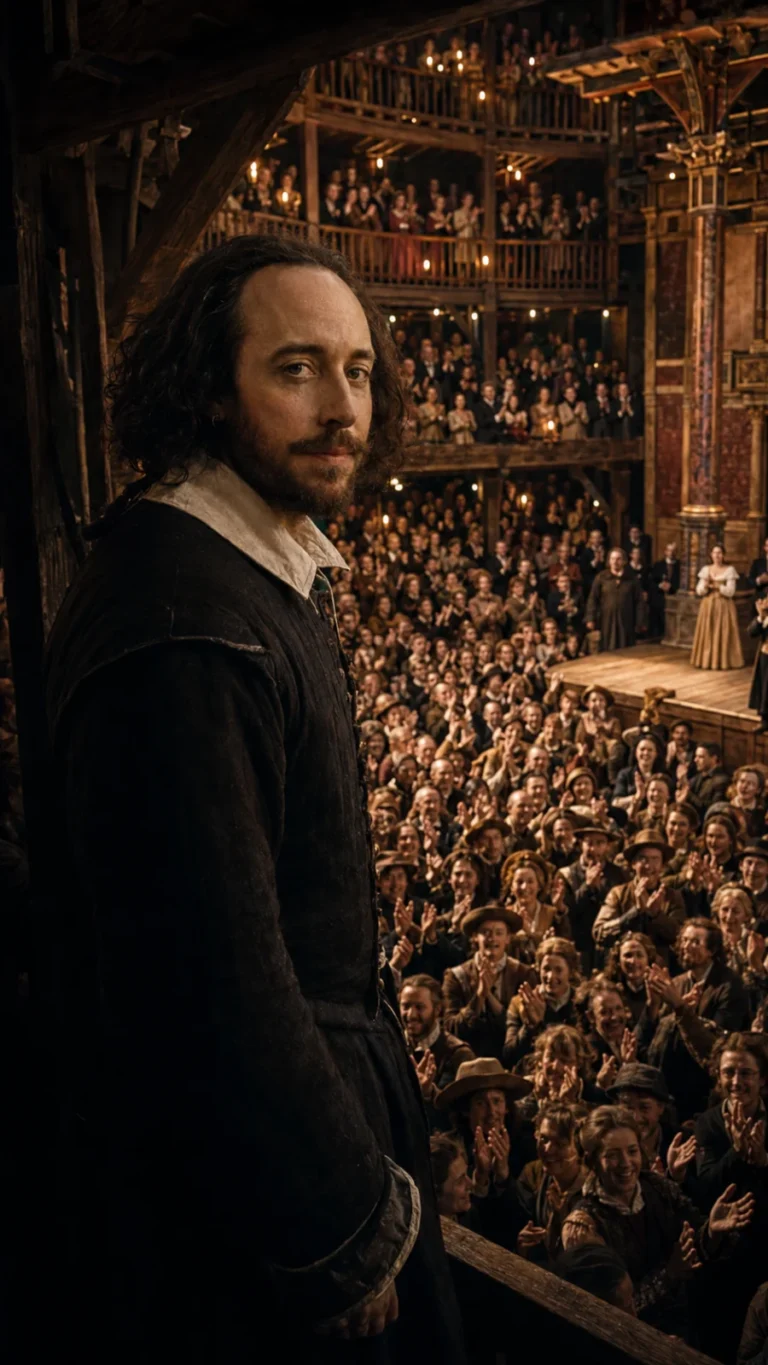
The image of the completely solitary genius also misrepresents the realities of Elizabethan theater. Companies needed new material quickly, and collaboration among playwrights was common.
Linguistic and textual evidence indicates that Shakespeare wrote several plays with other authors. George Peele probably collaborated on Titus Andronicus. Thomas Middleton may have adapted later versions of Macbeth and Measure for Measure. George Wilkins contributed to Pericles, while John Fletcher collaborated on Henry VIII, The Two Noble Kinsmen, and possibly Cardenio, a play now lost (Shapiro, 2015).
Acknowledging these collaborations does not diminish Shakespeare. It places him within a theatrical industry in which writers, actors, scribes, and printers all participated in the survival of a text.
The Fire That Destroyed the Globe
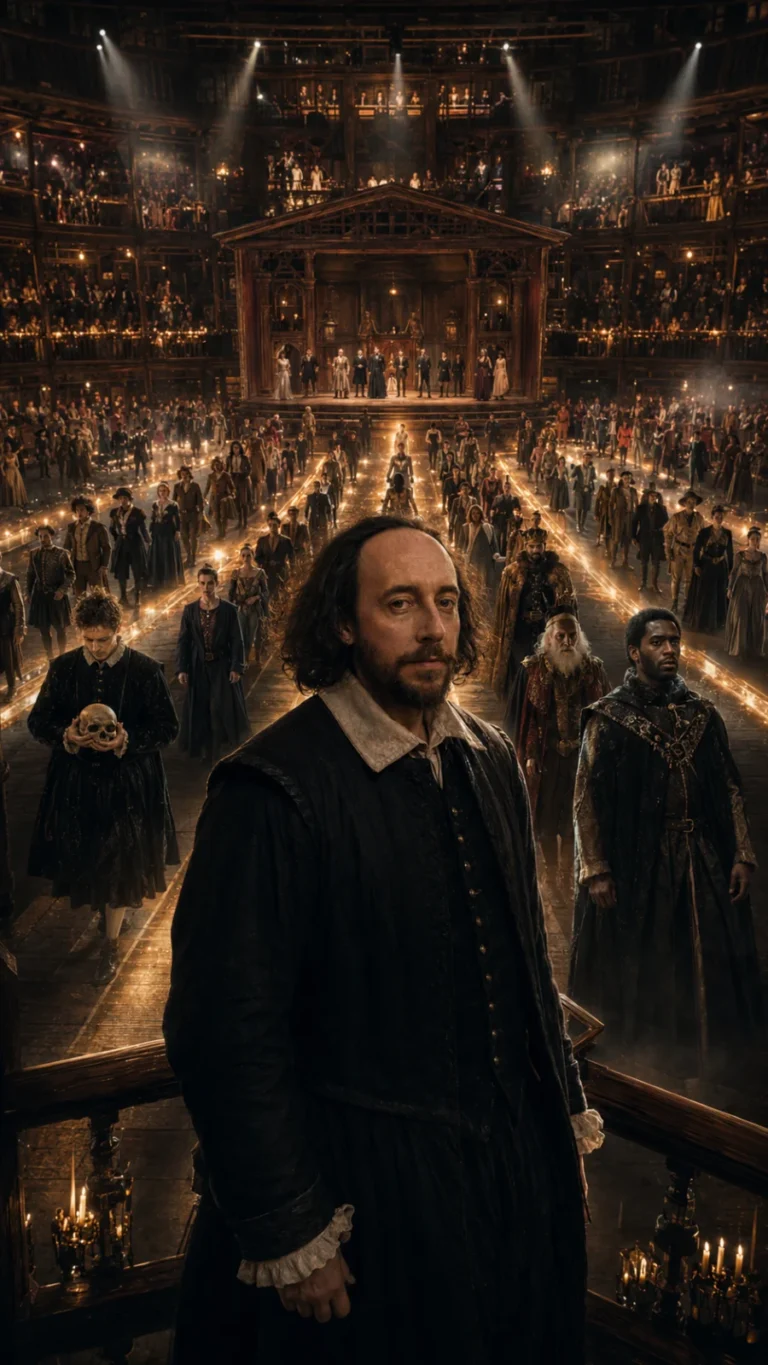
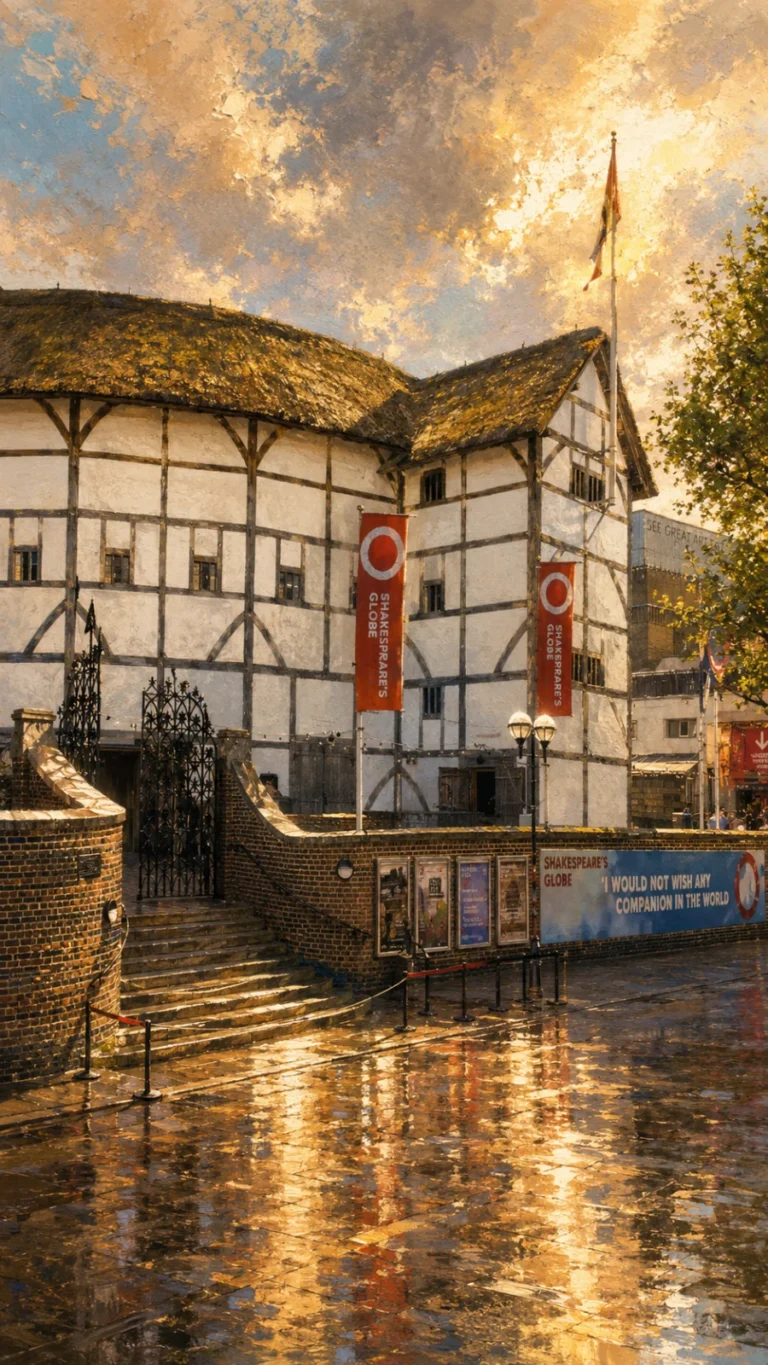
On June 29, 1613, during a performance of Henry VIII, a theatrical cannon used as a special effect ignited the Globe’s thatched roof. The flames spread rapidly, and the theater was destroyed.
Contemporary accounts indicate that the audience escaped and no deaths were recorded. One report claims that a man’s breeches caught fire and were extinguished with a bottle of ale. Although the episode appears in a contemporary description, its comic tone recommends caution.
The Globe was rebuilt and reopened the following year. Shakespeare, however, was gradually retiring to Stratford. His final known theatrical collaborations probably belong to this period.
The “Second-Best Bed” Was Not Necessarily an Insult
Shakespeare signed his will on March 25, 1616. Most of his estate went to his daughter Susanna. To Anne Hathaway, he left “my second best bed with the furniture.”
For many years, this phrase was interpreted as a final humiliation directed at his wife. In an affluent household, however, the best bed could be reserved for guests, while the second-best was the marital bed. The object may therefore have carried an intimate rather than insulting meaning. Anne also possessed legal rights as a widow, even if those rights were not itemized in the will in the same manner as other bequests (Shakespeare Birthplace Trust, n.d.-a).
We do not know whether their marriage was affectionate, distant, or a changing combination of both. Turning one bed into conclusive evidence of marital hatred reveals more about later imaginations than about the documented relationship.
Shakespeare died in Stratford on April 23, 1616, according to his funerary monument and accepted tradition. He was fifty-two. The cause of his death remains uncertain.
The Book That Rescued Half His Plays
The lesser-known but decisive event in Shakespeare’s legacy occurred seven years after his death.
In 1623, his colleagues John Heminges and Henry Condell assembled thirty-six plays in a volume titled Mr. William Shakespeares Comedies, Histories, & Tragedies, now known as the First Folio. They presented the book as an effort to preserve the writings of their friend and fellow company member (Folger Shakespeare Library, n.d.).
Approximately half the plays it contained had never previously appeared in print. Without this project, works such as Macbeth, The Tempest, Twelfth Night, Julius Caesar, As You Like It, and Measure for Measure might have disappeared.
The book was not prepared directly by Shakespeare, nor was it a perfect edition. Printers worked from different kinds of source materials: manuscripts, theatrical copies, scribal transcripts, and earlier editions. Corrections were introduced while printing was already underway, so individual surviving copies contain small variations (Smith, 2016).
Shakespeare’s survival did not depend upon genius alone. It also depended upon two actors who decided that a dead colleague’s scattered papers should not be allowed to vanish.
Did Shakespeare Really Write the Plays?
Since the nineteenth century, alternative candidates including Francis Bacon, Christopher Marlowe, and Edward de Vere have been proposed as the true authors. These theories often rest upon the assumption that a provincial man without a university education could not have possessed the knowledge found in the plays.
The scholarly consensus attributes the works to William Shakespeare of Stratford. His name appeared on editions published during his lifetime; contemporary writers identified him as an author; his connections to his acting company are documented; and his colleagues Heminges and Condell explicitly recognized him in the First Folio.
Gaps in a biography do not justify replacing the documented author with a hidden aristocrat. We know less about Shakespeare than we might wish, but considerably more than authorship conspiracy theories usually acknowledge (Shapiro, 2010).
The Wound That Outlived the Man
William Shakespeare left no definitive explanation of who he was. Even his inner portrait remains hidden behind the characters he created.
Perhaps that is the source of his power. He did not confine pain within a single biography. He distributed it among a mother unable to accept her child’s absence, a prince paralyzed by grief, a king who understands his daughter’s love too late, and an old man wandering through a storm after losing his authority and identity.
Shakespeare wrote about the wound without reducing it to an answer. He understood that a person can love and hate simultaneously, that ambition can coexist with guilt, and that insight does not always prevent us from destroying ourselves.
We cannot know with certainty what Shakespeare was confessing as he wrote. We know something more extraordinary: four centuries later, we continue using his words to confess ourselves.
References
- Folger Shakespeare Library. (n.d.). Shakespeare First Folio. https://www.folger.edu/explore/shakespeare-in-print/first-folio/
- Greenblatt, S. (2004). Will in the world: How Shakespeare became Shakespeare. W. W. Norton & Company.
- Royal Shakespeare Company. (n.d.). William Shakespeare’s life and times. https://www.rsc.org.uk/shakespeares-life-and-times
- Schoenbaum, S. (1987). William Shakespeare: A compact documentary life. Oxford University Press.
- Shakespeare Birthplace Trust. (n.d.-a). The second-best bed. https://www.shakespeare.org.uk/explore-shakespeare/shakespedia/william-shakespeare/second-best-bed/
- Shakespeare Birthplace Trust. (n.d.-b). Shakespeare’s wife and marriage. https://www.shakespeare.org.uk/explore-shakespeare/shakespedia/william-shakespeare/shakespeares-wife-and-marriage/
- Shapiro, J. (2010). Contested will: Who wrote Shakespeare? Simon & Schuster.
- Shapiro, J. (2015). The year of Lear: Shakespeare in 1606. Simon & Schuster.
- Smith, E. (2016). Shakespeare’s First Folio: Four centuries of an iconic book. Oxford University Press.
- Shakespeare Birthplace Trust. (n.d.). The birth and burial records of William Shakespeare. https://www.shakespeare.org.uk/explore-shakespeare/blogs/birth-and-burial-records-william-shakespeare/
- Shakespeare’s Globe. (n.d.). Globe Theatre. https://www.shakespearesglobe.com/discover/about-us/globe-theatre/
More from this collection
Arthur Conan Doyle: The Man Who Invented Reason and Sought Comfort in the Invisible
Read story →
Miguel de Cervantes: The Captive Who Tried to Leave for America Before Creating Don Quixote
Read story →