In this storyOpen index
Joanna la Beltraneja: The Princess Robbed of a Kingdom Who Never Stopped Signing Herself as Queen
A royal heir turned into a political argument kept claiming her name and her crown from Portugal.
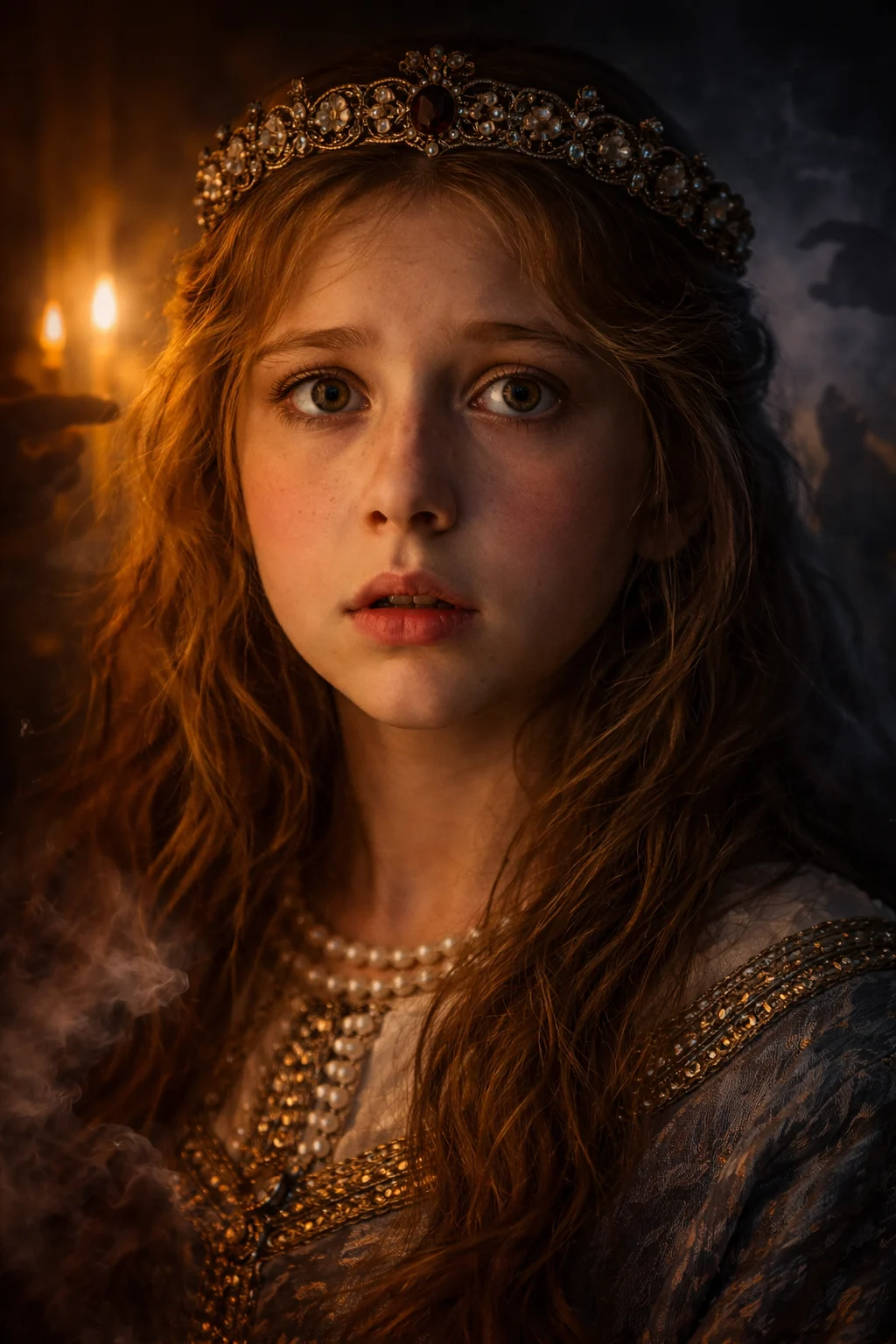
Before she could understand what a crown meant, others had already decided that her birth was fraudulent. Her father’s enemies turned her into the product of adultery; her aunt’s supporters presented her as an obstacle to Castile’s stability, and her Portuguese allies used her to justify a war. Almost everyone spoke in her name. Very few allowed her to speak for herself.
Joanna of Castile was twelve when her father, Henry IV, died and two women were proclaimed sovereigns of the same kingdom. In Segovia, Isabella declared herself queen of Castile. Joanna, whom Henry had recognized as his daughter and heir, claimed the crown with the support of part of the Castilian nobility and King Afonso V of Portugal.
History eventually remembered her through the nickname “la Beltraneja,” as though the identity of her biological father had been proven. It was not. No conclusive document establishes that Beltrán de la Cueva was her father. The epithet preserves the victory of a political campaign: before defeating Joanna on the battlefield, her opponents needed to convince Castile that she had never possessed the right to fight.
She lost the war, the crown, her marriage and the freedom to return to the kingdom where she had been born. Yet she lived for fifty years after the conflict, protected by the Portuguese court and addressed as the Excelente Senhora, the Excellent Lady. Although officially forced to renounce her rights, she continued to maintain that she was Castile’s legitimate heir. In her documents, she left a signature that condensed her resistance: “I, the Queen.”
Joanna of Castile: a disputed crown
A life told through places and decisive moments
Enter the archive
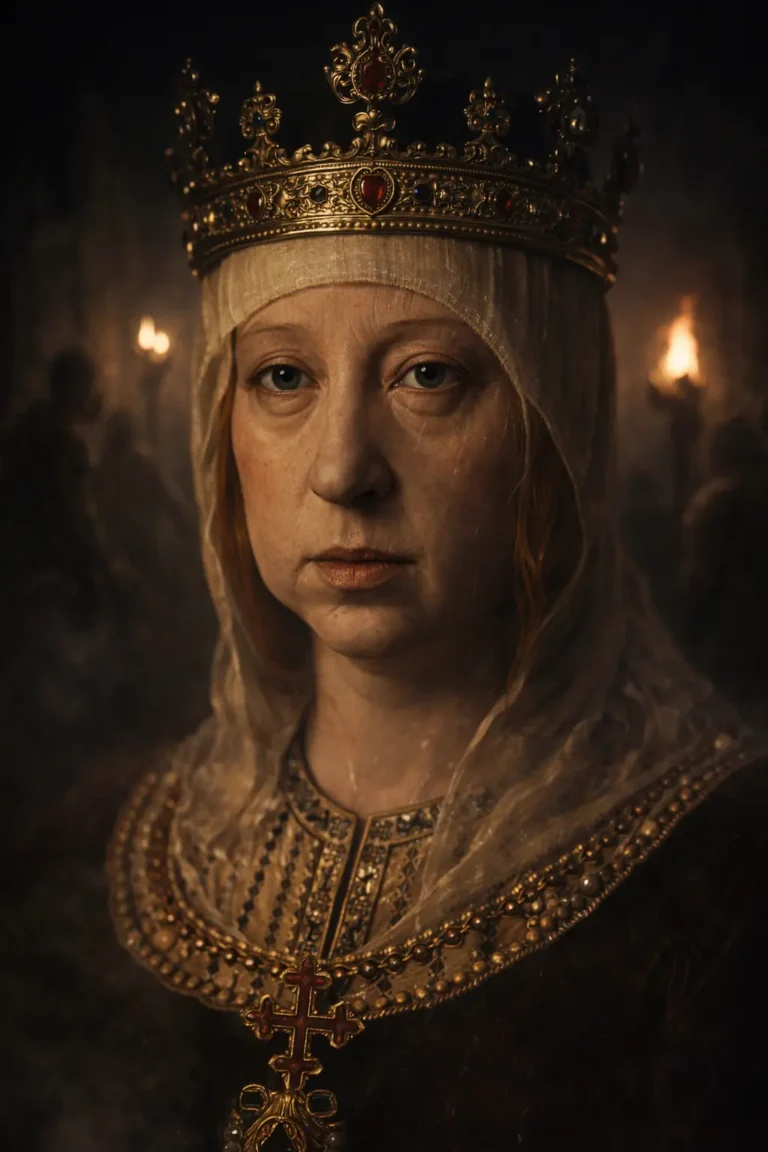
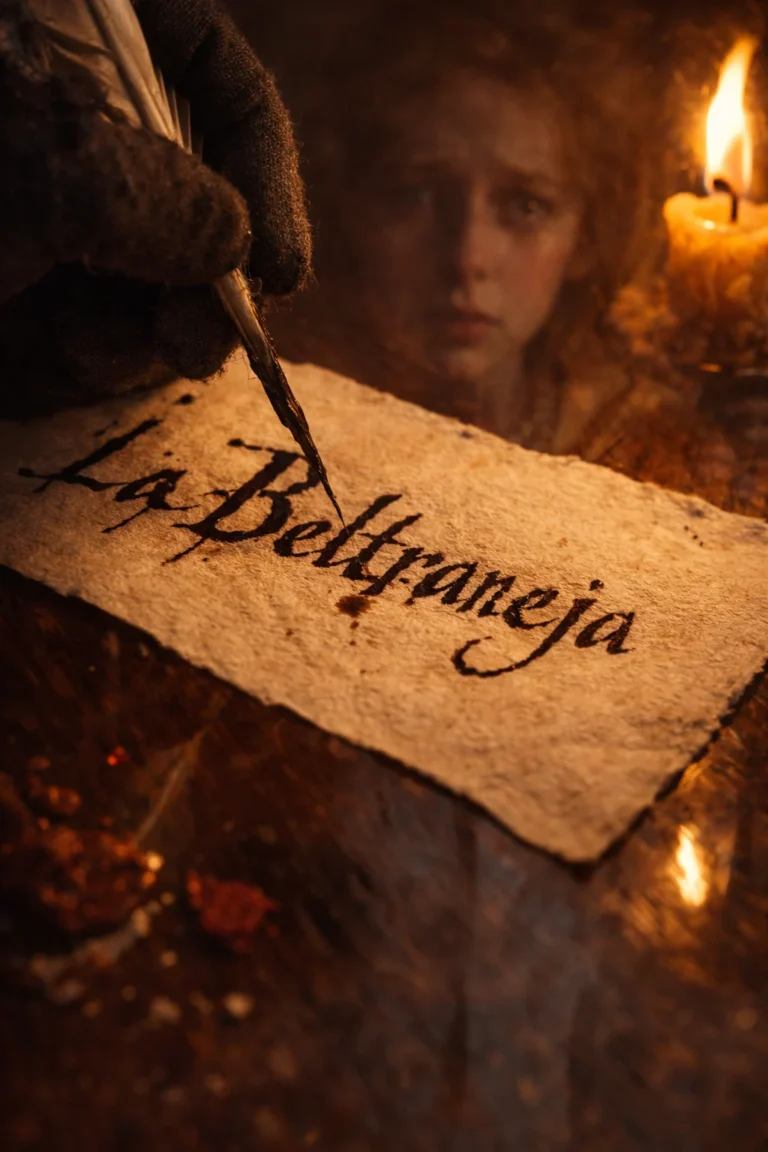
A University of La Laguna study examines four letters in Joanna of Castile’s own hand and her signatures on twenty-four surviving documents. The image in this feature is a reconstruction, not the original document.
AI-generated visual reconstruction; not a historical document.
The Daughter Who Arrived After Seven Years
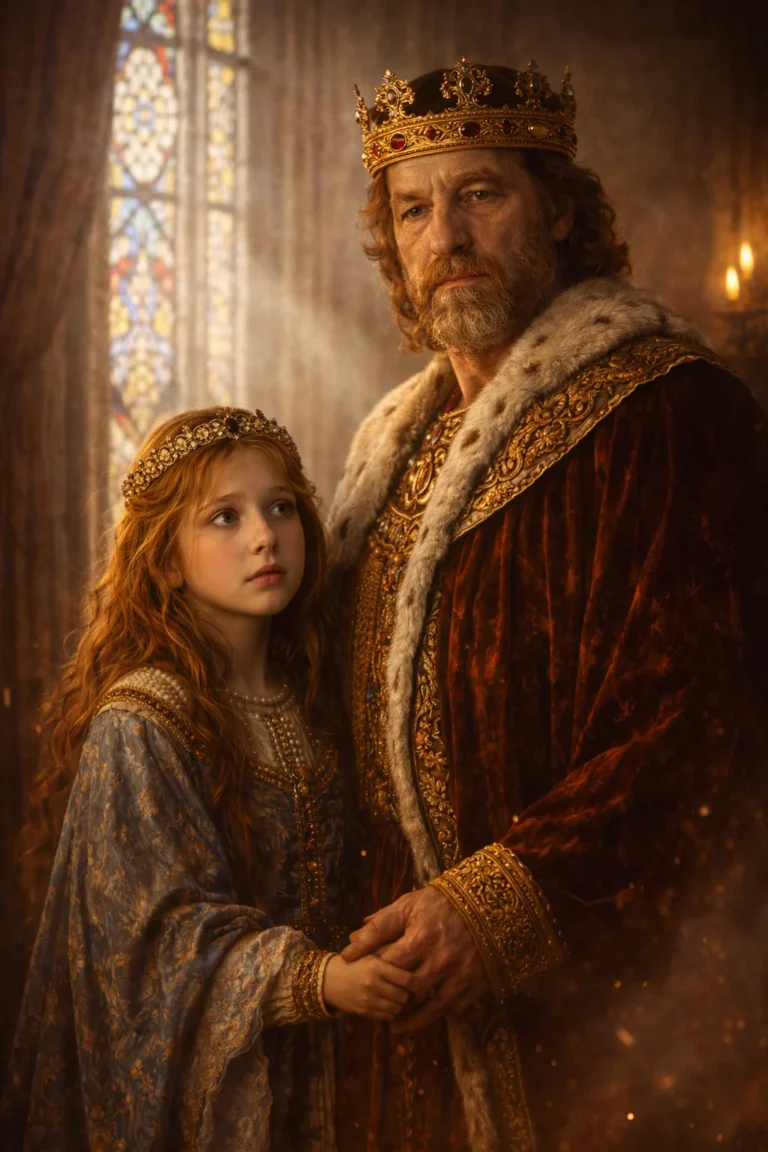
Joanna was born in Madrid on February 28, 1462. She was the legal daughter of King Henry IV of Castile and his second wife, Joanna of Portugal. The royal couple had been married for approximately seven years without producing a child, making her birth an event of enormous dynastic importance.
The Cortes assembled in Madrid recognized her as Princess of Asturias and heir to the throne. Henry publicly presented her as his daughter, and during her early years her legitimacy received the kingdom’s official recognition (Azcona, 1998).
The problem was not merely familial. Castile was experiencing a struggle between the monarchy and aristocratic factions attempting to control the king. Henry had promoted trusted courtiers such as Beltrán de la Cueva, whose rapid rise provoked the hostility of nobles led by Juan Pacheco, Marquis of Villena.
The king’s opponents began claiming that Henry was impotent and that the queen had conceived Joanna with Beltrán. The accusation simultaneously attacked the king, his wife, the royal favorite and the heir. If Joanna could be declared illegitimate, the succession would become open and the nobility would gain new opportunities to impose conditions upon the Crown.
Later chronicles, many written or circulated under Isabella’s government, repeated those rumors until they acquired the appearance of historical certainty. The surviving evidence, however, proves neither Henry’s impotence nor Beltrán de la Cueva’s paternity. Joanna was born within a royal marriage and acknowledged by the king as his legitimate daughter (Real Academia de la Historia, n.d.).
A Child Turned Into a Political Argument
In 1464, a group of rebellious nobles demanded that Henry remove Joanna from the succession and recognize his half brother Alfonso as heir. The dispute led in 1465 to the so-called Farce of Ávila, a ceremony during which the rebels symbolically deposed the king and proclaimed Alfonso in his place.
Joanna was three years old.
When Alfonso died in 1468, Henry’s opponents transferred their support to Isabella, the dead prince’s sister. Under the agreement reached at the Bulls of Guisando, Henry recognized Isabella as his heir. This was not proof that Joanna was illegitimate. It was a political concession made by a weakened king attempting to recover control of his realm (Carrasco Manchado, 2006).
The agreement stated that Isabella could not marry without Henry’s approval. In 1469, however, she secretly married Ferdinand of Aragon. The king considered the agreement broken and, at the ceremony of Val de Lozoya in 1470, publicly recognized Joanna as his heir once again.
Before turning nine, Joanna had therefore been sworn as princess, removed from the succession and restored. Her legitimacy changed not because new evidence had emerged about her birth, but according to the alliances and needs of those competing for power.
Two Queens for One Castile
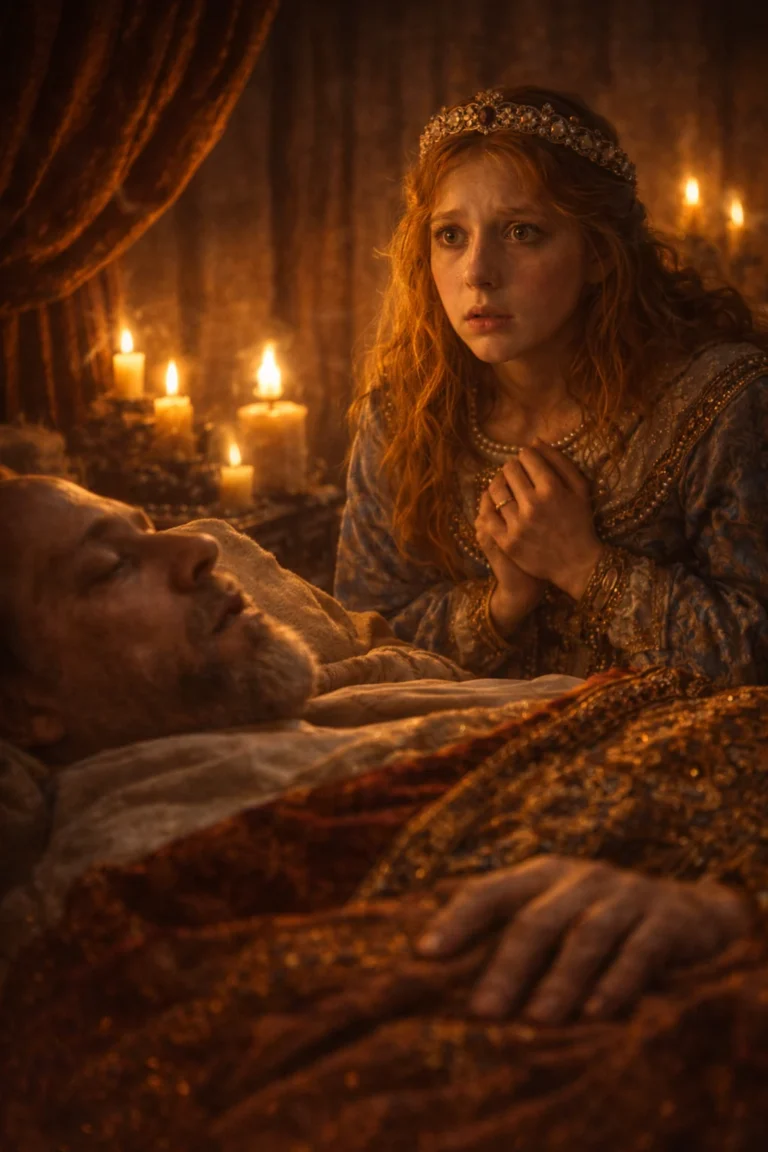
Henry IV died on December 11, 1474. Two days later, Isabella proclaimed herself queen in Segovia without waiting for a general settlement by the kingdom. Joanna remained in the custody of nobles defending her rights, particularly Diego López Pacheco, Marquis of Villena.
The succession did not simply pit a Spanish queen against a foreign invader, as later Isabelline propaganda suggested. Castile was divided. Some cities and noble families supported Isabella; others maintained that Joanna, as the acknowledged daughter of the deceased monarch, was the rightful heir.
At only thirteen, Joanna signed documents defending her birth and requested an investigation into the accusations made against her. She was also betrothed to her maternal uncle, Afonso V of Portugal, who entered Castile in May 1475 to support her cause.
Joanna and Afonso married in Plasencia. Because they were closely related, they required a papal dispensation whose validity never became firmly established. Joanna and Afonso were proclaimed sovereigns of Castile and Portugal, formally beginning the War of the Castilian Succession.
The enormous difference in their ages—Afonso was over forty and Joanna only thirteen—makes clear that the marriage did not arise from personal choice. It was a dynastic alliance intended to provide troops, legitimacy and continuity to her claim.
A War Decided by Propaganda as Well as Weapons
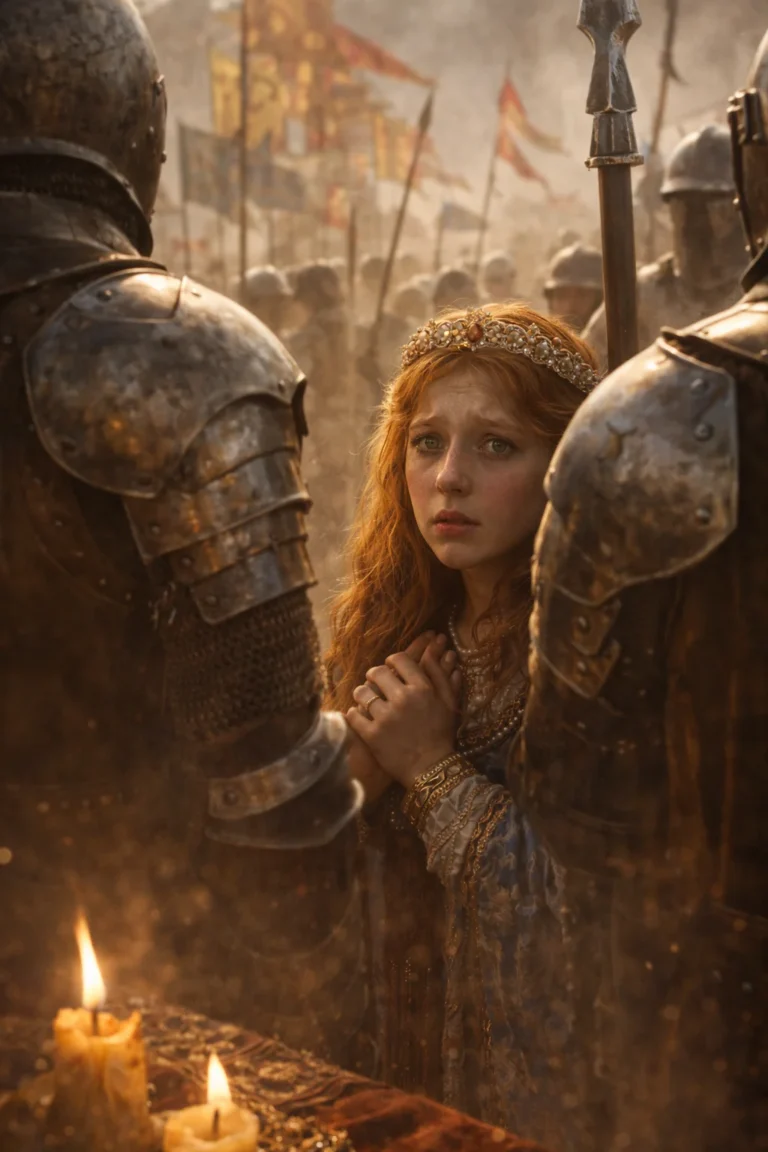
The best-known confrontation took place near Toro on March 1, 1476. The military result was complex: part of the Portuguese army withdrew, while another part, commanded by Prince John of Portugal, held its position. Both sides could claim victory.
Isabella and Ferdinand, however, secured the political triumph. They rapidly circulated news of a complete victory and attracted nobles and cities that had remained undecided. Afonso V failed to transform his military presence into sufficient Castilian support.
The war continued for another three years. Portugal retained naval advantages and defended its Atlantic interests, while Isabella and Ferdinand consolidated territorial control of Castile. Joanna was taken to Portugal in 1476. From there, her name continued to appear in negotiations involving France and other possible allies, but her chances of occupying the throne steadily diminished (Humble Ferreira, 2021).
Her defeat does not prove that her claim lacked a legal foundation. It demonstrates that Isabella and Ferdinand gathered greater resources, built more effective alliances and constructed a political narrative capable of turning an uncertain dynastic conflict into the apparently inevitable restoration of legitimate monarchy.
The Peace That Decided Her Life Without Consulting Her
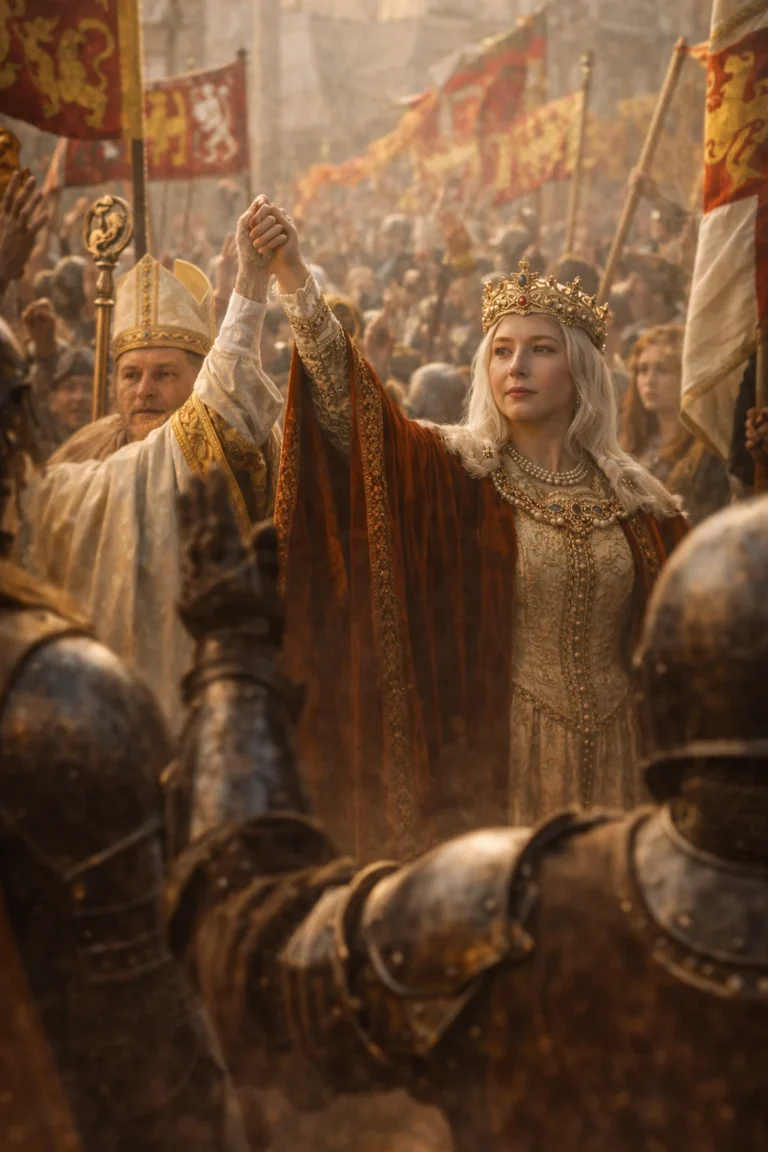
The war ended through the Treaty of Alcáçovas, signed on September 4, 1479. Portugal recognized Isabella and Ferdinand as sovereigns of Castile, while they accepted Portuguese supremacy over much of Atlantic navigation and expansion, except for the Canary Islands.
Joanna’s future was regulated through agreements known as the Tercerías de Moura. She had to abandon her Castilian titles and choose between two possibilities. She could eventually marry Prince John, the son of Isabella and Ferdinand, if he consented when he reached the appropriate age, or she could enter a Portuguese convent.
The proposed marriage was profoundly unequal. Joanna, then seventeen, would have to wait years for the decision of a child born in 1478—the son of the woman occupying the throne she claimed. If the prince rejected the marriage, Joanna’s future would once again become uncertain.
She chose religious life. She first stayed at the convent of Santa Clara in Santarém and professed her vows at Santa Clara in Coimbra on November 15, 1480. Representatives of the Catholic Monarchs attended to verify that she completed the ceremony (Azcona, 1998).
The profession solved the diplomatic problem. A nun could not enter another dynastic marriage or produce an heir capable of reopening the Castilian war.
The Little-Known Fact: The Convent Failed to Erase the Queen
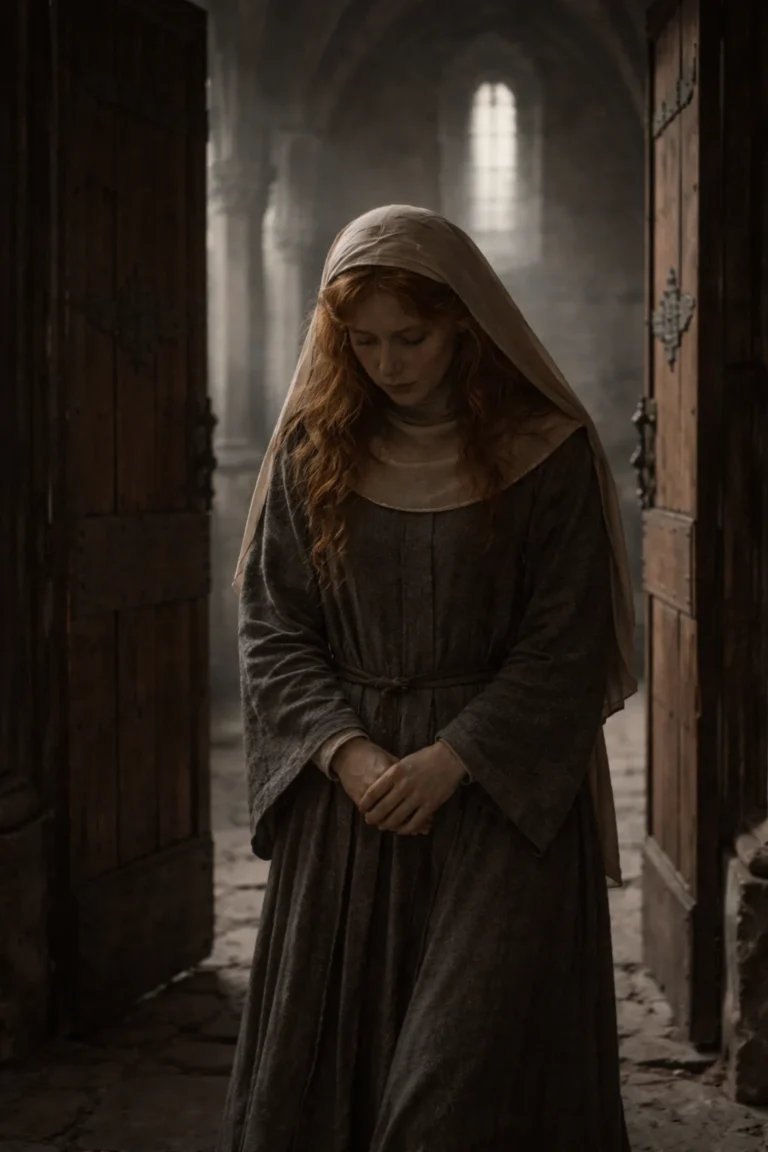
Traditional accounts present Joanna as disappearing behind convent walls after 1480. The reality was more complicated. Although she professed as a Poor Clare and remained nominally attached to Santa Clara in Coimbra, she did not spend fifty years under uninterrupted enclosure.
Portuguese kings provided her with a personal household, servants, income and residences. During different periods, she lived outside the monastery and participated in court life. She received the title Excelente Senhora, reserved for a woman of exceptional rank (Humble Ferreira, 2021).
Her religious status did not eliminate her political value. While she remained alive and without a recognized marriage, she could again become the center of an alliance against Castile. Possible marriages involving Joanna were considered at different moments in European diplomacy, and the Catholic Monarchs carefully monitored any arrangement capable of returning her to the succession struggle.
Most revealingly, Joanna did not internally accept the identity the victors attempted to impose upon her. Until 1522, she continued asserting that she was the legitimate Castilian heir. In surviving documents, she maintained royal formulas, including the signature “I, the Queen.”
She did not live as sovereign of Castile, but neither did she allow the treaty to decide entirely who she was. The woman portrayed as Isabella’s shadow preserved her own household, dynastic memory and dignity for decades—a dignity Portugal continued to recognize even after it was no longer willing to fight for her crown.
A Dynastic Threat for Decades
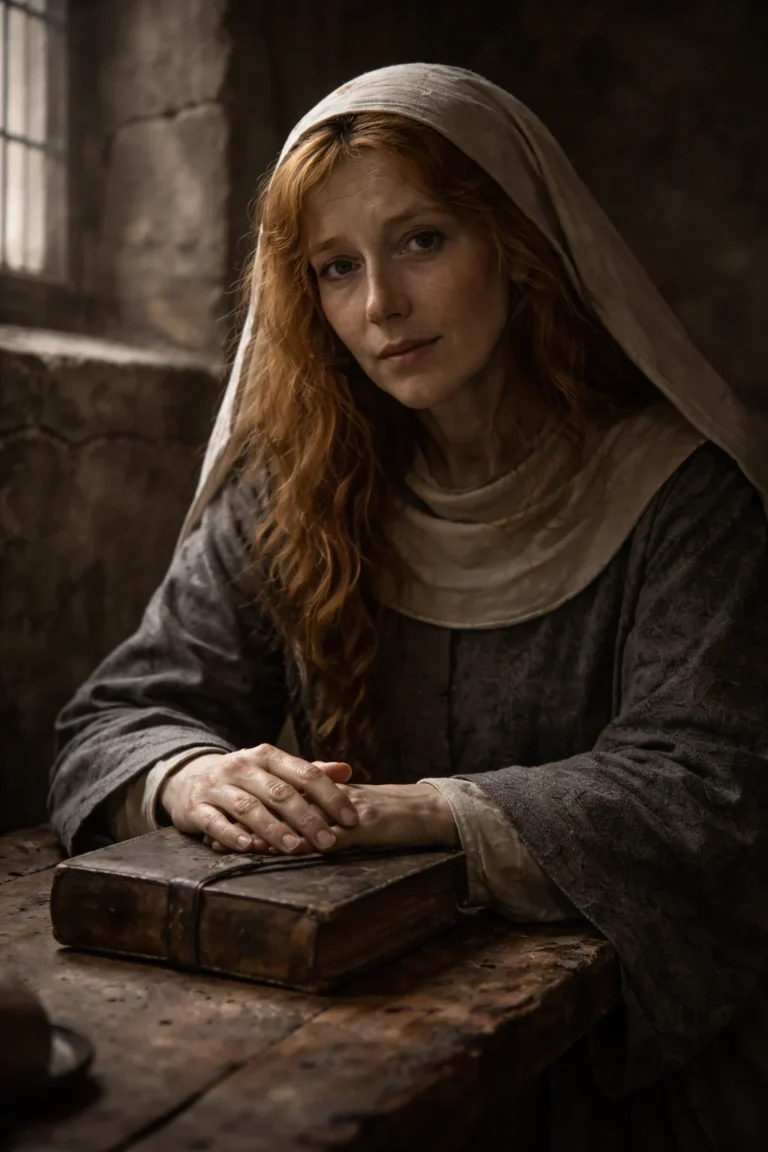
Joanna’s existence continued to generate anxiety after the war. Her youth meant that she could still marry and produce children. A husband with military power might use her rights to reopen the conflict, particularly if the succession of Isabella and Ferdinand entered a period of instability.
Marriage projects involving Joanna were therefore far more than romantic rumors. They were diplomatic instruments. France and Portugal could invoke her name to pressure Castile, while the Catholic Monarchs sought guarantees that she would remain removed from any dynastic alliance (Humble Ferreira, 2021).
Even after taking her vows, her position was not completely neutralized. The strictness of her enclosure changed with the relationship between Portugal and Castile. When tensions increased, her figure regained importance; when the two crowns sought peace, her freedom of action diminished.
Joanna was simultaneously a closely watched woman and a reserve of dynastic legitimacy. Her tragedy was that her existence possessed immense political value precisely while her personal choices remained severely limited.
Was She Really Beltrán de la Cueva’s Daughter?
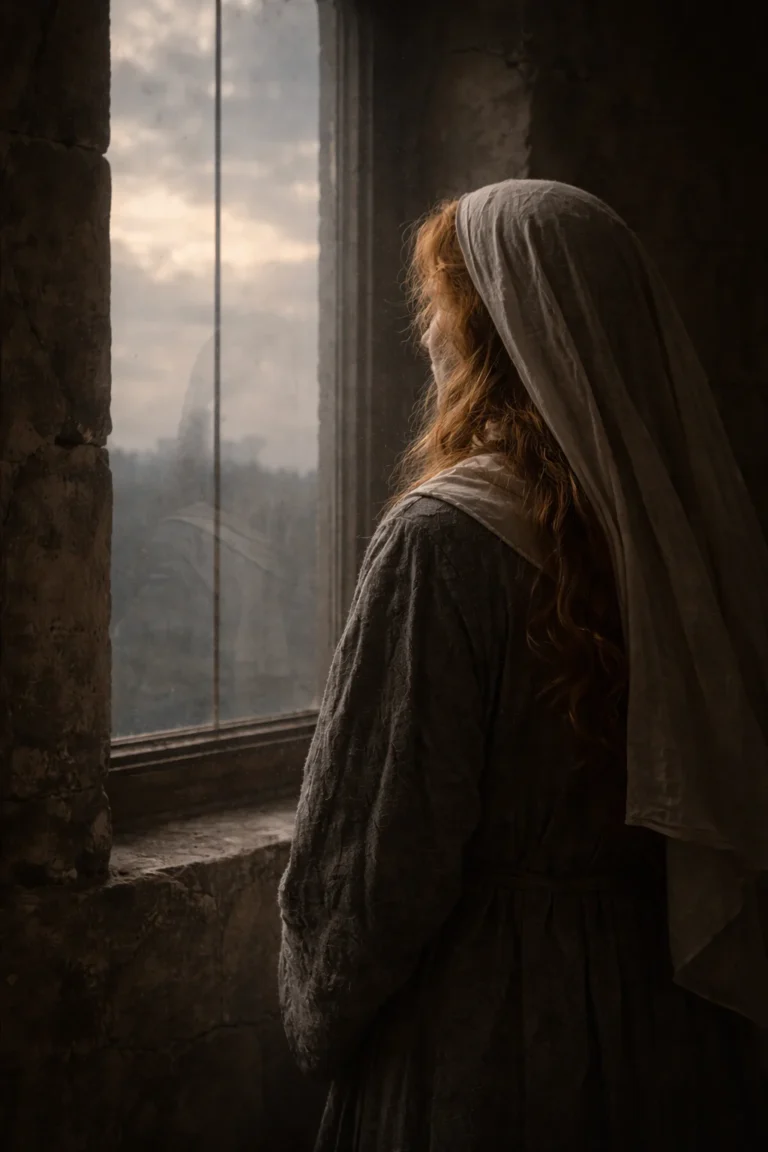
The historically responsible answer is simple: we do not know.
No surviving evidence proves a sexual relationship between Queen Joanna of Portugal and Beltrán de la Cueva. Nor is there genetic evidence capable of resolving the matter. The accusations emerged from an aristocratic rebellion interested in weakening Henry IV and were amplified by those who needed to justify Isabella’s succession.
The attacks directed against Joanna’s mother also relied upon misogynistic stereotypes. Her clothing, courtly behavior and alleged sexual life were used to depict her as immoral. Recent research has demonstrated that stories repeated for centuries—including the claim that she invented certain garments to conceal adulterous pregnancies—originated in political propaganda rather than established fact (Johnston, 2020).
This does not prove with certainty that Henry was the biological father. It means that Joanna’s illegitimacy cannot be treated as demonstrated truth. Legally, she was born within the royal marriage, acknowledged by Henry and sworn as heir by the Cortes.
To call her only “la Beltraneja” repeats her enemies’ political insult without explanation. Her name was Joanna of Castile.
The Queen Who Outlived Almost Everyone
Isabella died in 1504. Ferdinand of Aragon died in 1516. Many of the nobles who had decided Joanna’s fate disappeared long before she did. The defeated princess outlived nearly every major participant in the war that cost her the crown.
She spent her final years in Lisbon, respected by the Portuguese monarchy. She died on April 12, 1530, at sixty-eight. The Lisbon earthquake of 1755 and subsequent destruction caused the secure location of her remains to be lost.
She founded no dynasty and governed no territory. Her defeat indirectly helped construct the monarchy of Isabella and Ferdinand, which transformed the history of the Iberian Peninsula and the Atlantic. Official memory therefore had little reason to listen to Joanna’s version.
She was not simply Isabella the Catholic’s unfortunate rival. She was a child whose identity became a weapon, an adolescent used to legitimize an invasion and a woman forced to choose between a conditional marriage and a convent.
But she was also someone who preserved her name when her opponents tried to replace it with an epithet. She lost the kingdom, yet never granted the victors the final word about who she had been.
Until the end of her long life, while others called her bastard, nun or defeated princess, she continued to sign herself in the only manner she considered true:
“I, the Queen.”
References
- Ávila Seoane, N. (2022). La desenvuelta escritura de Juana la Beltraneja. Cuadernos del CEMYR, 30. https://doi.org/10.25145/j.cemyr.2022.30.02
- Azcona, T. de. (1998). Juana de Castilla, mal llamada la Beltraneja, 1462–1530. Fundación Universitaria Española.
- Carrasco Manchado, A. I. (2006). Isabel I de Castilla y la sombra de la ilegitimidad: Propaganda y representación en el conflicto sucesorio (1474–1482). Sílex.
- Humble Ferreira, S. (2021). Juana La Beltraneja, dynastic fears, and threats of marriage (1475–1506). Renaissance and Reformation, 43(4), 79–100. https://doi.org/10.33137/rr.v43i4.36383
- Johnston, M. D. (2020). Sex, lies, and verdugados: Juana of Portugal and the invention of hoopskirts. In M. L. Wright, R. Netherton, & G. R. Owen-Crocker (Eds.), Medieval clothing and textiles (Vol. 16, pp. 101–122). Boydell & Brewer. https://doi.org/10.1017/9781787446915.006
- Real Academia de la Historia. (n.d.). Juana de Castilla. Historia Hispánica. https://historia-hispanica.rah.es/biografias/10555-juana-de-castilla
- Sitges, J. B. (1912). Enrique IV y la Excelente Señora, llamada vulgarmente doña Juana la Beltraneja, 1425–1530. Sucesores de Rivadeneyra.
More from this collection
Queen Victoria: The Young Woman Who Escaped a Cage and Became the Symbol of an Empire
Read story →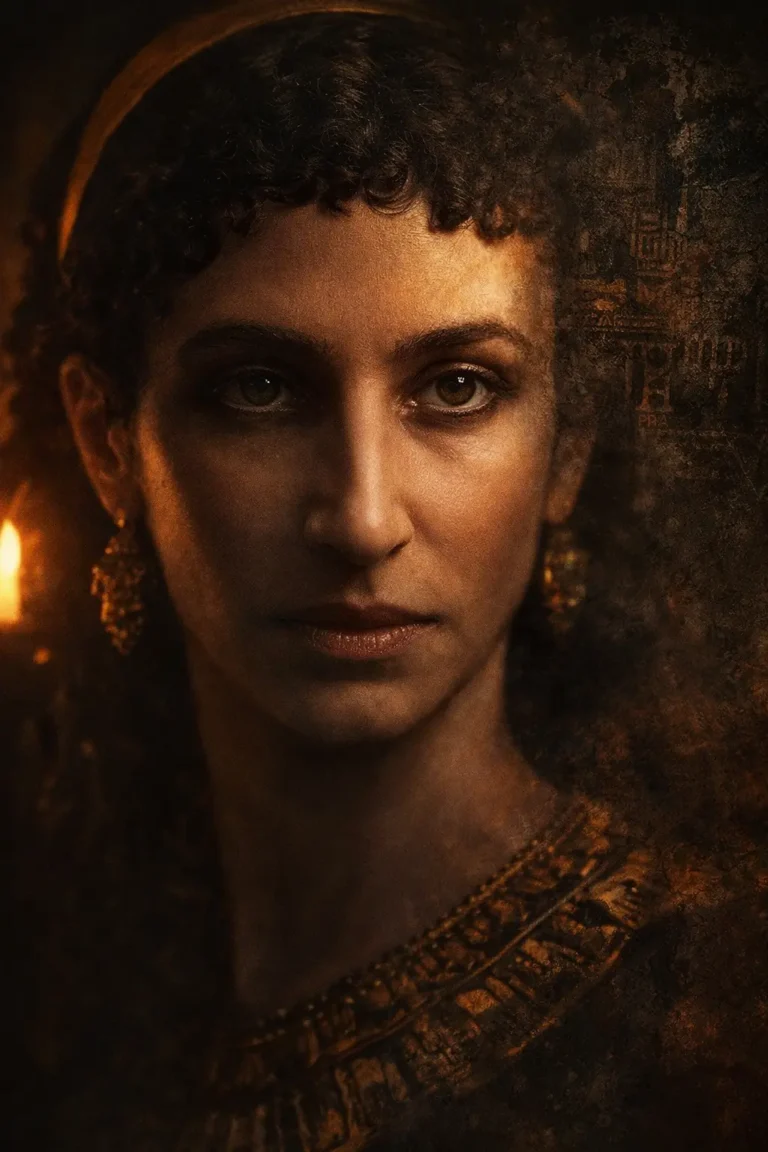
Cleopatra: The Queen Rome Turned into a Seductress
Read story →