In this storyOpen index
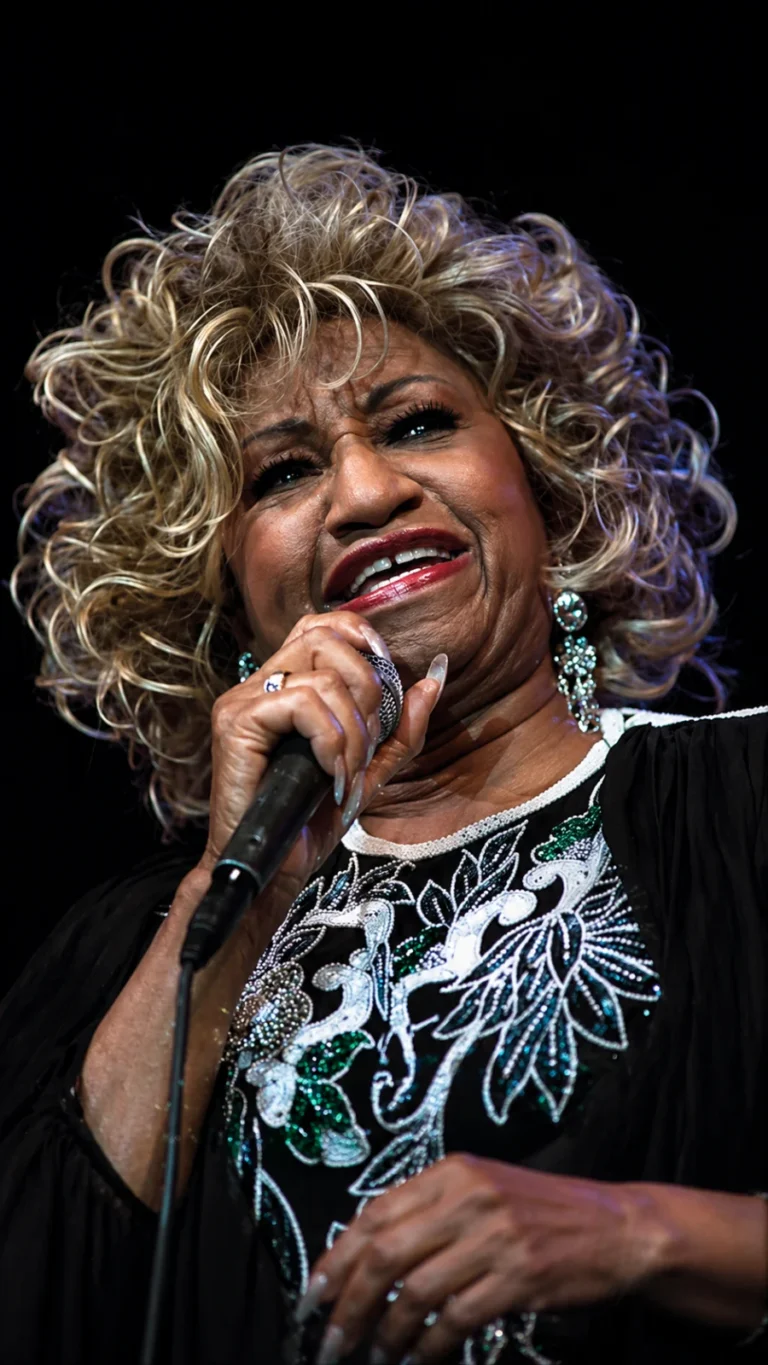
La Lupe: The Woman Who Turned Bolero into a Battle
She trained to become a teacher, turned bolero into a physical confrontation, and proved that female rage could also command the stage.
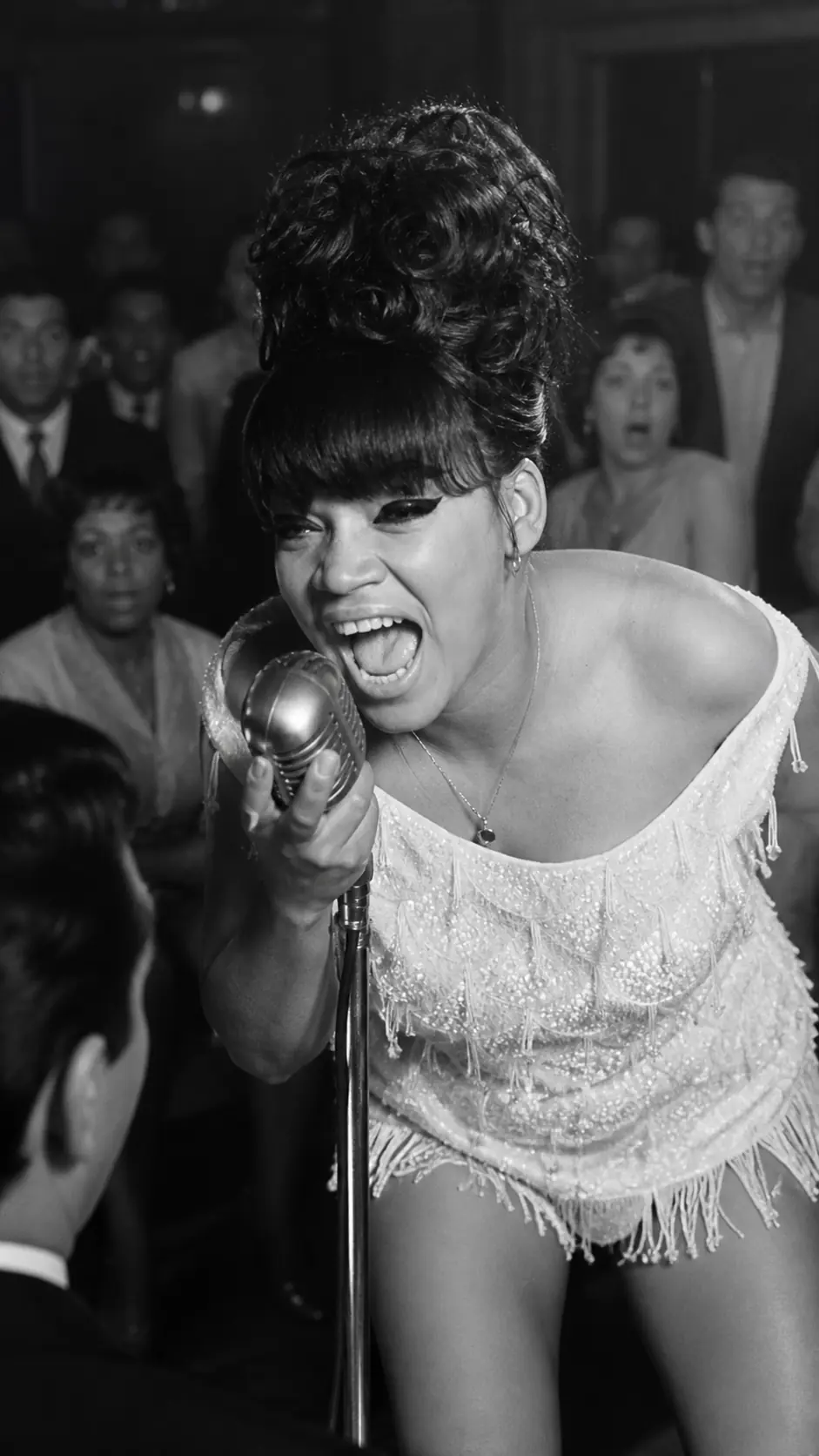
The singer struck the piano, removed her shoes, scratched her arms, and seemed to argue with every verse as though the song had just betrayed her. To some observers, it was an excessive spectacle. To others, it appeared to be a form of madness. But La Lupe knew exactly what she was doing: she had transformed the stage into a place where a Caribbean woman could express anger, desire, humiliation, and defiance without asking permission.
La Lupe on video
Discover this story on our YouTube channel.
A life told through places and turning points
Enter the archive
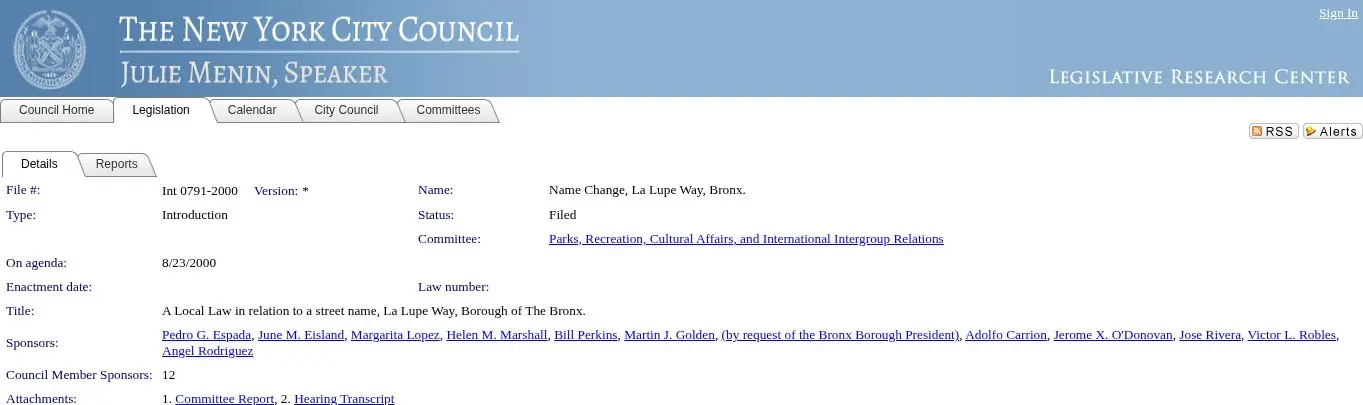
An authentic document preserved by a public institution records how New York incorporated La Lupe’s name into the memory of the Bronx.
- Collection
- Legislative Research Center
- Rights
- Official public record
A Local Law in relation to a street name, La Lupe Way, Borough of The Bronx.
Before she was called the Queen of Latin Soul, she was a young woman preparing for an entirely different profession. The little-known fact is that Guadalupe Victoria Yolí Raymond studied to become a teacher and briefly worked in education. Her father expected that career to provide her with a respectable and stable life. Music eventually took her in the opposite direction: toward nightclubs, exile, fame, and a fall as spectacular as her performances (Aparicio & Valentín-Escobar, 2004; Troyano, 2007).
From Santiago de Cuba to Havana’s stages
Guadalupe Victoria Yolí Raymond was born on December 23, 1936, in Santiago de Cuba. During her youth, she moved with her family to Havana, where she completed her teacher training. The discipline of the classroom, however, could not contain a personality that found a much larger space within music (Aparicio & Valentín-Escobar, 2004).
In the late 1950s, she began singing professionally with Trío Tropicuba. The group performed boleros and popular songs in a relatively conventional format. La Lupe, however, was not made to disappear inside a three-part harmony. Her stage intensity and musical decisions created tensions, and she eventually left the group.
Her opportunity arrived at La Red, a small Havana nightclub frequented by artists, musicians, and intellectuals. There she developed an act that broke with the controlled elegance expected of many female bolero singers. She did not remain still before the microphone. She screamed, whispered, laughed, struck objects, removed her shoes, and twisted her body as though the words were physically passing through her (Aparicio, 1998; Troyano, 2007).
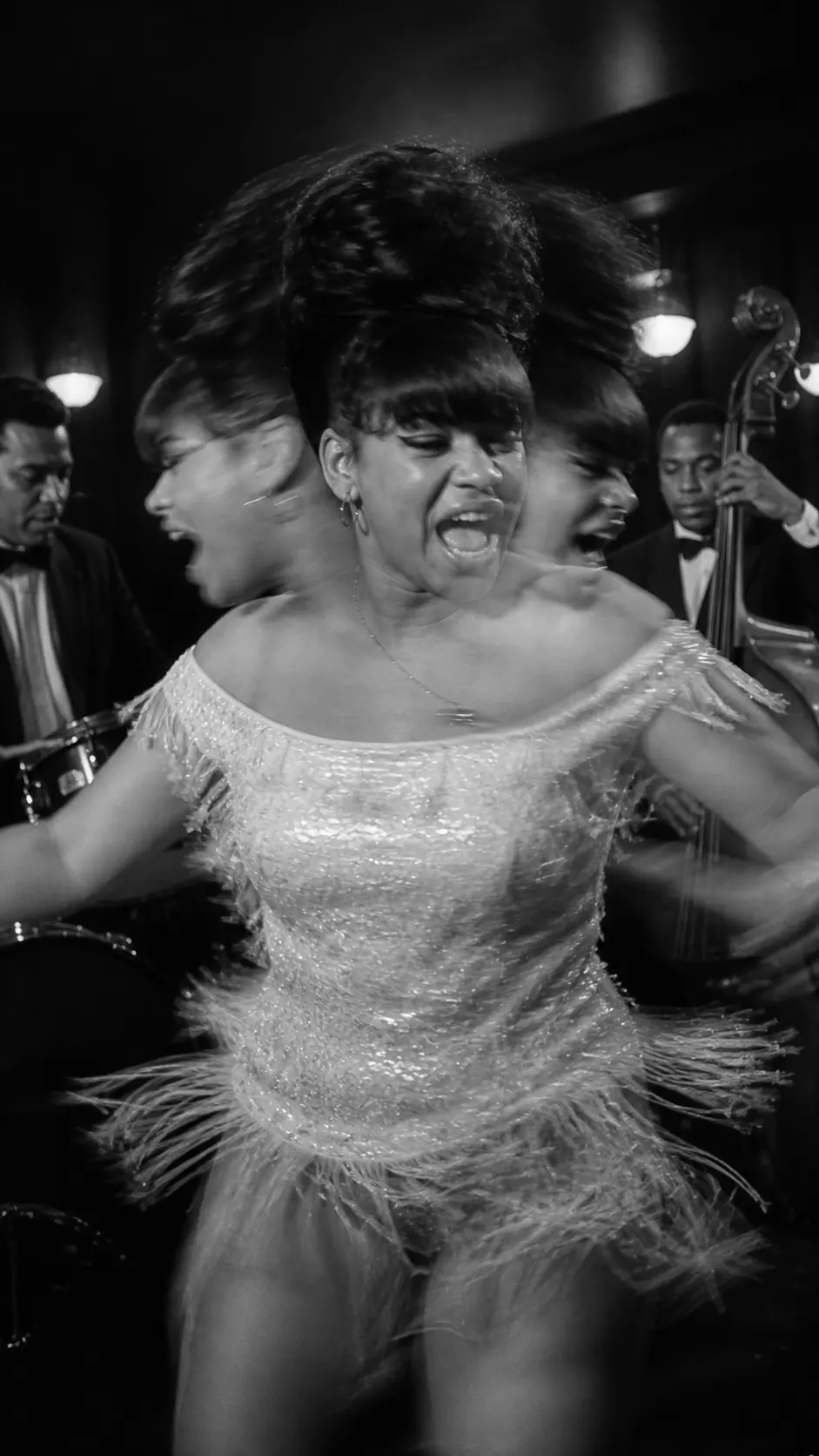
In 1961, she recorded Con el diablo en el cuerpo, a title that seemed to describe both her repertoire and the impression she made on audiences. She performed boleros, guarachas, Afro-Cuban songs, and versions of international hits, but she did not merely sing them. She dismantled and rebuilt them around her own personality.
A departure from Cuba surrounded by conflicting stories
La Lupe’s relationship with the new cultural environment created after the Cuban Revolution was difficult. Some officials and commentators considered her style scandalous, but accounts of her departure from Cuba have been embellished over time. It has been claimed that Fidel Castro personally expelled her or banned her through a direct order, although those versions are not supported by conclusive documentation (Troyano, 2007).
What can be established is that she left Cuba in 1962, spent a brief period in Mexico, and later arrived in New York. There she found a city where Cuban, Puerto Rican, and American musicians were creating new combinations of mambo, jazz, son, guaracha, bolero, and rhythm and blues (Rondón, 2008).
New York was not an easy refuge. La Lupe had to make her way through a competitive industry dominated by businessmen and bandleaders who controlled recordings, contracts, and access to stages. Her first major opportunity came through Cuban percussionist Mongo Santamaría, with whom she recorded Mongo Introduces La Lupe in 1963 (Rondón, 2008).
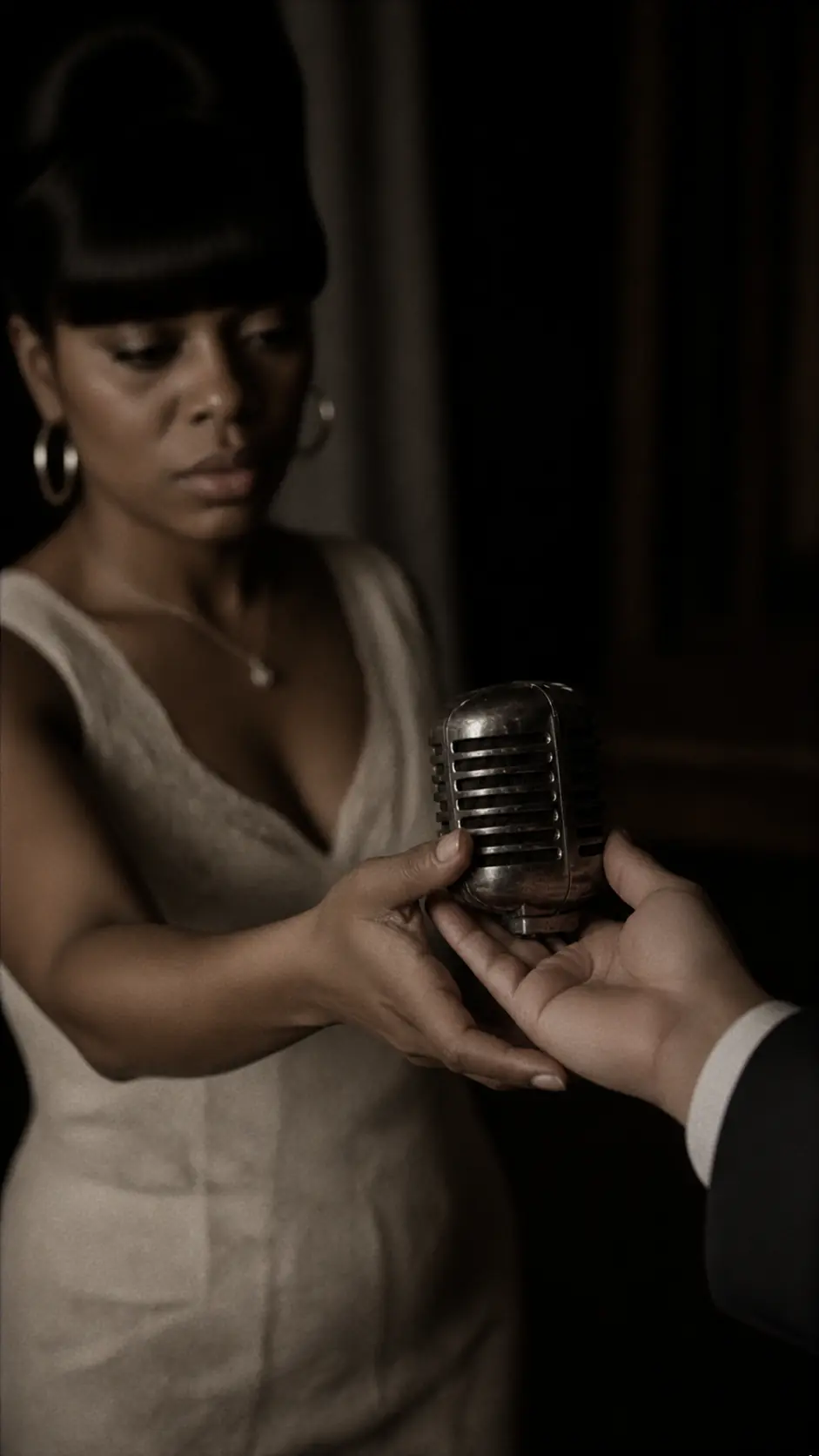
The album brought her voice to a wider audience, but the collaboration was brief. La Lupe possessed too powerful a presence to function solely as a featured singer.
The queen beside Tito Puente
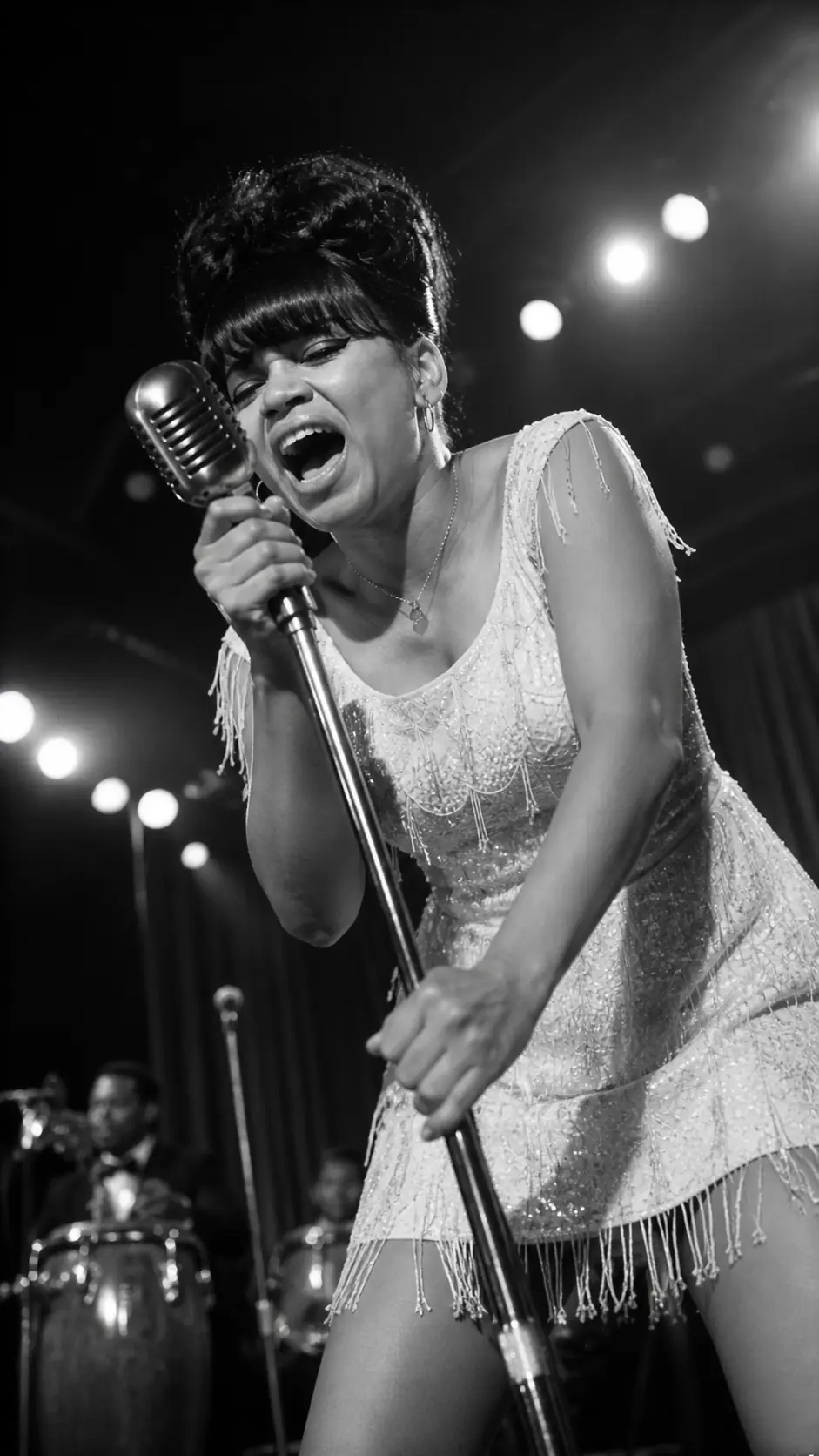
After separating professionally from Santamaría, she began working with Tito Puente. The combination proved explosive: Puente led one of New York’s most important Latin orchestras, while La Lupe brought a performance style capable of moving from a whisper to fury within seconds.
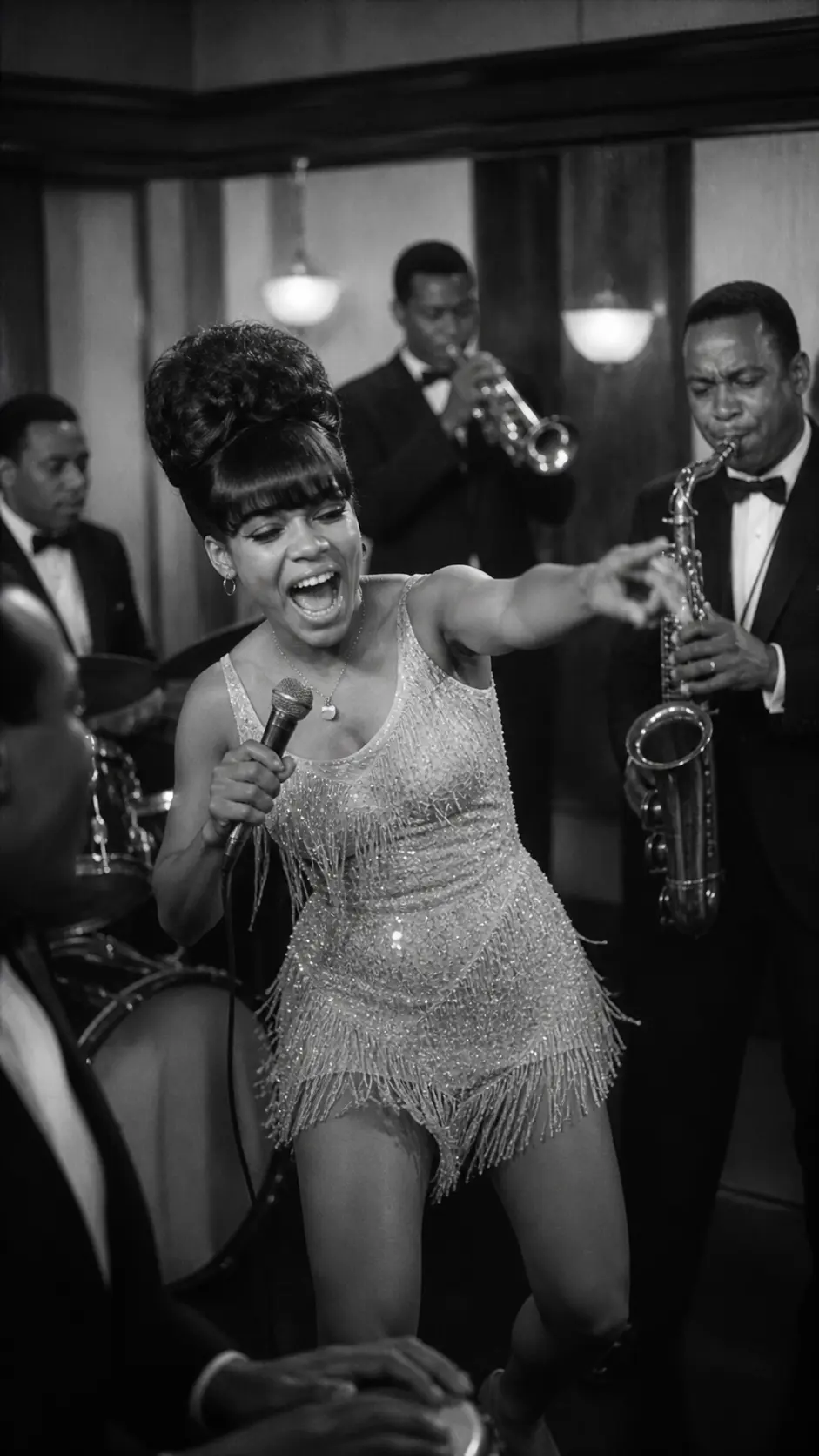
During the second half of the 1960s, they recorded albums including Tito Puente Swings, The Exciting Lupe Sings, Tú y yo, The King and I, and Two Sides of La Lupe. Her repertoire encompassed boleros, guarachas, boogaloos, and adaptations of American songs. Their collaboration made her one of the most visible Latin performers of the period (Aparicio, 1998; Rondón, 2008).
Her voice was not conventionally perfect, and that was precisely its strength. She could fracture a note, release a cry, or speak inside a song. Those choices were not evidence of poor technique; they were elements of a performance carefully constructed around pain and desire.
In songs such as “Qué te pedí,” “La tirana,” and “Puro teatro,” La Lupe transformed the traditional bolero. The lyrics spoke of abandonment, deception, and destructive relationships, but she did not portray a submissive woman. Even when singing from a position of defeat, her voice appeared to prosecute the person who had wounded her (Aparicio, 1998).
Puerto Rican composer Catalino “Tite” Curet Alonso wrote some of the songs most closely associated with her, including “La tirana” and “Puro teatro.” His lyrics found in La Lupe an interpreter capable of turning a romantic conflict into a public trial.
A woman who was difficult to control
The press frequently described her performances as spontaneous, wild, or delirious. That image contributed to her fame, but it also reduced her artistic work to an alleged inability to control herself.
Later studies of her career have shown that her gestures functioned as a stage language. La Lupe used her body to represent what bolero lyrics could barely articulate: sexual desire, female anger, frustration, and pleasure. In an industry that expected women singers to be elegant and accommodating, she turned discomfort into a form of power (Aparicio, 1998; Quiroga, 2000).
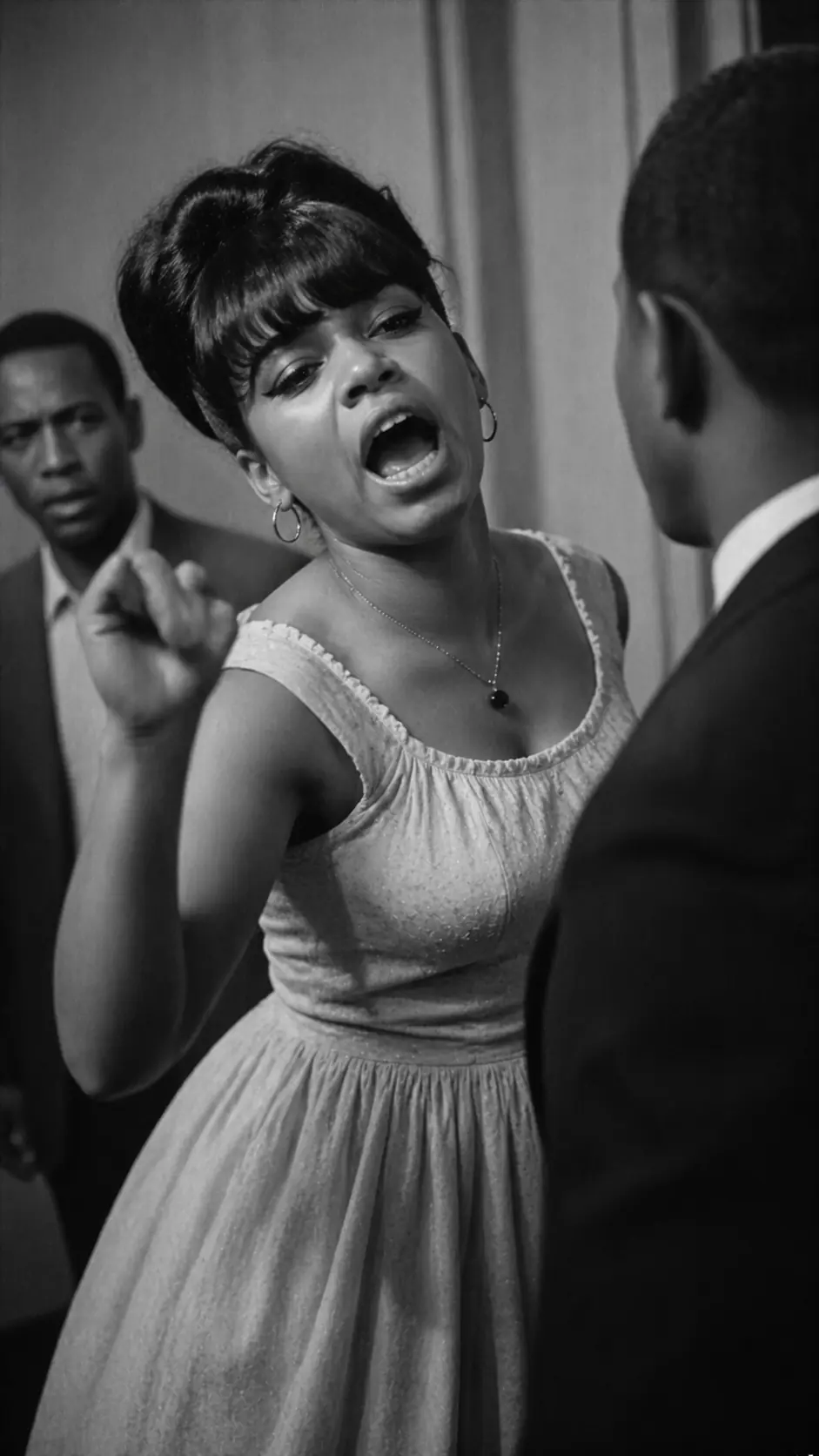
She also challenged racial and cultural categories. She was an Afro-Cuban woman performing Cuban, Puerto Rican, Venezuelan, Mexican, and American material for a Latin community still defining its identity in New York. Her music did not belong completely to a single nation. It became part of the sound of a Caribbean diaspora in formation (Aparicio & Valentín-Escobar, 2004).
That freedom came at a price. What could be celebrated as artistic temperament in a man was often described as vulgarity, instability, or scandal in La Lupe. Her talent became inseparable from a caricature the industry could exploit while it remained profitable.
A downfall without a single cause
In the early 1970s, the Latin music market began to change. Salsa acquired a more clearly defined commercial identity, and Fania Records became the industry’s dominant force. Tico Records, the company for which La Lupe recorded, came under Fania’s control.
It is often claimed that Celia Cruz arrived in New York and deliberately displaced La Lupe. That explanation reduces a complex transformation to a personal rivalry between two Cuban women. There is insufficient evidence to hold Cruz responsible for La Lupe’s decline. Shifts in the market, record-company decisions, the uneven management of her career, and the singer’s own financial and personal difficulties all contributed (Aparicio & Valentín-Escobar, 2004; Rondón, 2008).
La Lupe continued recording during part of the 1970s, but gradually lost the industry’s support. Her income declined, and her family’s situation became increasingly precarious. Accounts of this period combine verifiable events with rumors, making it difficult to determine exactly how much money she lost or how it disappeared.
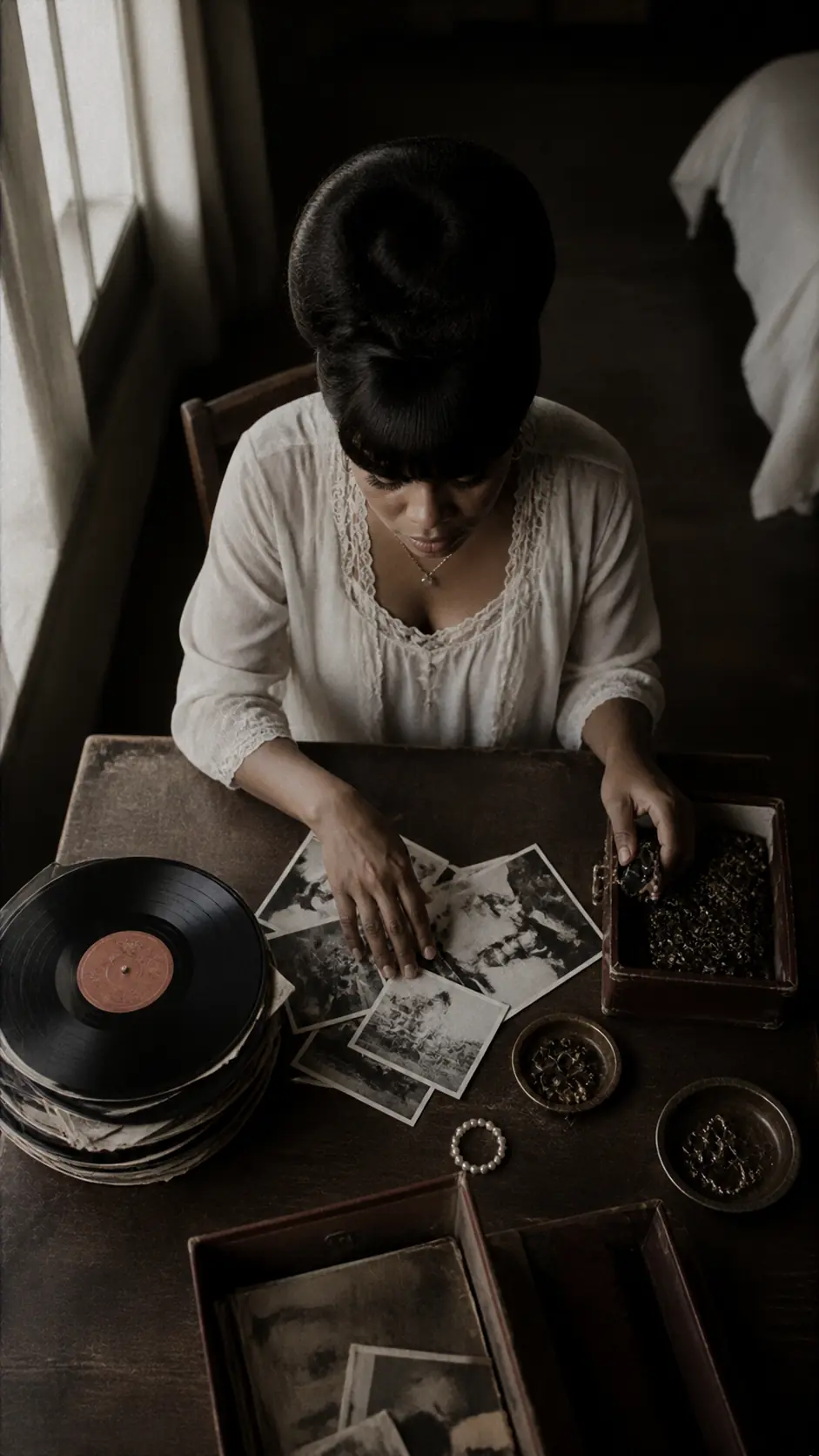
During the 1980s, she experienced health problems and a severe economic crisis. A fire in her home made her circumstances worse. The artist who had filled theaters and appeared on some of New York’s most important Latin stages ended up living in extremely modest conditions (Troyano, 2007).
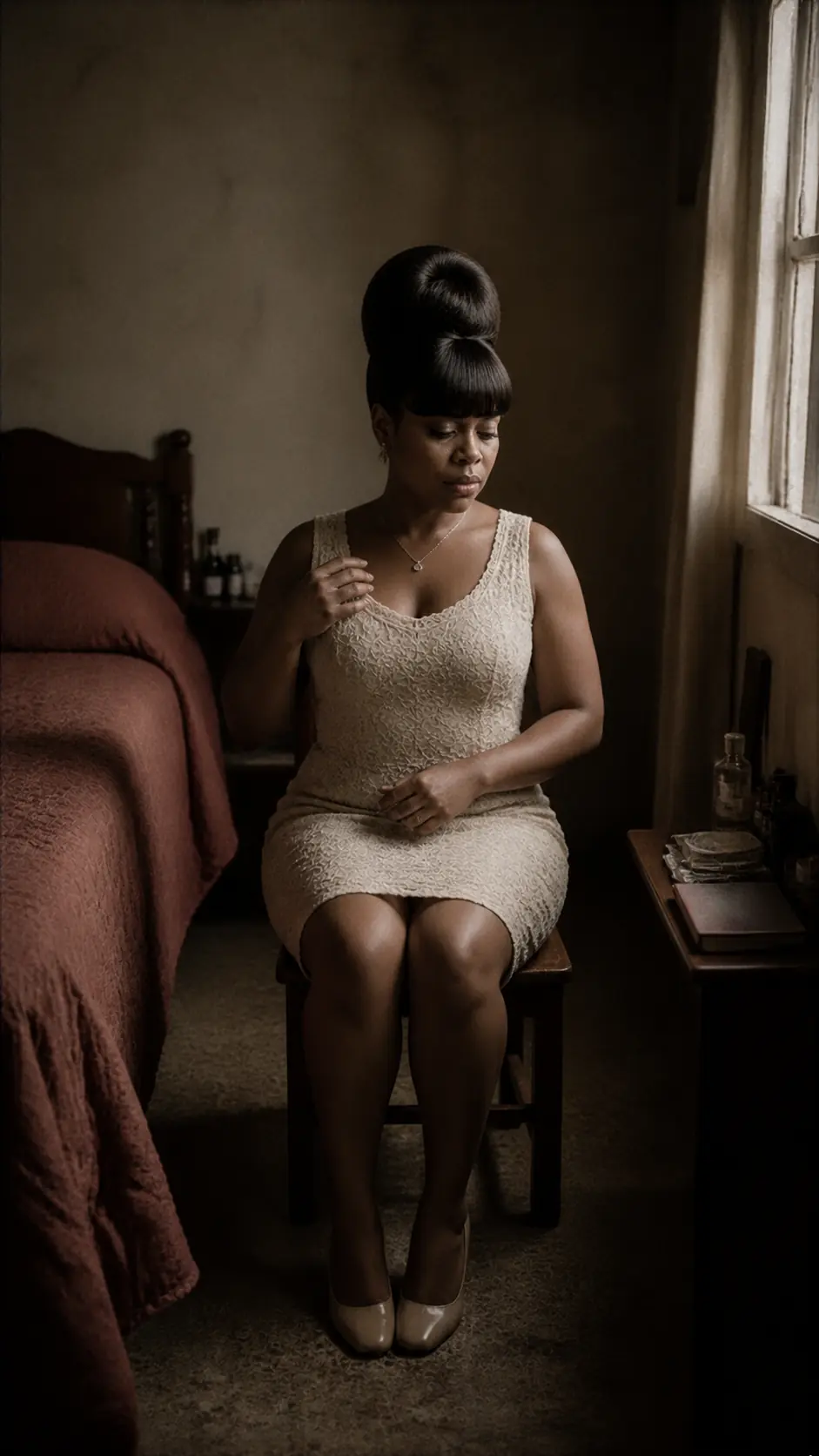
The voice that returned transformed
In her final years, La Lupe embraced evangelical Christianity and began singing in churches. She understood her physical and spiritual recovery as the result of divine intervention. She left behind much of the repertoire associated with her years of fame and recorded religious songs.
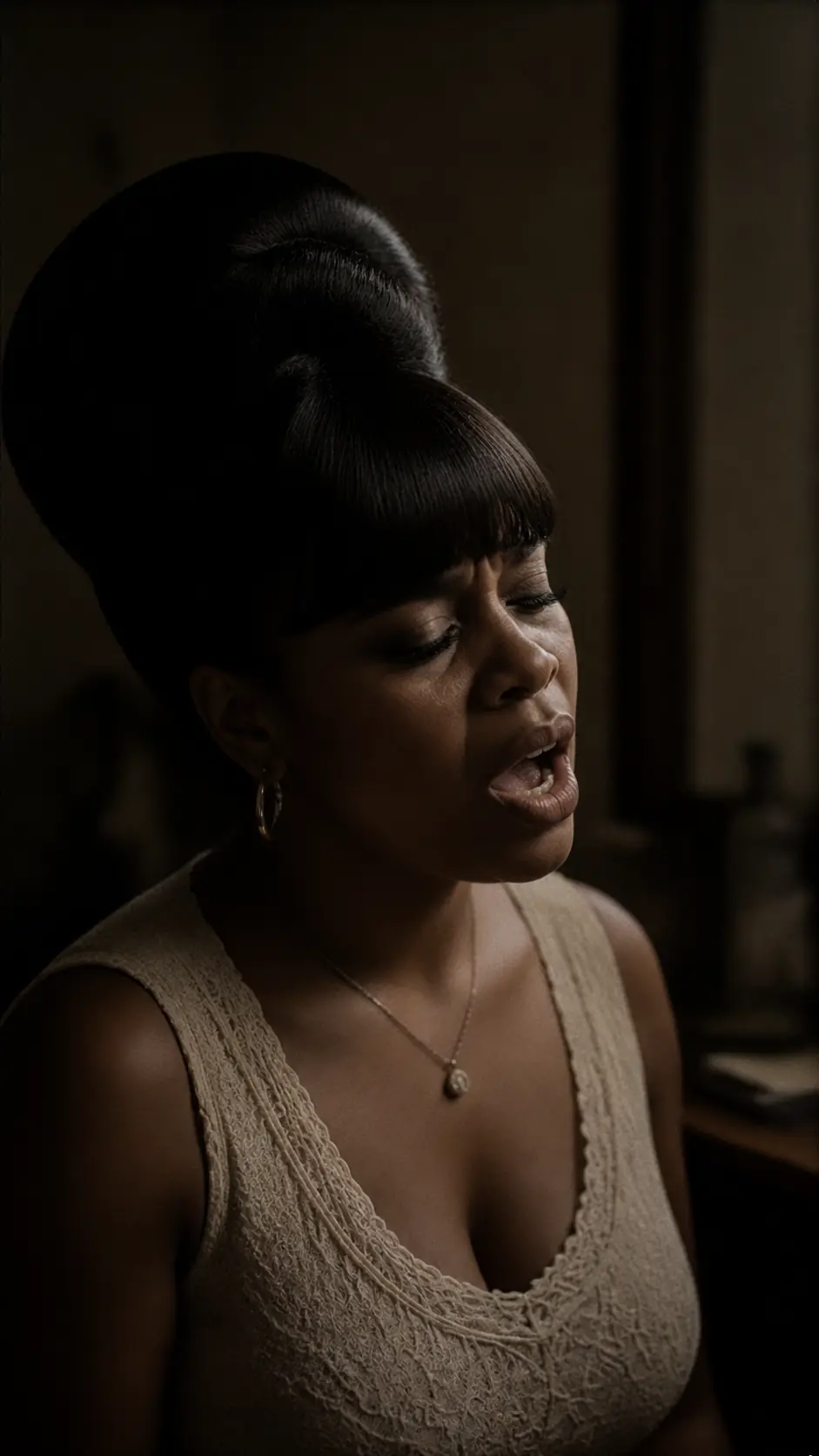
At first, the transformation appeared to erase the woman who had set Havana and New York nightclubs on fire. Yet her singing retained the same intensity. She no longer directed her pain toward an unfaithful lover but toward a religious experience she believed had saved her.
La Lupe died in New York on February 29, 1992, at the age of 55, after suffering a heart attack. By then, much of the industry that had benefited from her voice had nearly forgotten her (Watrous, 1992).
An influence that survived the silence
In 2000, the New York City Council introduced Int. 0791-2000 to designate a stretch of East 140th Street between St. Ann’s Avenue and Cypress Avenue in the Bronx as La Lupe Way. The official file preserves the institutional recognition granted to the neighborhood where she spent her final years (New York City Council, 2000–2001).
After her death, a gradual reassessment of her work began. Scholars, filmmakers, and new generations of performers recognized that La Lupe had been far more than an eccentric singer. Her way of performing pain created space for Latina artists who no longer wished to remain motionless or conceal their anger behind an elegant performance (Aparicio & Valentín-Escobar, 2004).
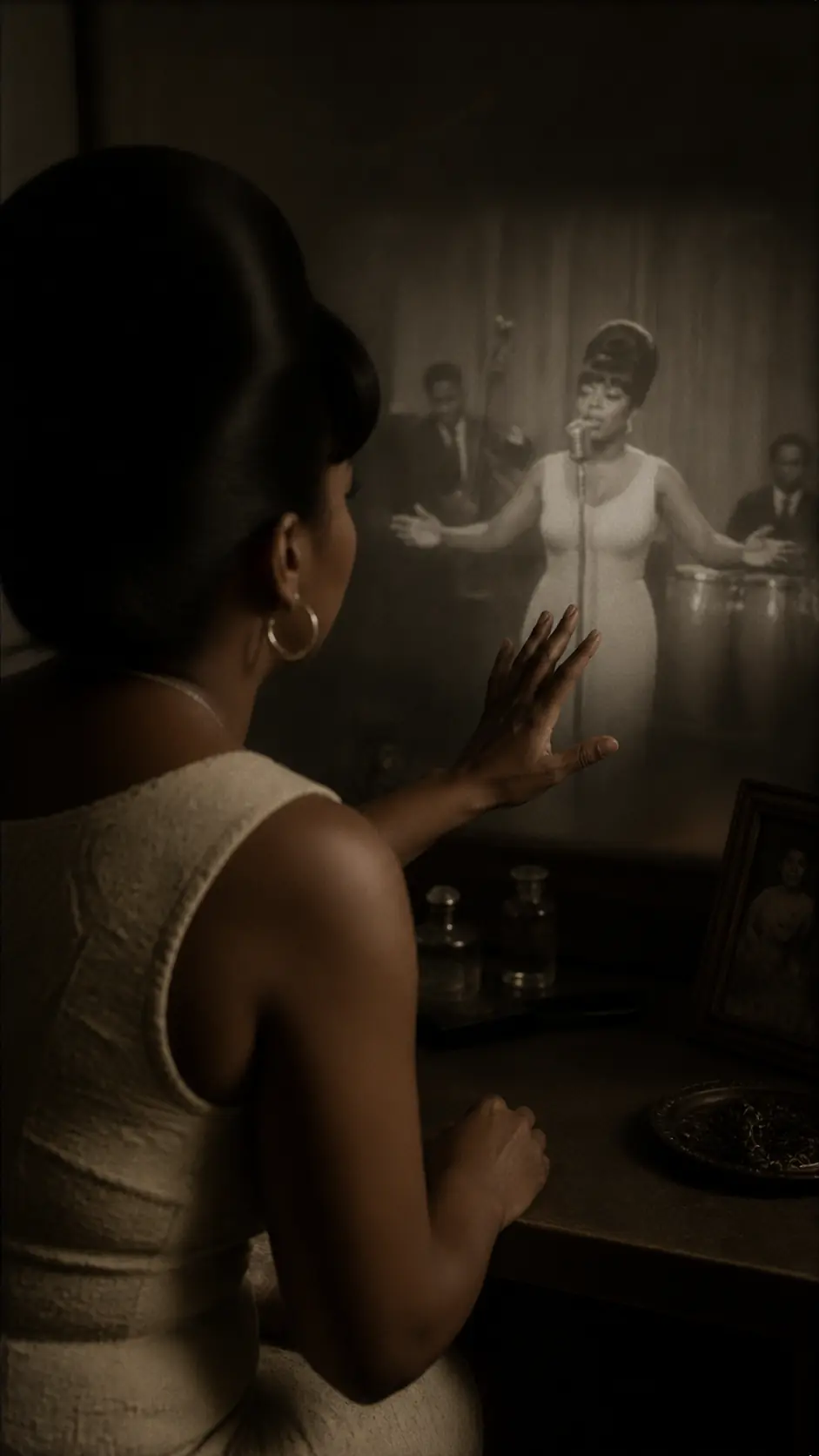
Her story also reveals how musical memory operates. Audiences remember the discarded shoes, the screams, and the gestures, but they may forget the artist who controlled all those elements. They remember her economic downfall but not always the industry that abandoned her when its priorities changed.
La Lupe sang against several forms of darkness: the obedience demanded of women, racism, exile, poverty, and oblivion. She did not defeat them all. Yet whenever her voice begins to break inside a recording, it becomes clear that she never agreed to disappear quietly.
References
- Aparicio, F. R. (1998). Listening to salsa: Gender, Latin popular music, and Puerto Rican cultures. Wesleyan University Press.
- Aparicio, F. R., & Valentín-Escobar, W. A. (2004). Memorializing La Lupe and Lavoe: Singing vulgarity, transnationalism, and gender. CENTRO Journal, 16(2), 78–101.
- Quiroga, J. (2000). Tropics of desire: Interventions from queer Latino America. New York University Press.
- Rondón, C. M. (2008). The book of salsa: A chronicle of urban music from the Caribbean to New York City (F. R. Aparicio & J. White, Trans.). University of North Carolina Press.
- Troyano, E. (Director). (2007). La Lupe: Queen of Latin soul [Documentary film]. Ela Troyano Productions.
- Watrous, P. (1992, March 7). La Lupe, a singer, is dead; known as “Queen of Latin Soul.” The New York Times.
- New York City Council. (2000–2001). Name Change, La Lupe Way, Bronx (Int. 0791-2000).
More from this collection
Violeta Parra: The Woman Who Traveled Across Chile to Return Its Vanishing Songs to the People
Read story →
Chavela Vargas: The Woman Who Turned Her Wounds Into a Form of Freedom
Read story →