In this storyOpen index
Alexander Fleming: The Man Who Saw Medicine Where Others Would Have Seen Dirt
Alexander Fleming and penicillin: the 1928 discovery, the Oxford team, industrial production, and his warning about bacterial resistance.
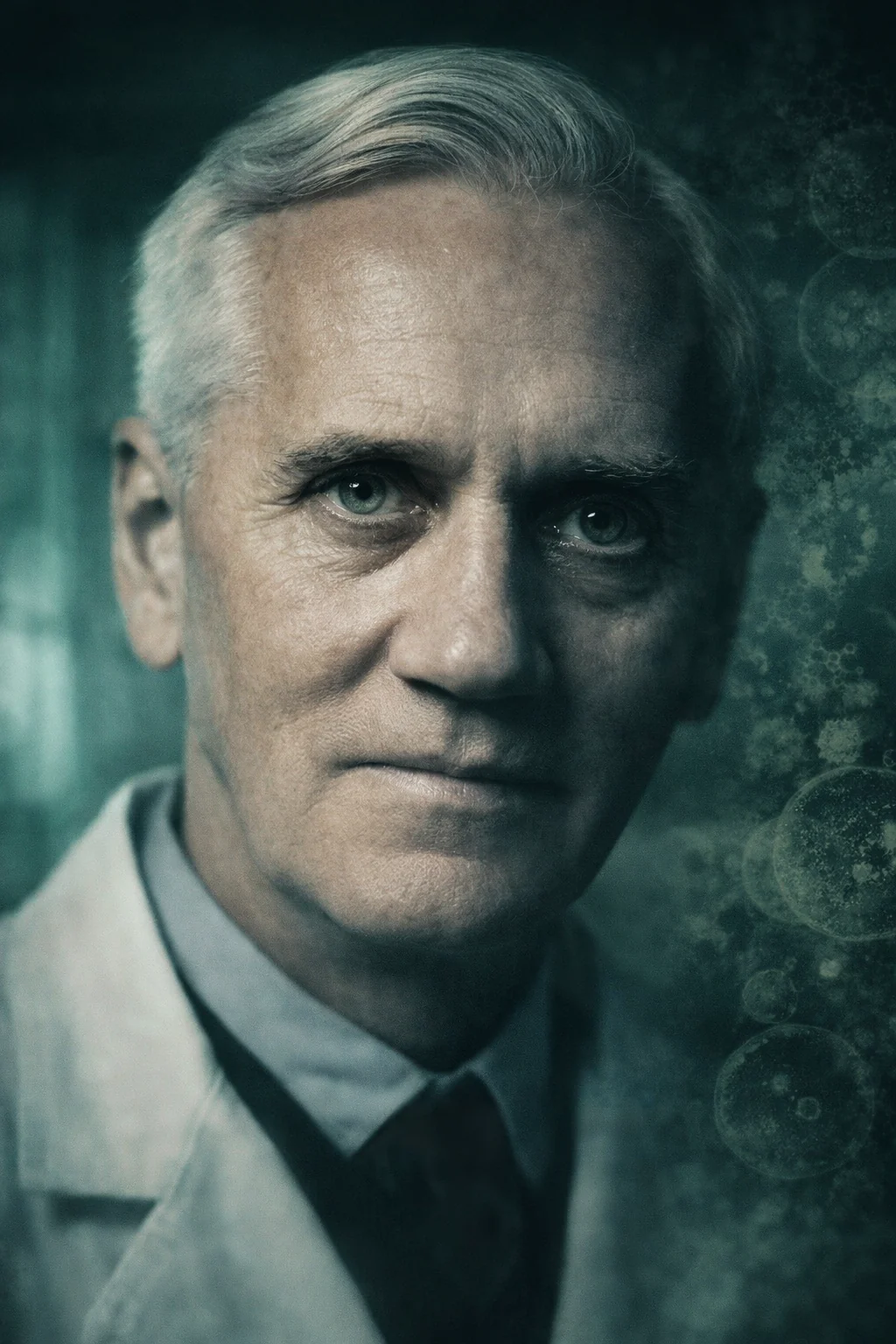
In September 1928, Alexander Fleming found mold growing on a contaminated laboratory plate. The extraordinary part was not that the fungus had appeared by accident. Contamination was common. What mattered was that Fleming did not throw the plate away.
Around the mold was a transparent area where the bacteria had disappeared. Fleming understood that this empty space contained an answer. The fungus was producing a substance capable of destroying certain microorganisms.
He called it penicillin.
The real story, however, is more complicated than the legend of a solitary scientist discovering a miracle drug. Fleming identified the phenomenon and recognized its importance, but he could not turn it into a widely usable systemic treatment on his own. That required other researchers, new techniques, enormous quantities of mold culture, and a world war.
His true genius was not that a fortunate accident happened to him. It was that he knew how to observe it.
Alexander Fleming
A life told between chance and observation
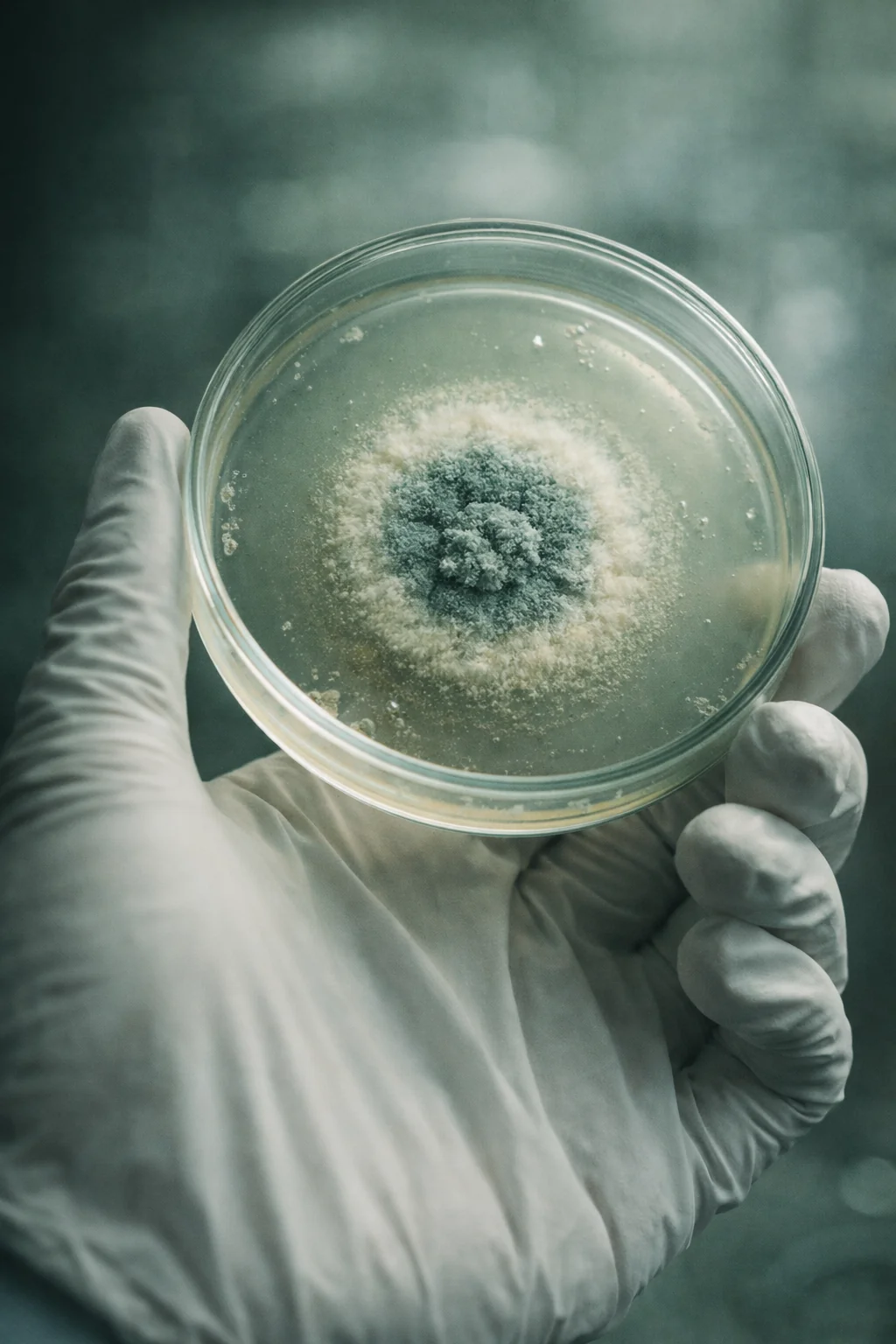
The 1929 paper
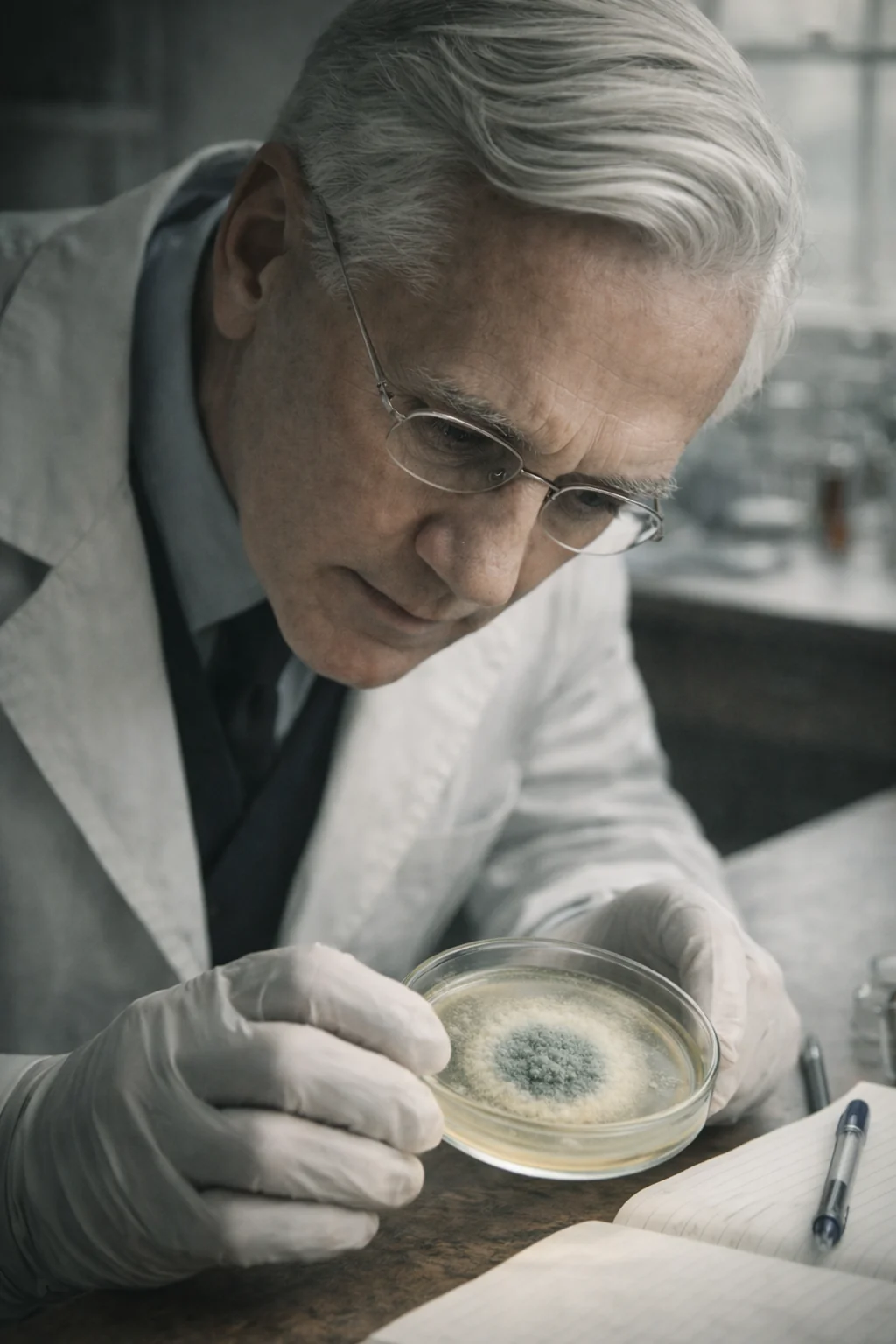
The original publication lets us examine what Fleming observed and the uses he proposed for the mold filtrate. The plate image is an AI illustration; the link leads to the digitized scientific document.
From a Scottish Farm to a London Laboratory
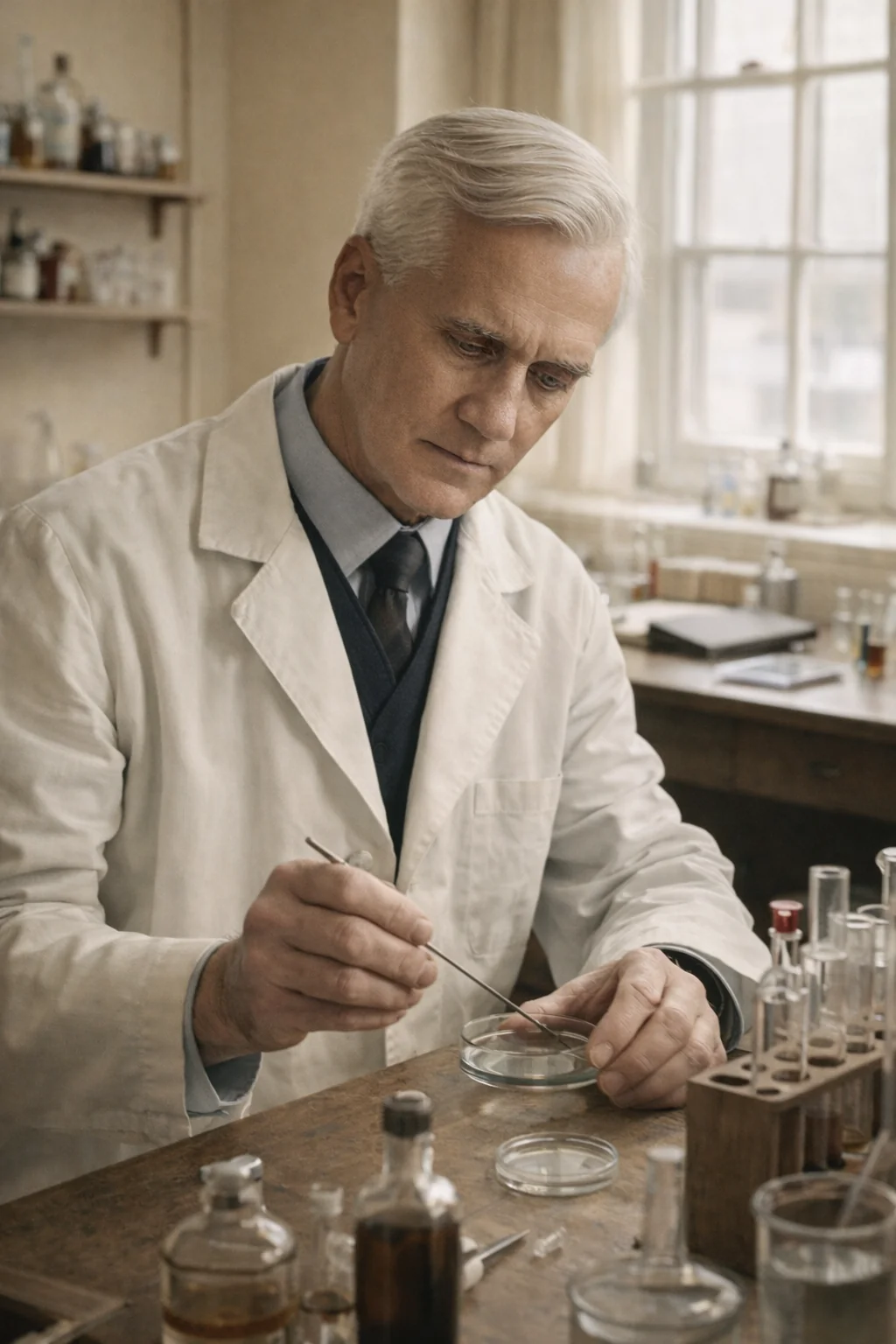
Alexander Fleming was born on August 6, 1881, at Lochfield, a farm near Darvel in Ayrshire, Scotland. He was one of the children from farmer Hugh Fleming’s second marriage. His father died when Alexander was seven.
His rural childhood helped develop his powers of observation. Later fame produced exaggerated stories intended to explain his destiny from childhood. One claimed that Fleming’s father rescued a young Winston Churchill from a bog and that the Churchill family consequently paid for the future scientist’s education. The story is false: no documentation supports either the rescue or the alleged financial assistance.
At thirteen, Fleming moved to London, where some of his older brothers were already living. He worked for several years in a shipping office before a small inheritance allowed him to study medicine. In 1901, he entered the medical school at St Mary’s Hospital.
He qualified with distinction in 1906 and began conducting research under Almroth Wright, a pioneer of immunology and vaccine therapy. Fleming would remain associated with St Mary’s for most of his career (Nobel Prize Outreach, n.d.-a).
His entry into bacteriology also had an unexpectedly practical cause. Fleming was an accomplished marksman and belonged to the school’s rifle club. One of his colleagues wanted to prevent him from leaving the team and encouraged him to join Wright’s department. A sporting interest helped determine the direction of his scientific life.
The Wounds Antiseptics Made Worse
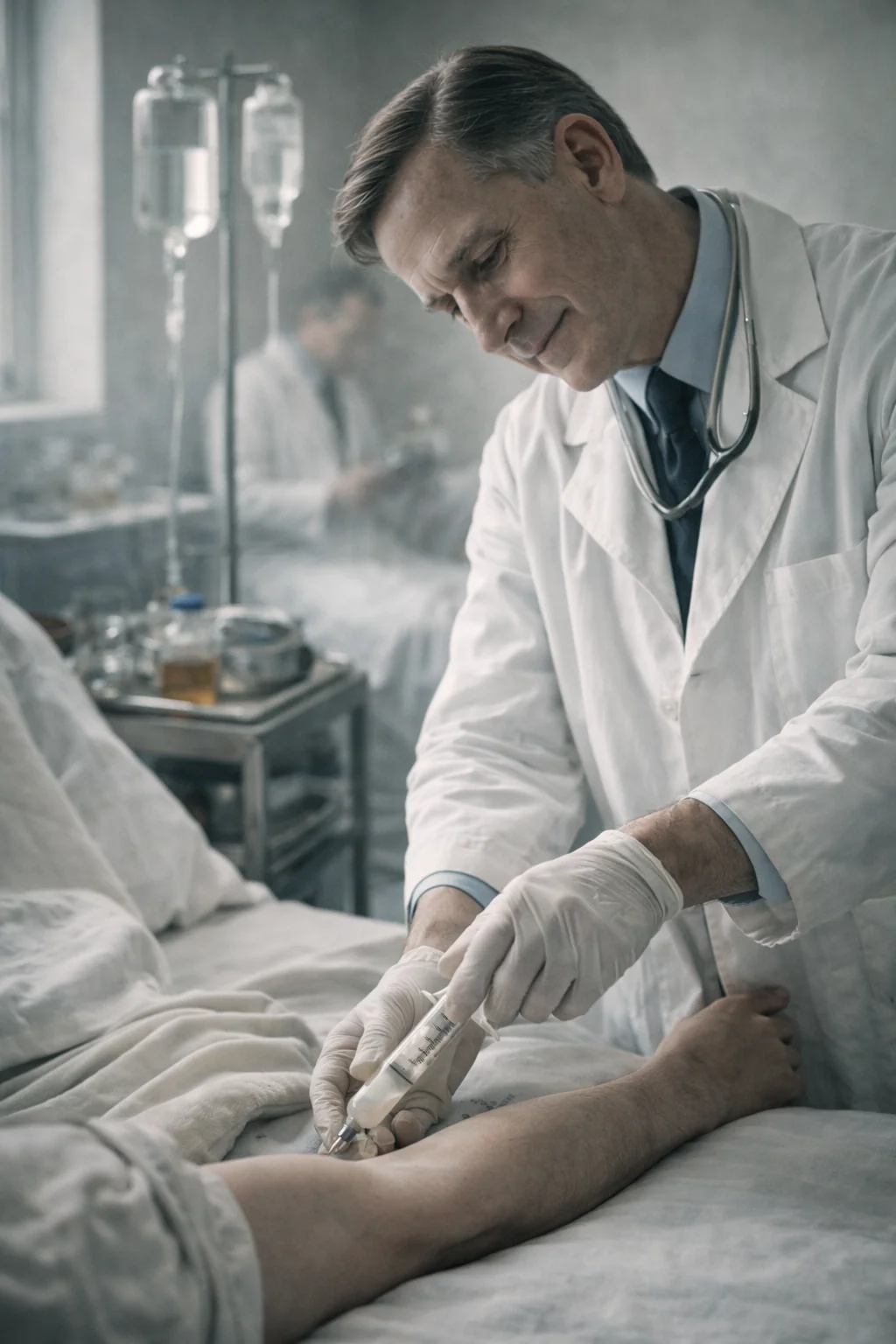
During the First World War, Fleming served in the Royal Army Medical Corps and worked in military hospitals in France. There he witnessed the terrible infections that developed in soldiers’ wounds.
Doctors used strong antiseptics to eliminate bacteria. Fleming observed that, inside deep wounds, some of these chemicals also destroyed white blood cells and damaged tissues involved in the body’s natural defenses. An antiseptic might clean the surface while making conditions inside the wound worse.
Together with Almroth Wright, he conducted experiments showing that some routinely used treatments failed to reach bacteria concealed within damaged tissue and could weaken the patient’s defensive response. Military surgeons did not always welcome their conclusions.
The experience guided Fleming’s later research. He was not merely seeking a substance that could kill bacteria. He wanted something capable of attacking microorganisms without simultaneously destroying human tissue.
Before Penicillin: Lysozyme
Before penicillin, Fleming made another important discovery.
In 1921, while investigating samples of nasal mucus, he observed activity capable of dissolving certain bacteria. He subsequently demonstrated that tears, saliva, blood, and other bodily fluids contained an enzyme with antibacterial properties.
He called it lysozyme.
Lysozyme proved more effective against relatively harmless bacteria than against many microorganisms responsible for serious diseases. It therefore did not become the revolutionary treatment Fleming had hoped for. Nevertheless, the discovery confirmed an essential idea: both the human body and the natural world produced substances capable of destroying bacteria selectively (Science History Institute, n.d.-a).
It also prepared Fleming intellectually for what he would see several years later. Another scientist might have seen a spoiled culture plate. Fleming already knew that an area without bacteria could reveal the presence of an invisible agent.
The Plate That Did Not End Up in the Trash
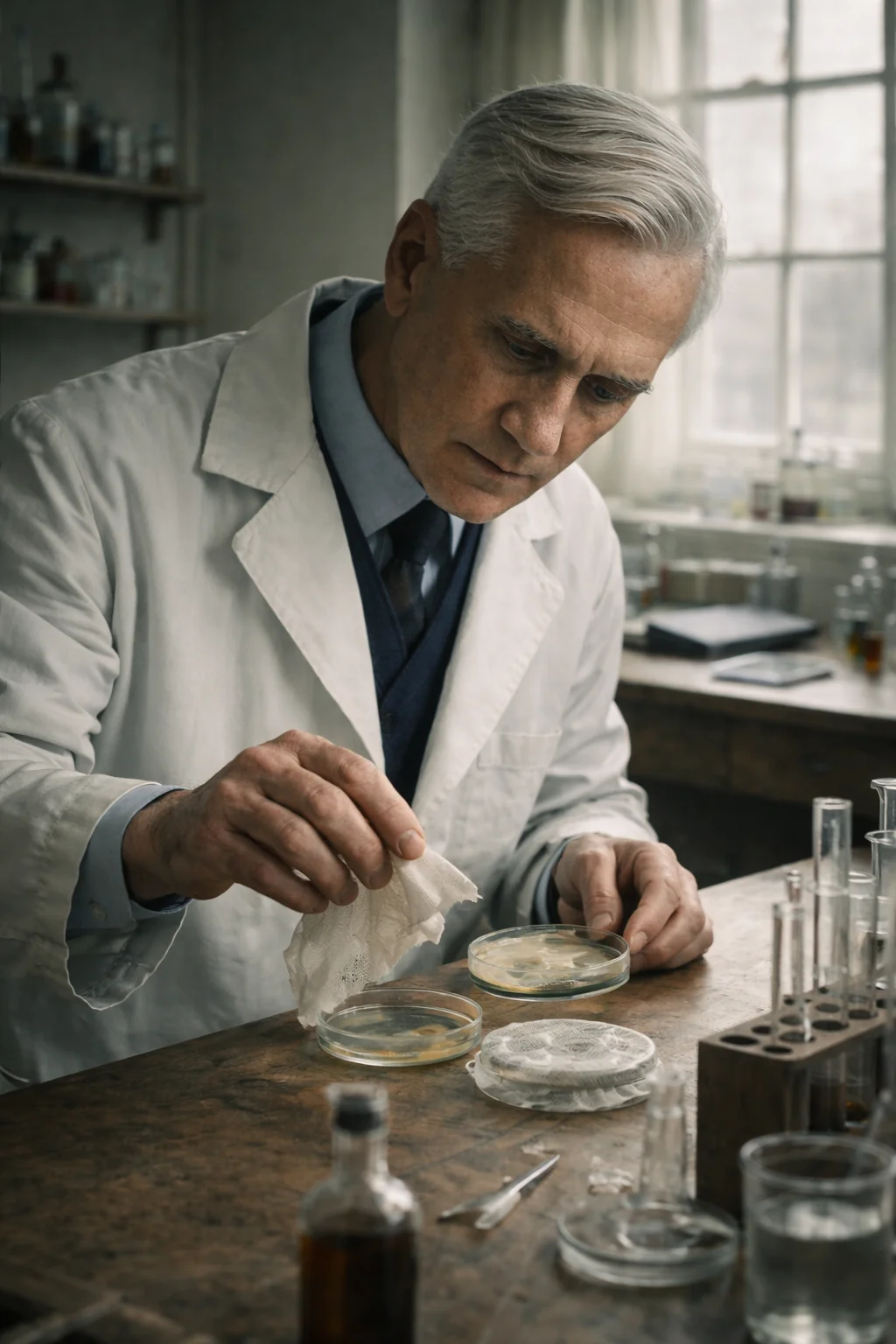
In 1928, Fleming was studying staphylococci in his laboratory at St Mary’s Hospital. Before leaving for a period away from the laboratory, he set aside several plates containing bacterial cultures. When he returned, one had been contaminated by a fungus.
The popular version says he entered the laboratory, glanced at the plate, and immediately understood that he had found a drug capable of changing the world. The reality was less instantaneous.
Fleming noticed that the staphylococcal colonies had been destroyed around the mold. He isolated the fungus, cultivated it, and established that it released an antibacterial substance. He tested the filtered liquid against different microorganisms and found that it acted against staphylococci, streptococci, pneumococci, and other bacteria while exhibiting little toxicity toward the tissues and white blood cells he examined.
In 1929, he published his findings in the British Journal of Experimental Pathology. He gave the name penicillin to the mold filtrate and suggested it might be used as an antiseptic against susceptible microbes. He also emphasized its usefulness for isolating particular bacteria in the laboratory (Fleming, 1929).
The contaminated plate had opened a door, but Fleming could not yet walk through it.
Penicillin was unstable. Its activity could be lost during storage and processing, and the substance proved extraordinarily difficult to purify and concentrate. Fleming used crude preparations in a few local cases and preserved the mold culture, but he could not produce a stable medicine that could be administered systematically.
His paper generated little excitement. For almost a decade, penicillin remained a promising curiosity.
The Medicine Fleming Did Not Create Alone
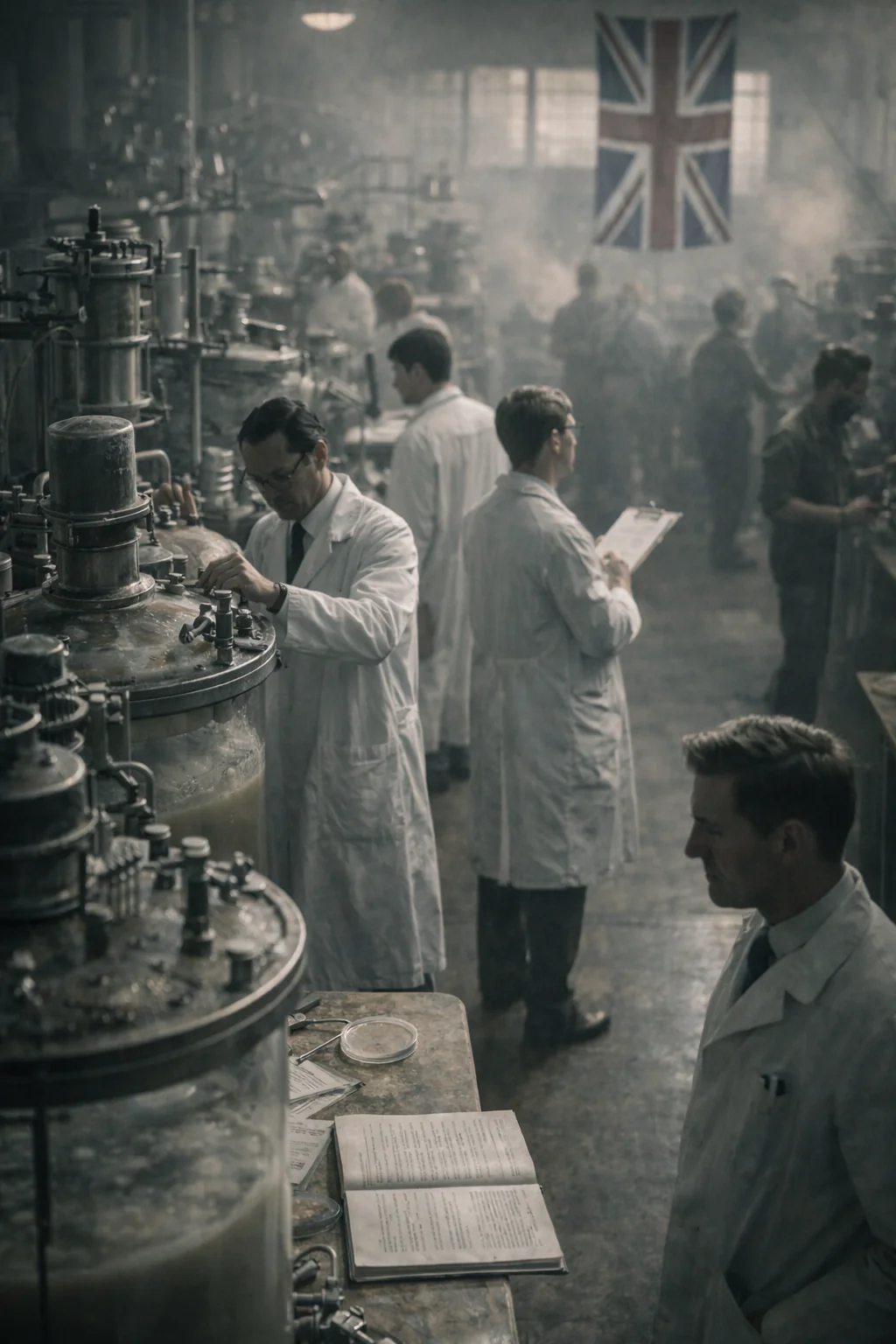
In the late 1930s, Australian pathologist Howard Florey and German-born biochemist Ernst Boris Chain revisited Fleming’s published research at the University of Oxford. They recognized that penicillin deserved much more extensive investigation.
Their project brought together a multidisciplinary team. Chain, Edward Abraham, and other researchers worked on concentrating and purifying the substance. Norman Heatley designed methods and equipment that made extraction more efficient. Technicians and laboratory workers cultivated the mold in hundreds of vessels.
In May 1940, the team conducted a decisive experiment using mice infected with streptococci. The animals treated with penicillin survived, while the untreated mice died. Human trials began in 1941.
One of the first patients was Albert Alexander, a British police officer suffering from a severe infection. His condition improved dramatically, but the penicillin supply ran out before his treatment could be completed. The researchers even recovered the drug from his urine so it could be reused, but there was still not enough, and Alexander died.
The failure did not prove that penicillin was ineffective. It proved that much larger quantities were required.
Florey and Heatley traveled to the United States in 1941 to obtain support. Government laboratories, universities, and pharmaceutical companies developed large-scale fermentation methods. British-American cooperation transformed a fragile laboratory substance into a drug that could be manufactured industrially (Science History Institute, n.d.-b).
By 1944, penicillin was widely used to treat wounded Allied soldiers. After the war, production expanded to the civilian population, turning infections that had once been fatal into treatable illnesses.
It is therefore inaccurate to say that Fleming single-handedly created medicinal penicillin. He discovered the mold’s antibacterial action, investigated the substance, and published its potential. Florey, Chain, Heatley, and a large team transformed the discovery into a therapy.
In 1945, the Nobel Prize in Physiology or Medicine was shared by Fleming, Florey, and Chain “for the discovery of penicillin and its curative effect in various infectious diseases” (Nobel Prize Outreach, 1945).
The Mold Whose Real Name Took Decades to Establish
There is a little-known detail even within the famous story of the contaminated plate.
For years, Fleming’s fungus was identified as Penicillium notatum and was later associated with Penicillium chrysogenum. Modern taxonomic and genetic studies, however, established that the preserved original strain actually belongs to the species Penicillium rubens (Houbraken et al., 2011).
In 2020, researchers sequenced the genome of Fleming’s original mold, which had been preserved for decades, and compared it with strains later used for industrial production. The analysis detected differences in genes encoding penicillin-synthesis enzymes and in duplications of pathway genes; the sequences of the regulatory genes examined were conserved (Pathak et al., 2020).
The organism that helped inaugurate the antibiotic era was still revealing secrets almost a century after it appeared on Fleming’s plate.
The Warning About Bacterial Resistance
The most unsettling historical fact associated with Fleming occurred after his triumph.
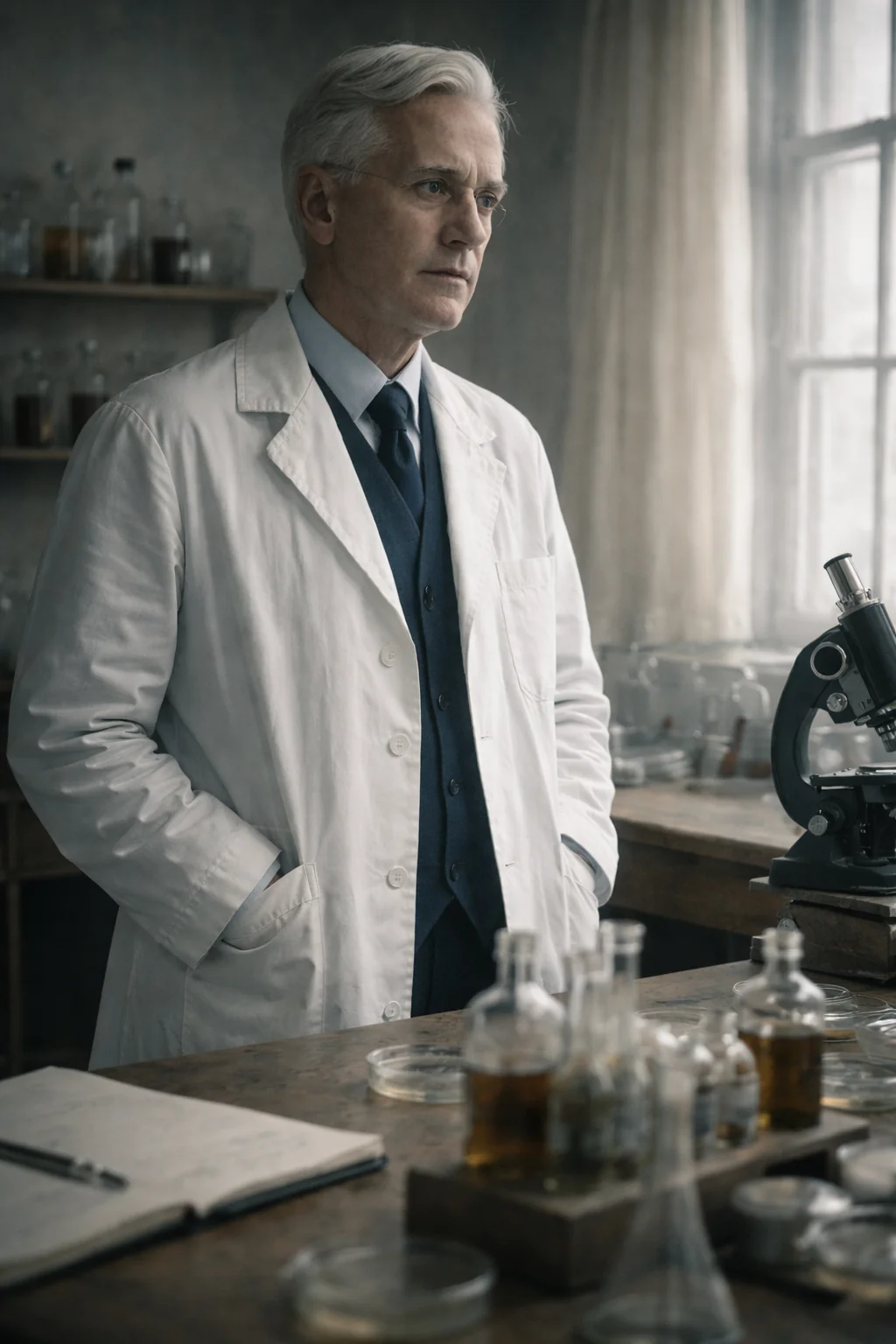
During his Nobel lecture on December 11, 1945, he warned that bacteria could develop resistance when exposed to insufficient concentrations of penicillin. He even imagined an everyday scenario: someone might take too small a dose, fail to eliminate the microorganisms completely, and encourage the emergence of resistant bacteria.
Fleming argued that a person who used penicillin improperly could become morally responsible for the death of someone later infected by those resistant microbes (Fleming, 1945).
This was not a vague prediction about a distant future. Fleming had observed experimentally that insufficient exposure could select microorganisms capable of surviving. He understood that the same medicine saving human lives could lose its power if used incorrectly.
Decades later, antimicrobial resistance would become one of the world’s gravest public-health threats. The man associated with the birth of penicillin had also anticipated the danger created by its misuse.
The Accident Needed a Prepared Mind
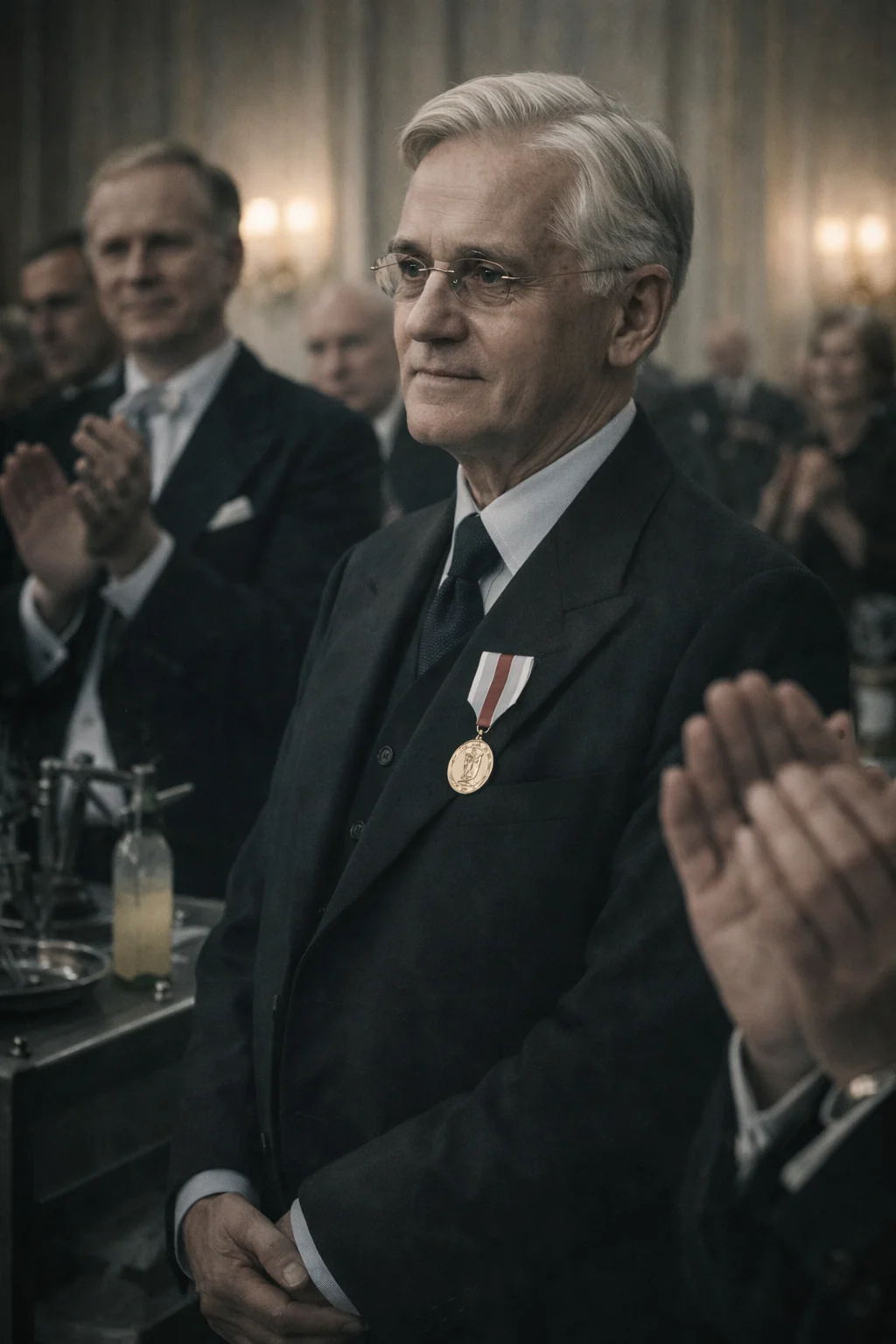
Fleming received countless honors, was knighted in 1944, and became an international figure. He died in London on March 11, 1955, after suffering a heart attack. His ashes were placed in St Paul’s Cathedral.
His fame turned penicillin into a story about luck: an open window, a spore landing in the right place, and a plate forgotten during a holiday. Historians continue to debate some details of that familiar narrative. What is not in dispute is that contamination alone did not constitute a discovery.
Mold could have landed on many laboratory plates. It had probably done so before. Turning the accident into knowledge required someone to recognize the transparent halo, isolate the organism, test its effects, compare bacteria, record the findings, and publish them.
Fleming did not simply see a fungus. He saw an invisible interaction: one microorganism producing a substance capable of stopping another.
He also recognized the limitations of his own work. He did not purify penicillin, direct its industrial production, or conduct the experiments that definitively transformed it into a systemic medicine. The complete history does not diminish his achievement. It places him within the true nature of science, where an observation may require years, entire teams, and knowledge from several disciplines before it changes the world.
Alexander Fleming saw the possibility. Others learned how to manufacture it. Millions of people survived because both things happened.
References
Fleming, A. (1929). On the antibacterial action of cultures of a Penicillium, with special reference to their use in the isolation of B. influenzae. British Journal of Experimental Pathology, 10(3), 226–236. https://pmc.ncbi.nlm.nih.gov/articles/PMC2048009/
Fleming, A. (1945, December 11). Penicillin: Nobel lecture. Nobel Prize Outreach. https://www.nobelprize.org/prizes/medicine/1945/fleming/lecture/
Houbraken, J., Frisvad, J. C., & Samson, R. A. (2011). Fleming’s penicillin producing strain is not Penicillium chrysogenum but P. rubens. IMA Fungus, 2(1), 87–95. https://doi.org/10.5598/imafungus.2011.02.01.12
Pathak, A., Nowell, R. W., Wilson, C. G., Ryan, M. J., & Barraclough, T. G. (2020). Comparative genomics of Alexander Fleming’s original Penicillium isolate (IMI 15378) reveals sequence divergence of penicillin synthesis genes. Scientific Reports, 10, 15705. https://doi.org/10.1038/s41598-020-72584-5
Nobel Prize Outreach. (1945). The Nobel Prize in Physiology or Medicine 1945. https://www.nobelprize.org/prizes/medicine/1945/summary/
Nobel Prize Outreach. (n.d.-a). Sir Alexander Fleming: Biographical. https://www.nobelprize.org/prizes/medicine/1945/fleming/biographical/
Science History Institute. (n.d.-a). Alexander Fleming. https://www.sciencehistory.org/education/scientific-biographies/alexander-fleming/
Science History Institute. (n.d.-b). Howard Walter Florey and Ernst Boris Chain. https://www.sciencehistory.org/education/scientific-biographies/howard-walter-florey-and-ernst-boris-chain/
More from this collection
Nicolaus Copernicus: The Man Who Moved the Earth Without a Telescope
Read story →
Isaac Newton: The Man Who Turned the Universe’s Invisible Forces Into Mathematical Laws
Read story →