In this storyOpen index
Queen Victoria: The Young Woman Who Escaped a Cage and Became the Symbol of an Empire
From a closely supervised childhood at Kensington to the Crown: a life shaped by determination, grief, and the contradictions of empire.
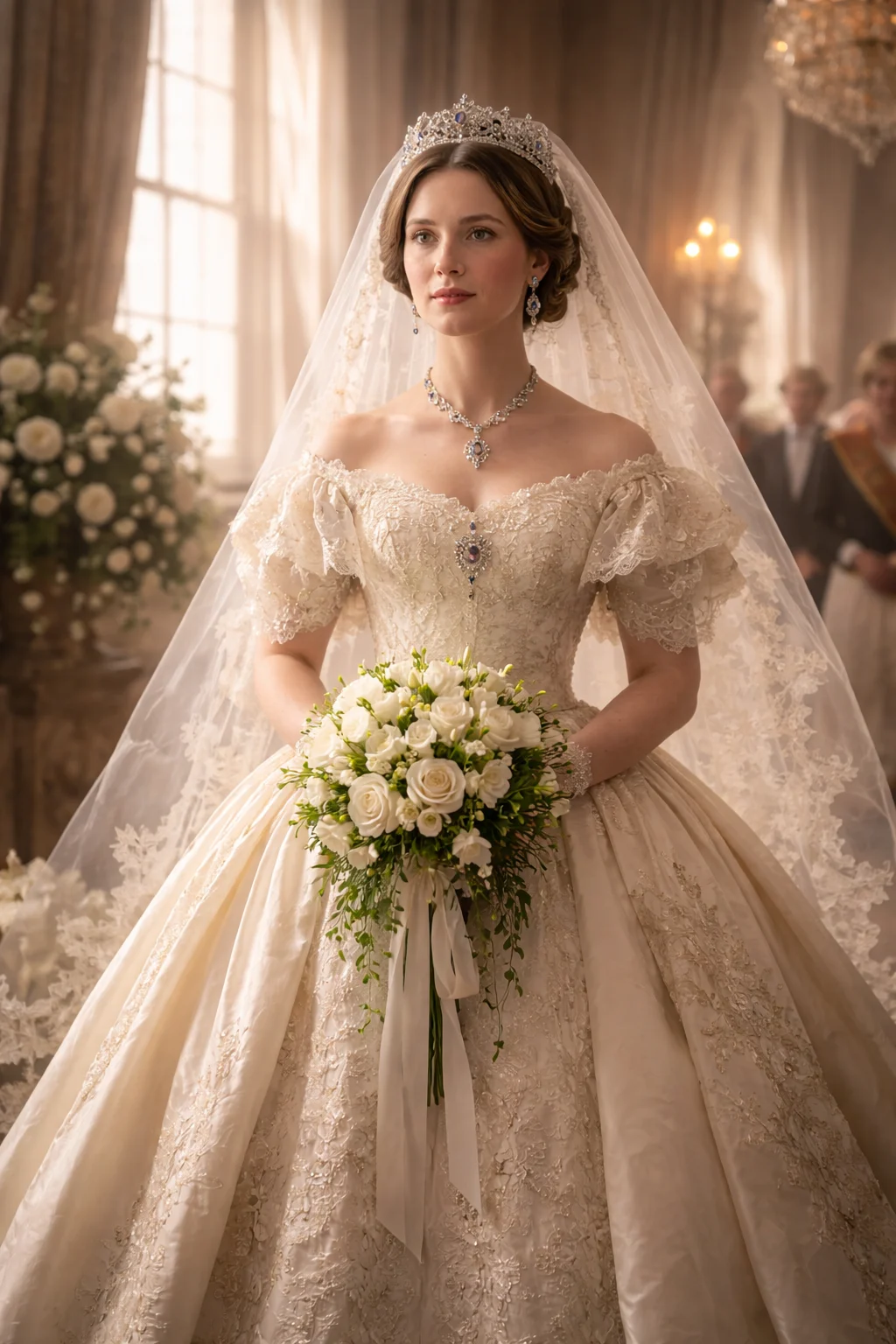
Before she became the woman whose name defined an age, Queen Victoria was a child watched almost every minute of the day. She slept in her mother’s room, could not walk down a staircase without an adult holding her hand, and was rarely permitted to associate with other children. Those controlling her upbringing expected to produce a compliant sovereign. They were mistaken.
Alexandrina Victoria was born at Kensington Palace in London on May 24, 1819. She was the daughter of Prince Edward, Duke of Kent and son of King George III, and Princess Victoria of Saxe-Coburg-Saalfeld. Her father died before she was a year old, leaving her under the authority of her mother and John Conroy, the household’s ambitious comptroller.
Conroy devised a severely restrictive method of upbringing later known as the “Kensington System.” Its purpose was to keep the princess dependent upon her mother and, ultimately, upon Conroy himself. Victoria grew up isolated, governed by rigid schedules and surrounded by adults who observed nearly everything she did (Williams, 2010).
The child nevertheless learned how to resist in silence.
The picture of an entirely unhappy childhood also needs qualification. Historic Royal Palaces curators document visits to the theatre, ballet, and seaside, as well as affection from her governess and mother. The restrictive supervision was real, but it did not erase every happy experience of those years (Historic Royal Palaces, n.d.).
Queen Victoria: Power and Contradictions
A Life Between the Crown, Love, and Empire
Victoria’s Hindustani Diaries
The Royal Archives preserve nine volumes of exercises and vocabulary dated 1892–1900. Their catalogue documents Victoria’s Urdu lessons with Mohammed Abdul Karim and her practice of writing portions of her diary in that language. The link leads to the archival record of the surviving documents; the displayed image is a reconstruction, not a reproduction of the manuscript.
AI-generated visual reconstruction; not a historical document.
The Morning That Changed Her Life
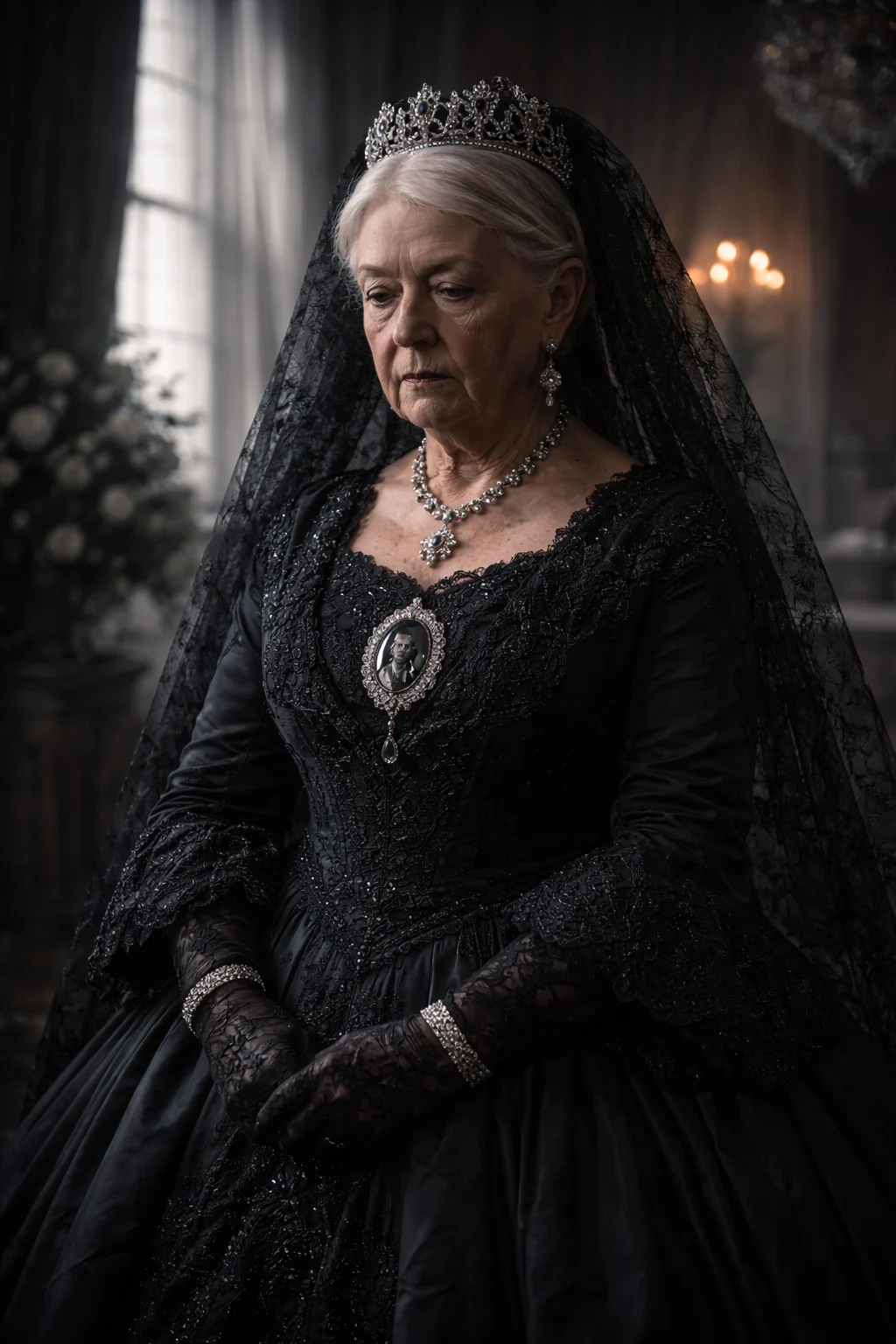
As her father’s elder brothers died without surviving legitimate children, Victoria moved unexpectedly closer to the throne. When she understood her place in the succession, she promised to behave well. Her apparent obedience, however, did not mean that she intended to remain under Conroy’s control.
King William IV died during the early hours of June 20, 1837. Victoria was eighteen. When the royal messengers arrived at Kensington to tell her that she was queen, she requested to receive them alone. That simple decision represented a decisive break with the supervision that had defined her childhood.
One of her first personal acts was to sleep in a room separate from her mother’s. She also removed Conroy from her immediate circle. The young woman who had never been allowed to walk alone down a staircase was finally claiming control over her own life (Hibbert, 2001).
Her coronation took place at Westminster Abbey on June 28, 1838. She possessed little political experience but considerable determination. Prime Minister Lord Melbourne became her mentor and an almost paternal presence. Under his guidance, she began to understand both the opportunities and the limitations of a constitutional monarchy.
The sovereign could no longer rule like the absolute monarchs of the past. Victoria could neither make laws unilaterally nor disregard Parliament. She did, however, retain the right to be consulted, to advise, and to warn her ministers. Her formal power was restricted, but her influence could still be substantial (Weintraub, 1987). The development of this arrangement helped shape the modern constitutional monarchy.
A Queen Who Made Mistakes
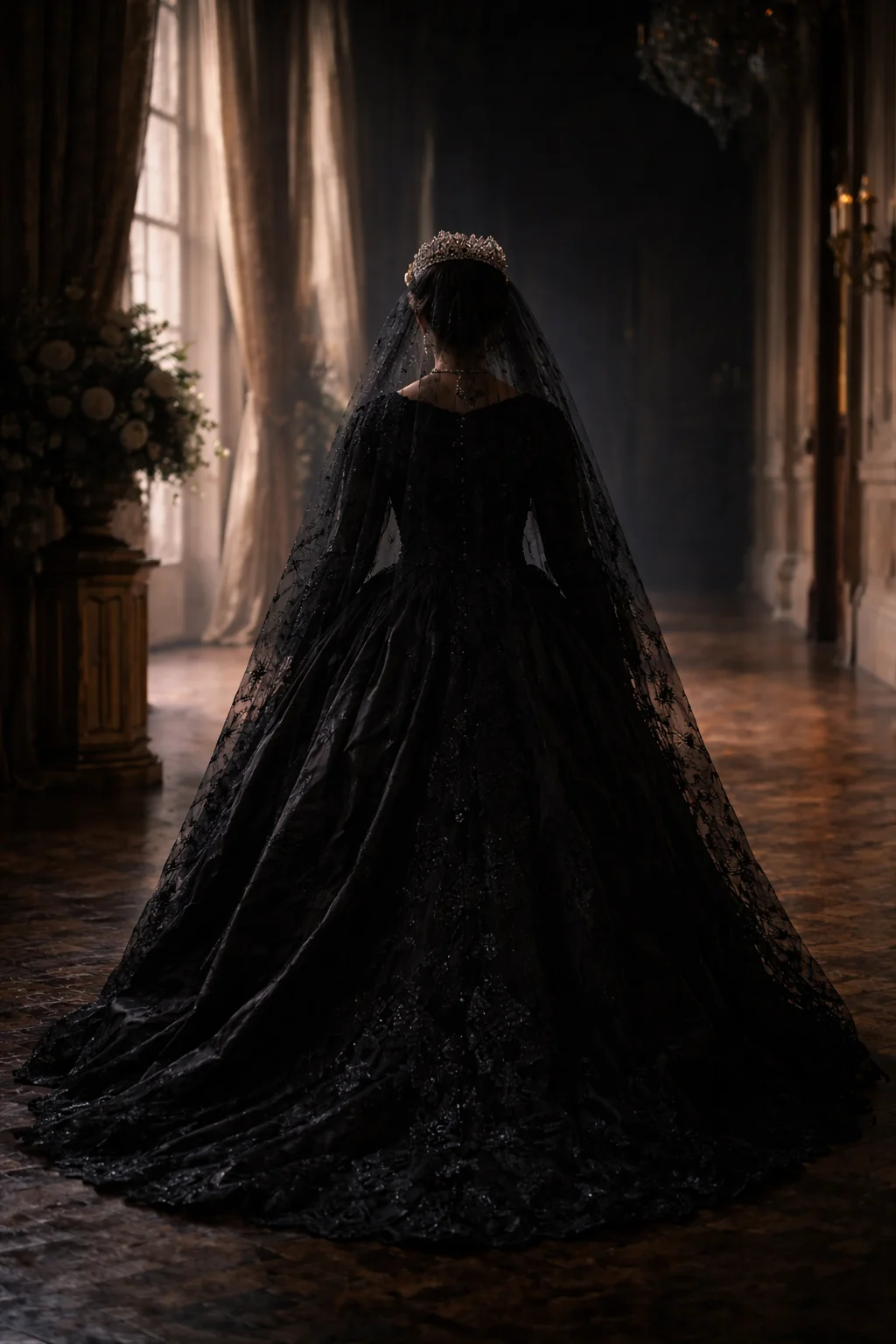
Victoria did not immediately master the profession of monarchy. In 1839 she became involved in what was called the Bedchamber Crisis. When Melbourne resigned and the Conservative leader Robert Peel attempted to form a government, he requested the replacement of several ladies of the royal household whose husbands or relatives were prominent Liberals. Victoria refused.
Peel concluded that he could not govern without the confidence of the Crown and abandoned his attempt. Melbourne returned to office. Although Victoria regarded her position as a defense of her personal friends, her conduct exposed a partisan loyalty incompatible with the political neutrality increasingly expected from the sovereign (Hibbert, 2001).
It was an early lesson: Victoria could hold strong political opinions, but she had to exercise influence without appearing to belong to one party.
The Queen Who Had to Propose
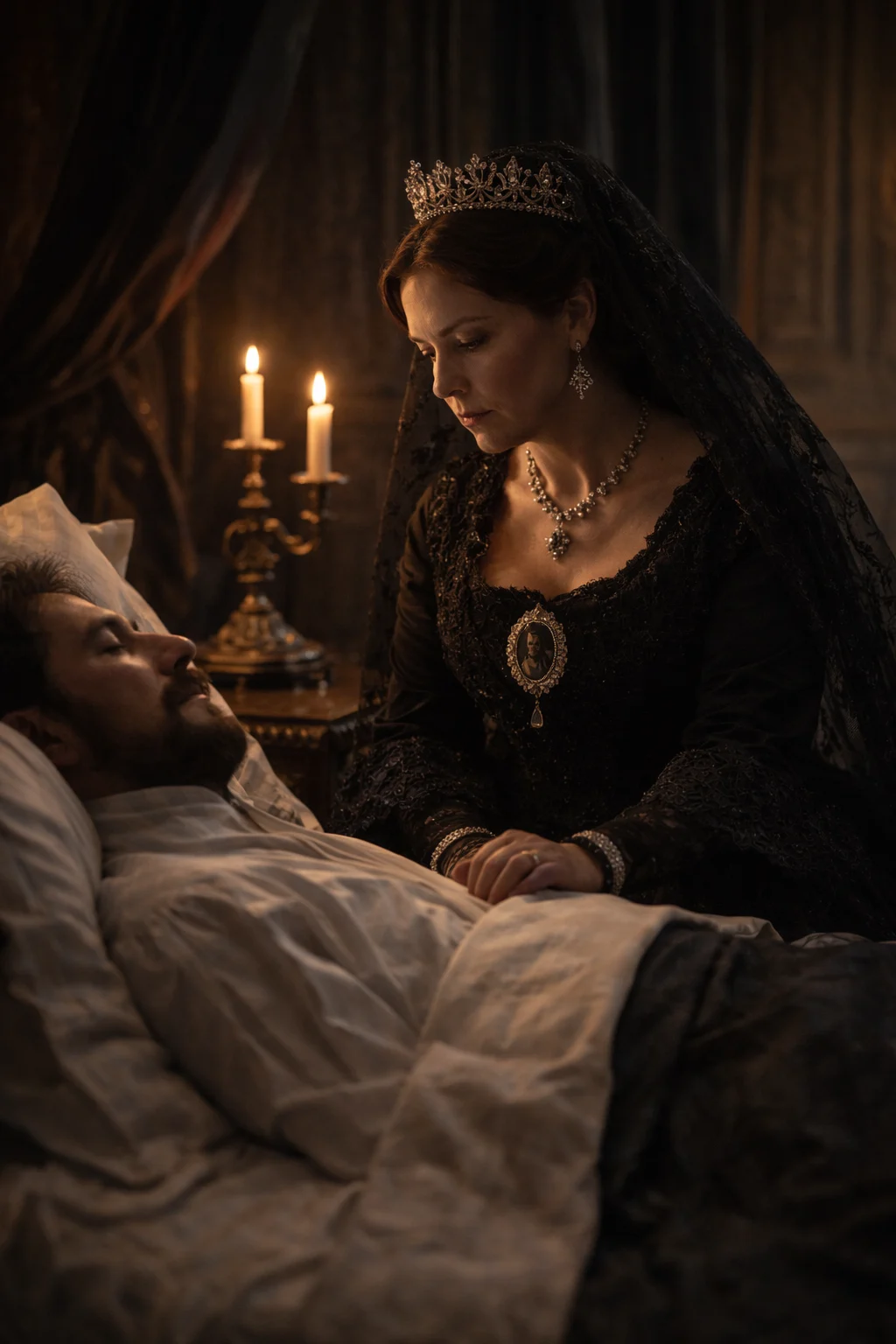
In 1840, Victoria married her cousin Prince Albert of Saxe-Coburg and Gotha. Because she was the reigning sovereign, convention prevented Albert from formally proposing marriage. Victoria had to ask him.
The detail sounds romantic, but it also reveals her unusual position. In a society that expected wives to obey their husbands, Victoria was simultaneously a wife, a mother, and the head of state.
At first she resisted allowing Albert to participate actively in public affairs. Over time, however, he became her closest collaborator. He reviewed documents, organized correspondence, and helped prepare her dealings with government ministers. His education in law, political economy, science, and the arts made him an influential figure within the monarchy (Royal Collection Trust, n.d.).
Their relationship was not as tranquil as their official family portraits suggested. Victoria possessed an intense temper and sometimes reacted furiously; Albert was methodical, reserved, and critical. Their disagreements were frequent, particularly during her pregnancies. Even so, they created an exceptionally strong personal and political partnership.
They had nine children. Through their marriages, the family became connected to royal houses across Europe, earning Victoria the description “the grandmother of Europe.” Those dynastic bonds would not prevent some of her descendants from facing one another during the First World War.
The Birth That Changed a Custom
One of the less frequently remembered events of Victoria’s life occurred in 1853, during the birth of her eighth child, Prince Leopold. She received chloroform to relieve labor pain under the supervision of the physician John Snow.
Obstetric anesthesia was controversial. Some doctors feared its risks, while certain religious voices argued that labor pain formed part of woman’s natural destiny. Victoria was pleased with the treatment and used chloroform again when Princess Beatrice was born in 1857.
Her experience neither invented anesthesia nor resolved the medical debate, but it helped make its use publicly acceptable. A treatment approved by a queen could begin to appear respectable for other British women (Longford, 1964).
Victoria also transmitted hemophilia to some of her descendants. Her son Leopold suffered from the condition, while two daughters were carriers. Through her descendants, the disorder eventually entered the royal families of Spain and Russia.
The Death That Stopped the Queen
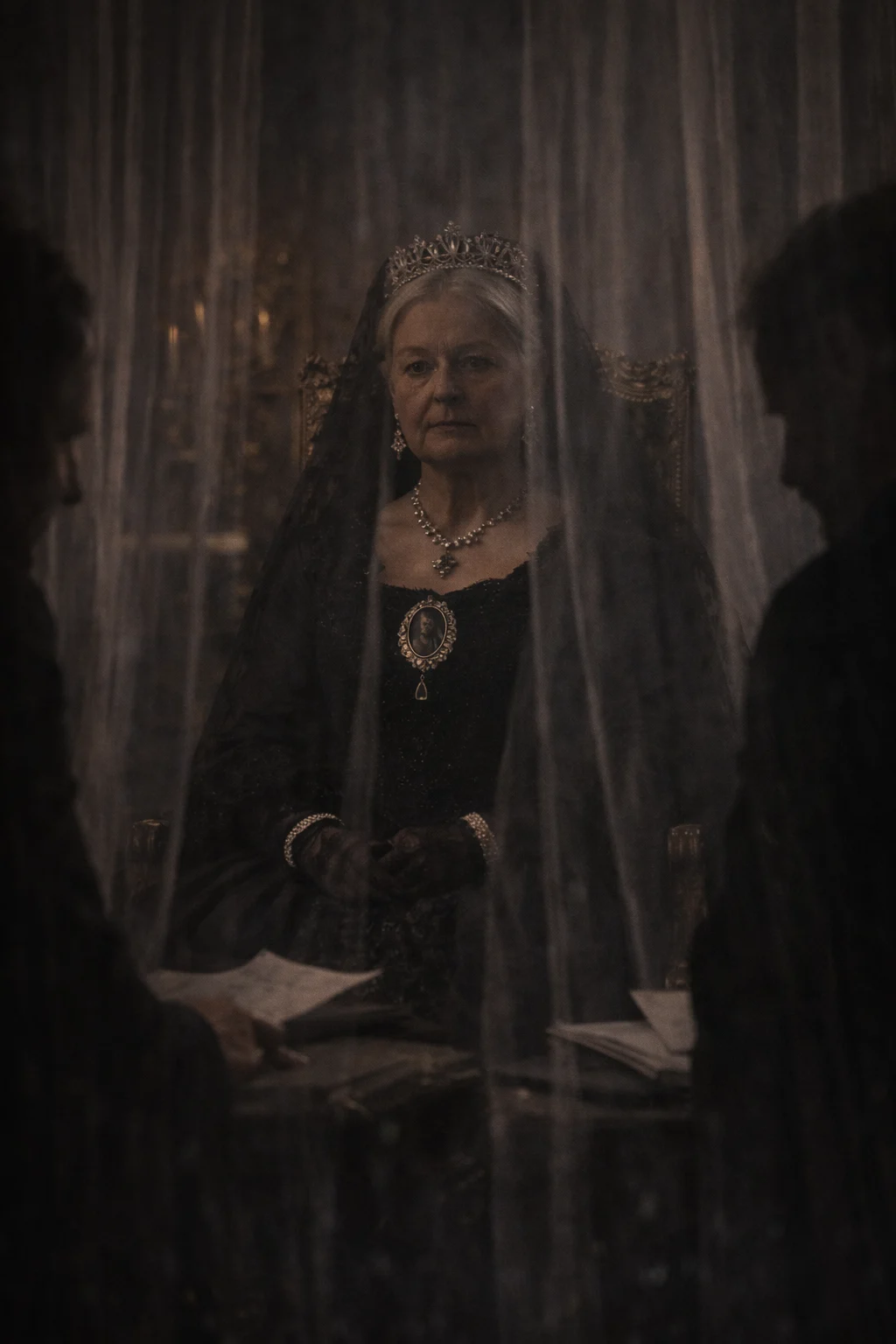
Albert died on December 14, 1861, with a contemporary diagnosis of typhoid fever. He was forty-two years old.
Victoria was devastated. She wore black and remained in mourning for the rest of her life. She ordered Albert’s rooms to be maintained as if he were still alive: hot water for shaving was brought each morning, and clean clothes were laid out for him.
For years, Victoria severely reduced her public appearances. Her prolonged absence attracted criticism and temporarily encouraged republican sentiment. Many Britons wondered why they should support a monarchy whose representative was seldom seen.
Victoria did not, however, abandon her official work entirely. She continued reading state papers, corresponding with ministers, and expressing her opinions, although she did so away from public ceremonies. She gradually returned to official life, encouraged in part by Benjamin Disraeli, with whom she developed a particularly warm political relationship (Longford, 1964).
The Woman Behind the Black Dress
The familiar image of Victoria as a stern elderly widow conceals a far more contradictory personality. She enjoyed dancing, opera, sketching, and family life. She wrote millions of words in journals and letters. She could be possessive toward her children, impatient with ministers, and deeply affectionate toward those who earned her confidence.
After Albert’s death, she developed a close attachment to John Brown, a Scottish servant at Balmoral. Their intimacy provoked rumors, ridicule, and hostility within the royal household. No conclusive evidence proves that they secretly married or had a sexual relationship, but Brown undoubtedly occupied an important emotional place in her life (Historic Royal Palaces, n.d.).
Years later, Victoria again challenged court hierarchies through her relationship with Abdul Karim, a young Muslim man who arrived from India in 1887. Karim became her munshi, or teacher, and instructed her in Hindustani. Victoria practiced the language in notebooks and protected him from the racism and resentment of members of her family and household (Basu, 2010).
After Victoria’s death, her son Edward VII ordered much of Karim’s correspondence with the queen to be burned and sent him back to India. Her Hindustani notebooks and other records survived, however, allowing historians to reconstruct the relationship.
The Queen and the Empire
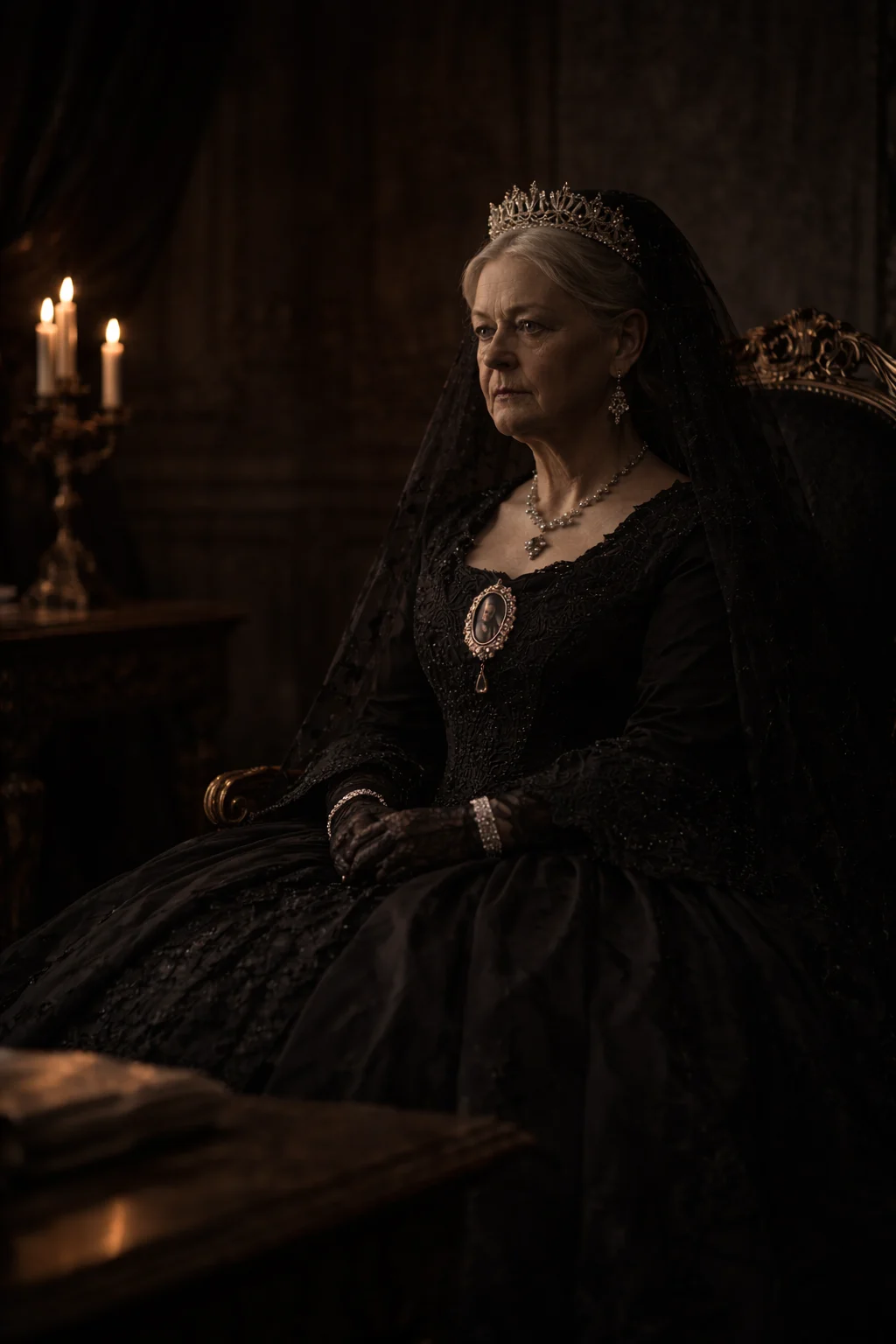
Victoria reigned during the British Empire’s greatest period of expansion. In 1876 she received the title Empress of India, promoted by Disraeli. By the end of her life, the Crown had become one of the central symbols of an empire controlling lands and peoples across several continents.
It would be inaccurate to claim that Victoria personally designed every imperial policy. Britain was a constitutional monarchy: Parliament and the government directed colonial administration, warfare, and policy. Victoria exercised influence, expressed preferences, and publicly embodied the system, but she did not rule alone.
Those constitutional limitations do not remove her from imperial history. She accepted and celebrated imperial expansion, received reports of military campaigns, and allowed her image to legitimize an order built upon profound inequalities. Her reign witnessed conquest, violently suppressed resistance, economic exploitation, and famines whose consequences remain part of the historical memory of Ireland, India, Africa, and other regions.
The Victorian age produced remarkable industrial, scientific, and technological advances, but also urban poverty, labor exploitation, and colonial violence. Victoria can be treated neither as the sole author of those developments nor as a completely innocent ceremonial figure.
She Was Not a Feminist Pioneer
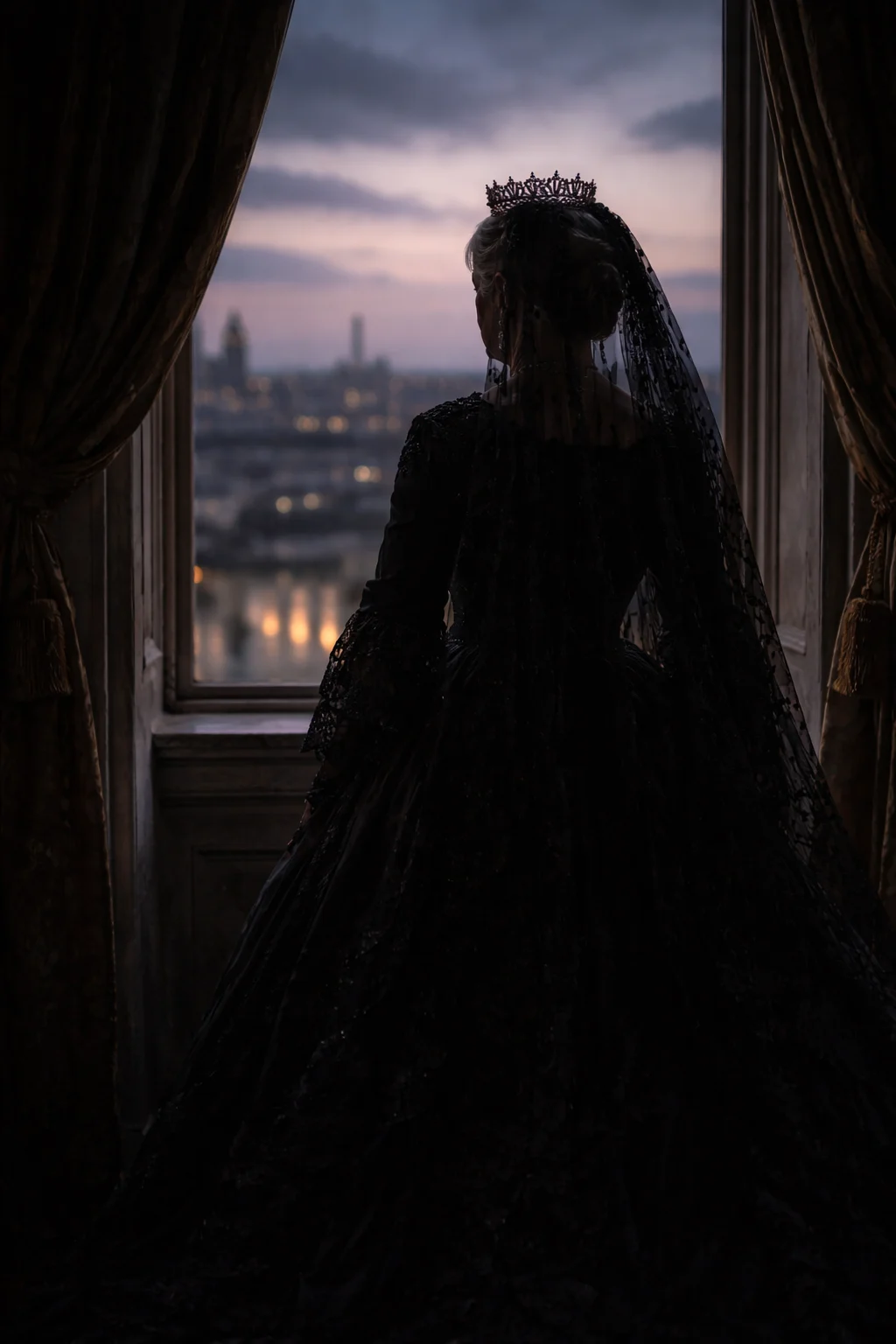
Placing Victoria among “women who did not ask permission” requires an important qualification. She vigorously defended her own authority but did not support the political emancipation of women. She regarded the suffrage movement as a threat to social order and expressed deeply conservative views about women’s proper role (Homans, 1998).
Her life contained an obvious contradiction: she was the most powerful woman in Britain while supporting a social system in which most women remained subordinate within the home.
Victoria was not a feminist in the modern sense. Nor did she seize the throne through rebellion; she inherited it. What distinguished her was how firmly she protected her position from those who had attempted to control her since childhood and how she helped transform a weakened institution into a formidable instrument of public representation.
The Woman Who Became an Age
Victoria celebrated her Golden Jubilee in 1887 and her Diamond Jubilee in 1897. The ceremonies demonstrated how completely her identity had merged with the images of Britain and its empire. When she died at Osborne House on the Isle of Wight on January 22, 1901, she was eighty-one and had reigned for more than sixty-three years.
The world of 1901 differed radically from the one she had inherited in 1837. Railways, telegraphy, photography, and industrialization had transformed everyday life. The British Empire controlled more than one-fifth of the earth’s land surface, although that domination carried a human cost that continues to be examined today.
Victoria began as an isolated girl whom other people intended to use. She ended as the face of an era. She did not liberate the women of her time or challenge every injustice within her society. At times, she reinforced those injustices. But she refused to become the puppet for which she had been prepared.
Her story is not that of a flawless heroine. It is the story of a woman who escaped private control to exercise immense public authority—and who consequently became inseparable from both the achievements and the shadows of the Victorian world.
References
- Basu, S. (2010). Victoria & Abdul: The true story of the Queen’s closest confidant. The History Press. View source
- Hibbert, C. (2001). Queen Victoria: A personal history. Da Capo Press. View source
- Homans, M. (1998). Royal representations: Queen Victoria and British culture, 1837–1876. University of Chicago Press. View source
- Longford, E. (1964). Victoria R. I. Weidenfeld & Nicolson. View source
- Historic Royal Palaces. (n.d.). Queen Victoria. View source
- Royal Collection Trust. (n.d.). Prince Albert: His life and legacy. View source
- Royal Archives. (n.d.). Queen Victoria’s ‘Hindustani Diaries’ (VIC/MAIN/QVJ/HIND; 1892–1900). View source
- Royal College of Anaesthetists. (n.d.). The history of anaesthesia. View source
- The Royal Household. (n.d.). Victoria (r. 1837–1901). View source
- UK Parliament. (1839, 13 May). Ministerial explanations. Hansard. View source
- Edworthy, C., & Roberts, K. (2019, 24 May). Queen Victoria’s 200th birthday. Oxford University Press. View source
- Weintraub, S. (1987). Victoria: An intimate biography. Dutton. View source
- Williams, K. (2010). Becoming Queen Victoria: The tragic death of Princess Charlotte and the unexpected rise of Britain’s greatest monarch. Ballantine Books. View source
More from this collection
Joanna la Beltraneja: The Princess Robbed of a Kingdom Who Never Stopped Signing Herself as Queen
Read story →
Cleopatra: The Queen Rome Turned into a Seductress
Read story →