
Hans Litten: the lawyer imprisoned for almost five years without a trial
No court convicted him. No sentence set a limit on how long he would remain behind bars.
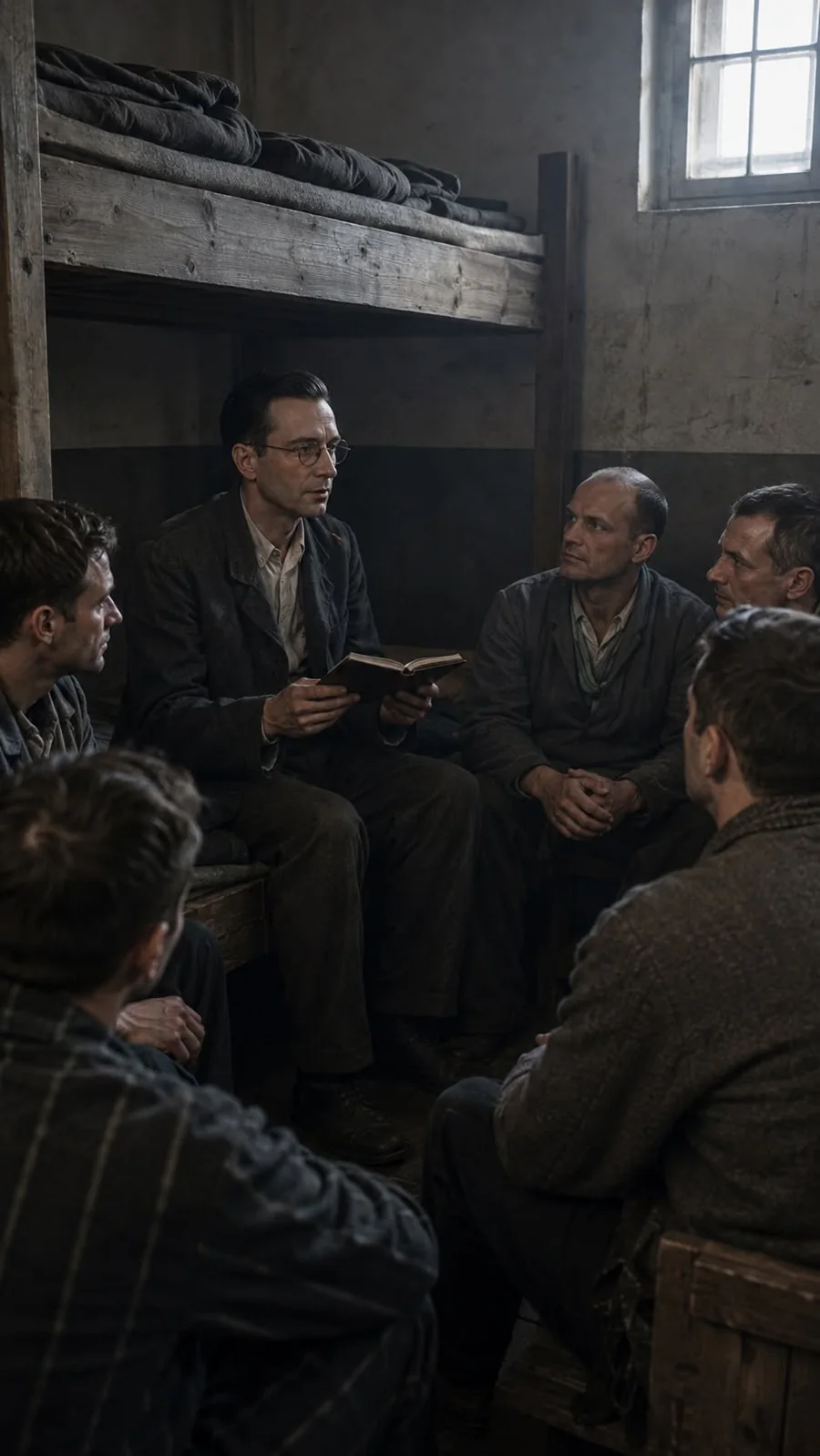
Hans Litten was arrested in 1933 and spent almost five years imprisoned by the Nazi regime, until his death, without ever being brought to trial.
When Hitler became chancellor on January 30, 1933, Litten’s friends and family understood the danger. The young lawyer had represented workers and political opponents attacked by the Nazis. In 1931, he had personally questioned Hitler in court.
They urged him to leave Germany. Litten chose to stay.
On the night of February 27, 1933, the Reichstag burned. The regime used the fire as a pretext to suspend fundamental freedoms and persecute its political opponents. In the early hours of February 28, Hans Litten was arrested.
The authorities did not need a criminal conviction to keep him imprisoned.
So-called Schutzhaft, or “protective custody,” allowed the regime to detain its opponents without the safeguards of an ordinary judicial proceeding. The emergency decree of February 28 provided a basis for expanding that repression.
The name suggested protection. In practice, it enabled arbitrary detention that could continue indefinitely.
Litten passed through several prisons and camps, including Spandau, Sonnenburg, Brandenburg, Esterwegen, Lichtenburg, and Buchenwald, before reaching Dachau. Forced labor, torture, and injuries permanently damaged his health.
While he remained imprisoned, his mother, Irmgard Litten, fought to secure his release. She wrote letters, submitted petitions, and sought help inside and outside Germany. Her appeals to influential people failed to restore his freedom.
Despite the abuse, Litten tried to preserve his intellectual life. At Lichtenburg, he worked in the library and bookbinding workshop. He also wrote about medieval literature and art history.
He gave fellow prisoners talks on law, literature, art, and metaphysics, and could recite lengthy passages from memory. Sharing that knowledge helped him maintain a connection to a life that imprisonment threatened to destroy.
He could not open the camp gates. He could still offer his companions something beyond the orders of their guards.
On October 17, 1937, he was transferred to Dachau. He died there by suicide on February 5, 1938, aged 34, after almost five years of imprisonment and abuse in Nazi custody.
Irmgard later described the struggle to save her son in a book published in 1940. Her testimony helped preserve the story of his persecution.
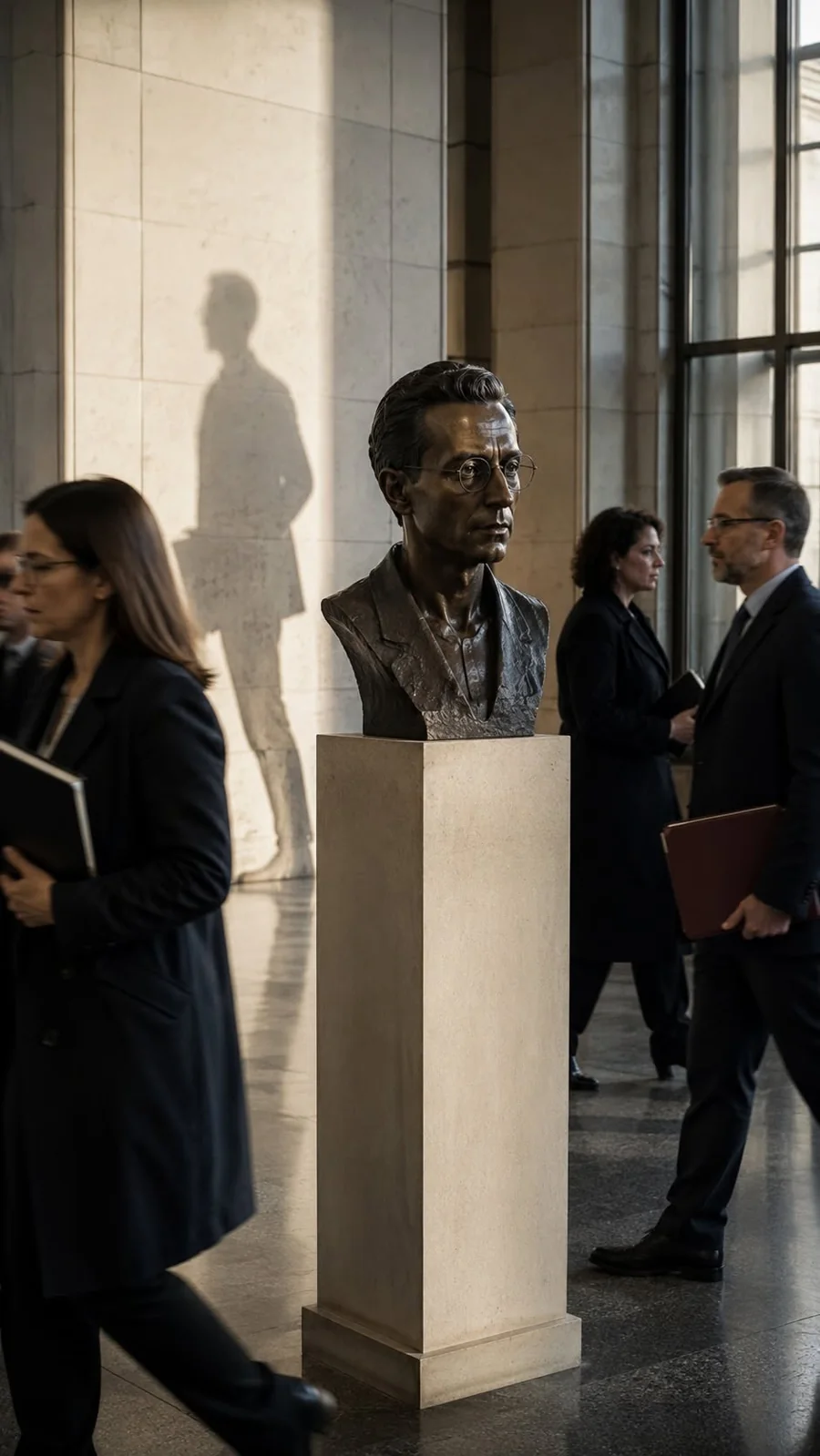
Today, Berlin’s Littenstraße and the headquarters of the German Federal Bar commemorate his name.
The regime kept him imprisoned for almost five years without a trial. It could not erase the memory of the lawyer who had used the law to challenge it.
Had you heard of “protective custody” being used to imprison people without a criminal conviction?
Explore the full biography of Hans Litten
Sources
- Buchenwald Memorial — Hans Litten. View source
- Gedenkstätte Deutscher Widerstand — Hans Litten. View source
- Bundesrechtsanwaltskammer — Hans Litten. View source