
Carmen Sevilla: the star who left her sheep behind and returned at 60
She had traded film studios for a farm with sheep when a television offer brought her back to the center of Spanish public life.
During the 1950s and 1960s, Carmen Sevilla had been a star of film and song. She appeared in international coproductions and worked alongside figures such as Jorge Negrete, Vittorio De Sica, and Charlton Heston.
But the image of the youthful star could not last forever. Spanish cinema was changing, and Carmen explored different roles in films including El techo de cristal and Nadie oyó gritar. Her final film was Rostros, released in 1978.
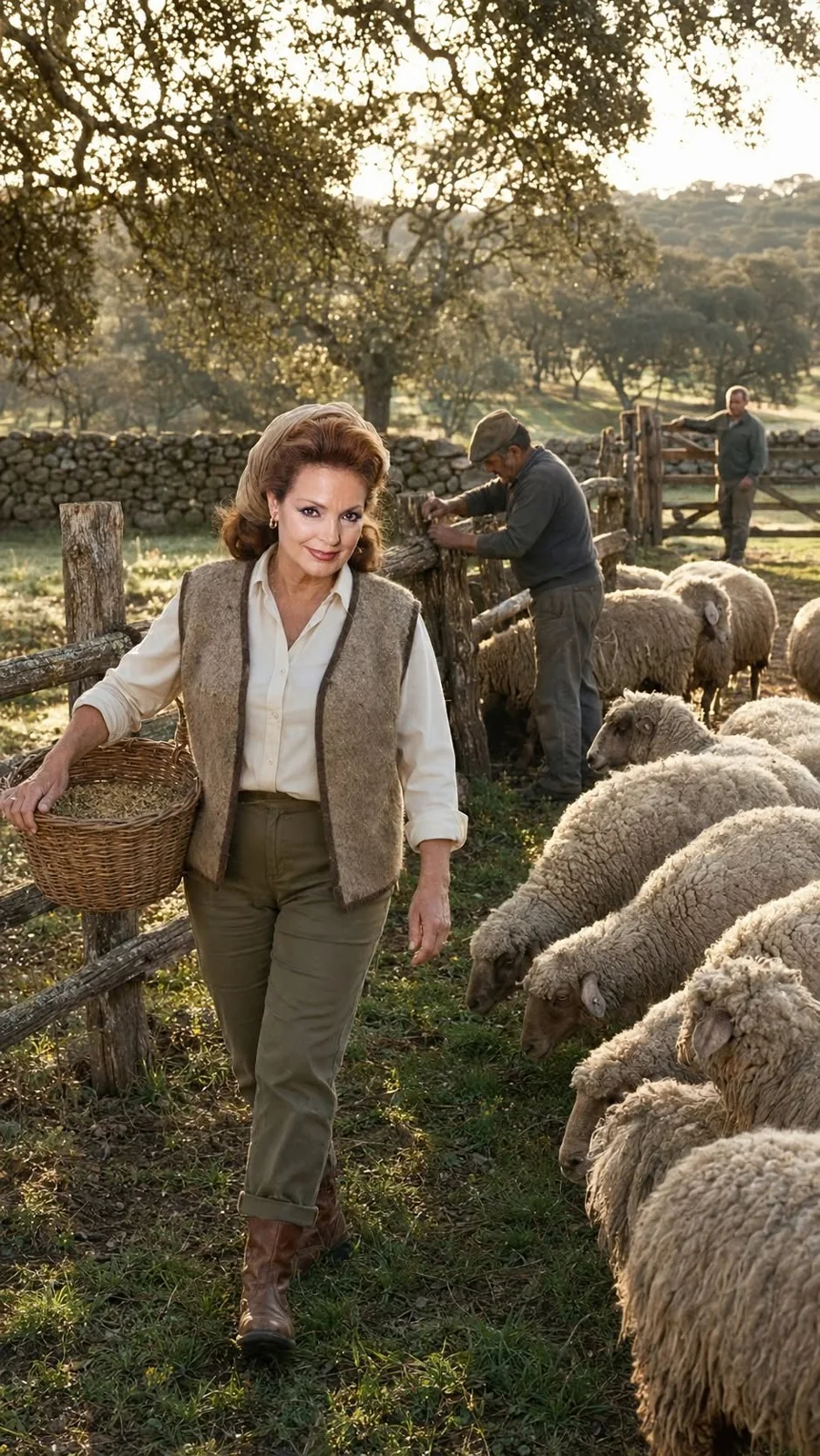
Her personal life had changed too. After separating from composer Augusto Algueró, she began a relationship with businessman Vicente Patuel. They married in 1985 and shared a rural life on a livestock farm in Extremadura.
The woman who had toured stages and starred in international films now lived amid a very different landscape: countryside, animals, and the sheep she would later mention so often on television.
She did not vanish completely from the screen, but she had considerably reduced her activity. To some younger viewers, her name belonged to the films their parents watched.
Then Valerio Lazarov entered the story.
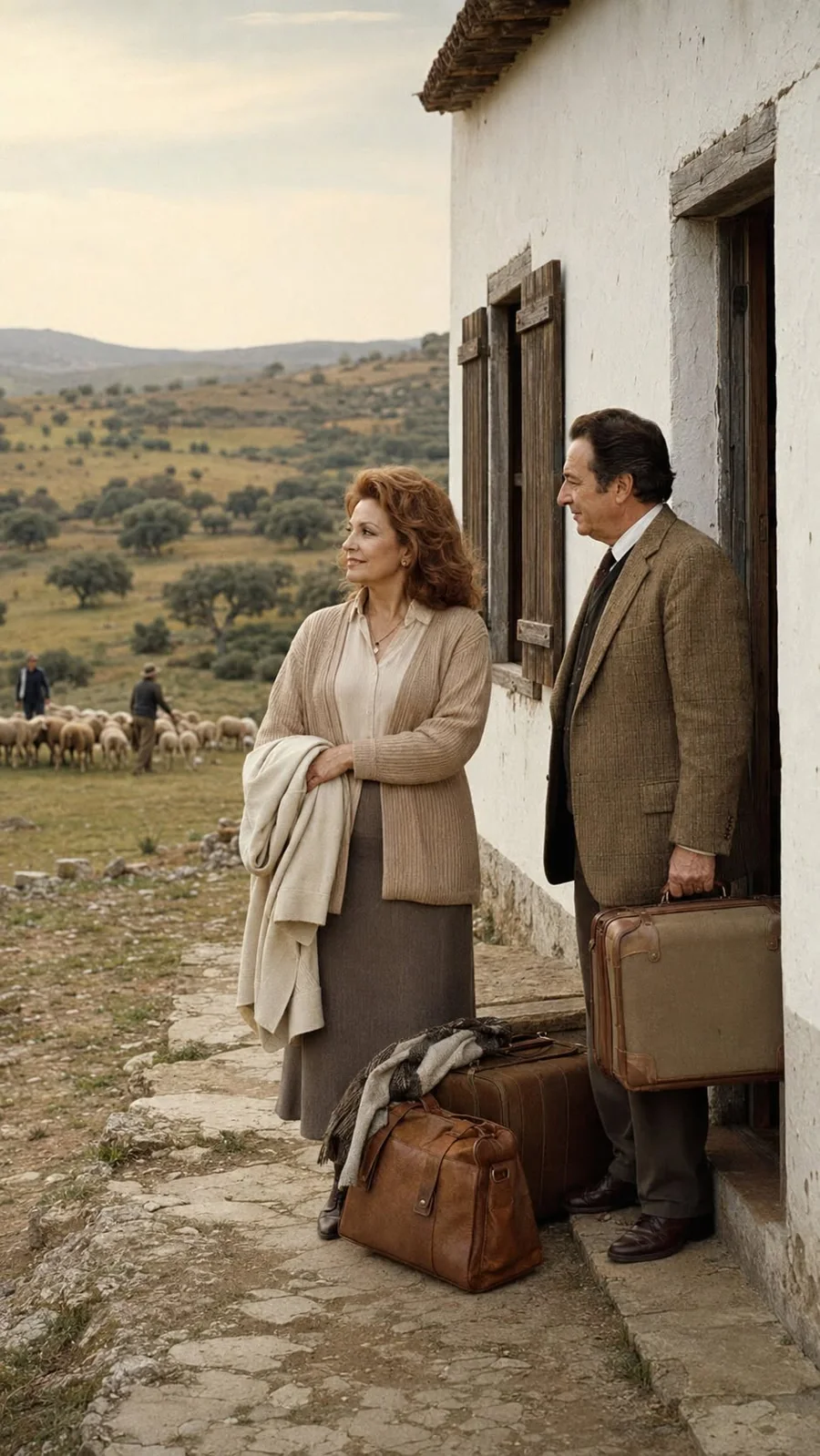
In 1991, the Telecinco executive recruited her for Telecupón, an existing show that combined the ONCE lottery draw with entertainment. Belén Rueda was leaving the program, and Carmen would take her place.
The challenge was not to play a young heroine again. She had to appear before viewers as she was, sustain a daily program, and work live on a commercial television network still shaping its identity.
The contract negotiations produced a memorable anecdote. According to journalist Ángel Antonio Herrera’s account in TVE’s documentary Lazos de sangre, Carmen and Vicente Patuel initially understood an offer of 300,000 pesetas to mean a month’s pay. It was actually the amount per episode. This is a recollection shared years later, rather than a figure checked here against the original contract.
According to Telecinco’s archive, Carmen Sevilla made her Telecupón debut on October 1, 1991. She was 60 and would turn 61 two weeks later.
Her comeback did not depend on hiding her age or recreating the perfection of her old films. She improvised, mixed up instructions, chatted with her colleagues, and spontaneously talked about her sheep.
Her absent-minded moments became part of the show. ONCE would later recall that some of these mistakes were performed: behind the distracted appearance stood an entertainer with decades of experience before audiences.
With Agustín Bravo, she developed a familiar rapport. When a sentence went wrong or an instruction failed to arrive as expected, Carmen could turn the stumble into conversation, a smile, and a way to keep the show moving.
The program also featured formats far removed from the cinema of her early career. One was Hugo, an interactive video-game segment presented by Beatriz Rico. Television was experimenting with new forms of participation while a veteran star made viewers feel at home.
Carmen stayed with Telecupón until 1997. During and after that period, her television work included other programs: Se acabó la siesta in 1992, La noche de Carmen in 1998, and Cine de barrio from 2004 until the end of 2010.
The last of these created a particularly meaningful encounter. Carmen introduced films from the years when she and her colleagues had filled cinemas. Viewers who knew her through television could now discover the actress she had been.
Her return was more than an exercise in nostalgia. At 60, she became one of the recognizable faces of a national network and began a professional chapter that would last almost two decades.
She had been a singer, actress, and movie star. Just when her story seemed tied to the past, she left a farm in Extremadura and found another way to connect with an audience.
Did you know how Carmen Sevilla temporarily left her sheep behind to win over another generation through television?
Explore the full biography of Carmen Sevilla
Sources
- Telecinco — Así fue el debut de Carmen Sevilla en Telecupón. View source
- RTVE, Lazos de sangre — Carmen Sevilla, el contrato que le cambió la vida. View source
- ONCE — Adiós a Carmen Sevilla, la dama del Cupón. View source
- RTVE — Carmen Sevilla, una estrella en la pequeña y gran pantalla. View source