
In this storyOpen index
Elizabeth Packard and the hearing her husband never gave her
A letter brought a woman before a judge after three years of asking for a hearing.
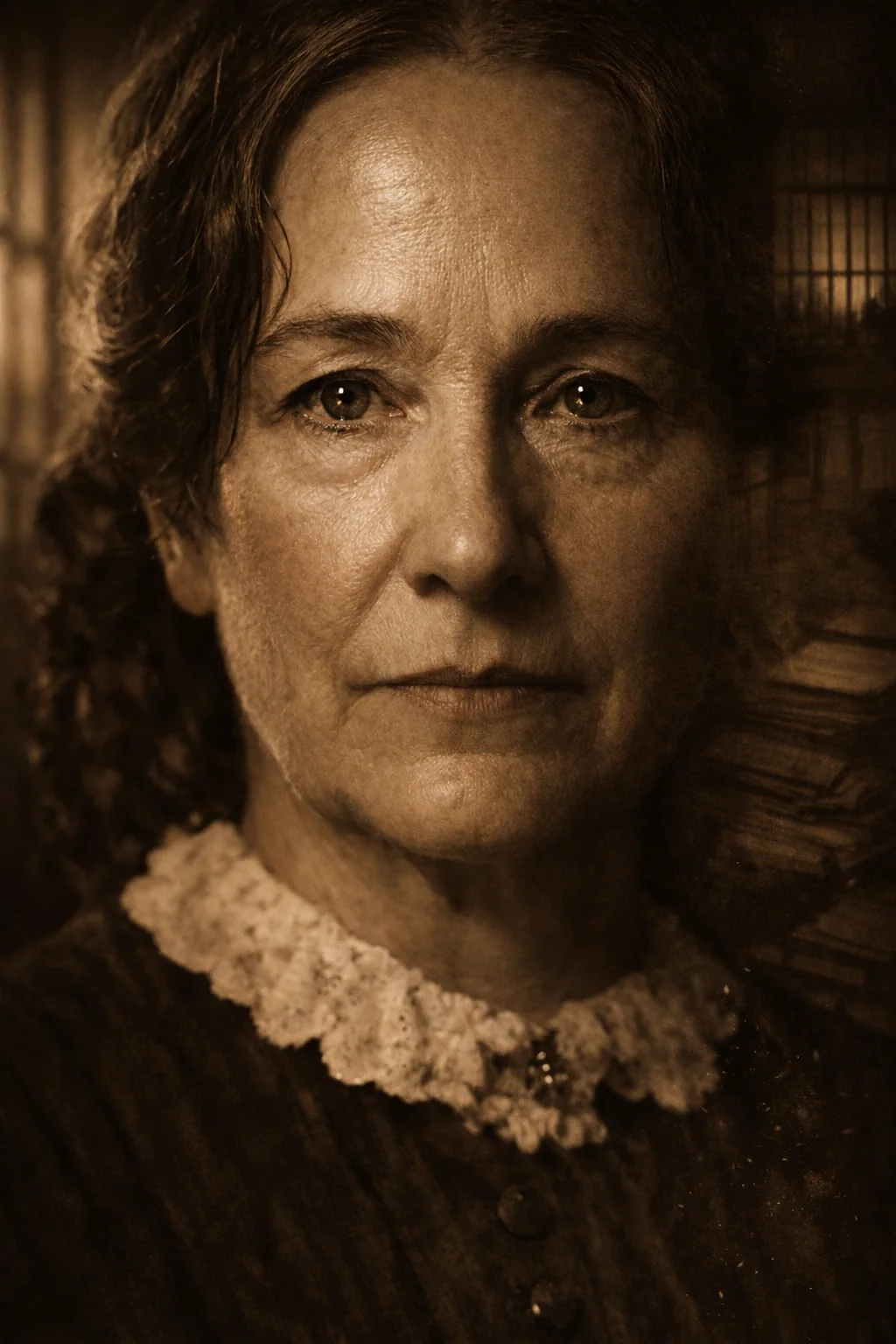
In January 1864, neighbors from Manteno came to an Illinois courtroom to describe a woman they had known for years. Doctors took the stand as well. A jury had to decide whether Elizabeth Packard was sane. By the time the witnesses assembled, she had already lost three years of liberty. Only now could anyone put questions to the people whose judgment had sent her away.
Elizabeth Packard
From confinement to the legislature
Marital Power Exemplified
Read an excerpt from the defense Elizabeth Packard wrote after her trial.
A minister’s daughter learns to argue

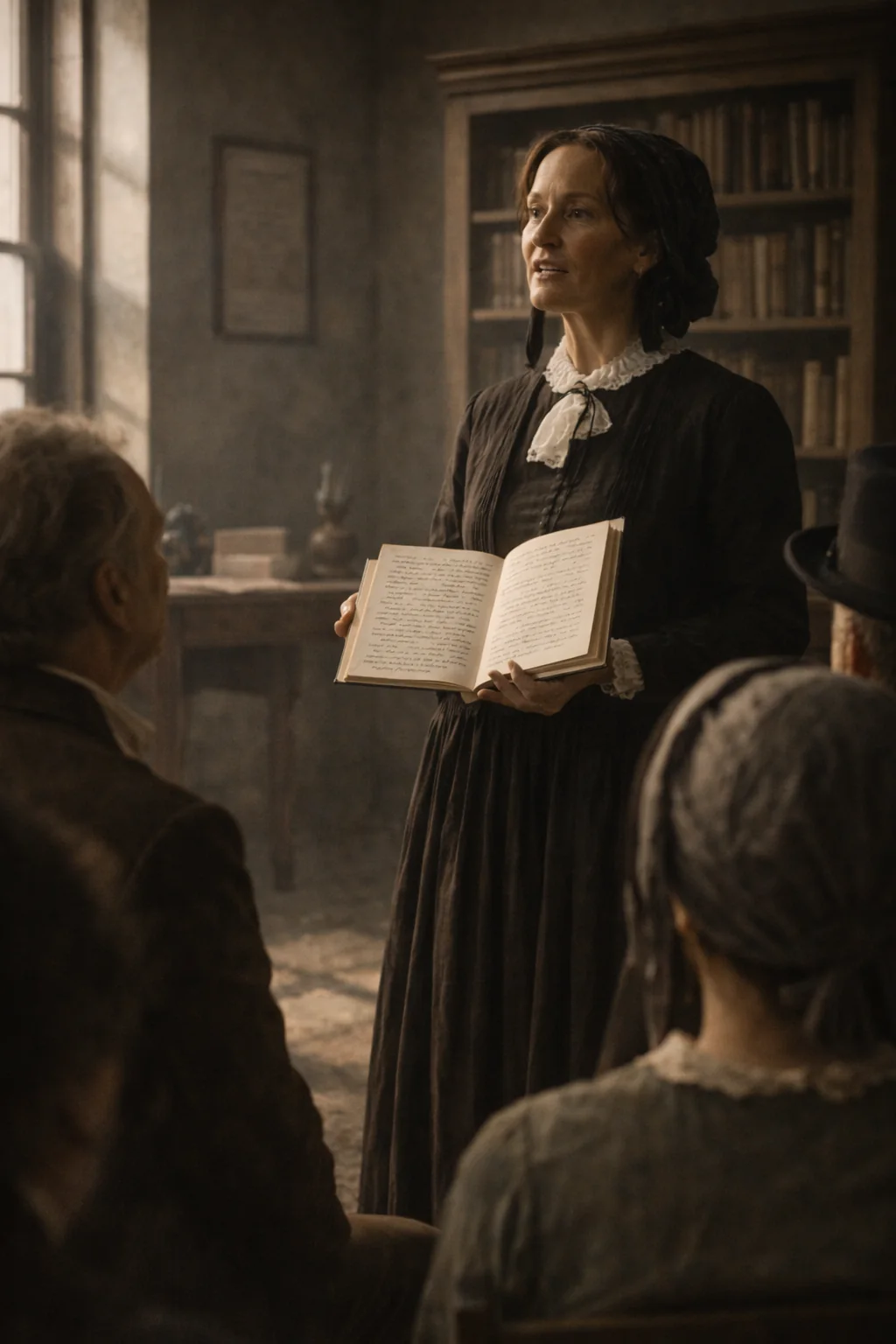
Elizabeth Parsons Ware was born in Massachusetts in 1816. At Amherst Female Seminary she studied mathematics, literature, and the classics. College students boarded in her family home. One of them, Henry Ward Beecher, later became a celebrated preacher. For a Calvinist minister’s daughter with an education like hers, a question of doctrine deserved the attention she had learned to give a problem in class. She could listen to a proposition, compare it with another, and decide whether it stood up to examination (Brandman, n.d.).
At nineteen she experienced a fever accompanied by delirium. Her father placed her in an institution in Worcester. Six weeks later the superintendent discharged her. Elizabeth retained her own interpretation of the episode. She believed that bleeding and purging had contributed to her distress. Years later she again found herself trying to describe an experience to listeners who gave a physician’s interpretation greater weight than her own.
A question at Sunday school
In 1839 she married Theophilus Packard, a Calvinist minister and an acquaintance of her father. They had six children and eventually settled in Manteno. The congregation was her husband’s workplace, her family’s community, and one of the few places where she could discuss ideas with other adults. When her Sunday school teacher invited her to explain some religious views of her own, she took the invitation seriously (Packard, 1864).
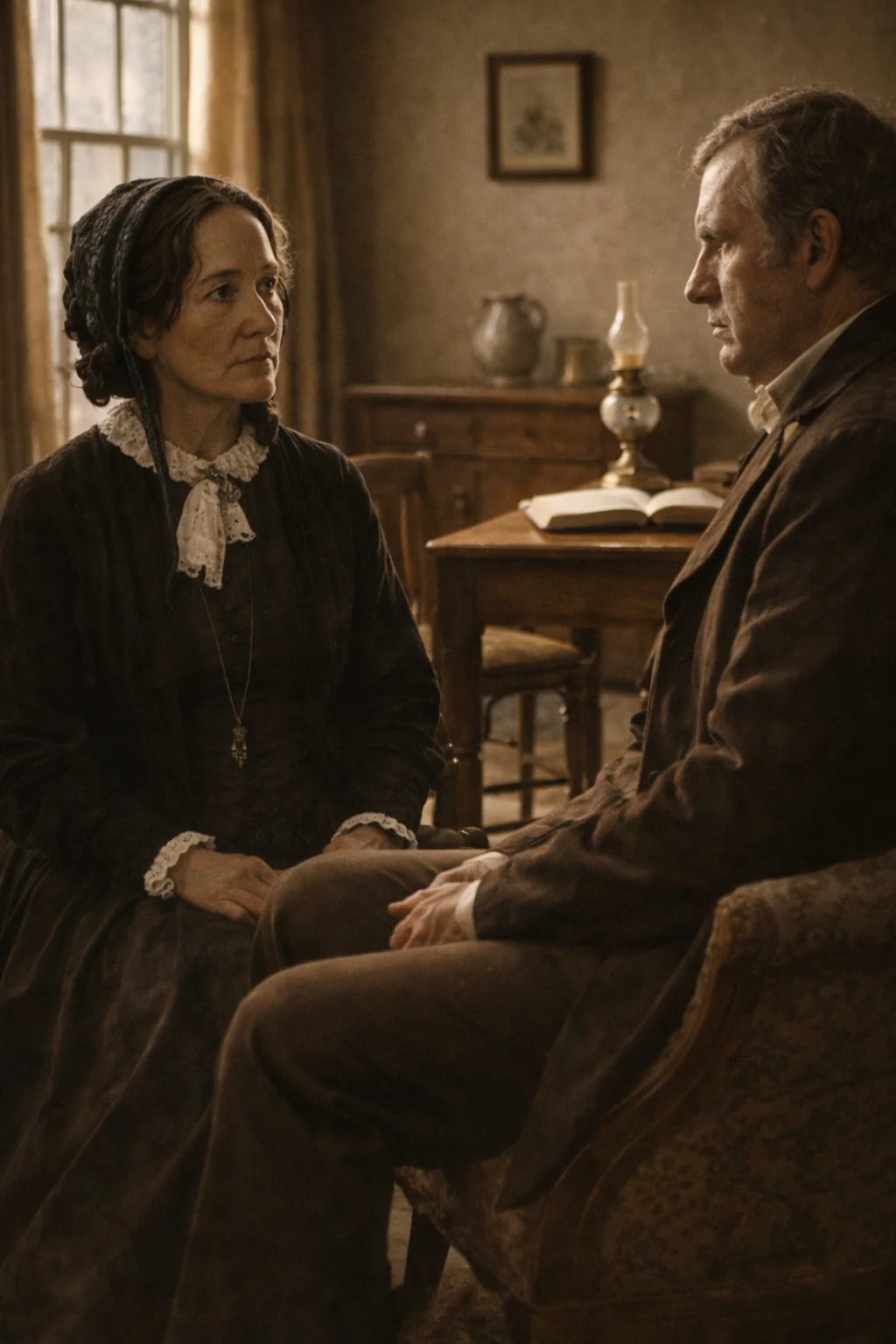
She questioned doctrines that Theophilus taught from the pulpit. Between parishioners those disagreements might have invited a theological answer. For the minister’s wife the consequences followed her home. Theophilus began presenting her beliefs as evidence of illness. The distinction mattered. Another speaker could answer her reasons. Someone described as a patient could be taken away while she was still trying to explain them.
The doors at Jacksonville
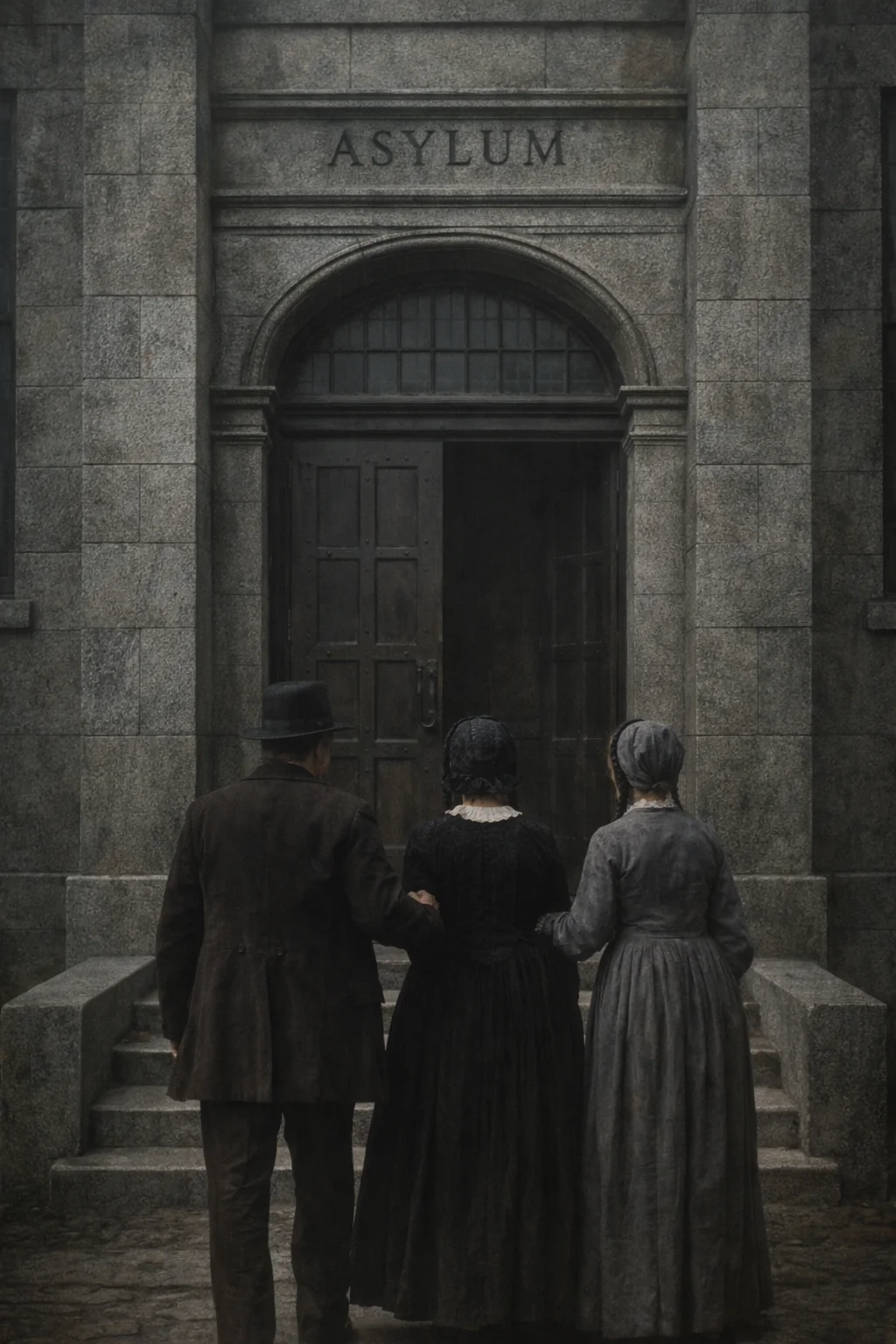
In 1860, at her husband’s request, Elizabeth was taken against her will to the state hospital in Jacksonville. Illinois law made an exception for married women to the safeguards that would otherwise have allowed the grounds for confinement to be heard by a jury. Marriage gave Theophilus a decisive voice in a proceeding whose physical consequences fell entirely on his wife (Illinois History and Lincoln Collections, 2019).
When Packard described the episode for readers, she returned to the missing step between accusation and confinement. When had she been able to question the people offering opinions about her? Where could she explain what had actually been said in the religious discussion? A reader could disagree with every article of her faith and still grasp her objection. What testimony would that same reader consider sufficient grounds for losing the freedom to leave a room?
Three years under observation
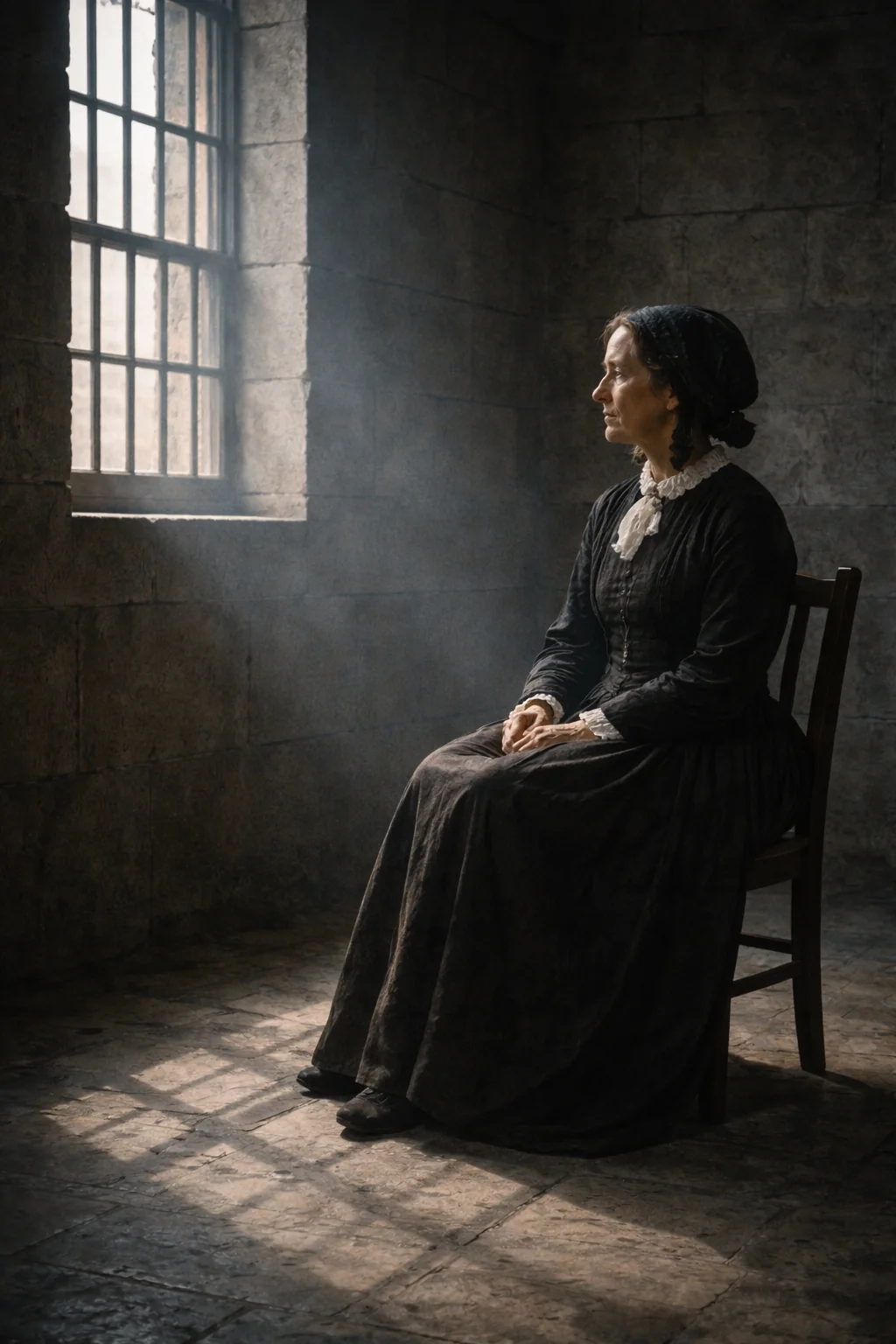
Elizabeth spent three years at Jacksonville. She objected to her admission and tried to make her account heard by people who could intervene. Life in the institution brought home a practical difficulty that would shape her later campaigns. Before anyone could investigate a complaint about conditions on a ward, the complaint had to leave the ward. A superintendent who controlled visits and correspondence could exercise considerable control over what outsiders learned about his institution.
Her discharge in 1863 illustrates another difficulty. The hospital released her to her family while classifying her as incurable. A modern reader might assume that being discharged implied recovery. In Elizabeth’s case the institution could open its doors while leaving on record an opinion that exposed her to further confinement. Back at home, her husband locked her up again. This time a letter reached someone willing to act on her behalf (Brandman, n.d.).
A letter reaches a judge
A friend appealed to Judge Charles Starr. Through a writ of habeas corpus, Starr required Theophilus to produce Elizabeth and justify holding her. The distinction matters because accounts of the case can make the hearing sound like an inquiry into hospital management. It was her confinement at home that brought the couple before the court. What Theophilus did behind his own front door opened a legal avenue that Elizabeth had needed when she was first taken to Jacksonville.
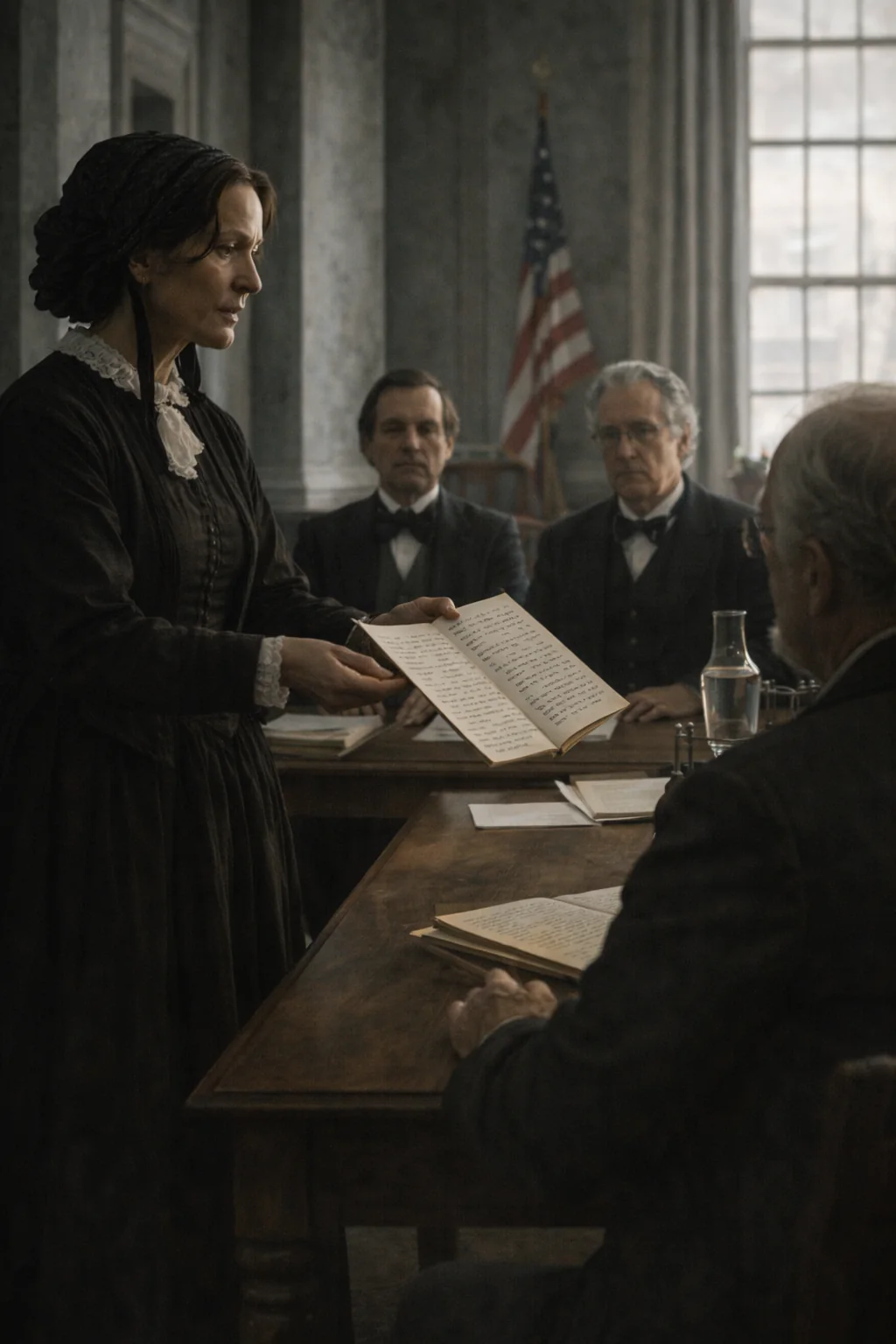
For five days in January 1864 witnesses testified before a jury. Some regarded a wife’s defiance as a sign of mental disturbance. Others knew Elizabeth as a neighbor and could describe how she spoke and acted. The defense was able to examine in public an assumption that had given the accusation much of its force. If thinkers elsewhere held comparable religious views, why did those views establish insanity specifically when this woman expressed them?
What the verdict settled

The jury declared Elizabeth sane. According to accounts cited by the National Women’s History Museum, deliberations took only seven minutes. The interval is striking beside three years in a hospital. What followed deserves equal attention. Elizabeth left court with a favorable decision and few means to rebuild her life. Her husband returned to Massachusetts, and she found herself separated from her children.
A ruling on her mental condition answered one particular question. Housing, income, and custody would take other resources. Packard found one in the audience beginning to take an interest in her case. She published her account and gave lectures. Sales of her books helped support her family and pay for the travel her campaigns required. In 1869 she obtained custody of her three younger children (Brandman, n.d.).
A book readers could examine like a case file

In Marital Power Exemplified, Packard brought her story together with material from the trial and an appeal for reform. The title put marital power at the center of the case. A reader who opened the volume expecting a courtroom story encountered a political question that remained even after the verdict. What would stop another husband from doing much the same thing to a woman without friends able to reach a judge?
Publishing the documents allowed readers to return to the witnesses’ reasoning. It also restored to the author a choice she had lost on entering Jacksonville. Now she could decide which facts to set side by side, answer the charges, and address people who would never set foot inside the hospital. Each copy sold extended that audience and helped pay for the next campaign (Packard, 1864).
The right to send a letter
Among the reforms Packard pursued, one in Iowa bore a particularly close relation to her experience. She helped secure a measure protecting patients’ correspondence from interception by hospital officials. She also advocated outside inspections. The practical effects are easy to picture. A letter that reached its intended recipient could set an inquiry in motion. A visitor independent of the superintendent could ask a patient a question and stay to hear the answer.
Packard remained active in public life for decades and died in 1897. In 2023 Illinois gave her name to the mental health center previously named for Andrew McFarland, superintendent of the hospital that had held her. The change offers another way to read an institution’s history. Where the state had commemorated the official authorized to keep its doors, it now commemorated a woman who had made people listen to an account from the other side (State of Illinois, 2023).
Timeline
| Year | Event |
|---|---|
| 1816 | Born in Massachusetts. |
| 1839 | Marries Theophilus Packard. |
| 1860 | Committed at Jacksonville. |
| 1863 | Leaves the hospital. |
| 1864 | A jury declares her sane. |
| 1869 | Obtains custody of her three younger children. |
| 1897 | Dies aged eighty. |
| 2023 | Illinois renames a mental health center in her honor. |
Sources
- Brandman, M. (n.d.). Elizabeth Packard. National Women’s History Museum.
- Illinois History and Lincoln Collections. (2019). Elizabeth Packard – Legal and Mental Health Reformer. University of Illinois.
- Packard, E. (1864). Marital Power Exemplified. Teaching American History.
- State of Illinois. (2023). Illinois Register, 47(38).
More from this collection

Mata Hari: The Woman Behind the Myth of the Irresistible Spy
Read story →
Hannah Arendt: The Woman Who Refused to Think as She Was Told
Read story →