In this storyOpen index
Marlon Brando: The Actor Who Turned an Oscar into a Protest
In 1973, he refused the Oscar for The Godfather and transformed the greatest recognition of his career into a protest against Hollywood.
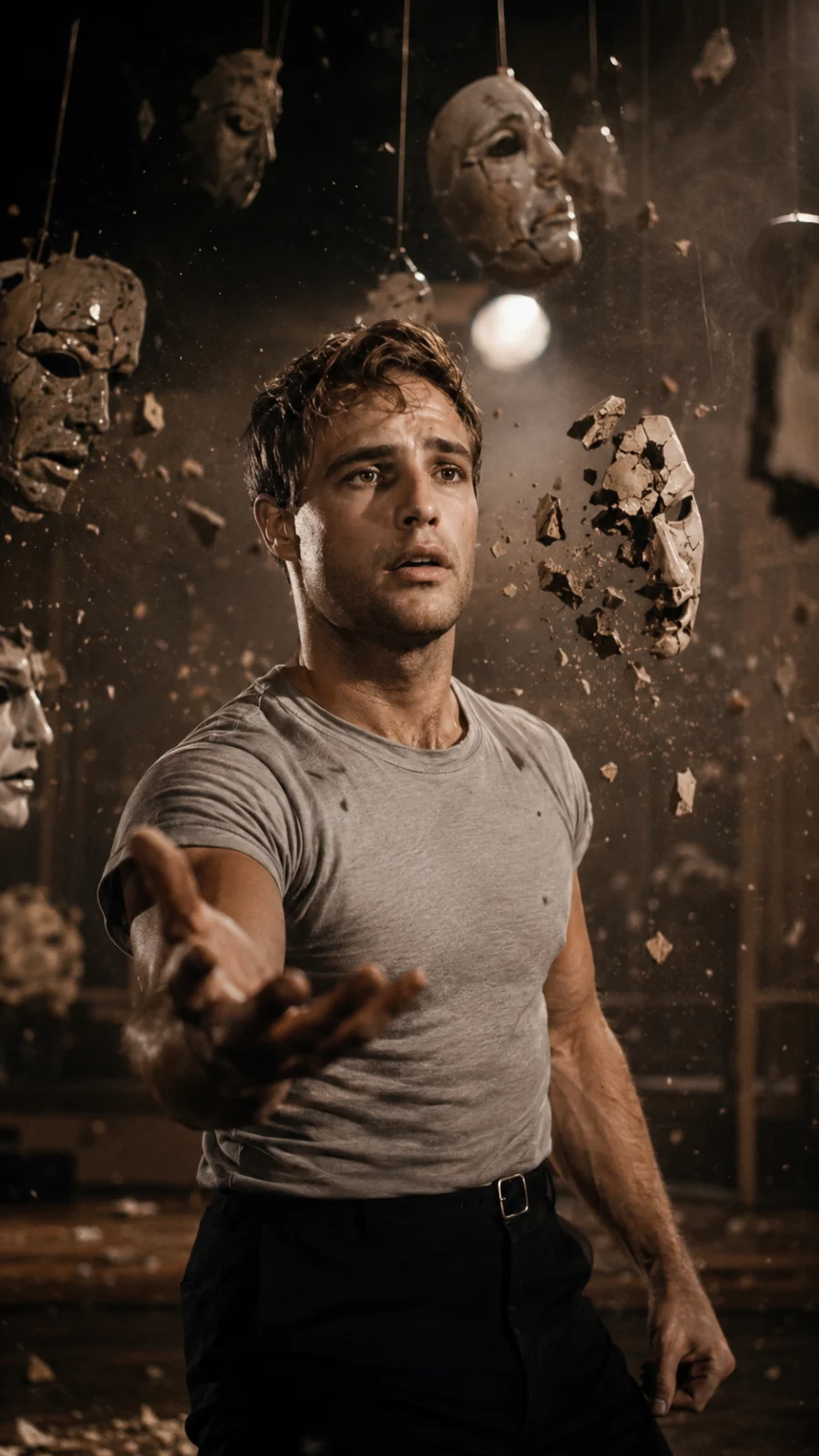
On March 27, 1973, Marlon Brando won the Academy Award for Best Actor for The Godfather. His name was announced, the audience applauded, and Roger Moore extended the statuette toward a young woman wearing clothing associated with Indigenous tradition.
She raised her hand and refused to accept it.
Her name was Sacheen Littlefeather, and she had come to the stage on Brando’s behalf. Before millions of viewers, she explained that the actor was declining the award because of the treatment of Indigenous peoples in the film industry and the events then unfolding at Wounded Knee.
Some audience members applauded. Others booed. Nearly fifty years later, the Academy acknowledged that the abuse Littlefeather endured as a consequence of that appearance had been unjustified.
Brando did not attend the ceremony, but he transformed the greatest moment of professional recognition in his career into an accusation against the industry honoring him.
Marlon Brando on video
Discover this story on our YouTube channel.
A life told through places and turning points
The young man who refused to obey
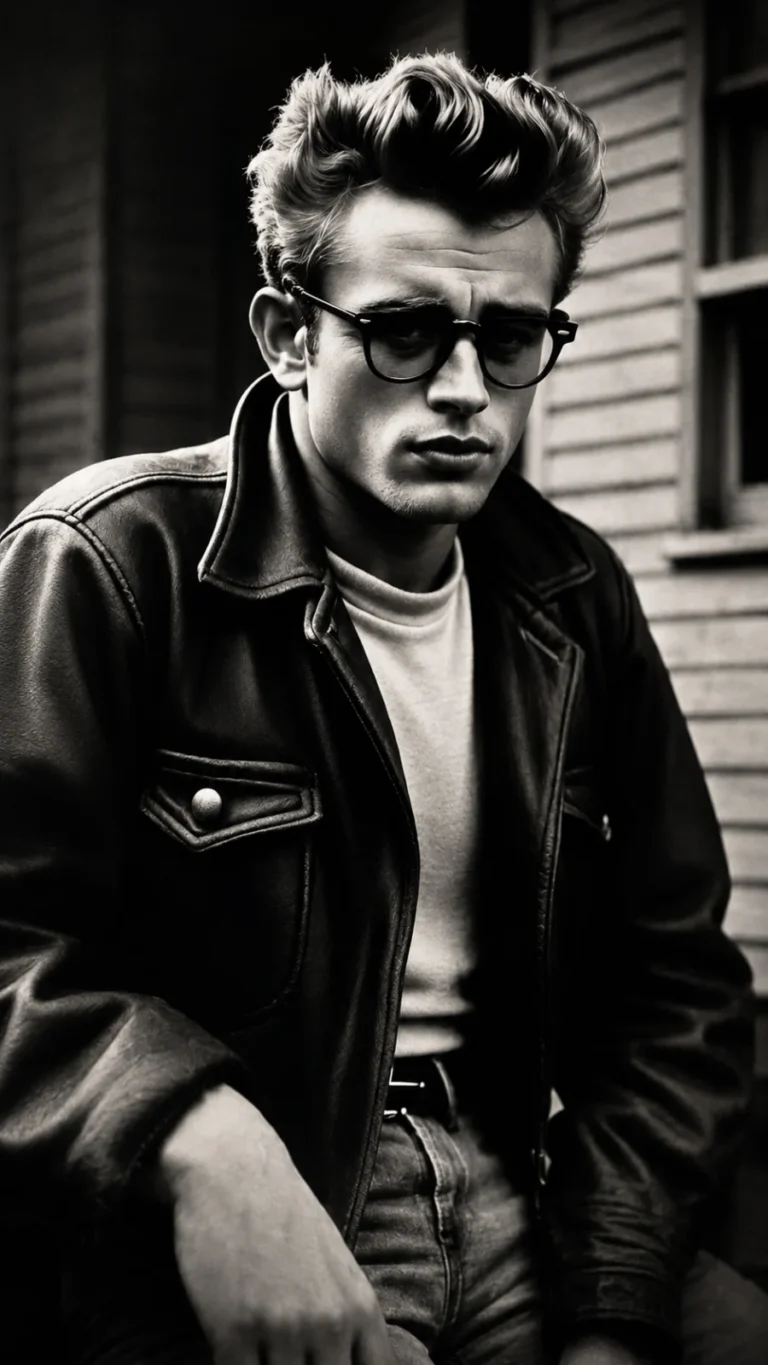
Marlon Brando Jr. was born in Omaha, Nebraska, on April 3, 1924. His father worked as a salesman, while his mother, Dorothy Pennebaker Brando, participated in theatrical activities. Their household was marked by both parents’ alcoholism, conflict, and an instability Brando remembered throughout his life.
He was sent to a military academy, but his resistance to discipline ended in expulsion. In 1943, he moved to New York, where his older sister Jocelyn was attempting to develop an artistic career.
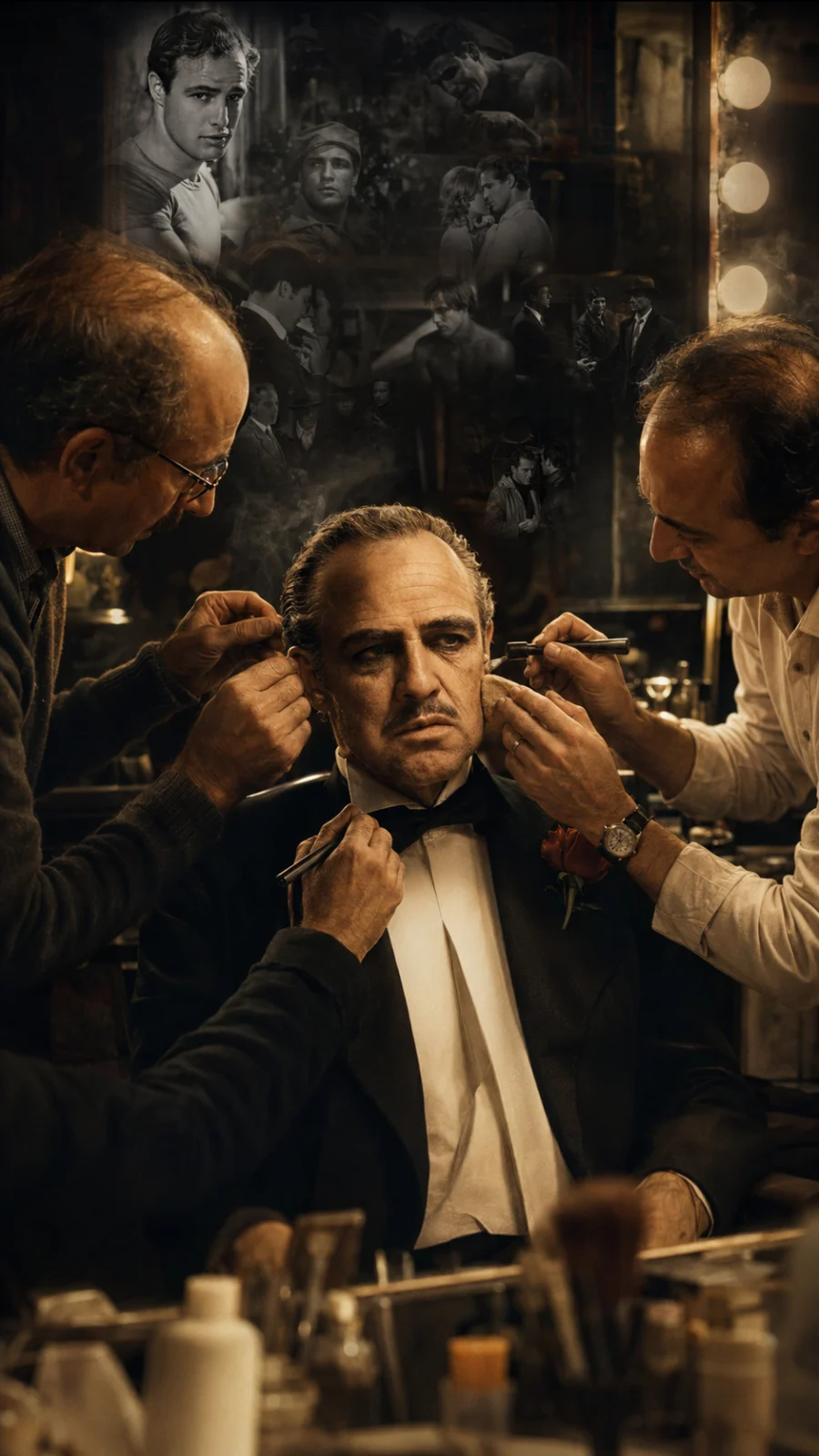
There he studied with Stella Adler, one of America’s most important acting teachers. Adler had met Konstantin Stanislavski and taught performers to construct characters through observation, imagined circumstances, and a concrete understanding of the world of the play.
Although Brando is commonly described simply as a “Method actor,” he rejected the version associated with Lee Strasberg that required actors to search their personal memories for every emotion. Brando credited Adler with a fundamental part of his development (Stella Adler Center for the Arts, n.d.).
What he brought to the stage was not an absence of technique. It was a technique designed to remain invisible.
The man who changed the way actors spoke onscreen
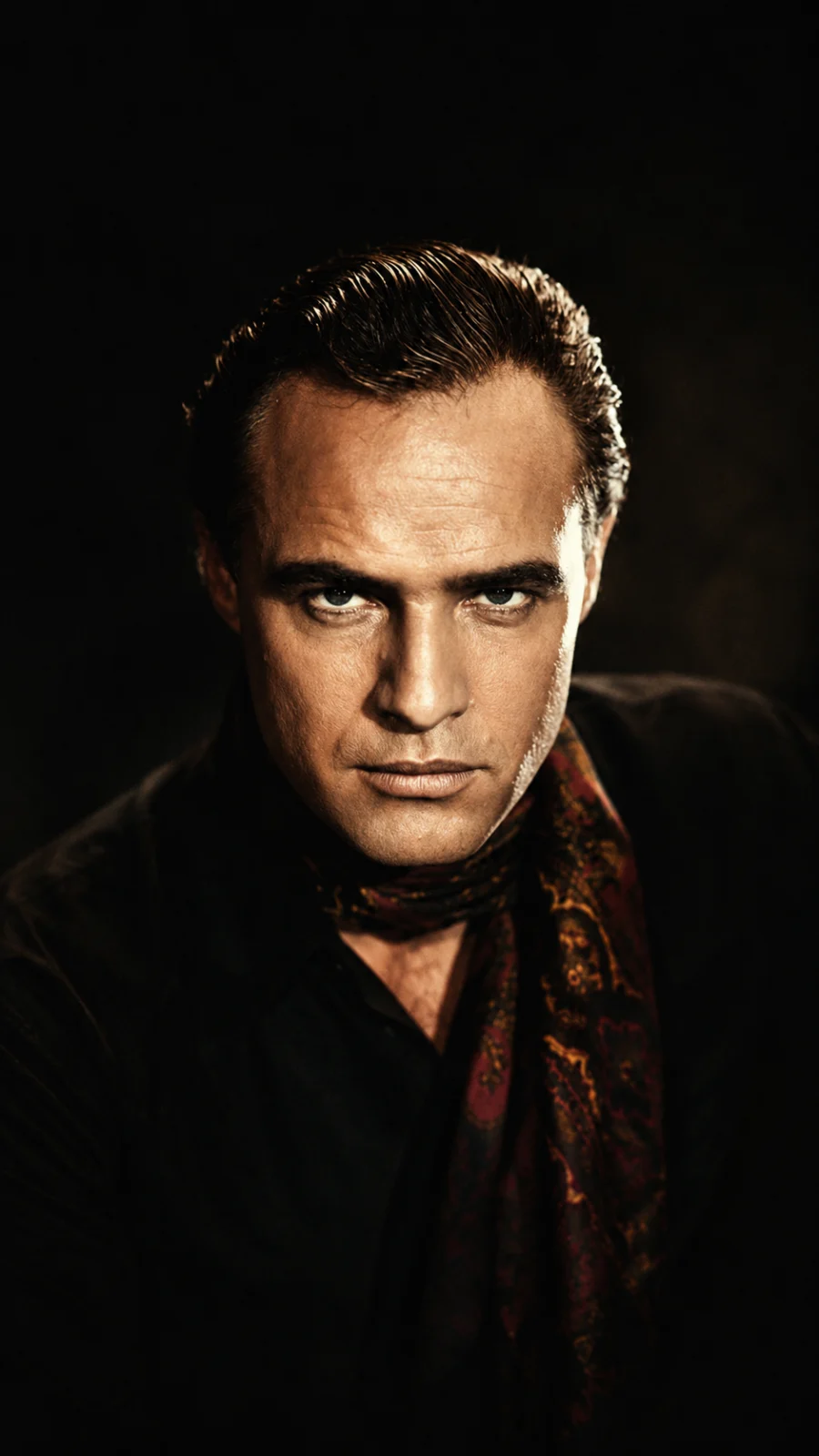
In 1947, Brando played Stanley Kowalski in the original stage production of Tennessee Williams’s A Streetcar Named Desire. Stanley could appear violent, sensual, childish, and threatening within the same scene.
When Brando repeated the role in the 1951 film adaptation, his performance contrasted with the carefully projected voices and movements of many actors of the period. He mumbled, interrupted sentences, handled objects, and appeared to listen before responding.
He was not history’s first naturalistic actor, but he helped a new performance style acquire enormous influence. After Brando, it became more difficult to accept characters who appeared to be reciting rather than living.
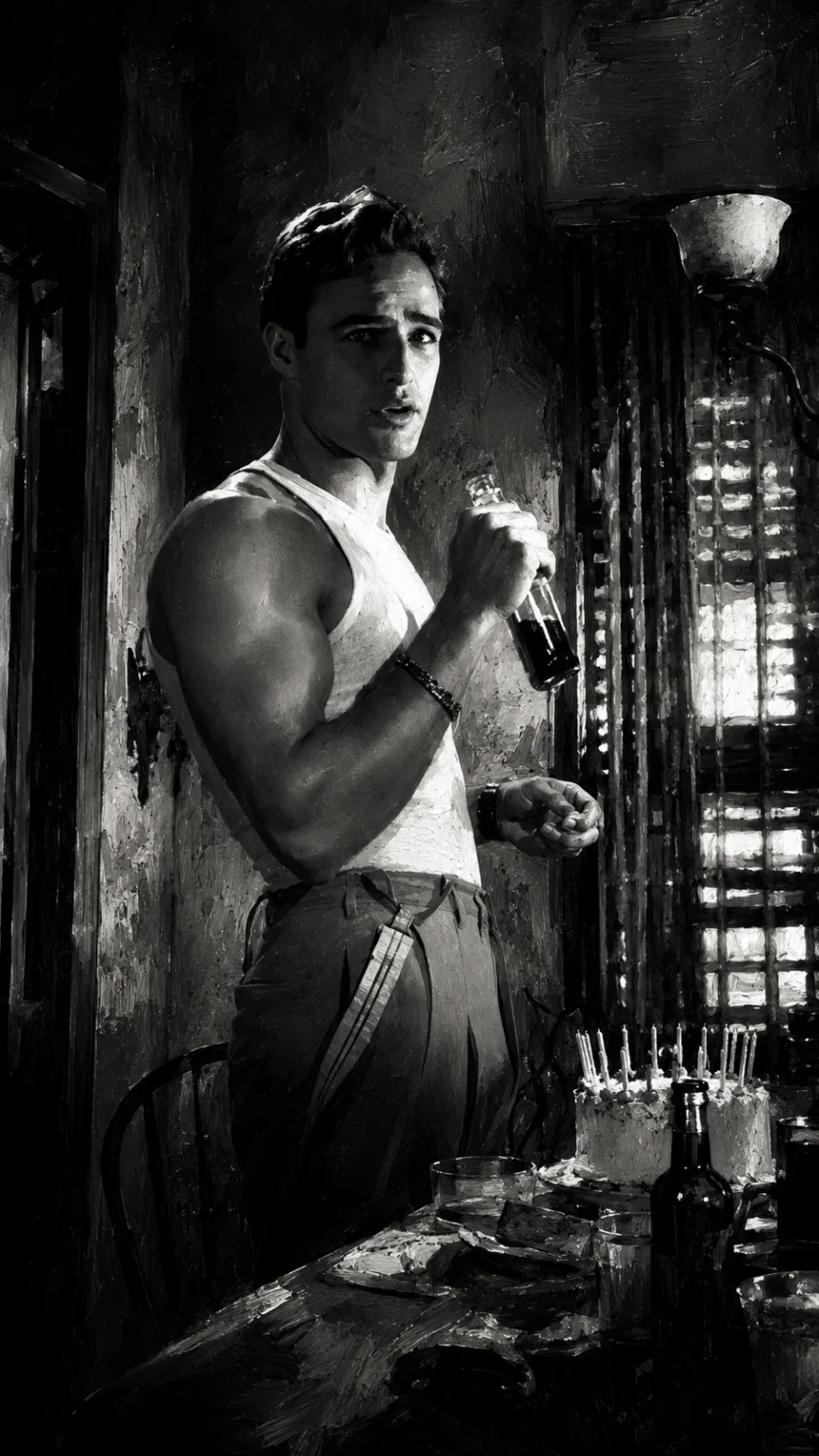
He received consecutive Academy Award nominations for A Streetcar Named Desire, Viva Zapata!, and Julius Caesar. In the last of these, he portrayed Mark Antony and demonstrated that his style did not depend solely on tight T-shirts or working-class characters: he could also perform Shakespeare with precision.
Then came On the Waterfront in 1954. As Terry Malloy, a former boxer trapped between loyalty to a corrupt union and his conscience, Brando constructed a performance from small gestures, hesitation, and shame. He won his first Academy Award for Best Actor.
The famous automobile scene with Rod Steiger contains one of the keys to his work. Terry does not present his failure through a grand heroic speech. He acknowledges it almost quietly, as if the life he might have lived is too painful to name completely.
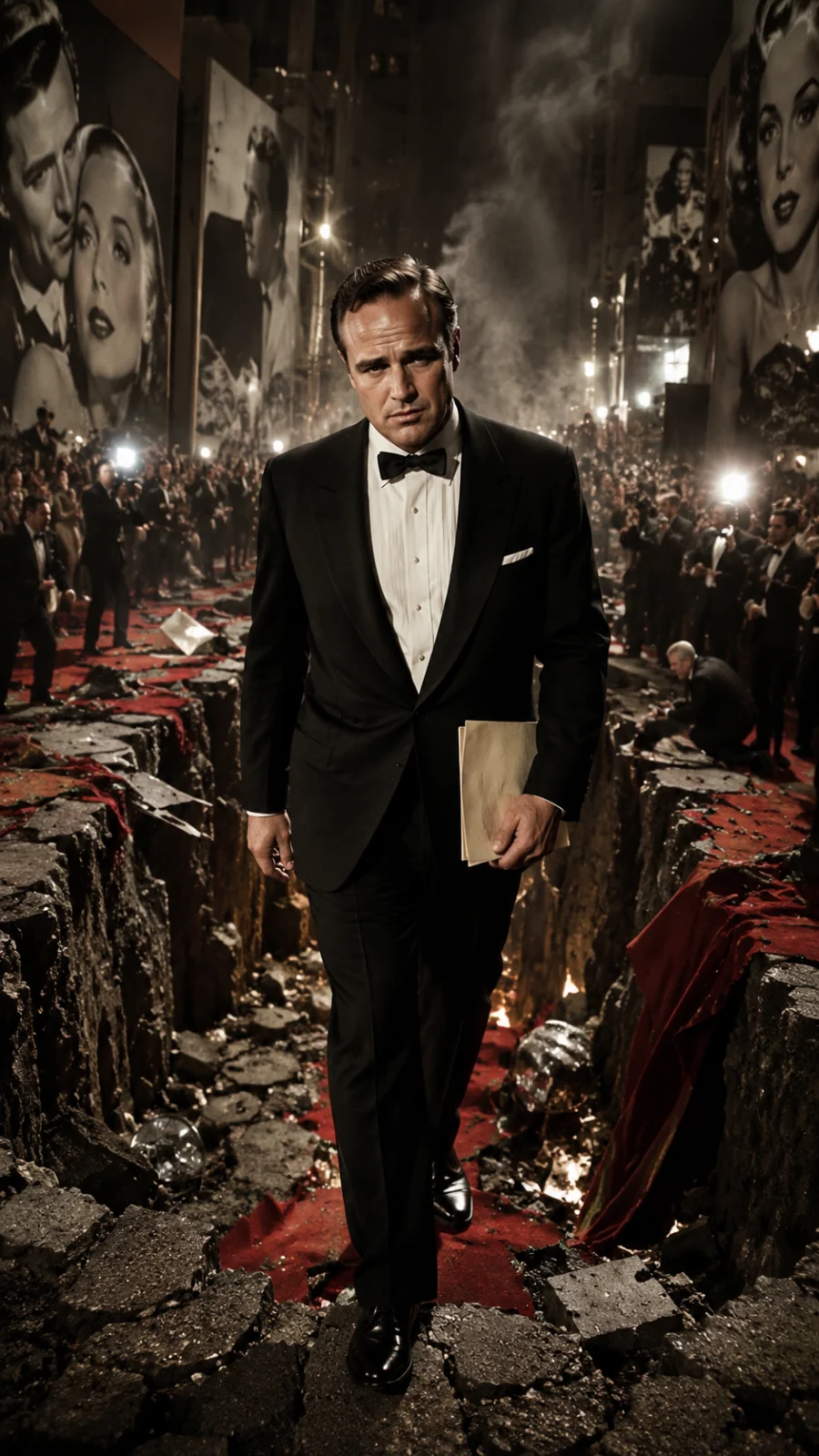
A star who distrusted stardom
Success made Brando a model of rebellion, particularly after The Wild One. He nevertheless distrusted Hollywood and argued that acting did not deserve the importance society assigned to actors.
That ambivalence had consequences. He could prepare obsessively for one character and display little interest in another. His conflicts with directors, changes in weight, and refusal to memorize certain dialogue contributed to his reputation as a difficult performer.
For One-Eyed Jacks, released in 1961, he also assumed directing duties after Stanley Kubrick departed the project. Production expanded, and the budget increased. Mutiny on the Bounty subsequently reinforced the belief that Brando had become an expensive and uncontrollable star.
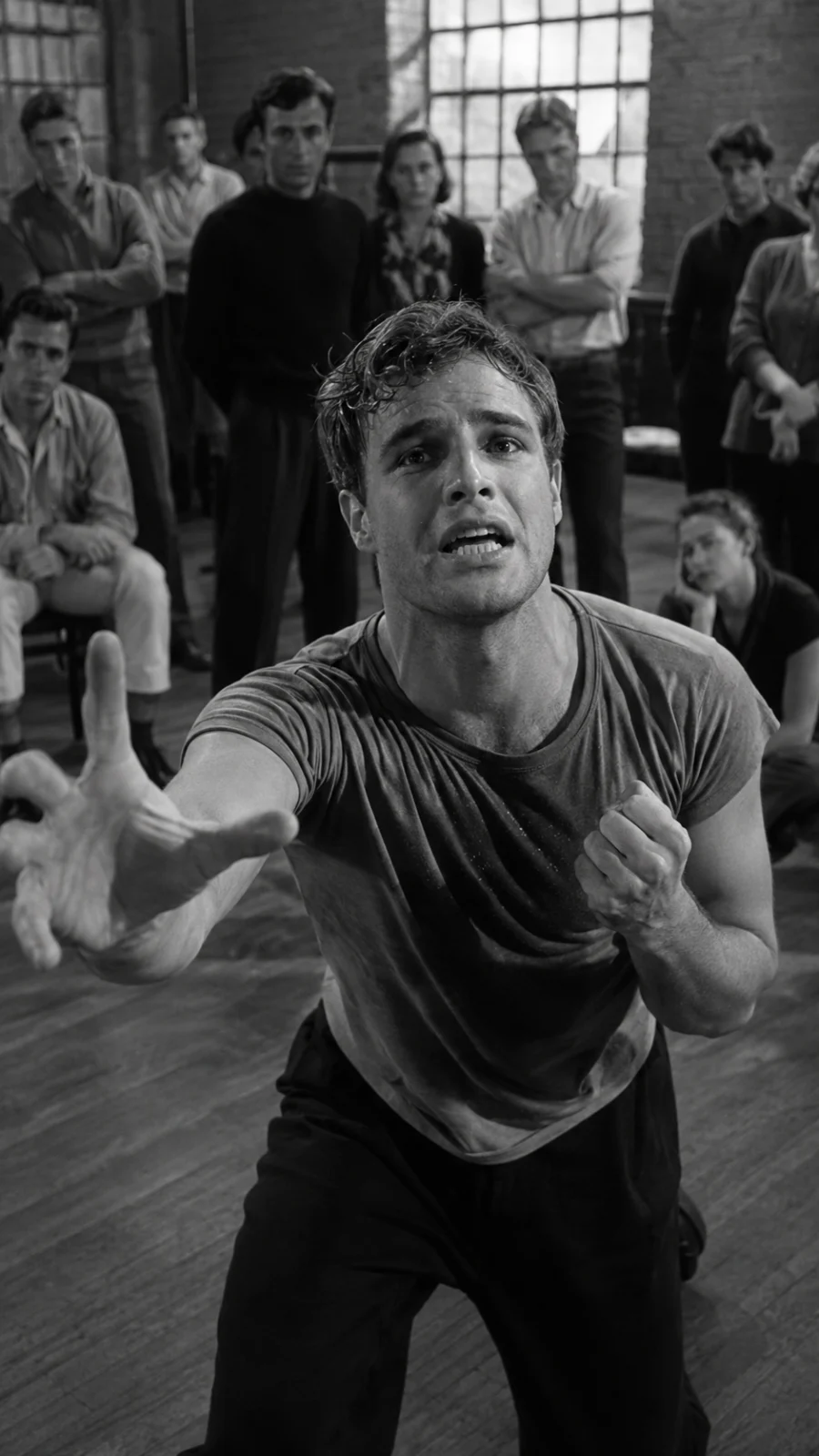
Several of his films failed during the 1960s. To a new generation of viewers, he appeared to belong to the past.
Yet while his career lost momentum, Brando was using his celebrity beyond the film industry.
The activism that preceded the Oscar
His 1973 protest did not arise suddenly. Brando had participated in civil-rights movements for years.
On August 28, 1963, he attended the March on Washington for Jobs and Freedom, where Martin Luther King Jr. delivered his “I Have a Dream” speech. Library of Congress records confirm Brando’s presence among the public figures supporting the demonstration (Library of Congress, n.d.).
In March 1964, he joined a “fish-in” organized to defend treaty-protected fishing rights for Indigenous communities in Washington State. He was arrested alongside Puyallup activist Robert Satiacum. Photographs and records preserved by the National Museum of the American Indian document the protest (National Museum of the American Indian, n.d.).
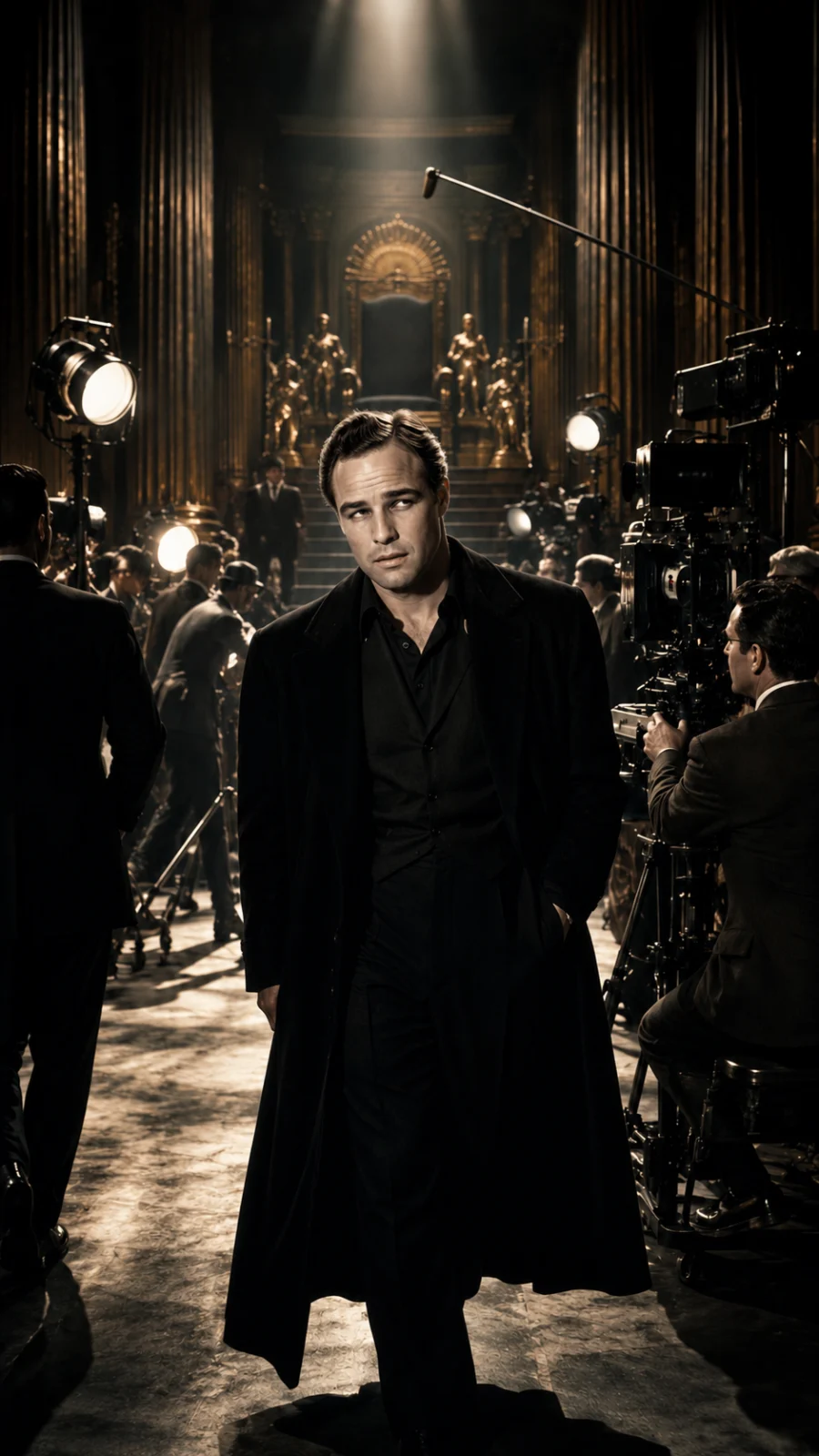
He also supported campaigns against racial housing discrimination and apartheid. His activism was not free of contradictions, but it was not a publicity strategy invented for the Academy Awards.
Don Corleone’s return
By the early 1970s, Paramount did not consider Brando a safe choice to portray Vito Corleone in The Godfather. His career had lost commercial value, and his behavior on previous productions concerned the studio.
Francis Ford Coppola insisted. Brando performed a screen test in which he pulled back his hair, altered the shape of his face, and transformed his voice into a weary murmur. The result was not a crime boss defined by explosions of anger, but a man whose power appeared so established that he rarely needed to raise his voice.
Released in 1972, The Godfather restored his prestige. The performance earned him his second Academy Award for Best Actor.
This time, however, he decided not to accept it.
Sacheen Littlefeather’s sixty seconds
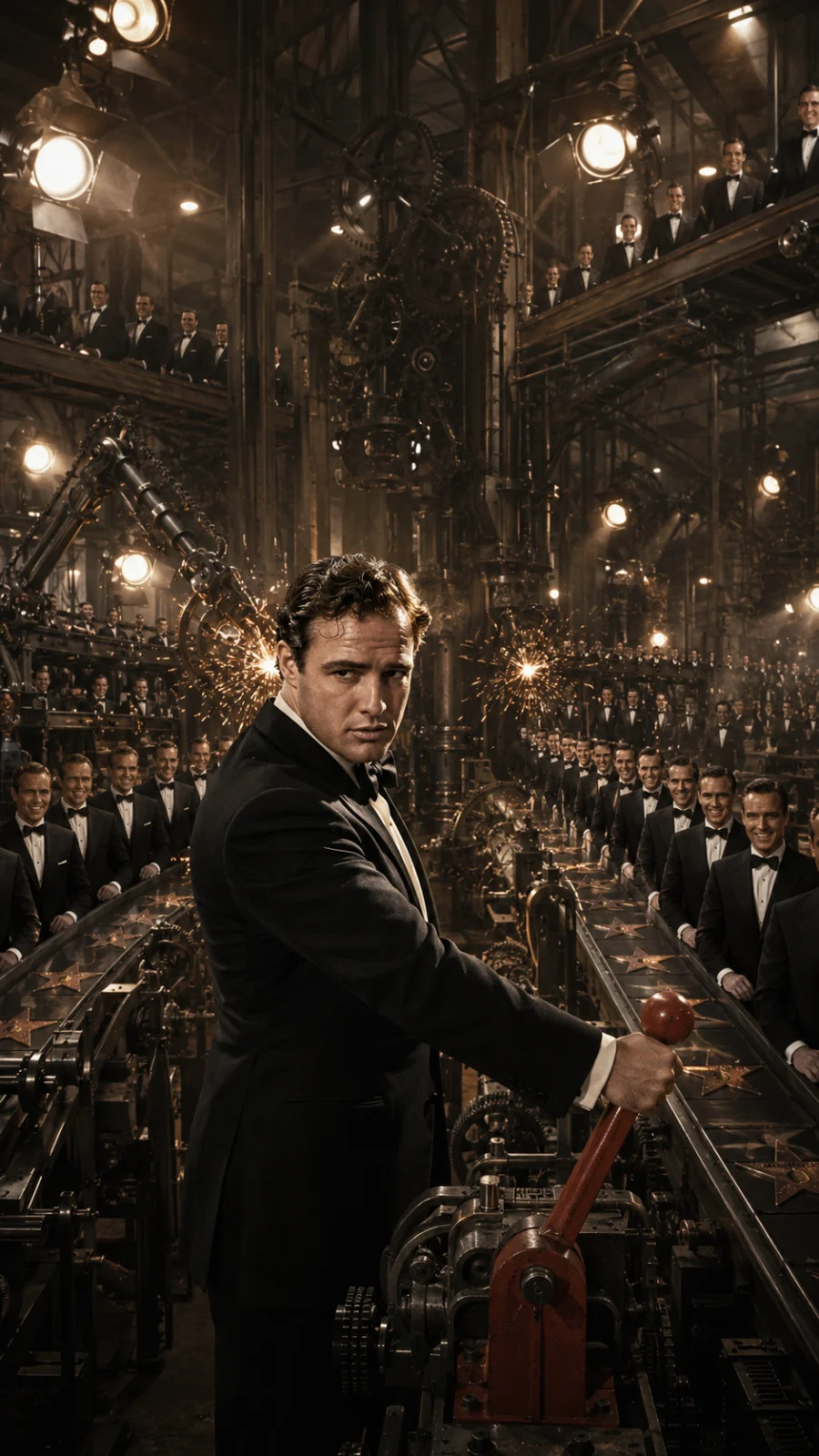
Brando prepared a lengthy statement and asked Sacheen Littlefeather, an actress and activist who publicly identified as Apache and Yaqui, to attend in his place. The ceremony’s organizers permitted her to speak for only about a minute and warned that she would be removed if she attempted to read the complete text.
Littlefeather declined the statuette with a gesture of her hand. She explained that Brando could not accept the award because of the treatment of American Indians by the film industry and mentioned the occupation of Wounded Knee, where American Indian Movement activists were surrounded by federal forces.
The gesture did not end discrimination in Hollywood. It also generated a legitimate criticism: an Indigenous woman had to endure the public consequences of a decision made by a famous man who was not present.
Littlefeather said she faced ridicule, threats, and professional difficulties after the ceremony. In 2022, the Academy issued her a formal apology and described the abuse she endured as unwarranted and unjustified (Academy of Motion Picture Arts and Sciences, 2022).
Her Indigenous ancestry was publicly disputed by relatives after her death, creating a debate that cannot be resolved through simplistic claims. That controversy also does not alter the documented content of the protest or Brando’s long-standing participation in Indigenous causes.
Talent and contradiction
Soon after The Godfather, Brando starred in Last Tango in Paris. Some critics celebrated the film, but it is now also examined because of the conditions under which a scene of sexual humiliation was created. Maria Schneider later stated that certain elements had been introduced without being fully discussed with her beforehand.
The episode prevents Brando from being transformed into a hero without contradictions. His public defense of mistreated groups coexisted with private and professional behavior capable of causing harm. Recognizing his artistic importance does not require excusing everything he did.
In 1979, he portrayed Colonel Kurtz in Apocalypse Now. He appears during a limited portion of the film, yet his voice, physical presence, and emergence from the darkness dominate its final section. Once again, the difficulties of the production became inseparable from the result.
During his final decades, he accepted relatively few projects, while his family life was marked by tragedy. His son Christian was convicted in connection with the killing of Dag Drollet, the partner of Brando’s daughter Cheyenne. Cheyenne died by suicide in 1995.
Brando died on July 1, 2004, at the age of eighty.
The actor who exposed the mechanism
Great screen actors existed before Brando. His revolution did not consist of inventing emotion, but of changing the relationship between acting and the camera.
He allowed silences, uncertainty, and seemingly accidental movements to become part of the character. He made viewers feel they were observing private behavior rather than a performance prepared to be watched.
The night of 1973 revealed another dimension of his influence. Brando understood that a televised award was not merely an artistic celebration. It was also a political platform.
He did not walk onto the stage to collect the statuette. He forced the ceremony to stop and listen, if only for sixty seconds, to a woman Hollywood would not have invited to speak on its own initiative.
The gesture was imperfect, controversial, and costly primarily for Littlefeather. That is precisely why it retains its historical force. It was not a clean or comfortable scene. It was an interruption.
Brando had transformed cinema by making his characters appear less rehearsed. That night, he transformed the Academy Awards by reminding the industry that it could not completely control what happened on its own stage.
References
- Academy of Motion Picture Arts and Sciences. (1973, March 27). Marlon Brando Academy Awards acceptance speech.
- Academy of Motion Picture Arts and Sciences. (2022, August 15). The Academy Museum welcomes Sacheen Littlefeather for an evening of conversation, healing and celebration.
- Brando, M., & Lindsey, R. (1994). Songs my mother taught me. Random House.
- Library of Congress. (n.d.). The March on Washington.
- Mizruchi, S. L. (2014). Brando’s smile: His life, thought, and work. W. W. Norton & Company.
- National Museum of the American Indian. (n.d.). Taking action strategies: The Pacific Northwest Fish Wars. Smithsonian Institution.
- Stella Adler Center for the Arts. (n.d.). Marlon Brando.
More from this collection
Alain Delon: Cinema’s Most Beautiful Man Turned His Face Into a Threat
Read story →
Romy Schneider: The Actress Who Escaped a Princess and Lent Her Name to a Rebellion
Read story →