In this storyOpen index
Édith Piaf: The Singer Who Nearly Lost Her Career over an Unsolved Murder
An unsolved murder linked her name to the Paris underworld just as her career was beginning.
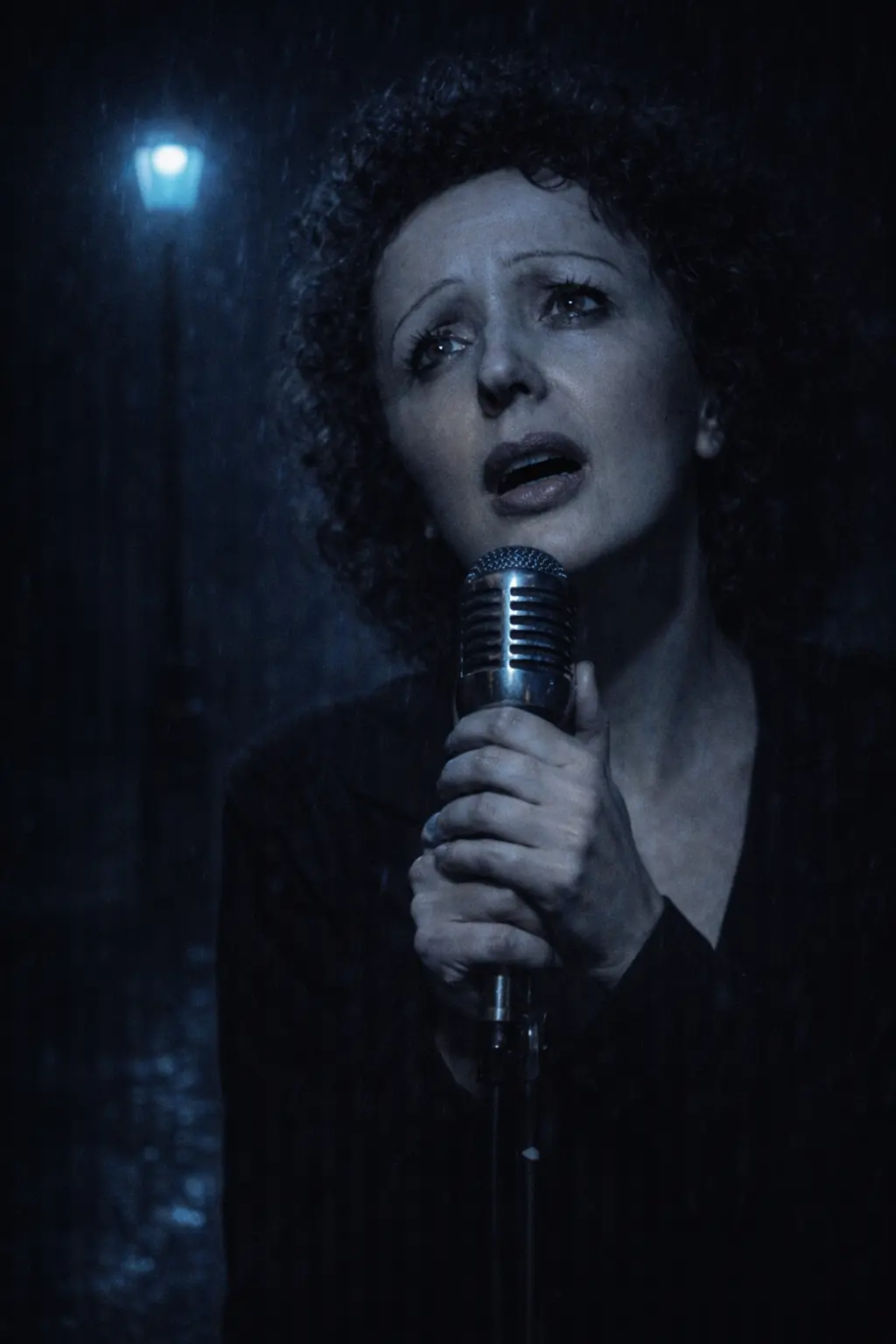
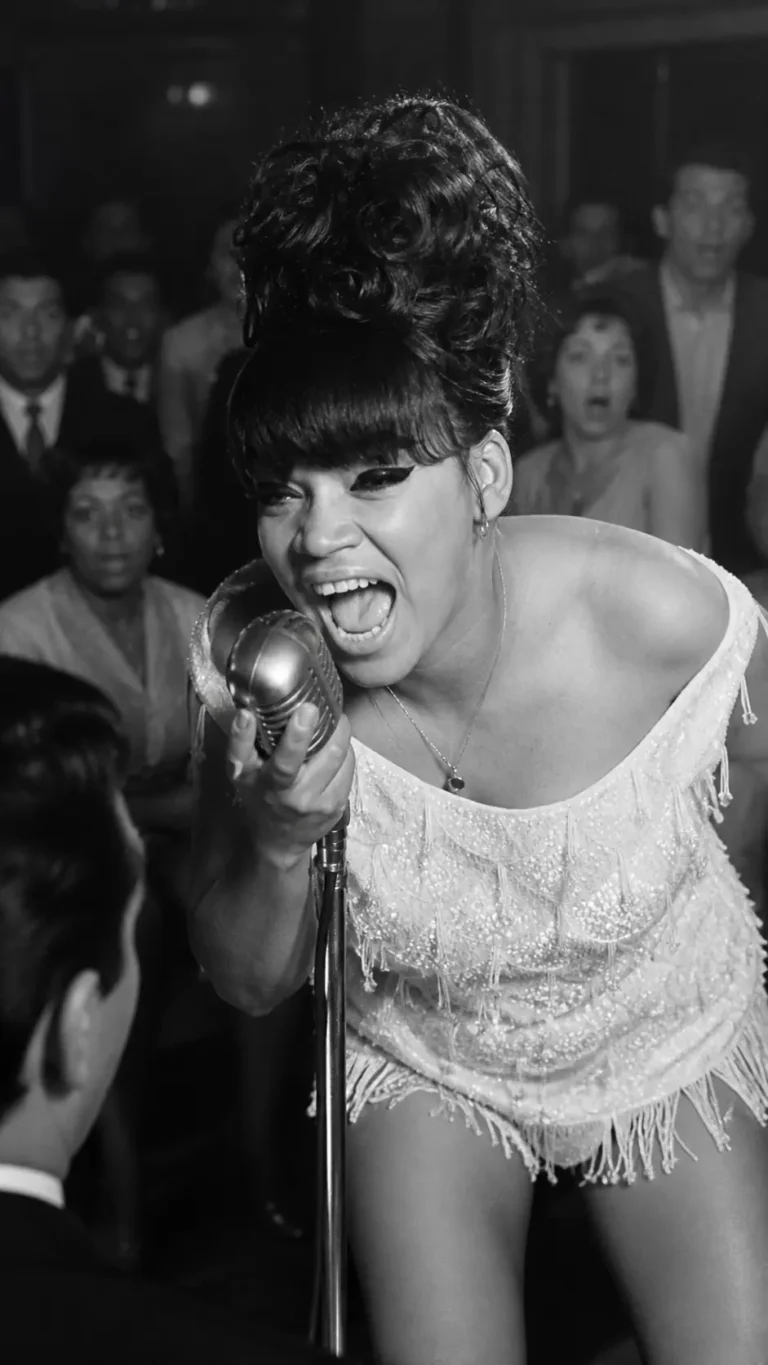
In April 1936, Louis Leplée, the owner of an elegant Paris cabaret, was murdered in his apartment. Only months earlier, he had discovered a young street singer named Édith Gassion, brought her onto a professional stage, and given her the name by which the world would eventually know her: Édith Piaf.
Police discovered that some of the singer’s acquaintances belonged to the Parisian underworld. Piaf was questioned, and newspapers immediately connected her name to the crime. Although no evidence ever demonstrated that she had participated in the murder, part of the public began treating her as a suspect.
Her career had barely started and already seemed destined to end.
Édith Piaf on video
Discover this story on our YouTube channel.
A life told through places and turning points
A childhood transformed into legend
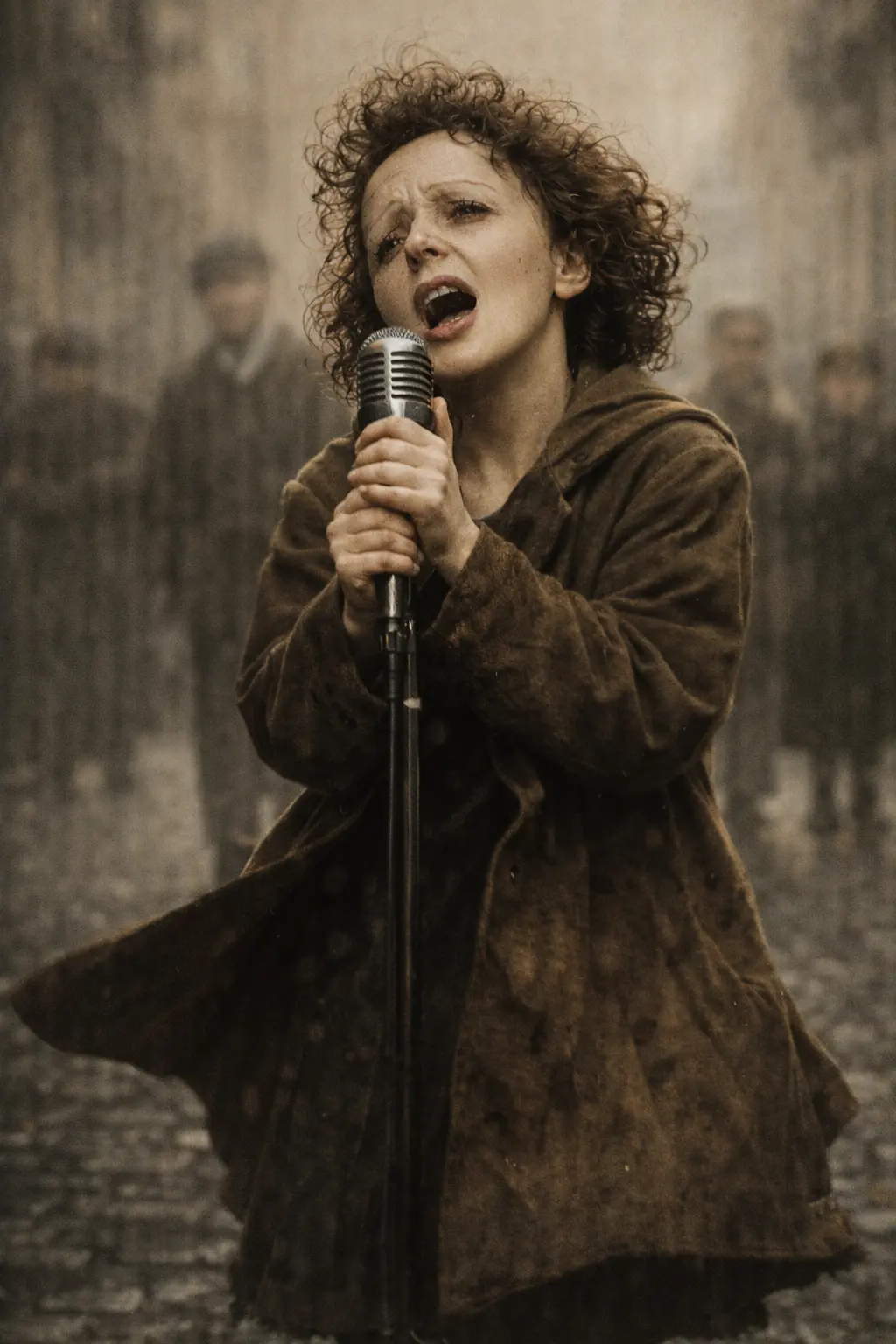
Édith Giovanna Gassion was born in Paris on December 19, 1915. For years, accounts claimed that her mother had given birth on the pavement of the rue de Belleville, assisted by police officers beneath a streetlamp. It was a perfect origin story for a singer supposedly born, quite literally, in the street.
Her birth certificate, however, indicates that she was born at Tenon Hospital. The pavement episode belongs to the legend constructed around her life, not to the verified historical record (Belleret, 2013).
That does not mean her childhood was comfortable. Her mother, Annetta Maillard, sang in the streets under the stage name Line Marsa. Her father, Louis Gassion, worked as an acrobat and traveling performer. Édith spent periods in the care of her grandmothers and lived for part of her childhood in the establishment operated by her paternal grandmother in Normandy.
It was also said that she became blind and miraculously recovered her sight following a pilgrimage dedicated to Saint Thérèse of Lisieux. Piaf helped circulate that account, but its details changed over time and cannot be entirely verified. As with other parts of her biography, memory, artistic promotion, and her need to explain her own destiny eventually became intertwined.
While still a child, she accompanied her father during his performances. As he presented his acrobatic act, she sang for the audience. In adolescence, she began supporting herself by singing in the streets of Paris.

The loss that came before fame
At seventeen, Édith had a daughter with Louis Dupont. The child, named Marcelle, died of meningitis in 1935, when she was only two years old.
It was one of the deepest losses of Piaf’s life, although it is frequently overshadowed by her later romantic relationships. Suffering was not the only source of her singing style, but she learned very early what it meant to lose someone without having time to say goodbye.
That same year, while singing on a Paris street, she was discovered by Louis Leplée, the director of Le Gerny’s, a cabaret near the Champs-Élysées. Leplée recognized that her disproportionately powerful voice could command attention even though it emerged from a small and seemingly fragile body.
He introduced her as La Môme Piaf. In Parisian slang, piaf meant sparrow. He taught her basic stagecraft, had her perform in a simple black dress, and organized a debut attended by established entertainment figures.
The street singer began attracting an audience that included both workers and members of fashionable Parisian society. It appeared to be the beginning of an unstoppable rise.
Then Leplée was murdered.
The crime that could have erased her
Louis Leplée was found dead in his apartment in April 1936. The crime was never conclusively solved. Investigators focused on individuals connected to the Paris underworld, and some of those people had also been acquainted with Piaf.
Police questioned her repeatedly. Newspapers exploited the story and treated her street background as implied evidence of guilt. They did not have to prove that she had participated in the crime; presenting her as a woman from a supposedly dangerous world was enough.
Piaf was not formally charged with Leplée’s murder and was cleared of responsibility, but the damage to her reputation was immediate. Some spectators received her with hostility, and her opportunities to perform in Paris diminished (Burke, 2011).
The association between her name and the murder might have ended her career. At that point, she began working with Raymond Asso, a lyricist and former member of the French Foreign Legion. Asso helped her rebuild her repertoire, diction, and public image. He also removed La Môme from her name: the street girl became Édith Piaf.
Her recovery was not accidental. She worked intensely to control her voice, gestures, and method of telling a story through song. The apparent spontaneity of her performances was the product of meticulous discipline.
Singing during the occupation
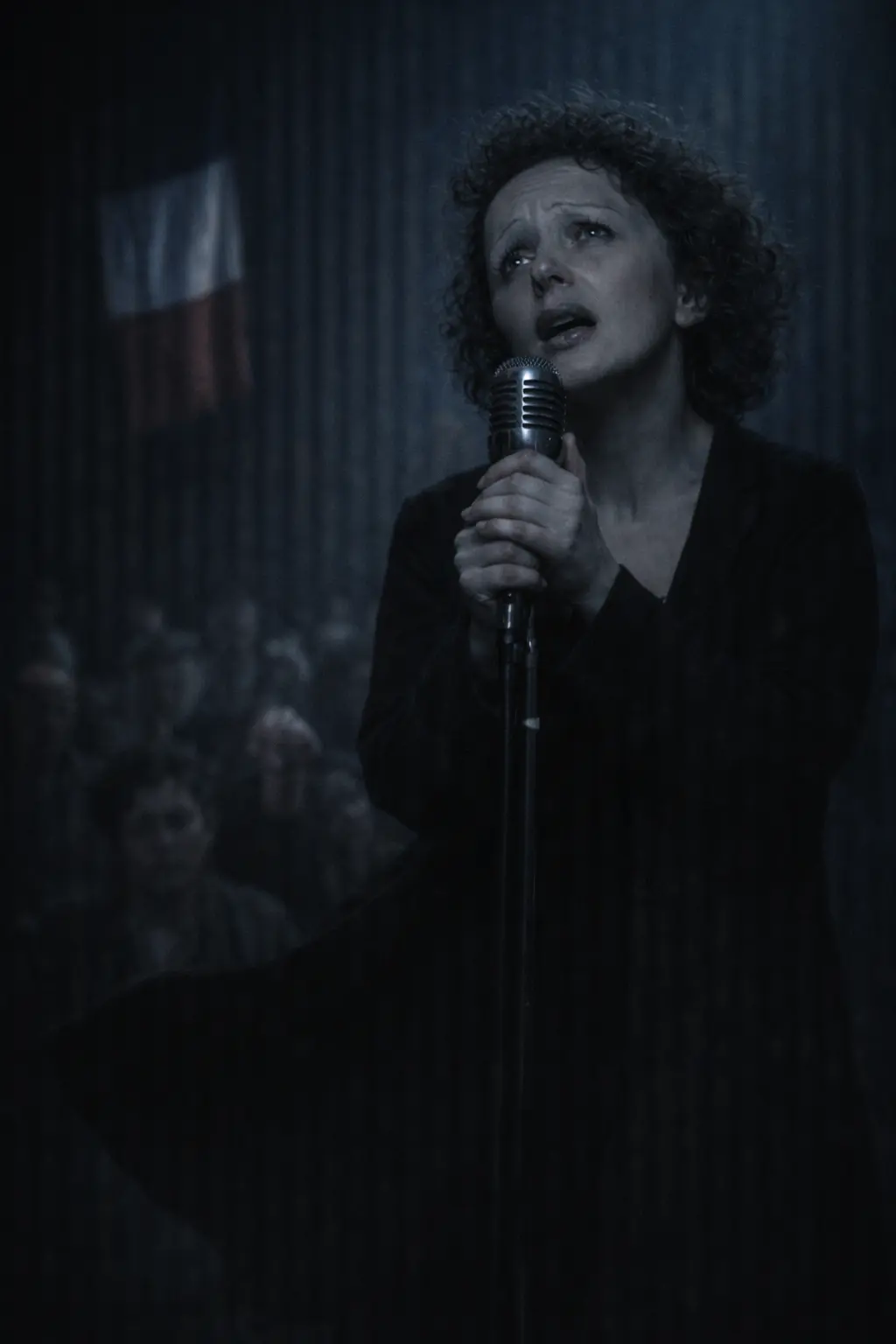
When Germany occupied France during the Second World War, Piaf remained in Paris and continued performing. She also traveled to Germany to sing for French workers and prisoners of war.
Decades later, a story circulated claiming that photographs taken of Piaf with French prisoners were used to produce false identity documents and facilitate numerous escapes. The account has appeared in biographies and exhibitions, but there is not enough surviving primary documentation to confirm all its details or the frequently repeated claim that she helped 120 prisoners escape.
It should therefore not be presented as a completely established fact.
It is documented that Piaf assisted specific people in her circle and that she was not punished as a collaborator after the liberation. Her conduct during the occupation was more complex than either of the extreme images later created around her: the underground heroine who organized dozens of escapes or the indifferent entertainer who merely performed for the occupiers (Burke, 2011).
The voice that crossed the ocean
After the war, Piaf became an international figure. “La Vie en rose,” for which she wrote the lyrics, offered a luminous image of love to a society that had just survived years of violence. Her performance did not deny suffering; it seemed to insist that happiness could exist despite having known it.
Her first appearances in the United States were not immediately understood. Audiences expected a lighter, more decorative French entertainer. Piaf stood almost motionless, dressed in black, singing stories that demanded attention. She gradually conquered New York and other international stages.
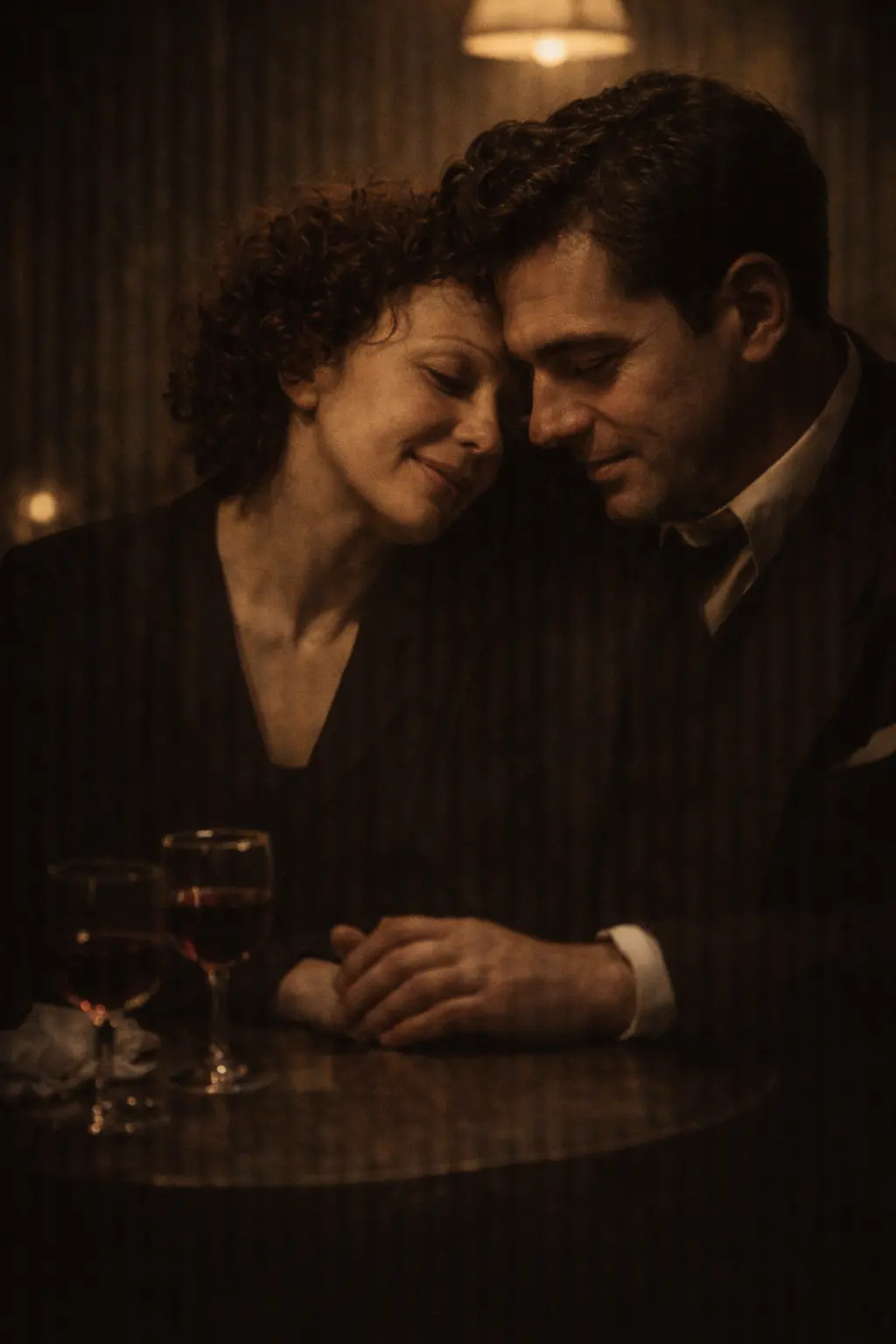
During an American tour, she met boxer Marcel Cerdan, the world middleweight champion. They began a relationship while Cerdan remained married. In October 1949, he boarded a flight to New York to join her. The aircraft crashed in the Azores, killing everyone on board.
Piaf had written “Hymne à l’amour” during their relationship. After Cerdan’s death, the song became inevitably associated with her loss, although she had begun performing it before the crash.
The body that could no longer follow the voice
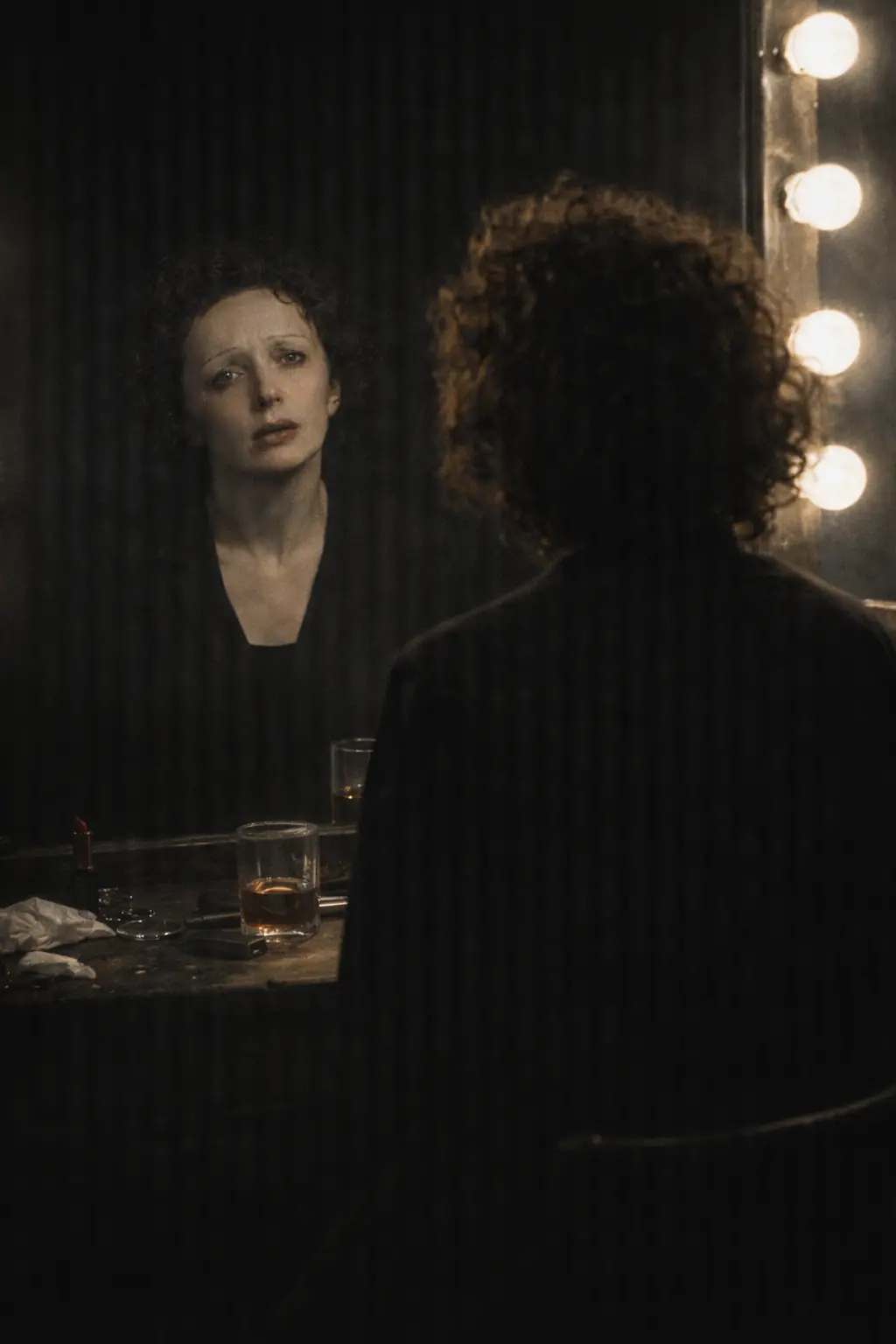
During the 1950s, Piaf endured automobile accidents, medical procedures, and persistent pain. She developed dependencies on medication, including morphine, and struggled with alcohol. Even so, she repeatedly returned to the stage.
She also helped advance the careers of other performers. Yves Montand, Les Compagnons de la Chanson, Charles Aznavour, and Georges Moustaki were associated with her professional circle at different times. Piaf could be demanding, possessive, and contradictory, but she had a remarkable ability to recognize a voice or song capable of reaching an audience.
In 1960, she first performed “Non, je ne regrette rien,” written by Charles Dumont and Michel Vaucaire. Although Piaf did not write the song, she transformed it into a declaration inseparable from her public identity. Its title seemed to summarize an entire life, but it should not be mistaken for a literal confession. Piaf knew regret, guilt, and loss. What she offered onstage was an artistic decision: to begin again after every ruin.
She died on October 10, 1963, near Grasse in southern France, at the age of forty-seven. Her body was discreetly transported to Paris, and her death was announced the following day. Thousands followed the funeral procession to Père-Lachaise Cemetery.
The woman behind the sparrow
Édith Piaf’s life is often narrated as a perfectly arranged sequence of misfortunes: the child born on a pavement, blindness miraculously cured, lovers destroyed by fate, and a singer consumed by her own voice.
The reality is more interesting because it is less orderly. Some stories were exaggerated; others emerged from contradictory memories; many of the tragedies genuinely occurred. Piaf, however, was not simply their victim.
When Louis Leplée’s murder threatened to return her to obscurity, she rebuilt her career. She transformed a street voice into a theatrical language recognizable throughout the world. She did not hide the fractures in her performance; she made them her instrument.
Édith Piaf did not sing as though pain could be defeated. She sang as though, for the few minutes a song lasted, pain could be given a shape and forced to listen.
References
- Belleret, R. (2013). Piaf: Un mythe français. Fayard.
- Bibliothèque nationale de France. (n.d.). Piaf: Un mythe français—Robert Belleret.
- Burke, C. (2011). No regrets: The life of Edith Piaf. Alfred A. Knopf.
- Columbia Magazine. (2011). Book review: No Regrets—The Life of Edith Piaf.
- Encyclopedia.com. (n.d.). Piaf, Edith (1915–1963).
- Fuller, A. (2013, October 10). Death of Edith Piaf. History Today.
More from this collection
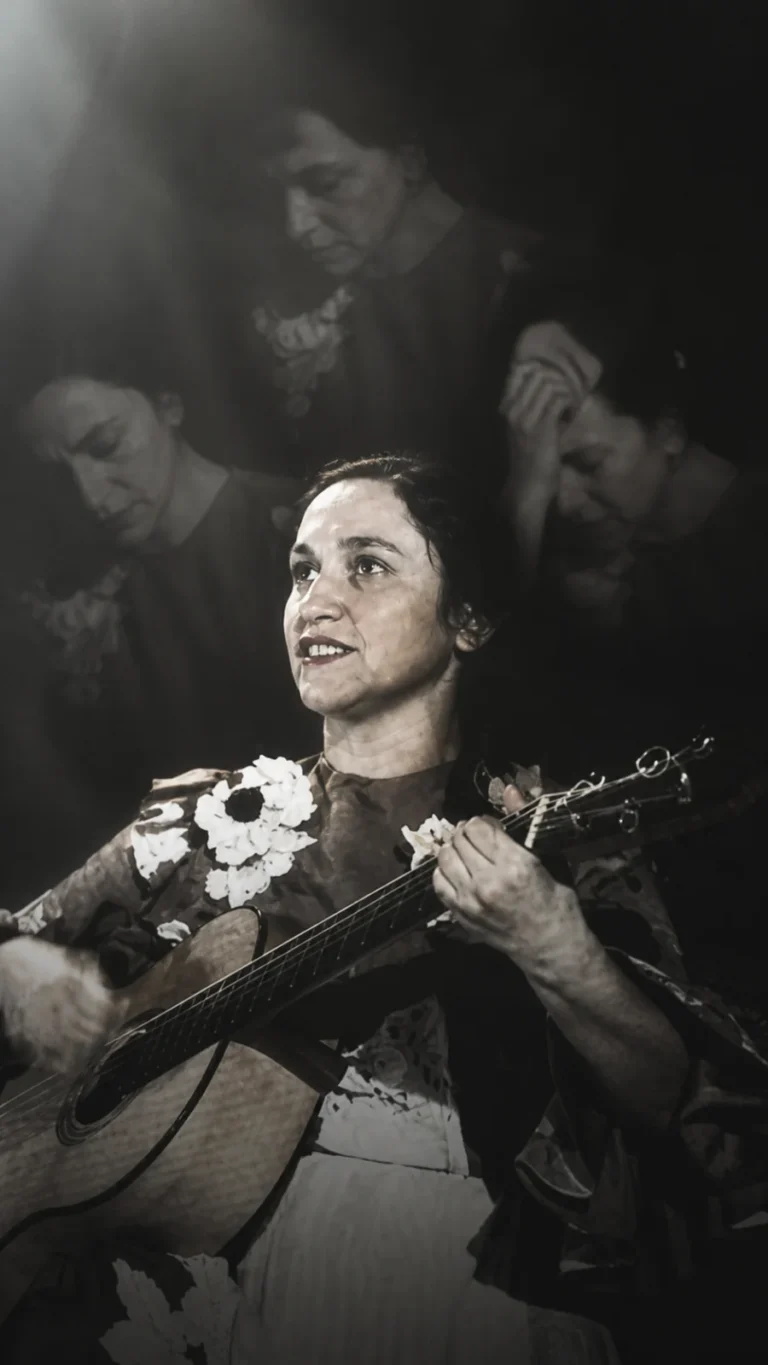
Violeta Parra: The Woman Who Traveled Across Chile to Return Its Vanishing Songs to the People
Read story →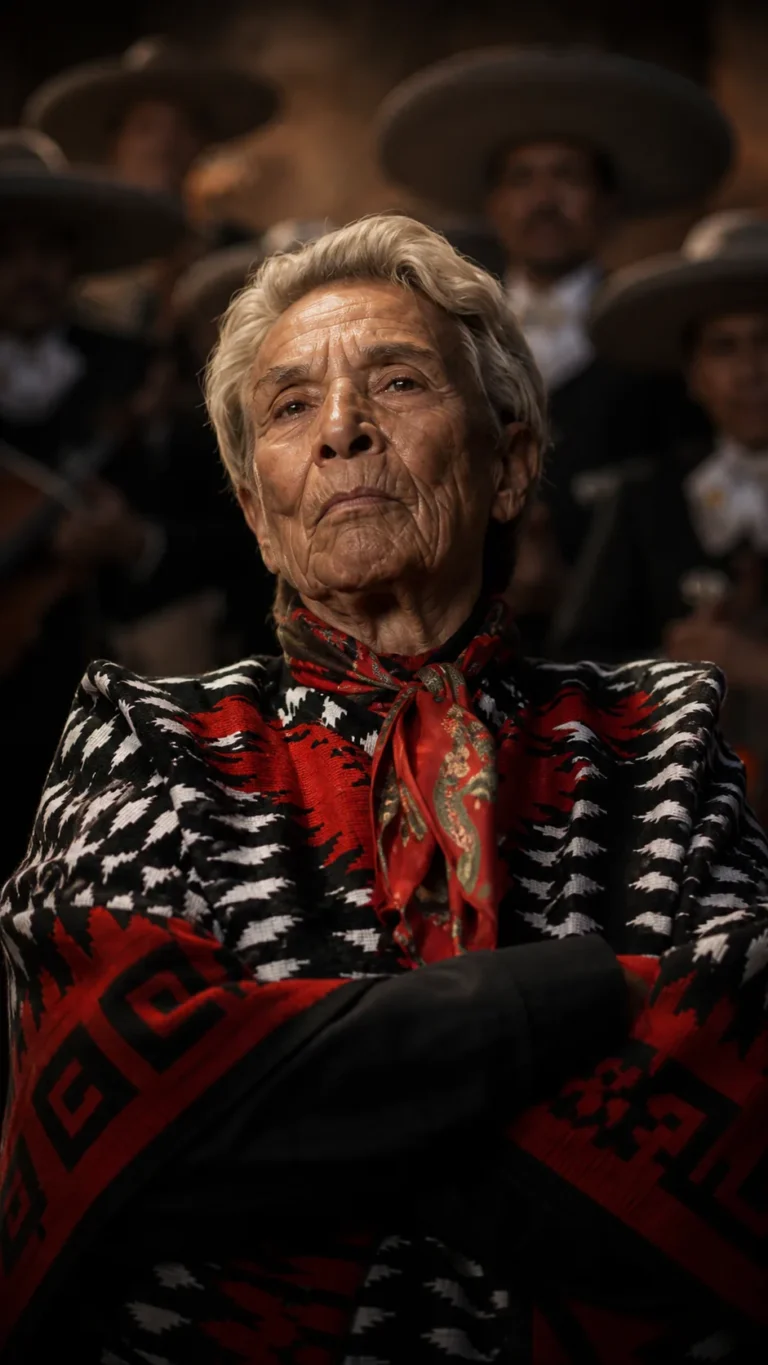
Chavela Vargas: The Woman Who Turned Her Wounds Into a Form of Freedom
Read story →