In this storyOpen index
Vincent van Gogh: The Rejected Preacher Who Found His Mission in Painting
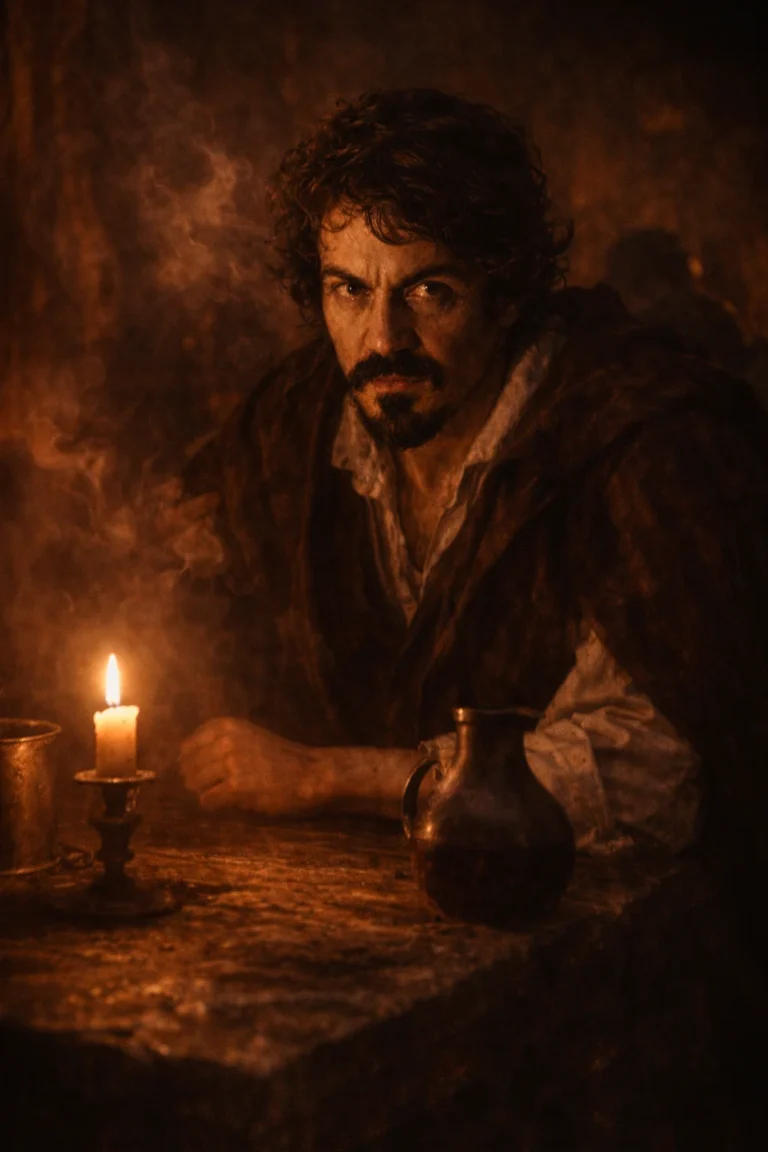
Before becoming an artist, Van Gogh tried to serve impoverished miners as a preacher. Religious rejection redirected his entire life.
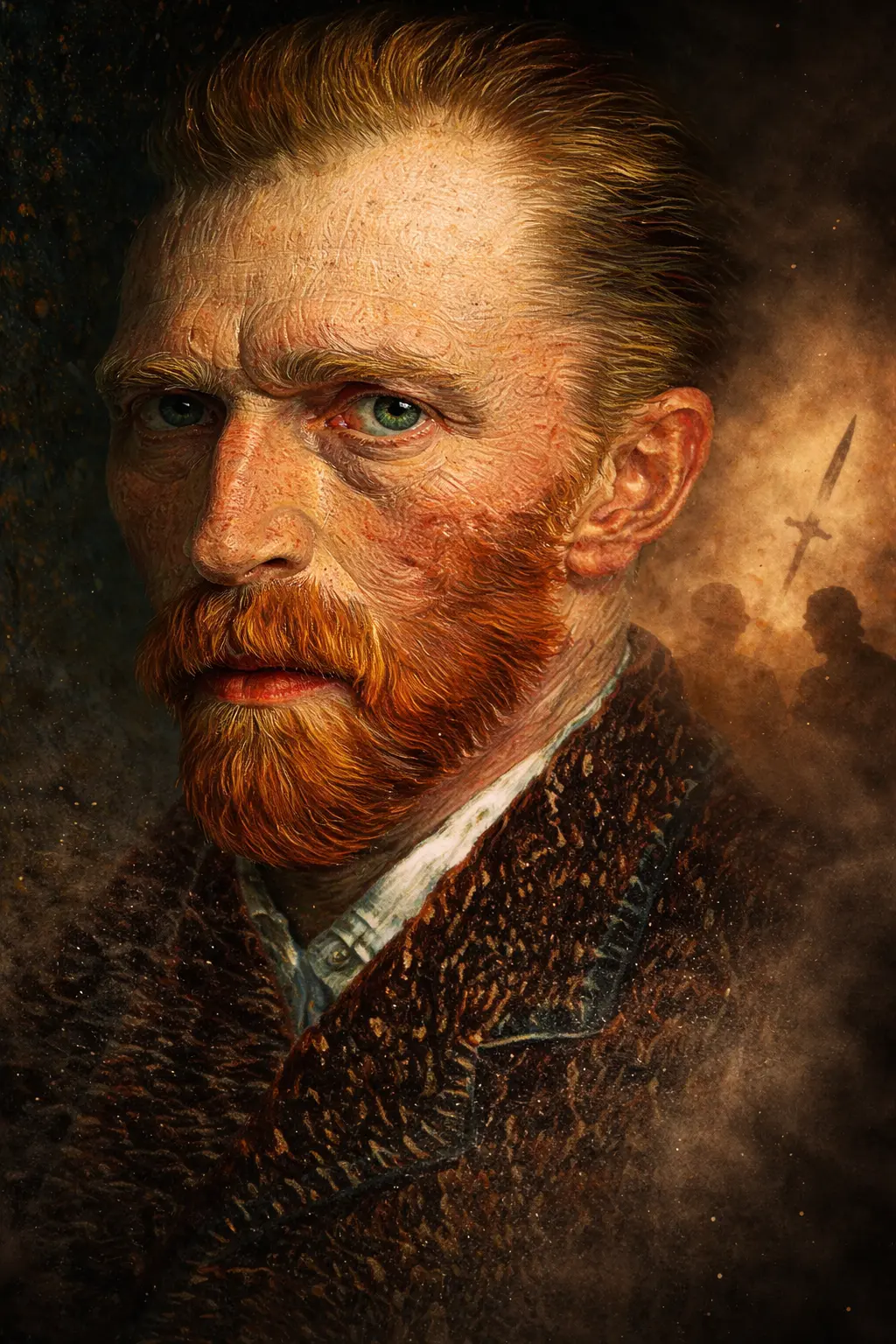
Before creating some of the most recognizable paintings in history, Vincent van Gogh attempted to become an art dealer, teacher, bookseller, and preacher. At the age of 25, he voluntarily lived among miners in one of Belgium’s poorest regions, gave away much of what he owned, and cared for the sick and injured. Religious authorities decided that he was unsuitable for the position and withdrew their support. That failure, however, led him toward painting.
Van Gogh on video
Discover this story on our YouTube channel.
A life told through places and turning points
Enter the archive
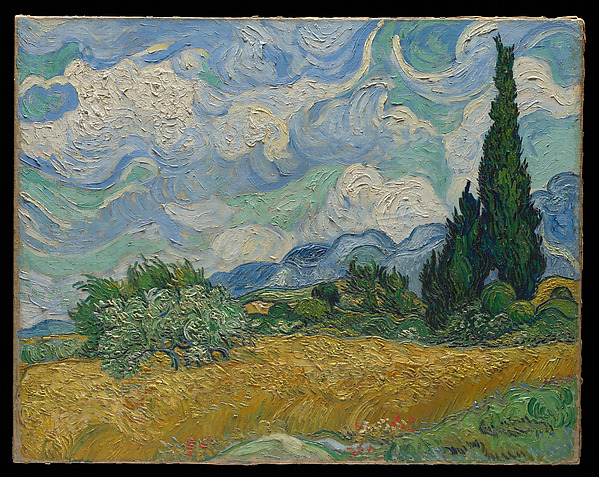
An authentic object preserved by a cultural institution brings us closer to the world behind this life.
- Collection
- The Metropolitan Museum of Art
- Rights
- Public Domain / Open Access
Purchase, The Annenberg Foundation Gift, 1993
A Life Without a Clear Direction
Vincent Willem van Gogh was born on March 30, 1853, in Zundert, a town in the southern Netherlands. He was the son of Protestant minister Theodorus van Gogh and Anna Cornelia Carbentus. Religion, reading, and close contact with nature were present throughout his childhood, although there was no clear indication that he would devote his life to art (Kröller-Müller Museum, n.d.).
In 1869, at the age of 16, he began working for Goupil & Cie., an important firm that sold artworks and reproductions. His employment took him to The Hague, London, and Paris. During this period, he learned how the art market operated, encountered numerous works, and began writing frequently to his younger brother Theo, who would become his principal source of emotional and financial support.
Vincent failed to adapt to the commercial nature of the profession. He became increasingly withdrawn, while religious concerns began to dominate his life. He was dismissed in 1876. He subsequently worked briefly as a teacher and preacher’s assistant in England, spent time in a bookshop in Dordrecht, and attempted to prepare for theological study in Amsterdam. He abandoned formal education but not his desire to serve others through religion (Van Gogh Museum, n.d.-a).
The Preacher Who Chose to Live Like the Miners
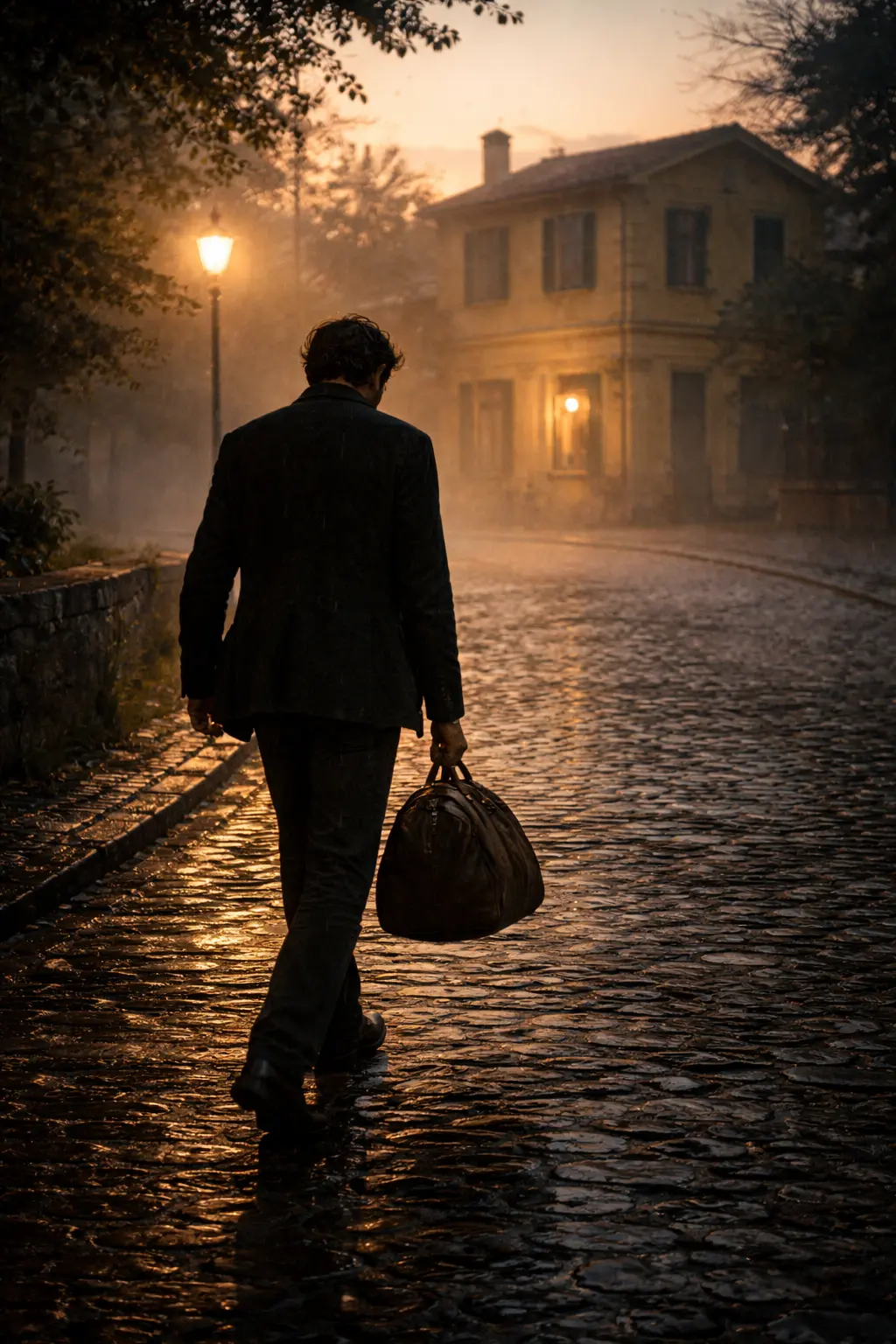
In 1878, Van Gogh traveled to the Borinage, an impoverished mining region in Belgium. There, he received a temporary appointment as a lay evangelist. He visited the sick, taught the Bible, and accompanied families who worked and lived under extremely harsh conditions.
Rather than preserve the modest comforts associated with his position, he chose to imitate the miners’ poverty. He gave away clothing, money, and other possessions, reduced his food intake, and lived in precarious conditions. Van Gogh believed that a preacher should materially share the suffering of the people he intended to help (Van Gogh Museum, n.d.-a).
His conduct impressed some workers but disturbed the religious authorities. They believed that he lacked the skills needed to preach and that his extreme self-denial was incompatible with the dignity of his position. When the trial period ended, the evangelical organization declined to renew his appointment.
The romantic image of Van Gogh being rejected solely because he was too generous oversimplifies the event. His limited speaking ability, difficult behavior, and disagreements with the institution also influenced the decision. What is historically certain is that the experience left him unemployed and in a profound personal crisis (Jansen et al., 2009).
The pulpit rejected him. The canvas became another way to console, communicate, and restore dignity.
Art as a New Form of Service
Van Gogh remained in the Borinage for a time. He began drawing miners, their homes, and people gathering coal. These early works were technically uncertain, but they revealed a concern that would remain throughout his career: representing with dignity those who performed exhausting labor and were generally excluded from academic art.
In 1880, at the age of 27 and encouraged by Theo, he decided to become an artist. He did not necessarily understand painting as a complete rejection of his former vocation. In a sense, he replaced the pulpit with the canvas: he wanted to console, communicate, and reveal the humanity of people rarely considered worthy of becoming the subjects of art (Kröller-Müller Museum, n.d.).
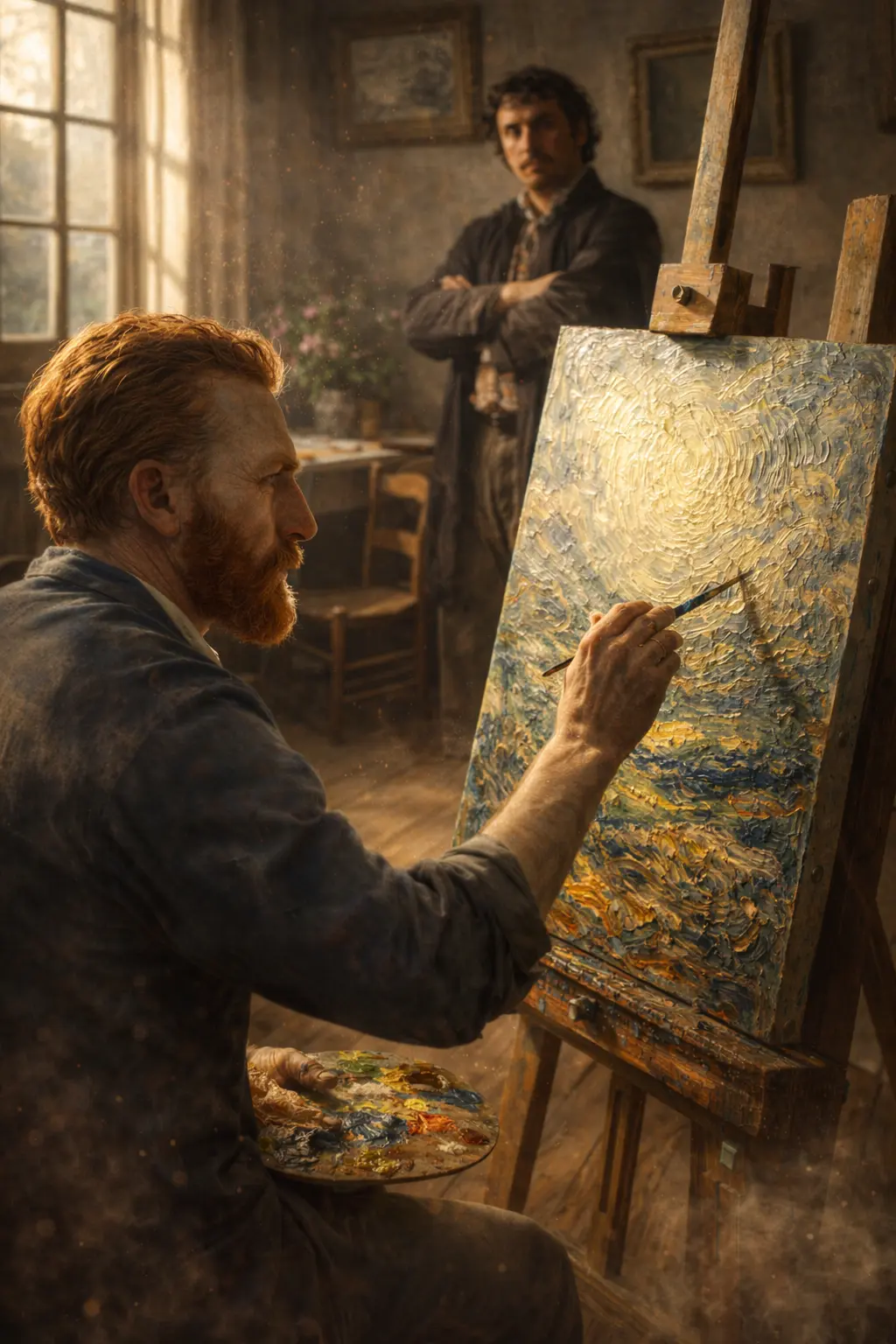
During the following years, he studied drawing and perspective, lived in Brussels and The Hague, and practiced depicting the human body with obsessive determination. In 1883, he settled in Nuenen, where his father served as a minister. There, he painted peasants, weavers, and rural laborers using dark, earthy colors.
The most ambitious result of this period was The Potato Eaters, completed in 1885. Van Gogh wanted to show that the figures had honestly earned their food with the same hands they placed into the dish. Although the painting’s anatomy and composition attracted criticism, it established one of the central themes of his work: the dignity of humble labor (National Gallery, 2013).
The Discovery of Color
In 1886, Van Gogh moved to Paris and lived with Theo, who worked as an art dealer. There, he encountered Impressionist and Neo-Impressionist painting, met artists including Henri de Toulouse-Lautrec, Émile Bernard, and Paul Signac, and began using a lighter palette.
Japanese prints also transformed his approach to composition. Van Gogh admired their strong outlines, areas of flat color, and unconventional perspectives. Japan became a kind of artistic and spiritual ideal for him, although one constructed through a European perception of that culture (National Gallery, n.d.).
In February 1888, he left Paris and settled in Arles in southern France. He hoped to find more intense light and establish an artists’ community that he called the “Studio of the South.” He rented the Yellow House and painted orchards, cafés, bridges, fields, and portraits. He also created his celebrated sunflowers to decorate the room of Paul Gauguin, the only artist who temporarily joined the project.
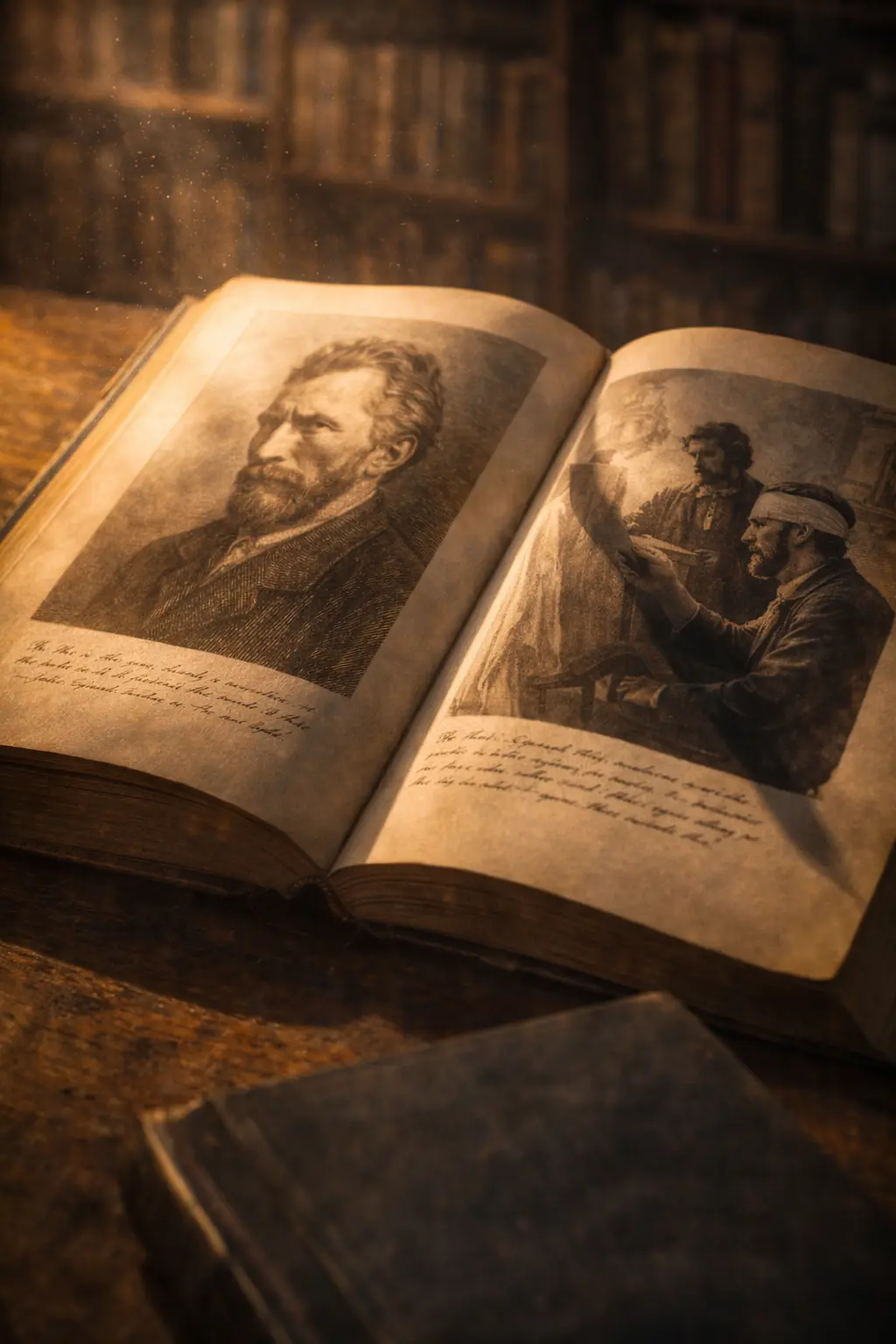
Their life together deteriorated because of personal and artistic disagreements. On December 23, 1888, following a severe crisis, Van Gogh cut off part of his left ear. The surviving documentation confirms the incident but does not allow historians to assign a definitive modern medical diagnosis or reconstruct every detail of that night (Van Gogh Museum, n.d.-b).
Painting Through Illness
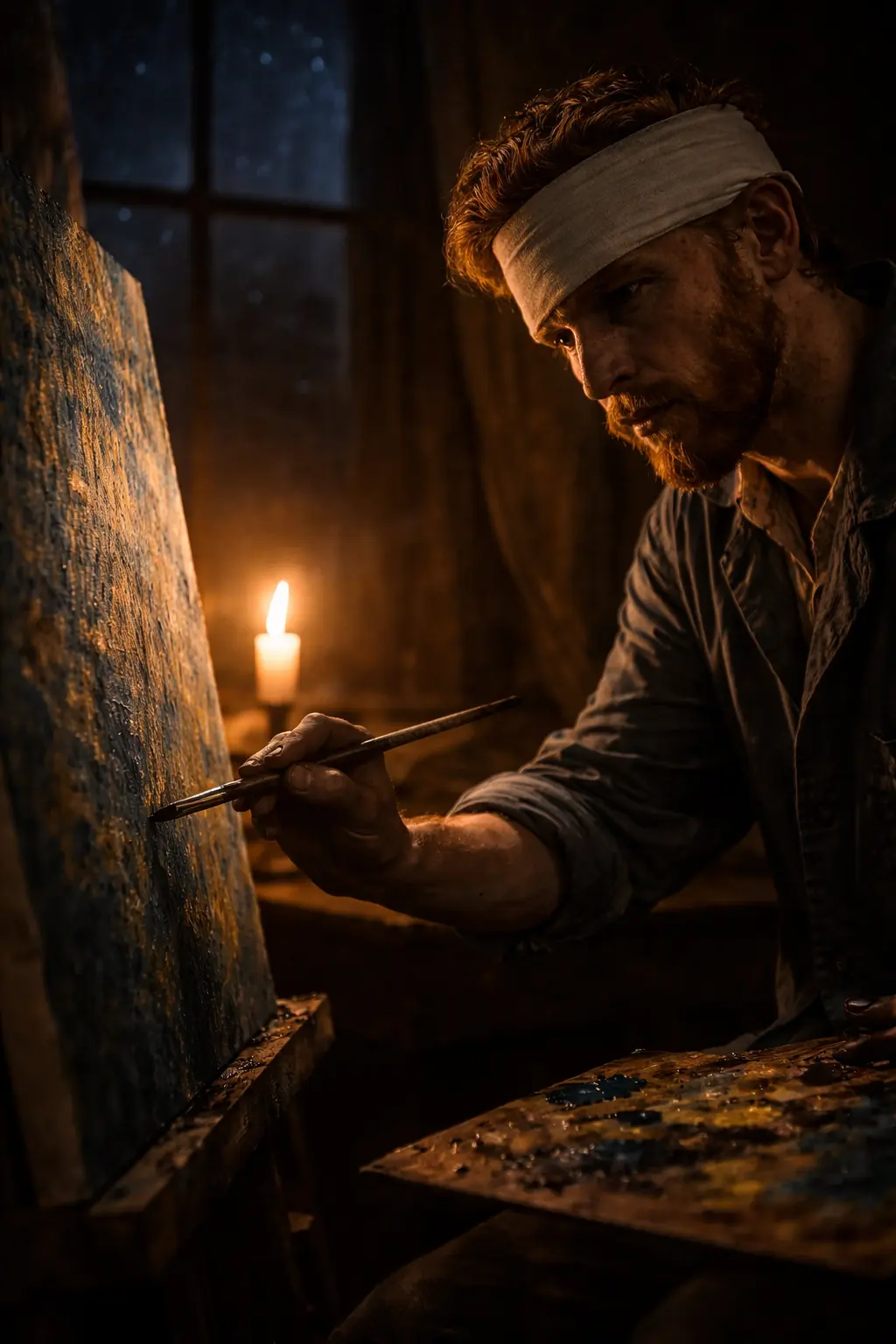
Following further crises, Van Gogh voluntarily entered the Saint-Paul-de-Mausole hospital near Saint-Rémy-de-Provence in May 1889. Whenever his health permitted, he continued working inside the institution or in its surroundings. Painting did not cure his illness, but it provided discipline, concentration, and a way to remain connected to the world.
During this period, he produced landscapes of olive trees, cypresses, and wheat fields, as well as The Starry Night. The visible energy of these works should not be interpreted simply as the direct expression of an ill mind. Van Gogh carefully studied color, composition, and brushwork. Even during moments of vulnerability, his paintings resulted from deliberate artistic decisions (National Gallery, n.d.).
In May 1890, Van Gogh moved to Auvers-sur-Oise near Paris, where he came under the care of Dr. Paul Gachet. In slightly more than two months, he maintained an extraordinarily intense rate of production. He painted houses, gardens, fields, and portraits, although his letters also reveal anxiety, loneliness, and uncertainty about the future (Jansen et al., 2009).
On July 27, 1890, he suffered a gunshot wound to the chest, generally considered self-inflicted. He returned to the inn where he was staying and died two days later, on July 29, with Theo beside him. He was 37 years old (Van Gogh Museum, n.d.-c).
Recognition That Came Too Late
It is frequently claimed that Van Gogh sold only one painting during his lifetime. The Red Vineyard is his best-documented public sale, but the familiar statement can be misleading: exchanges, commissions, and other transactions are more difficult to reconstruct. What is beyond dispute is that he never achieved financial stability or broad recognition while he was alive.
Theo died in January 1891, only six months after Vincent. Responsibility for preserving and promoting the artist’s work then passed to Theo’s widow, Johanna van Gogh-Bonger. She organized exhibitions, arranged loans, and worked toward the publication of the brothers’ correspondence. Her efforts were essential in helping the public understand the artist beyond the turmoil of his life (Van Gogh Museum, n.d.-d).
Van Gogh produced approximately 900 paintings and more than a thousand drawings and works on paper during an artistic career of roughly ten years. His story is not merely that of a misunderstood genius who suffered and died young. It is also the story of a man who failed repeatedly before discovering a way to serve others.
The religious authorities in the Borinage did not believe that Van Gogh could become a suitable preacher. From an institutional perspective, they may have been right. Yet among the miners, he discovered something that remained at the heart of his art: the conviction that an apparently ordinary life could also contain greatness, suffering, and beauty.
References
- Jansen, L., Luijten, H., & Bakker, N. (Eds.). (2009). Vincent van Gogh: The letters. The complete illustrated and annotated edition. Van Gogh Museum and Huygens ING.
- Kröller-Müller Museum. (n.d.). The finest Van Gogh collection.
- National Gallery. (2013, December). A Christmas present for the nation.
- National Gallery. (n.d.). Vincent van Gogh: 1853–1890.
- Van Gogh Museum. (n.d.-a). Vincent van Gogh’s search for his purpose in life.
- Van Gogh Museum. (n.d.-b). Why did Vincent van Gogh cut off his ear?.
- Van Gogh Museum. (n.d.-c). The last days of Vincent van Gogh.
- Van Gogh Museum. (n.d.-d). What happened after Vincent van Gogh’s death? 1890–1973.
More from this collection
Francisco de Goya: The Painter Who Heard the Noise of His Age After Becoming Deaf
Read story →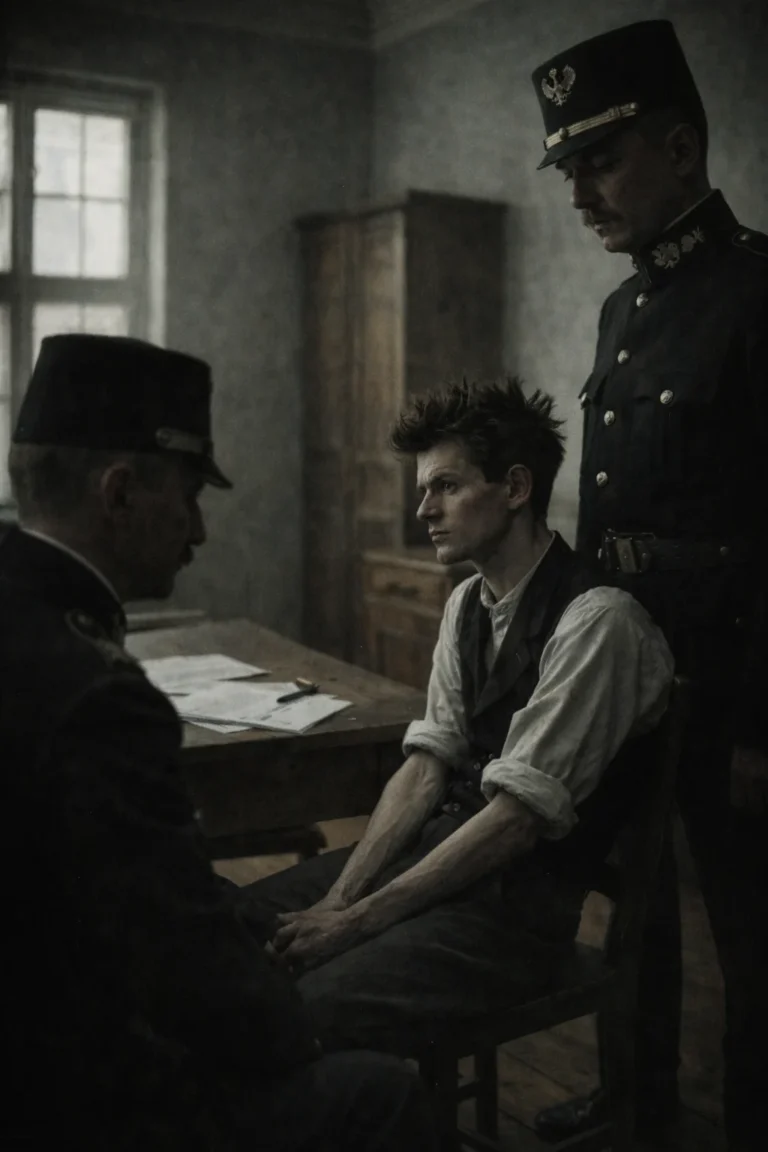
Egon Schiele: The Painter Who Watched a Judge Burn His Drawing
Read story →