In this storyOpen index
Julián del Casal: The Poet Who Dreamed of Paris from a Room in Havana
From Havana, Julián del Casal turned reproductions of French paintings into a museum made of sonnets.
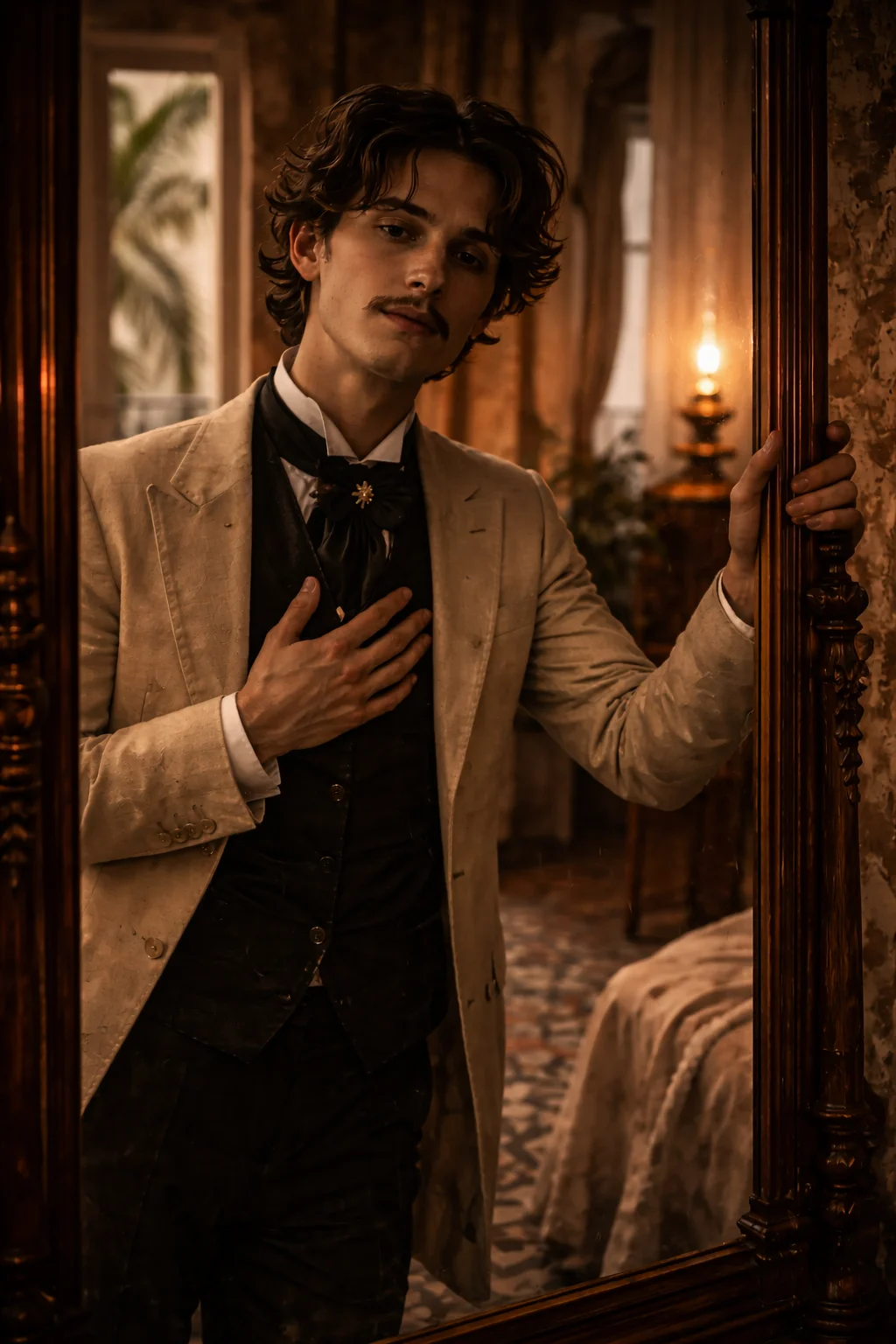
Paris occupied a remarkable amount of space in the work of a Cuban poet who never set foot there. To understand how it entered his poems, begin in Havana, among the newspapers he wrote for and the prints through which he met the painter Gustave Moreau.
Julián del Casal
A poet between Havana and Paris
Nostalgias
Read the poem in the digital edition prepared by Remedios Mataix from Casal’s 1892 collection Nieve.
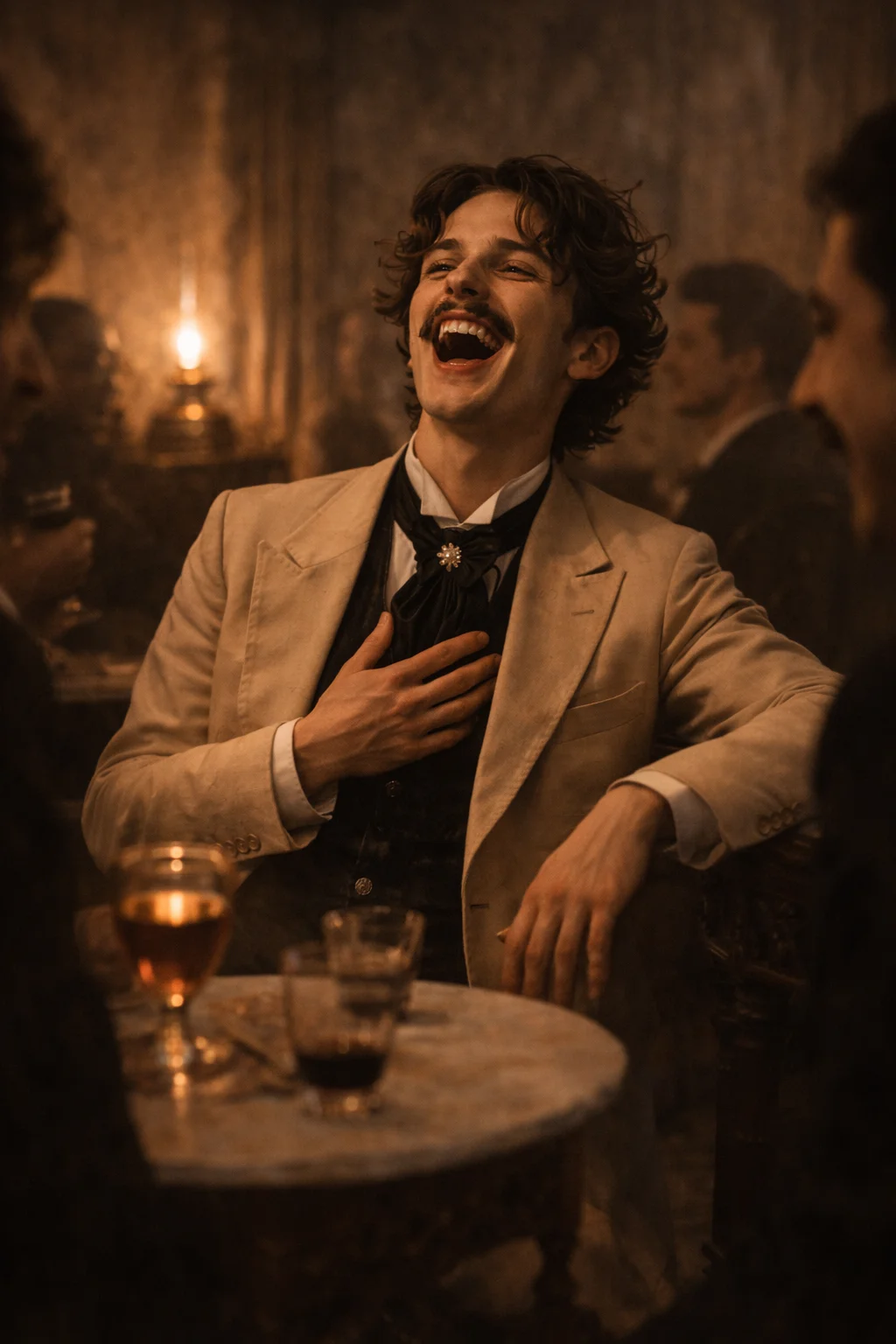
Dying of laughter before turning thirty
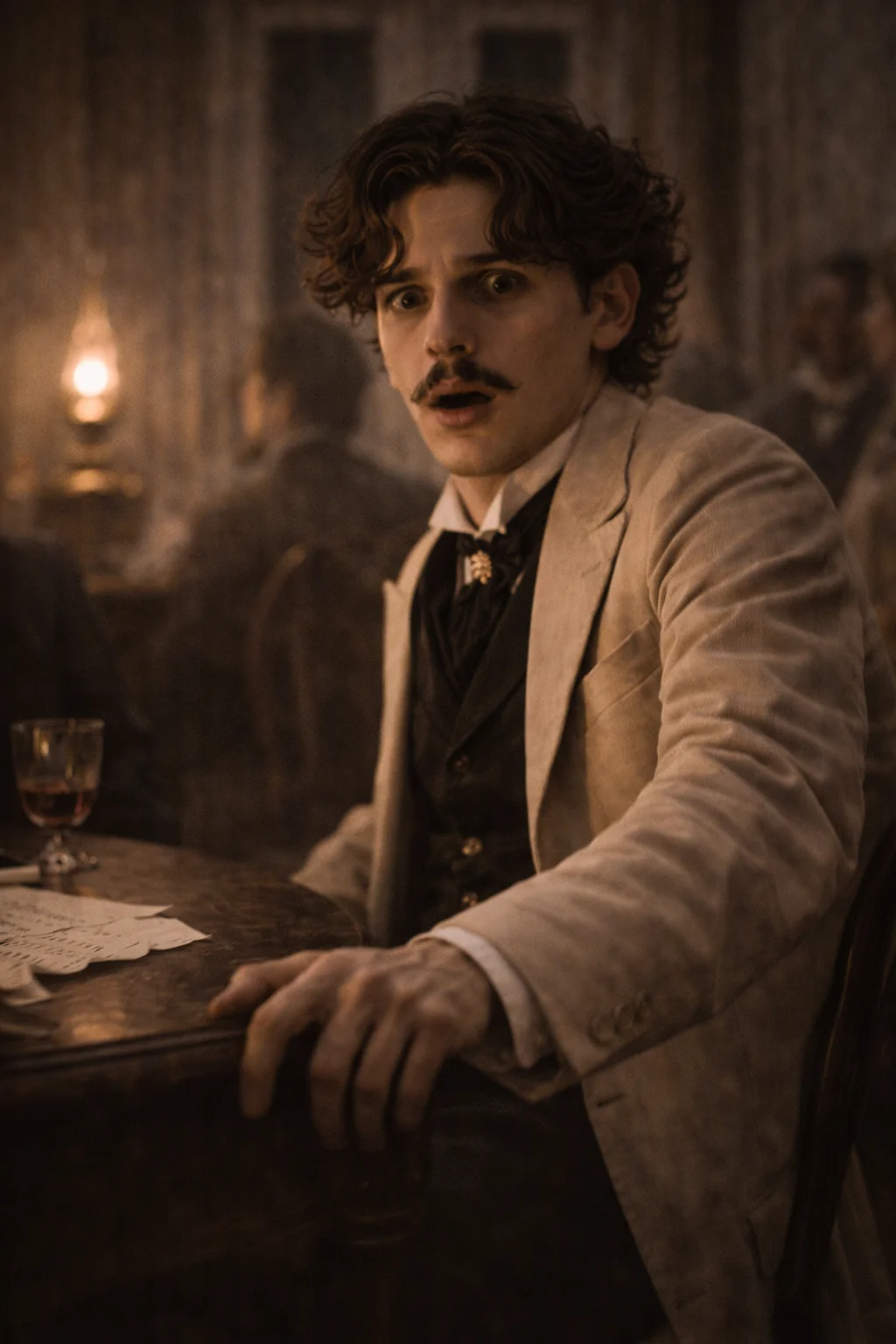
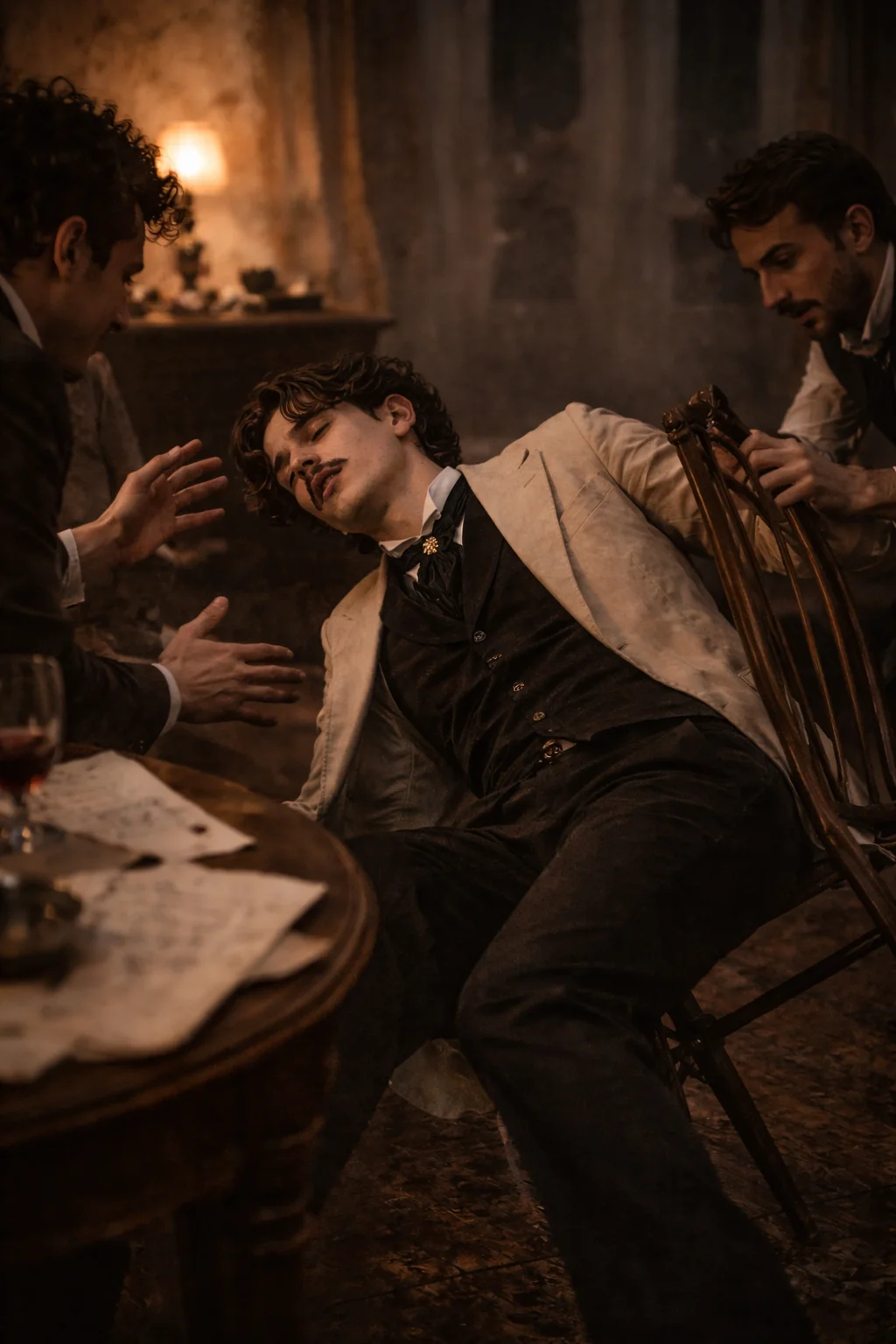
On the night of October 21, 1893, Julián del Casal was dining at the Havana home of Dr. Lucas de los Santos Lamadrid. He was twenty-nine, chronically ill and living an existence marked by financial insecurity, isolation and a persistent fascination with death.
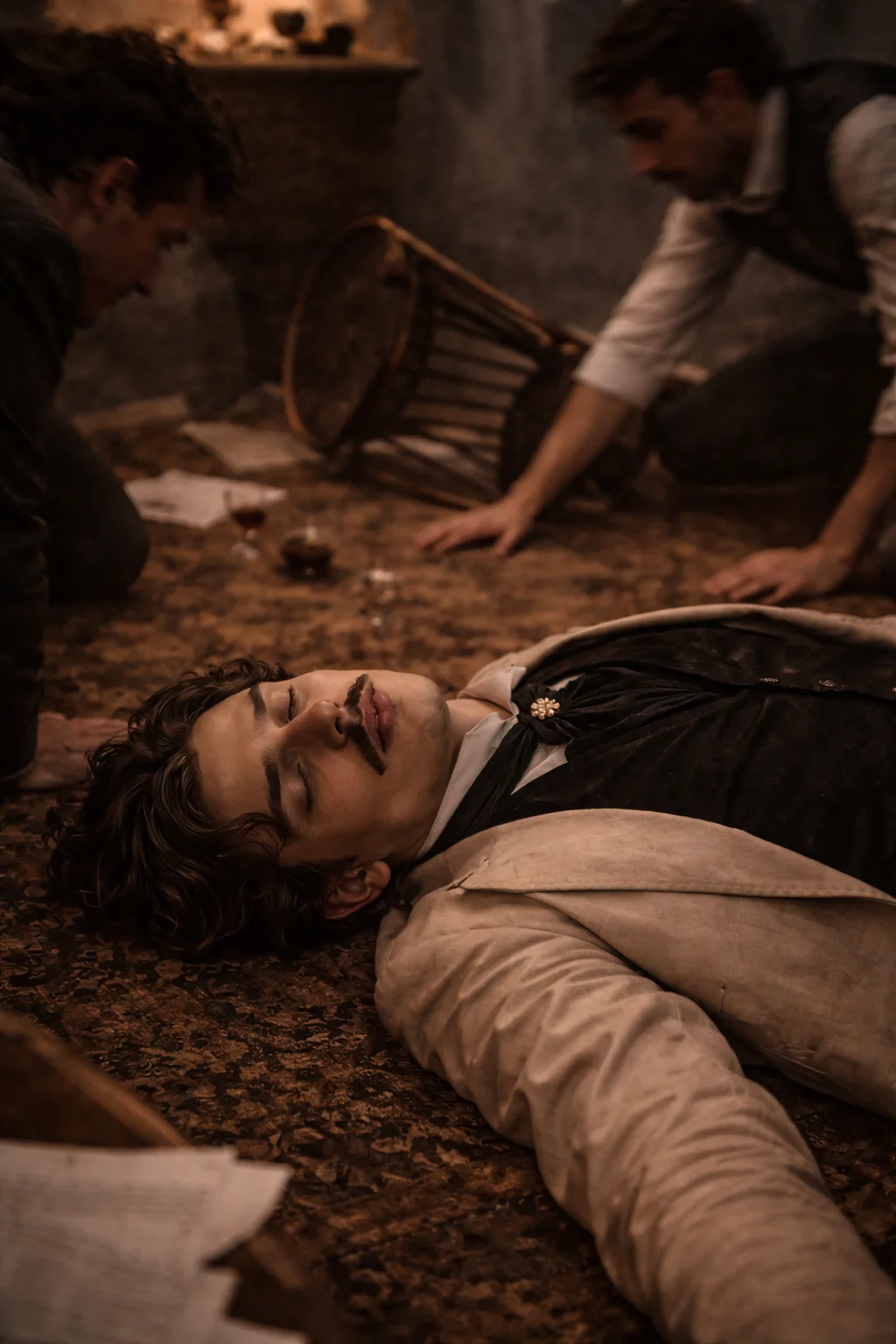
During the conversation after dinner, someone told a joke. Casal began laughing and suddenly suffered a severe haemorrhage. The traditional account holds that the laughter caused a weakened aneurysm or blood vessel to rupture. He died that same night, only weeks before his thirtieth birthday (Rafael, 2005).
The episode soon acquired an almost literary form: the melancholy poet, obsessed with decadence and death, had died laughing. Cuban writer José Lezama Lima would later immortalise the paradox by remembering him as someone who had managed to die “dead of laughter.”
The laughter was the immediate trigger, not a sufficient cause by itself. Casal suffered from serious health problems, probably connected to tuberculosis. His death was sudden, but it did not strike a healthy body.
A childhood without a mother
Julián del Casal y de la Lastra was born in Havana on November 7, 1863. His mother, María del Carmen de la Lastra, died shortly after giving birth to him. The child was raised by his father, Julián del Casal y Ugareda, in a family that still possessed a relatively comfortable financial position.
In 1870, he entered the Jesuit-run Real Colegio de Belén. He received a rigorous education and displayed an early interest in literature. With several classmates, he created a clandestine handwritten newspaper called El Estudio, in which he published his first verses.
He completed his secondary education in 1880 and began studying law at the University of Havana but did not finish the degree. The legal profession could not satisfy a young man already more interested in poetry, foreign publications and the possibility of constructing an artistic existence.
His father died in 1885. Financial difficulties and litigation over the inheritance destroyed much of the family’s security. Casal had to seek employment while attempting to become a writer.
A bureaucrat observing Havana
Casal obtained work as a clerk in the colonial Treasury administration. The office provided an income, but it represented precisely the world from which he wished to escape: schedules, files, hierarchies and a colonial bureaucracy he found suffocating.
At the same time, he contributed to newspapers and magazines. His work appeared in La Habana Elegante, El Fígaro, La Discusión, La Habana Literaria and numerous other publications. His chronicles described theatres, social gatherings, public figures, fashions and urban spaces.
Journalism was not an insignificant activity secondary to his poetry. Casal transformed late-nineteenth-century Havana into literary material. He observed the city from within but with the detachment of someone who never felt completely integrated into it. This ability has led scholars to regard him, together with José Martí, as one of Cuba’s major late-nineteenth-century chroniclers (Borroto Trujillo, 2013).
Martí wrote many of his chronicles from abroad. Casal described modernity from inside a colonial city he longed to abandon but from which he never permanently escaped.
The article that cost him his position
In La Habana Elegante, Casal began a series called “La sociedad de La Habana.” Its first instalment concerned Captain General Sabas Marín and his family. The description offended members of the colonial governor’s circle and produced immediate consequences.
Casal lost his position at the Treasury. The incident is sometimes presented as an act of direct political rebellion, although his satire was more aesthetic and social than openly revolutionary. He had used elegant prose to expose the artificiality of power, and those in power understood the insult perfectly (Instituto de Literatura y Lingüística, 1984).
He subsequently became even more dependent upon journalism. He worked as a proofreader and staff writer in exhausting, poorly paid positions. He wrote from necessity, but newspapers also allowed him to enter the social environments that simultaneously attracted and repelled him.
This little-known incident reveals that the poet enclosed within his dreams could also disturb the authorities. His apparent retreat from reality was not always passive.
The journey to Paris that never happened
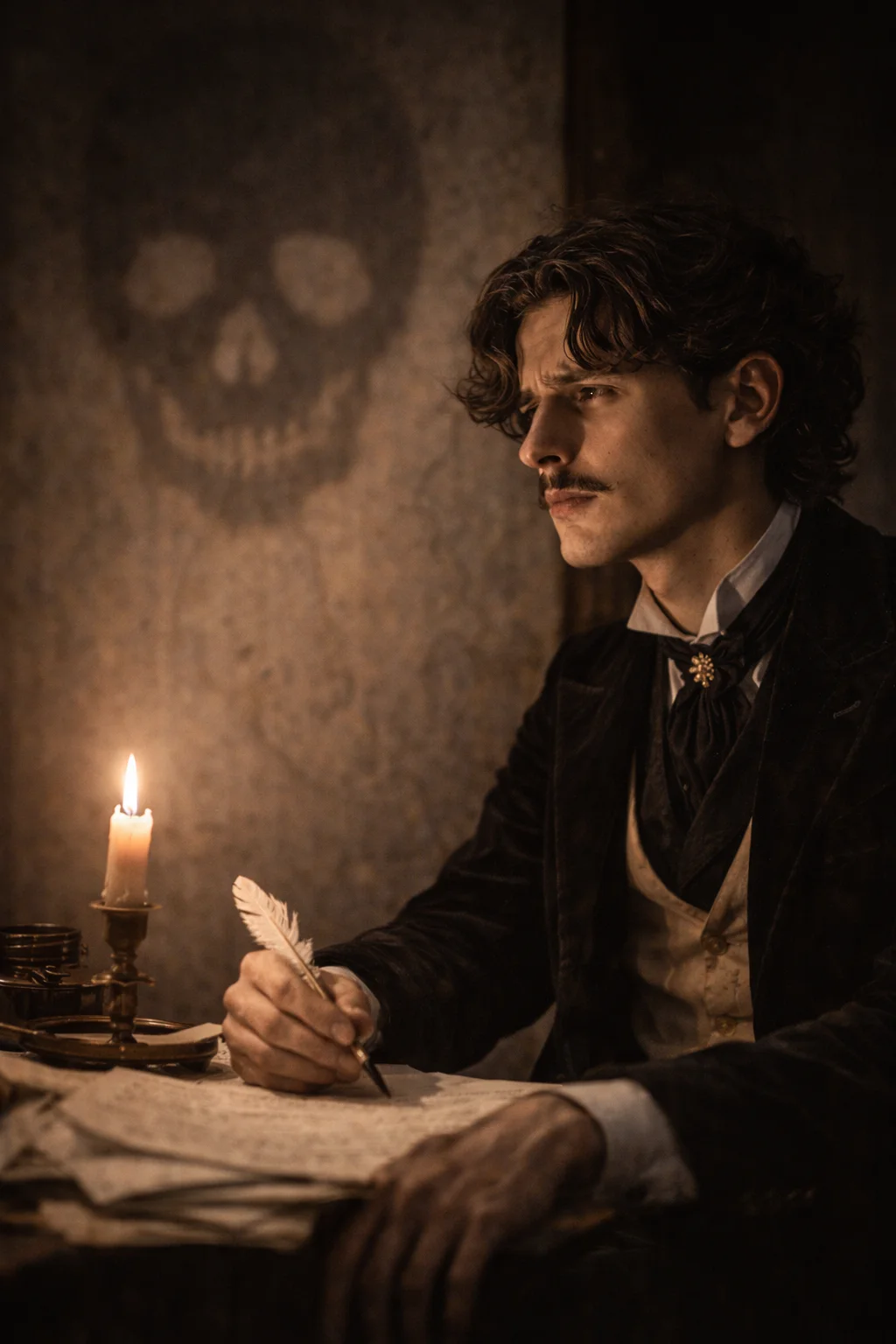
Casal possessed an extraordinary fascination with France. He read Charles Baudelaire, Paul Verlaine, Théophile Gautier, Joris-Karl Huysmans and other writers associated with Symbolism, Parnassianism and Decadence. Paris became an imaginary homeland: a city of museums, artists, perfumes and liberties that contrasted with the monotony he associated with Havana.
In 1888, he travelled to Europe intending to reach the French capital. His money ran out, however, and he remained primarily in Madrid. There he met writers including Salvador Rueda and Francisco A. de Icaza, but he never reached the city he had idealised.
He returned to Cuba in 1889, impoverished and disappointed. The failure is central to understanding him: Casal continued writing about European environments that he knew through books, reproductions and magazines.
For him, Paris was less a physical location than a mental construction. His failure to visit it may have preserved its perfection. The city he desired could not contradict him because it existed within his imagination.
Three books that founded a new sensibility
Casal published Hojas al viento, his first poetry collection, in 1890. Many of its poems retained Romantic elements, but the book already displayed the dissatisfaction and formal refinement that would distinguish his later work.
Nieve, published in 1892, consolidated his voice. It included “Mi museo ideal,” a sequence of sonnets inspired by paintings by Gustave Moreau. Casal recreated the French artist’s images without seeing the originals, working from reproductions and descriptions and transforming imagined painting into poetry.
His third book, Bustos y rimas, appeared in 1893, around the time of his death. Combining poetry and prose, it confirmed a style marked by visual luxury, weariness, illness and an inability to belong to the ordinary world.
Together with Manuel Gutiérrez Nájera, José Asunción Silva, José Martí and Rubén Darío, Casal became one of the initiators of Spanish American Modernismo (Instituto de Literatura y Lingüística, 1984). He was not a marginal imitator of French culture but a writer who transformed foreign influences to express a profoundly Cuban and personal crisis.
Gustave Moreau and the museum within him
Casal’s connection with Gustave Moreau constitutes one of the most singular aspects of his work. The French painter depicted mythological scenes charged with jewels, violence, sensuality and mystery. His figures appeared to exist outside modern time.
Casal wrote to Moreau and received a reply. Although he never visited the painter’s studio or directly saw many of the works, he created a verbal museum from them. In poems including “Salomé,” “Galatea” and “Elena,” he did not merely describe paintings: he reinterpreted them through rhythm, colour and personal associations.
This process demonstrated his ability to appropriate a distant object. The limited or monochrome reproductions available to him did not weaken his imagination; they forced him to complete what was absent.
Later critics sometimes interpreted his exoticism as an escape from Cuban reality. More recent scholarship has challenged the simplistic opposition between Casal and Martí. His rejection of social norms, aesthetics of artifice and exploration of desires that could not easily be expressed may themselves be understood as forms of dissent (Espinosa Mendoza, 2024).
Rubén Darío, Juana Borrero and a chosen family
Casal found intellectual kinship within several literary circles. He developed a close relationship with the Borrero family, particularly physician and writer Esteban Borrero and his daughter Juana Borrero, a remarkably gifted young poet and painter.
In 1892, Casal personally met Rubén Darío during the Nicaraguan writer’s visit to Havana. Each recognised a related sensibility in the other. Darío was moving towards a radical renewal of poetic language, while Casal represented a more intimate, sombre and urban form of Modernismo.
Their friendship was shortened by the Cuban poet’s death, but Darío helped preserve his reputation. Casal published writing connected with the Nicaraguan and helped introduce his work through Havana periodicals.
These relationships contradict the image of a completely isolated man. Casal had friends, participated in gatherings and could be affectionate and ironic. His solitude was not the absolute absence of company but a more profound difficulty in feeling that he belonged to the surrounding world.
The poet behind the masks
Casal used several pseudonyms, including Hernani, Alceste and the Count of Camors. He also cultivated a deliberately unusual image: dark clothing, rooms decorated with Asian objects and an interest in perfumes, jewels, religious art and aristocratic figures.
That self-construction has produced numerous interpretations. Some critics presented him as a sickly decadent who rejected his country. Others have examined his writing through questions of desire, sexuality and the impossibility of living openly outside nineteenth-century conventions.
There is no basis for treating every element of his poetry as literal confession. It is nevertheless evident that disguise, secrecy and identity recur throughout his work. Casal did not escape only towards imaginary countries; he also created masks from which he could express what public life did not permit him to formulate directly.
His artifice did not conceal an absence of identity. It was the instrument through which he attempted to construct one.
The Havana he could never leave
Casal was still working on the day he died. He had written a notice about a book by Lola Rodríguez de Tió and was correcting proofs connected with Bustos y rimas. His final day was not spent in poetic seclusion but in the aftermath of another working day in journalism.
He died on October 21, 1893. He had not reached thirty and had published only three books. Nevertheless, his influence continued through later Cuban poetry. José Lezama Lima, Virgilio Piñera and other writers recognised in him a sensibility capable of transforming personal estrangement into language.
Casal dreamed of escaping Havana, yet his writing remained permanently attached to it. Even when describing palaces, sphinxes, emperors or French paintings, he wrote amid the heat, tensions and colonial life of that city.
He could not escape himself because his refuge and his prison were the same place: his imagination. There he constructed the Paris he never knew, the museum he never visited and the identity that his century could scarcely acknowledge.
His life was brief, but it left an enduring question: how far can a writer escape reality when every dream continues to carry the mark of the place from which he is trying to flee?
Timeline
| Year | Event |
|---|---|
| 1863 | Born in Havana. |
| 1888 | Travels to Spain. |
| 1890 | Publishes Hojas al viento. |
| 1892 | Publishes Nieve. |
| 1893 | Dies in Havana on October 21. |
Sources
- Borroto Trujillo, M. A. (2013). ¿Julián del Casal, periodista? Archipiélago. Revista Cultural de Nuestra América, 21(82). Universidad Nacional Autónoma de México.
- Espinosa Mendoza, N. (2024). Julián del Casal and the other faces of Cuban modernismo. In V. Unruh & J. Loss (Eds.), The Cambridge history of Cuban literature. Cambridge University Press. https://doi.org/10.1017/9781009168359.012
- Instituto de Literatura y Lingüística de la Academia de Ciencias de Cuba. (1984). Casal, Julián del. In Diccionario de la literatura cubana. Editorial Letras Cubanas.
- Rafael, L. (2005, October 20). Julián del Casal y la pureza. Centro Virtual Cervantes.
More from this collection
Guy de Maupassant: The Writer Who Saw His Own Ghost Approaching
Read story →
Gérard de Nerval: The Writer Who Could Not Escape His Own Mind
Read story →