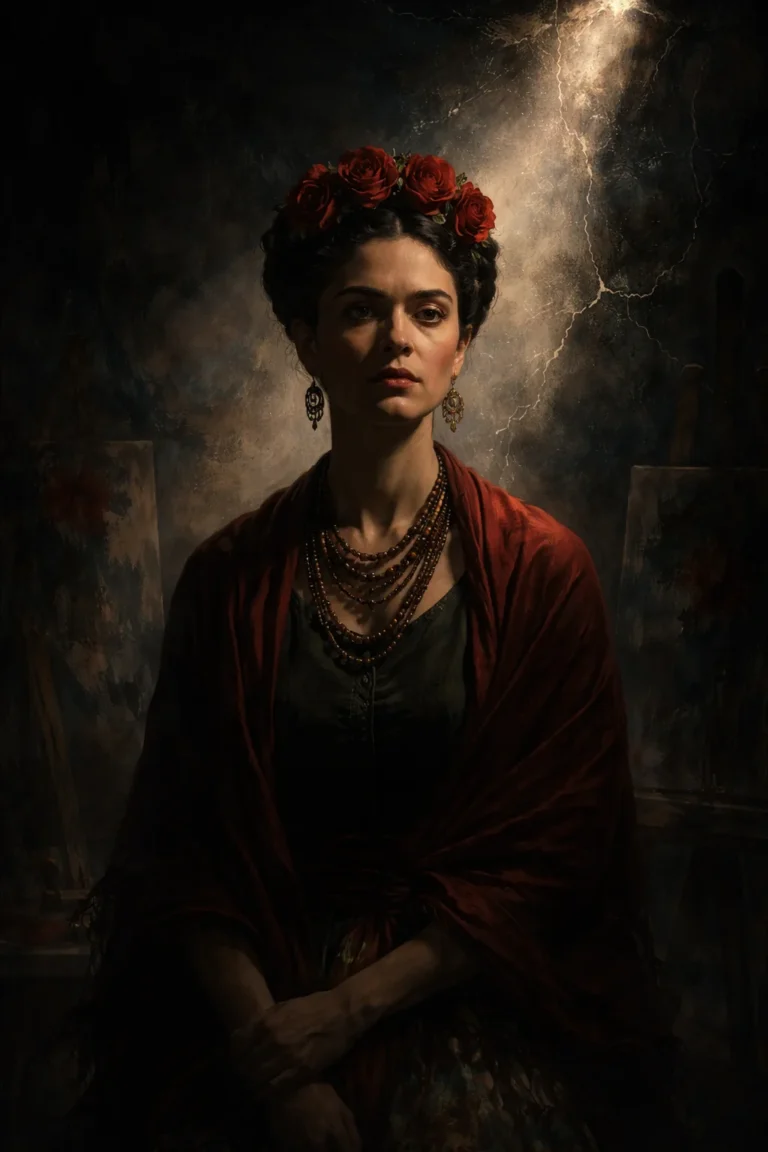
In this storyOpen index
Charlotte Salomon: Painting When Life Became Theatre
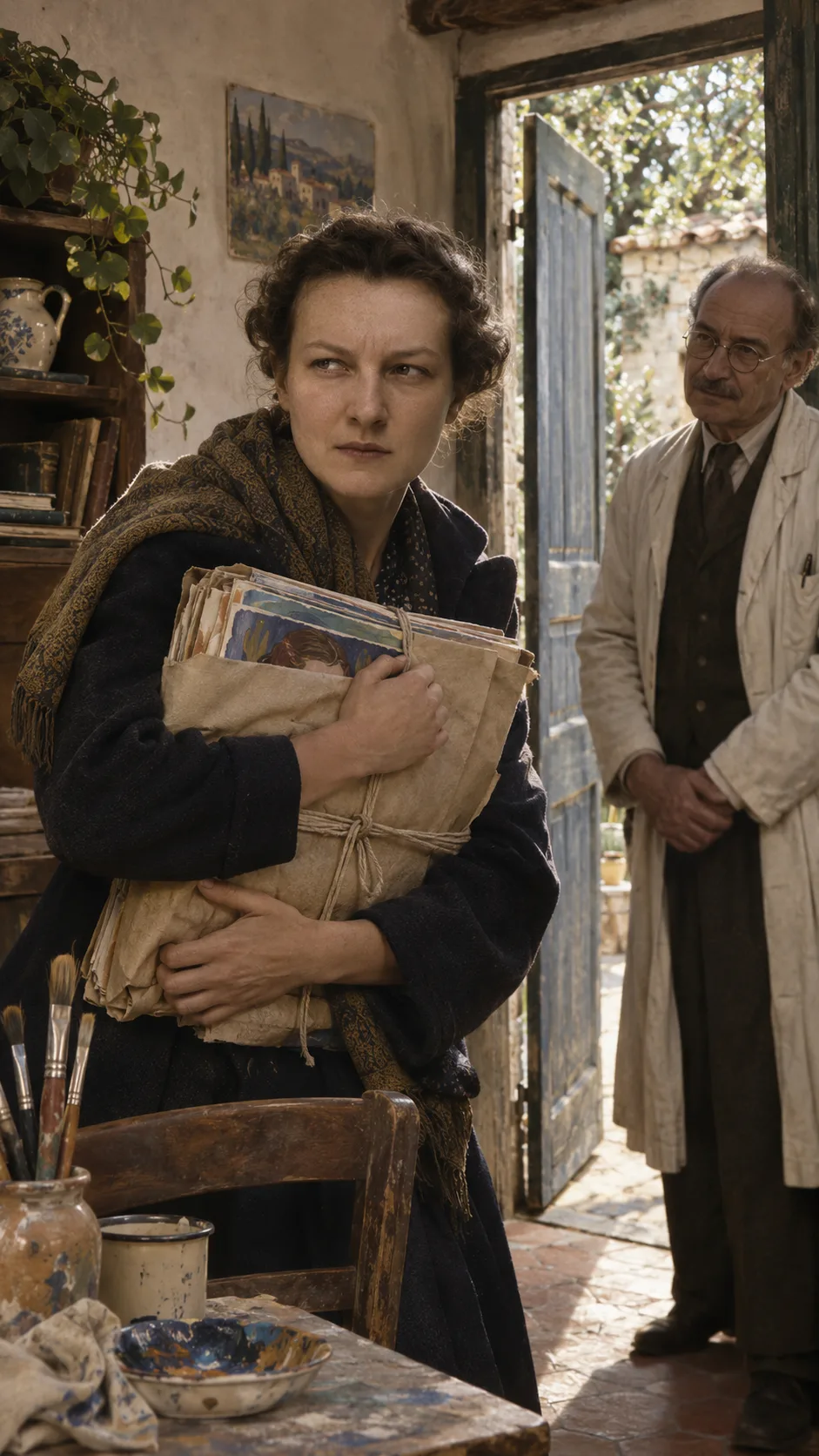
In 1943, as the German occupation tightened its grip on Jewish refugees in France, Charlotte Salomon entrusted a suitcase to Georges Moridis, a doctor in Villefranche-sur-Mer. Inside were hundreds of paintings accompanied by texts, dialogue and musical references. According to the account preserved by the Jewish Museum in Amsterdam, she told him: “Keep it safe. It is my entire life” (Jewish Cultural Quarter, n.d.).
Charlotte Salomon
Explore beyond the video
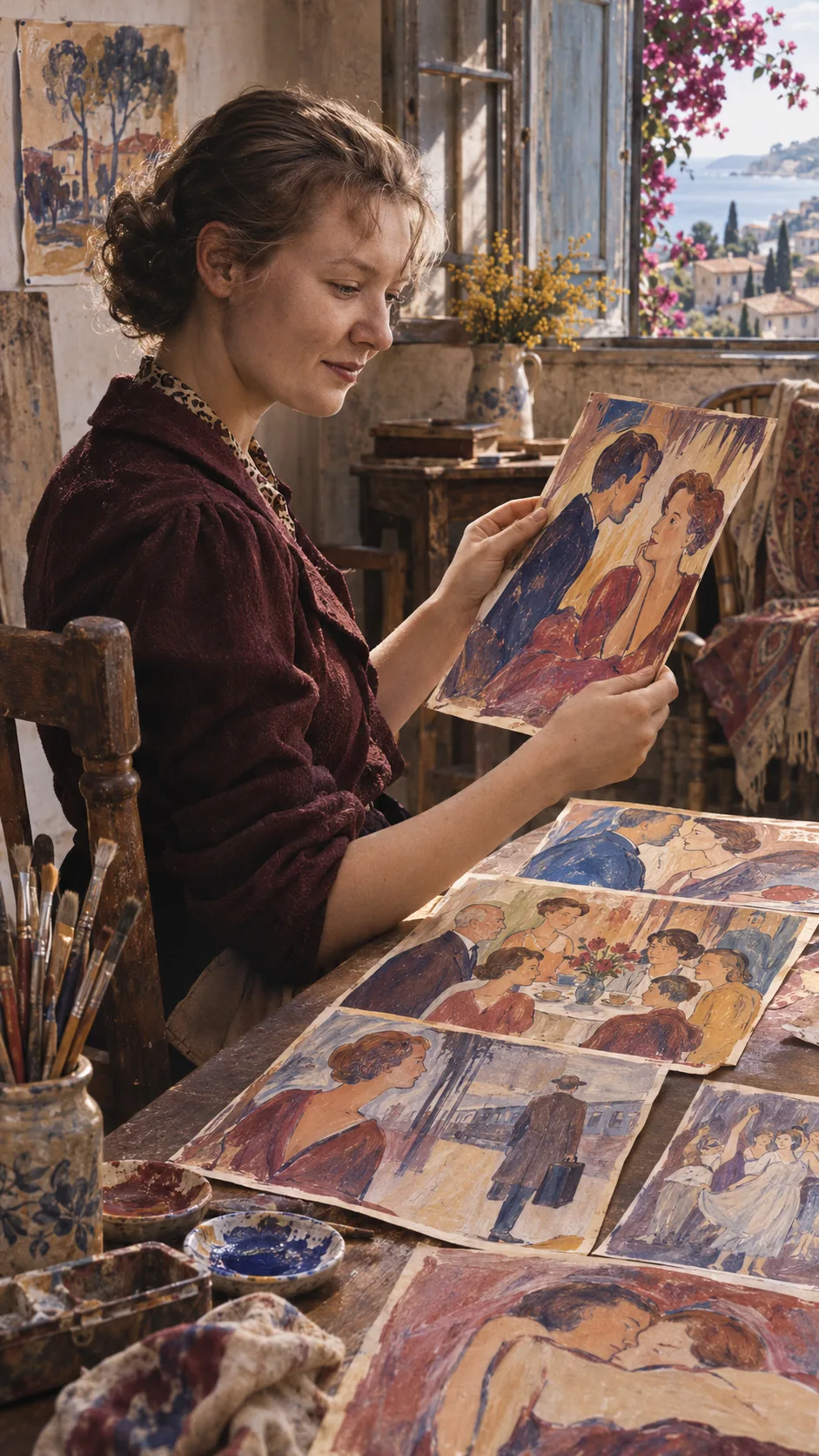
Life? or Theatre?
Charlotte Salomon combined painted scenes, dialogue and musical cues in these sheets. Her father and stepmother donated the work to the Jewish Museum in Amsterdam in 1971 (Jewish Cultural Quarter, n.d.).
A life preserved in a suitcase
It was no exaggeration. The suitcase contained Life? or Theatre?, a monumental work in which Salomon transformed her family history, artistic education, the rise of Nazism and her own emotional conflicts into a kind of painted opera.
Charlotte could not know whether she would survive. By surrendering the work, she separated her creation from her personal fate. She would be murdered only a few months later, but the paintings continued the journey that was denied to her.
A childhood surrounded by silence
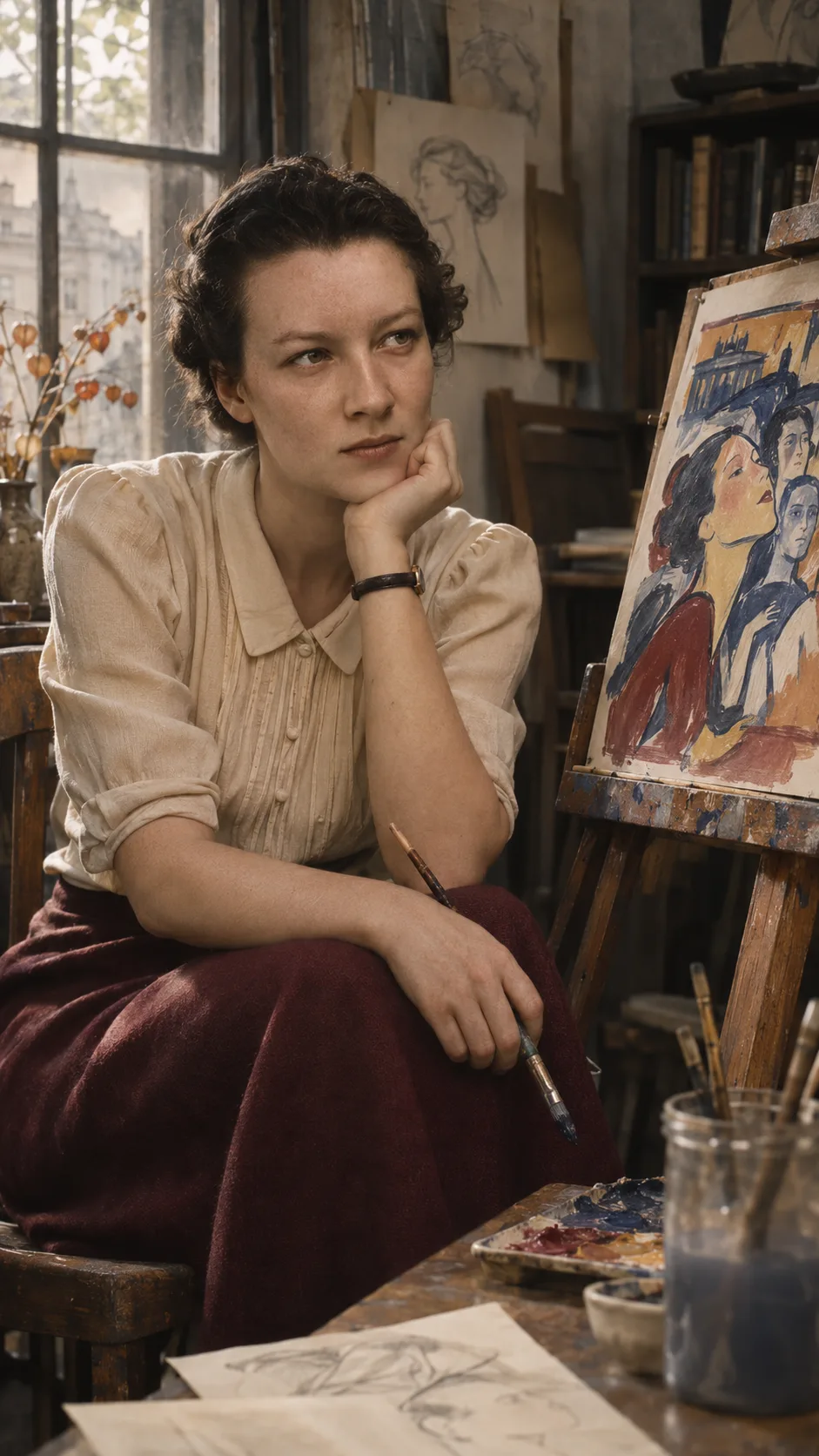
Charlotte Salomon was born in Berlin on April 16, 1917. She was the daughter of the physician Albert Salomon and Franziska Grunwald. She grew up in a Jewish family integrated into German society and connected to medicine, music and Berlin’s cultural life.
When Charlotte was eight, her mother died. The child was told that she had succumbed to influenza. The truth was far more painful: Franziska had died by suicide after jumping from a window. Charlotte did not learn what had happened until many years later (Jewish Museum London, 2019).
Her mother’s death was not an isolated event. Several suicides had occurred on the maternal side of the family, including that of an aunt named Charlotte, after whom the future artist had been named. Yet these events remained hidden behind incomplete explanations and protective silences.
Her father later married Paula Lindberg, a prominent opera singer. Through her, Charlotte encountered musicians, performers and intellectuals. This cultural atmosphere became central to her art, in which the paintings seem constantly to hear music that the viewer must imagine.
Studying art under racial laws
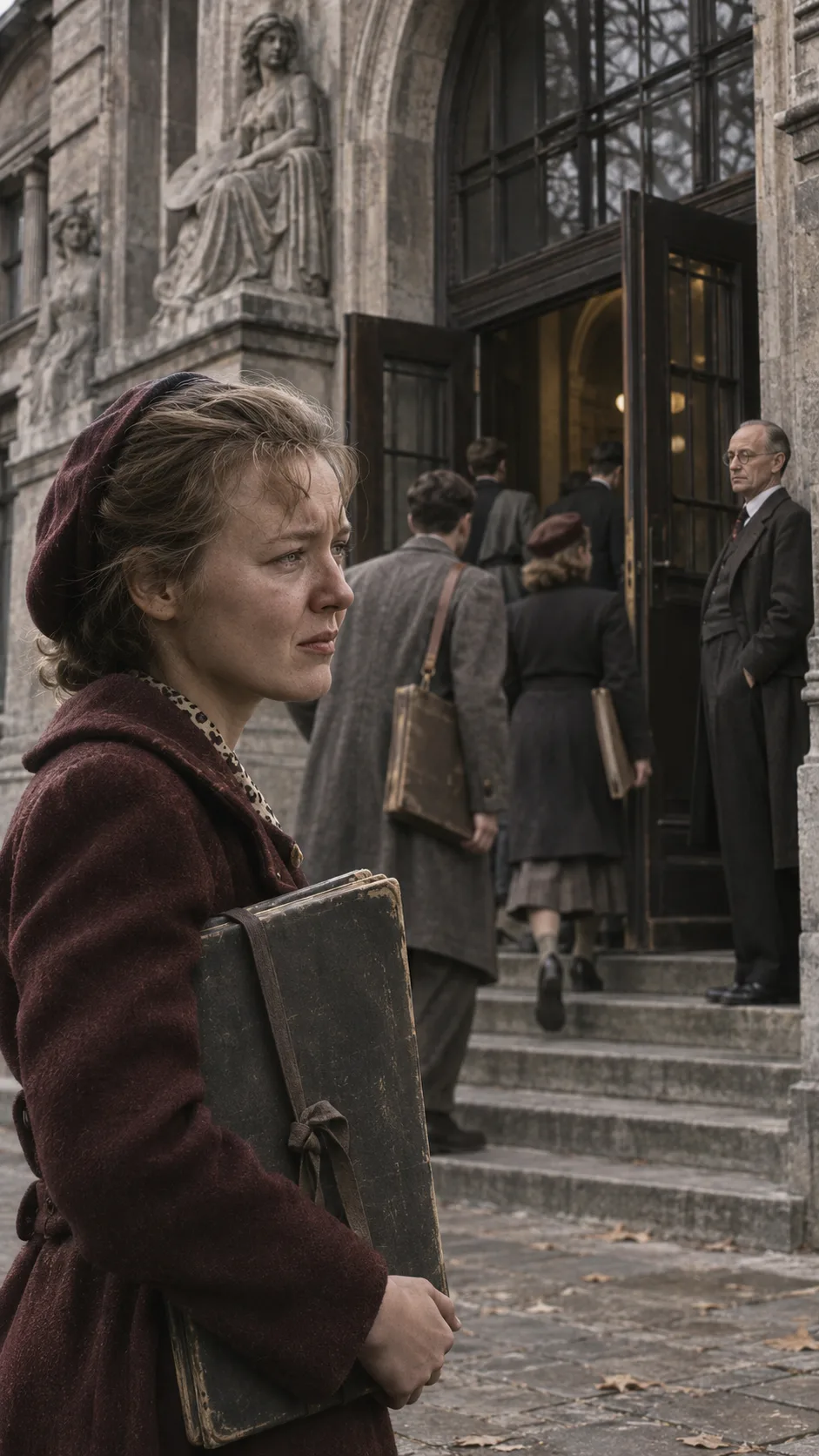
Hitler’s rise to power in 1933 progressively altered every aspect of the family’s life. Jewish people were expelled from professions, educational institutions and cultural spaces. Charlotte left school before graduating, partly because of the antisemitic environment surrounding her.
Nevertheless, she was admitted to Berlin’s United State Schools for Fine and Applied Arts in 1935. Her admission was exceptional: racial policies already severely restricted Jewish enrolment, although a small number of Jewish students were temporarily permitted to attend (Yad Vashem, n.d.).
Charlotte studied drawing and painting, but talent could not protect her from a system determined to exclude her. On one occasion she reportedly placed first in an academic competition, but the prize was given to another student to avoid publicly honouring a Jewish woman—an incident described by institutions that preserve her history (Contemporary Jewish Museum, 2011).
Following Kristallnacht on November 9, 1938, her father was arrested. He returned deeply affected by his imprisonment. The family then decided to send Charlotte to southern France, where her maternal grandparents had taken refuge.
Exile and a family revelation

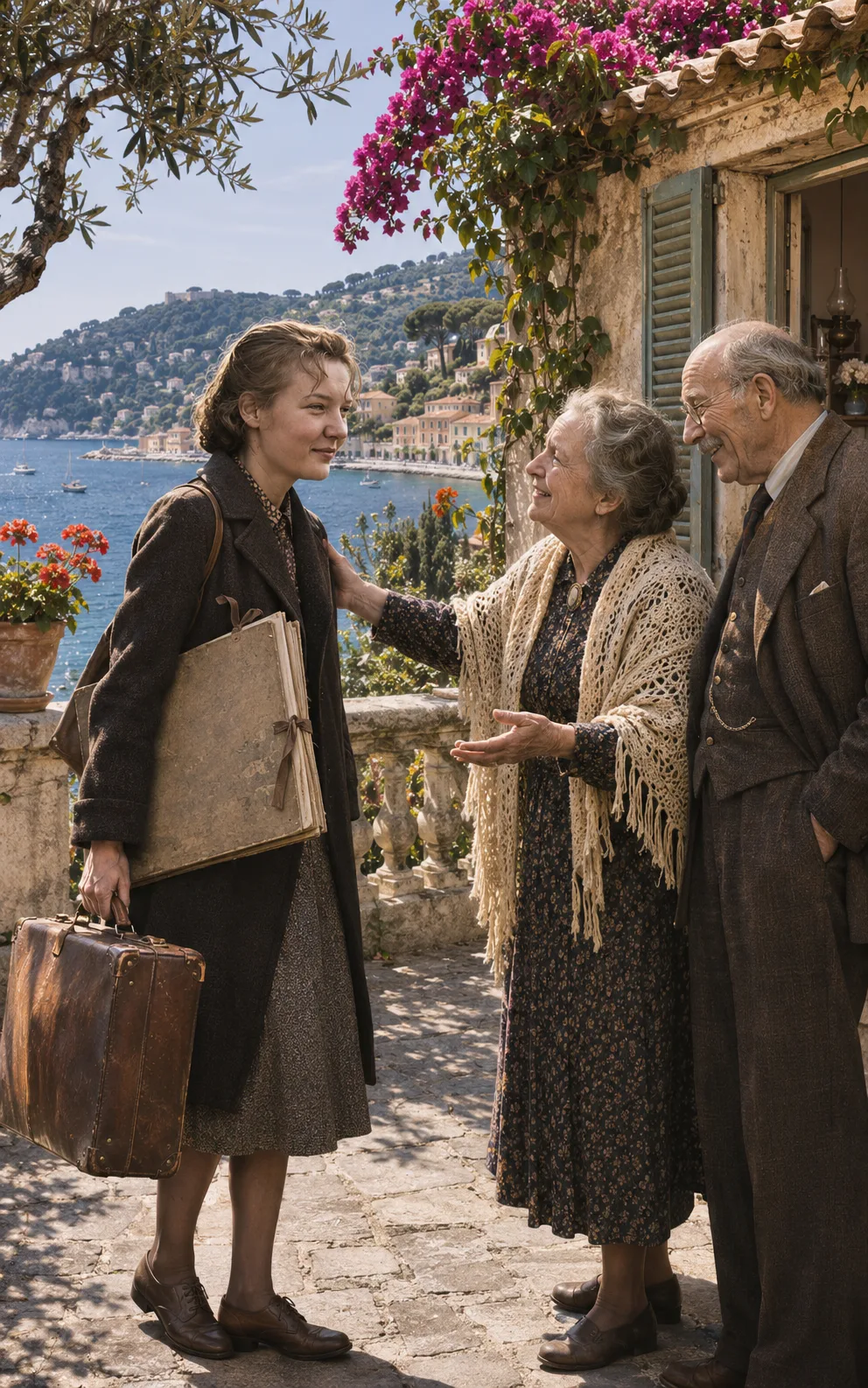
Charlotte reached Villefranche-sur-Mer in early 1939. Her grandparents were living under the protection of the American Ottilie Moore, who sheltered displaced people and later helped rescue persecuted children.
The Mediterranean landscape appeared far removed from Berlin, but exile did not eliminate fear. War began in September 1939, and in 1940 French authorities briefly interned Charlotte and her grandfather in a camp in the Pyrenees because they were German nationals. They were released because of her grandfather’s advanced age and poor health (Jewish Museum London, 2019).
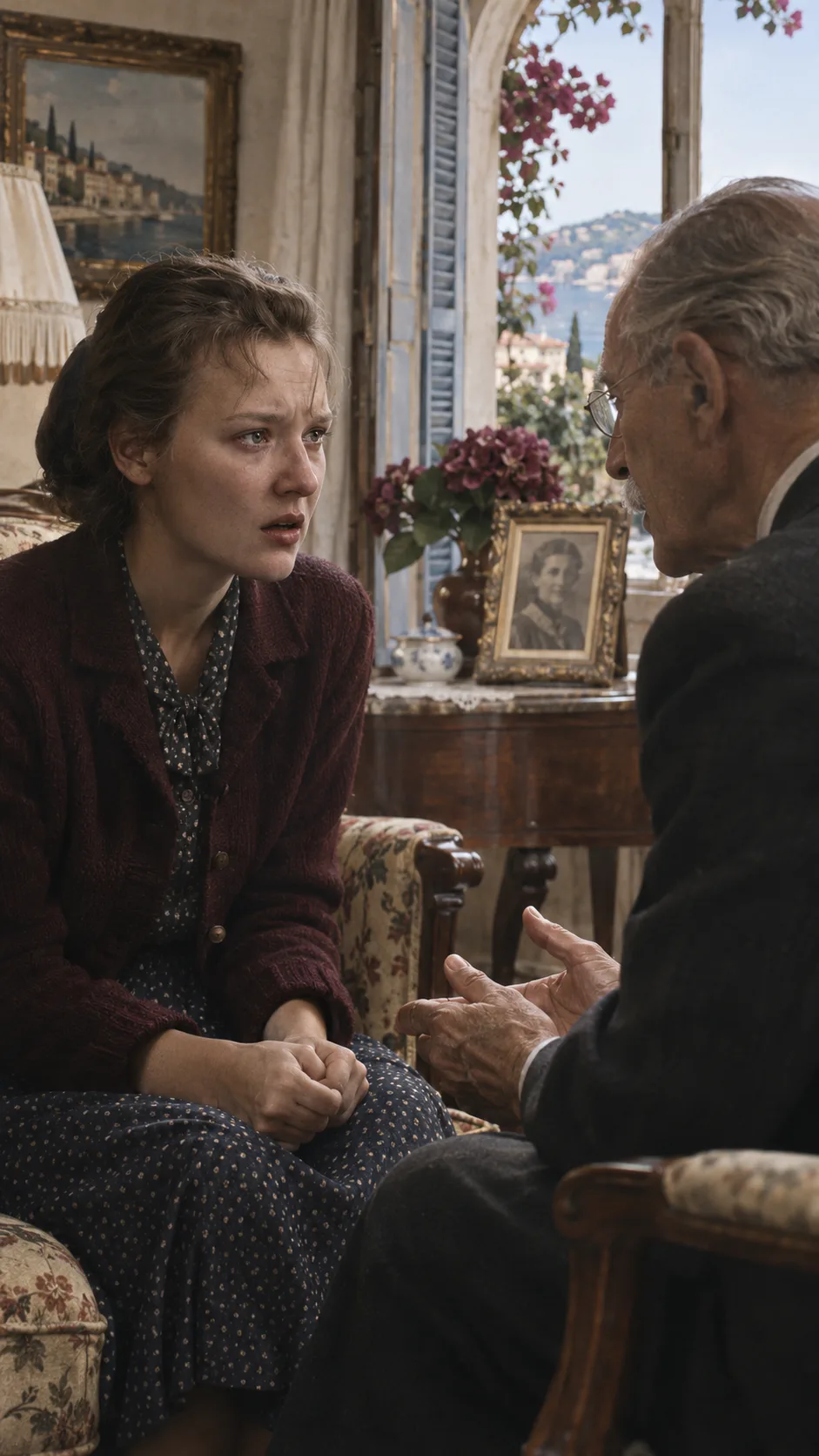
Shortly beforehand, her grandmother had attempted suicide. Charlotte tried to watch over her, but in March 1940 the older woman jumped from a window. After her death, Charlotte’s grandfather revealed the truth about her mother and the other suicides within their family.
Charlotte suddenly understood that her childhood had rested upon an incomplete history. She also began to fear that the same destructive impulse might reach her. A physician encouraged her to paint as a way of confronting severe depression (Shendar, n.d.).
Choosing creation
Between 1940 and 1942, Charlotte devoted herself to a project of extraordinary scale. She worked in gouache on relatively small sheets of paper. She painted rapidly, using intense colours, simplified figures and spaces that could change from one scene to the next.
She produced approximately 1,300 images and selected 769 for the definitive version of Life? or Theatre? (Contemporary Jewish Museum, 2011). She called the work a Singespiel, a German term associated with a theatrical form combining music, dialogue and performance.
The cycle was organised like a drama, with a prologue, main section and epilogue. Charlotte added narration, conversations and stage directions. Sometimes she wrote directly on the paintings; elsewhere, she placed transparent sheets bearing text over the images. She also identified songs, operatic excerpts and other musical compositions that were meant to accompany particular scenes.
Consequently, Life? or Theatre? is not simply a collection of pictures. It can be approached as a graphic novel, a screenplay, a visual score, a transformed autobiography and an impossible theatrical production.
Truth transformed into character
Charlotte changed the names of real people. She became Charlotte Kann; Paula Lindberg appeared as Paulinka Bimbam, while Alfred Wolfsohn, her stepmother’s singing teacher, was transformed into Amadeus Daberlohn.
Wolfsohn had been traumatised during the First World War and developed theories about the human voice as a means of confronting fear and extreme experience. Charlotte became deeply attracted to him, although the exact nature of their relationship remains disputed.
Within her cycle, this relationship occupies a central position, but it should not be interpreted as a documentary reconstruction. Salomon reorganised events, exaggerated behaviour and invented scenes for artistic purposes. The Lenbachhaus stresses that her characters were carefully fictionalised and that Life? or Theatre? cannot be read as a literally factual autobiography (Lenbachhaus, 2023).
This deliberate mixture helps explain the question in the title. Charlotte was not merely asking which parts of her story had truly occurred. She was also asking whether a life could ever be understood without first turning it into a performance.
Painting the advance of darkness
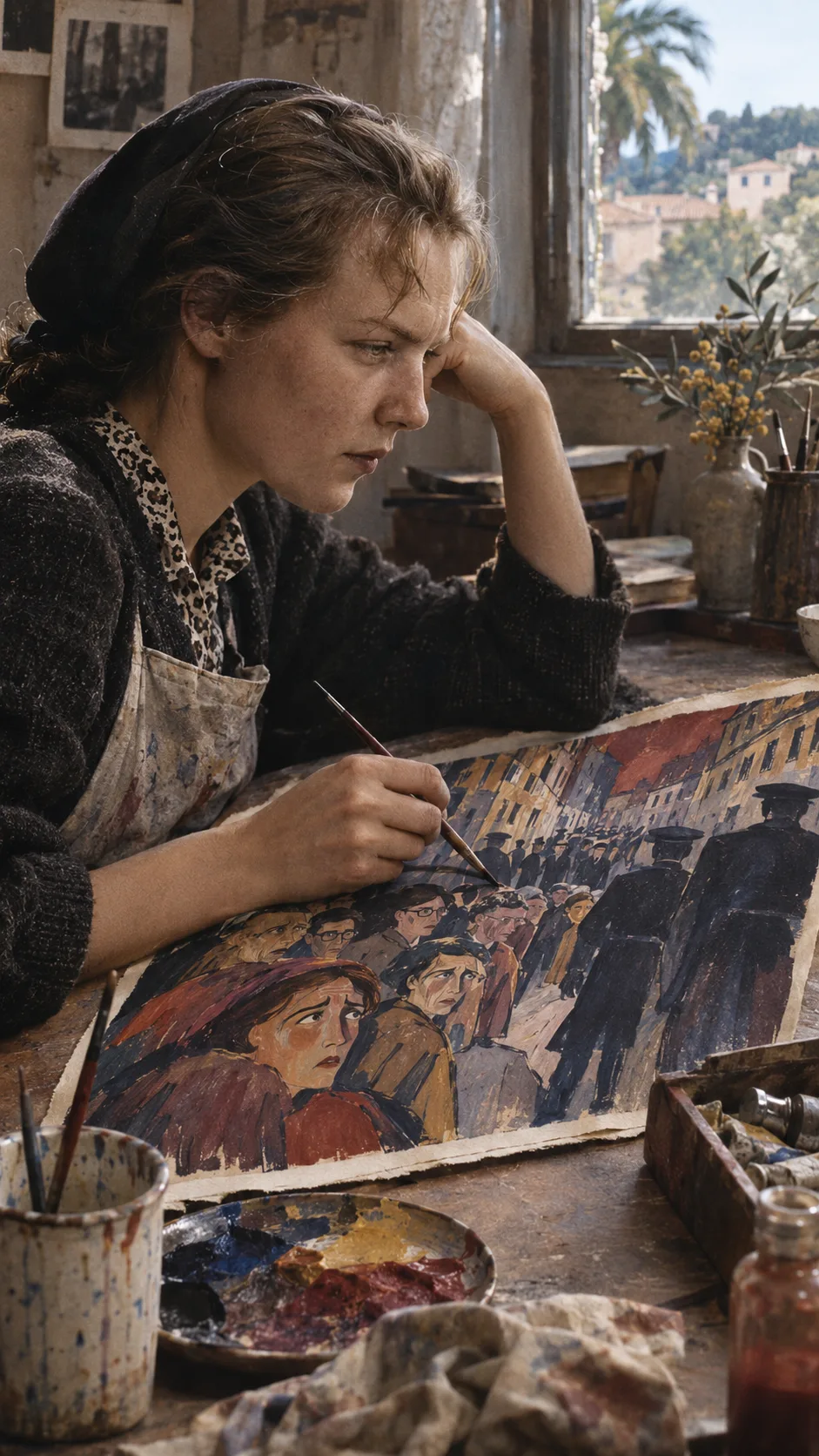
Nazism does not appear in the work merely as a political background. It enters streets, schools, theatres and private homes. Demonstrations, swastikas and collective violence intrude upon a story that initially seems preoccupied with intimate family troubles.
Charlotte depicted crowds through rhythmic, almost musical repetition. In some paintings, the same character appears several times on a single sheet, allowing her to represent the passage of time without dividing the page into conventional panels. Decades before the graphic novel gained broad artistic recognition, she was already combining image, text, rhythm and montage in a strikingly modern form.
Painting helped her organise memories that threatened to overwhelm her. Yet she did not create a simple narrative of consolation. Humour, satire, desire, cruelty, music and despair coexist throughout Life? or Theatre? The artist does not portray herself solely as a victim: she also watches, caricatures and directs those around her as though they were actors placed beneath her lights.
The letter that changed her story
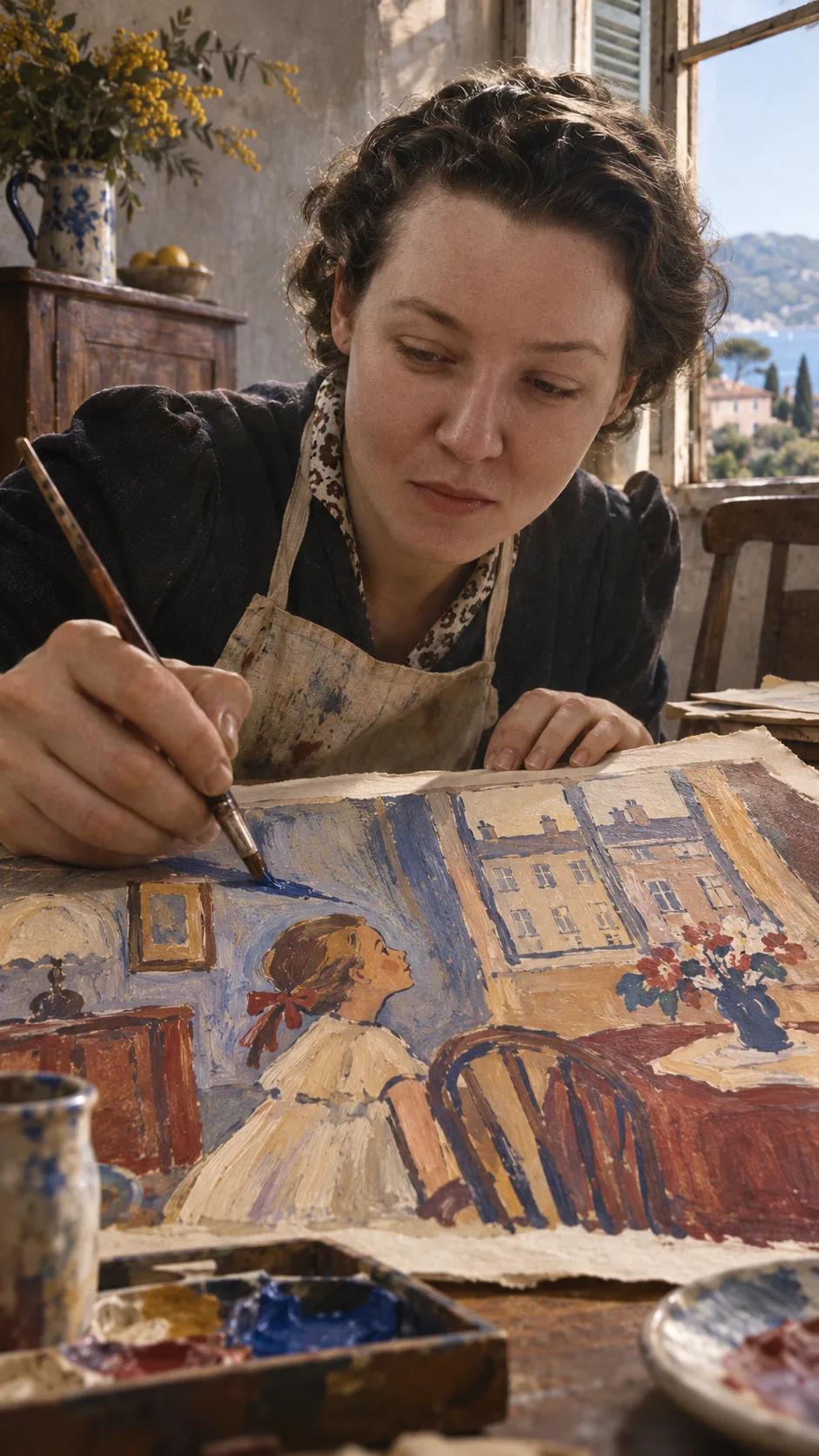
One of the least-known and most disturbing aspects of Charlotte’s life emerged publicly many decades after her death. In a letter addressed to Amadeus Daberlohn—the character based upon Alfred Wolfsohn—she claimed that she had caused her grandfather’s death in February 1943 by serving him an omelette containing a dangerous quantity of the barbiturate Veronal.
The letter remained outside public knowledge for decades and became widely known around 2015. Its contents compel scholars to view Charlotte’s final months from a more complicated perspective, but the document must be treated cautiously. The allegation came from Charlotte herself and cannot now be independently verified through conclusive evidence (Ghert-Zand, 2022).
Researchers have debated whether it was a literal confession, a narrative reshaped by trauma or an extension of the theatrical methods used in her art. It would be inaccurate to present the death as a conclusively proven murder. Yet omitting the letter would also conceal an important part of the documentary record she left behind.
Deportation and murder
After her grandfather’s death, Charlotte returned to Ottilie Moore’s property. There she met the Austrian refugee Alexander Nagler. They married in a civil ceremony in June 1943, by which time southern France was under German occupation.
In September, Charlotte and Alexander were arrested and taken to Drancy, the transit camp used for deporting Jewish prisoners from France. On October 7, they were placed aboard a convoy bound for Auschwitz-Birkenau (Yad Vashem, n.d.).
Charlotte was twenty-six and pregnant. Upon reaching Auschwitz, she was selected for immediate death, probably on October 10, 1943. Alexander survived for only a few months and died in January 1944 as a consequence of the camp’s conditions.
Charlotte never learned that her father and Paula had survived the war. Nor could she have known that the suitcase given to Moridis remained safe.
The work that outlived its creator
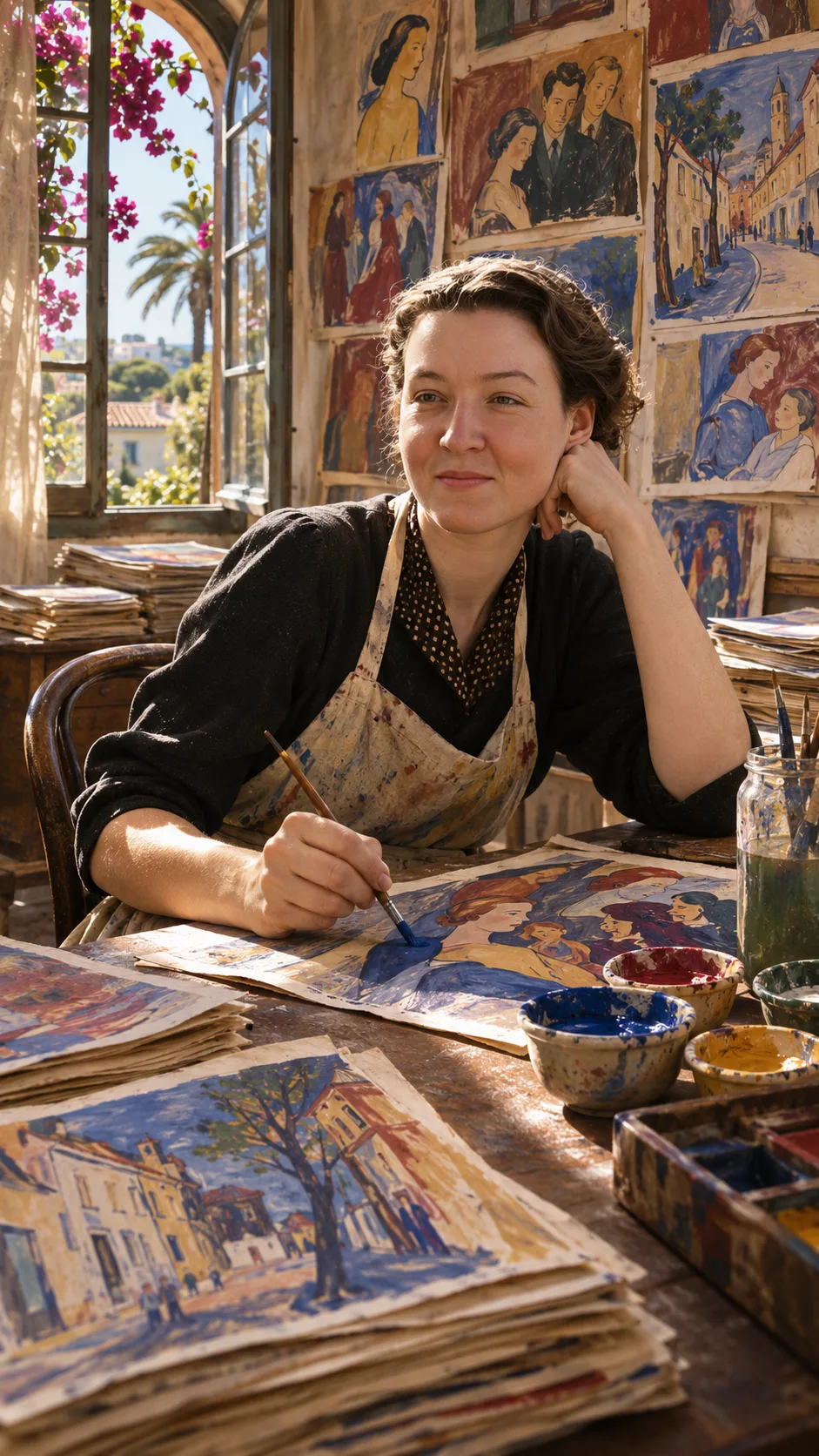
After the war, Life? or Theatre? reached Albert and Paula Salomon. In 1971, they donated the cycle to the Jewish Historical Museum in Amsterdam, now part of the Jewish Cultural Quarter, which preserves the complete work (Jewish Cultural Quarter, n.d.).
For many years, Charlotte Salomon was presented primarily as a young victim of the Holocaust. That dimension is inseparable from her history, but it is insufficient to explain her achievement. She was an artist who constructed a formally complex work under conditions of exile, persecution, bereavement and family disintegration.
The little-known historical fact surrounding her is not limited to the disturbing letter about her grandfather. Equally remarkable is the scale of her undertaking: a woman in her early twenties produced approximately 1,300 paintings and shaped 769 of them into a multimedia narrative before suitable terms existed to classify it.
Life? or Theatre? survived because Charlotte understood that art also required a refuge. The suitcase did not save her life, but it preserved her voice—contradictory, musical, painful and still impossible to confine within a single definition.
Timeline
| Year | Event |
|---|---|
| 1917 | Born in Berlin |
| 1939 | Exile in France |
| 1943 | She is deported and murdered at Auschwitz-Birkenau. |
| 1971 | Donation of the work to the Amsterdam museum |
Sources
- Contemporary Jewish Museum. (2011). Charlotte Salomon: Life? or Theatre?.
- Jewish Cultural Quarter. (n.d.). Charlotte Salomon.
- Jewish Museum London. (2019). Charlotte Salomon: Life? or Theatre?.
- Lenbachhaus. (2023). Charlotte Salomon.
- Shendar, Y. (n.d.). Charlotte Salomon: “Life? Or Theater?”.
- Yad Vashem. (n.d.). Charlotte Salomon: Self-Portrait, Villefranche-sur-Mer, 1939–1941.
- Ghert-Zand, R. (2022). Keira Knightley heads up cast of animated film on Holocaust artist Charlotte Salomon. The Times of Israel.
More from this collection
Henri de Toulouse-Lautrec: The Aristocrat Who Found His Kingdom Among Society’s Outcasts
Read story →
Amedeo Modigliani: Empty Eyes, Illness and the Legend of the Cursed Artist
Read story →