
In this storyOpen index
Isabella the Catholic: The Queen Who Took the Crown Before It Could Be Denied to Her
At twenty-three, she proclaimed herself queen before the nobles could decide for her. Her power transformed two continents and left a profoundly contradictory legacy.
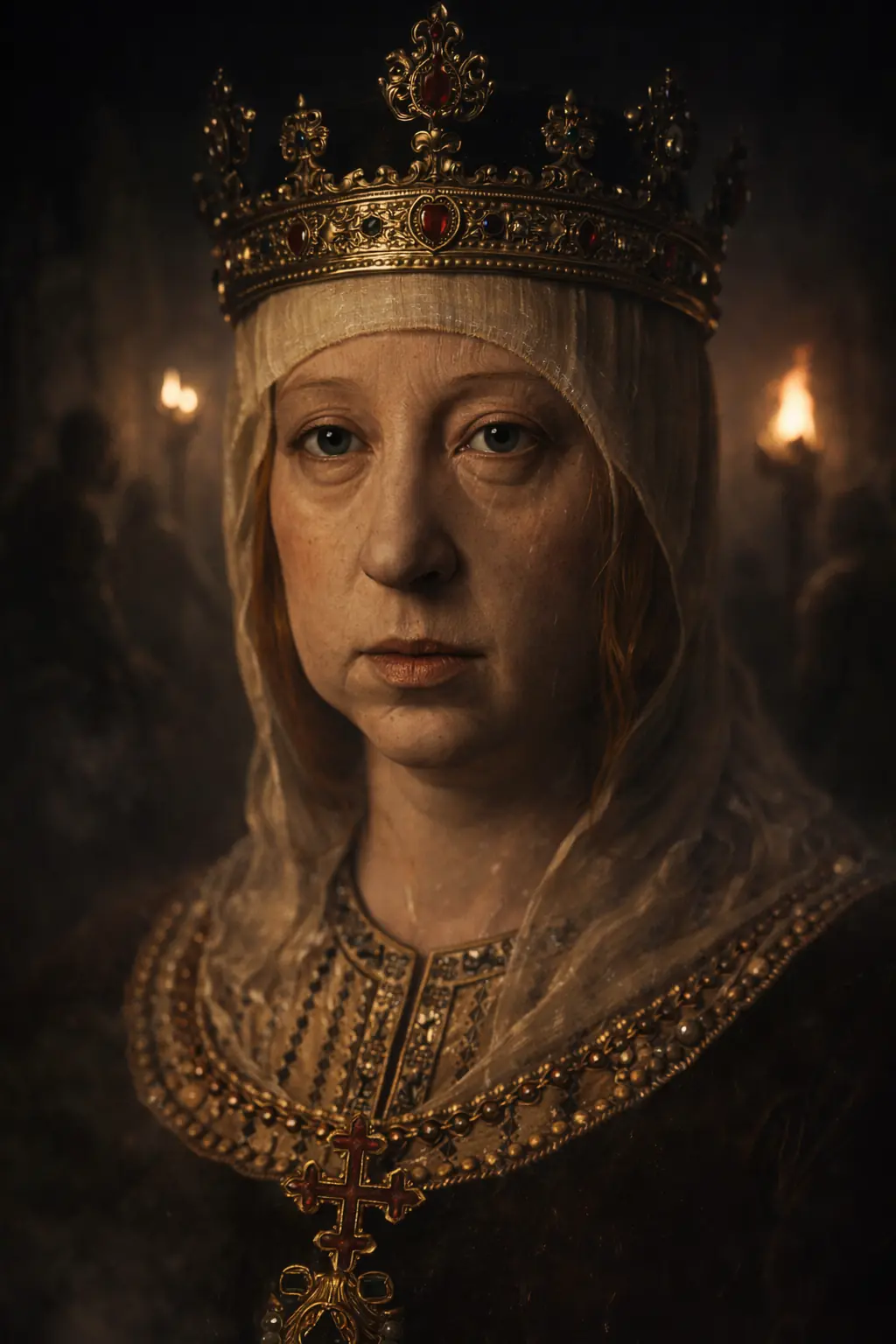
When Isabella of Castile learned that her half-brother Henry IV had died, she did not wait for her husband, Ferdinand of Aragon, to return. Nor did she summon an assembly to ask whether the kingdom’s most powerful nobles approved of her accession. On December 13, 1474, she appeared publicly in Segovia and proclaimed herself Queen of Castile.
She was twenty-three, and her right to the throne was disputed. Acting quickly was a way of preventing others from deciding her future.
That moment reveals something essential about Isabella. She was not merely Ferdinand’s wife or the pious figure later fashioned by royal propaganda. She was a ruler who understood power, fought to obtain it, and refused to surrender the authority she believed belonged to her. Her reign transformed the Iberian Peninsula and helped create a monarchy with global ambitions. It was also marked by religious persecution, conquest, and decisions whose consequences remain controversial.
Understanding Isabella requires avoiding both veneration and simplistic condemnation.
Isabella of Castile: power, conquest, and contradiction
A visual account of the queen who personally secured her crown and transformed the Castilian monarchy.
A life told through places and turning points
A Childhood Far from the Throne
Isabella was born on April 22, 1451, in Madrigal de las Altas Torres. She was the daughter of King John II of Castile and his second wife, Isabella of Portugal. When her father died, the crown passed to Henry IV, the son of the king’s first marriage.
For much of her childhood, Isabella lived with her mother and her younger brother Alfonso in Arévalo. She did not grow up with the certainty that she would become queen. The political weakness of Henry IV and the rivalries among Castile’s aristocratic families, however, eventually placed her at the center of the succession.
The king’s opponents questioned the legitimacy of his daughter Joanna, whom they contemptuously called «la Beltraneja». After Alfonso’s death in 1468, Isabella became the principal alternative to Henry. Under the agreement reached at Toros de Guisando, the king recognized her as his heir, although their relationship deteriorated again when Isabella married without his authorization.
A Marriage Turned into a Political Alliance
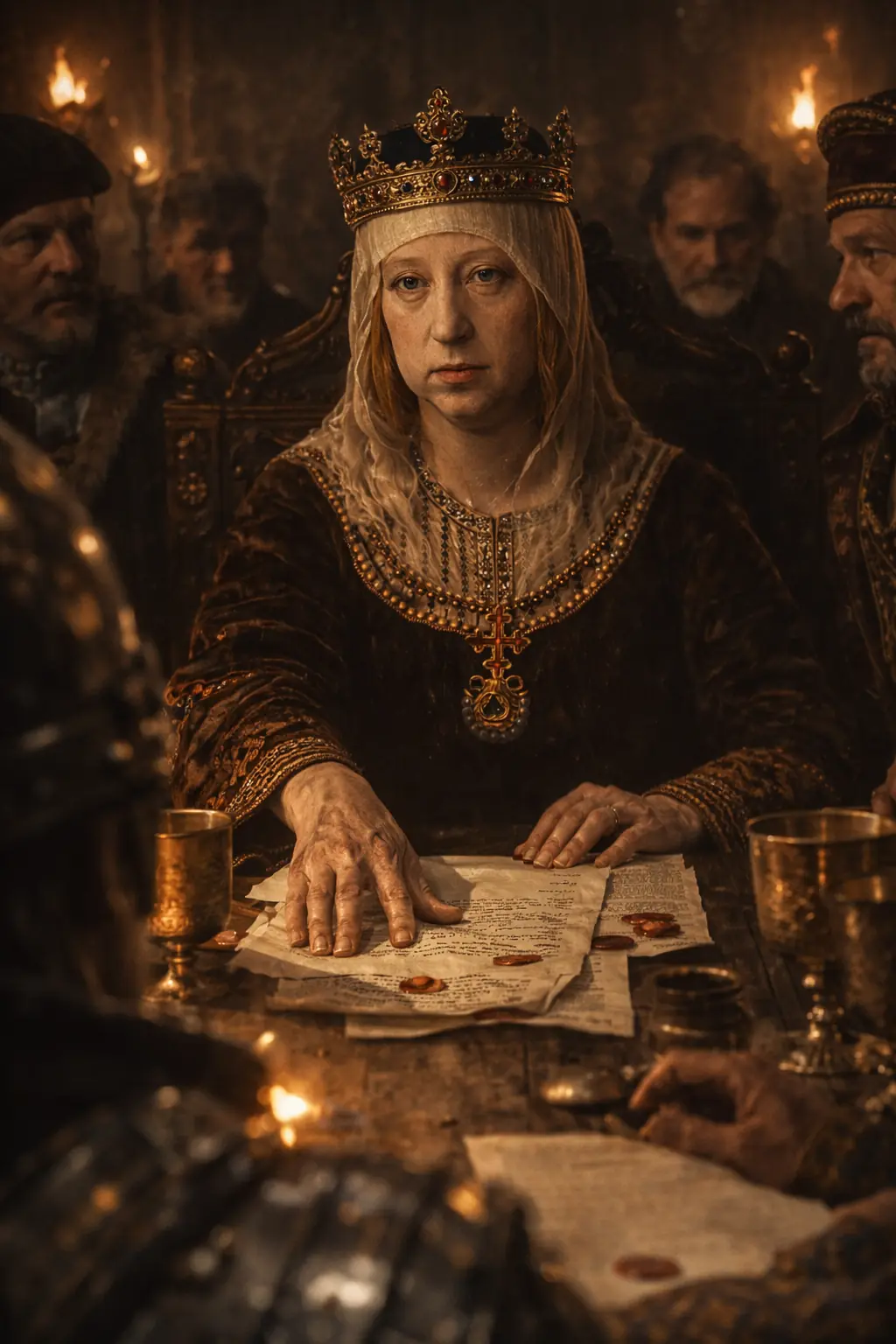
Isabella chose Ferdinand, heir to the Crown of Aragon. Their marriage took place in Valladolid in October 1469 after secret negotiations and in the face of serious political and canonical obstacles.
Marriage did not mean that Isabella handed Castile over to her husband. Their original marriage agreement restricted Ferdinand’s authority within the kingdom. After Isabella’s proclamation, the Concord of Segovia of 1475 established the terms of their joint government while recognizing her as the hereditary owner of the Crown of Castile.
This detail is often obscured by the familiar image of the «Catholic Monarchs». Isabella and Ferdinand governed together and adopted shared emblems, but their crowns did not merge into a completely unified Spanish state. Castile and Aragon retained different institutions, laws, currencies, and systems of taxation. Their union was primarily dynastic.
Isabella’s position was not ceremonial. She participated in the appointment of officials, the administration of justice, diplomacy, military finance, and the monarchy’s religious policies.
The War That Decided Who Was Queen
The proclamation in Segovia did not settle the succession. Joanna had supporters of her own and received assistance from King Afonso V of Portugal, who married her and claimed the Castilian crown.
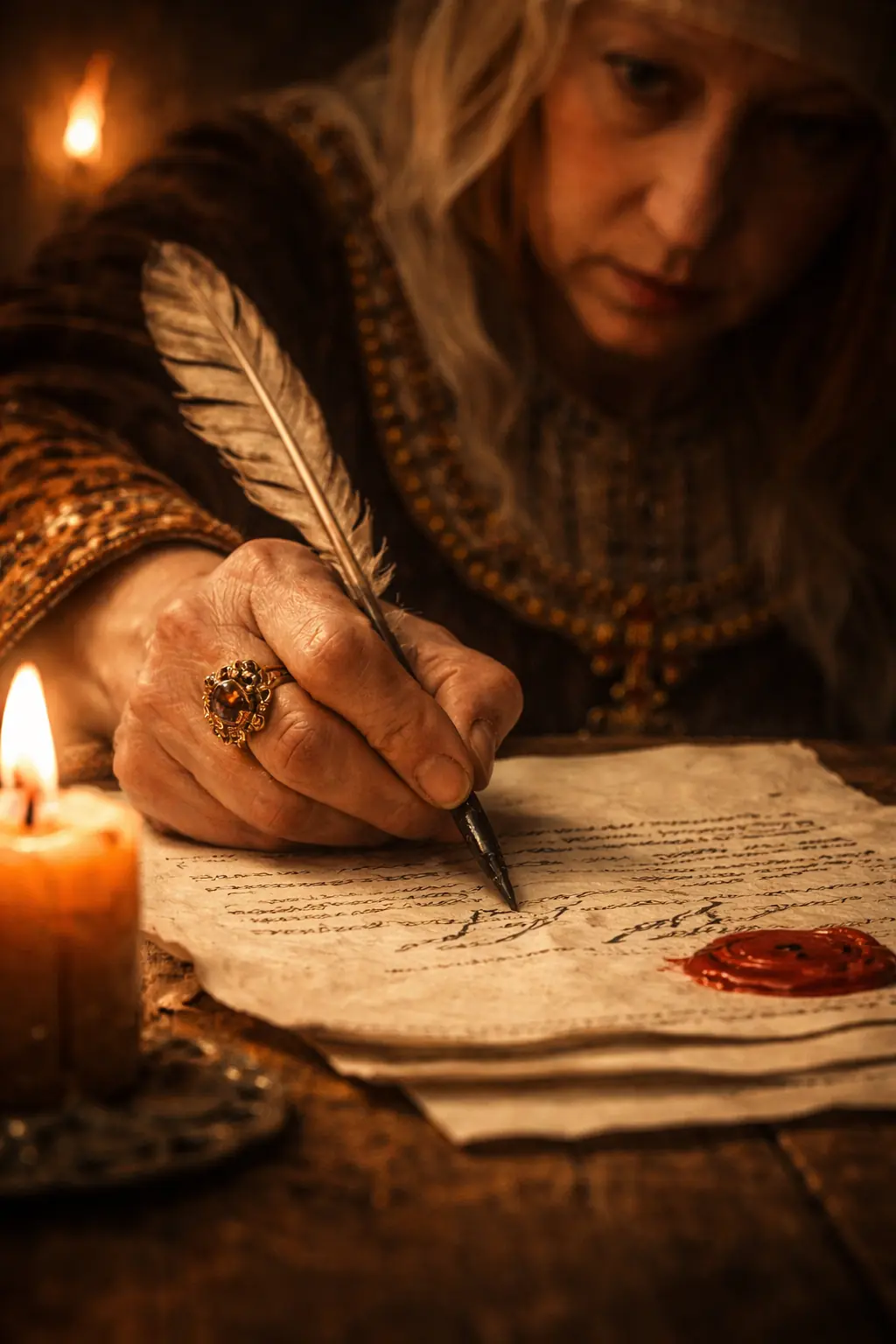
The War of the Castilian Succession lasted from 1475 to 1479. Isabella traveled through the kingdom, raised money, secured loyalties, and presented her cause as a defense of legitimacy and political order. The Battle of Toro in 1476 produced an uncertain military result, but Isabella and Ferdinand successfully portrayed it as a political victory.
The Treaty of Alcáçovas in 1479 finally recognized Isabella as Queen of Castile. That same year Ferdinand inherited the Crown of Aragon. Together, the monarchs accumulated unprecedented authority, reduced the political independence of parts of the aristocracy, and strengthened the institutions of royal government.
Isabella had not inherited her crown peacefully. She had been forced to win recognition for it.
Granada and the Price of Religious Unity
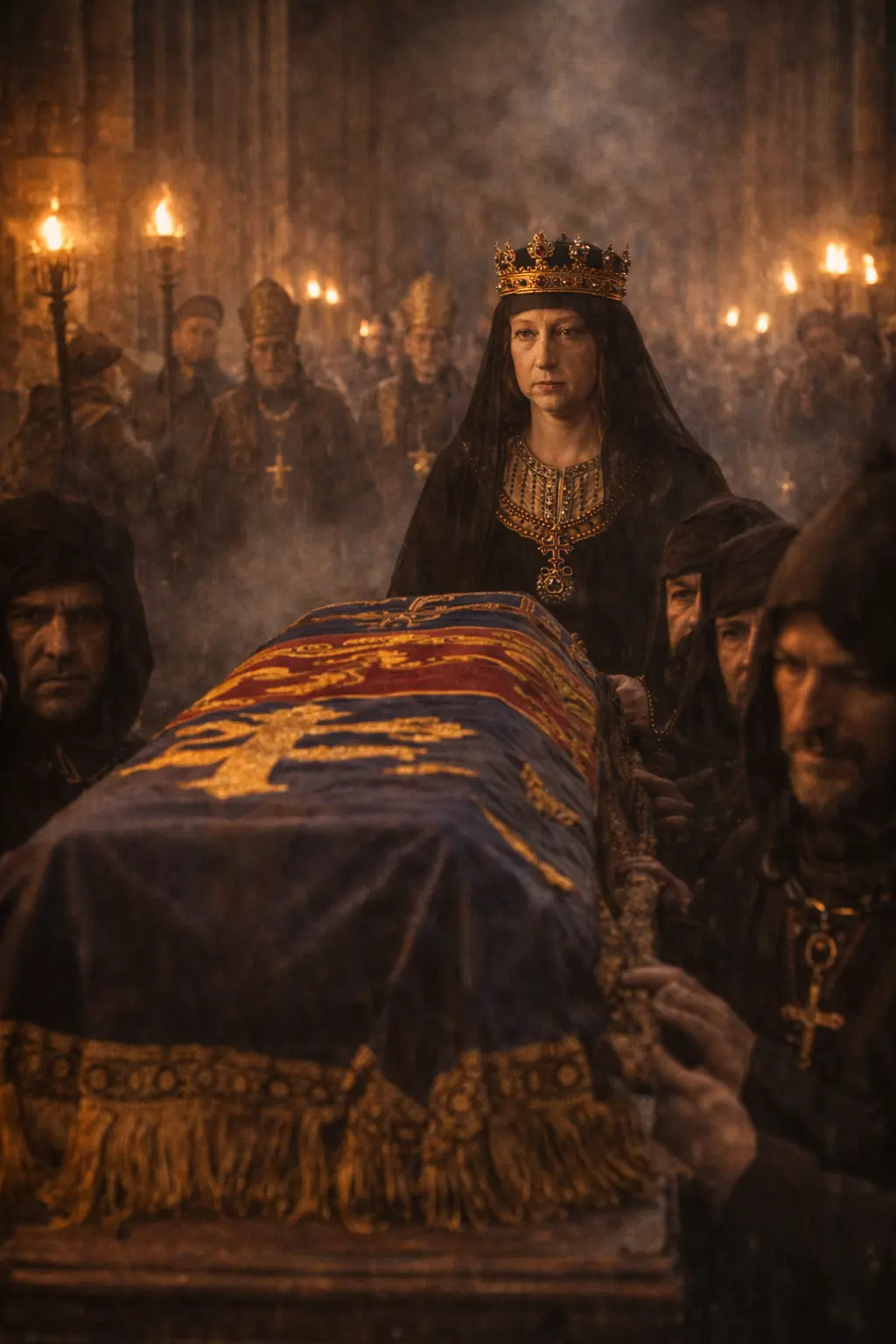
One of the defining enterprises of the reign was the war against the Nasrid Emirate of Granada, begun in 1482. Isabella was closely involved in the logistical and financial organization of a campaign that lasted almost ten years.
On January 2, 1492, Muhammad XII, commonly known as Boabdil, surrendered Granada to the monarchs. The original surrender agreements promised to respect the religion, property, and customs of the Muslim population. Those guarantees were gradually undermined. Forced conversions and subsequent revolts eventually destroyed much of the original settlement.
The search for religious uniformity also affected Jewish communities. In 1478, Isabella and Ferdinand obtained papal authorization to establish the Inquisition in Castile. Its stated purpose was to investigate heresy among baptized Christians, particularly converts suspected of secretly practicing Judaism.
In March 1492, the monarchs signed the edict ordering Jews who refused baptism to leave their territories. Thousands lost their homes, possessions, and connections to communities built over generations.
These policies cannot be treated as minor blemishes on an otherwise successful reign. They were central to Isabella’s political project: a stronger monarchy, but also a more intolerant one.
Columbus and a Story Embellished by Legend
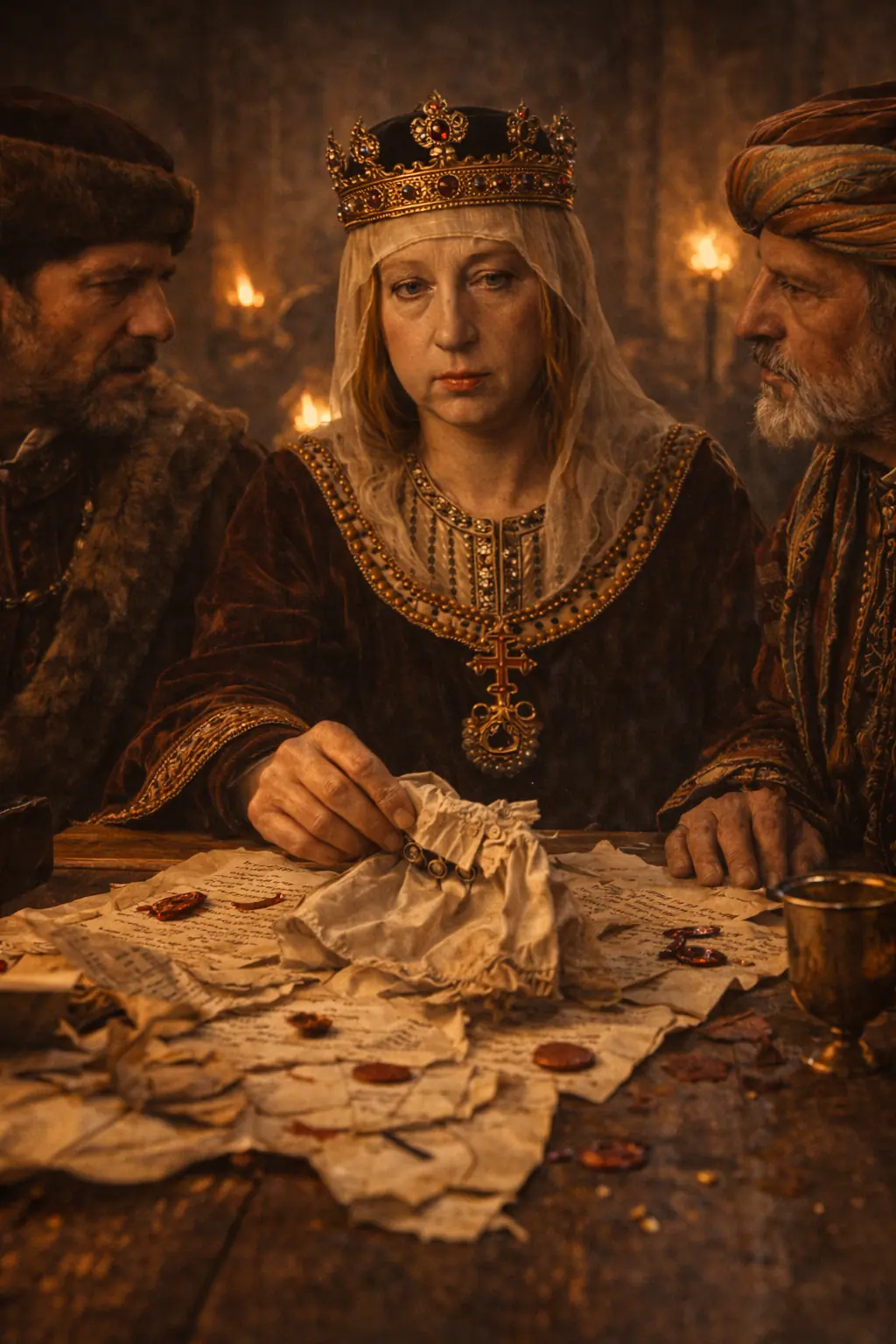
During that same year, Isabella and Ferdinand agreed to support Christopher Columbus’s expedition. The voyage that began in August 1492 created a permanent connection between Europe and the Americas and opened a process of imperial expansion, conquest, exploitation, and demographic transformation on an enormous scale.
A popular legend claims that Isabella pawned her jewels to finance the expedition. There is no solid evidence that she did so. The voyage was financed through a combination of royal funds, credit, and private contributions. The story of the jewels belongs more to the romantic construction of Isabella’s image than to the historical record.
What is documented is her intervention when Indigenous captives were sent to the Iberian Peninsula for sale.
In 1495, Columbus shipped several hundred captives to Castile with the intention of selling them. The Crown suspended the operation while considering whether their enslavement was lawful. In 1500, Isabella ordered the liberation and return of Indigenous people who had been taken to Castile without what the Crown considered a legitimate cause.
The decision was unusual in the Europe of her time, but it did not make her American policy humanitarian. The monarchy continued to recognize exceptions under which people labeled rebels or prisoners of a supposedly «just war» could be enslaved. Systems of forced labor and repartimiento were also introduced during her reign, enabling severe abuses. Acknowledging Isabella’s opposition to particular acts of enslavement does not absolve her of responsibility for the colonial structures her monarchy helped establish.
A Queen Surrounded by Educated Women
Another less frequently remembered feature of Isabella’s court was the presence of highly educated women. Isabella pursued her own intellectual development and arranged an unusually extensive education for her daughters. Women associated with her court included Beatriz Galindo, known as «La Latina», a humanist celebrated for her knowledge of Latin.
Isabella’s daughters were not trained merely to appear at ceremonies. Catherine of Aragon, who would become Queen of England, learned several languages and studied religion, literature, and philosophy. Education was also a political instrument: royal daughters were expected to represent dynastic interests in foreign courts.
This does not make Isabella a feminist in the modern sense. Her authority did not challenge the social structures that subordinated most women. Nevertheless, her career demonstrated that a woman could exercise legal, military, and diplomatic authority in a political culture deeply suspicious of female rule.
The End of a Planned Dynasty
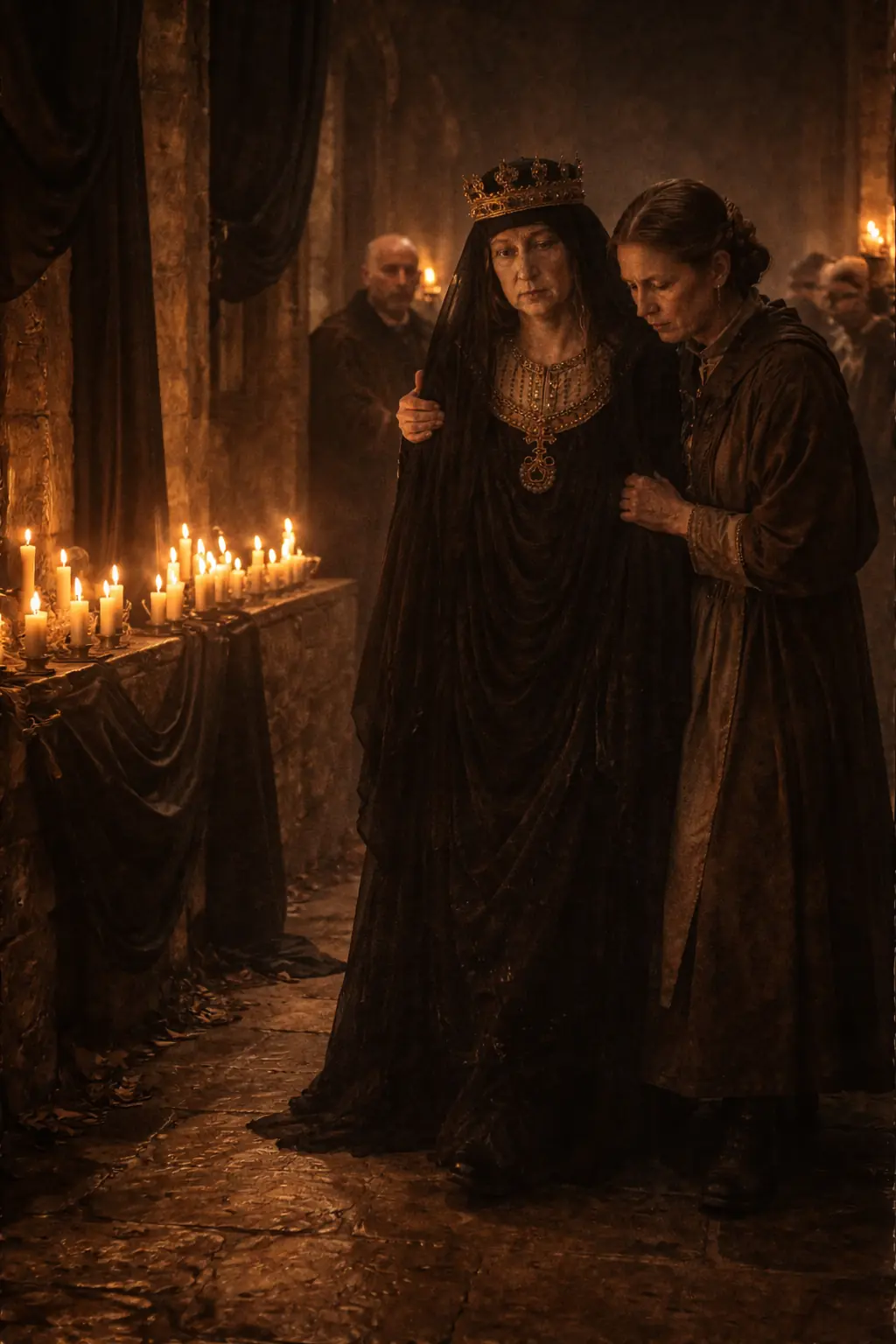
Isabella’s final years were marked by personal loss. Her only son, John, died, as did her eldest daughter Isabella and her grandson Miguel. For a brief period, Miguel might have inherited Castile, Aragon, and Portugal.
The succession therefore passed to Isabella’s daughter Joanna. Joanna’s marriage to Philip of Habsburg brought a new dynasty into the monarchy. Isabella worried about Joanna’s ability to govern, but she was also concerned about Philip’s ambitions and the future independence of Castile.
The queen died at Medina del Campo on November 26, 1504. In her will, she confirmed Joanna as her heir and called for the inhabitants of the American territories to be treated justly. Those words coexisted with a colonial reality already advancing through coercion, forced labor, and violence.
A Woman Who Did Not Ask Permission—and Who Demanded Obedience
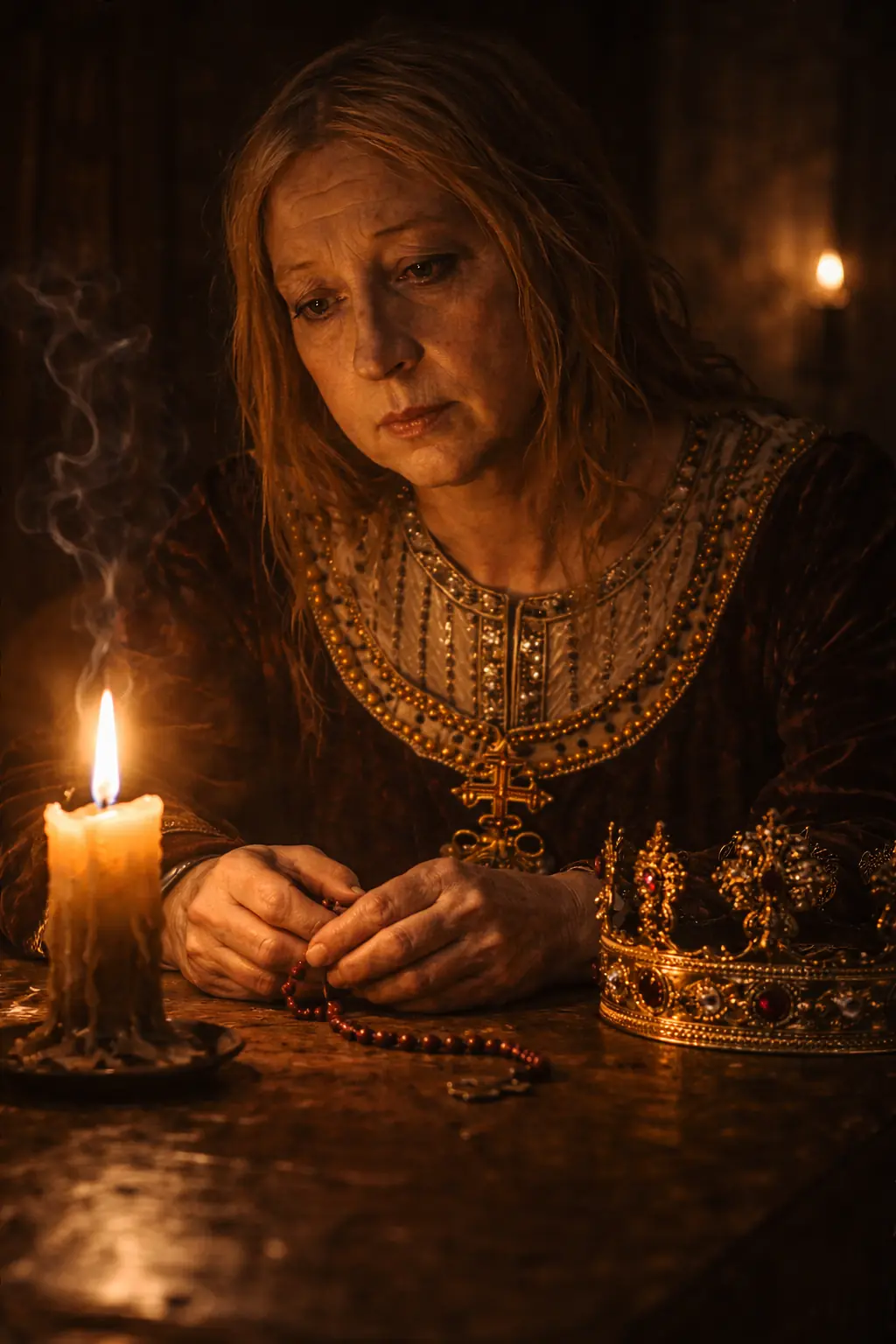
Isabella ruled Castile for thirty years and altered the course of European and American history. She confronted powerful nobles, defended her right to the throne, and exercised forms of authority that many contemporaries were reluctant to acknowledge in a woman.
Yet the same determination that allowed her to prevail also sustained religious exclusion, persecution, and imperial expansion. She challenged certain forms of Indigenous enslavement while authorizing a colonial structure that produced other forms of subjugation. She promoted the education of women within her family and court while governing a profoundly hierarchical society.
Her story is uncomfortable because it cannot be contained within either a monument or an indictment. Isabella was neither simply a woman ahead of her time nor merely a fanatical sovereign. She was an exceptionally capable ruler, responsible both for lasting political transformations and for decisions that inflicted suffering on entire communities.
She did not ask permission to take the throne. Once seated upon it, she demanded obedience.
References
- Edwards, J. (2004). The Spain of the Catholic Monarchs, 1474–1520. Blackwell Publishing.
- Fernández-Armesto, F. (1974). The Canary Islands after the Conquest: The Making of a Colonial Society in the Early Sixteenth Century. Clarendon Press.
- Liss, P. K. (1992). Isabel the Queen: Life and Times. Oxford University Press.
- Real Academia de la Historia. (n.d.). Isabel I. Historia Hispánica.
- Rubin, N. (1991). Isabella of Castile: The First Renaissance Queen. St. Martin’s Press.
- Weissberger, B. F. (2004). Isabel Rules: Constructing Queenship, Wielding Power. University of Minnesota Press.
More from this collection
Queen Victoria: The Young Woman Who Escaped a Cage and Became the Symbol of an Empire
Read story →
Joanna la Beltraneja: The Princess Robbed of a Kingdom Who Never Stopped Signing Herself as Queen
Read story →