In this storyOpen index
Boris Karloff: The Gentle Man Who Taught Cinema How to Look at the Monster
From obscurity to Frankenstein: the actor who gave the monster humanity, defended fellow performers and found another voice in the Grinch.
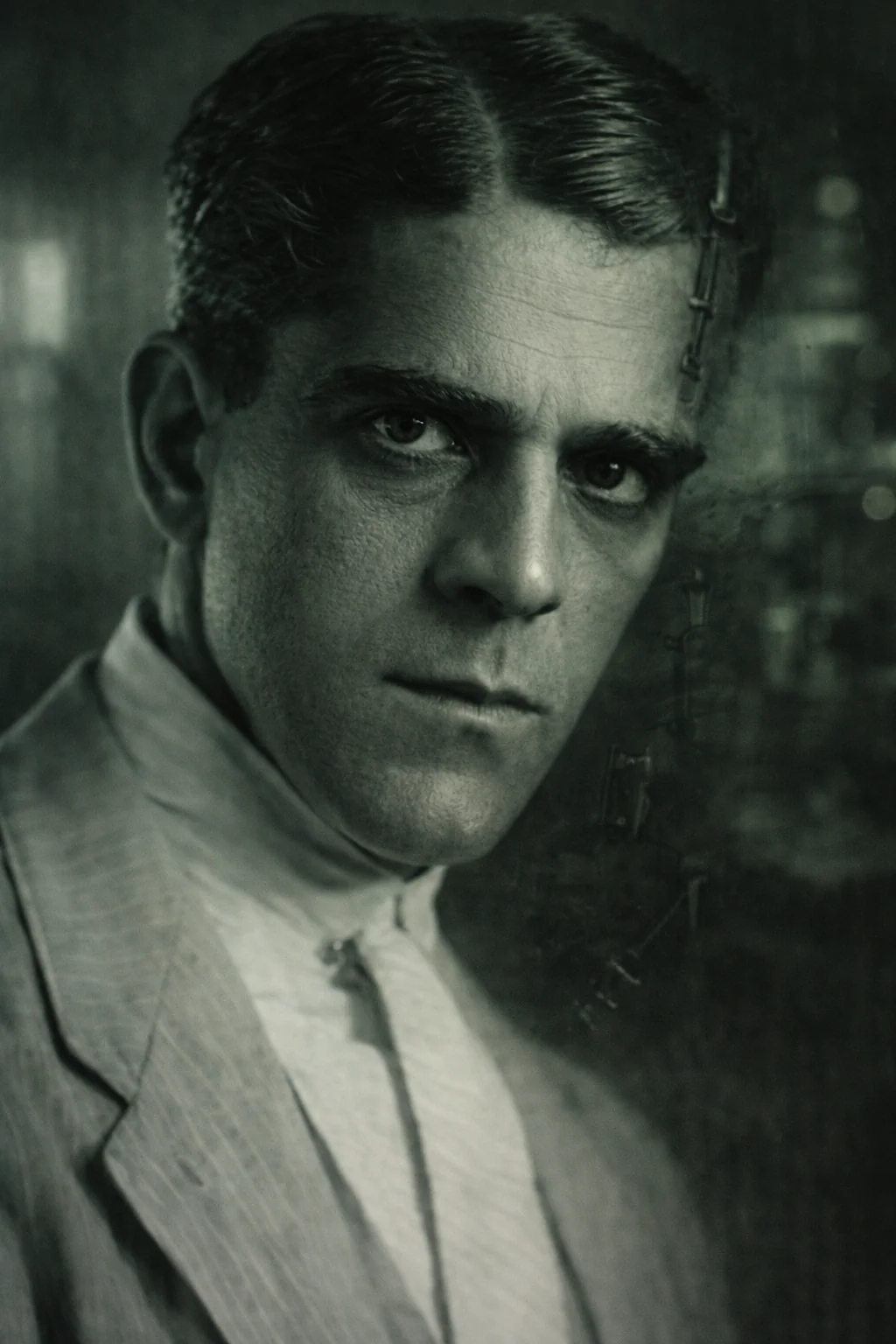
The face that terrified the world did not belong to a cruel man. Behind the square forehead, heavy eyelids, scars, and boots that seemed to drag a corpse was an actor with a cultivated voice, gentle manners, and extraordinary patience with children.
Boris Karloff did not invent Frankenstein’s monster, created by Mary Shelley more than a century earlier. Nor did he single-handedly design the appearance that made him famous. He did, however, give the creature something no prosthetic could manufacture: vulnerability.
Other performers had portrayed monsters. Karloff made audiences fear one and feel compassion for it at the same time. Through that contradiction, he helped create the modern face of horror cinema.
Boris Karloff
A life told between the monster and the man
Frankenstein: from horror film to cinematic heritage
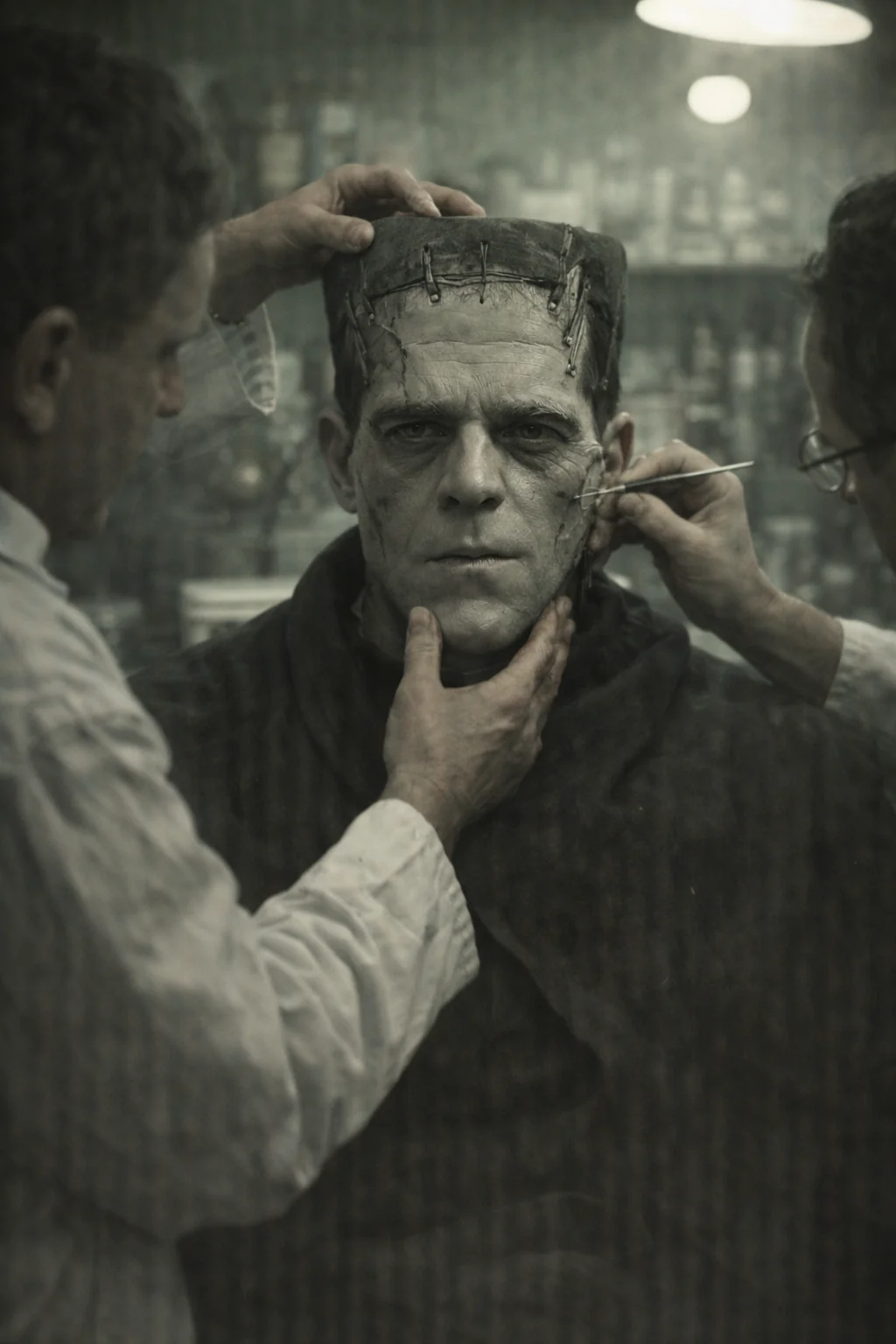
James Whale’s 1931 film entered the United States National Film Registry in 1991. The Library of Congress registry recognises films for their cultural, historical or aesthetic significance. Its list records the film that made Karloff’s performance an enduring screen image. This card’s image is an artistic recreation, not a frame from the film or a production photograph.
Before Boris Karloff
He was born William Henry Pratt on 23 November 1887 in Camberwell, South London. He was the youngest member of a large family connected to the service of the British Empire. His father had worked for the government in India, and several of his brothers pursued administrative or diplomatic careers.
William appeared destined to follow the same path. He attended respectable schools and studied at King’s College London but left without receiving a degree. He stammered, had bowed legs, and did not yet possess the deep, controlled voice that would later become one of his greatest professional tools (Lindsay, 1975).
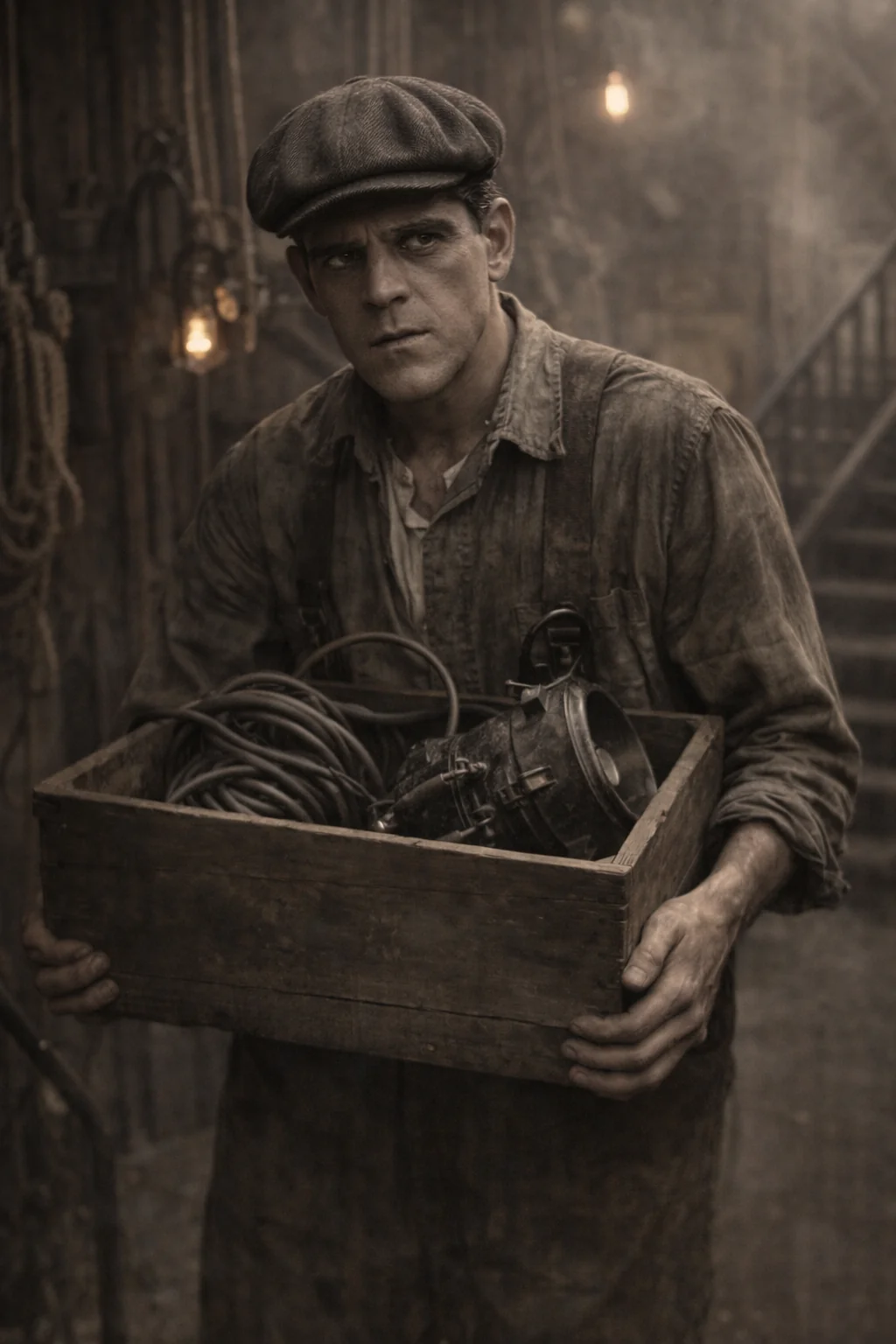
In 1909, he emigrated to Canada. To survive, he performed manual labour: digging ditches, working on farms, carrying materials, and joining railway crews. During his career, he also suffered back problems aggravated by the physical demands of some productions.
He eventually joined touring theatrical companies and adopted the name Boris Karloff. He offered different explanations for its origin, and no version has been conclusively established. The claim that he changed his name to avoid embarrassing his distinguished family belongs to the biographical tradition but should be treated cautiously (Nollen, 1991).
The new name sounded foreign, dark, and memorable. William Pratt was beginning to construct the man Hollywood would need.
Years Without a Face
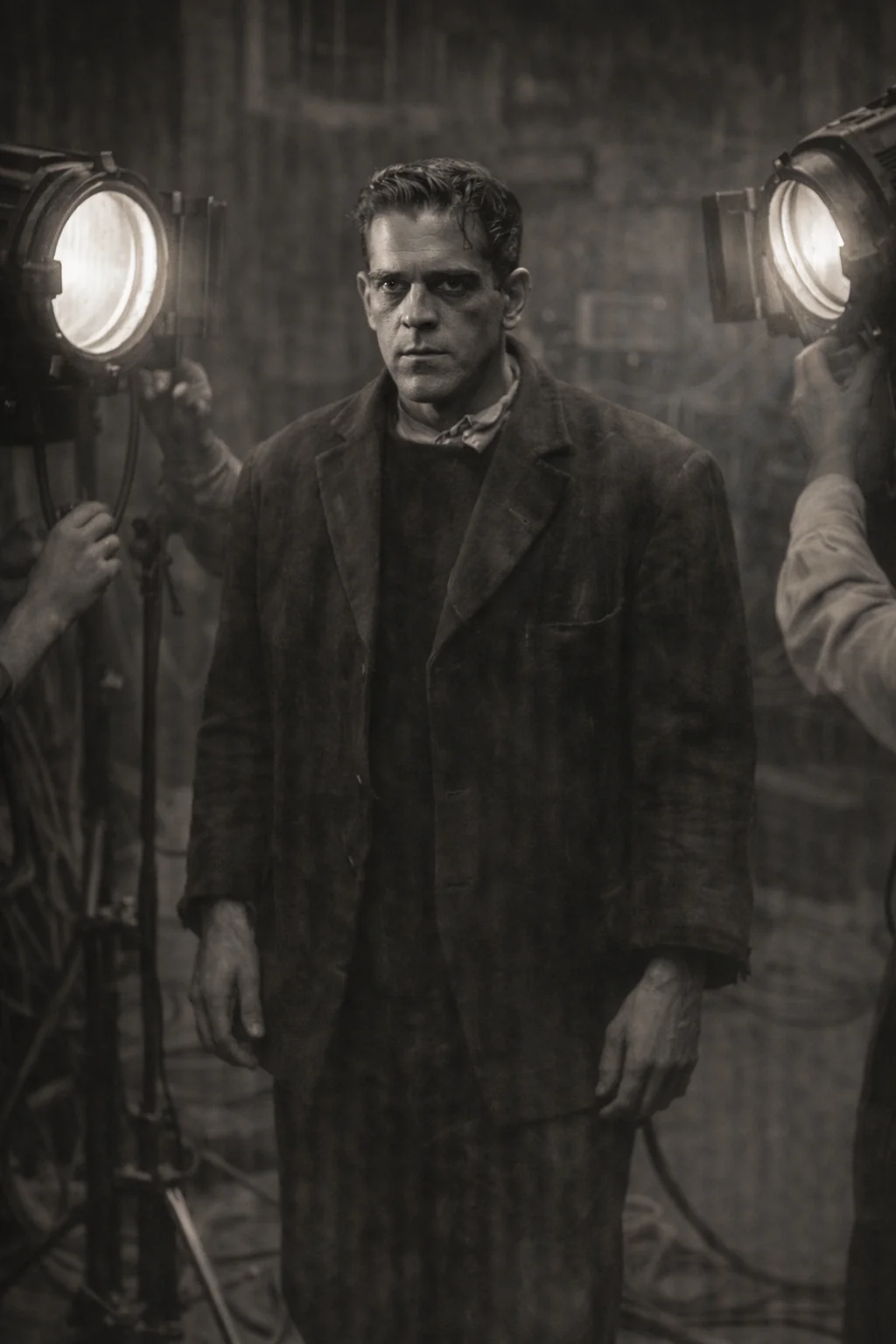
Karloff reached California and began working in films near the end of the 1910s. For more than a decade, he played small roles, many of them uncredited. He appeared as servants, sailors, soldiers, bandits, detectives, priests, and “exotic” characters based on the racial stereotypes common in Hollywood at the time.
His angular appearance brought employment but also confined him to secondary villains. Silent cinema could not make full use of his voice, and producers did not yet see him as a star.
By the time he appeared in Howard Hawks’s The Criminal Code in 1931, Karloff was already in his forties and had accumulated dozens of film appearances. His performance as the prisoner Galloway demonstrated that he could communicate menace and suffering without reducing the character to a caricature. Success did not suddenly discover an inexperienced stranger; it found a worker who had spent years waiting to be seen (Mank, 2009).
Universal Pictures was then preparing an adaptation of Frankenstein.
The Monster Without a Name
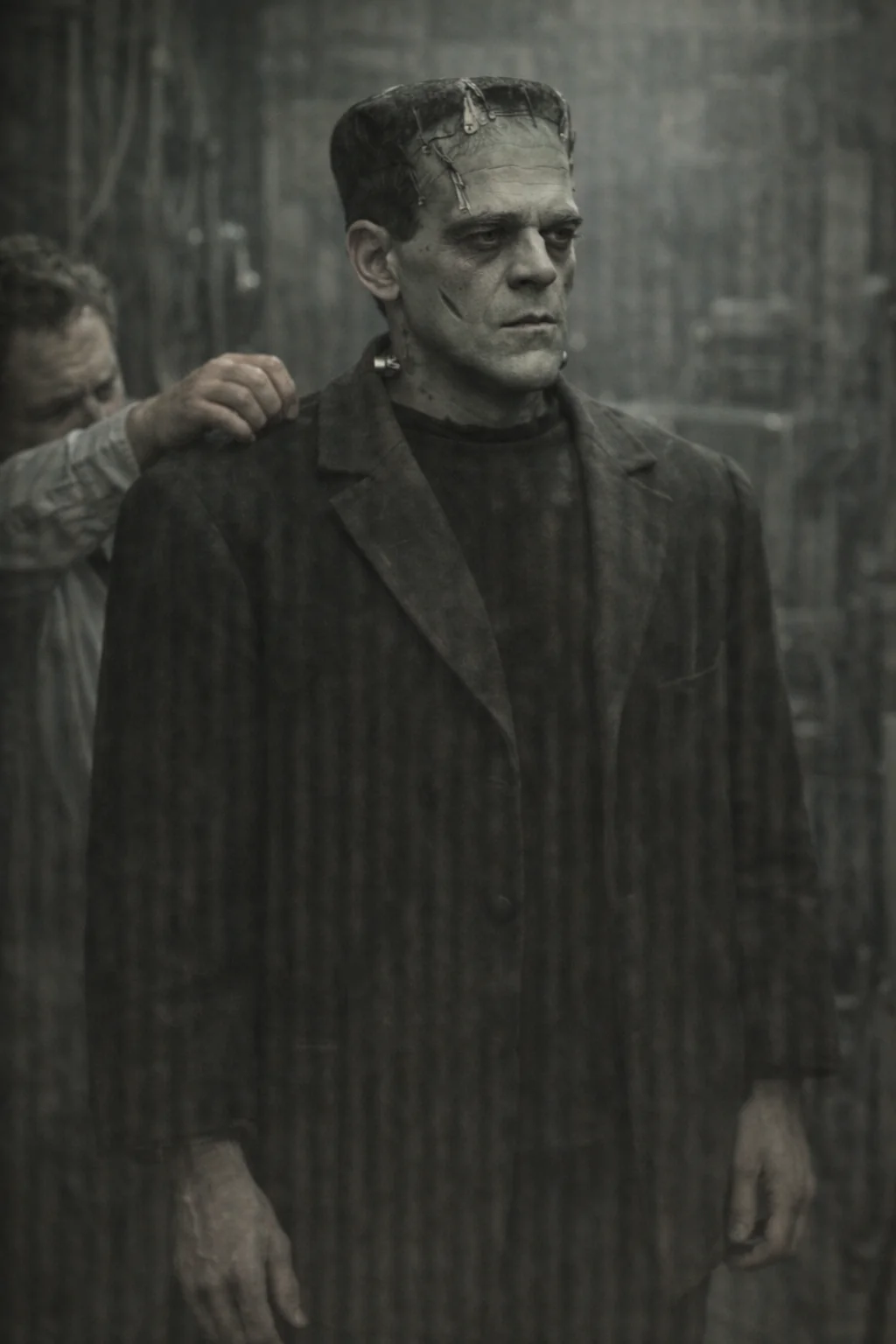
The film was directed by James Whale. Universal considered several possibilities for the creature before hiring Karloff, and the familiar story that Bela Lugosi simply rejected the role because it had no dialogue reduces a more complicated production history. Directors, concepts, and casting arrangements changed before the film assumed its final form.
Whale recognised that the actor’s face could be transformed without disappearing. Jack Pierce, head of Universal’s makeup department, was principally responsible for the makeup. The appearance developed through collaboration among Pierce, Whale, Karloff, and the production team, with contributions that later accounts do not always clearly separate (Vieira, 2003).
The flat forehead, scars, elongated skull, heavy eyelids, and electrodes in the neck did not come from Mary Shelley’s novel. They were cinematic decisions. Karloff endured a lengthy makeup session each day, heavy dark clothing, and platform boots that altered his walk.
The actor added crucial elements. He removed a dental bridge to make one cheek appear hollow and used his physical limitations to create stiff, uncertain, painful movement. He did not walk like a perfect machine but like a newly assembled body still learning how to exist (Skal, 1993).
In the opening credits, the performer playing the creature was identified only by a question mark. The closing credits identified Boris Karloff. Universal presented the monster as though it had emerged without an actor, identity, or human intervention.
The Gesture That Changed the Film
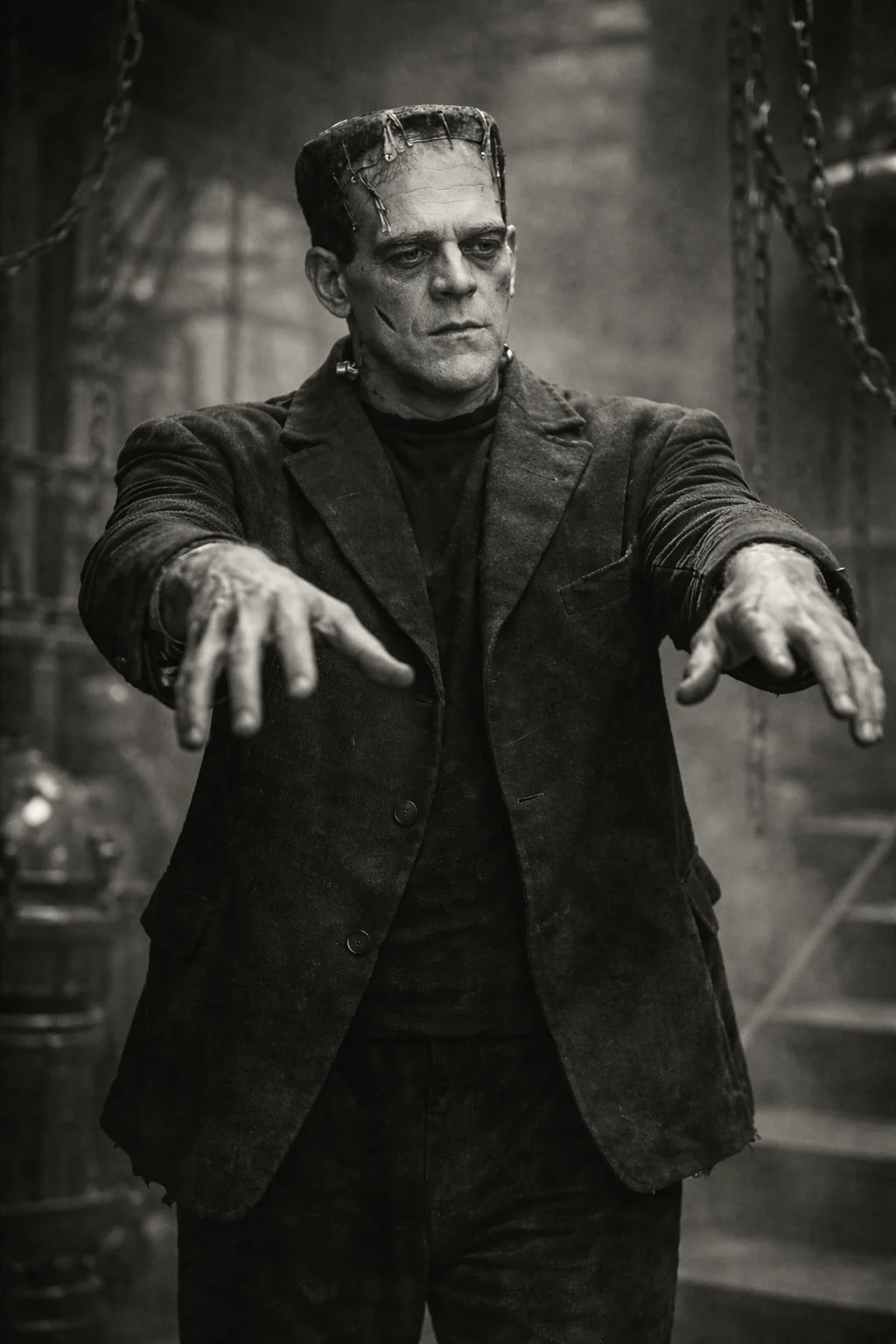
Karloff had almost no words. His performance depended upon his hands, eyes, the inclination of his head, and his breathing. In one of the film’s essential scenes, the creature encounters a little girl named Maria beside a lake. She is not afraid of him and teaches him to throw flowers into the water and watch them float.
When the flowers are gone, the monster tries to repeat the game with the girl. He throws her into the lake without understanding that she cannot float. Karloff expressed reservations about the action and reportedly preferred that the creature gently place her in the water, believing that throwing her suggested conscious violence inconsistent with the monster’s innocence. Whale retained the gesture, although part of the sequence was censored from numerous American prints (Lindsay, 1975).
The scene summarises Karloff’s interpretation. The creature is not born evil; it is born without language, education, or an understanding of death. Human beings abandon, chain, beat, and ultimately hunt it.
Audiences saw a terrifying face, but Karloff compelled them to look behind it.
A Star After Forty
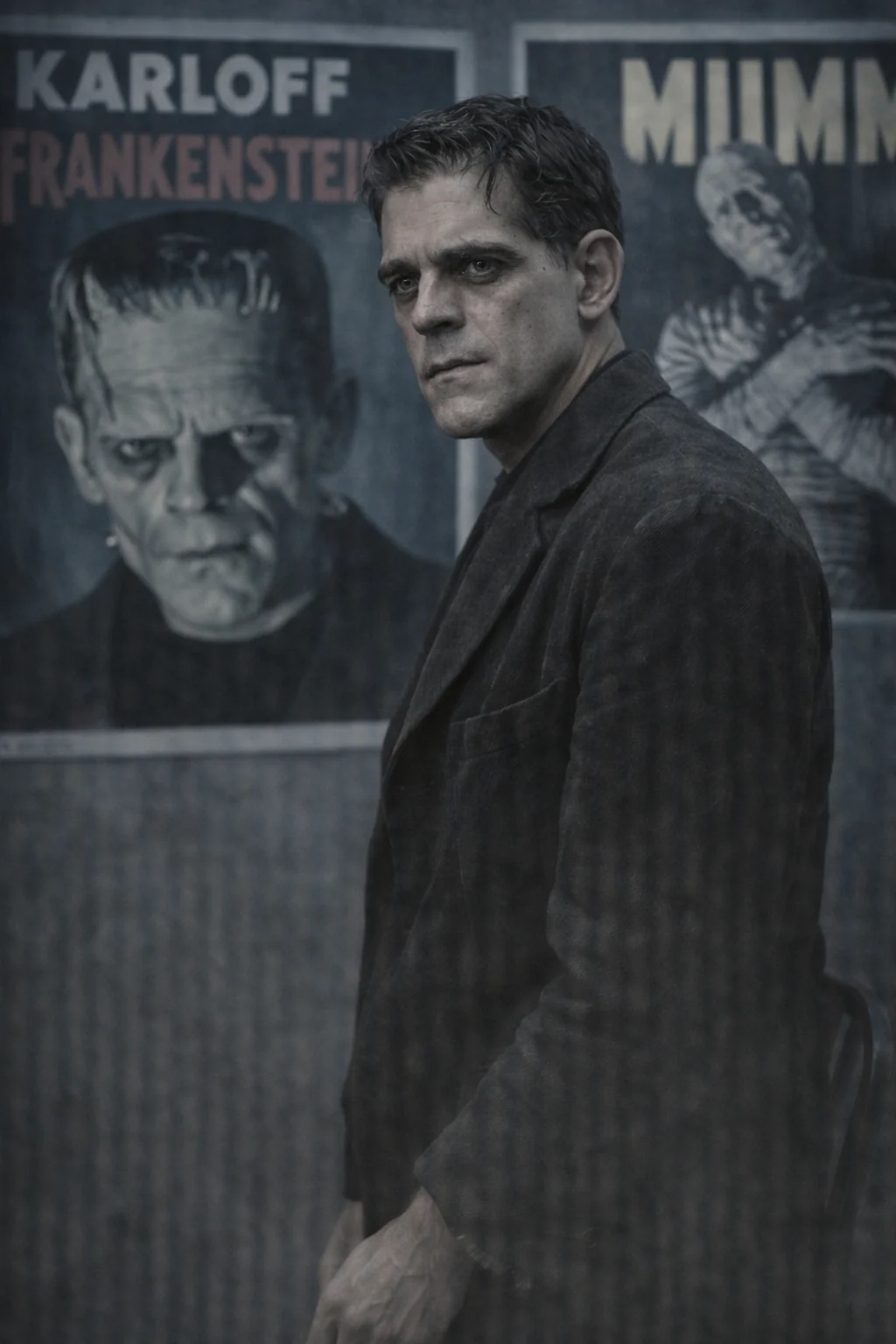
Frankenstein was released in 1931 and transformed the supporting actor into an international figure. Karloff was approaching his forty-fourth birthday when the film reached screens in November. The following year, he starred in The Mummy as Imhotep, an ancient Egyptian priest returned to life. Unlike Frankenstein’s monster, Imhotep spoke with hypnotic calm and could threaten without raising his voice.
Over the following years, Karloff appeared in essential Universal horror films, including The Old Dark House, The Black Cat, and The Raven. In Bride of Frankenstein in 1935, again directed by Whale, the creature acquired a few words and an even more painful awareness of its loneliness.
Karloff played the character for Universal one final time in Son of Frankenstein in 1939. He then stepped away. He understood that the role had made him a star but could also consume the rest of his career.
The monster continued wearing his face on posters, toys, costumes, and advertisements. The image became so dominant that many people began calling the creature “Frankenstein,” although in the novel that name belongs to the scientist who creates it.
The Actor Who Protected Other Actors
One of the lesser-known events in Karloff’s life occurred away from the screen. During the early sound era, studios could impose excessive working hours, restrictive contracts, and dangerous conditions. Performers possessed little collective power.
In 1933, Boris Karloff participated in the creation of the Screen Actors Guild, which sought to protect performers from abuses within the studio system. He served among its early leaders and risked his professional standing by supporting the organisation in its early years.
The decision had personal meaning. Karloff knew physical labour, employment insecurity, and exhausting film sets. During Frankenstein, the costume’s weight and the long working days aggravated his physical difficulties.
The man famous for portraying voiceless beings helped give actors a collective voice.
The Monster Enters the Theatre
Karloff never completely abandoned the stage. In 1941, he originated the role of Jonathan Brewster in the Broadway comedy Arsenic and Old Lace. Brewster is a criminal whose face has been surgically altered and who becomes enraged whenever someone says he resembles Boris Karloff.
The joke worked because Karloff himself was playing the role. He could not appear in the 1944 film adaptation because the theatrical producers refused to release him: his presence was essential to the play’s continuing success. Raymond Massey replaced him in the film, although the script retained the jokes about Karloff.
The role demonstrated that the actor could mock his own image. He did not attempt to escape the monster; he learned to live with it and transform it into comedy.
He also received theatrical acclaim for The Lark, opposite Julie Harris, and played Captain Hook in a musical production of Peter Pan. His career extended far beyond screen horror, although no other role completely escaped the shadow of the square forehead.
The Grinch and a Confusion That Continues
In 1966, Karloff narrated the animated television special How the Grinch Stole Christmas! and voiced the Grinch. His tone could sound sinister, ironic, or unexpectedly warm, allowing the character to move from misanthrope to redeemed figure without losing credibility.
A common misconception also credits Karloff with singing “You’re a Mean One, Mr. Grinch.” The singer was Thurl Ravenscroft, whose name did not appear in the original credits. Karloff narrated and acted; Ravenscroft sang.
The recording associated with the programme received a Grammy in 1969 for Best Recording for Children, giving Karloff one of the most unusual honours of his career. The former screen monster had reached a new generation through a Christmas story (Nollen, 1991).
The Terrifying Face and the Man Who Wore It
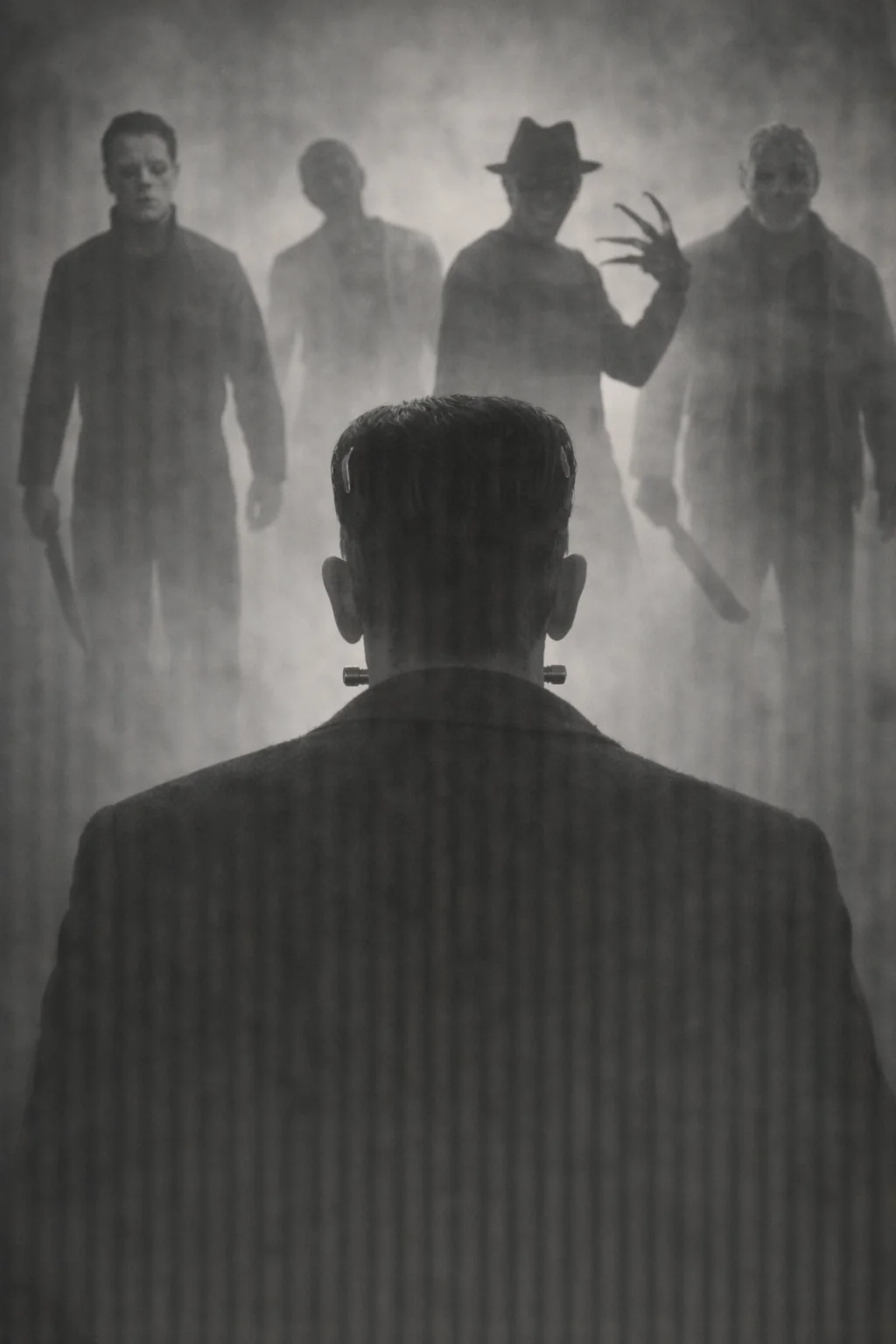
People who worked with Karloff repeatedly described a courteous, punctual, and generous professional. He did not cultivate a sinister personality away from the stage. He supported charitable activities, visited children’s hospitals, and understood that children could separate actor from character with surprising ease.
That distinction strengthened his approach to horror. Karloff did not treat monsters merely as devices for producing screams. He searched for their sadness, isolation, and the human actions that had turned them into threats.
In later films such as The Body Snatcher, produced by Val Lewton in 1945, he proved that he could create terror through intelligence, conversation, and a controlled smile. In Targets, released in 1968 and directed by Peter Bogdanovich, he played Byron Orlok, an ageing horror star who recognises that Gothic monsters seem outdated beside modern violence.
Karloff made the film while suffering from serious respiratory illness. He required oxygen between scenes but preserved the precision of his voice and the character’s dignity.
The Final Years
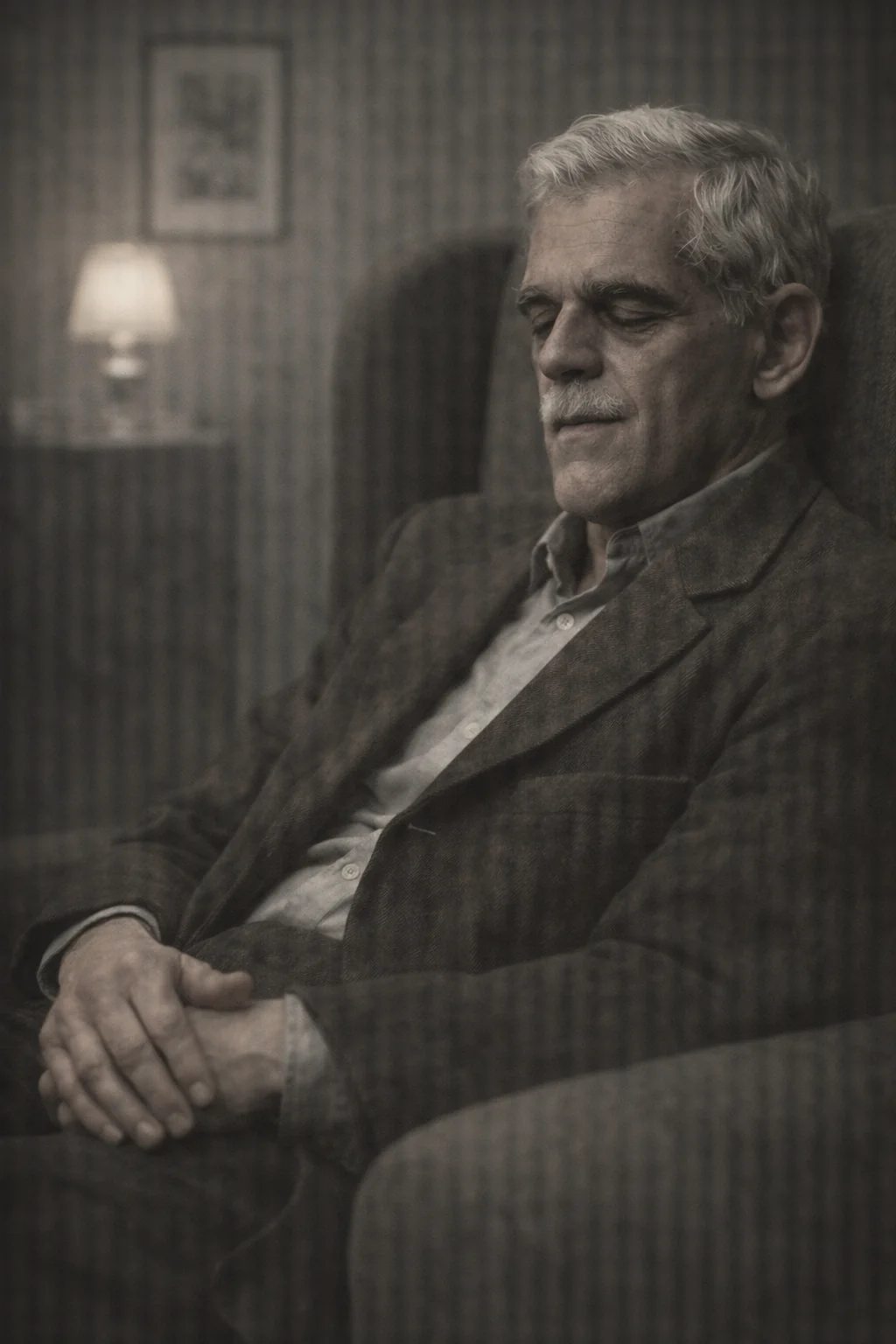
The actor’s health declined because of emphysema, bronchitis, and accumulated physical problems. He continued working in film, television, and recordings even when he needed a wheelchair or oxygen away from the camera.
He died on 2 February 1969 in Midhurst, England, at the age of eighty-one, after contracting pneumonia. He left more than two hundred film and television appearances, as well as extensive theatrical and radio work.
He did not need to die young to become a myth. His face had entered collective memory long before his death.
The Face That Forced Us to Feel
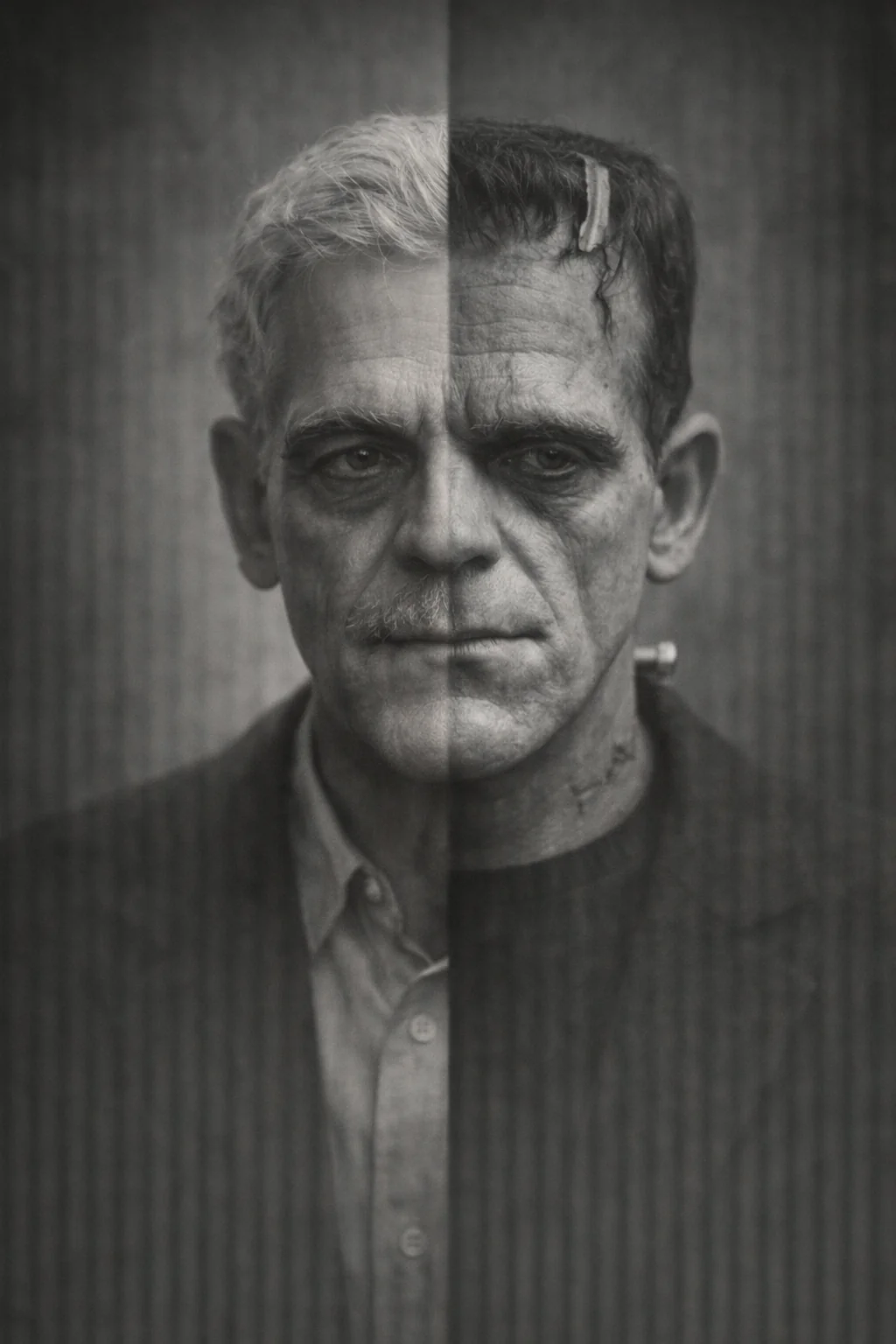
Boris Karloff belongs among the faces that invented cinema because he understood that the close-up could transform a mask into a consciousness. Beneath layers of makeup, he communicated fear, confusion, curiosity, and abandonment.
Jack Pierce helped create the surface. James Whale constructed the visual world. Mary Shelley had imagined the creature. Karloff taught it how to look.
His monster never asked to be born and never fully understood why everyone hated him. That silent question transformed a horror film into something deeper: a story about cruelty toward those who appear different.
Cinema gave Boris Karloff the face of a nightmare. He answered by giving the nightmare a soul.
References
- Lindsay, C. (1975). Dear Boris: The life of William Henry Pratt, a.k.a. Boris Karloff. Knopf.
- Mank, G. W. (2009). Bela Lugosi and Boris Karloff: The expanded story of a haunting collaboration. McFarland.
- Nollen, S. A. (1991). Boris Karloff: A critical account of his screen, stage, radio, television, and recording work. McFarland.
- Skal, D. J. (1993). The monster show: A cultural history of horror. W. W. Norton.
- Vieira, M. A. (2003). Hollywood horror: From Gothic to cosmic. Harry N. Abrams.
- Library of Congress. (n.d.). Complete National Film Registry listing. View source
More from this collection
Ben Turpin: The Man Who Turned an Impossible Gaze into Cinematic Language
Read story →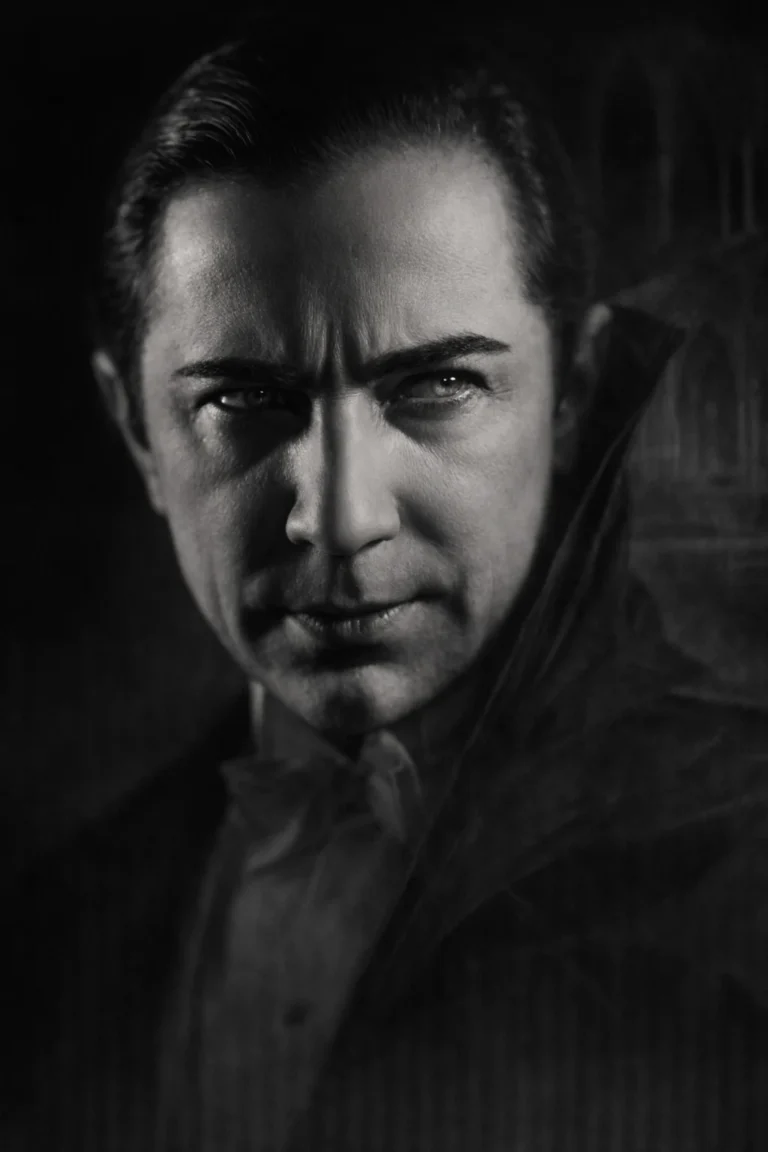
Bela Lugosi: The Man Imprisoned Inside Dracula
Read story →