In this storyOpen index
Benny Moré: The Voice That Conducted an Orchestra Without Reading Music
From Mexico to the Banda Gigante: the musical ear, collaborators and recordings behind the Wildman of Rhythm.
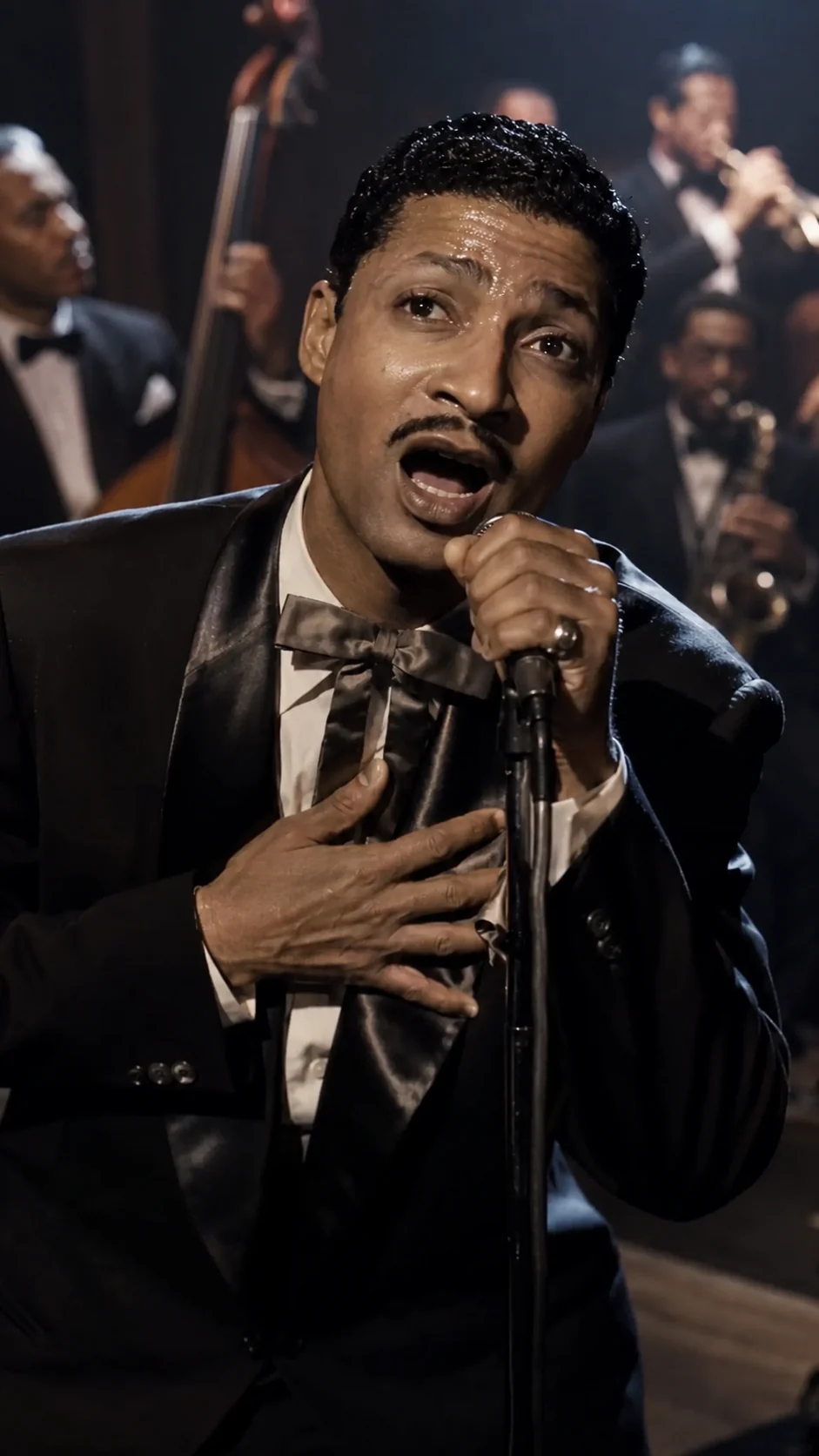
He could not read music, yet he could hear an entire orchestra inside his head.
Beny Moré sang the saxophone lines to his arrangers, imitated trumpet entrances with his voice, marked breaks by moving his baton and corrected musicians when a note did not match what he had imagined. He could turn a bolero into an intimate confession and, minutes later, lead a son montuno powerful enough to bring hundreds of people to their feet.
His voice achieved fame in Mexico, but he returned to Cuba to build his own orchestra. He called it the Banda Gigante and conducted it by ear.
He died at forty-three after performing when his body could barely sustain him. Behind the legend of the spontaneous and joyful singer were poverty, racism, alcohol, illness and an obsession with proving that a Black man born among sugarcane fields could lead the most powerful orchestra in Cuban popular music.
His career joined musical intuition with the collective skill of arrangers and instrumentalists. His early death in 1963 left a legacy that extends from intimate boleros to the energy of the Cuban big band.
Benny Moré
A voice and its orchestra
Anabacoa · 1949
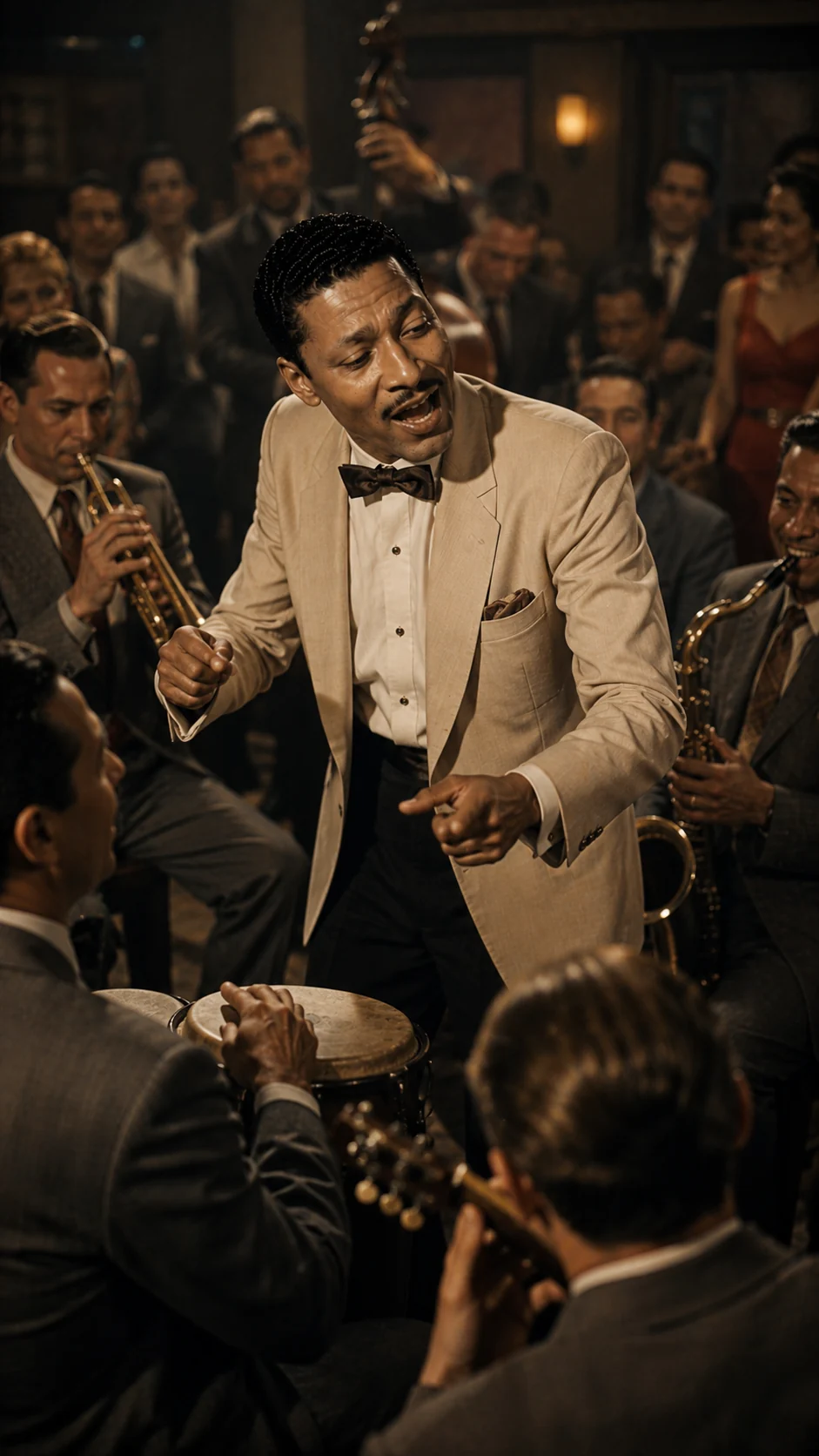
Florida International University preserves a digitized selection from Benny Moré’s discography in the Díaz-Ayala Collection. Its record for “Anabacoa” identifies a 1949 Mexican recording with Pérez Prado’s orchestra, issued by Victor as 23-5737. The collection offers a short audio excerpt alongside catalog information. This is an opportunity to hear the relationship between singer and orchestra rather than relying only on biographical anecdotes. The accompanying illustration is an artistic recreation, not a photograph of the recording session.
The eldest of eighteen children
Bartolomé Maximiliano Moré Gutiérrez was born on August 24, 1919, in the Pueblo Nuevo neighborhood of Santa Isabel de las Lajas, now part of Cienfuegos Province. He grew up in a large and poor Afro-Cuban family; different accounts identify him as the eldest of eighteen children.
Music surrounded him in family celebrations, rural festivities and Afro-Cuban traditions. Beny never attended a conservatory or received systematic academic training. He learned by listening.
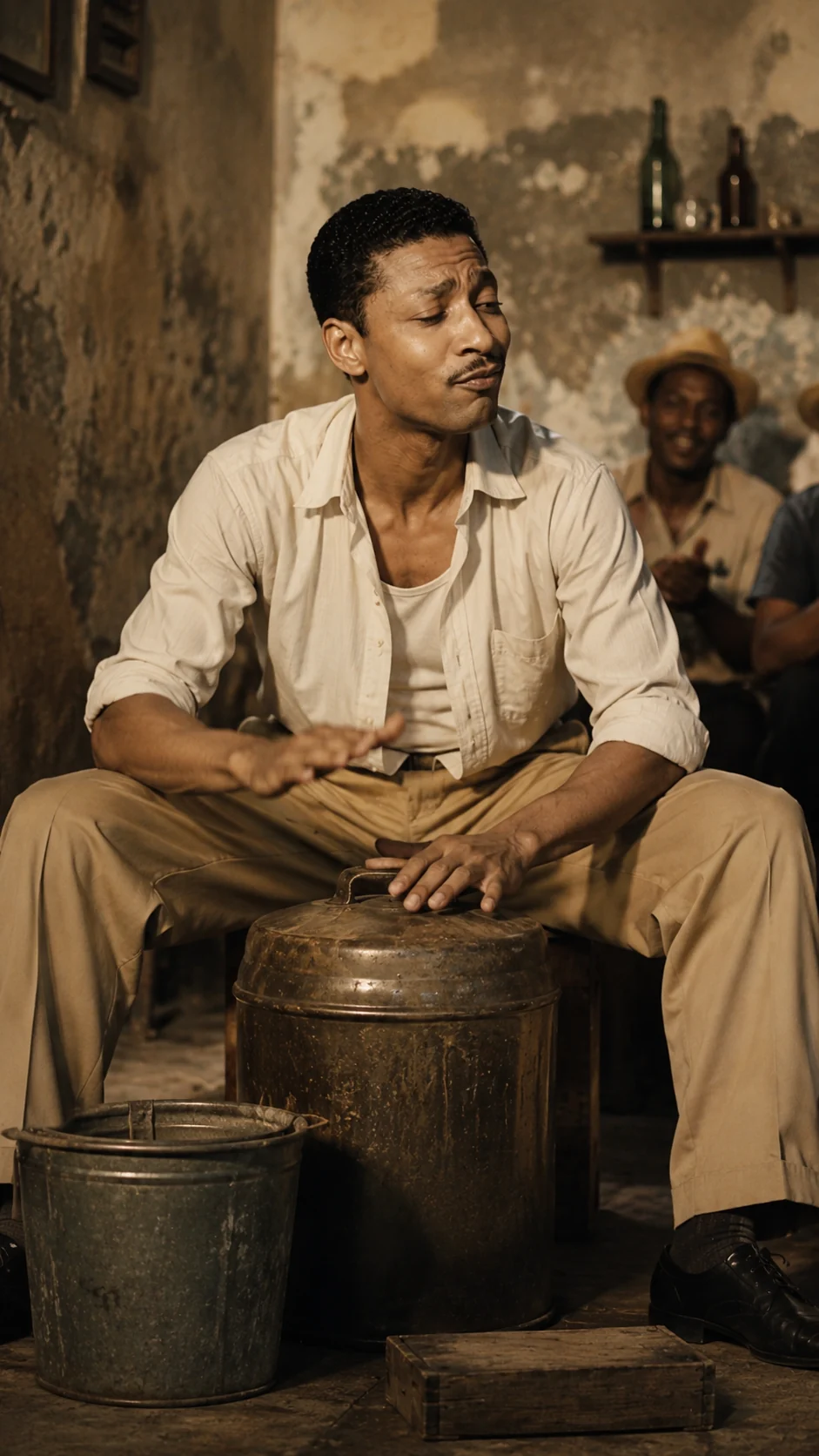
A widely repeated family story says that as a child he constructed a primitive guitar from a board and a tin can. He later performed agricultural work and cut sugarcane to earn enough money to purchase a real instrument.
The image of a child building his first guitar is appealing, but the exact materials matter less than the essential fact: his musical education occurred outside formal institutions, among laborers, local ensembles, radio programs, dances and popular musicians.
This education produced an extraordinary auditory memory. He could not explain a chord through written notation, but he knew when it sounded wrong.
Arriving in Havana without guarantees
As a young man, he traveled to Havana in search of opportunities. The capital did not greet him as a future star. He survived by selling fruit, medicinal herbs and other goods in the streets while attempting to sing in bars and small venues.
He joined modest groups and entered amateur radio contests. Radio was one of the principal ways an unknown singer could be heard, but it was also fiercely competitive and sometimes humiliating. Not all his early appearances went well, and some accounts claim that he was rapidly eliminated from a contest at station CMQ.
Defeat did not send him permanently back to Las Lajas. He continued singing wherever anyone allowed him to perform.
His decisive opportunity came when Siro Rodríguez of the Trío Matamoros heard him. Miguel Matamoros needed a substitute vocalist for a performance, and Beny joined the ensemble. The combination succeeded: his voice could carry the group’s sons and guarachas while also improvising without disrupting their musical structure.
In 1945, he traveled to Mexico with the Conjunto Matamoros. When the other musicians returned to Cuba, he chose to remain.
Mexico invented Beny
In Mexico, Bartolomé Moré stopped being merely an accompanying singer and began constructing the figure of Beny Moré.
Several versions explain his stage name. One says Rafael Cueto advised him to abandon “Bartolo” because the name could be used mockingly in Mexico. Another connects Beny with his admiration for American clarinetist Benny Goodman. It has also been said that his Mexican wife, Juana Bocanegra, helped him choose it.
The evidence is insufficient to declare any single version definitive. What is certain is that he began performing as Beny Moré—also spelled Benny Moré—and the name became inseparable from his voice.
At first, he struggled to secure legal permission to work and support himself. He sang with Lalo Montané in the so-called Dueto Fantasma and collaborated with several orchestras. His fortunes changed when he began recording for RCA Victor with major bandleaders.
One of them was Dámaso Pérez Prado.
The voice that could survive the mambo
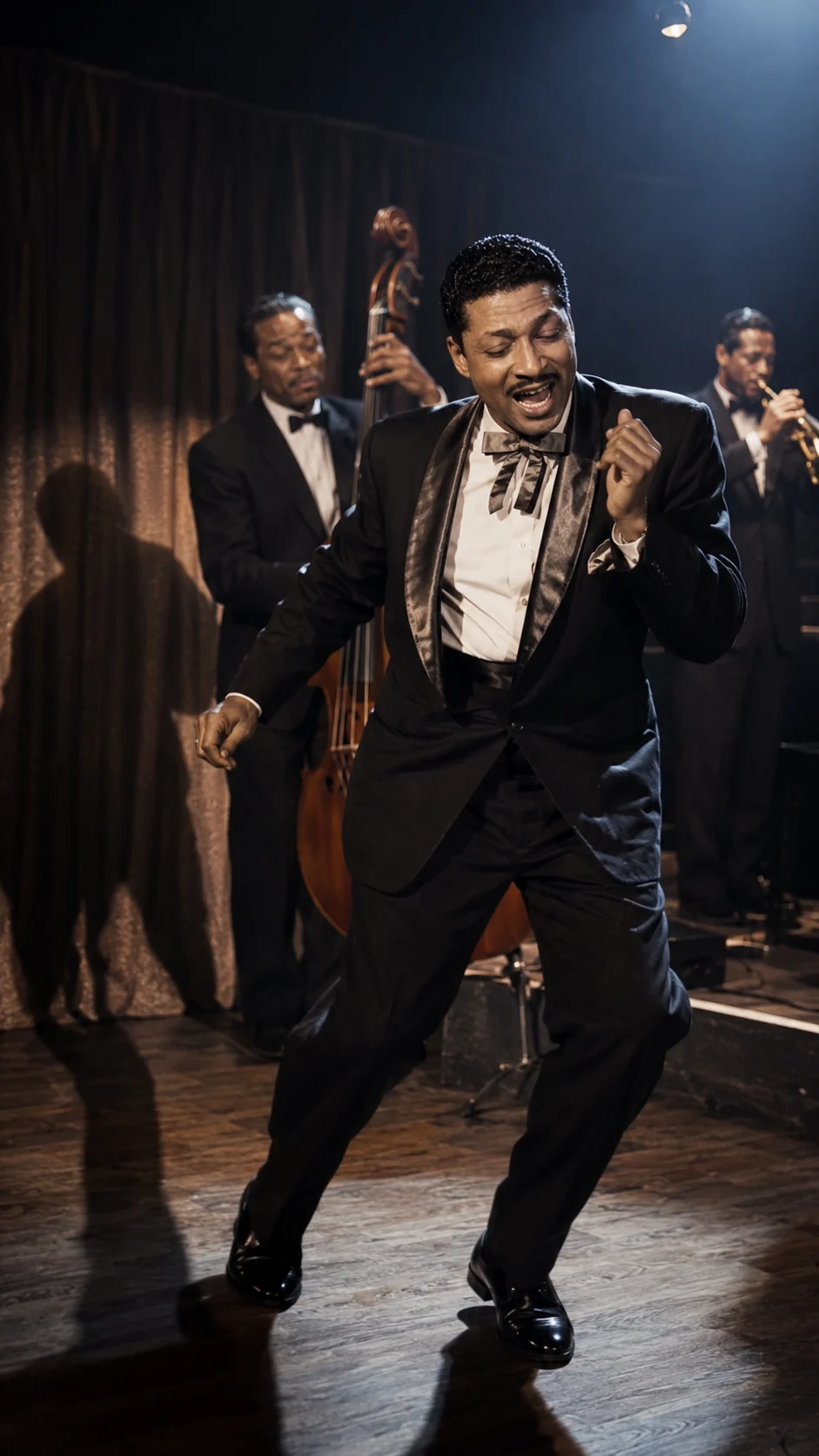
Pérez Prado was developing an explosive sound built from aggressive brass, syncopation, abrupt silences and vocal cries. His arrangements could overwhelm an ordinary singer. Beny found spaces within them.
Together they recorded numbers including “Anabacoa,” “Pachito Eché,” “Rabo y oreja,” “La múcura” and “Dolor carabalí.” Moré’s voice did not simply compete with the orchestra. It moved above it, anticipated the rhythm, held it back and then entered precisely where it belonged.
He also recorded “Bonito y sabroso” with Rafael de Paz’s orchestra. The composition celebrated the musical relationship between Mexico and Cuba and became one of his defining performances.
Mexico gave him recording studios, stages, film appearances and an international audience. He learned how large orchestras functioned. He observed Pérez Prado’s rehearsals, the organization of instrumental sections and the transformation of an arrangement into a spectacle.
He did not learn to read scores. He learned something different: how to listen from inside an orchestra.
Returning when he could have stayed
He returned to Cuba in 1950, according to the biographical chronology preserved by Florida International University Libraries.
He came home with international prestige but without artistic independence. He sang with the orchestras of Mariano Mercerón, Bebo Valdés and Ernesto Duarte. With Valdés, he helped introduce the batanga, a new rhythm designed to unite Afro-Cuban percussion, big-band sonorities and jazz techniques.
Beny was now a recognized figure, but he still depended on other directors, contracts and ensembles.
His association with Ernesto Duarte ended following an incident involving racial discrimination. Accounts differ on the details. Some state that an establishment refused to admit or present Beny because he was Black; others say Duarte employed white musicians for particular venues where racist restrictions operated.
Biographical accounts associate the separation with racial discrimination, although their details differ. It belongs to the period in which Moré sought greater artistic independence (Radanovich, 2009).
The Banda Gigante
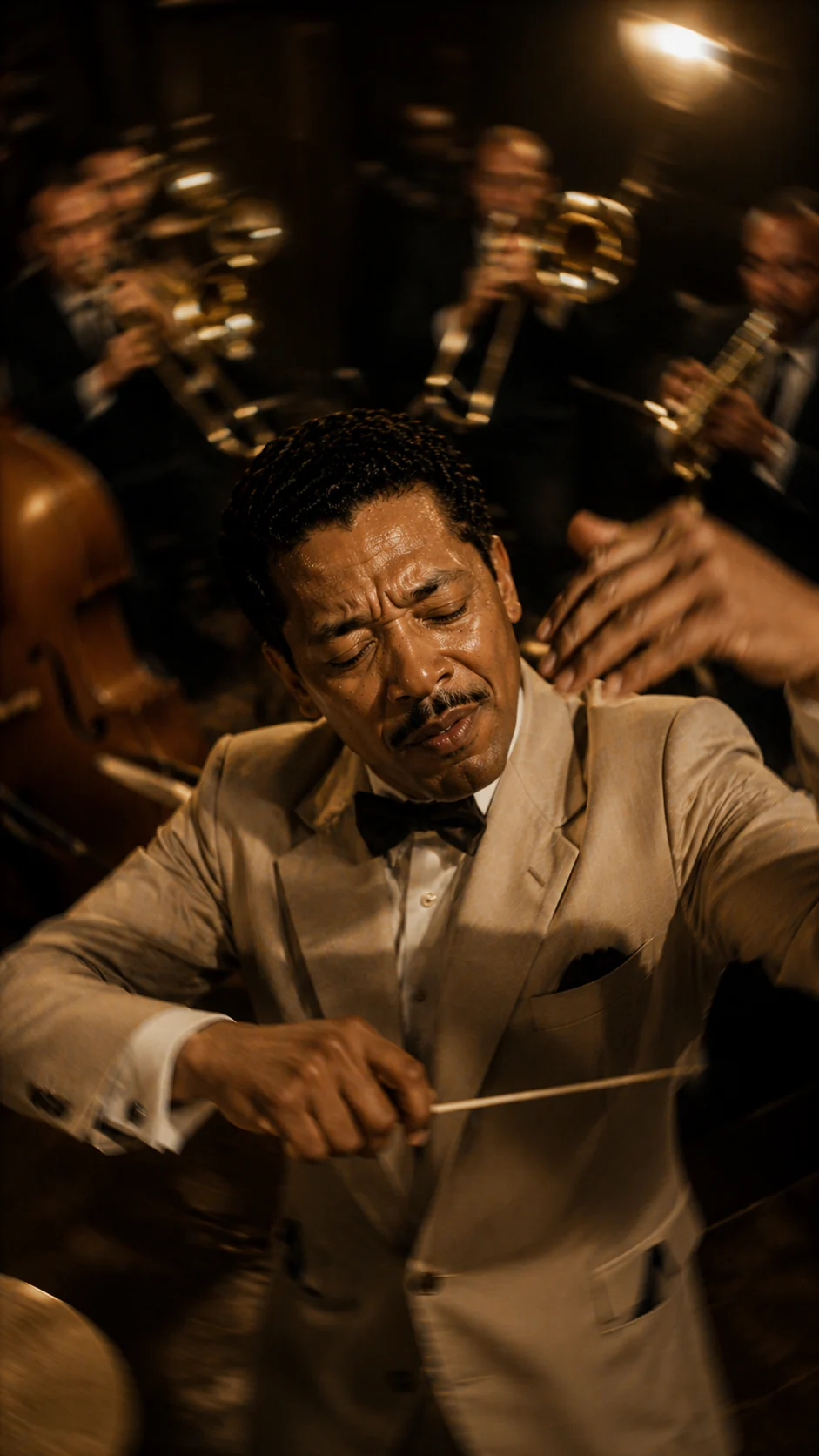
In 1953, he established the Banda Gigante de Beny Moré, which he affectionately called “La Tribu”—the Tribe. The ensemble combined saxophones, trumpets, trombone, piano, bass and a powerful rhythm section. Its musicians and arrangers included figures such as Generoso Jiménez, Ignacio Cabrera “Cabrerita” and Pedro Jústiz “Peruchín.”
Beny did not write arrangements on music paper. He sang every part.
He could vocalize a saxophone line, indicate a brass attack, alter the tempo and describe the chorus responses. His arrangers translated those instructions into notation. During performances, he used his body, his voice and a baton to signal entrances, pauses and transitions.
This method did not mean that the orchestra lacked discipline. The musicians needed complete command of the repertoire and constant attention to every gesture in order to respond.
The Banda Gigante appeared on CMQ radio in August 1953. Within a few years, it had become one of Cuba’s most popular orchestras.
The man who could not read a score had learned to lead those who could.
A voice for nearly every genre
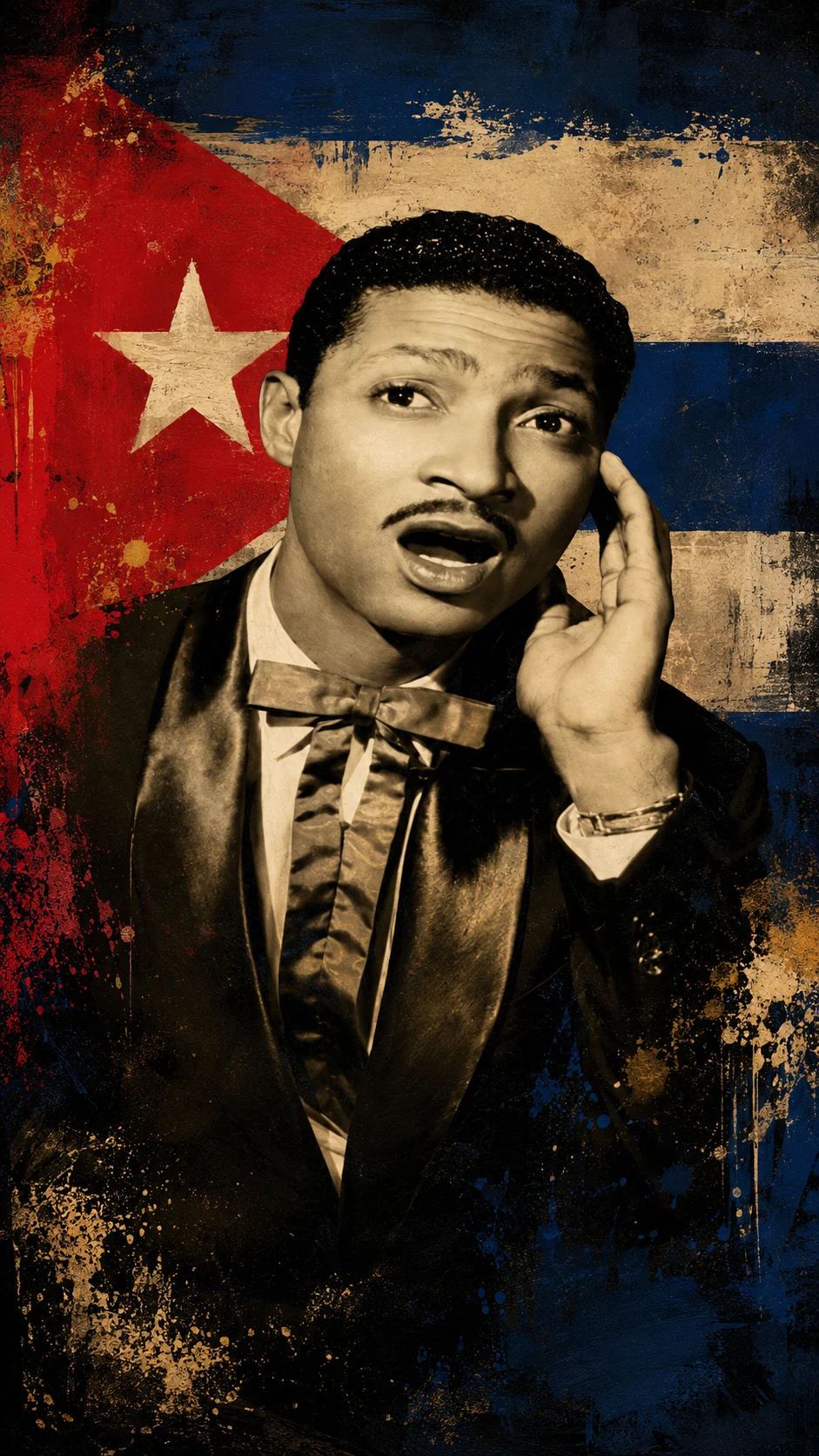
Beny was more than a mambo singer or big-band leader. His exceptional quality lay in his range.
In son montuno, he improvised verses and conversed with the chorus. In guaracha, he used humor, speed and mischief. In mambo, he penetrated the brass without losing clarity. In bolero, he reduced his power and turned his voice into a painful conversation.
Performances such as “Cómo fue,” “Hoy como ayer,” “Oh vida,” “Conocí la paz,” “No puedo callar” and “Amor fugaz” reveal a different phrasing from his dance numbers. He did not need impossible high notes. He altered the timing of a word, held a syllable or left a silence that seemed to complete the lyric.
He also composed songs including “Bonito y sabroso,” “Santa Isabel de las Lajas,” “Dolor y perdón,” “Qué bueno baila usted” and “Dolor carabalí.”
His mastery of soneo—vocal improvisation within the son tradition—allowed him to respond to the room, the dancers and the musicians themselves. Every performance could modify what had been rehearsed.
Recordings therefore preserve only part of the phenomenon. The other Beny emerged live, when he made a familiar song sound as if it were happening for the first time.
What a recording lets us hear
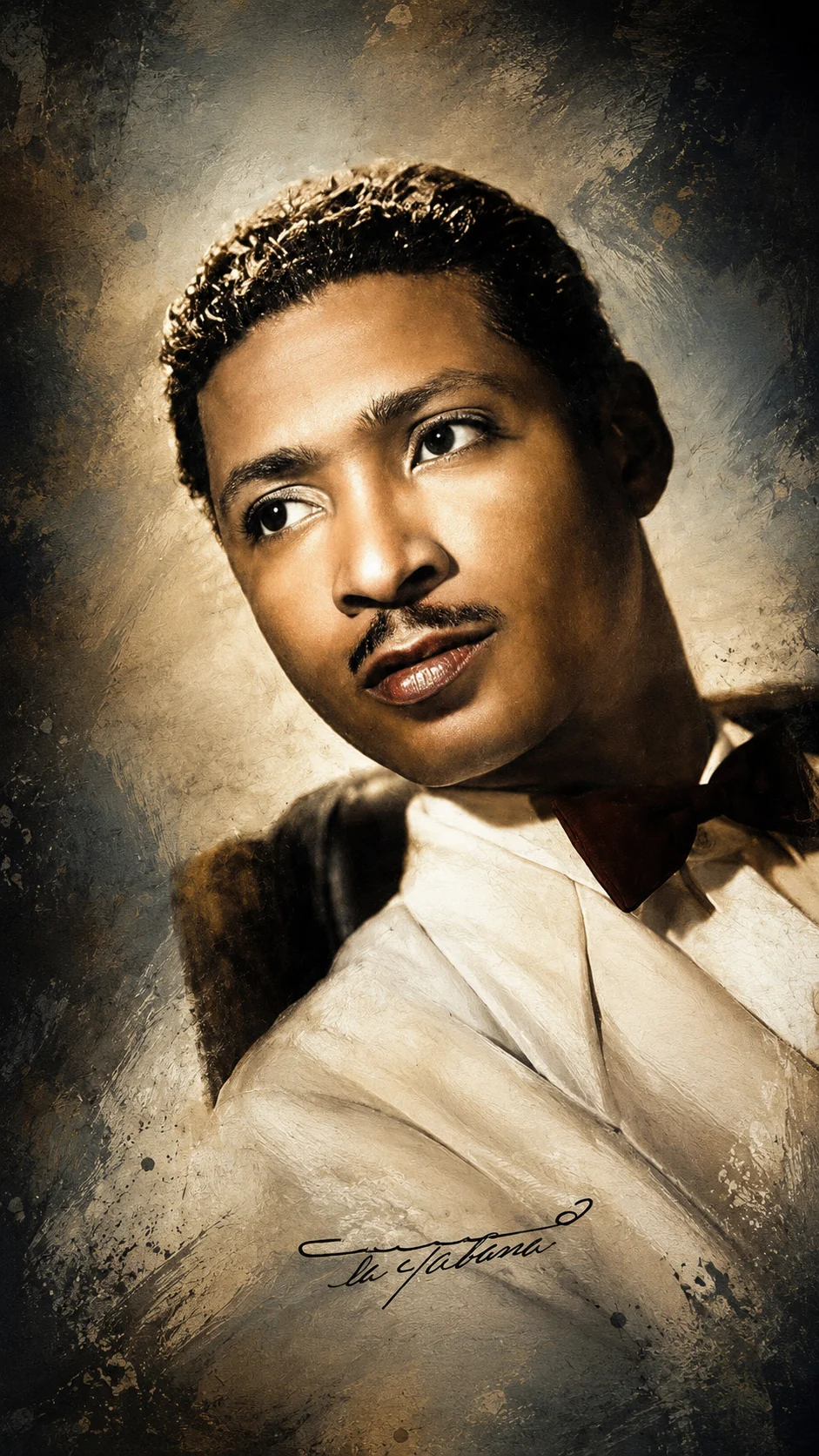
A useful way to understand Moré is to listen for the relationship between his voice and the ensemble. In “Anabacoa,” recorded with Pérez Prado in Mexico in 1949, the singer works within a tightly organized instrumental texture. The archival record identifies the orchestra, label and recording year.
That evidence offers a firmer starting point than anecdotes about an inspiration suddenly arriving onstage. A short recorded passage allows the listener to follow an entrance, a rhythmic response or a shift in vocal emphasis.
Improvisation and written arrangements are not opposites. In Moré’s career, they were complementary resources: his ear and his musicians’ technical knowledge helped turn an individual idea into a collective sound.
The legend of the man who rejected millions
After the Cuban Revolution succeeded in 1959, many artists left the island while others remained. Beny stayed in Cuba and continued performing with his band.
Stories later circulated that he received enormous offers to settle permanently in Mexico or the United States and rejected them because he could not live away from Cuba. His attachment to the island—and especially to Santa Isabel de las Lajas—is thoroughly documented. The exact amounts and some conversations attributed to foreign promoters are much harder to verify.
Those offers need no exaggeration for his decision to make sense. Mexico had been crucial to his career, but Cuba was the emotional center of his repertoire. He sang about specific cities, neighborhoods and landscapes: Cienfuegos, Manzanillo, Santiago, Havana and his native Lajas.
Remaining in Cuba also does not automatically make Beny a spokesman for every political decision of the new government. He died in 1963, while the Revolution was still in its early years. His image was later incorporated into official cultural heritage, but his music had emerged earlier and belonged to audiences both inside and outside the island.
The body that could no longer follow the voice
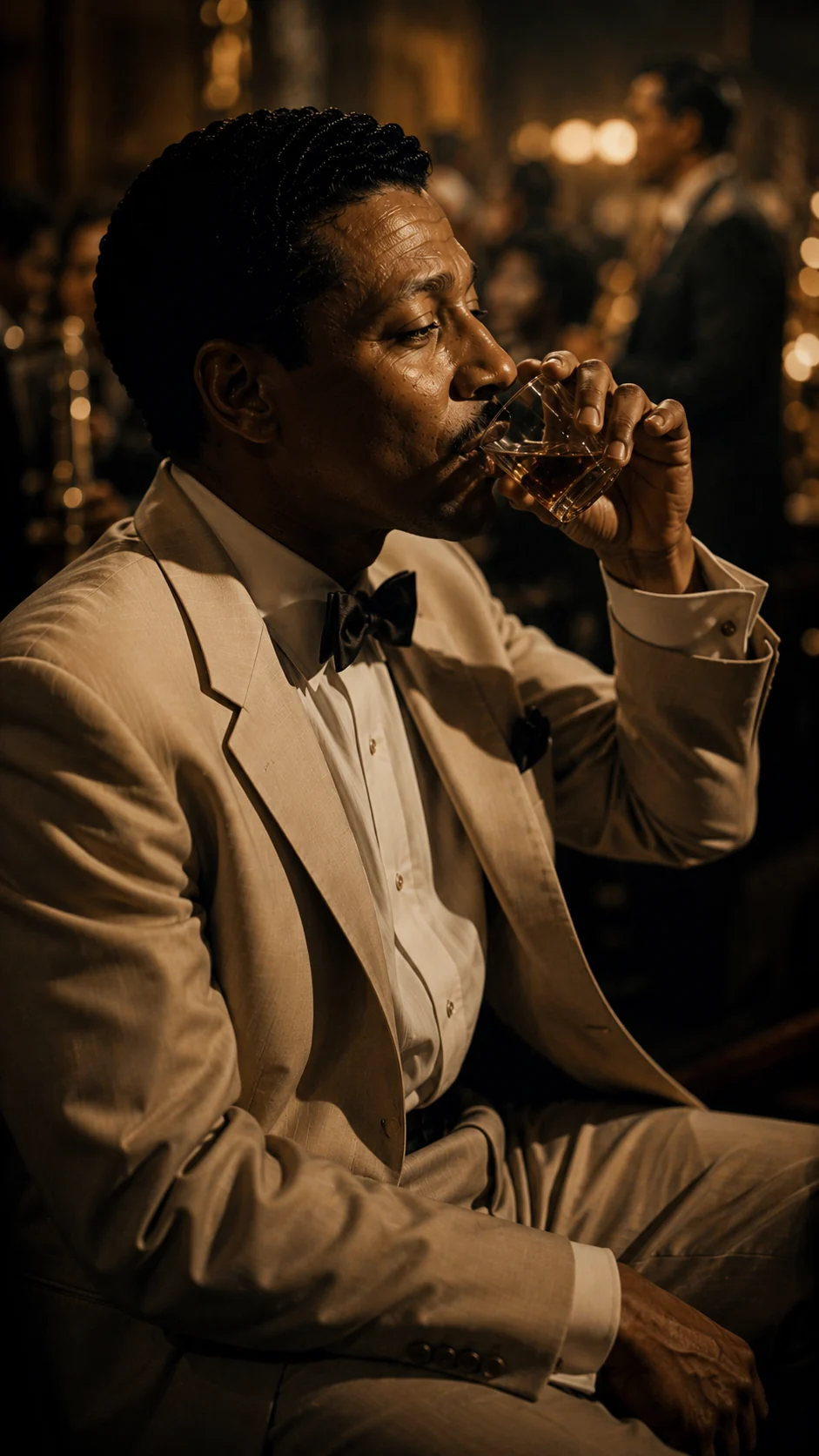
Moré’s health deteriorated after years of heavy drinking, and biographical accounts describe cirrhosis. He continued performing during his final illness.
His last engagement is generally associated with Palmira in February 1963. Accounts differ on the precise date and the sequence of his final journey. These details should not turn serious illness into a heroic obligation to keep working.
He died in Havana on February 19, 1963, aged forty-three. His musical achievements do not require romanticizing the circumstances of his death.
A funeral that became a multitude
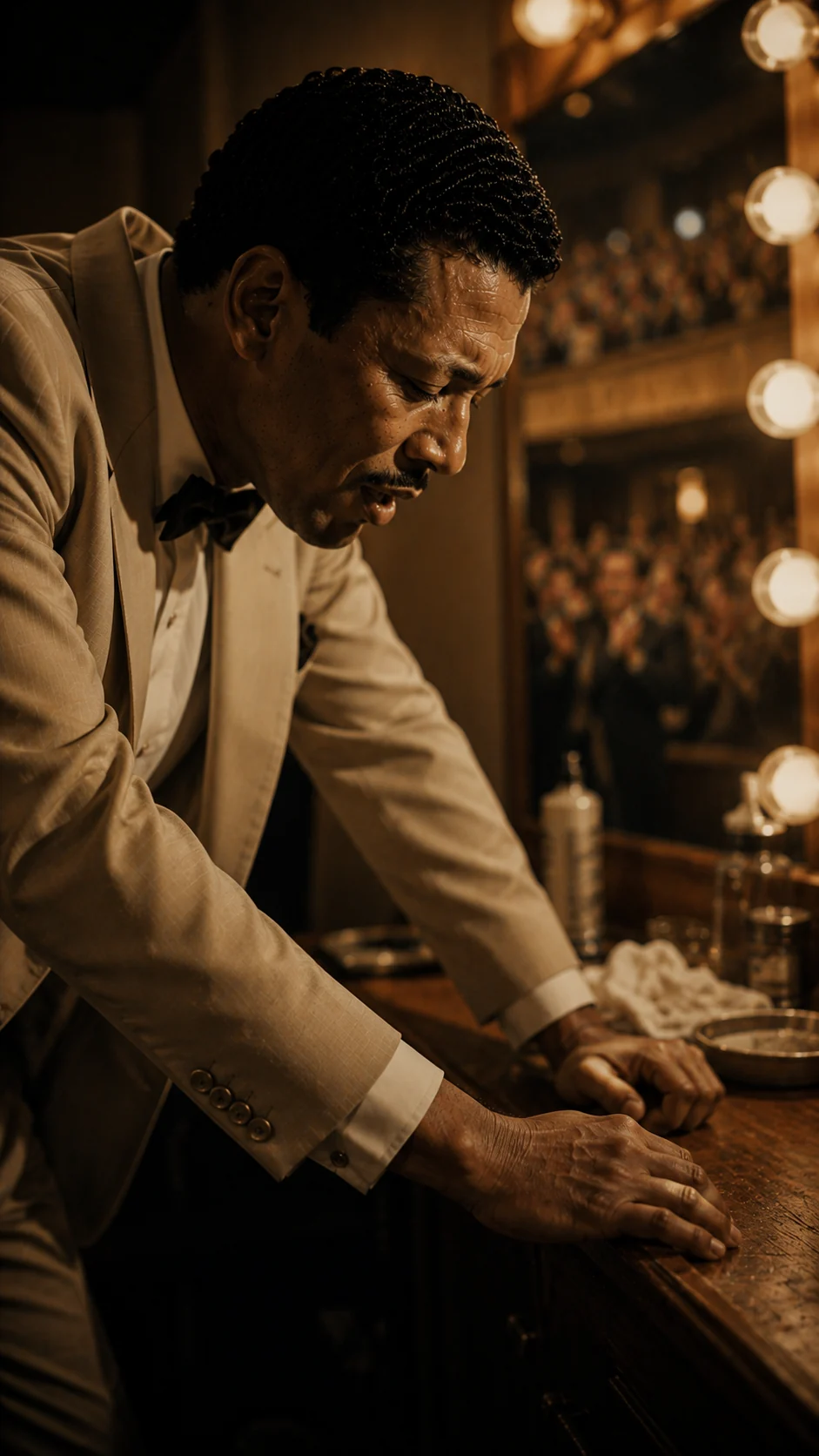
Beny’s body was returned to Santa Isabel de las Lajas. Along the route, people emerged to say goodbye. Thousands joined the funeral, and his burial became a public expression of grief.
More than a celebrity had died. Cuba had lost a voice in which remarkably different groups could recognize themselves.
Beny represented the rural worker who reached the city, the Black musician who led others within a society marked by racism, the migrant who succeeded in Mexico and the artist who returned to build something of his own.
His brief life helped unite two structures sometimes treated as opposites: the spontaneity of the sonero and the precision of the big band.
The man behind the nickname
“El Bárbaro del Ritmo”—the Wildman of Rhythm—suggests uncontrolled force. His music reveals exactly the opposite.
Beny controlled time. He knew when to move ahead, when to delay a word and when to let the orchestra explode behind him. His apparent freedom rested on a rigorous understanding of musical structure.
His inability to read notation did not mean ignorance of music. It meant that he processed music through another system: memory, hearing, voice, movement and experience.
He was also contradictory. He could be generous and authoritarian, disciplined with his orchestra and destructive toward his body. The joy he communicated onstage coexisted with an illness advancing in silence.
He sang against many shadows: childhood poverty, racism, dependence upon other bandleaders and the possibility of being remembered merely as a voice without musical authority.
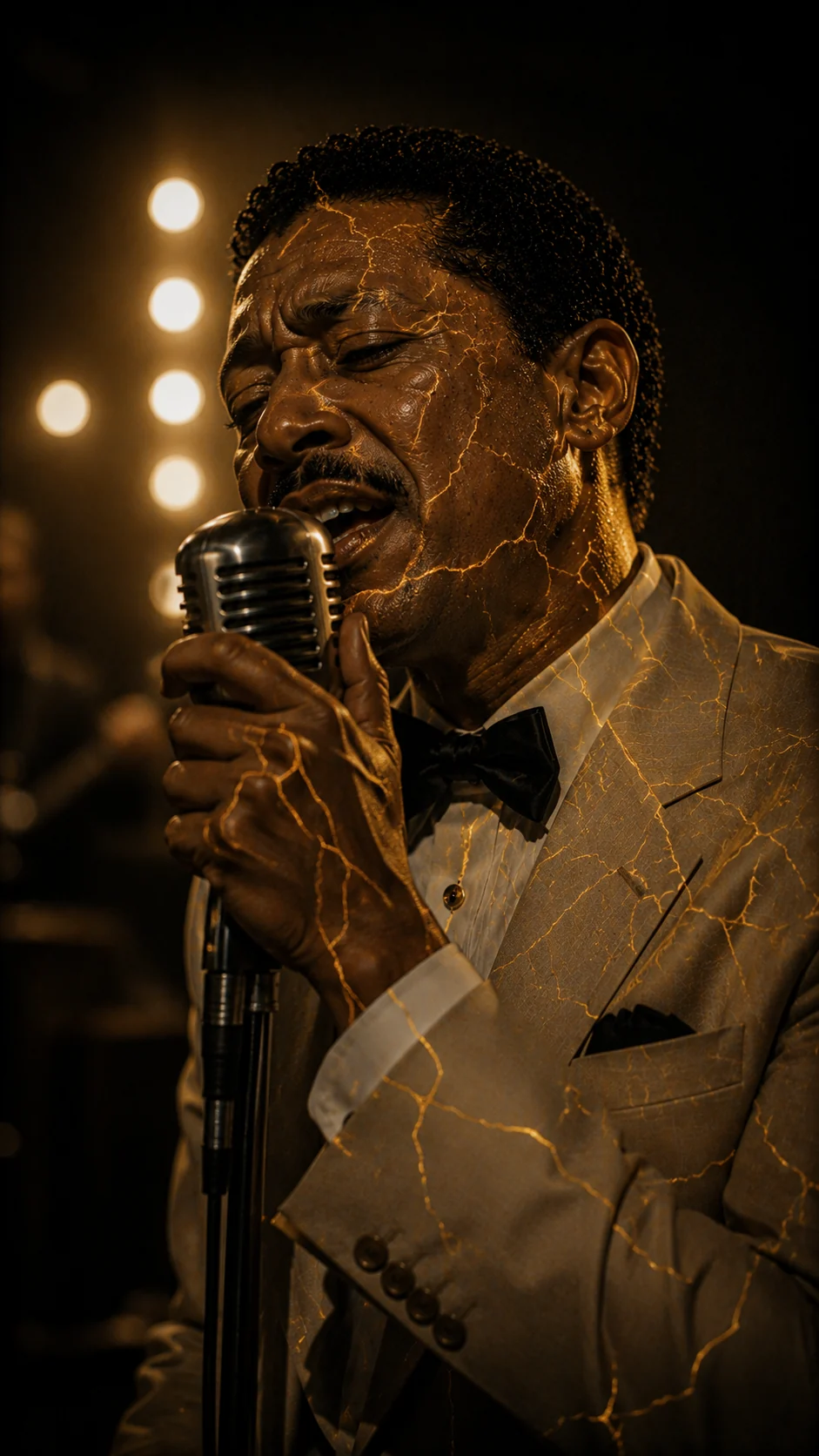
His recordings preserve something more lasting than the legend of an instinctive genius: the sound of an individual voice working with an extraordinary collective.
References
- Florida International University Libraries. (n.d.). Benny Moré: Biography. Díaz-Ayala Collection. View source
- Florida International University Libraries. (s. f.). Datos biográficos de Benny Moré. Colección Díaz-Ayala. View source
- Florida International University Libraries. (n.d.). Benny Moré: Digitized music. Díaz-Ayala Collection. View source
- Giro, R. (2007). Diccionario enciclopédico de la música en Cuba (4 vols.). Editorial Letras Cubanas.
- Orovio, H. (2004). Cuban music from A to Z. Duke University Press.
- Radanovich, J. (2009). Wildman of rhythm: The life and music of Benny Moré. University Press of Florida. View source
- Sweeney, P. (2001). The rough guide to Cuban music. Rough Guides.
More from this collection
Violeta Parra: The Woman Who Traveled Across Chile to Return Its Vanishing Songs to the People
Read story →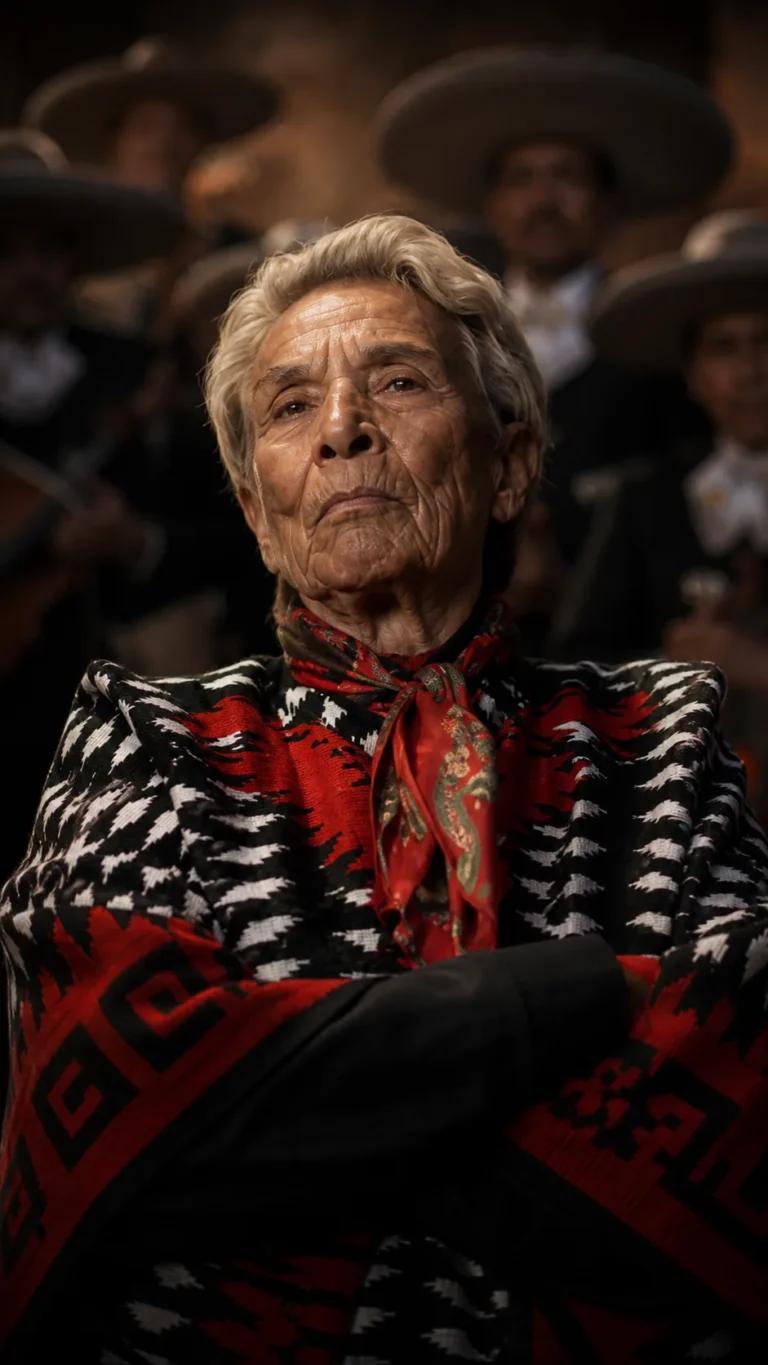
Chavela Vargas: The Woman Who Turned Her Wounds Into a Form of Freedom
Read story →