
In this storyOpen index
Romy Schneider: The Actress Who Escaped a Princess and Lent Her Name to a Rebellion
The young empress who conquered Europe abandoned a reliable formula, rebuilt her career in France, and turned her own name into an instrument of protest.
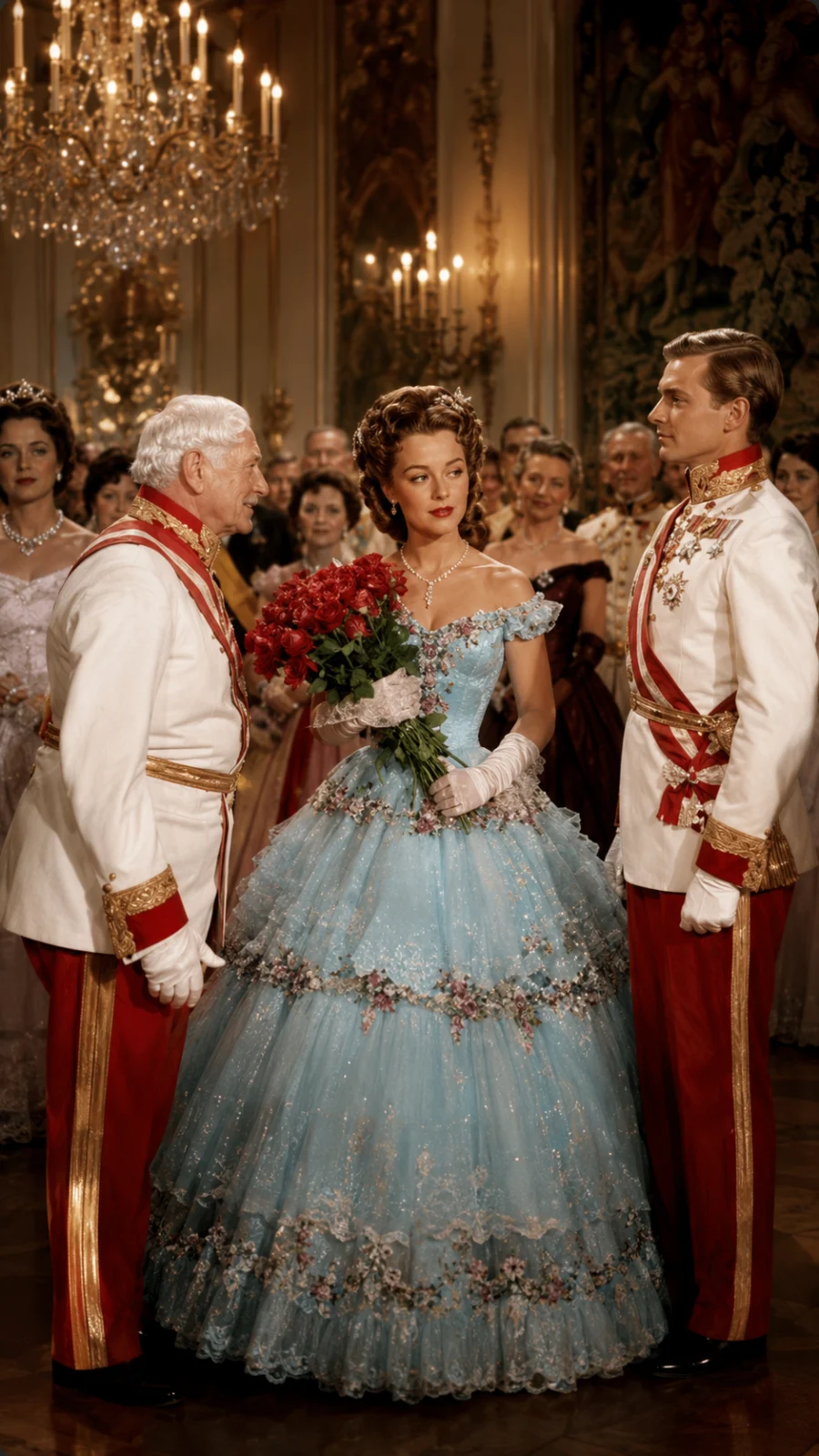
For millions of viewers, Romy Schneider remains forever associated with a young empress: radiant gowns, palaces, waltzes, and a love story untouched by darkness. Yet the cinematic princess was also a woman who fought to escape the identity the public had constructed for her.
Her story was not merely that of a star pursued by tragedy. It was the story of an actress who abandoned a reliable formula, learned to perform in another language, confronted a press that constantly judged her and, in 1971, risked her reputation by taking part in one of the boldest feminist protests in postwar Germany.
Romy Schneider on video
Discover this story on our YouTube channel.
A life told through places and turning points
A childhood among actors
Romy Schneider was born Rosemarie Magdalena Albach on September 23, 1938, in Vienna, only months after Nazi Germany annexed Austria. She belonged to a prominent acting family. Her mother, Magda Schneider, was a popular film actress; her father, Wolf Albach-Retty, worked in theater and cinema, and her grandmother Rosa Albach-Retty had been an important figure on the Viennese stage.
Romy spent long periods away from her parents while they pursued their careers. She entered the film industry remarkably early. At fifteen, she appeared alongside her mother in Wenn der weiße Flieder wieder blüht—When the White Lilacs Bloom Again—released in 1953.
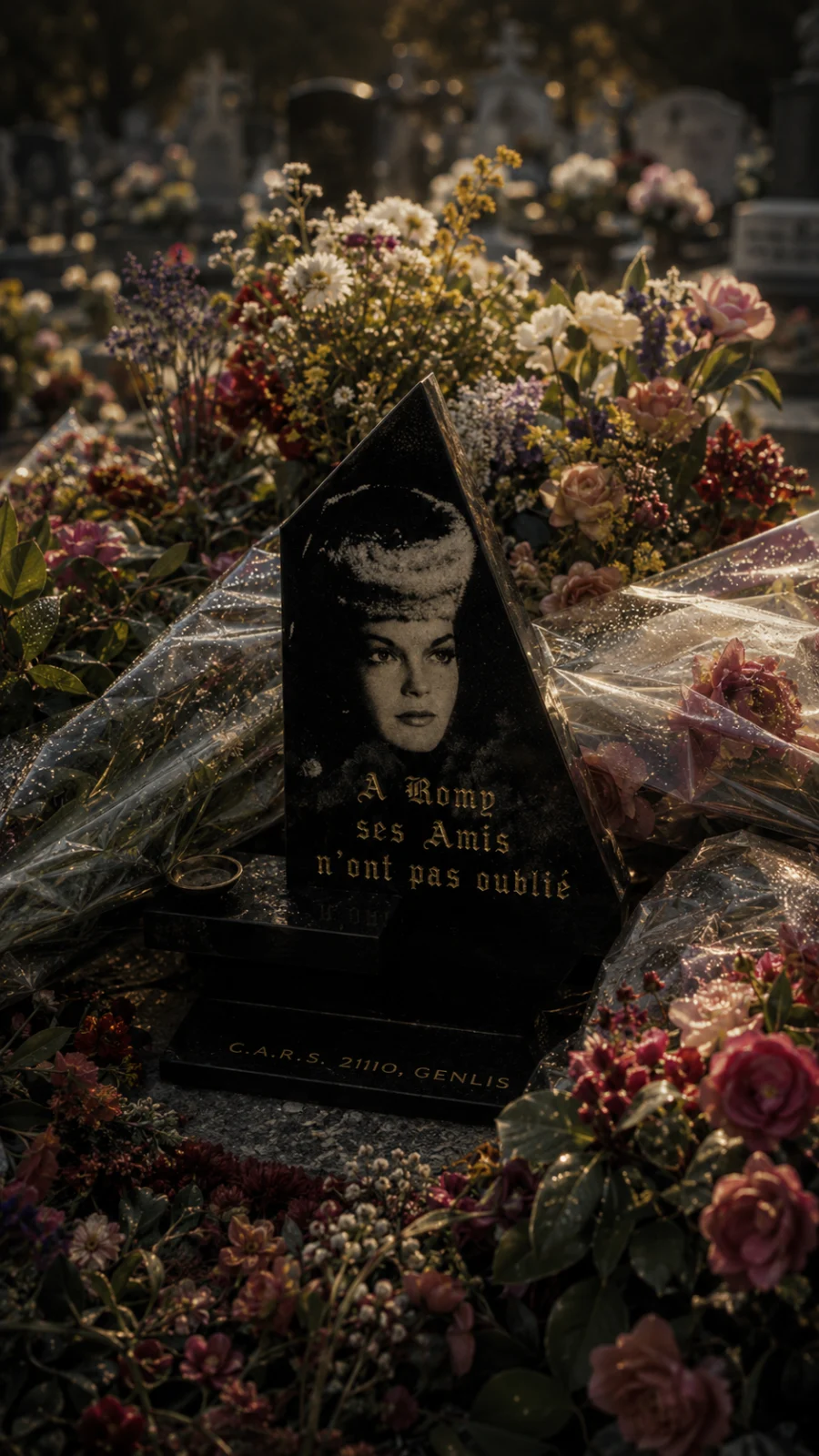
Two years later came the film that transformed her life.
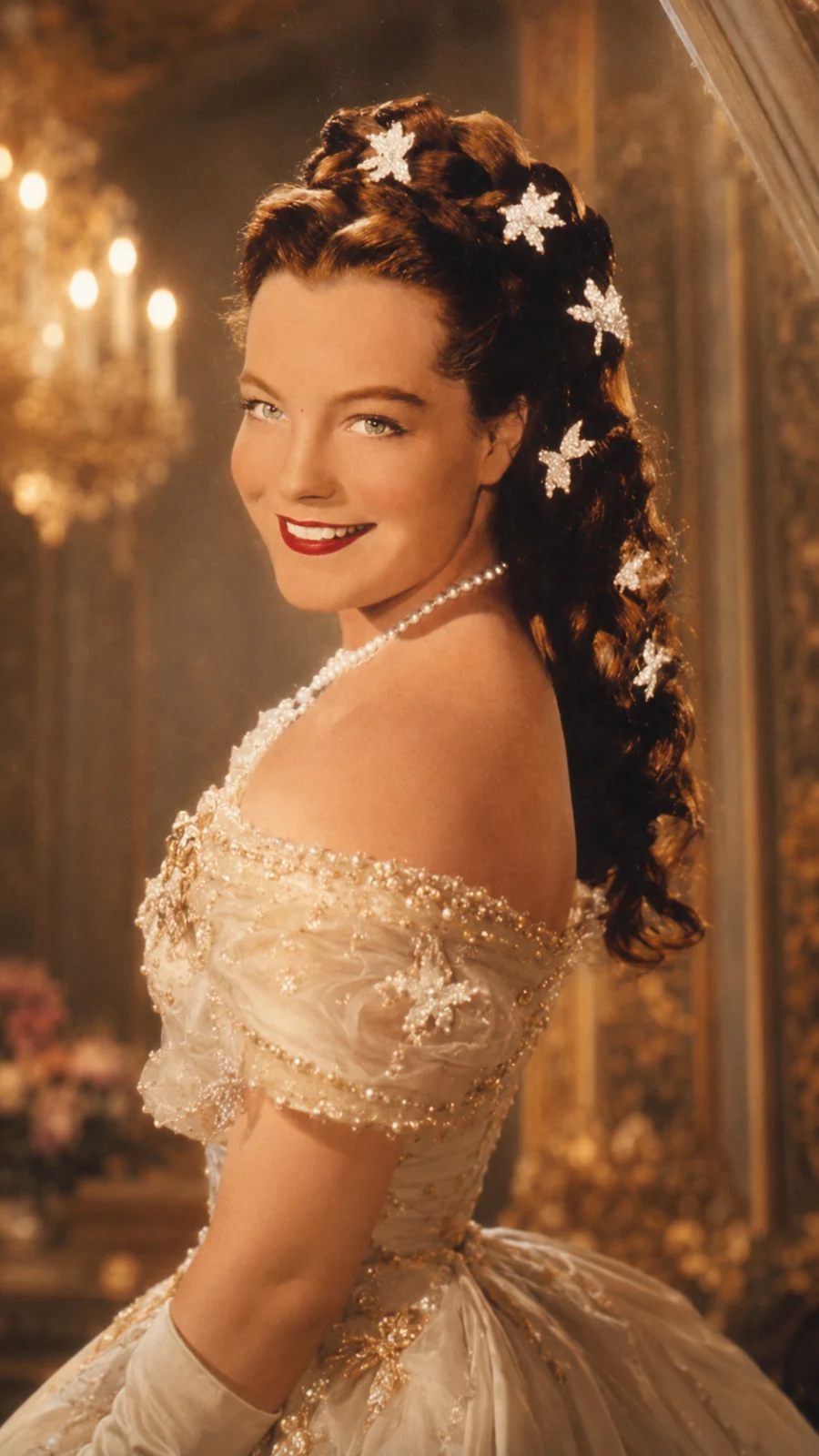
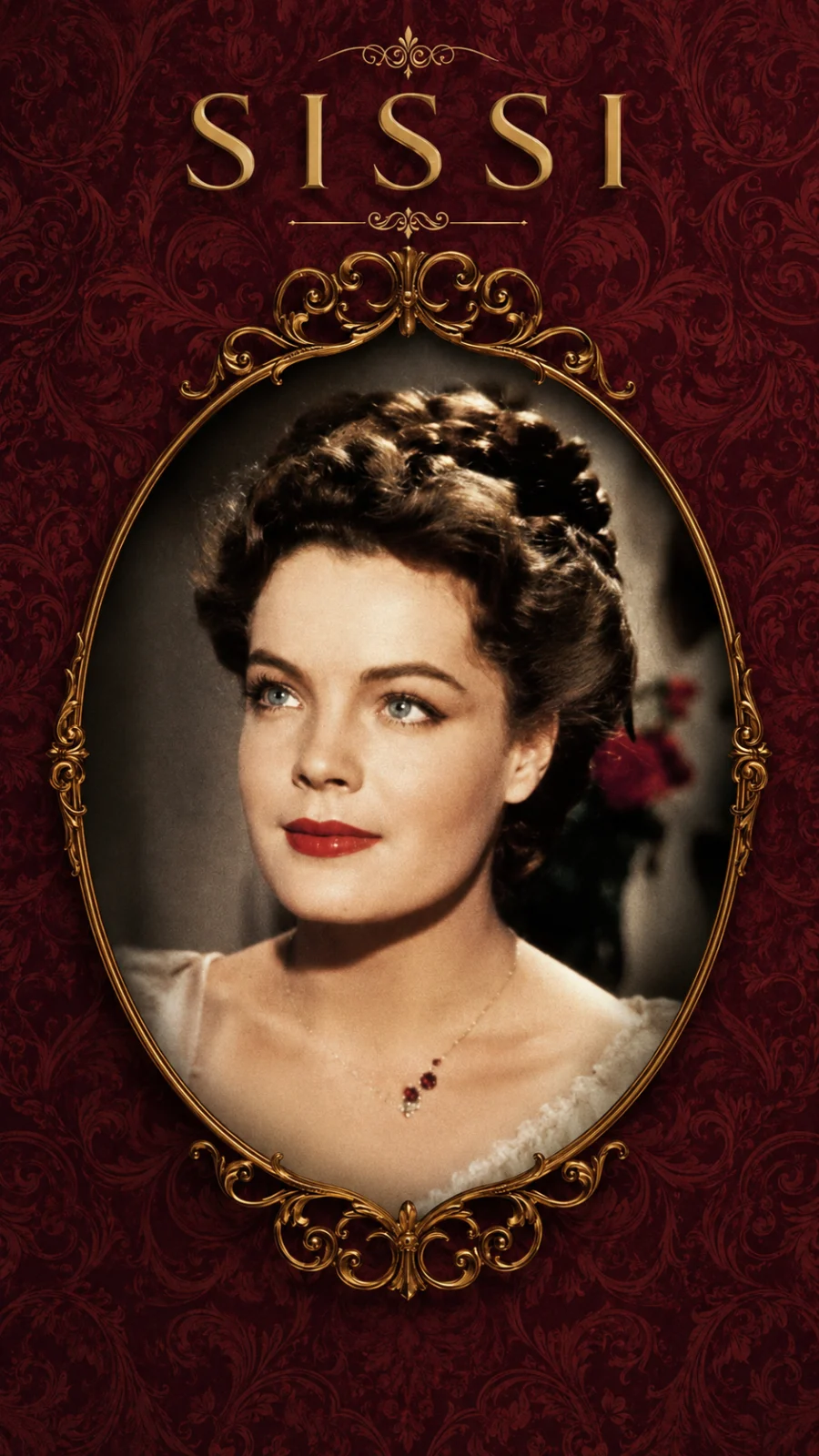
In Sissi (1955), directed by Ernst Marischka, she played an idealized version of Empress Elisabeth of Austria. Its enormous success produced two sequels, released in 1956 and 1957. Schneider became the face of a romantic, innocent, reassuring Europe—an image especially appealing to audiences still trying to move beyond the wounds of war.
Fame, however, contained a trap. The character that had made her a star threatened to prevent her from becoming an actress.
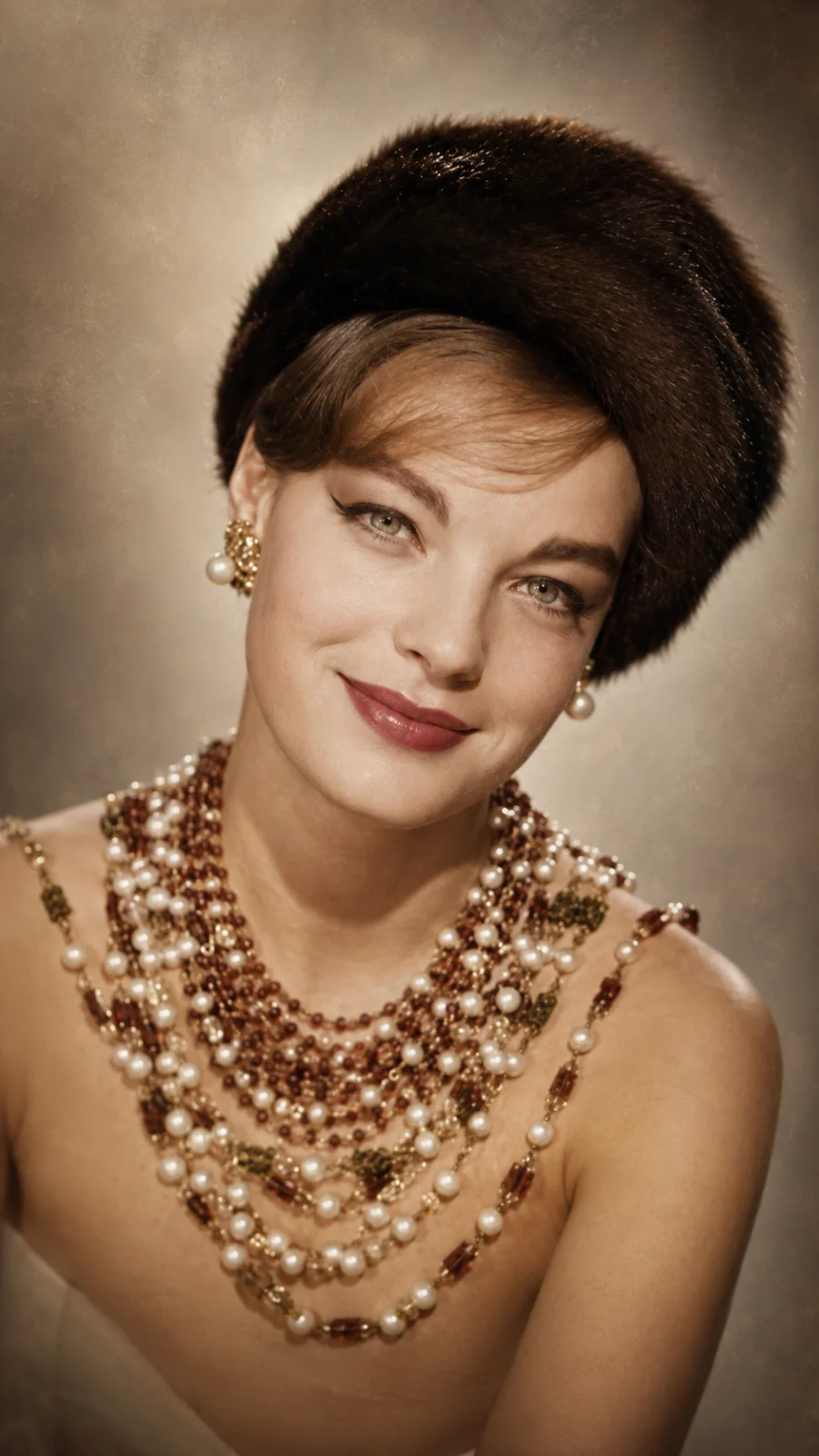
Escaping Sissi
Schneider quickly understood that she had to break away from the role. She refused to continue the series indefinitely and began searching for more ambiguous characters. While filming Christine in 1958, she met Alain Delon. Their relationship filled European magazines, but it also became a bridge to a new professional life in France.
Moving to Paris meant abandoning an industry that offered security, money, and popularity. It also meant working in a language she had not yet mastered and proving that she could do more than smile in an imperial gown.
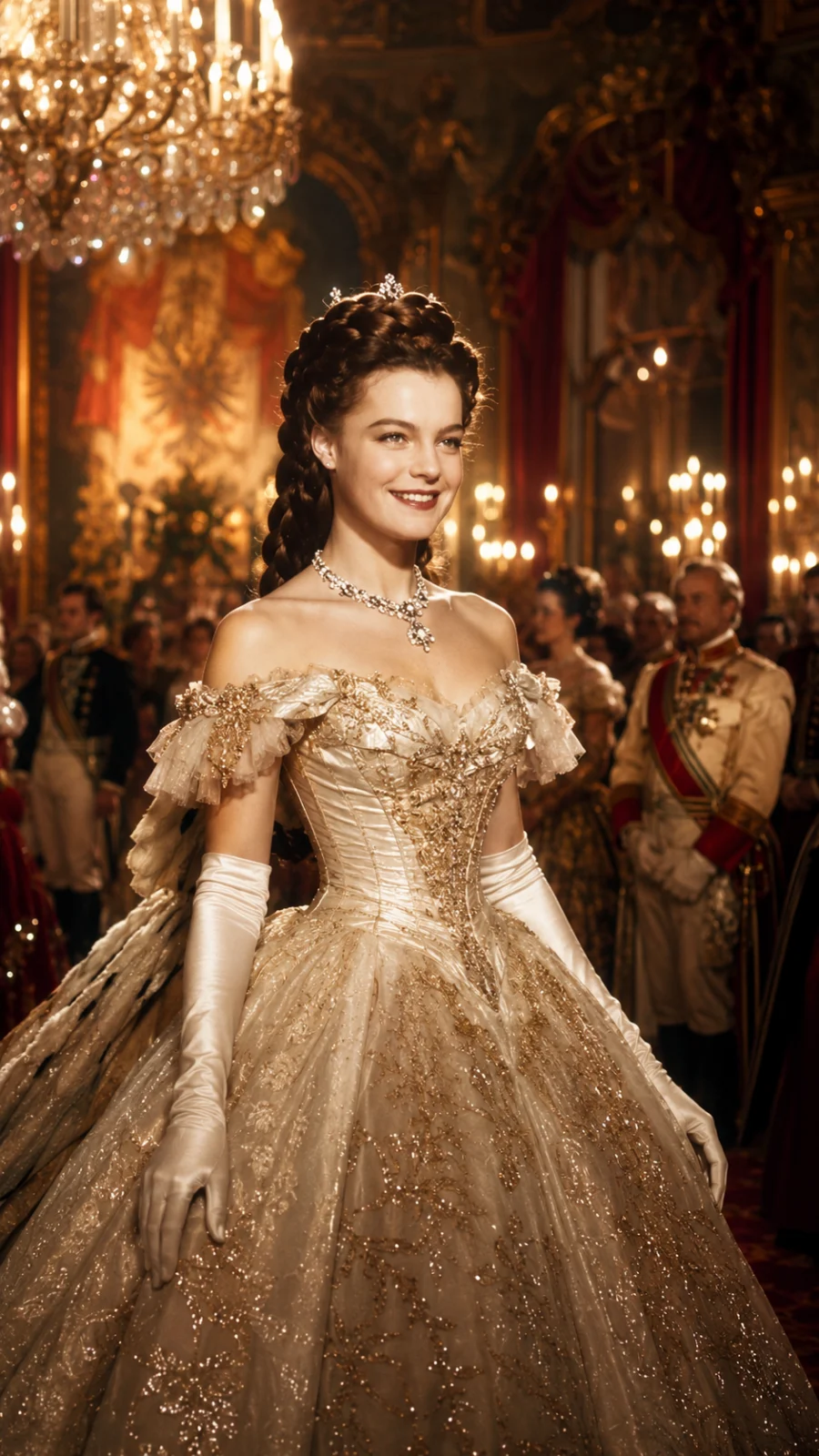
The transformation was not immediate. Her early French-language performances received a cautious response, and she was even dubbed in several productions. Her reinvention began to take shape through directors such as Luchino Visconti, who directed her onstage and in “Il lavoro,” his segment of Boccaccio ’70 (1962), and Orson Welles, with whom she made The Trial that same year.
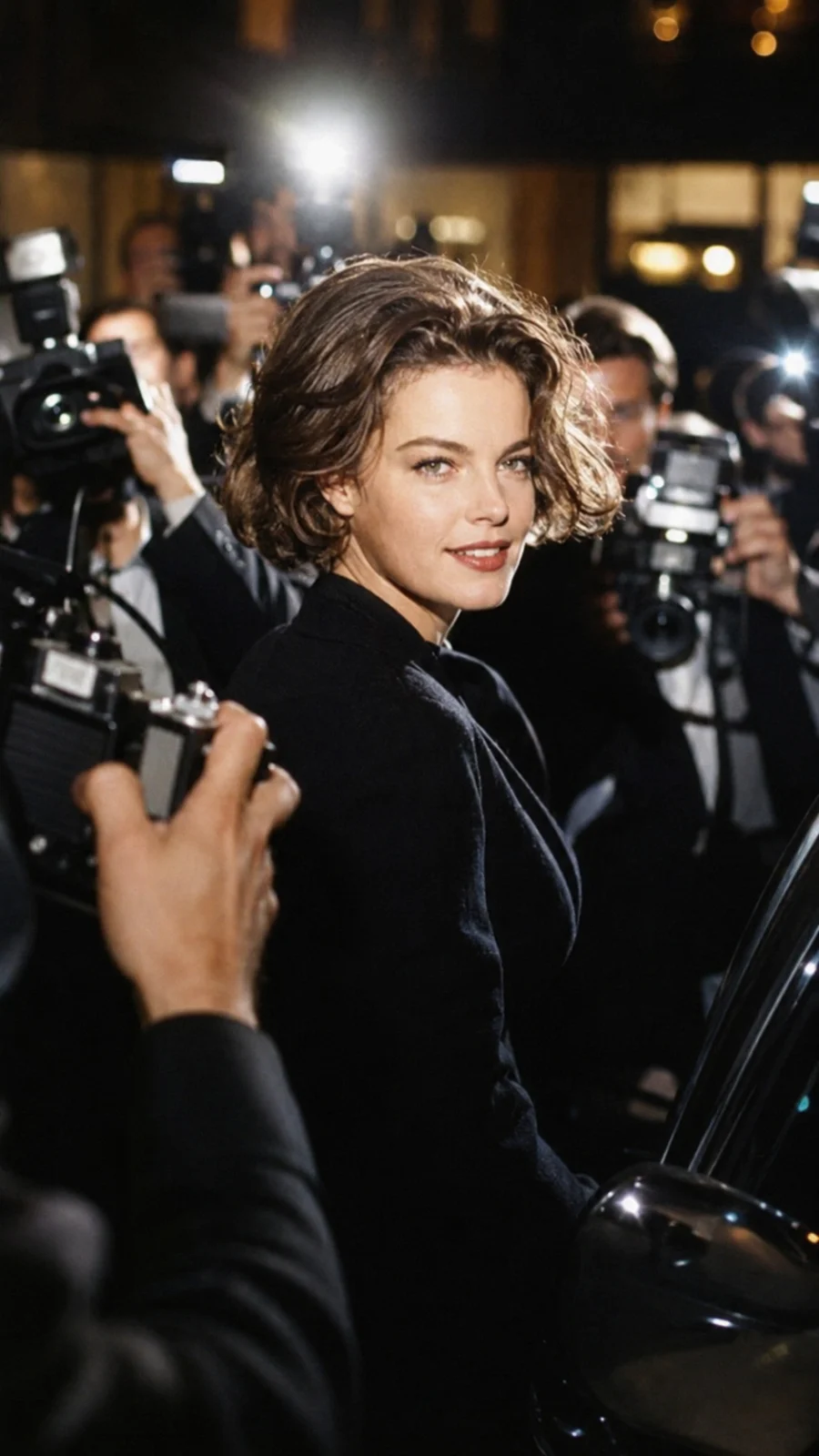
Visconti recognized that beneath the sweetness of her face lay a more complicated intensity. Years later, he persuaded her to play Elisabeth of Austria again in Ludwig (1973). This empress was no longer the radiant girl of the 1950s. She was distant, disillusioned, and imprisoned by court life. Schneider returned to Sissi in order to dismantle the myth she had helped create.
A second life in French cinema
Her true artistic consecration came through French cinema, especially her collaboration with Claude Sautet. In The Things of Life (1970), Max and the Junkmen (1971), and César and Rosalie (1972), Schneider created contemporary women who were contradictory, intelligent, and emotionally independent.
Sautet did not use her as a decorative presence. He allowed her to express exhaustion, desire, humor, intelligence, and frustration. According to the catalogue accompanying the Cinémathèque française’s 2022 exhibition, this period was essential to Schneider’s growing control over her artistic identity. She was no longer merely a figure shaped by producers, journalists, and admirers (Deroudille, 2022).
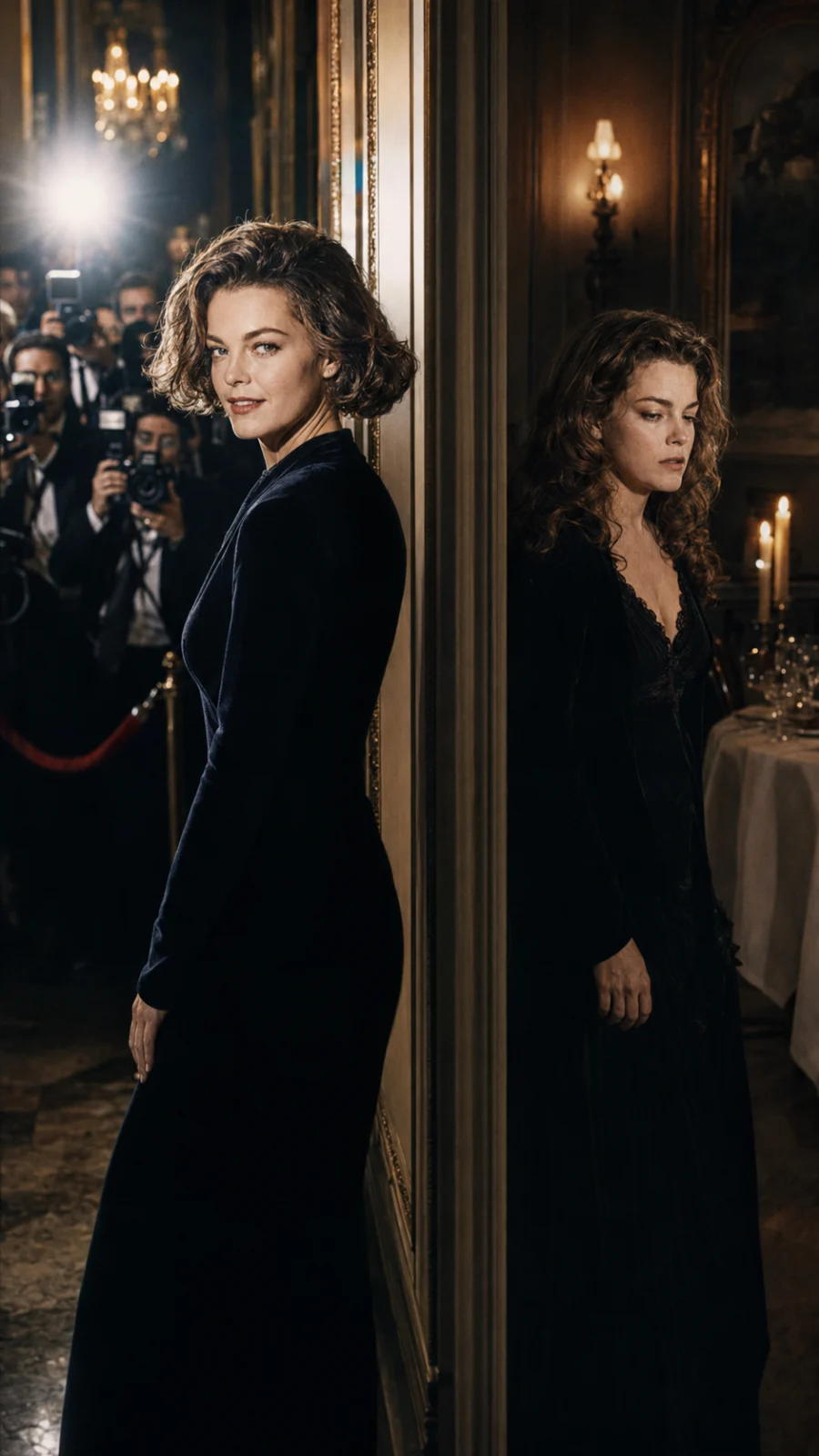
She also accepted darker roles. Her performance in Andrzej Żuławski’s That Most Important Thing: Love (1975) earned her the first César Award for Best Actress in 1976. She won the award again in 1979 for Sautet’s A Simple Story (Académie des César, 1976, 1979).
She had accomplished something difficult: she destroyed an image the public adored and built a more daring career in its place.
The day she confessed to a crime
A less remembered episode demonstrates that her rebellion was not confined to cinema.
On June 6, 1971, the West German magazine Stern published a cover bearing the declaration “We have had abortions.” Inside, 374 women publicly stated that they had terminated a pregnancy. They included journalist Alice Schwarzer and actresses Senta Berger and Romy Schneider.
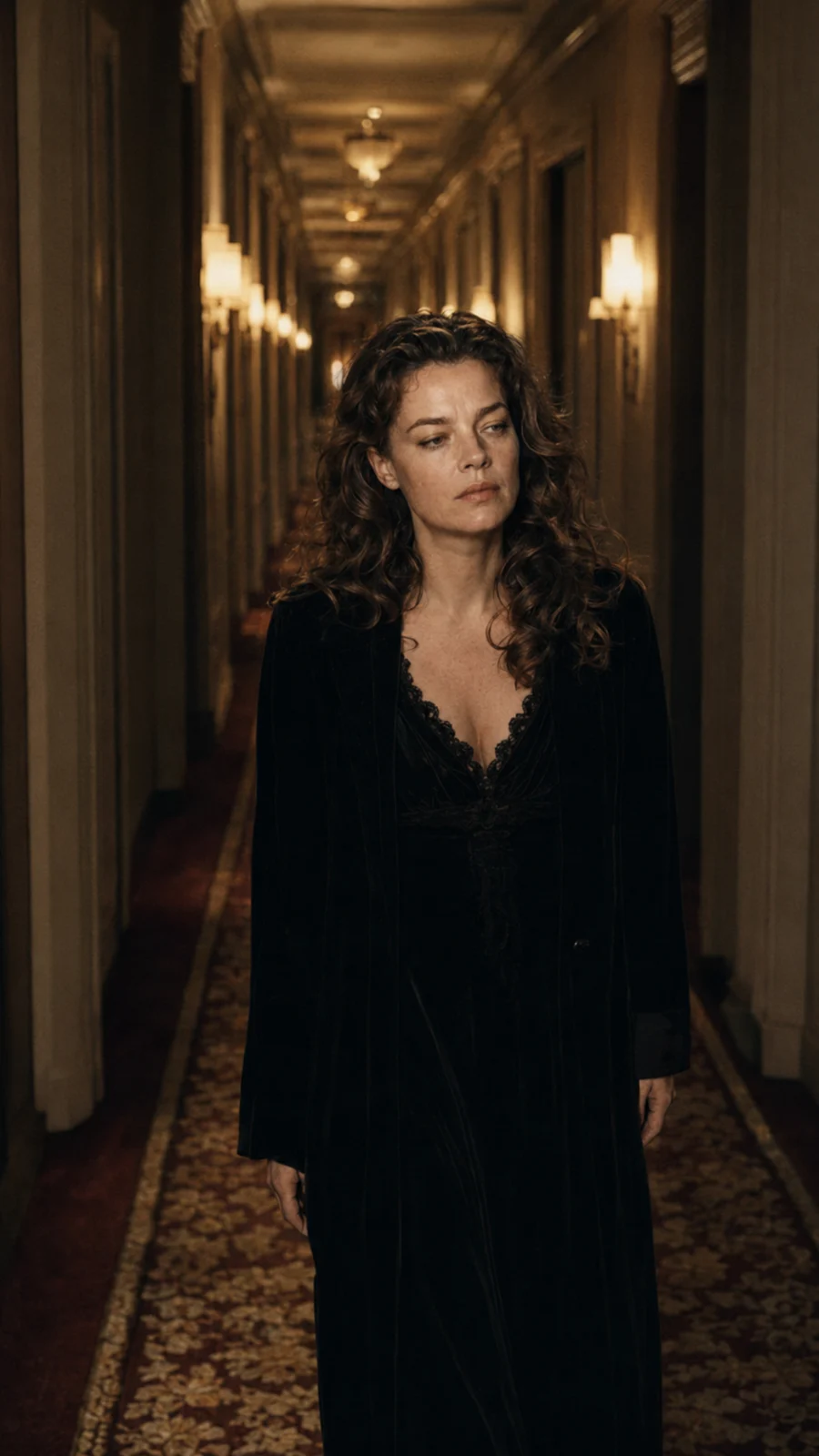
Under Section 218 of the West German Criminal Code, abortion was a punishable offense. These women were not simply expressing an opinion. They were declaring that they had committed an illegal act, exposing themselves to social condemnation, possible legal consequences and, for public figures, the loss of professional contracts.
The campaign was inspired by the manifesto published months earlier by 343 women in France. Schwarzer adapted the strategy for Germany, seeking to remove abortion from secrecy and present it as a social reality rather than a private source of shame. The declaration provoked a fierce national debate and became a decisive moment in the West German feminist movement (Deutsches Historisches Museum, n.d.; NDR, 2021).
Schneider’s participation was particularly significant. She was not an unknown activist who could return to anonymity. She was one of Europe’s most recognizable women, and her early fame had been built around an image of feminine innocence. By adding her name, she used precisely what she stood to lose—her reputation—to amplify a collective demand.
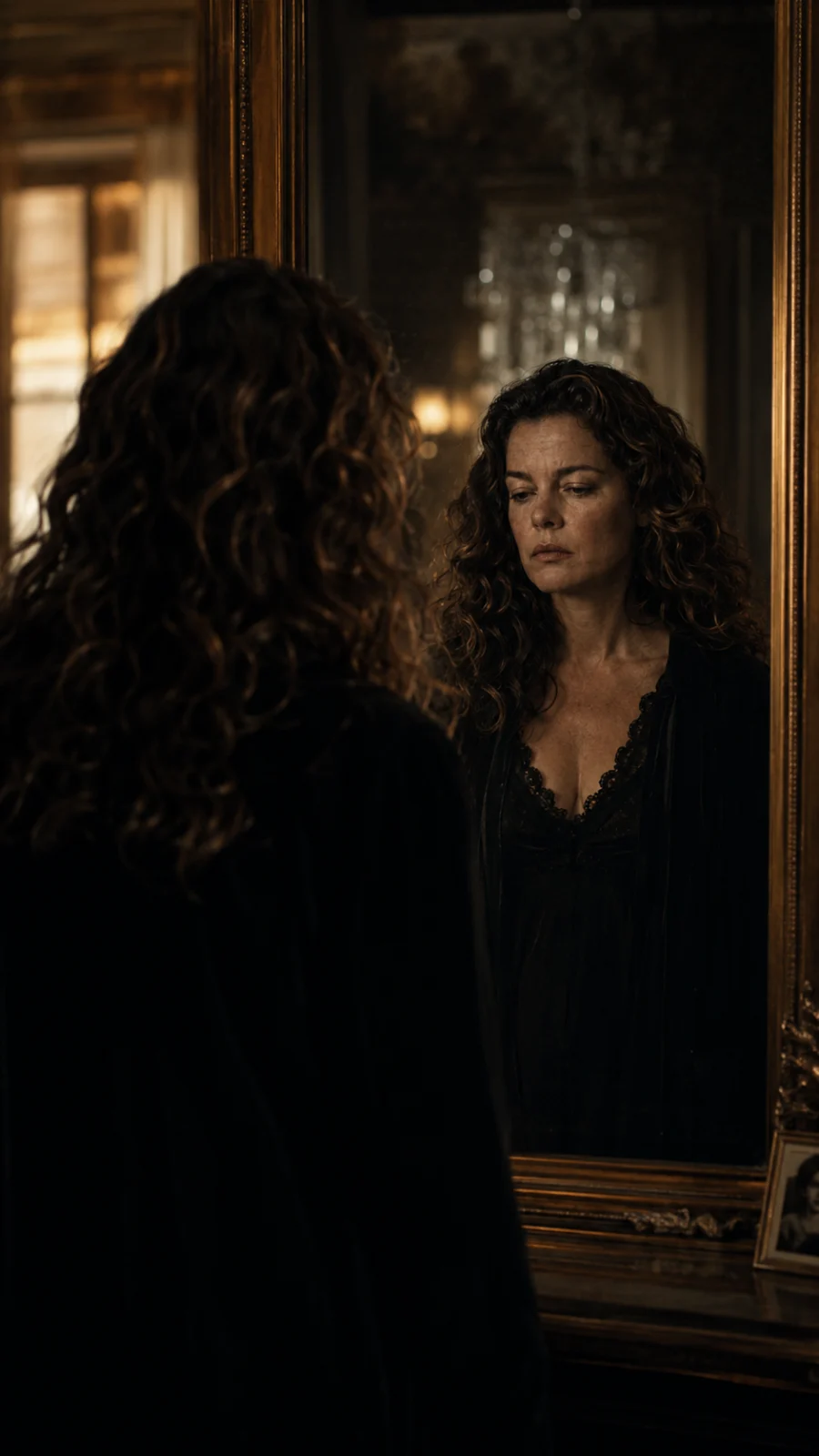
This gesture is often overshadowed by her relationship with Delon, her films, and the tragedies of her later years. Yet it reveals a woman willing to reject publicly the obedient role others had assigned to her.
The campaign did not immediately abolish Section 218. In 1974, the West German parliament passed a reform permitting abortion during the first weeks of pregnancy, but the Federal Constitutional Court struck down that solution in 1975. A new law based on specific medical and social indications took effect in 1976. The debate would continue for decades.
Schneider did not change the law by herself, but she helped make visible a reality the law had attempted to keep hidden.
A life turned into a spectacle
The press followed each of her relationships and separations. After Delon, she married German actor and director Harry Meyen, with whom she had her son, David. Following their divorce, she married Daniel Biasini and had a daughter, Sarah.
Her private life was treated with a cruelty that is difficult to ignore today. The German media in particular alternated between fascination and punishment: they celebrated her as a star while condemning her whenever she failed to behave like the young woman from Sissi.
In 1979, Harry Meyen died by suicide. Two years later, fourteen-year-old David died in an accident while attempting to climb over a spiked fence. The death of her son inflicted a devastating wound, but it should not be turned into the single explanation for everything that followed.
Romy Schneider died in Paris on May 29, 1982, at the age of forty-three. Her death was officially attributed to cardiac arrest. Although claims of suicide circulated for years, suicide was never officially established. Repeating the claim as fact transforms uncertainty into legend and once again reduces her life to a tragic ending.
Her final film, The Passerby (La passante du Sans-Souci, 1982), was dedicated to David and Harry Meyen. Schneider portrayed a woman marked by Nazi persecution, a subject that affected her deeply because of her family history and her relationship with Meyen, who was of Jewish descent.
More than a sorrowful face
Romy Schneider is frequently remembered through melancholy photographs and stories of lost love. That image contains part of the truth, but not all of it.
She was a demanding professional who appeared in more than sixty films. She was an actress capable of abandoning the character that guaranteed her success. She was a foreign performer who conquered French cinema, and a celebrity who placed her name beside those of hundreds of women to challenge an unjust law.
The young empress gave her fame. The woman who refused to remain an empress created her legacy.
Her action in 1971 reminds us that a star does not exercise influence only while speaking from a screen. Sometimes she does it by signing a declaration, accepting the risk, and turning her own name into an instrument of protest.
References
- Académie des Arts et Techniques du Cinéma. (1976). La cérémonie des César 1976.
- Deroudille, C. (2022). Romy Schneider. Flammarion & La Cinémathèque française.
- Deutsches Historisches Museum. (n.d.). Alice Schwarzer: LeMO-Biografie.
- Haus der Geschichte der Bundesrepublik Deutschland. (n.d.). Stern: “Wir haben abgetrieben!”.
- Hallet, M. (2022). Romy Schneider: A star across Europe. Bloomsbury Academic.
- Norddeutscher Rundfunk. (2021, June 6). “Wir haben abgetrieben!”: 1971 brechen 374 Frauen ihr Schweigen.
- Schwarzer, A. (1998). Romy Schneider: Mythos und Leben. Kiepenheuer & Witsch.
More from this collection

Alain Delon: Cinema’s Most Beautiful Man Turned His Face Into a Threat
Read story →
Marlon Brando: The Actor Who Turned an Oscar into a Protest
Read story →