In this storyOpen index
Dolores del Río: The Star Who Conquered Hollywood and Returned to Mexico to Become an Actress
From Hollywood to Mexican cinema: a career that turned stardom into art, cultural memory and solidarity.
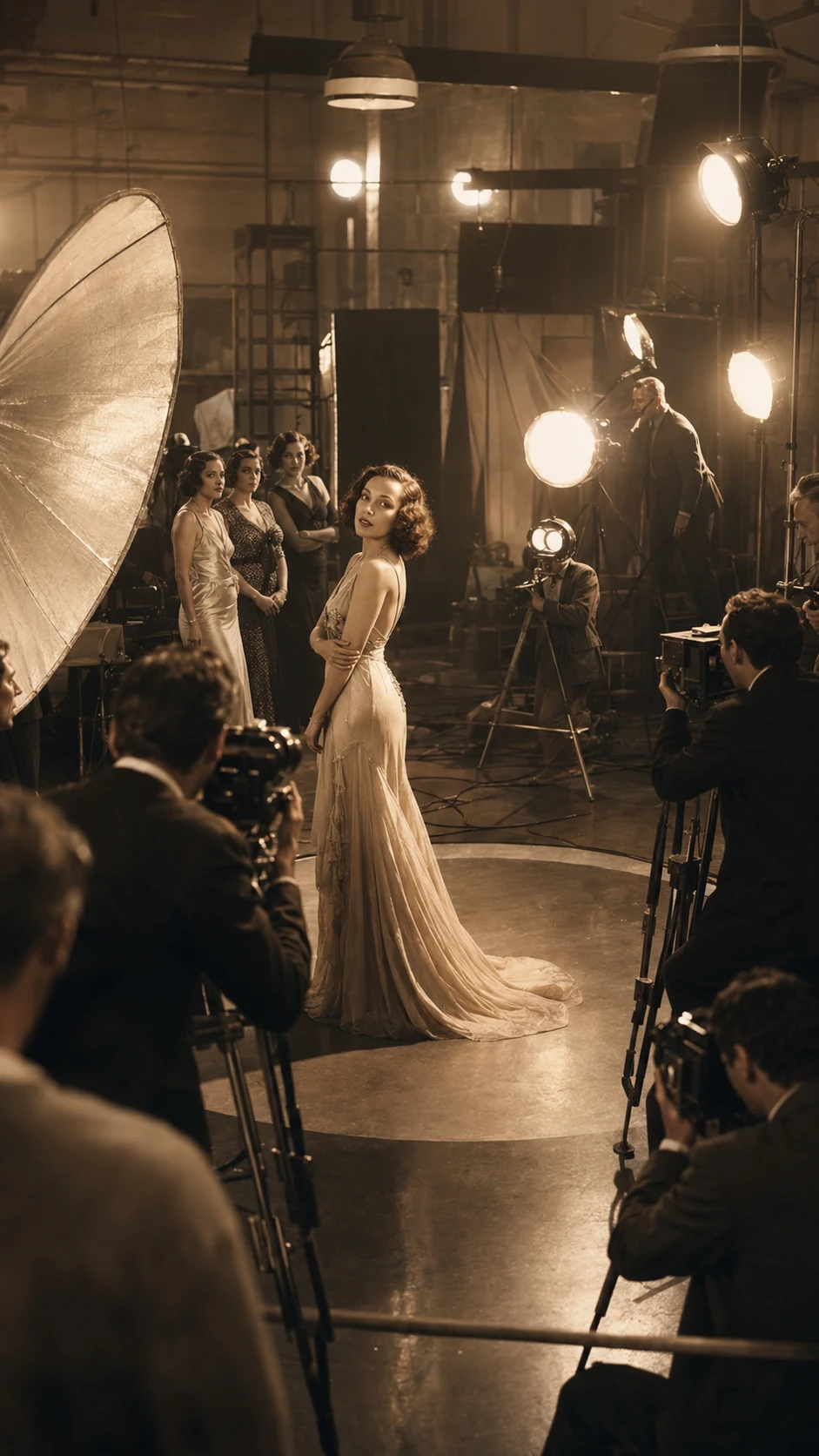
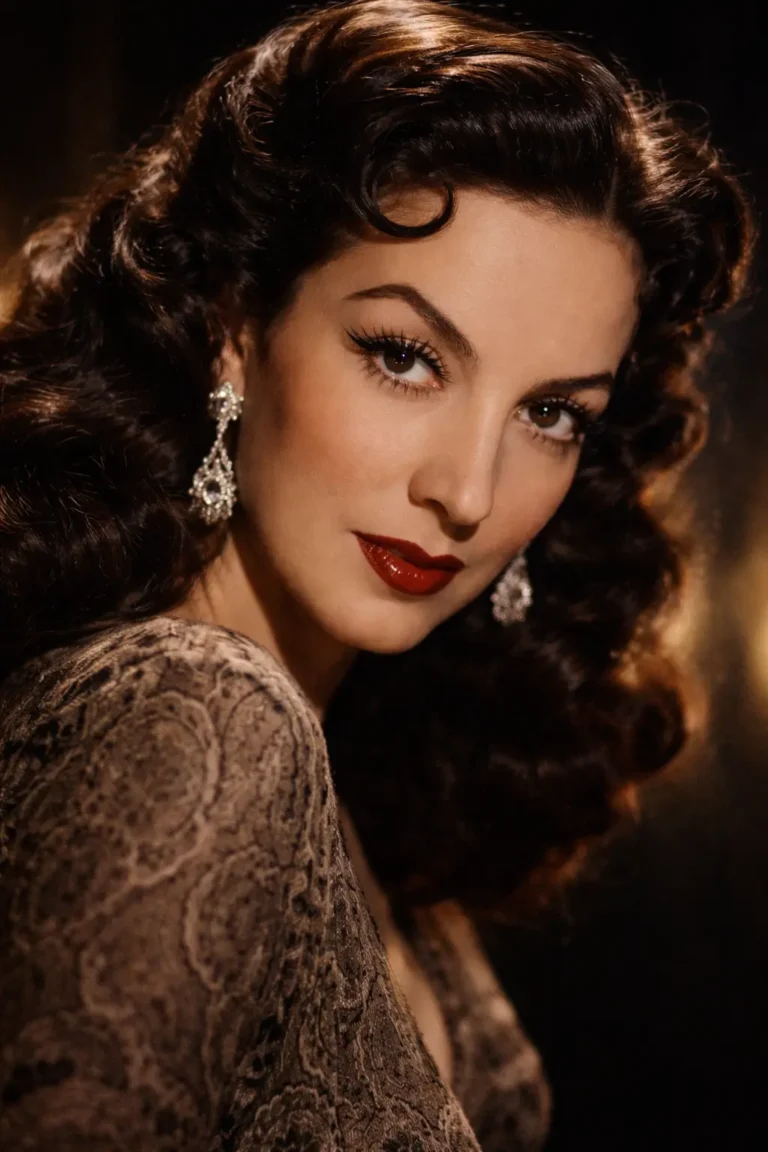
Hollywood transformed her into a perfect face but rarely allowed her to portray a complete woman. Mexico offered something different: characters capable of suffering, resisting and existing beyond their beauty.
Dolores del Río became one of international cinema’s first major Latin American stars. She survived the transition from silent pictures to sound, worked in the United States, Mexico and Europe, and became an essential figure in the Golden Age of Mexican cinema.
Her story, however, extends beyond the camera. She defended actors’ rights, helped protect Mexico’s artistic heritage and devoted years to creating an institution that cared for the children of entertainment workers.
Hollywood preserved her face.
Dolores del Río used her prestige to support those who remained outside the frame.
Dolores del Río
A star beyond the screen
The actress, the star and the supportive colleague
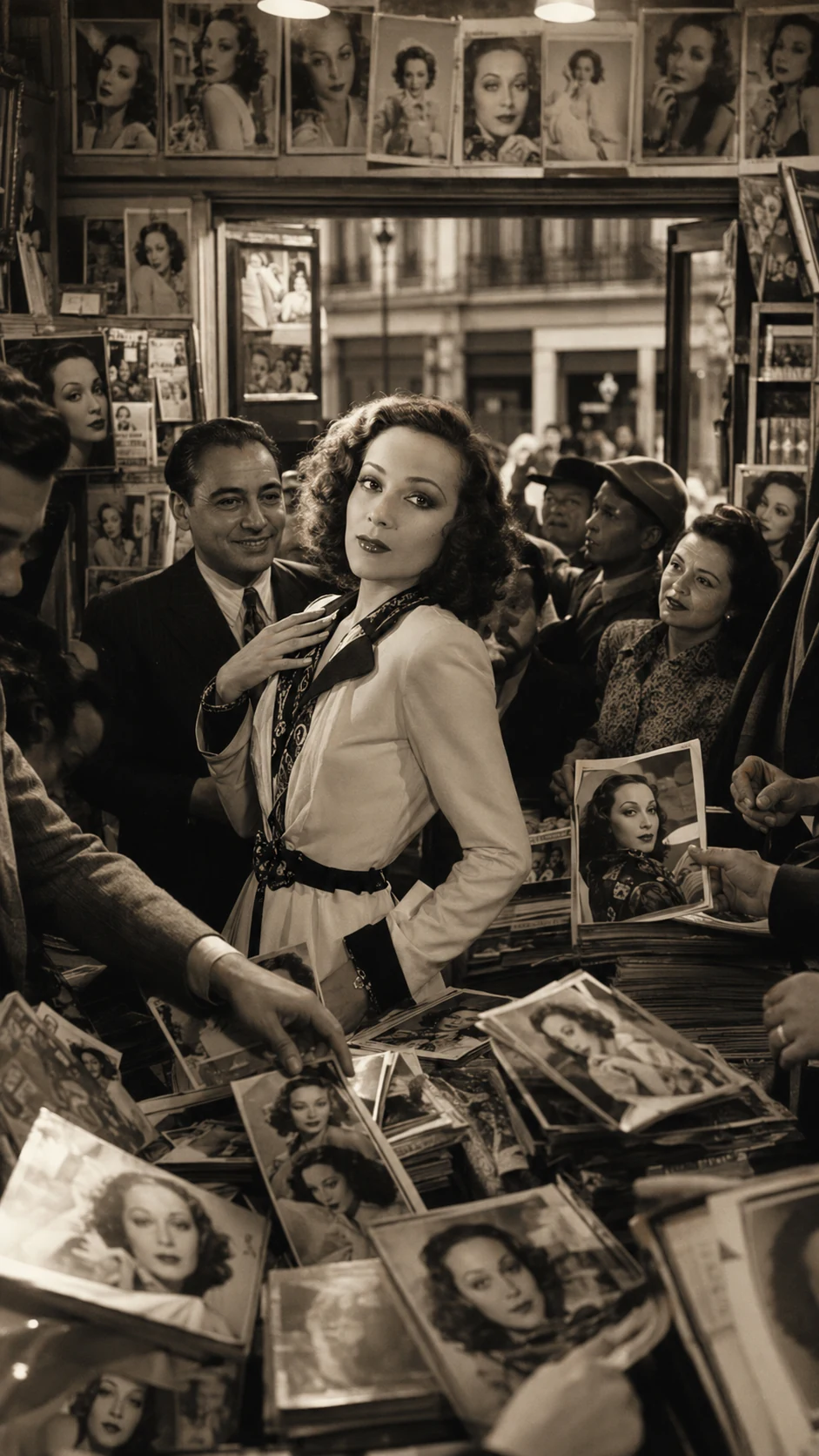
INEHRM’s digital exhibition explores Dolores del Río’s artistic career and solidarity work through materials from its photographic archive, the Cineteca Nacional and the Centro de Estudios de Historia de México, Carso. Created for the 120th anniversary of her birth, it provides an institutional route to explore her career and involvement in ANDA. The image accompanying this link is a symbolic AI recreation, not an archival photograph.
A childhood interrupted by revolution
María de los Dolores Asúnsolo y López Negrete was born on August 3, 1904, in Victoria de Durango, Mexico. She came from an affluent family connected with banking and agricultural estates.
Her childhood was disrupted by the Mexican Revolution. Instability forced the family to leave Durango and seek refuge in Mexico City. Some relatives were connected with the government of Francisco I. Madero, whose overthrow and assassination in 1913 increased the family’s insecurity.
Dolores received a religious education and developed an early interest in dance. Before imagining a film career, she envisioned herself performing onstage.
In 1921, she married Jaime Martínez del Río, a man from a prominent family who was considerably older than she was. From that marriage, she took the professional surname by which she would be known for the remainder of her life.
The couple traveled and attended gatherings within Mexican high society. At one such event, American director and producer Edwin Carewe was impressed by Dolores’s presence and invited her to Hollywood.
At the time, becoming an actress could be considered improper for a young woman of her social position. Dolores accepted anyway.
Hollywood manufactured a Mexican star
Dolores arrived in Hollywood in 1925 and made her screen debut in Edwin Carewe’s Joanna. Her earliest roles were small, but the producer began promoting her as a future star and as a female equivalent of Rudolph Valentino.
The publicity campaign emphasized her beauty, elegance and supposed exoticism. It also attempted to separate her from the degrading stereotypes Hollywood commonly applied to Mexicans.
Carewe emphasized her aristocratic and European background. The strategy opened doors, but it carried a price: to succeed, Dolores was presented as a Mexican whom American audiences could accept because she appeared removed from the image American cinema itself had created of Mexico (Hall, 2013).
Her performance in What Price Glory?, released in 1926, attracted greater attention. She went on to star in Resurrection, The Loves of Carmen, Ramona and Evangeline.
By the end of the 1920s, she was an international star.
The woman who could be anything except Mexican
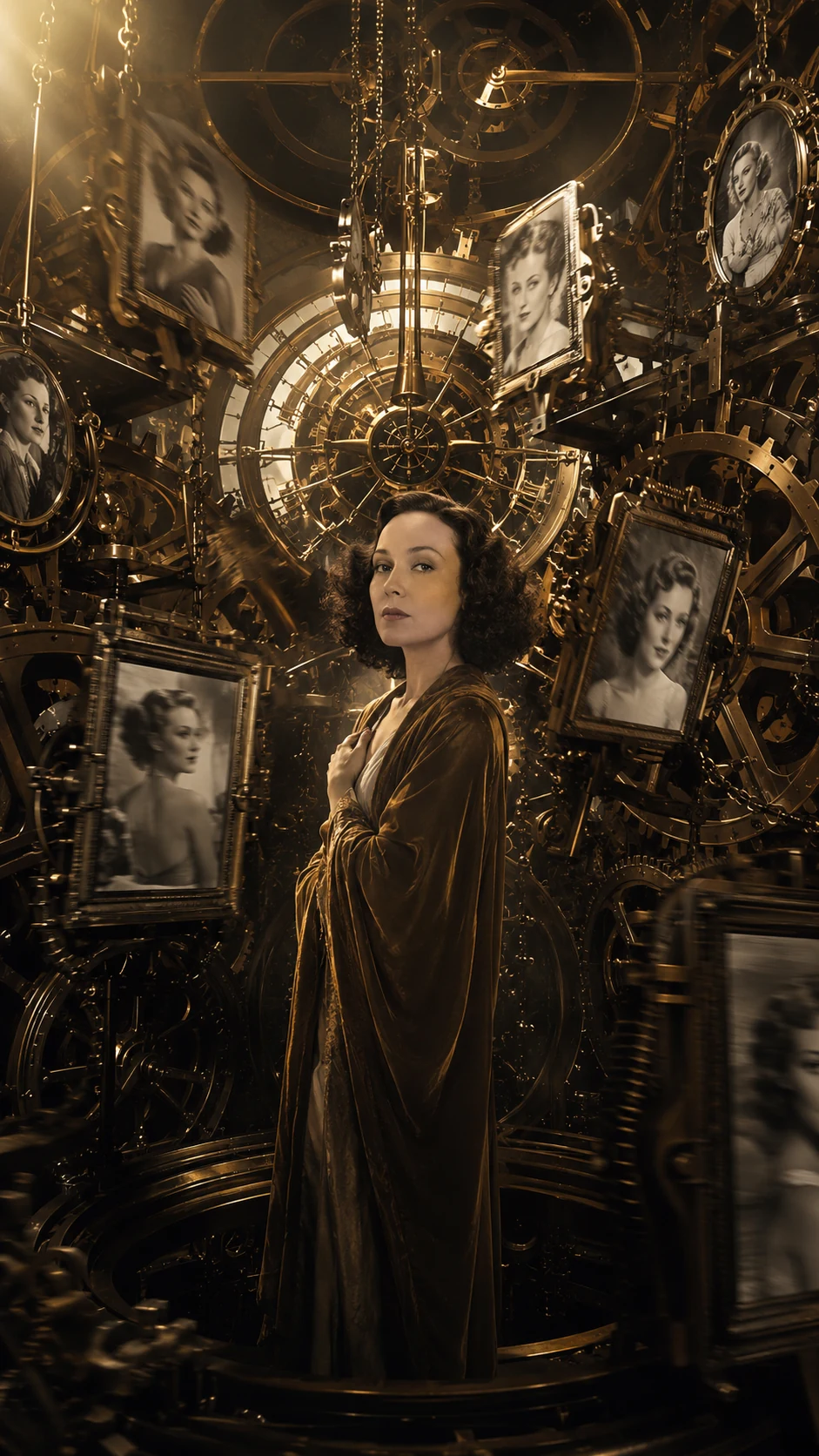
During the silent era, accent presented no barrier. Studios could transform Dolores into a Frenchwoman, Russian, Spaniard, native of an imaginary island or representative of a vague “Latin” fantasy.
Her face could circulate internationally because title cards were translated for individual markets. The apparent freedom concealed another form of typecasting.
Hollywood admired her beauty while avoiding any complex portrayal of her Mexican identity. Parts offered to Latina actresses frequently shifted between the exotic aristocrat, dangerous seductress and supposedly primitive woman governed by passion.
Dolores soon recognized the contradiction. The costumes might be magnificent, but the characters often lacked depth.
She starred in Ramona in 1928. The song associated with the picture became a hit and expanded her fame. Behind the romantic image, however, her private life was deteriorating. Her marriage to Jaime Martínez del Río ended, and he died in Europe in 1928, shortly after their divorce.
The star moved forward while part of her former life collapsed.
Surviving the arrival of sound
The introduction of talking pictures destroyed the careers of many silent performers. Some voices did not correspond with the images audiences had imagined, while others revealed accents studios considered commercially inconvenient.
Dolores survived the transition.
Her voice, discipline and increasing command of English allowed her to continue working. In 1930 she married Cedric Gibbons, Metro-Goldwyn-Mayer’s influential art director and an important figure in Hollywood visual design.
During the following years, she starred in Bird of Paradise, Flying Down to Rio, Madame Du Barry and In Caliente. In Flying Down to Rio, released in 1933, Dolores was the principal advertised star. The film is remembered today mainly for introducing the first screen pairing of Fred Astaire and Ginger Rogers, whose roles were then secondary.
That detail demonstrates how film memory can change: the performer who headed the production eventually became a secondary presence within the story later told about it.
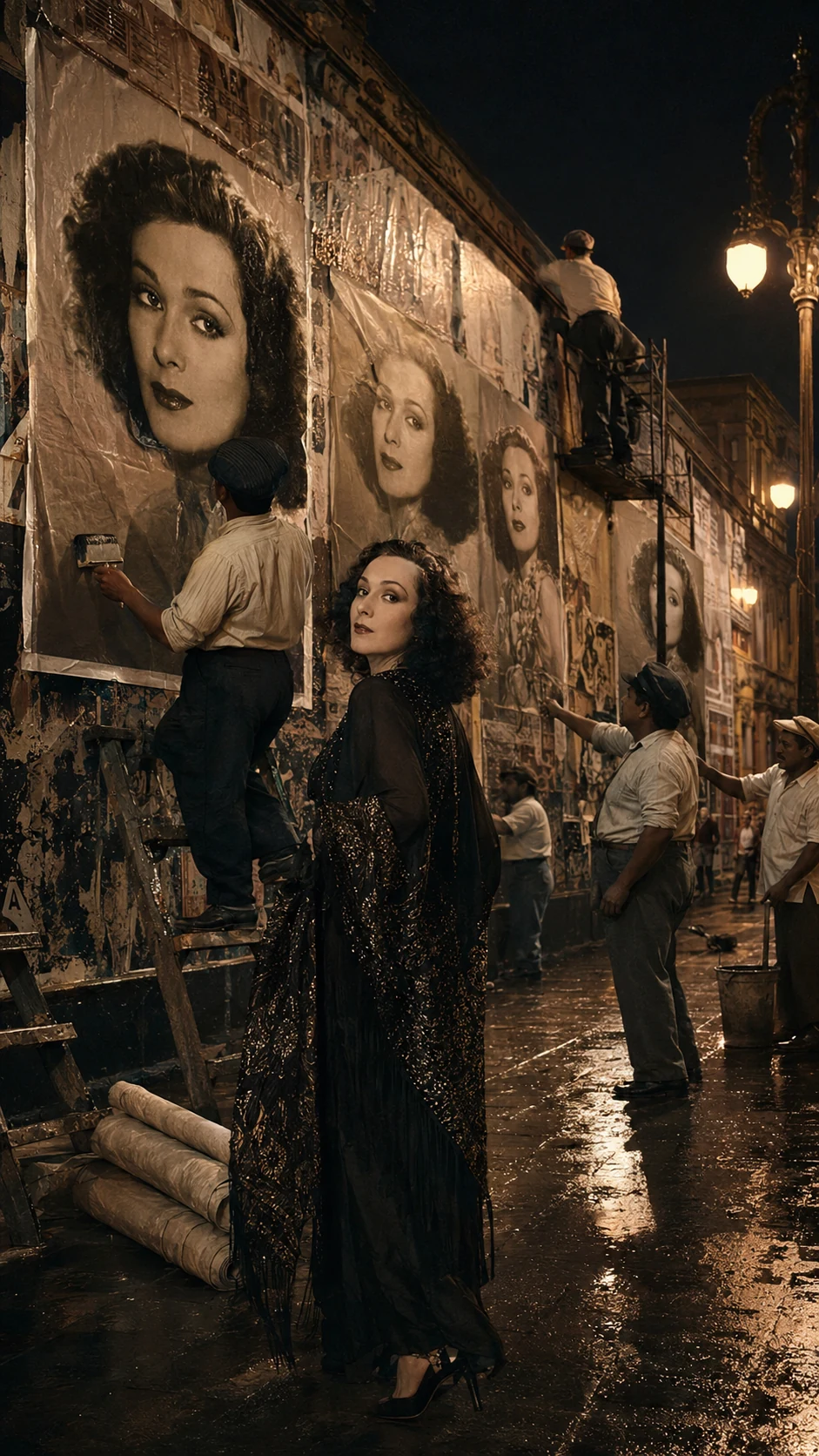
Beauty, censorship and limits
Directed by King Vidor in 1932, Bird of Paradise used Dolores’s image as a sensual South Pacific fantasy. Some scenes were considered daring and were later affected by stricter enforcement of the Production Code.
Hollywood marketed her body and exoticism but rarely allowed her to control the meaning of that image.
As the 1930s progressed, her opportunities began to diminish. Studios continued to admire her elegance but could not imagine her in characters beyond their established ethnic formulas. Age, changing audience tastes and the rigidity of the studio system also affected her career.
Dolores did not immediately disappear, but she understood that Hollywood had begun treating her as the image of an earlier era.
Orson Welles and a life under observation
During the final years of her marriage to Gibbons, Dolores began a relationship with Orson Welles, who was eleven years younger and had recently become one of American cinema’s most controversial figures.
Their relationship was intense and public. Dolores accompanied Welles during part of the period surrounding Citizen Kane and worked in Journey into Fear, a film released in 1943 and associated with Welles’s production unit, with Norman Foster credited as director (American Film Institute, n.d.).
It would be inaccurate to reduce her return to Mexico to a consequence of that relationship. Her Hollywood career was already confronting serious limitations, and Dolores wanted to portray characters with greater depth.
Her return can be understood as a search for greater artistic autonomy: retaining her prestige while expanding the characters she could portray.
Returning was not a defeat
Dolores returned to Mexican cinema in the early 1940s, when the national industry was experiencing an extraordinary period of expansion.
The decision could have appeared risky. She left Hollywood studios and salaries for a film industry with fewer economic resources. Mexico, however, provided something the United States had denied her: the opportunity to act within stories connected to her own country.
In 1943 she starred in Flor silvestre, directed by Emilio “El Indio” Fernández, photographed by Gabriel Figueroa and co-starring Pedro Armendáriz.
The collaboration brought together four decisive forces: Dolores’s face, Armendáriz’s intensity, Fernández’s nationalist vision and Figueroa’s cinematography. Together, they constructed images that influenced cinematic representations of Mexico for decades.
Dolores was no longer merely a decorative figure manufactured by Hollywood. She stood at the emotional and moral center of the story.
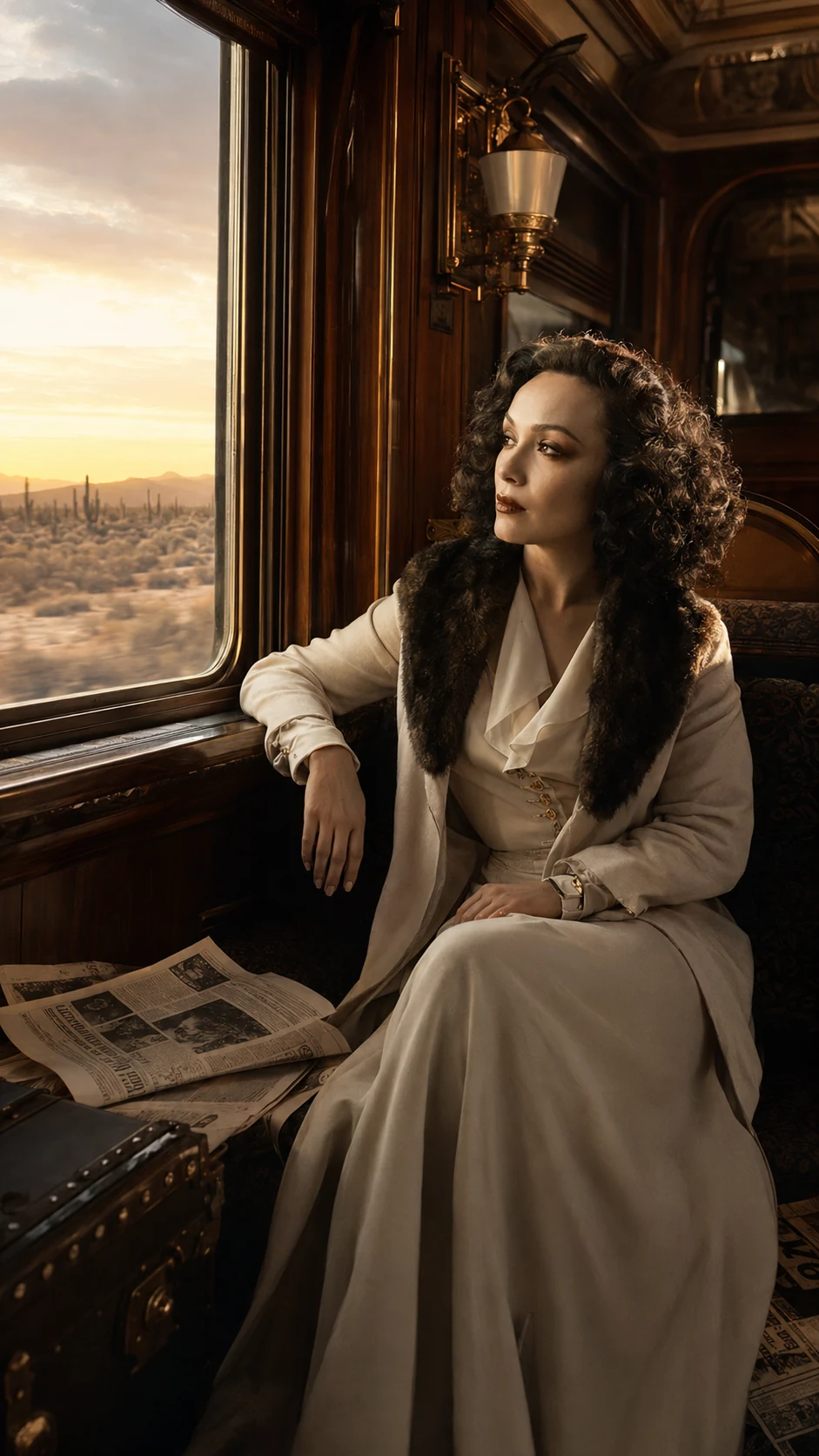
María Candelaria and the face of a nation
The same collaborators created María Candelaria, filmed in 1943 and released in 1944. Dolores portrayed a young Indigenous woman from Xochimilco whom the community rejects because of her mother’s reputation.
The film transformed landscape, poverty, discrimination and sacrifice into visual tragedy. Gabriel Figueroa’s photography made the canals, skies and human silhouettes part of an idealized image of Mexico that fascinated international audiences.
From a contemporary perspective, the contradiction must be acknowledged: Dolores was not an Indigenous woman, and the character represented a vision constructed by urban artists within a nationalist cultural project. The film should not be mistaken for a documentary portrayal of Indigenous communities.
Its historical impact was nevertheless enormous.
At the 1946 Cannes Film Festival, María Candelaria received the Grand Prix. It is frequently claimed to have won the Palme d’Or, but that title did not yet exist; the Palme d’Or was introduced in 1955. Several films received the festival’s Grand Prix in 1946 (Festival de Cannes, n.d.).
The award helped establish Mexican cinema internationally and made Dolores one of its most recognizable faces.
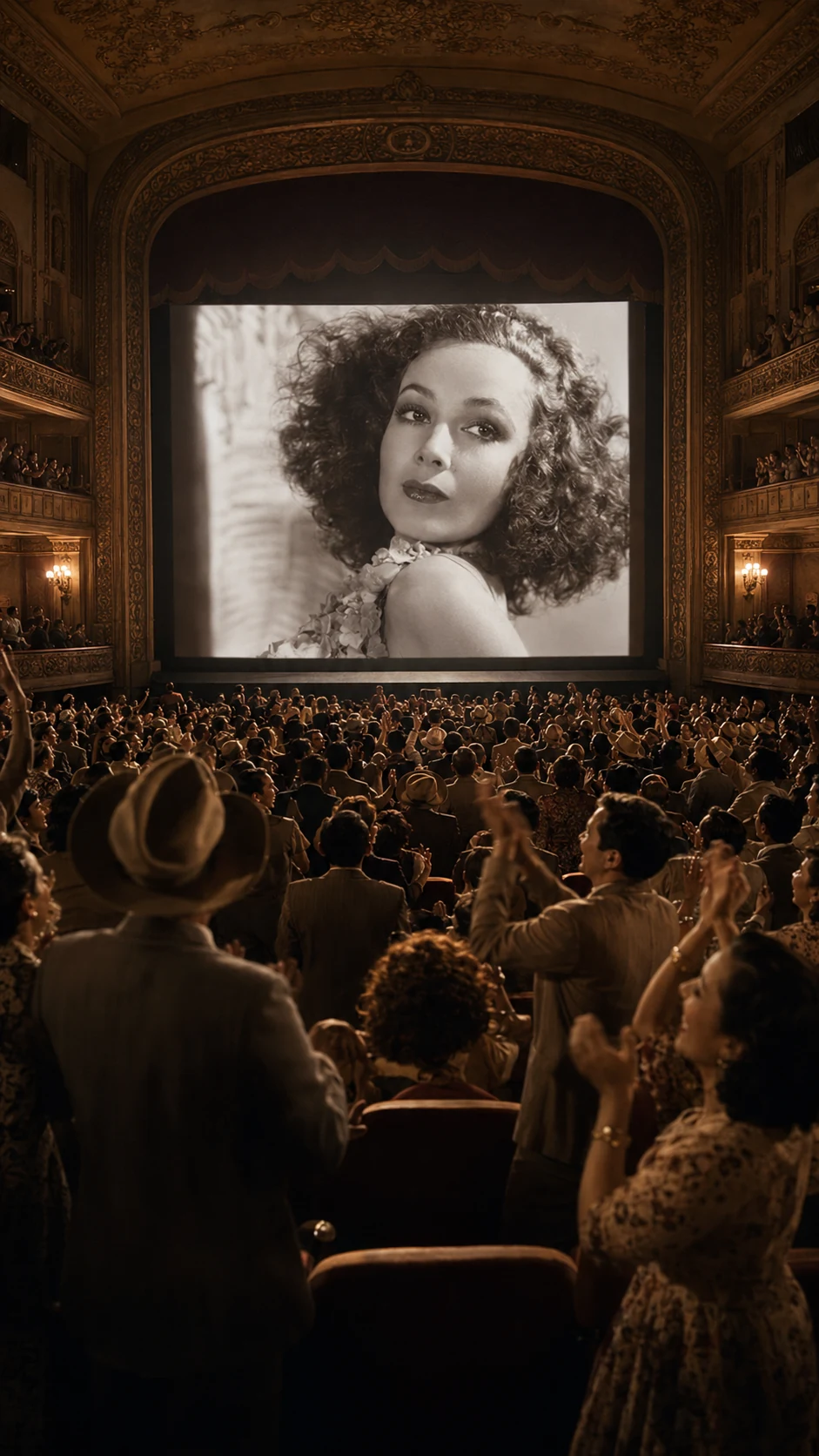
The actress emerged from behind the star
Las abandonadas, Bugambilia, La otra, La malquerida, Doña Perfecta and El niño y la niebla followed.
In Hollywood, the camera had treated her beauty as destiny. In Mexico, beauty could coexist with guilt, suffering, motherhood, age, sacrifice and moral ambiguity.
She received three Ariel Awards for Best Actress for Las abandonadas, Doña Perfecta and El niño y la niebla. She later received the honorary Ariel de Oro for her career.
Her transformation did not require her to stop being a star. It required using a star’s power to sustain more demanding performances.
She had not returned to seek refuge in nostalgia. She had returned to reconstruct herself.
The myth of Cannes’s first female juror
A claim repeated in biographies, tributes and even institutional accounts states that Dolores del Río was the first woman to serve on the Cannes Film Festival jury.
Dolores did serve on the international Cannes jury in 1957, and her presence as a Mexican actress within one of European cinema’s central institutions was historically significant.
She was not, however, its first female juror.
Cannes’s official archive lists film archivist Iris Barry as a feature-film juror in 1946, eleven years before Dolores’s participation. That record is sufficient to disprove the claim that Dolores was the jury’s first woman (Festival de Cannes, n.d.).
Correcting the record does not diminish Dolores. It prevents her genuine achievements from becoming a collection of unnecessary “firsts.” Her importance does not depend on assigning her a distinction that belonged to someone else.
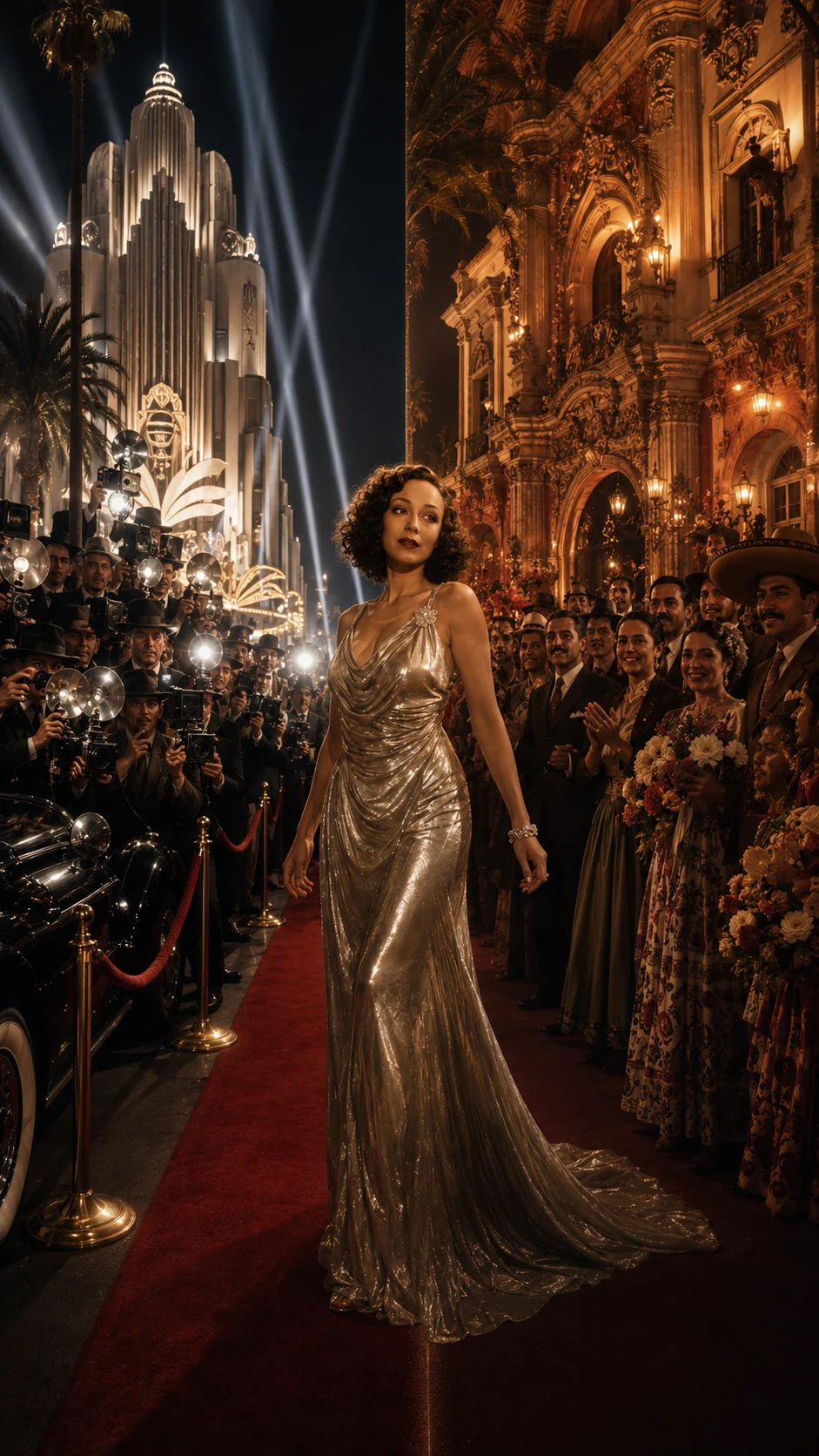
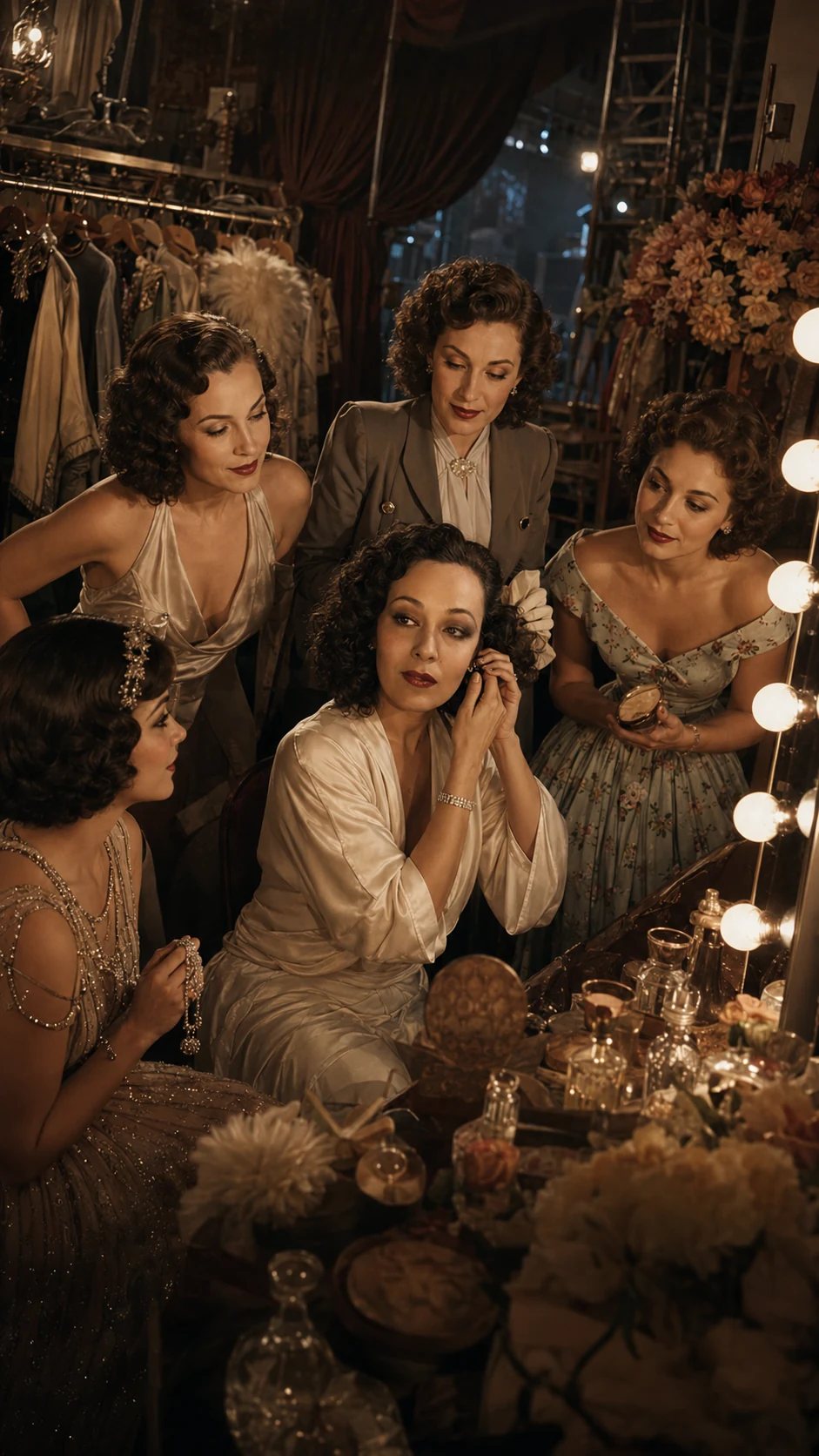
The actress who supported other actresses
Away from the screen, Dolores became active in the National Association of Actors. Her union work concentrated particularly on the needs of women employed in entertainment.
Together with other colleagues, she supported the Rosa Mexicano group, composed of women connected with the organization. One of their principal objectives was to establish a safe place where workers could leave their children during long working hours.
In an industry built around irregular schedules, touring and extended film shoots, access to childcare could determine whether a woman continued her career or was forced to abandon it.
ANDA preserves Dolores del Río’s speech at the childcare center’s inauguration on January 17, 1974. The institution was named after her following her death. She devoted time, prestige and resources to its operation. The institution continued serving families long after her death (National Association of Actors, n.d.).
This may be one of the most important and least remembered parts of her legacy. She did not merely create an individual place for herself in cinema. She helped establish conditions that allowed other women to remain within it.
Protecting Mexico’s heritage
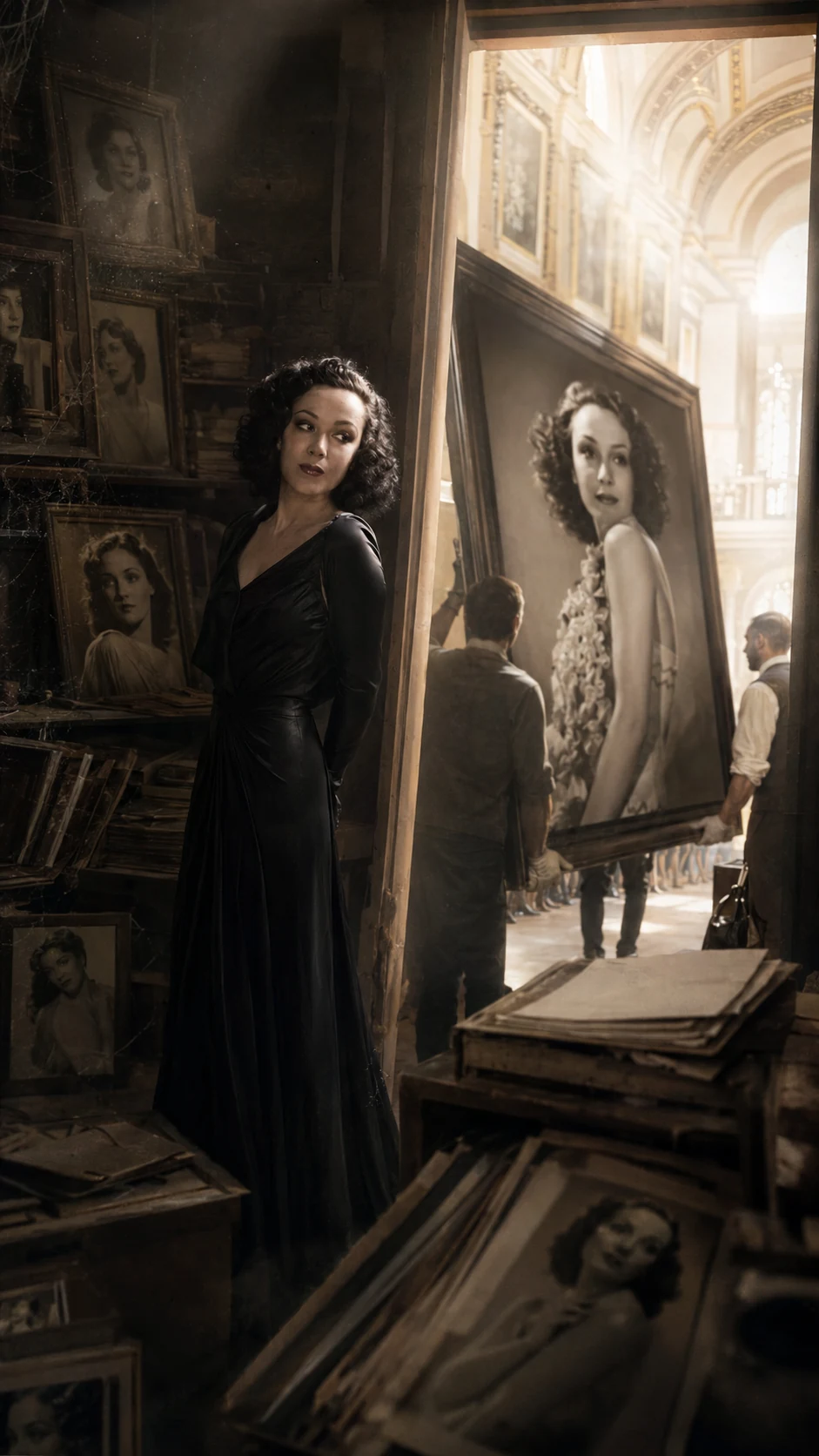
Dolores was also involved with initiatives intended to preserve Mexican monuments, historic buildings and works of art. She participated in the creation of the Sociedad Defensora del Tesoro Artístico de México alongside other cultural figures.
Her friendships with Diego Rivera and Frida Kahlo were not merely social connections. She belonged to a generation concerned with defining, preserving and presenting Mexican cultural identity after the Revolution.
She posed for artists, supported exhibitions and used her celebrity to draw attention to cultural causes.
The same woman whose image had been shaped by Hollywood eventually worked to protect the images, buildings and objects belonging to her country’s collective memory.
Returning to Hollywood on her own terms
Dolores continued working in theater, television and cinema. She occasionally returned to American productions, but Hollywood no longer determined her prestige.
She appeared with Elvis Presley in Don Siegel’s Flaming Star in 1960 and acted in John Ford’s Cheyenne Autumn in 1964. She also worked in European productions.
Her final film was The Children of Sanchez, released in 1978. By then, her career had lasted more than half a century.
She was no longer merely the young woman promoted as “the female Valentino.” She had become a cultural figure capable of moving among different industries, languages and generations.
The death of an image that remained alive
Dolores del Río died on April 11, 1983, in Newport Beach, California, after suffering health complications connected with liver disease. She was seventy-eight.
Her remains were later transferred to the Rotunda of Illustrious Persons in Mexico City.
For decades, she was described primarily through statements about her beauty. Artists, journalists and colleagues compared her with sculptures, flowers and architectural wonders. Such compliments sounded honorable, but they could also function as a cage, reducing a complex career to a face that supposedly never aged.
Dolores understood that trap before many of the people who wrote about her.
Hollywood had taught her that an image could open a door and close it at the same time. Mexico allowed her to transform that image into artistic, cultural and social authority.
The woman who remained after the film ended
Dolores del Río opened a path for Latin American performers in an industry that accepted them only under narrow conditions. Her deepest legacy, however, may be found in what she did after achieving fame.
She returned to her country when returning could be interpreted as defeat. She invested herself in a national industry still under construction. She gave international visibility to Mexican films. She participated in labor organizations. She helped establish childcare for entertainment workers’ children. She defended cultural heritage.
She is not entirely forgotten: her face continues to appear in photographs, posters and tributes. What is often forgotten is everything she sustained behind that face.
Beauty made Dolores del Río a star.
Her intelligence allowed her to survive the system that manufactured her.
Her solidarity ensured that her triumph did not end with her.
References
- Asociación Nacional de Actores. (n.d.). Estancia Infantil y Jardín de Niños ANDA Dolores del Río. View source
- Festival de Cannes. (n.d.). María Candelaria. View source
- Festival de Cannes. (n.d.). Dolores del Rio. View source
- Festival de Cannes. (n.d.). Iris Barry. View source
- Festival de Cannes. (n.d.). The Palme d’or. View source
- Hall, L. B. (2013). Dolores del Río: Beauty in light and shade. Stanford University Press. View source
- Instituto Nacional de Estudios Históricos de las Revoluciones de México. (2024). Dolores del Río [Exposición digital]. View source
- Instituto Nacional de Estudios Históricos de las Revoluciones de México. (n.d.). Dolores del Río (1904–1983). View source
- American Film Institute. (n.d.). Journey into Fear (1943). AFI Catalog. View source
- Sociedad Defensora del Tesoro Artístico de México. (n.d.). Historia. View source
More from this collection
Anna May Wong: A Leading Actress Facing Hollywood’s Racial Barriers
Read story →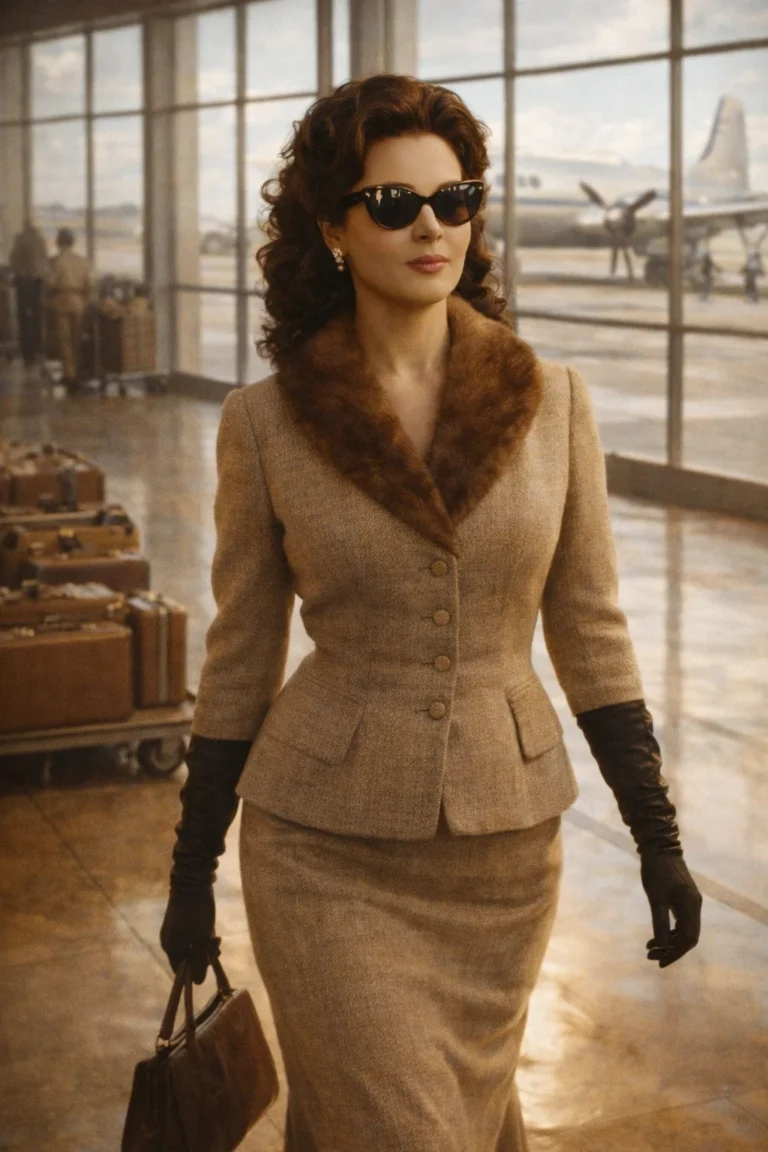
Sara Montiel: The Woman Who Returned from Hollywood to Transform Desire in Spanish Cinema
Read story →