
In this storyOpen index
Georges Bizet: The Man Who Died Before Hearing Carmen Triumph
Georges Bizet’s life, years of uncertainty and the story of Carmen: a controversial premiere and an international triumph he did not live to see.

On the night he premiered the work that would make him immortal, Georges Bizet discovered that the audience was not prepared for it. Three months later, he died at only thirty-six, never witnessing the extraordinary stature Carmen would attain.
His story is usually reduced to a perfect tragedy: a misunderstood composer creates a masterpiece, fails and dies believing himself defeated. The truth is more complicated. Carmen was not quite the absolute disaster repeated in countless biographies, and Bizet did not die because hostile reviews had broken his heart.
The real tragedy is simpler: he spent nearly his entire life searching for his own voice and disappeared just as he finally found it.
Georges Bizet
The music behind the legend
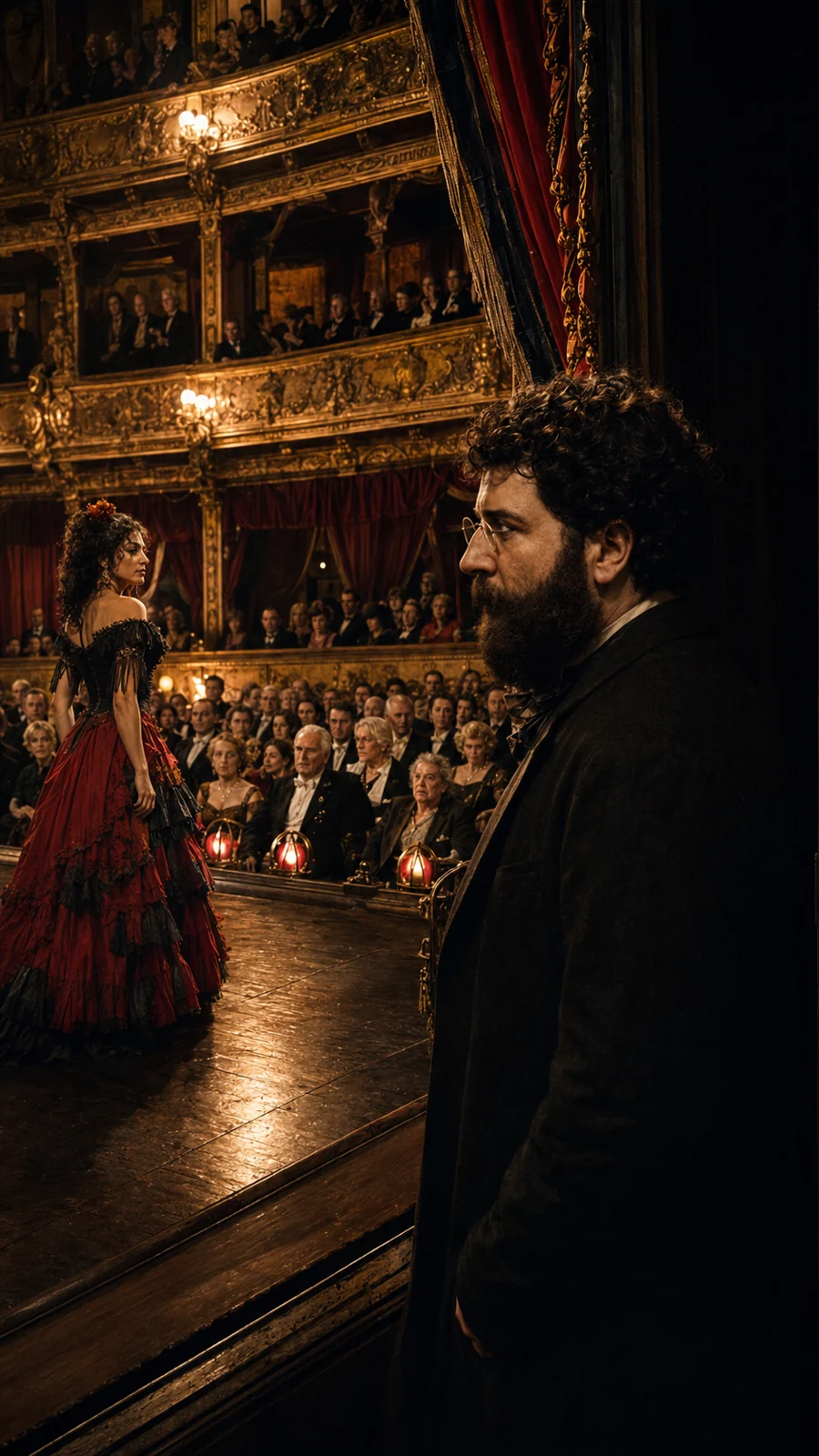
Carmen · Opéra-Comique
The Opéra-Comique explores Carmen, first performed on its stage on March 3, 1875. Its resource explains the commission, the adaptation of Mérimée and the clash between the heroine and the theater’s conventions. It offers a starting point for separating the opera’s history from the legend of absolute failure. The image is an AI artistic recreation, not a photograph of the premiere.
The child admitted before he was old enough
Georges Bizet was born in Paris on October 25, 1838. He was given the names Alexandre-César-Léopold Bizet, although his family began calling him Georges, the name by which history would remember him.
He grew up in a musical household. His father, Adolphe Bizet, had been a hairdresser before becoming a singing teacher and amateur composer. His mother, Aimée Delsarte, was a pianist from a musical family. She gave him his first lessons and quickly recognized his exceptional musical memory.
Bizet entered the Paris Conservatoire on October 9, 1848, a few days before his tenth birthday. His teachers immediately recognized his remarkable gifts for piano, harmony and sight-reading (Macdonald, n.d.).
He could have pursued a career as a virtuoso pianist. His biographers recount that he impressed Franz Liszt with his remarkable sight-reading in 1861, although the details of the encounter later acquired a legendary quality. Bizet, however, avoided presenting himself publicly as a pianist. He did not want to be known primarily as a performer. He wanted to compose.
That choice led him toward a far less secure existence.
A symphony hidden for eighty years
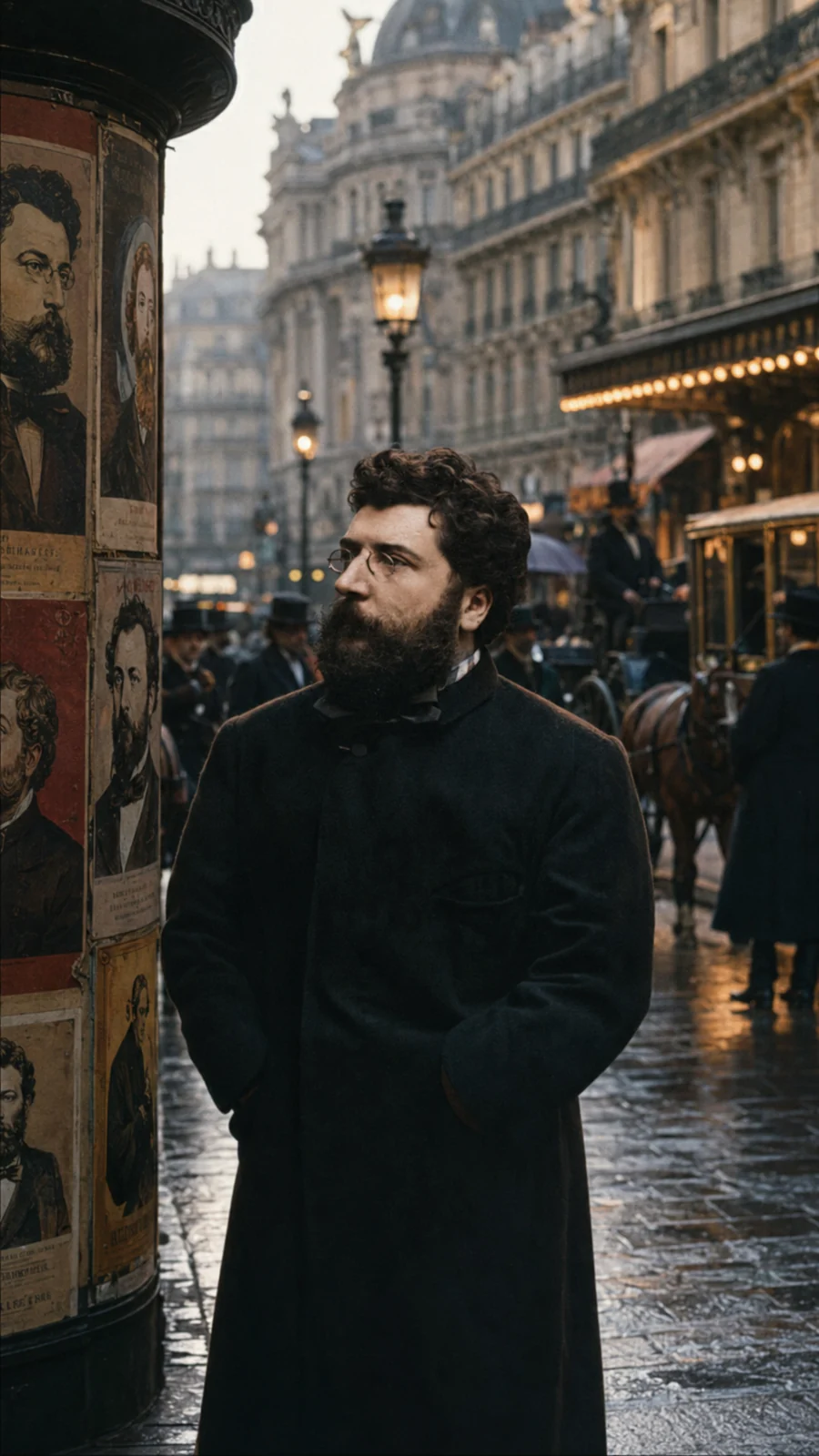
In 1855, when he was only seventeen, Bizet composed his Symphony in C. He wrote it within a matter of weeks, probably as an exercise while studying under Charles Gounod.
The work displayed astonishing clarity, energy and assurance for a student. Yet Bizet made no attempt to publish it or arrange a performance. He may have thought it too strongly influenced by Gounod, or he may simply have regarded it as an academic exercise.
The manuscript remained forgotten in the archives of the Paris Conservatoire. Its existence became publicly known in 1933, and the symphony was not performed until February 26, 1935, in Basel under conductor Felix Weingartner.
Bizet had been dead for almost sixty years.
This is one of the lesser-known facts of his career: one of his most admired orchestral compositions remained silent for approximately eight decades, and its composer never learned that it would eventually be recognized as a youthful masterpiece (Los Angeles Philharmonic, n.d.).
The prize that should have opened every door
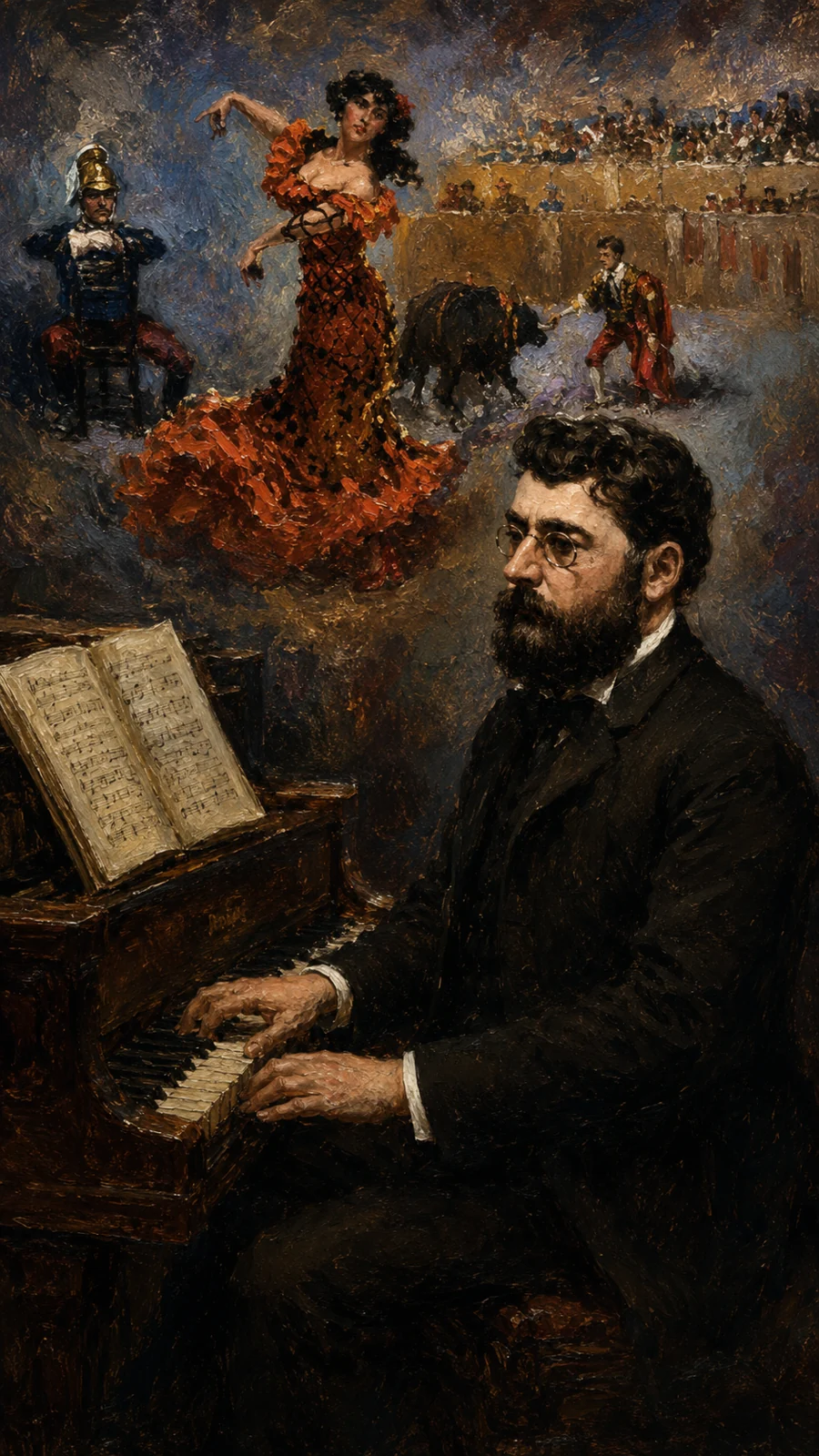
In 1857, at eighteen, Bizet won the prestigious Prix de Rome with his cantata Clovis et Clotilde. The award allowed him to live and study in Italy, mainly at the Villa Medici.
Rome gave him a freedom he could not find in Paris. He escaped the Conservatoire’s rivalries, explored Italian cities and considered what kind of composer he wished to become. The prize, however, also carried obligations: he was required to send compositions back to the French Academy as evidence of his progress.
When he returned to Paris in 1860, he expected academic recognition to lead to a stable career. It did not.
Parisian musical life depended on theaters, impresarios, critics, patrons and complicated social connections. Bizet needed money, so he accepted work transcribing, arranging and preparing reductions of other composers’ scores. Such assignments consumed hours he would rather have devoted to his own music (Macdonald, n.d.).
He had been one of France’s most brilliant students, yet he still struggled to place his compositions on the stage.
The pearl fishers who failed to find success
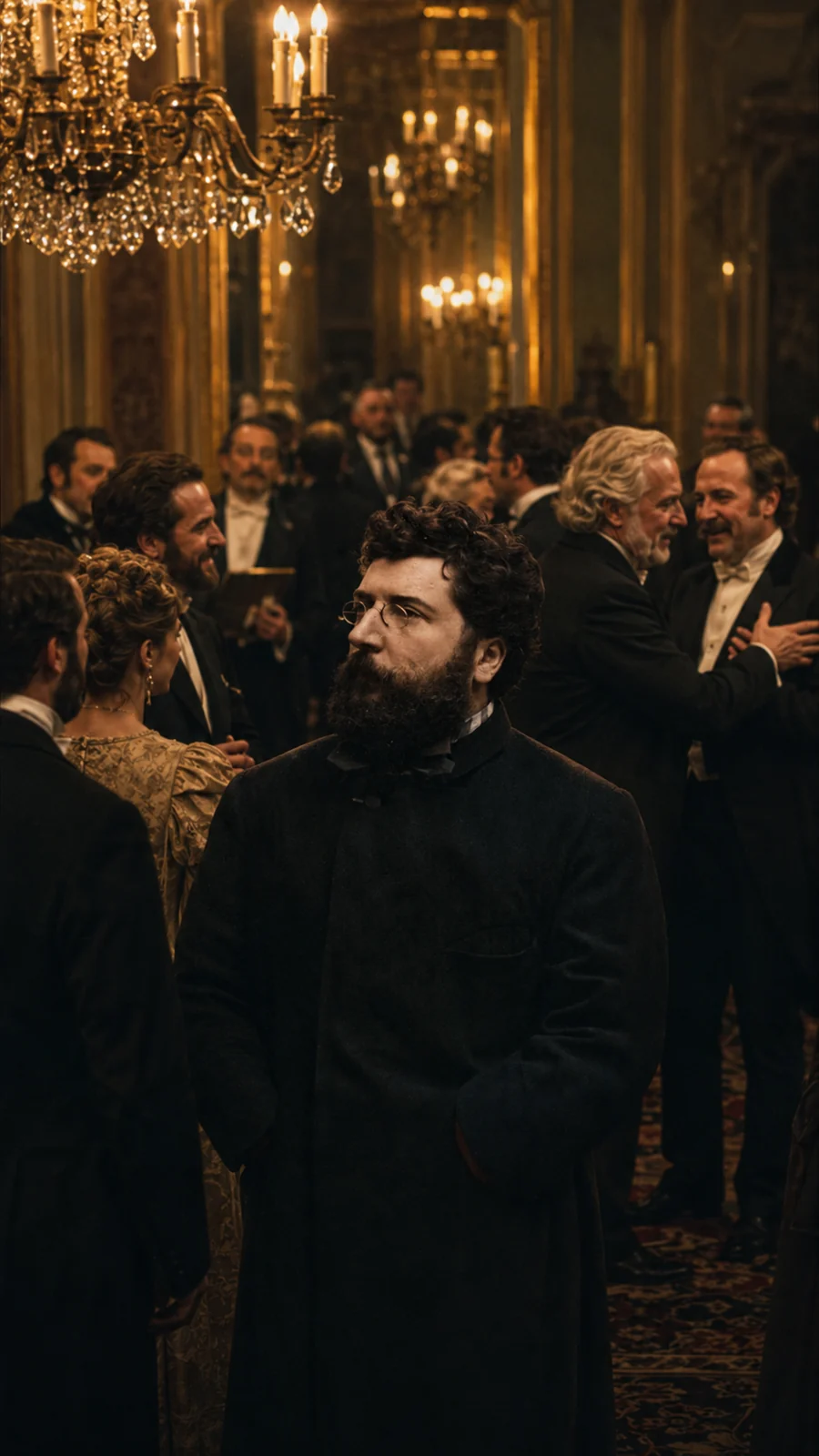
In 1863 Bizet received a commission to compose The Pearl Fishers. Set in a European fantasy of Ceylon, the opera contains some of his most beautiful music, including the famous male duet “Au fond du temple saint.”
Its reception was uneven. Several critics objected to the libretto and accused the young composer of displaying the influence of other musicians too openly. Hector Berlioz, however, recognized the talent and orchestral color within the score.
The production disappeared after a brief run. Bizet never heard the opera become a regular part of the international repertory.
Nor did The Fair Maid of Perth, first performed in 1867, secure him a lasting position. The same pattern appeared repeatedly: flashes of originality, scattered praise and then silence.
A marriage within the operatic world
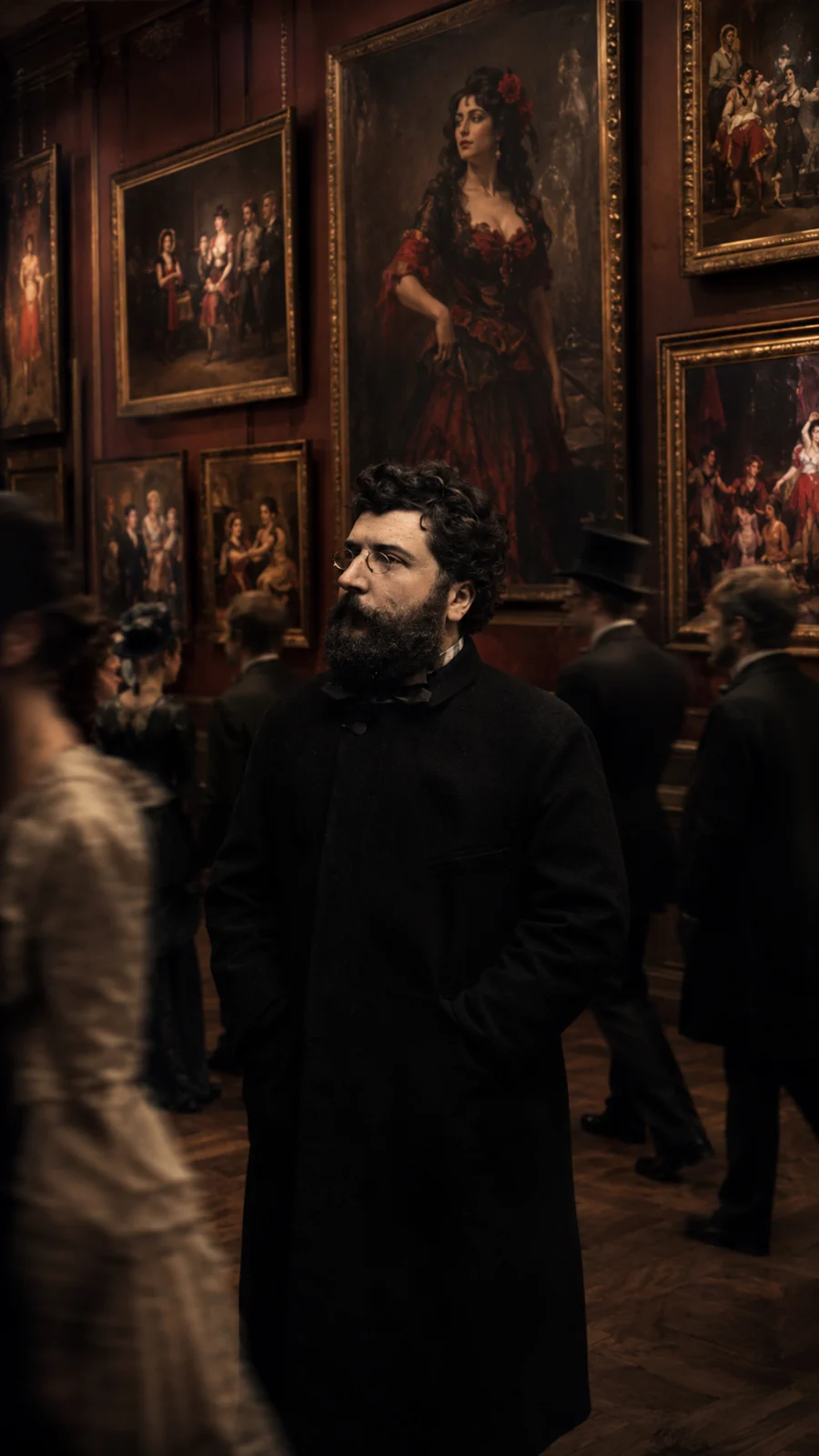
Bizet married Geneviève Halévy in 1869. She was the daughter of his former teacher, Fromental Halévy. Her family initially opposed the marriage because they considered the composer financially unstable. The couple had one son, Jacques, born in 1872.
Their relationship passed through difficult periods. Geneviève experienced emotional crises, and the household lived with persistent financial concerns. Bizet alternated between phases of intense creative energy and periods of pessimism and insecurity.
During the Franco-Prussian War of 1870, he served in the National Guard. Paris was besieged, and its artistic life came to a halt. Following the French defeat and the Paris Commune, Bizet returned to a city scarred by hunger, violence and political division.
In that environment, he attempted to rebuild his career.
Two more failures and the music that survived
Bizet premiered Djamileh in 1872. It was withdrawn after only a few performances. That same year, he composed incidental music for Alphonse Daudet’s play L’Arlésienne.
The theatrical production failed, but Bizet rescued part of the music by creating an orchestral suite. What had not succeeded in the theater found a new life in the concert hall.
The music of L’Arlésienne revealed something important: Bizet possessed an extraordinary ability to create atmosphere, orchestral color and melodies that seemed to carry a story even without words. Although the failures deepened his doubts, they also moved him closer to the language in which he would write Carmen (Opéra national de Paris, n.d.).
A woman too dangerous for that theater
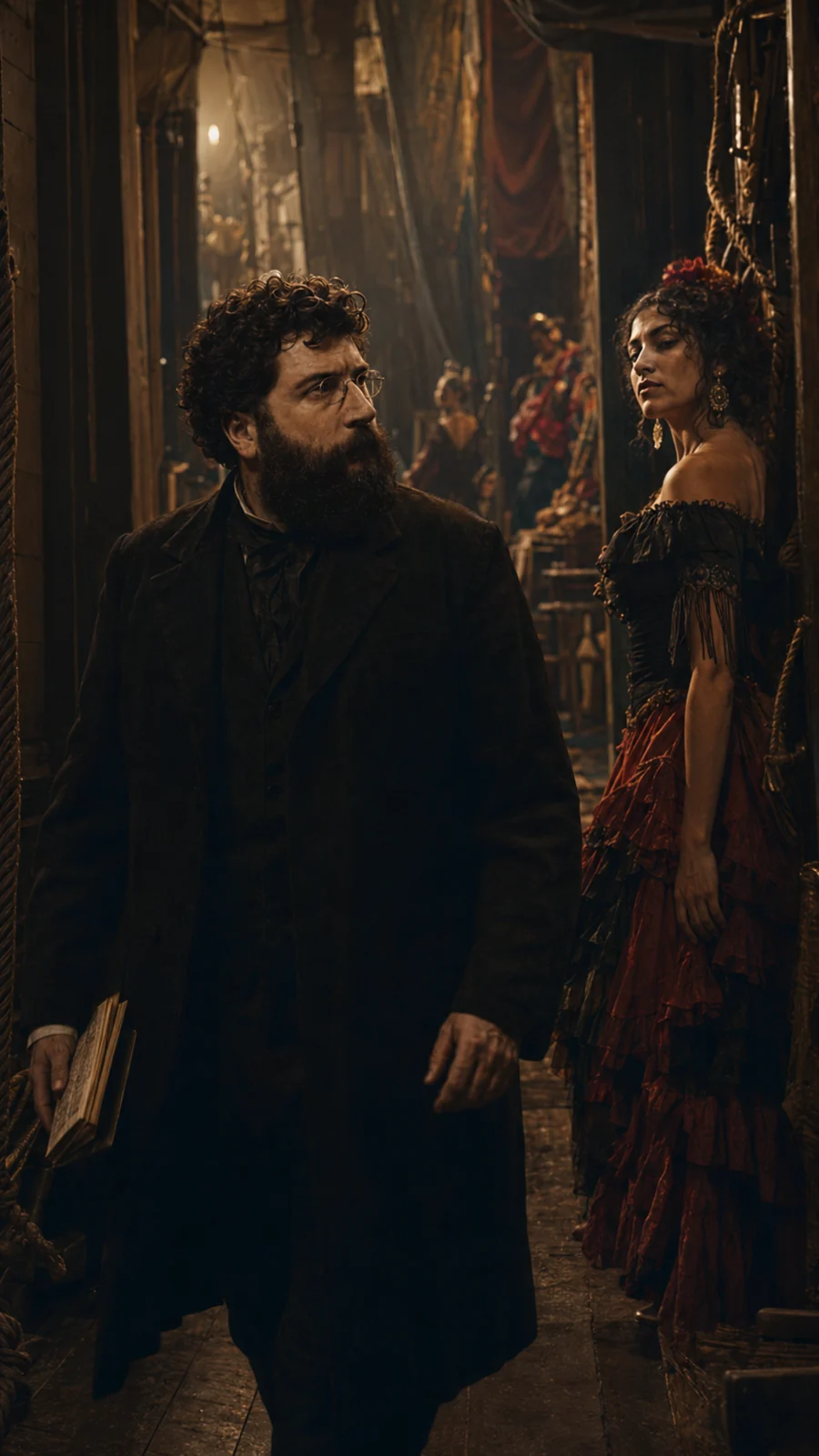
The Paris Opéra-Comique commissioned Bizet to write an opera with a libretto by Henri Meilhac and Ludovic Halévy, based on Prosper Mérimée’s novella Carmen.
The theater attracted families and audiences accustomed to stories whose conflicts ended without seriously disturbing the established moral order. It was also known as a place where young middle-class people might attend with their parents while considering suitable marriages.
Carmen did not belong to that world.
Its central character was a working woman who defended her freedom, chose her lovers and refused to submit to a man. The story contained smugglers, soldiers, violence and an onstage killing. The theater’s directors feared that such material would scandalize their subscribers.
Bizet and the librettists made changes, but they preserved the character’s essential core. Carmen would neither apologize nor agree to live under Don José’s control.
The mezzo-soprano Célestine Galli-Marié, chosen for the title role, participated actively in developing the character. Bizet revised the habanera several times before settling on its final form. Its melody came from “El arreglito,” a song by the Spanish composer Sebastián Iradier that Bizet initially believed to be a folk tune. After learning its true origin, he acknowledged Iradier in the published score.
Rehearsals on the edge of collapse
Rehearsals for Carmen were long and difficult. The orchestra found parts of the music challenging. The chorus was accustomed to singing in relatively static positions, but its members were now expected to move, argue, smoke and perform individual actions while singing.
Bizet defended a more realistic form of staging. He wanted the cigarette factory, tavern, smugglers’ hideout and bullring square to appear inhabited by people rather than ornamental figures.
Preparations continued for months. The composer worked under enormous pressure and made constant revisions. By the time the premiere arrived, he was physically and emotionally exhausted.
The night Carmen divided Paris
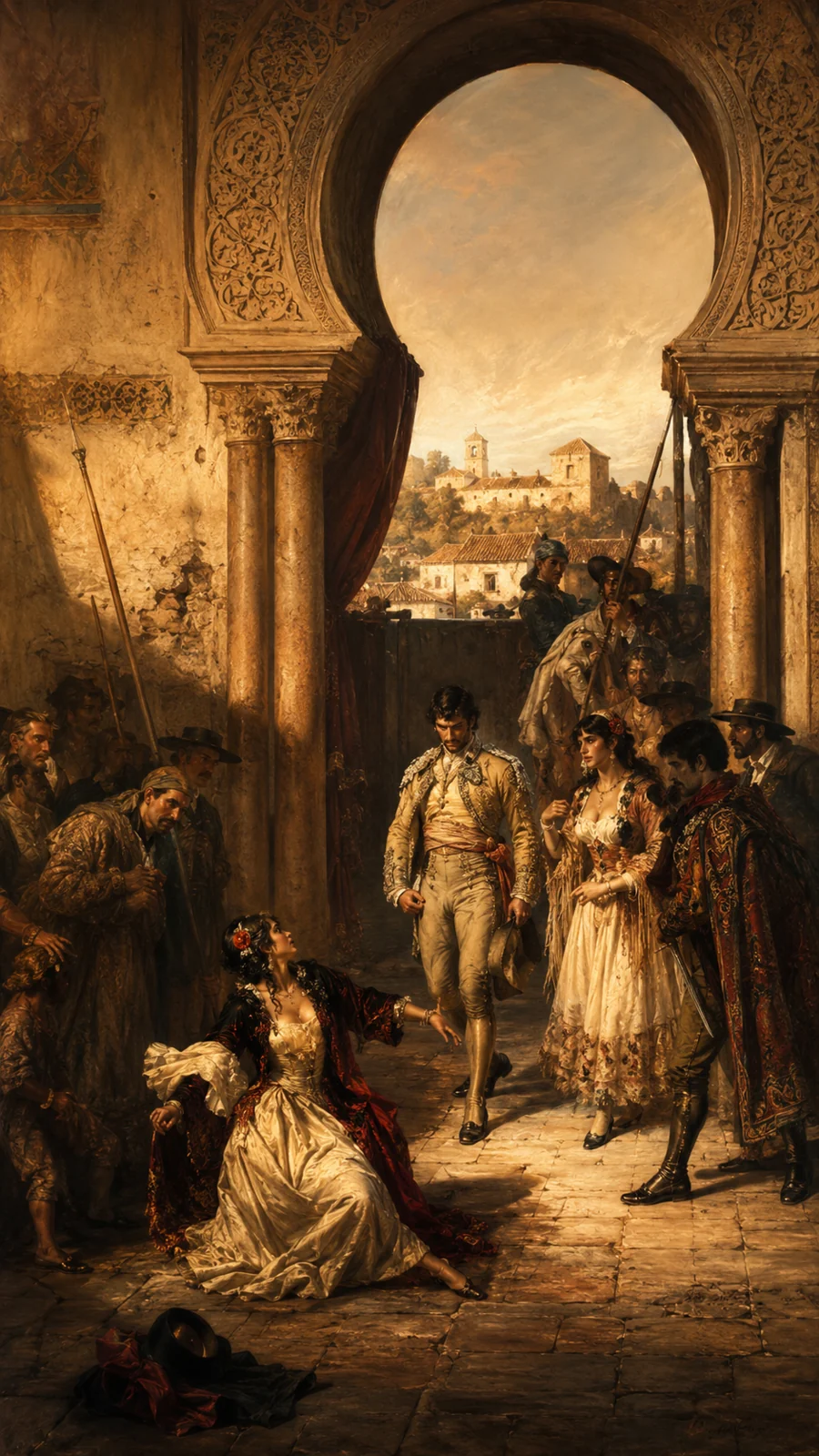
Carmen premiered at the Opéra-Comique on March 3, 1875. That year, Bizet also received appointment as a knight of the Legion of Honor.
The first act received a favorable response, but the atmosphere cooled as the story grew darker. Some spectators were unsettled by Carmen’s sexuality, the realism of the characters and the fatal conclusion. Certain critics admired the music; others attacked the opera and described its heroine as vulgar or immoral.
The image of an absolute failure requires qualification. Examining the press of 1875–1883, Bulycheva and Arutyunova (2023) argue that the music received a considerably warmer response than the legend suggests and that the main objections concerned the plot and libretto. Their research challenges the later narrative of a universally rejected work.
It is therefore inaccurate to say that Carmen was completely ignored. It did not immediately conquer Paris, but neither did it vanish after a single night.
Death and the myth of the broken heart
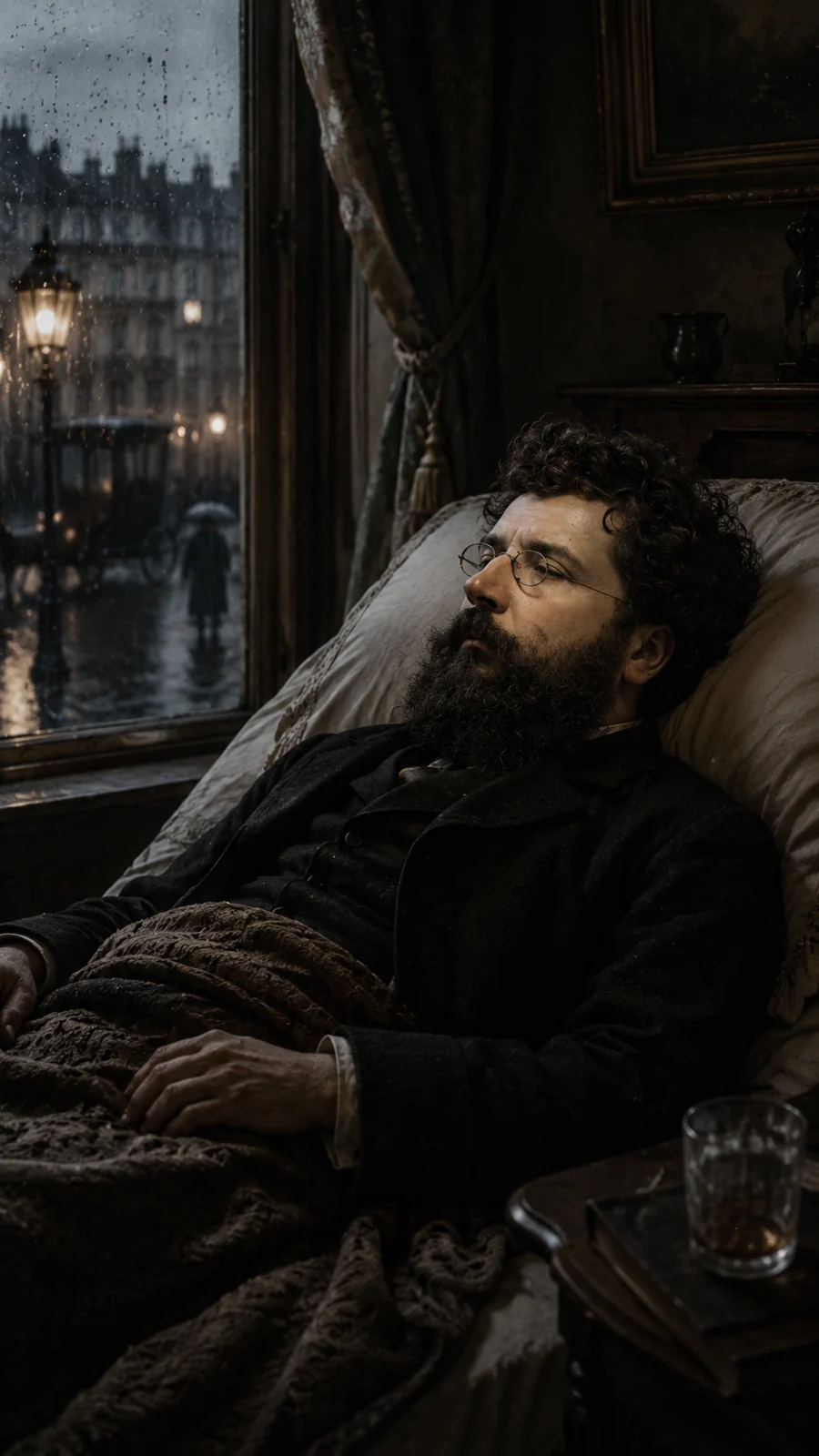
Bizet’s health deteriorated after the premiere. He had suffered for years from throat problems and attacks of rheumatism. In May 1875 he moved with his family to Bougival, hoping to rest outside Paris.
Near the end of the month, he experienced a severe medical crisis. He died in the early hours of June 3, 1875—exactly three months after Carmen opened and on his sixth wedding anniversary. He was thirty-six.
The precise cause remains uncertain. Contemporary accounts point toward cardiac complications connected to acute rheumatism, although a completely secure modern diagnosis is impossible. Later versions claimed that Bizet committed suicide or died from grief over Carmen’s alleged failure, but no solid evidence supports those stories (Macdonald, n.d.).
His death came only hours after one of the opera’s performances, by which time it had already been presented more than thirty times. That fact contradicts the image of an opera immediately withdrawn from the stage. It cannot, by itself, tell us what Bizet thought in his final days.
The triumph that arrived too late
Only months later, Carmen was produced in Vienna. After Bizet’s death, Ernest Guiraud wrote recitatives to replace the spoken dialogue; later versions also incorporated dances adapted from other works by the composer.
The Vienna production played a crucial role in spreading the opera internationally. It soon appeared in cities across Europe. International performances and subsequent revivals established a reputation that the composer could no longer witness.
Bizet witnessed none of it.
He never learned that the habanera, the Toreador Song and the prelude would eventually escape the opera house and enter popular culture. Millions of people who have never attended an opera can recognize his music today.
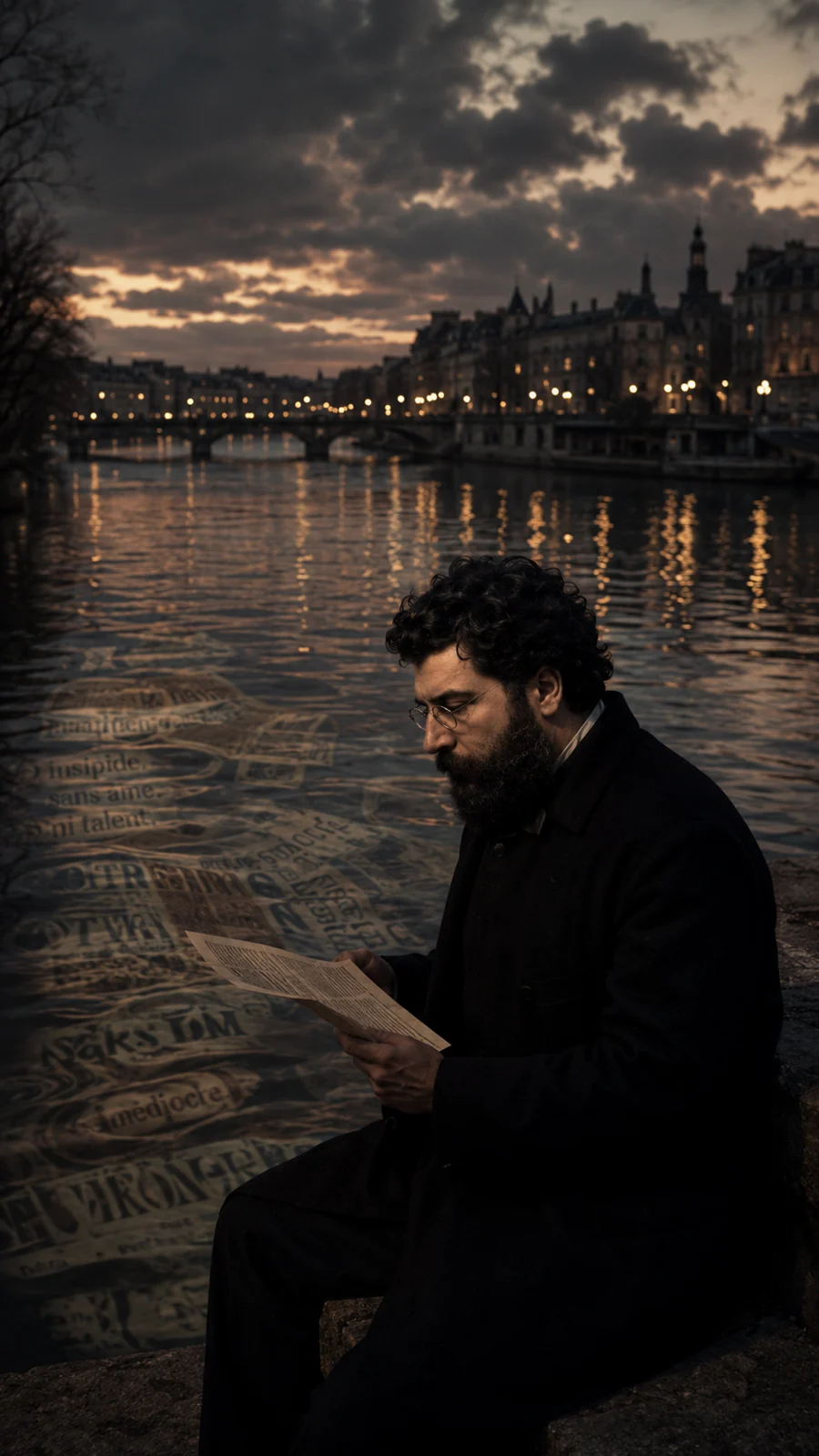
The man hidden behind a single masterpiece
The triumph of Carmen produced a paradox: it made Bizet immortal while obscuring much of his other music.
The Pearl Fishers, The Fair Maid of Perth, Djamileh, L’Arlésienne, Jeux d’enfants and the Symphony in C reveal a composer far broader than the author of a single opera. His music contains classical elegance, dramatic intensity, humor and an extraordinary instinct for instrumental color.
Bizet lived within contradiction. He was recognized as a child prodigy but spent years searching for stability. He won the Prix de Rome yet survived by arranging other composers’ scores. He possessed exceptional talent as a pianist but refused to build a career at the keyboard. He composed one of history’s most frequently performed operas but died before seeing it conquer the world.
He was not merely a genius destroyed by failure. He was an artist exhausted by years of uncertainty who, near the end of his life, discovered a new way to unite music, theater and human truth.
Carmen refuses to live without freedom, even when she knows the price. That may be why she remains disturbing. Bizet did not create an exemplary heroine. He created a woman who could not be domesticated.
Not every spectator in 1875 was ready to accept her.
The rest of the world has never been able to forget her.
References
- Bulycheva, A. V., & Arutyunova, E. A. (2023). The creation of the myth about the failure of Georges Bizet’s Carmen: Following the materials of the French press of the years 1875–1883. Contemporary Musicology, 3, 40–62. View source
- Macdonald, H. (n.d.). Brief biography. The Bizet Catalogue. Washington University in St. Louis. View source
- Macdonald, H. (n.d.). Carmen. The Bizet Catalogue. Washington University in St. Louis. View source
- Macdonald, H. (n.d.). 1ère Symphonie. The Bizet Catalogue. Washington University in St. Louis. View source
- Los Angeles Philharmonic. (n.d.). Symphony in C. View source
- Opéra-Comique. (2023). Carmen. View source
- Opéra national de Paris. (n.d.). Georges Bizet. View source
More from this collection

Antonio Lucio Vivaldi: The Red Priest Who Made Storms Resound and Died in Silence
Read story →
Franz Schubert: The Musician Who Composed as Though Time Were Chasing Him
Read story →