In this storyOpen index
Anna May Wong: A Leading Actress Facing Hollywood’s Racial Barriers
A pioneering actress who challenged Hollywood’s racial barriers across film, theater and television.
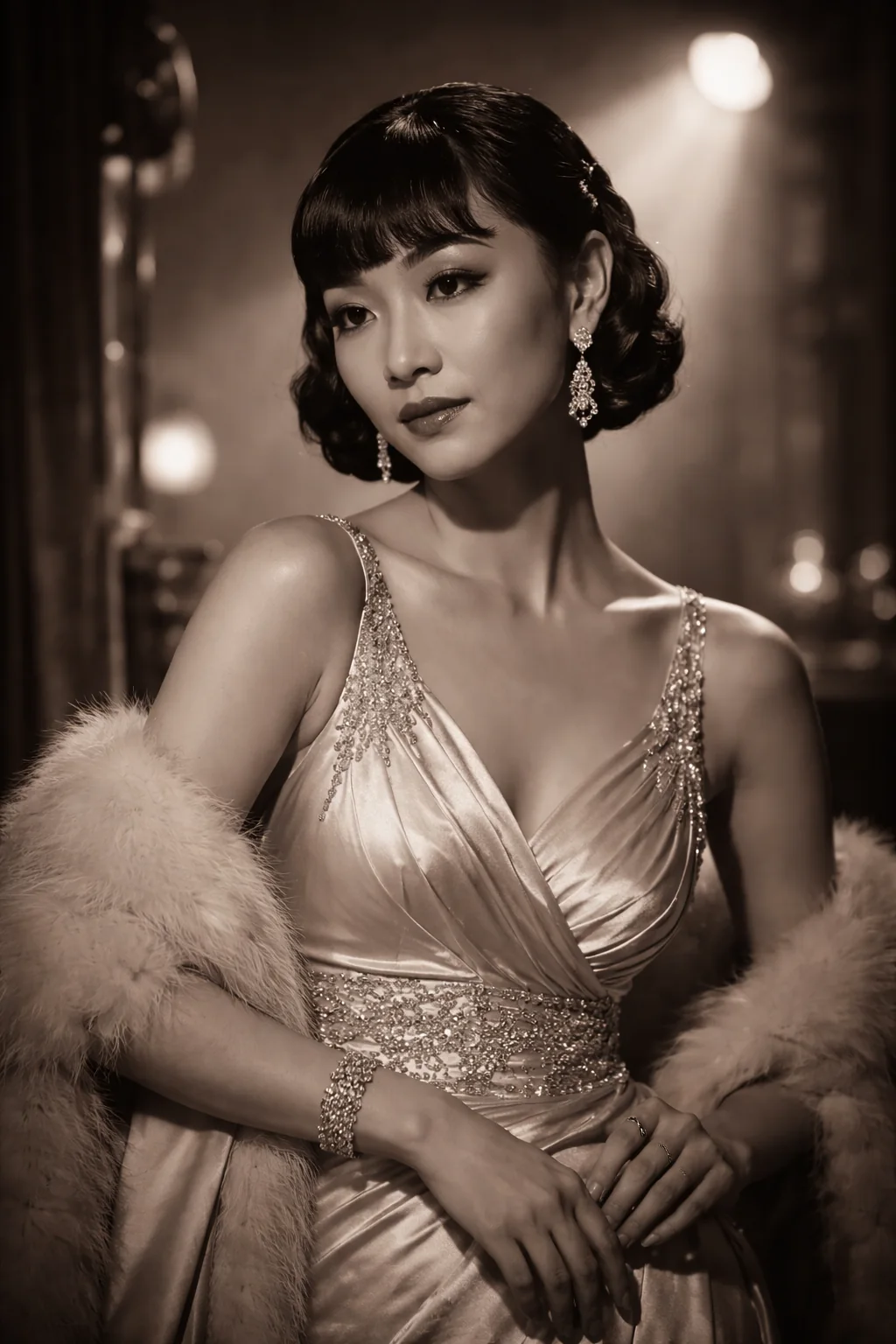
Anna May Wong entered the movies when Hollywood could imagine dragons, emperors, and entire cities belonging to a fantastic China, but offered Chinese American actresses limited opportunities and frequently stereotyped roles.
When an Asian character was wicked, mysterious, or submissive, studios thought of her. When the character was expected to love, build a family, or represent China with dignity, they frequently selected a white actress made up to appear Asian.
Wong constructed an international career within that contradiction. She became a silent-film star, a stage actress in Europe, a performer in three languages, a fashion figure, and the star of the first American television series led by an Asian American performer.
She was not forgotten because she lacked talent. She was pushed aside because her existence contradicted the racial fantasies the industry wanted to sell.
Anna May Wong
A life told between the screen and exclusion
The document that demanded proof of belonging
The National Archives preserves records of the identity checks imposed on Wong despite her American birth. Follow the link to the archival document. This card uses an artistic illustration, not a reproduction of the certificate.
AI-generated illustration; artistic reconstruction, not a historical document.
The girl who watched cameras from the street
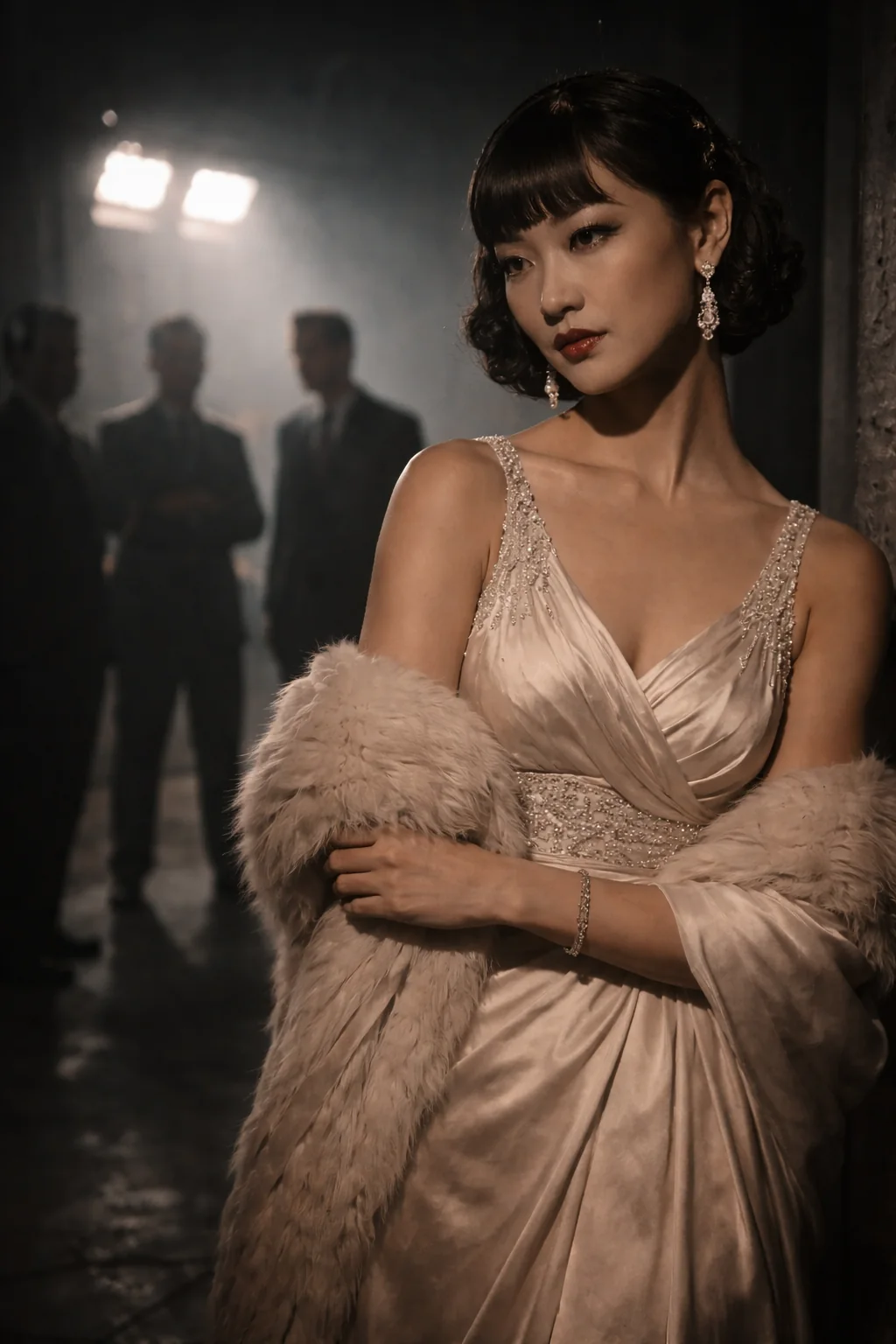
Anna May Wong was born Wong Liu Tsong on January 3, 1905, in Los Angeles. Her Chinese name can be translated approximately as “frosted yellow willow.” She was the daughter of Wong Sam Sing, the owner of a laundry, and Lee Gon Toy. Her family had lived in the United States for several generations and traced its roots to Taishan in China’s Guangdong Province (Hodges, 2004).
She grew up in a city where the motion-picture industry was rapidly expanding. Film companies shot scenes in the streets, and the young girl stopped to observe the cameras, sets, and performers. She spent part of the money she received attending neighborhood movie theaters.
Her fascination existed alongside rejection. At public school, she experienced racial insults and harassment because of her Chinese ancestry. She and her sister eventually attended a school connected with the Chinese community.
Although she had been born in California and was an American citizen, society insisted on treating her as a foreigner. That contradiction—belonging to the country while continually being presented as an outsider—would shape her entire career.
A teenager before the camera
In 1919, at about 14, she obtained a small uncredited appearance in The Red Lantern, starring Alla Nazimova. She continued accepting minor roles while helping at the family laundry and trying to convince her parents that motion pictures could become a profession.
In 1922, she received her first leading role in The Toll of the Sea. She played Lotus Flower, a young Chinese woman abandoned by an American man. The production was among the first feature films commercially distributed using Technicolor’s two-color process.
Wong was 17. Her face, restraint, and ability to communicate suffering without words sustained the picture. But the story already established the pattern Hollywood would repeat: an Asian woman could fall in love with a white man but could not keep him. Her sacrifice restored the racial order at the conclusion (Chan, 2003).
The role made her visible while also confining her within the image of the exotic woman destined to lose.
Success that looked too much like a cage
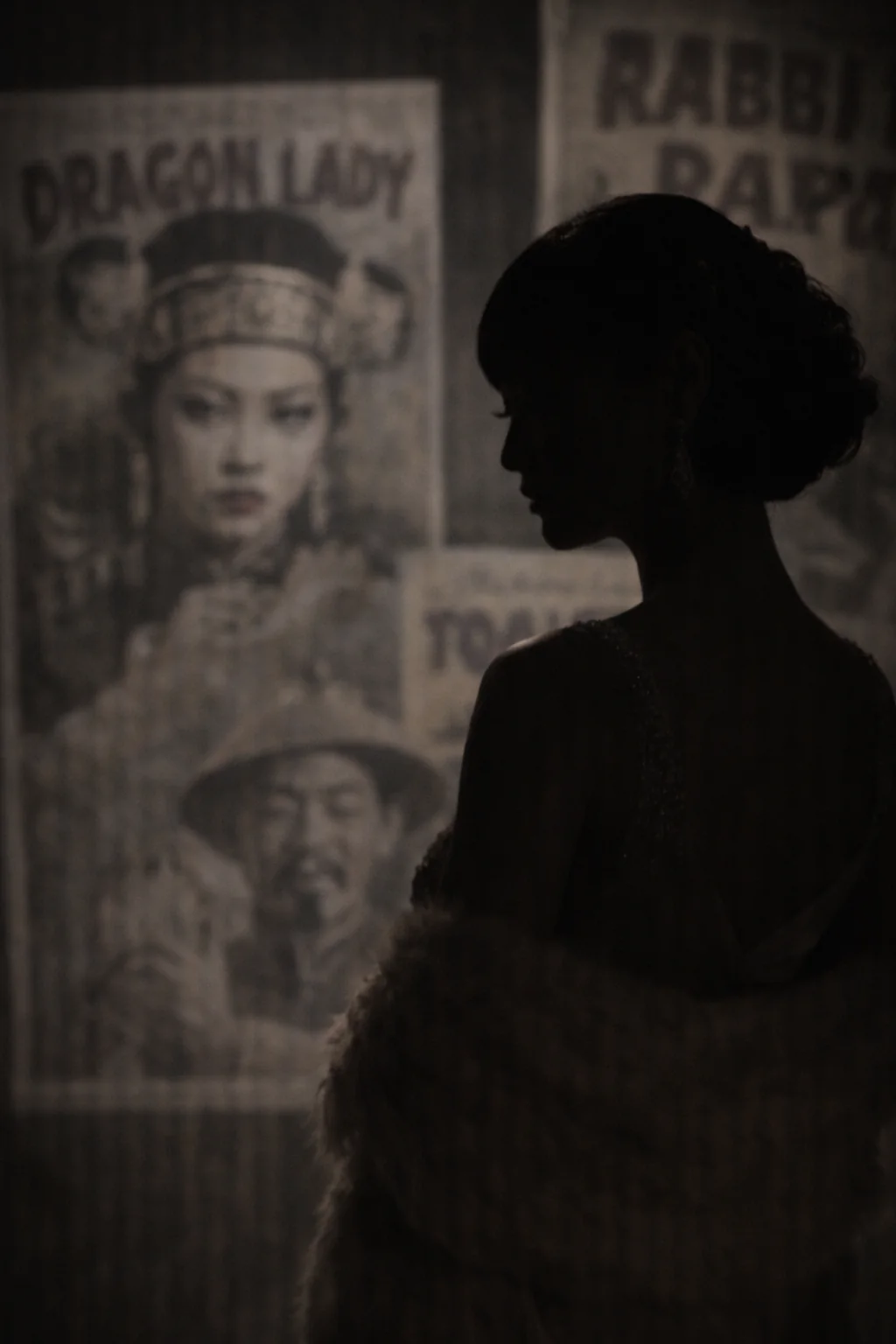
In 1924’s The Thief of Bagdad, starring Douglas Fairbanks, Wong played a Mongol slave. Her appearance created a powerful visual impression, but the character was seductive, treacherous, and dangerous.
Hollywood had found a profitable way to use her. She could play the “dragon lady,” the mysterious servant, the threatening foreigner, or the doomed lover. She was rarely allowed to portray an ordinary woman possessing desires, humor, and a future.
The restrictions did not come from scripts alone. Laws against interracial marriage remained in force in numerous states, including California, and the industry avoided portraying romances between people classified as belonging to different races. The Production Code, more strictly enforced from 1934, expressly prohibited sexual relationships between Black and white people; its clause did not name other racial pairings. Studio prejudice and censorship pressures nevertheless also restricted romances involving Asian performers.
Casting white actors as Asian men further narrowed her opportunities as a romantic lead. This was not a universal written Code prohibition on Chinese-white couples, but a combination of casting decisions and racial restrictions imposed by the industry (Leong, 2005; American Film Institute, n.d.).
Europe allowed her to occupy the center
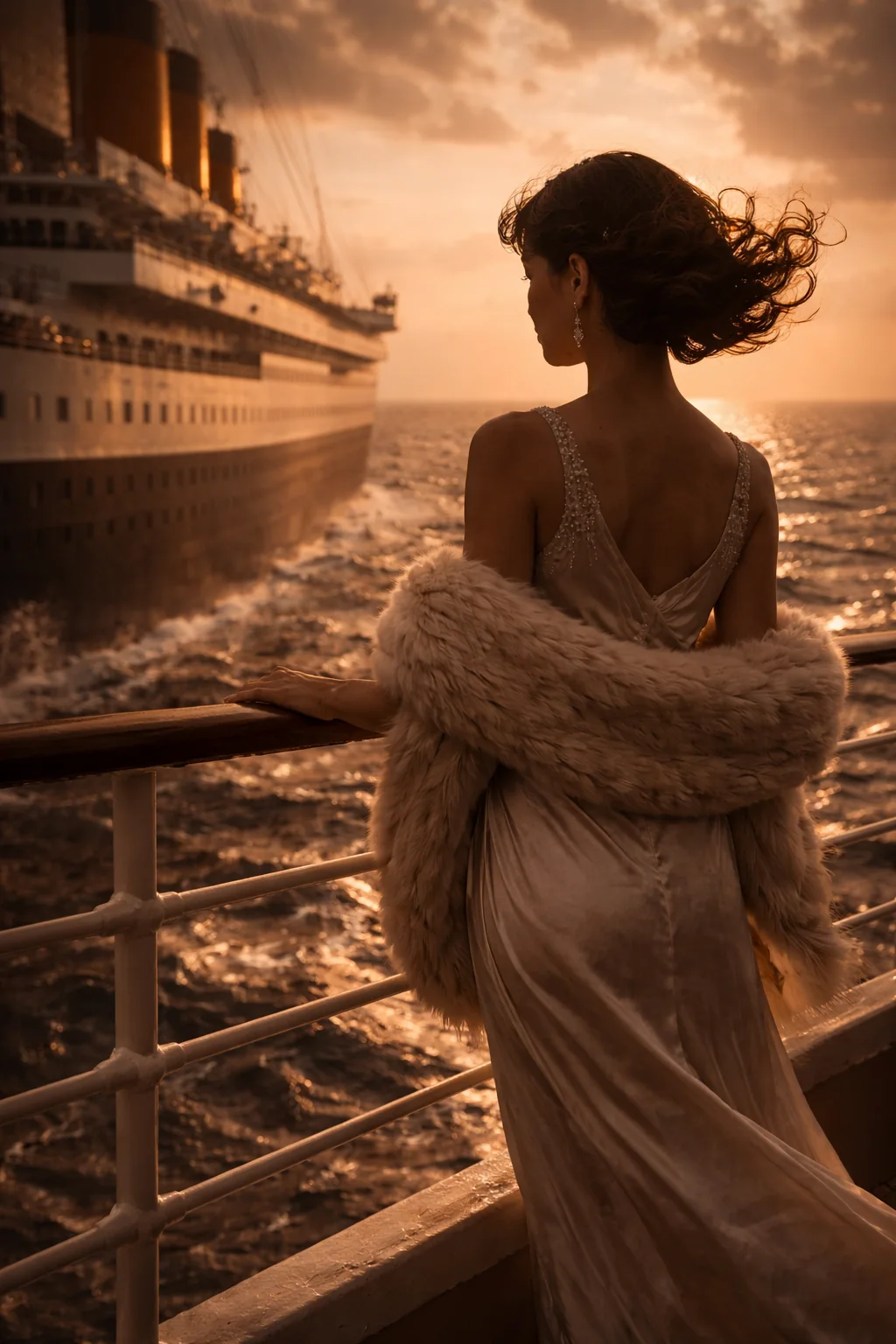
Tired of secondary roles, Wong traveled to Europe in 1928. She worked in film and theater, learned languages, and became a recognized figure in Berlin, London, and Paris.
Her most important European film was Piccadilly, released in 1929 and directed by E. A. Dupont. She played Shosho, a kitchen worker who becomes a dancer and transforms a London nightclub.
Although the story still contained exoticism and ended tragically, Wong was no longer a decoration at the edge of the frame. Her presence directed the narrative. The camera observed her ambition, confidence, and ability to command an audience.
She also appeared in stage productions and participated in The Flame of Love, filmed in English, French, and German versions. Her European career demonstrated that she could adapt to sound cinema and perform beyond the English language (Lim, 2019).
In the United States, she was presented as a foreigner. In Europe, precisely because she was a modern American woman of Chinese ancestry, she became a symbol of cosmopolitan elegance.
Returning to the same boundary
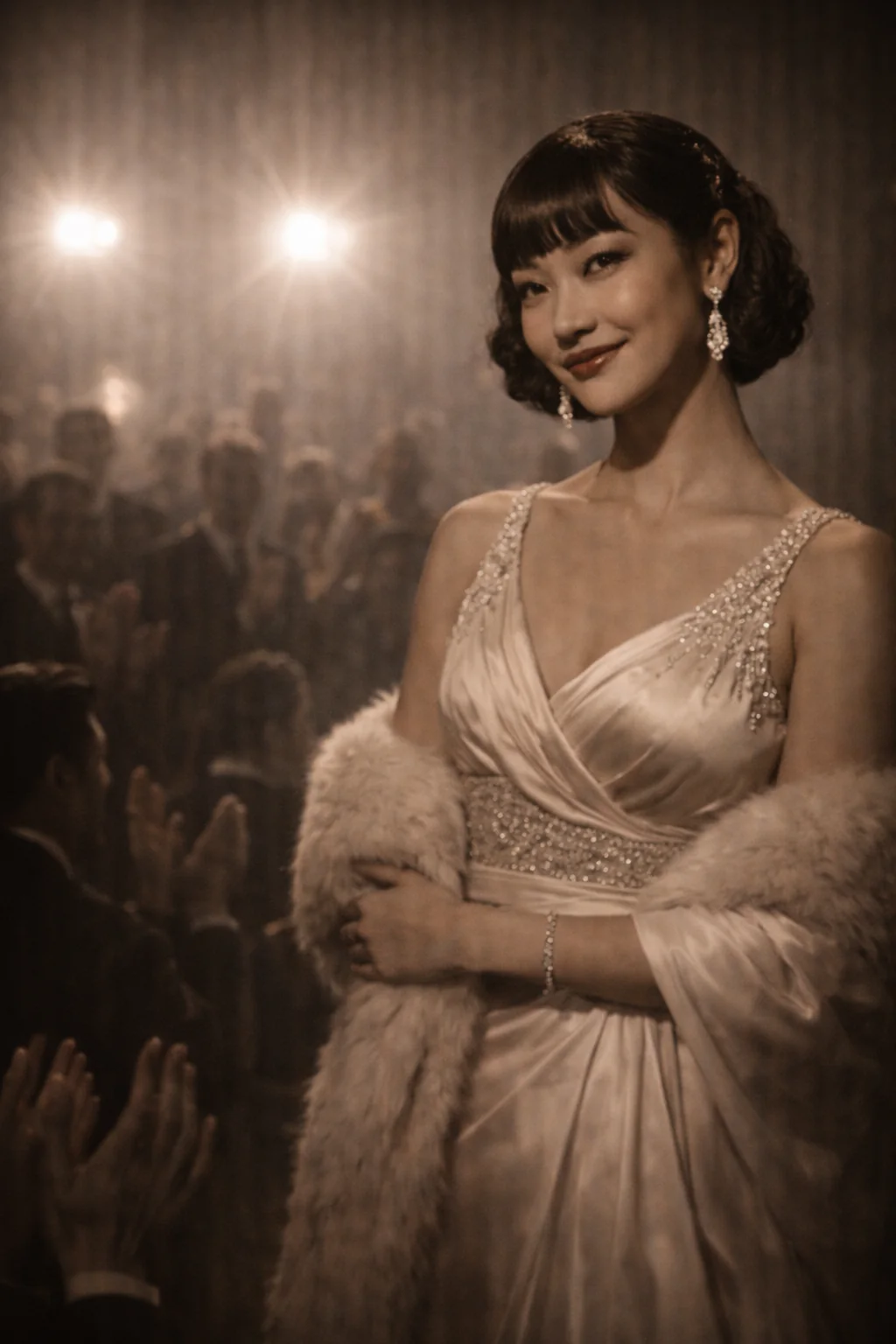
Wong returned to Hollywood in the early 1930s with greater international prestige, but the studios continued offering her variations of the same stereotypes.
In 1931’s Daughter of the Dragon, she portrayed Fu Manchu’s daughter. Although she received prominent billing, the character remained connected with one of Western culture’s most familiar anti-Asian fantasies.
One year later, she appeared with Marlene Dietrich in Josef von Sternberg’s Shanghai Express. Wong played Hui Fei, a woman who endures humiliation and violence but responds with a dignity and determination that distinguish her from many of Wong’s earlier characters.
Dietrich was the principal star and occupied the story’s romantic center. Yet Wong created one of the most complex characters of her career and received praise that often surpassed the attention given to other members of the cast (Hodges, 2004).
Even in her finest work, she had to transform limited characters from within. She could not completely rewrite the script, but she could refuse to perform submission as emptiness.
The Good Earth: the role that exposed the system
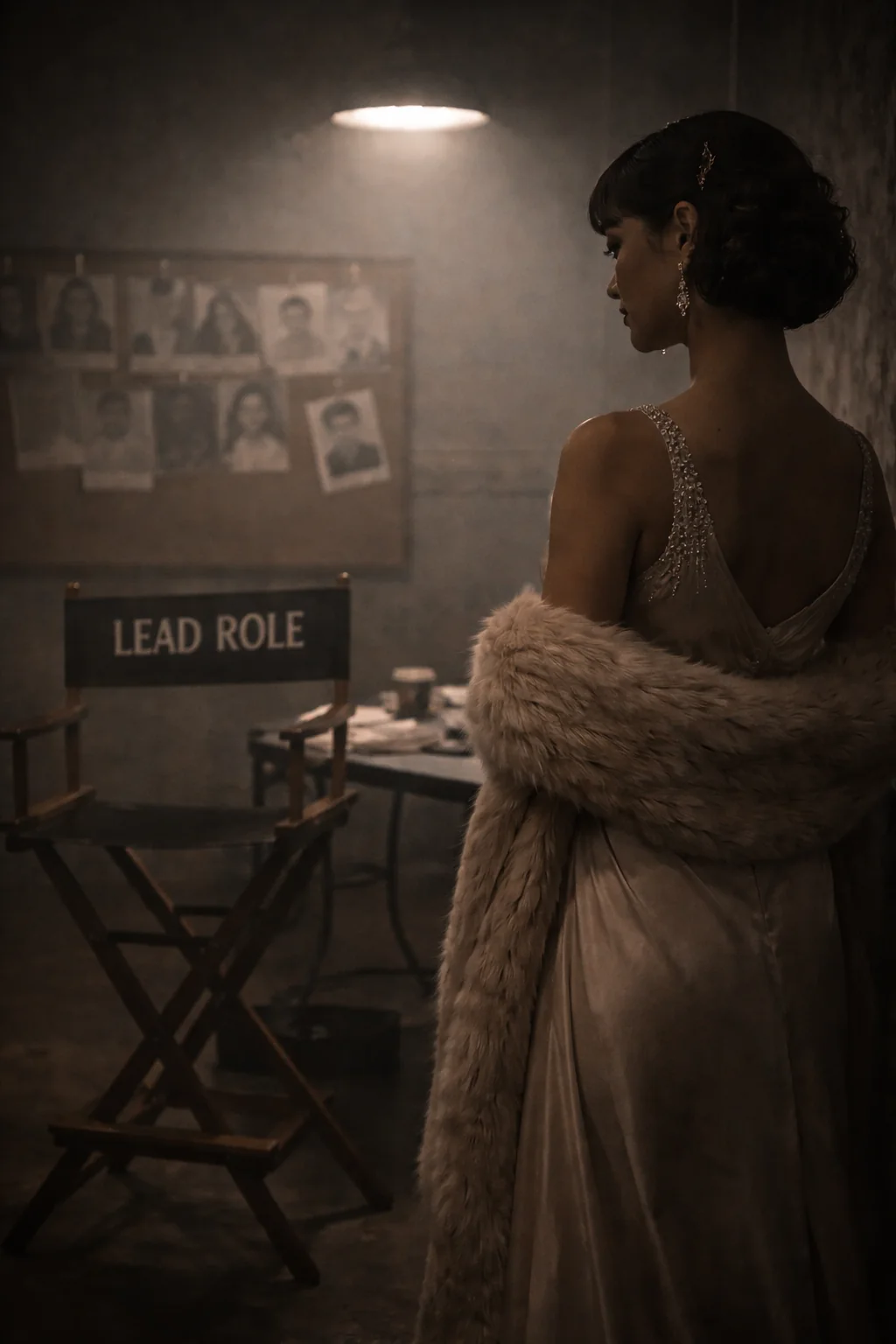
The best-known exclusion of Wong’s career occurred during preparations for The Good Earth, an adaptation of Pearl S. Buck’s novel about a Chinese farming family.
Wong wanted to portray O-Lan, the principal female character. She appeared to be the obvious choice: Hollywood’s most famous Chinese American actress, with international experience as a leading performer.
MGM, however, selected white actor Paul Muni to play Wang Lung. That choice belonged to a casting system that privileged white performers. Although racial and censorship pressures affected the production, Wong’s exclusion cannot accurately be attributed to an explicit Code ban on Chinese-white couples. The studio awarded O-Lan to Luise Rainer, a white actress who performed in makeup intended to make her appear Chinese and subsequently won the Academy Award (Leong, 2005).
Wong was asked to test for Lotus, a seductive and morally negative concubine. According to surviving accounts, she rejected the degradation inherent in playing the villain while a white woman received the most dignified Chinese role.
She did not lose O-Lan simply because an audition had been unsuccessful. The system had designed the production in a way that made her presence unacceptable.
The episode summarized Hollywood’s logic: Wong was Chinese enough to represent danger but too Chinese to represent humanity.
A journey to a country that also viewed her with suspicion
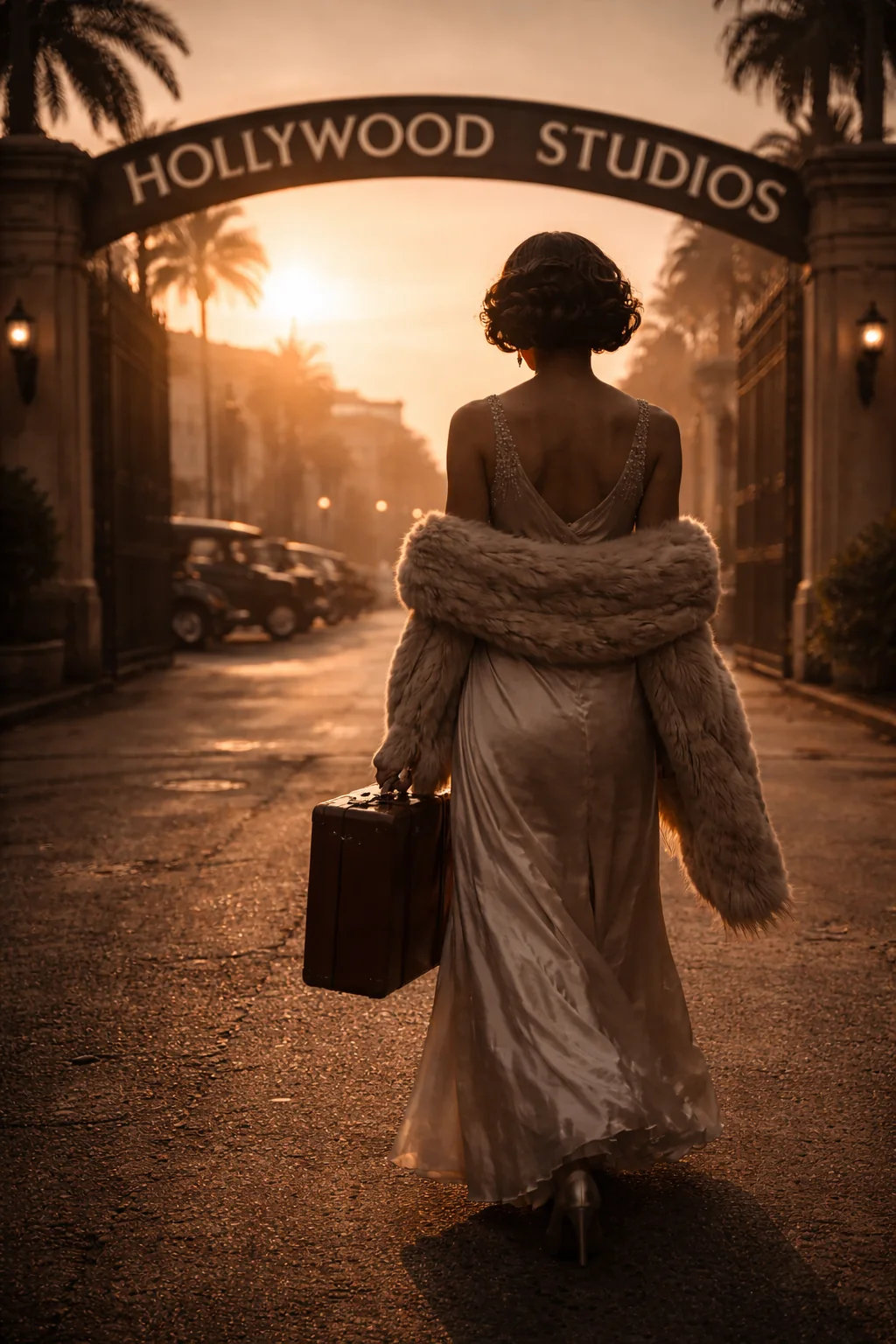
In 1936, Wong traveled to China for the first time. She visited cities including Shanghai and Beijing, approached her family’s ancestral region, and documented part of the journey with a motion-picture camera.
The Chinese press and public did not respond in a single way. She was welcomed as an international celebrity and surrounded by reporters and admirers. She also encountered critics who believed her screen characters had spread degrading images of China.
Film preserved by the UCLA Film & Television Archive shows her arriving in Shanghai and answering questions before a large group of journalists.
Wong attempted to explain that she did not control the stories Hollywood was willing to produce. She had accepted certain roles because alternatives for an Asian actress were extremely limited. At the same time, she used the journey to study the culture, clothing, and daily life that American studios claimed to represent without understanding them.
Even while visiting the land of her ancestors, she remained positioned between identities. To the United States she was foreign; to part of China she was too American.
Roles that began to change
After returning, Wong obtained somewhat more dignified characters in lower-budget productions. In Daughter of Shanghai, released in 1937, she portrayed a woman investigating a human-trafficking network after her father’s death.
She shared the leading roles with Philip Ahn, a Korean American actor. Instead of existing as threats to white characters, both appeared as active heroes. The film represented a significant exception within the studio system.
In 1939’s King of Chinatown, she played a physician, another role far removed from the servant, concubine, or exotic villain.
During the Second World War, Wong participated in fundraising events and relief campaigns for China. She also appeared in anti-Japanese propaganda pictures such as Bombs Over Burma and Lady from Chungking. These productions allowed her to portray heroic Chinese characters, although the roles were shaped by the political and military needs of the moment (Chan, 2003).
When China became an ally of the United States, Hollywood temporarily discovered that Chinese characters could be courageous. The change revealed that stereotypes were not inevitable: they responded to political and commercial interests.
The television series that disappeared
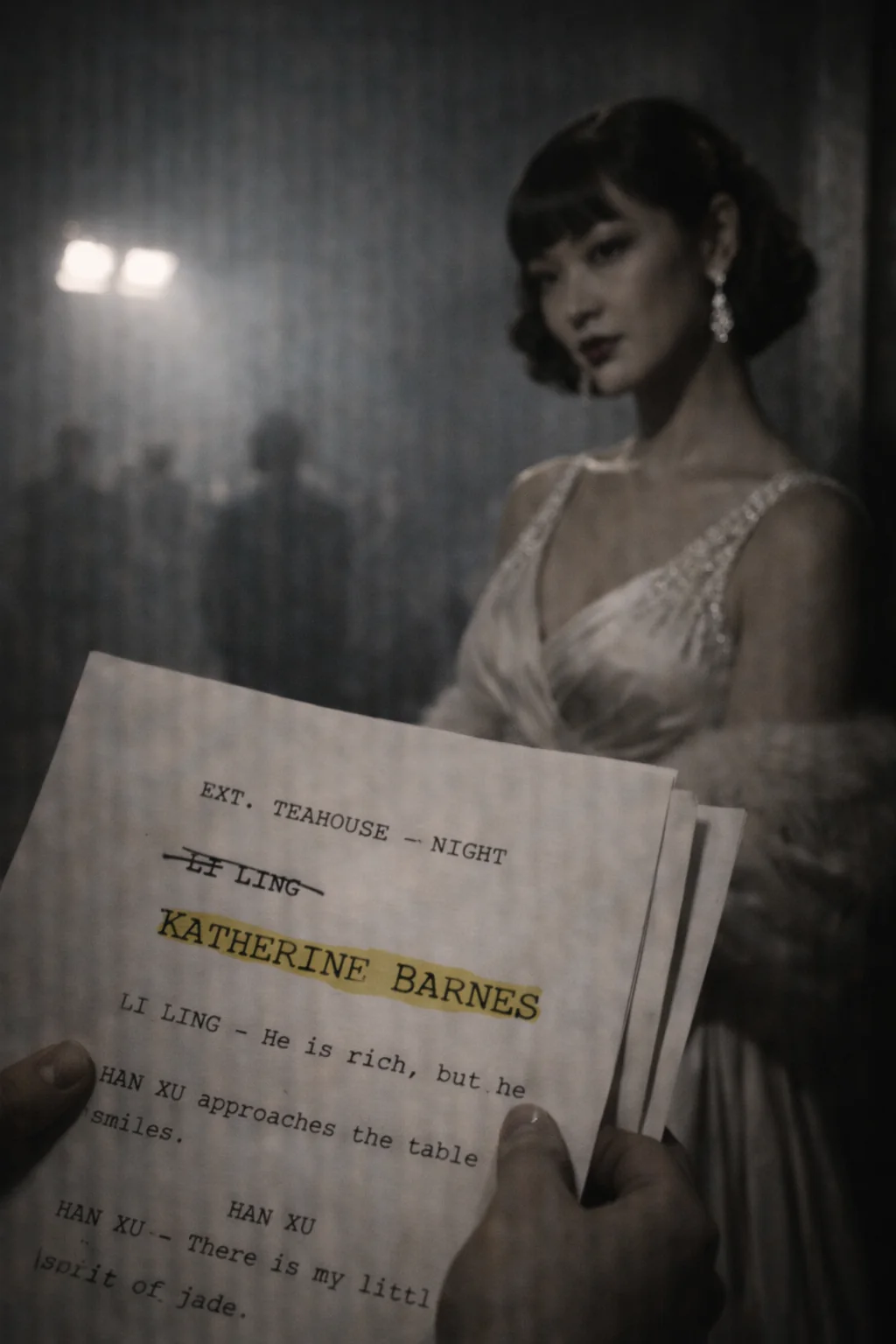
In 1951, Wong starred in The Gallery of Madame Liu-Tsong, a mystery series broadcast by the DuMont network. She played an art dealer who traveled and solved crimes.
The character’s name, Liu-Tsong, came from the actress’s own Chinese name. It was the earliest known American television series led by an Asian American performer.
Despite its historical importance, no complete copy of its episodes is known to survive. Many DuMont broadcasts were not preserved, and much of the network’s archive was lost or destroyed.
This is one of the least-known and most symbolic facts of Wong’s life: after decades of struggling to occupy the center of a story, she finally obtained a series built around her, but the images disappeared.
The physical absence of The Gallery of Madame Liu-Tsong helped keep her achievement outside popular memory.
An American citizen under suspicion
Wong repeatedly traveled between the United States and Europe. Despite having been born in Los Angeles, she was required to submit extensive documentation and undergo immigration interrogations to prove that she had the right to return to her own country.
Those requirements resulted from the Chinese exclusion laws, in effect from 1882 until their repeal in 1943. The laws severely restricted immigration from China and also subjected Chinese American citizens to exceptional surveillance.
The National Archives preserves documents demonstrating the administrative burdens Wong faced whenever she traveled abroad.
Fame did not remove suspicion. She could appear on international posters and be welcomed by European photographers, yet upon returning home she had to prove that she belonged to the country where she had been born.
The final role that never arrived
During the 1950s, Wong continued working occasionally in television. Her health, however, began to deteriorate. She suffered from liver problems and other illnesses aggravated by years of alcohol use.
Her final motion-picture appearance came in Portrait in Black, released in 1960. She was later considered for the role of Madame Liang in the film adaptation of the musical Flower Drum Song, a major production featuring a predominantly Asian American cast.
She was unable to participate. Anna May Wong died of a heart attack on February 3, 1961, in Santa Monica. She was 56.
The film opened months later. The kind of production Hollywood had denied her throughout most of her career arrived when she was no longer there to occupy it.
The woman who kept a door partly open
Wong did not destroy Hollywood’s stereotypes. No single actress could. At times, she had to work inside them and consequently received criticism from both Americans and Chinese observers.
But she survived professionally for four decades in an industry that continually tried to make her a symbol before allowing her to be a person. When Hollywood reduced her to an exotic figure, she traveled to Europe. When denied leading characters, she sought prominence in independent pictures, theater, and television. When presented as a foreigner, she spoke publicly as an American.
In 2022, the United States Mint placed her image on a quarter as part of the American Women Quarters Program. She became the first Asian American depicted on circulating United States currency.
The tribute was important, but it arrived more than sixty years after her death.
Anna May Wong was not simply the first major Chinese American movie star. She was an actress who exposed the system’s limits every time she appeared on screen. Her presence made visible the question Hollywood tried to avoid: if she could sustain a film through her face, intelligence, and talent, why did the industry continue pretending she could not be its heroine?
Hollywood allowed her to be mysterious, tragic, dangerous, and foreign. She devoted her life to proving that she could also be modern, humorous, courageous, American, and central.
She was never fully given that place. But she held the door open for those who followed.
References
- Chan, A. B. (2003). Perpetually cool: The many lives of Anna May Wong (1905–1961). Scarecrow Press. Find in library catalogue
- Hodges, G. R. G. (2004). Anna May Wong: From laundryman’s daughter to Hollywood legend. Palgrave Macmillan. Find in library catalogue
- Huang, Y. (2023). Daughter of the dragon: Anna May Wong’s rendezvous with American history. Liveright. Find in library catalogue
- Leong, K. J. (2005). The China mystique: Pearl S. Buck, Anna May Wong, Mayling Soong, and the transformation of American Orientalism. University of California Press. Find in library catalogue
- Lim, S. J. (2019). Anna May Wong: Performing the modern. Temple University Press. View source
- National Archives and Records Administration. (2023). Celebrating Anna May Wong. View source
- Salisbury, K. G. (2024). Not your China doll: The wild and shimmering life of Anna May Wong. Dutton. Find in library catalogue
- UCLA Film & Television Archive. (2020). Archival treasures: Anna May Wong in Hollywood and China. View source
- American Film Institute. (s. f.). The Good Earth (1937). AFI Catalog. View source
More from this collection
Dolores del Río: The Star Who Conquered Hollywood and Returned to Mexico to Become an Actress
Read story →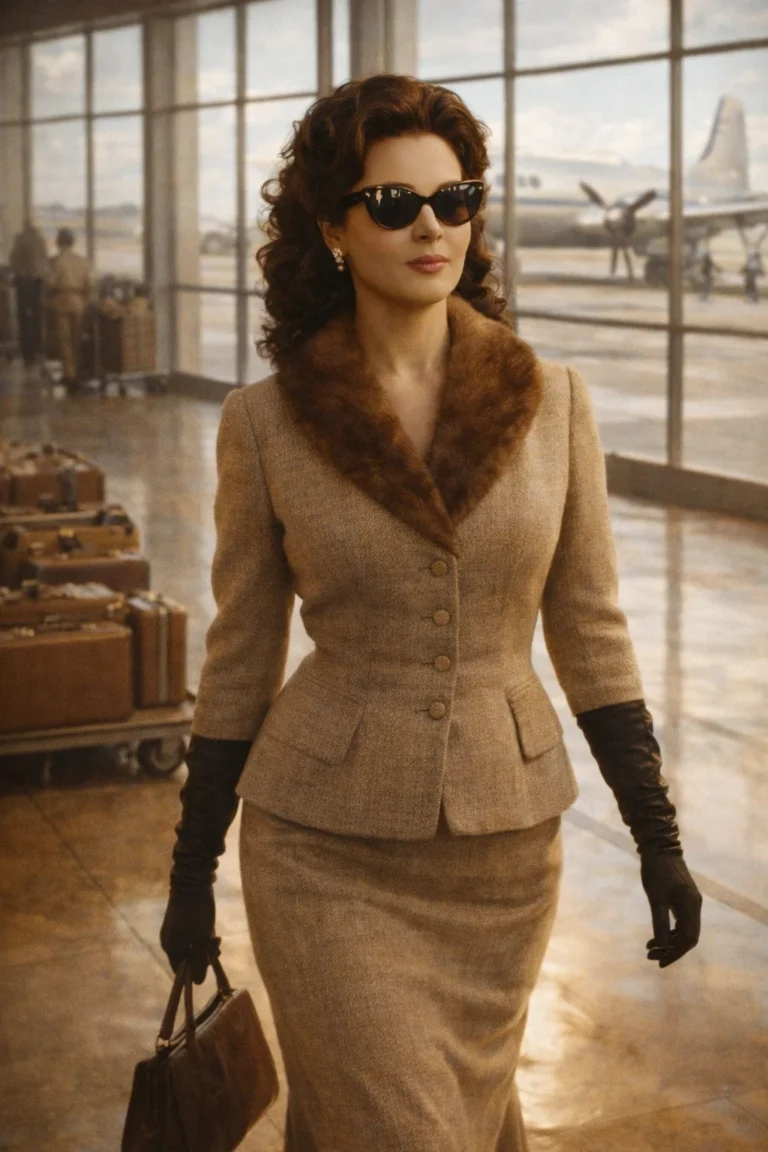
Sara Montiel: The Woman Who Returned from Hollywood to Transform Desire in Spanish Cinema
Read story →