In this storyOpen index
Chavela Vargas: The Woman Who Turned Her Wounds Into a Form of Freedom
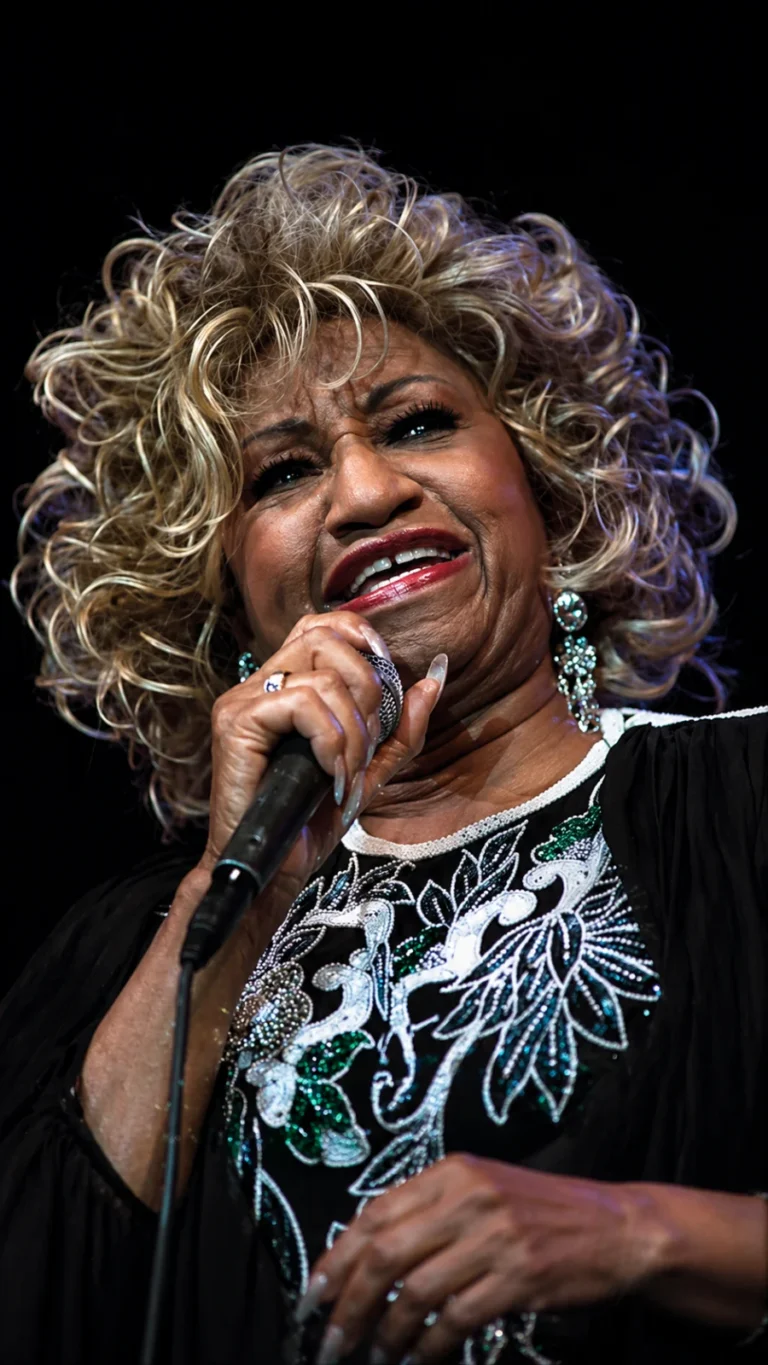
Chavela Vargas did not need to raise her voice to fill a theater.
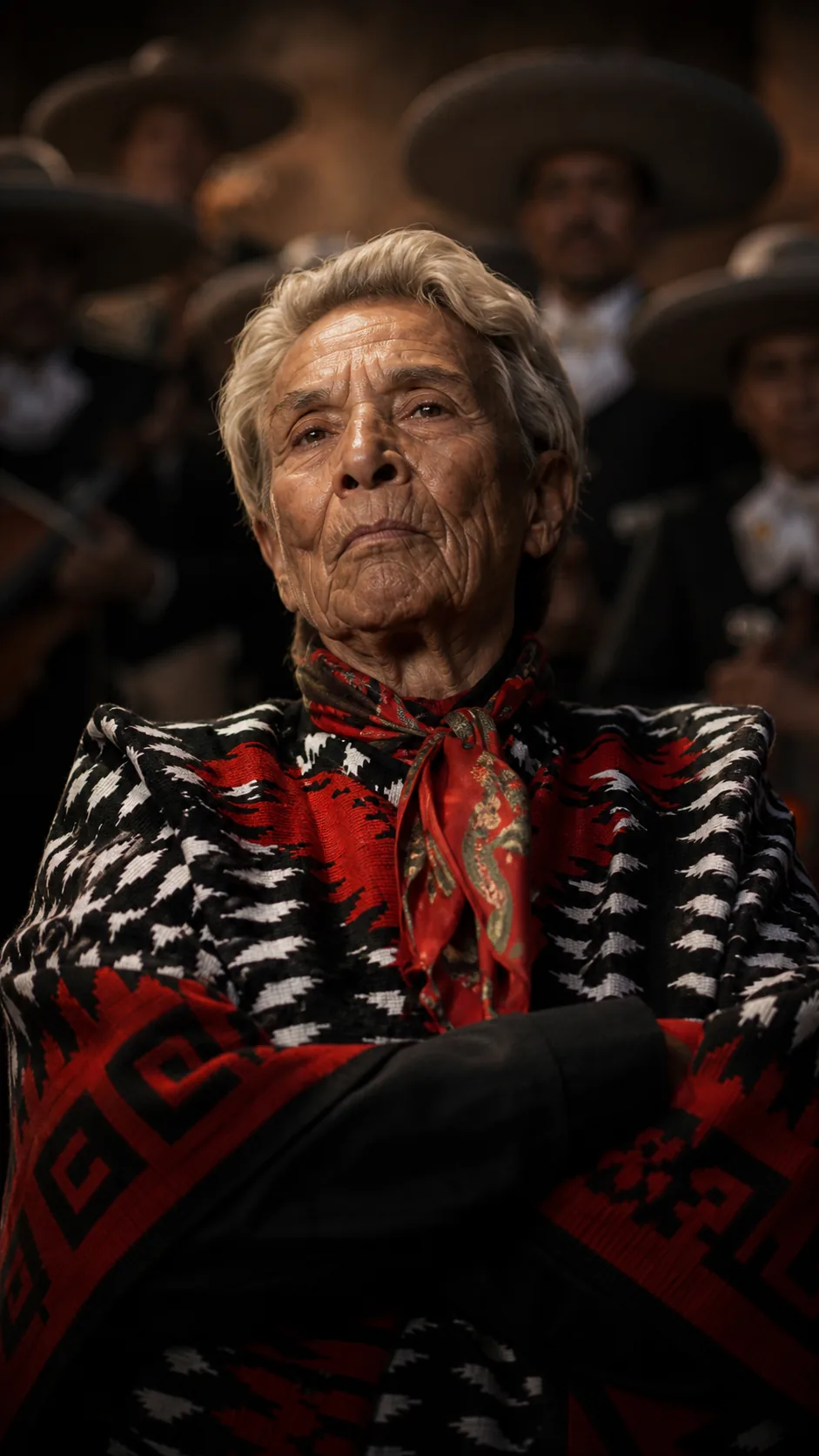
Chavela Vargas did not need to raise her voice to fill a theater. At times she remained motionless, protected by her red jorongo, while a guitar sounded the opening chords. Then she began to sing in a deep, rough, fractured voice that seemed to come from somewhere older than music itself. She did not merely perform songs: she stripped away their ornamentation until the pain inside them stood exposed.
For decades, she sang rancheras composed mainly by men and addressed to women. Chavela did not change the pronouns to conceal female desire. When she sang “I love you,” the person being addressed remained a woman. In a profoundly conservative society, that apparently simple decision turned every song into a declaration of freedom.
Her life was marked by family rejection, exile, alcoholism, obscurity and an artistic resurrection that began when many people believed she was dead. Yet reducing her to the image of a tormented singer would be inadequate. Chavela Vargas was one of the great transformers of Latin American song: she proved that a broken voice could carry more truth than a perfect one.
The voice that turned pain into freedom
A life told through places and decisive moments
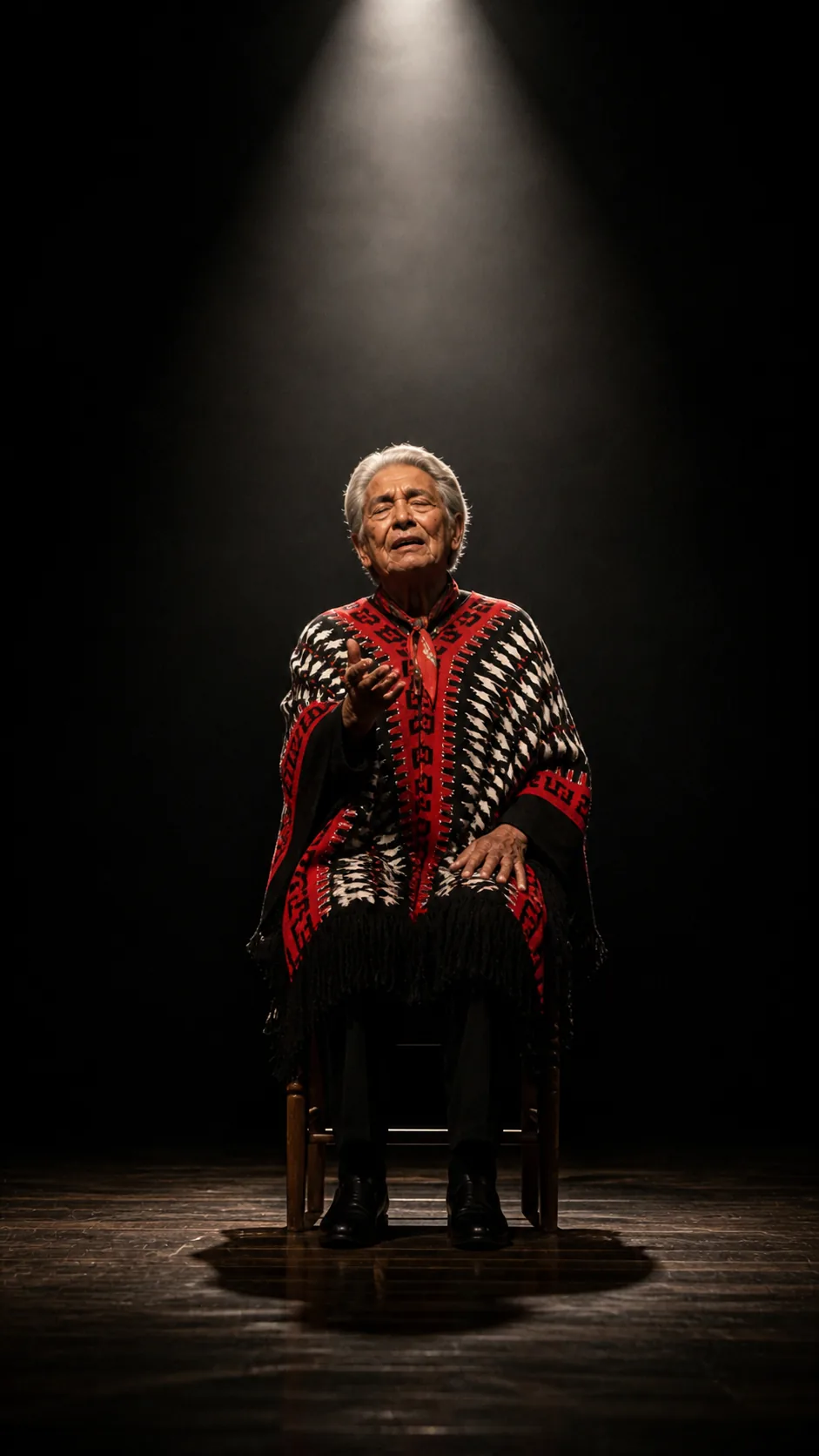
Enter the archive
Mexico’s Ministry of Culture documents the 35 pencil portraits Juan Carlos del Valle made of Chavela in 2011. The image in this card is a reconstruction; open the institutional record to learn about the original drawings.
AI-generated visual reconstruction; not a historical document.
The Girl Who Could Not Find a Place
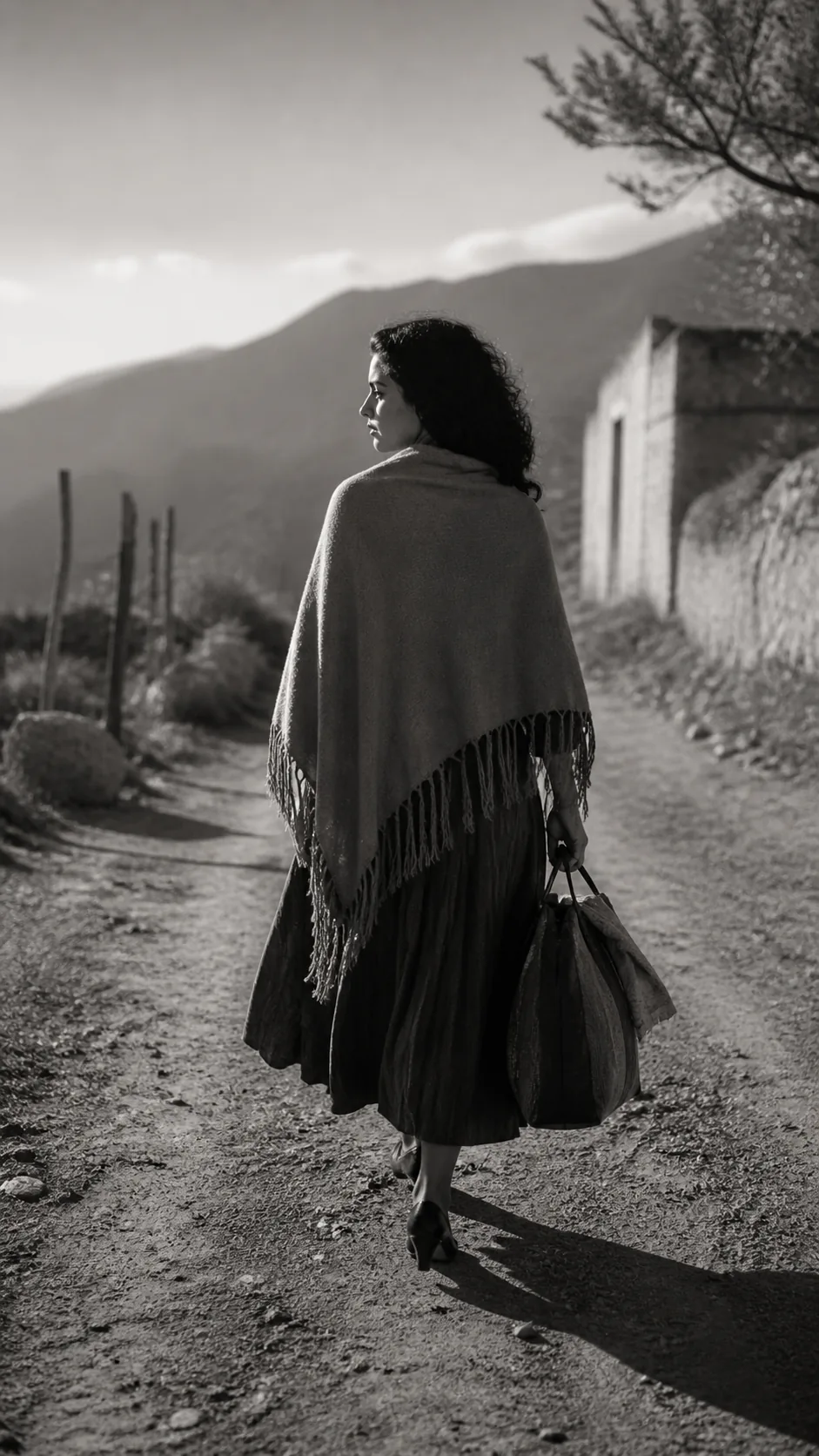
María Isabel Anita Carmen de Jesús Vargas Lizano was born on April 17, 1919, in San Joaquín de Flores, in the Costa Rican province of Heredia. Her parents separated when she was still a child, and she was placed in the care of relatives. In her memoir, she described a childhood marked by solitude, misunderstanding and the feeling that she belonged nowhere (Vargas, 2002).
She also remembered being treated as strange because of the way she dressed, her behavior and her lack of interest in what girls were expected to become. In the rural, Catholic Costa Rica of the early twentieth century, any departure from prescribed gender norms could lead to social condemnation.
At seventeen, she decided to leave for Mexico. The journey represented far more than a geographical move: it was the search for a place where she could invent herself. She would later declare that a person was born wherever she pleased, a phrase that summarized her emotional relationship with Mexico. Although she never denied her Costa Rican origins, she chose Mexican identity as her artistic and emotional homeland.
Mexico offered freedom but not immediate success. For years, she took different jobs and sang at parties, bars and cantinas. Those nighttime spaces became her real school. There she learned how to hold an audience’s silence, how to measure a pause and how to sing before people who had not necessarily come to hear her.
Ranchera Without Mariachi—or Permission
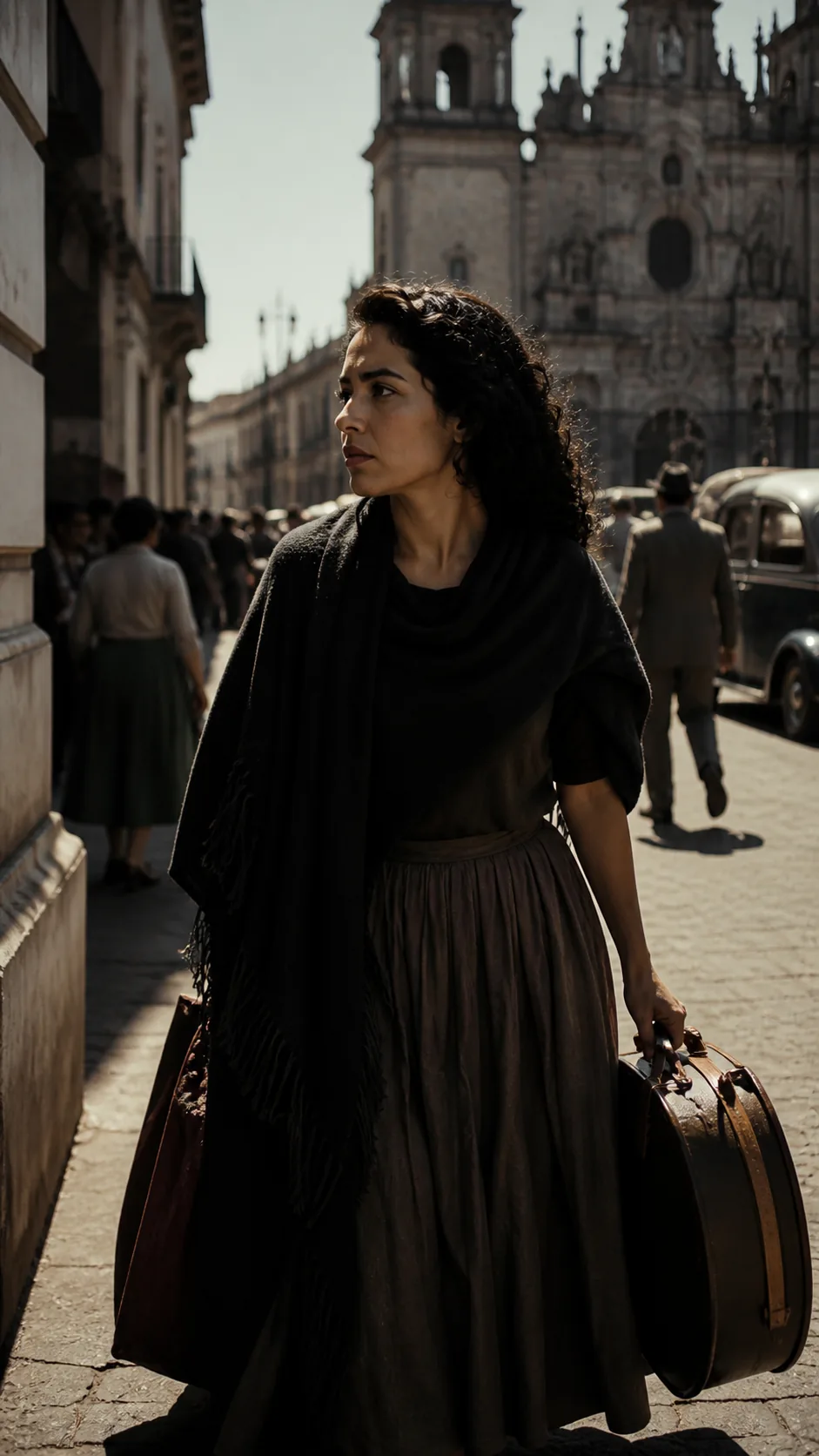
Ranchera music was closely tied to a masculine vision of love. Its protagonists drank, suffered, abandoned or were abandoned; women generally appeared as objects of desire, betrayal or nostalgia. Female performers could occupy the stage, but they were expected to do so within carefully defined codes of femininity.
Chavela altered that language without writing a manifesto. She appeared in trousers, sandals and short hair and later adopted her inseparable red jorongo. She removed much of the traditional mariachi ornamentation and preferred austere guitar accompaniments. Her rough contralto, extended pauses and way of breaking phrases apart transformed the ranchera into an intimate confession (Pérez, 2016).
Instead of portraying the woman waiting to be loved, she occupied the position traditionally reserved for the man who desired, drank and sang about his loss. Nor did she routinely alter feminine pronouns in the lyrics. A familiar song could therefore acquire a startlingly explicit meaning when she performed it (Ruiz-Alfaro, 2012).
Her repertoire included compositions by José Alfredo Jiménez, Agustín Lara, Cuco Sánchez and other major figures in popular music. José Alfredo also became one of her closest friends and an essential supporter of her career. With his encouragement, Chavela recorded her first albums in 1961, including Noche bohemia (Pérez, 2016).
Songs such as “Paloma negra,” “Un mundo raro,” “En el último trago” and “La llorona” became inseparable from her voice. Many had been performed by other artists, but Chavela seemed to uncover a secret story inside each of them. Every silence suggested something the lyrics did not dare to say.
Frida Kahlo, Desire and the Limits of Legend
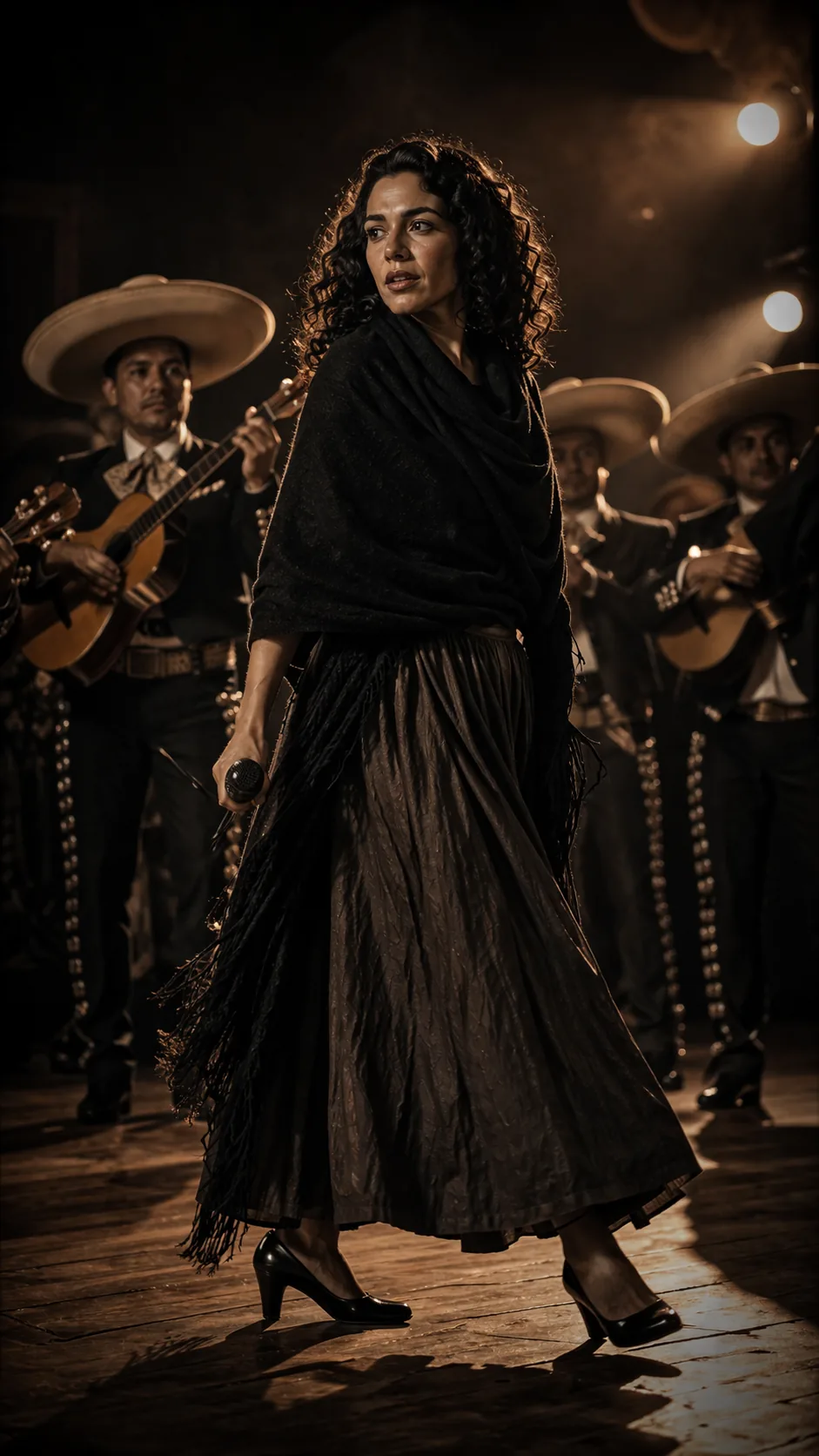
Chavela’s relationship with Frida Kahlo occupies a central place in her mythology. The singer said that she had lived for a time at the Casa Azul and described a romantic attraction to the painter. Her memories, together with certain letters and testimonies, have encouraged the belief that they had an affair.
The surviving documentation, however, does not allow the exact nature of that relationship to be reconstructed with certainty. Chavela herself was a magnificent storyteller who mixed memory, humor and the conscious creation of her public persona. It is therefore more accurate to speak of emotional closeness and a possible romance than to present every legendary detail as established fact (Ruiz-Alfaro, 2012).
What is certain is that Chavela moved within the Mexican cultural world surrounding Kahlo and Diego Rivera and made that period an essential part of her identity. Decades later, she appeared in Julie Taymor’s film Frida, singing “La llorona.” Elderly and dressed like a presence emerging from the past, she seemed to perform not simply a song but the memory of an entire vanished generation.
For much of her life, Chavela avoided explicit public declarations about her sexuality. This was not because her image was conventional—it never was—but because openly identifying as a lesbian could close professional doors and provoke social persecution. She finally addressed the subject directly in her 2002 autobiography, when she was already in her eighties (Vargas, 2002).
Her importance, however, does not depend solely on that public acknowledgment. Long before she spoke the word “lesbian” openly, her body, clothing, repertoire and way of looking at women from the stage had already challenged the cultural rules of her time.
Fifteen Years Inside Alcohol
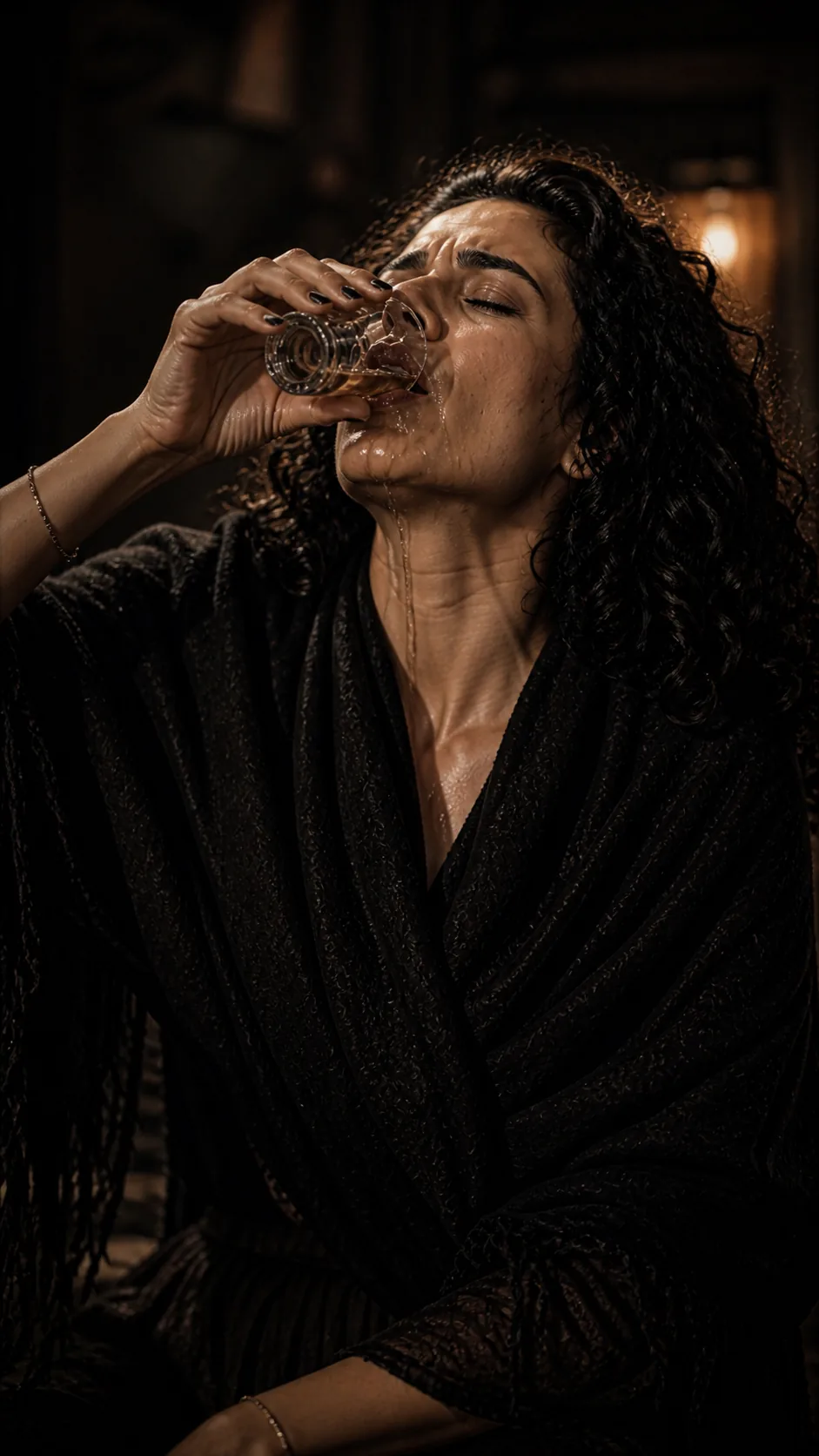
Alcohol belonged to the bohemian world surrounding Chavela, but it also came close to destroying her. During her successful years, her drinking became increasingly compulsive. The death of José Alfredo Jiménez in 1973, the disintegration of her artistic circle and her own emotional wounds accelerated her collapse.
Her career was interrupted, and she disappeared from major stages. She endured years of isolation, illness and financial hardship. In her memoir, she described this period as fifteen years in hell (Vargas, 2002). Her absence became so complete that some colleagues and admirers believed she had died.
This chapter of her life has often been romanticized, as though suffering had provided the indispensable fuel for her art. It did not. Alcohol did not create her voice or her talent; it took away years of work, health and stability. Her real achievement was not drinking like the characters in ranchera songs. It was surviving and managing to stop.
Chavela said that she gave up alcohol in the late 1970s. Recovery did not immediately return her to fame. For a long time, she lived far from the music industry, unaware that a second artistic life was still waiting for her.
The Little-Known Story: She Returned When Many Thought She Was Dead
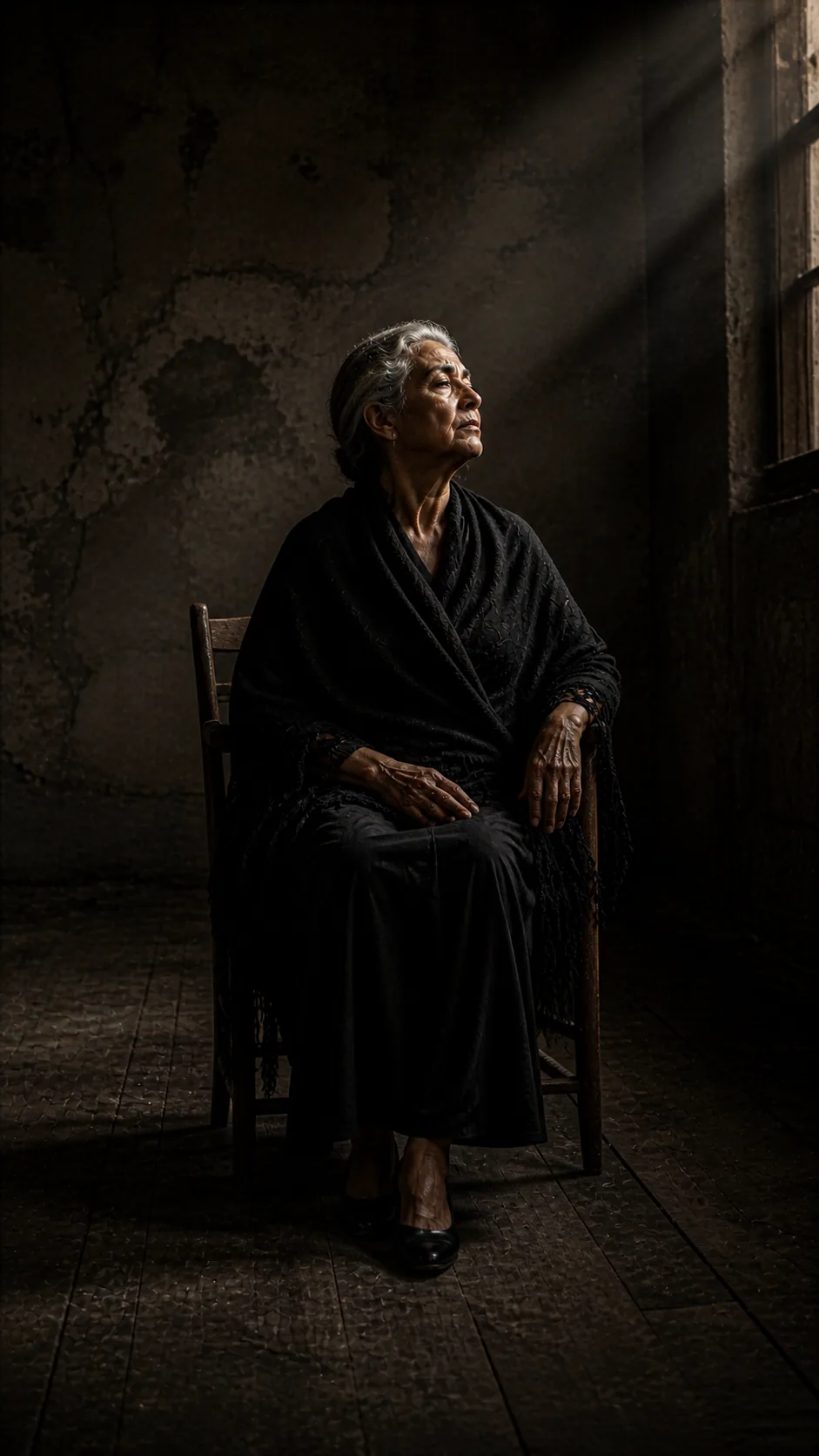
In the early 1990s, Chavela reappeared at El Hábito, a small cultural venue in Coyoacán run by Jesusa Rodríguez and Liliana Felipe. It was not a grand theater or a record-company publicity campaign. It was an intimate stage where a forgotten singer began to test whether audiences could still hear her.
The response was extraordinary. Young people who had not witnessed her first career discovered a voice aged by time but even more intense. Physical fragility had deepened her style: every breath, pause and word seemed to contain the weight of an entire life.
Her comeback was especially remarkable because Chavela was already in her seventies. In an industry that often considers a woman’s career finished decades earlier, she entered the period of her greatest international recognition. Her second life was not a nostalgic repetition of the first; it was the consecration she had previously been denied (Cortina, 2012).
Spain played a decisive role. Pedro Almodóvar used her music in films including Kika, The Flower of My Secret and Live Flesh. To the director, her voice expressed the desires, losses and passions that his characters could not put into words. Their artistic connection also became a profound friendship.
Chavela performed at the Olympia in Paris, Mexico’s Palacio de Bellas Artes and other prestigious venues. In September 2003, at the age of eighty-four, she gave a concert at Carnegie Hall in New York. The woman once considered a vanished figure had reached one of the world’s most celebrated concert halls.
The Final Journey to Sing to a Dead Poet
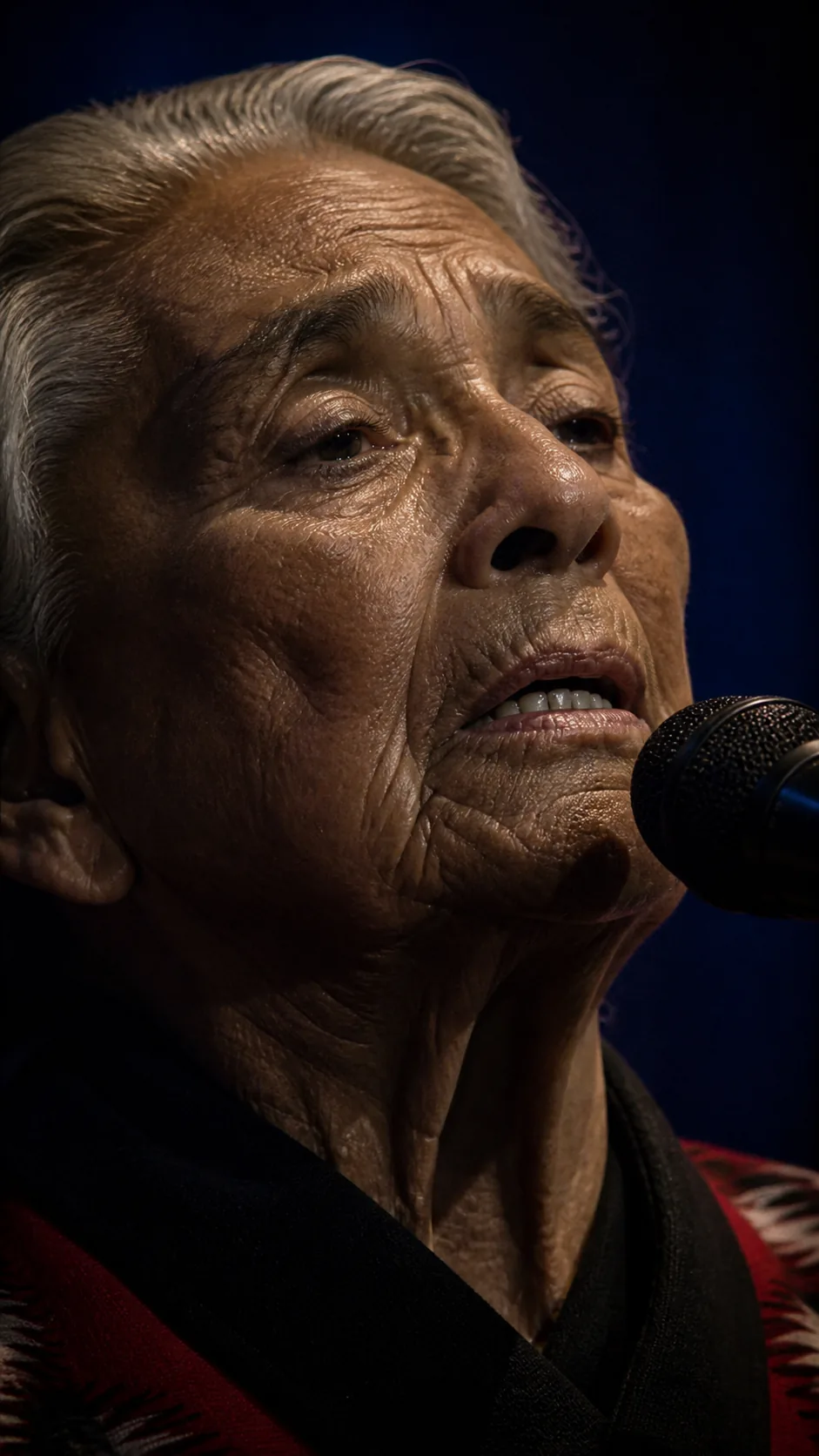
In 2012, at ninety-three and in very fragile health, Chavela made one last journey to Spain to present La luna grande, a tribute to Federico García Lorca. She had never met the poet, who was murdered in 1936, but spoke of him as a spiritual presence accompanying her.
The project may appear unusual: a Mexican singer born in Costa Rica conducting a musical conversation with an Andalusian poet who had died decades before. Yet both were marked by forbidden desire, persecution and death. In Lorca’s verses, Chavela found a language with which to say goodbye.
The journey exhausted her remaining strength. She was hospitalized in Madrid and eventually returned to Mexico. She died in Cuernavaca on August 5, 2012, only weeks after the presentation. She was ninety-three.
Her body was taken to Plaza Garibaldi, one of the places where her legend had first developed. Mariachis sang for the woman who had reduced the ranchera to a guitar, a pause and an open wound.
The Voice That Never Asked for Forgiveness
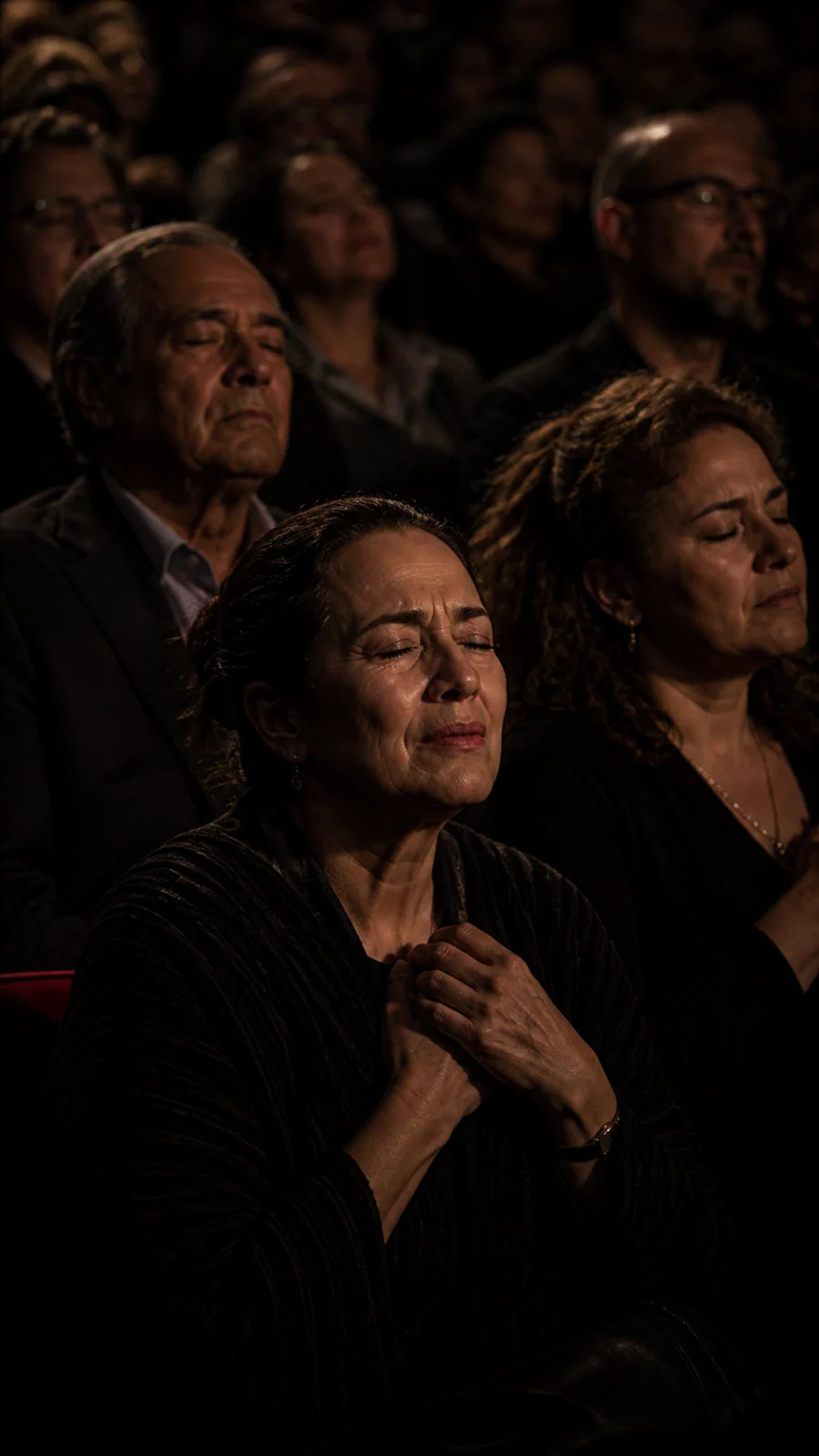
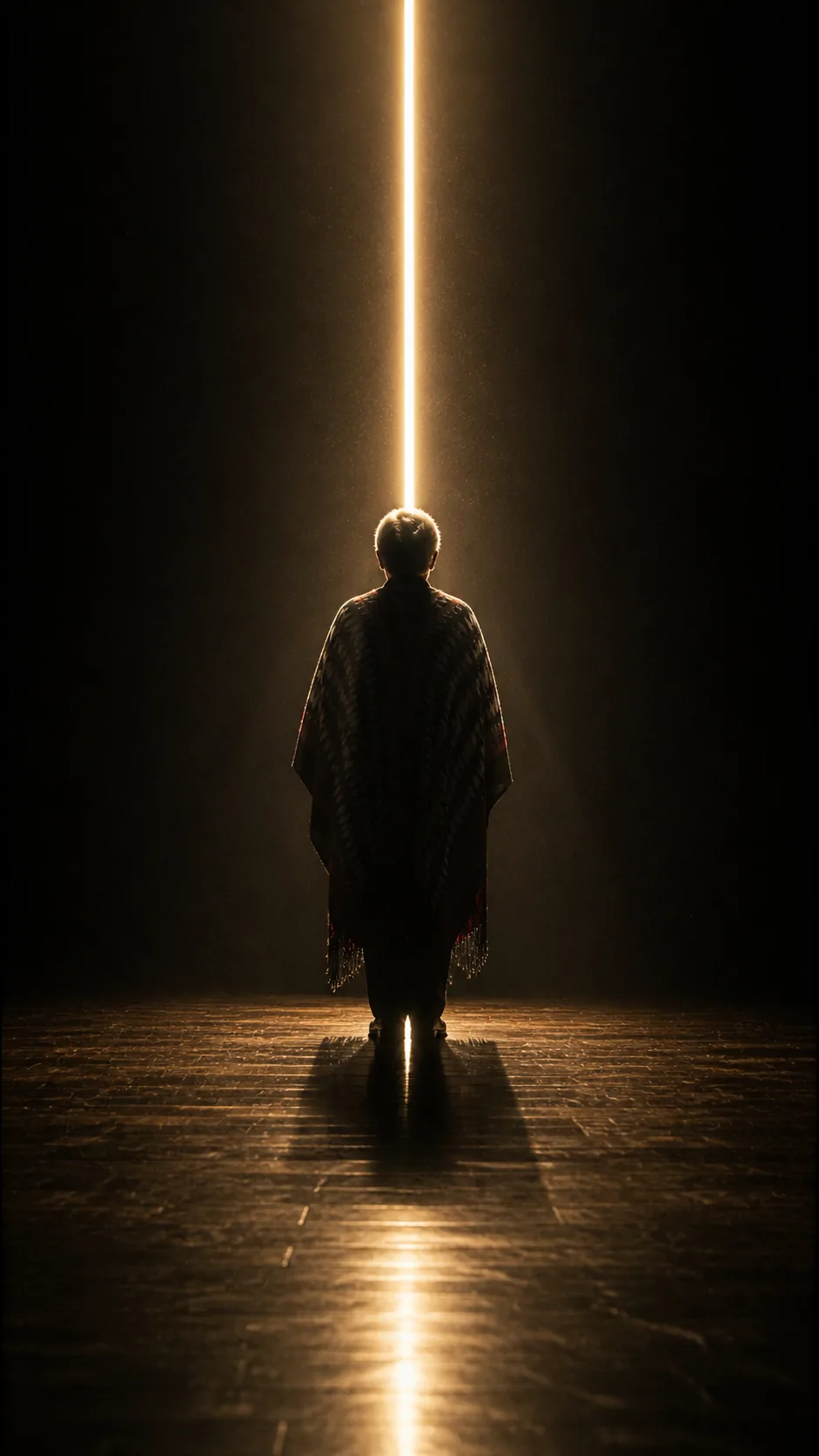
Chavela Vargas transformed popular song because she understood that singing was not simply a matter of reproducing a melody. A singer had to inhabit it, contradict it and, when necessary, tear it away from those who believed they owned it.
Her story also forces us to distinguish freedom from suffering. She was free, but she paid a high price for living outside accepted norms. Discrimination, enforced silence about her sexuality and years lost to alcoholism were not romantic decorations. They were consequences of a society that offered few safe spaces for a woman like her.
Still, she returned. She came back sober, elderly and with no intention of apologizing. She turned a career that appeared finished into a victory over oblivion. In her voice, love songs ceased to belong exclusively to men, and old age ceased to mean disappearance.
Chavela sang against many shadows: the shadow of an abandoned childhood, clandestine desire, the cantinas and imposed silence. But she never pretended that darkness did not exist. She entered it, crossed through it and returned carrying a song.
References
- Cortina, M. (2012). Dos vidas necesito: Las verdades de Chavela. Montesinos.
- Gund, C., & Kyi, D. (Directors). (2017). Chavela [Documentary]. Aubin Pictures.
- Moser, B. (2012, August 17). Postscript: Mexico’s majestic lesbian chanteuse, Chavela Vargas. The New Yorker. https://www.newyorker.com/culture/culture-desk/postscript-mexicos-majestic-lesbian-chanteuse-chavela-vargas
- Pérez, E. (2016). Never late: Unwelcome desires and diasporas in Chavela Vargas’ last works. Women & Performance: A Journal of Feminist Theory, 26(1), 17–35. https://doi.org/10.1080/0740770X.2016.1183976
- Ruiz-Alfaro, S. (2012). From Chavela to Frida: Loving from the margins. Journal of Homosexuality, 59(8), 1131–1144. https://doi.org/10.1080/00918369.2012.712818
- Secretaría de Cultura. (2012, August 6). Chavela Vargas, una intérprete sin fronteras. Government of Mexico. https://www.cultura.gob.mx/noticias/musica/22261-chavela-vargas-una-interprete-sin-fronteras.html
- Vargas, C. (2002). Y si quieres saber de mi pasado. Aguilar.
More from this collection
Violeta Parra: The Woman Who Traveled Across Chile to Return Its Vanishing Songs to the People
Read story →
La Lupe: The Woman Who Turned Bolero into a Battle
Read story →