
In this storyOpen index
Greta Garbo: The Star Who Chose to Leave Hollywood
From Stockholm to sound films, an unrealized comeback and a private life beyond the legend.
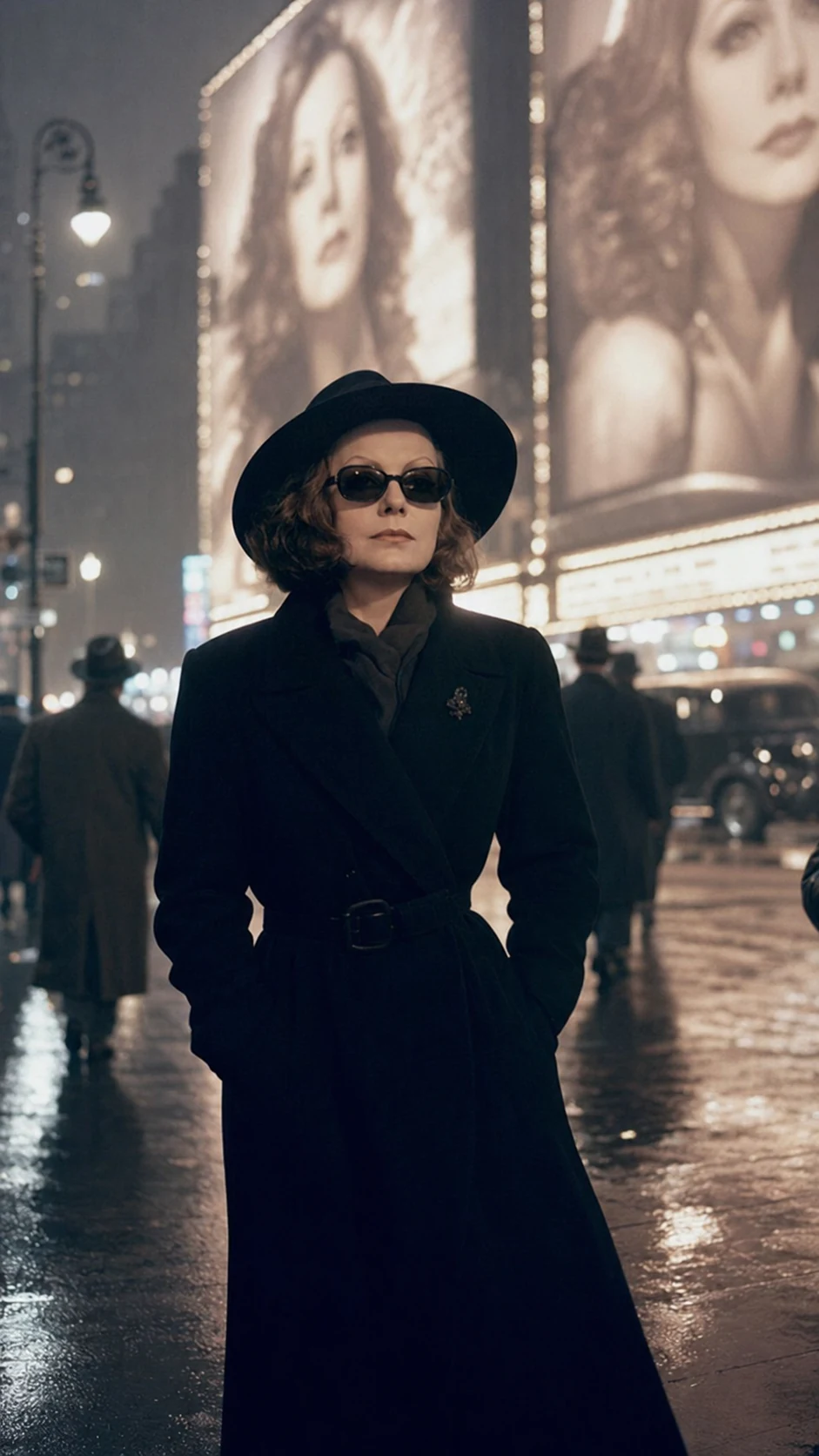
The camera made her face a legend. When she stopped filming, curiosity followed her into her walks, friendships and every possible comeback. Her story separates the actress from the image others built around her.
Greta Garbo
A life told through screens and silences
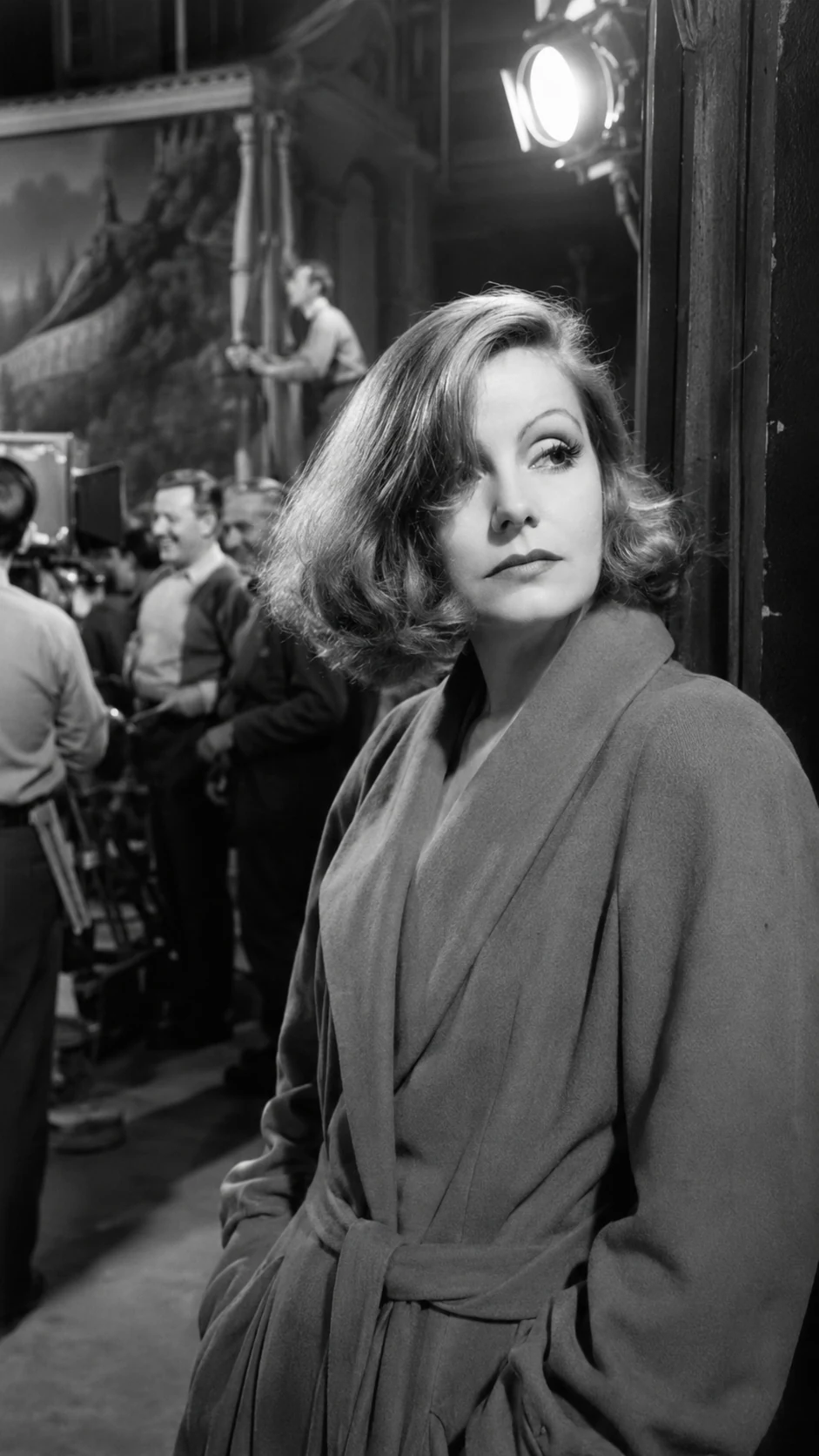
Her declaration of intention, 1948
The form held by the National Archives records her identity, birth and arrival in the United States. It was a preliminary step toward naturalization, not her final citizenship certificate. The image is a reconstruction; the link opens the authentic document record.
1. The Woman Who Disappeared at the Top
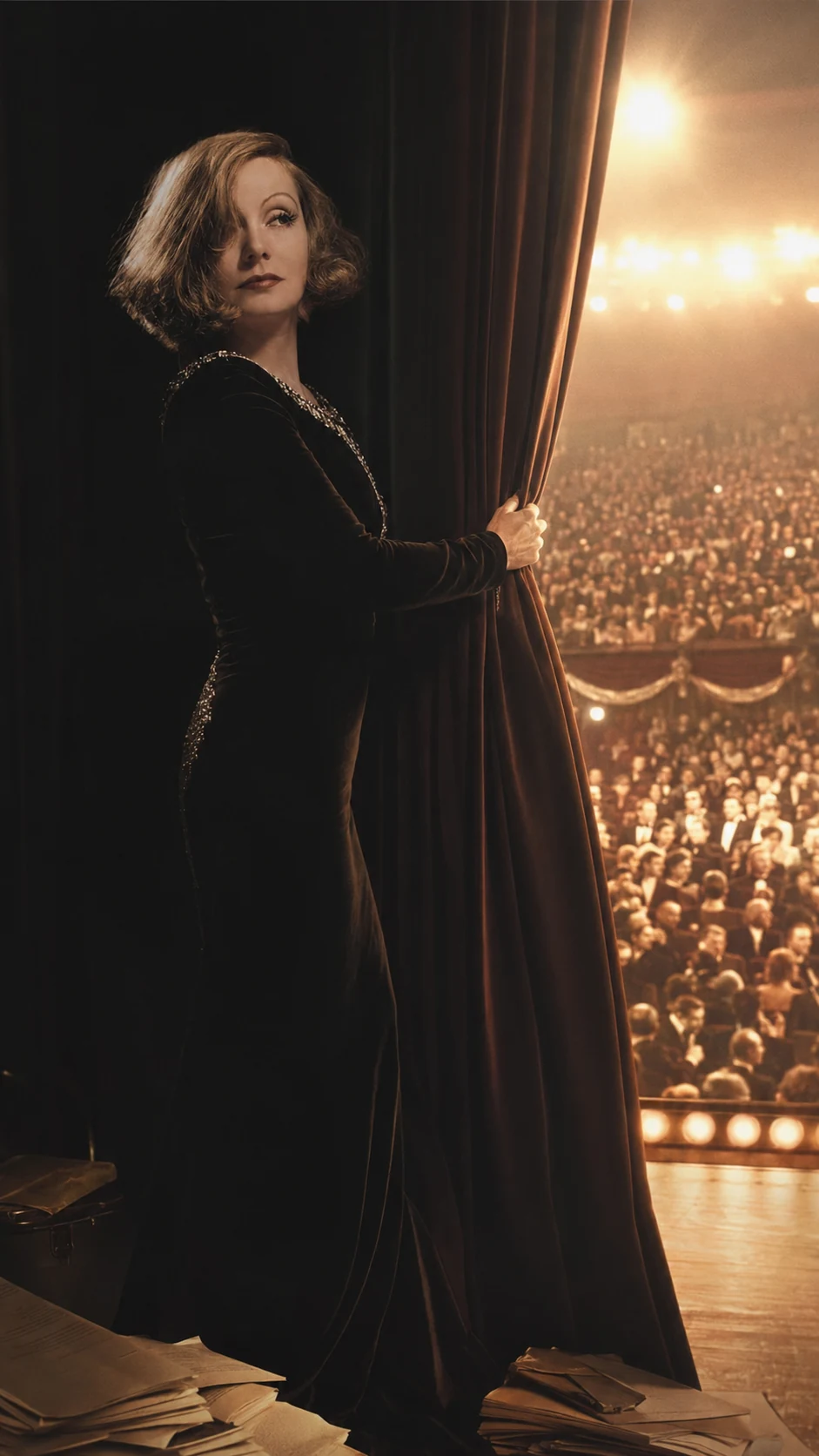
Greta Garbo’s final film, Two-Faced Woman, was released in 1941, when she was thirty-six. She made no formal announcement of permanent retirement and arranged no farewell. She stopped making films, although she continued considering new projects in the following years.
For almost half a century, she rejected films, interviews, tributes, and public appearances. Her silence transformed an extraordinary career into one of cinema’s enduring mysteries. People said that she hated the public, had lost her beauty, lived in total seclusion, and constantly repeated, “I want to be alone.”
The truth was more complicated. Garbo maintained friendships, traveled in Europe, attended private gatherings, collected art, and walked for hours through New York. She did not want to live in complete isolation. She wanted to control who was allowed to approach her.
Hollywood had turned her into an image watched by millions. Garbo responded by reclaiming the right not to be seen.
2. The Poor Girl from Stockholm
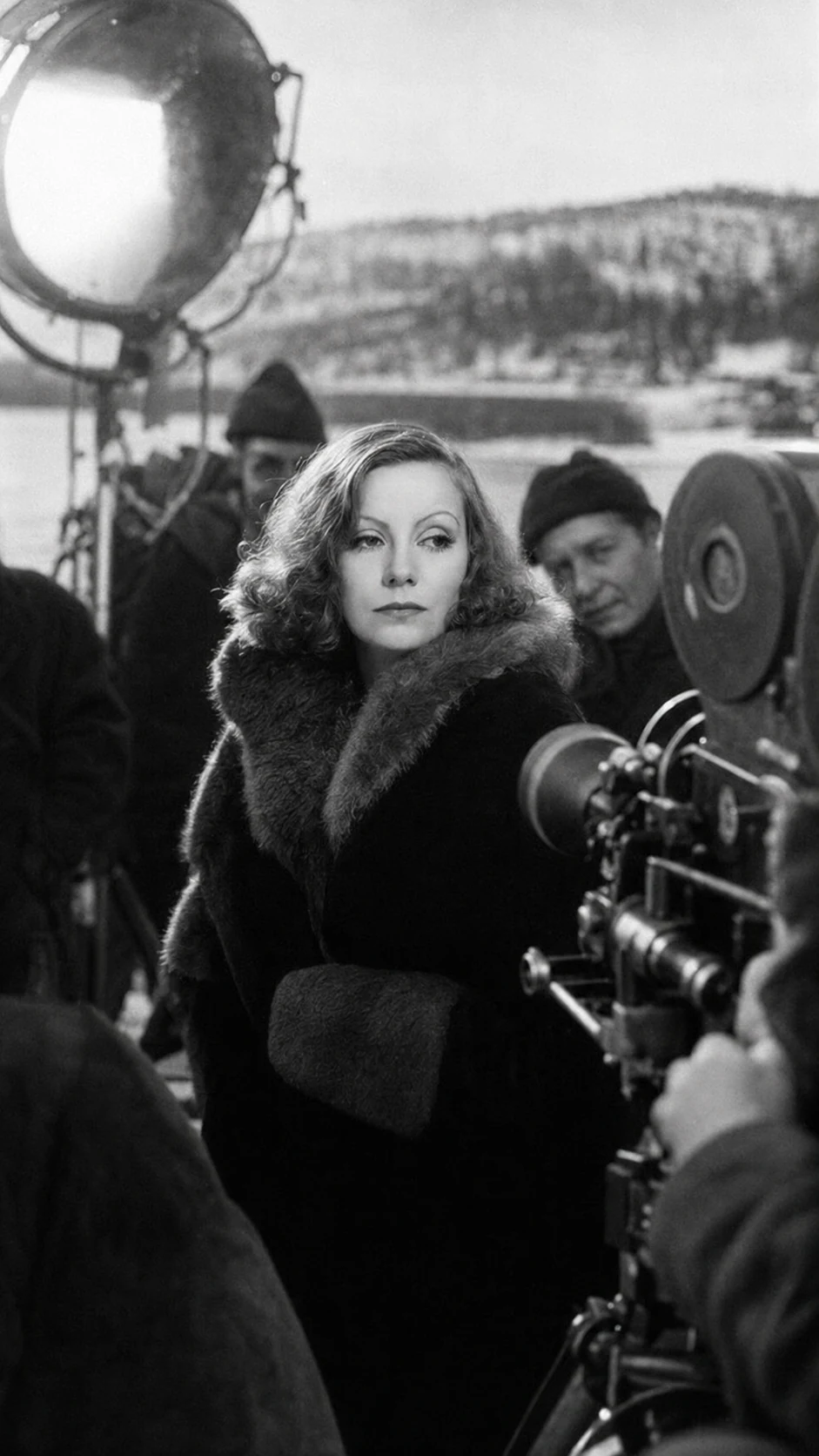
She was born Greta Lovisa Gustafsson on September 18, 1905, in Södermalm, a working-class district of Stockholm. She was the youngest of the three children of Karl Alfred Gustafsson and Anna Lovisa Karlsson. Her father performed various manual jobs, and the family lived on limited means.
When Greta was fourteen, her father died. She had left school at thirteen to help support the family. She worked first in a barbershop and then at Stockholm’s PUB department store, where she served customers in the hat department. Her appearance attracted the attention of the advertising division, which began using her as a catalog model and in short promotional films (Vintkvist, 2018).
Those advertisements brought her closer to acting. In 1922, she obtained a role in the comedy Peter the Tramp and earned a place at the prestigious Royal Dramatic Theatre’s acting school in Stockholm. She received formal dramatic training there, although she did not remain long.
Director Mauritz Stiller was looking for an actress to play Elizabeth Dohna in The Saga of Gösta Berling, based on Selma Lagerlöf’s novel. He recognized unusual potential in the young Gustafsson, coached her before the camera, and participated in constructing her new professional identity. During this period, Greta Gustafsson became Greta Garbo.
Released in 1924, the film brought her recognition in Sweden and elsewhere in Europe. She then appeared in the German drama The Joyless Street, directed by G. W. Pabst. Hollywood began to notice her.
3. Arriving in a Country Whose Language She Barely Spoke
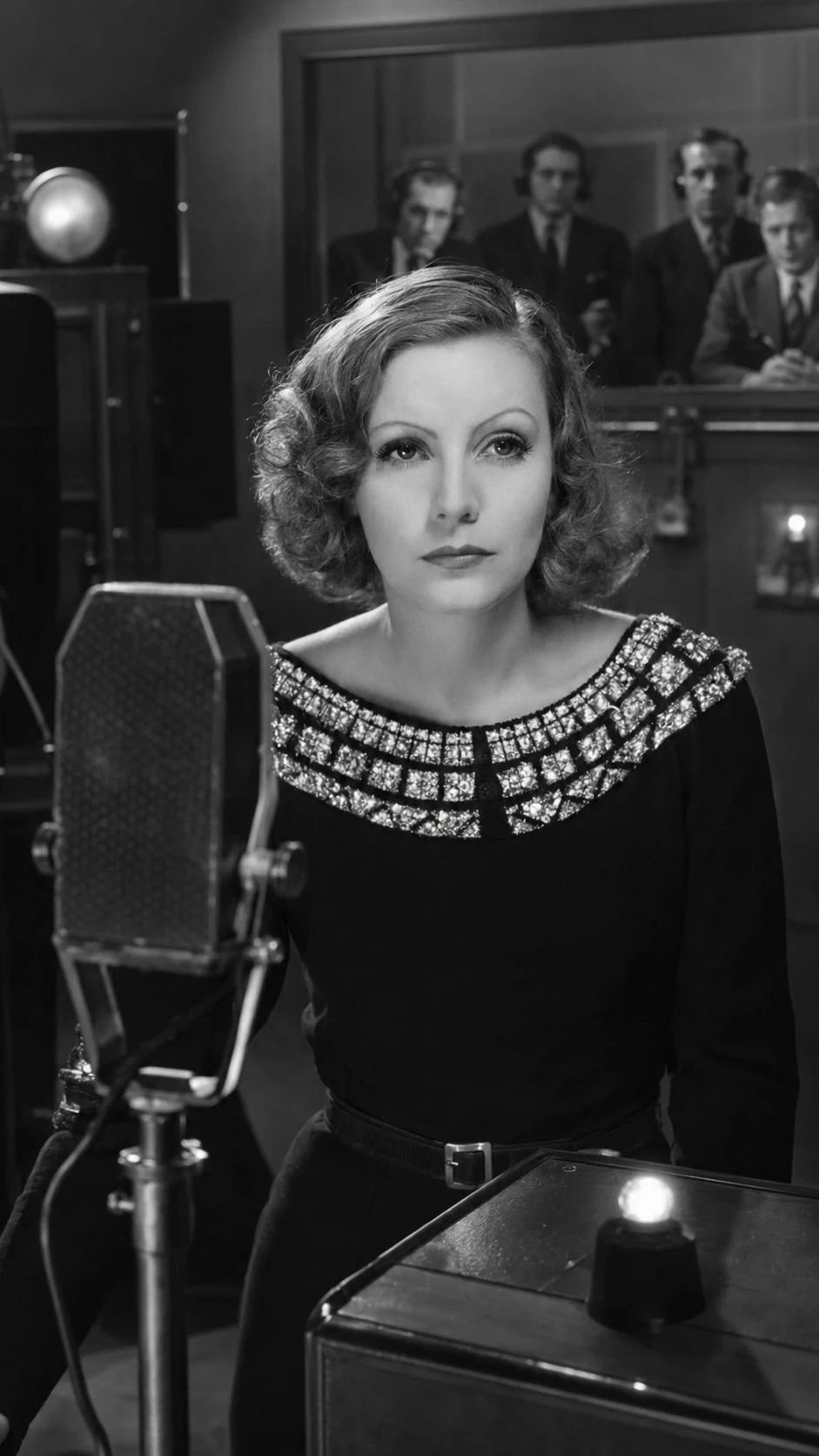
Garbo traveled to the United States with Stiller in 1925. Metro-Goldwyn-Mayer signed her, although its executives did not yet seem to understand what kind of actress they possessed. She spoke little English, knew almost nothing about Hollywood’s rules, and felt uncomfortable with publicity.
Her first American film, Torrent, premiered in 1926. The Temptress and Flesh and the Devil followed. The latter, costarring John Gilbert, transformed Garbo into an international star.
Her relationship with Gilbert fed the Hollywood press for years. They were lovers and may have considered marriage, but much of the familiar story about Garbo abandoning him at the altar comes from conflicting accounts. She never married.
Mauritz Stiller, meanwhile, failed to adapt to the American studio system. Conflicts with producers restricted his career, and he returned to Sweden, where he died in 1928. Garbo thus lost the mentor who had guided her initial transformation.
MGM promoted her as a mysterious and passionate European woman. In her silent films, small movements of her face seemed to reveal thoughts that no intertitle needed to explain. Her restrained acting contrasted with the exaggerated gestures associated with some silent performances. That naturalism helped make her a hypnotic, modern screen presence (Greta Garbo Estate, n.d.).
4. “Garbo Talks”
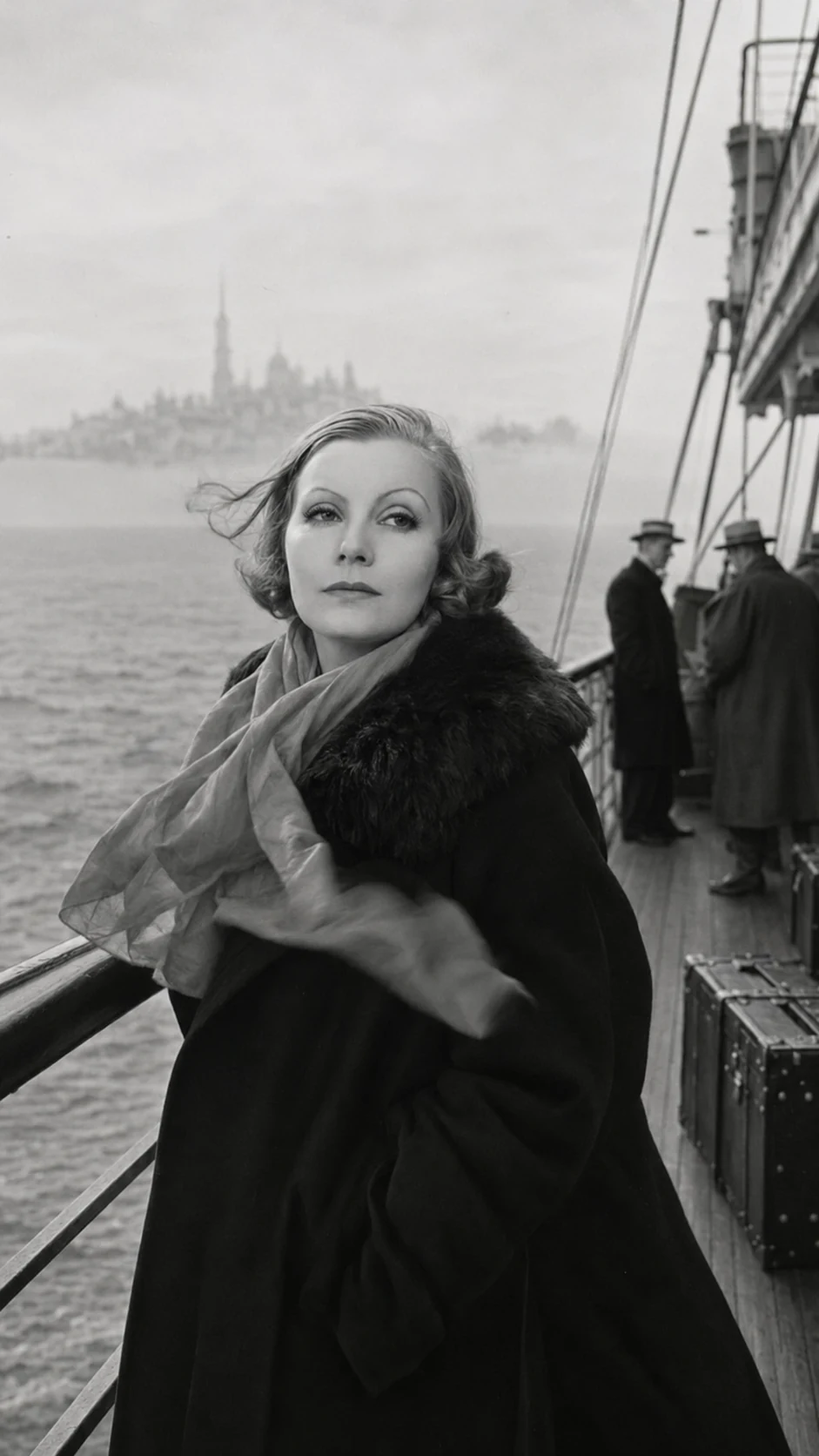
The arrival of sound threatened the careers of many performers. MGM delayed Garbo’s talking debut because executives feared that her Swedish accent would destroy the mystery surrounding her.
In 1930, she starred in Anna Christie, adapted from Eugene O’Neill’s play. The publicity campaign relied on a simple promise: “Garbo Talks!” Her first substantial speech began with a request for whisky and ginger ale. Her deep, deliberate, unmistakably European voice did not damage her career. It increased her magnetism.
Garbo received an Academy Award nomination for Anna Christie and Romance. She subsequently starred in such films as Mata Hari, Grand Hotel, Queen Christina, Anna Karenina, and Camille. The last brought her another Oscar nomination and remains one of her most admired performances.
She also achieved an unusual degree of professional control. After her initial MGM contract ended, she negotiated a project-by-project arrangement that provided better conditions and greater influence over stories and collaborators. For a foreign actress working within the rigid studio system, such independence was exceptional.
5. The Sentence That Built a Prison
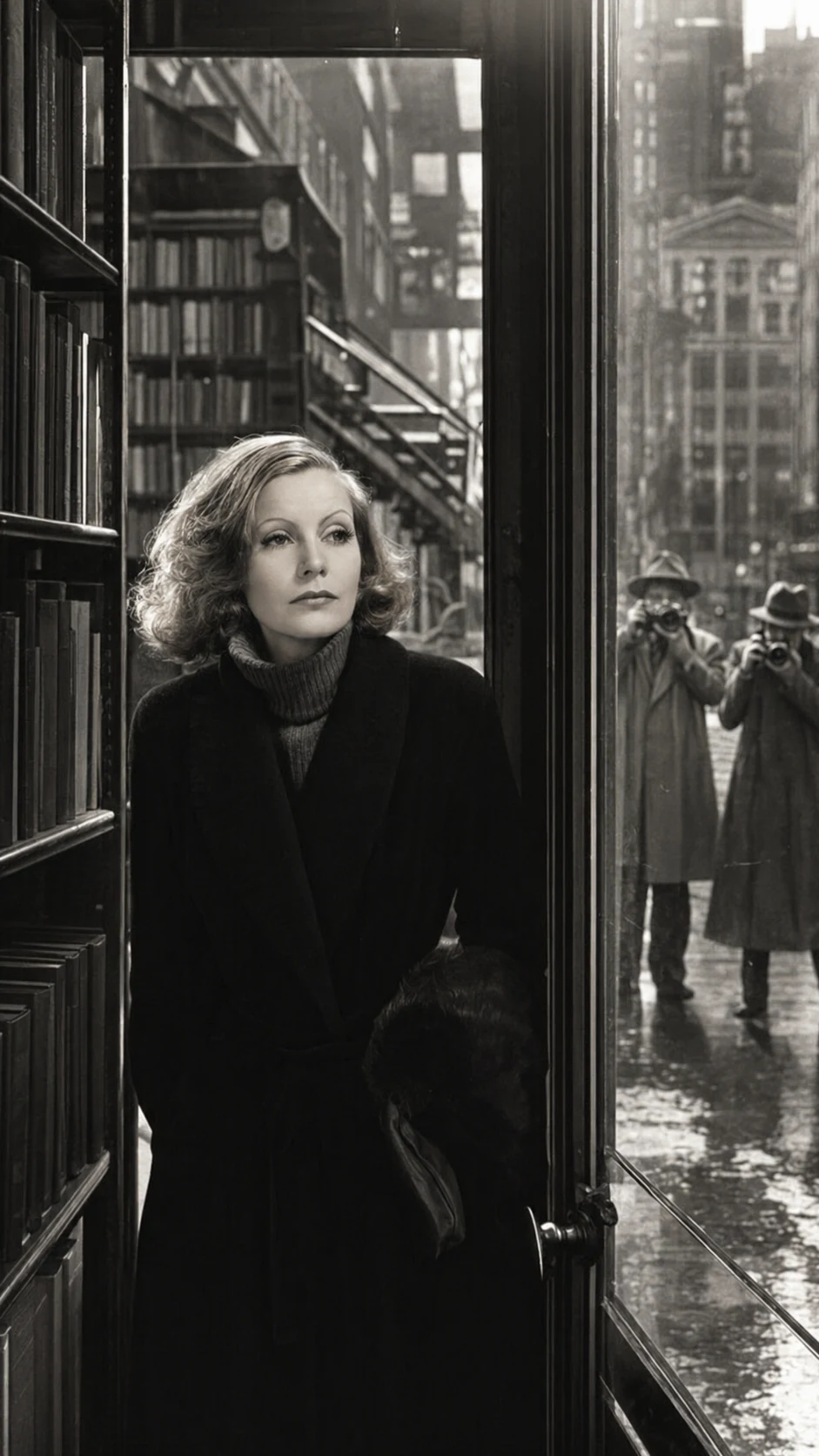
In Grand Hotel, released in 1932, her character, the ballerina Grusinskaya, delivers the famous line, “I want to be alone.” The sentence became fused with Garbo’s public identity until audiences treated it as a personal confession.
A fictional line should not be mistaken for a biography. Her dislike of publicity did not mean rejecting all companionship: she maintained friendships, traveled and pursued a social life she preferred to keep outside the spotlight.
She avoided interviews, rarely answered fan mail, and refused to participate in the usual promotional machinery. She did not attend premieres or Academy Award ceremonies. During filming, she sometimes asked visitors and executives to leave the set because she felt that unfamiliar observers interfered with her concentration.
Her behavior was portrayed as eccentricity, but it was also a form of protection. Garbo understood early that studios did not merely sell her films. They attempted to sell her personality, romances, and daily existence.
Privacy increased the mystery, and the mystery enhanced her commercial value. Every effort to hide made the public more determined to see her.
6. Garbo Laughs—and Then Leaves
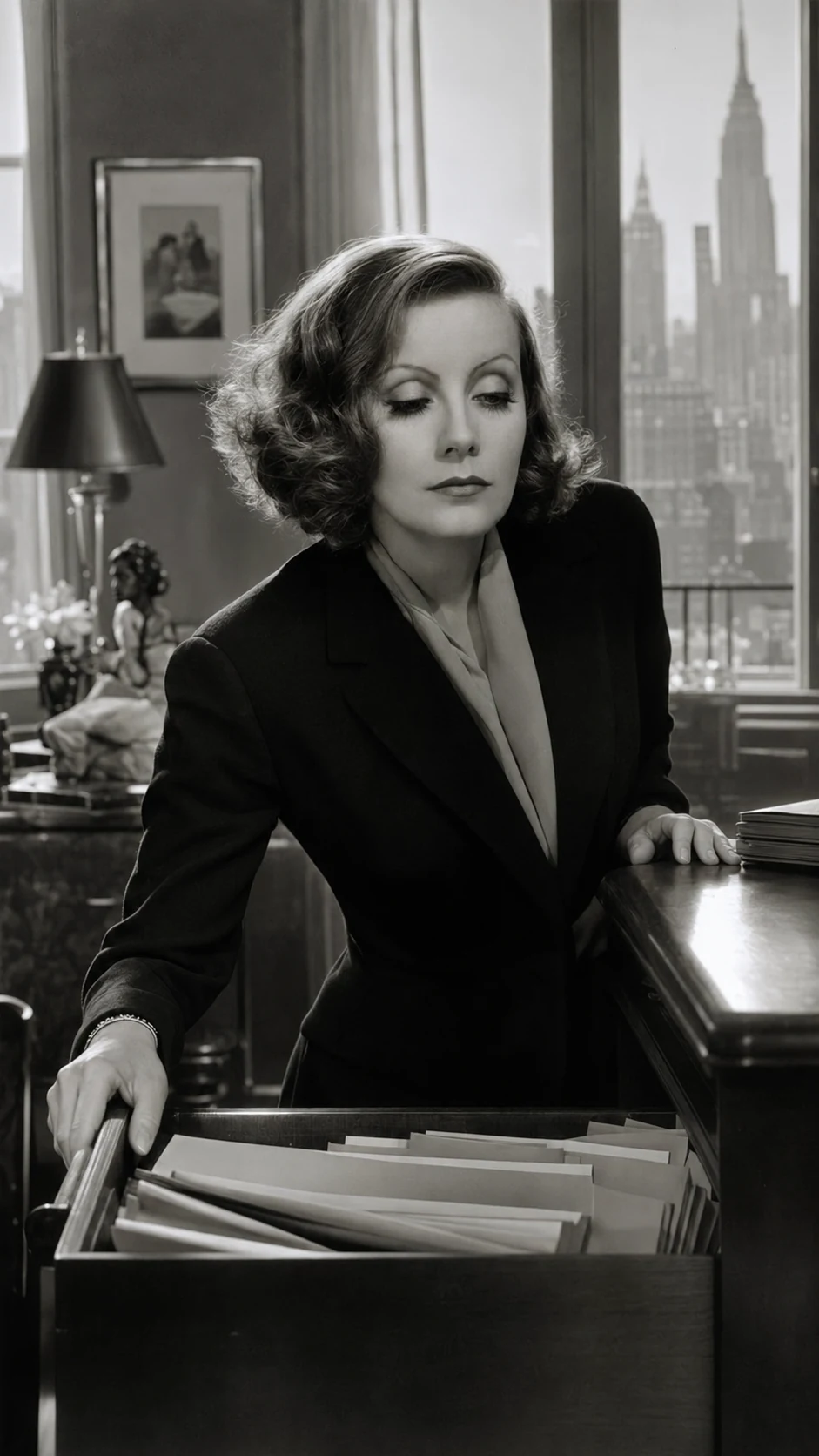
In 1939, director Ernst Lubitsch revealed another dimension of her abilities in Ninotchka. MGM advertised the comedy with another memorable slogan: “Garbo Laughs!” Her portrayal of a disciplined Soviet official discovering pleasure and love demonstrated her remarkable comic timing.
Its success persuaded the studio to place her in another comedy, Two-Faced Woman, released in 1941. The film received poor reviews and faced objections from the Legion of Decency, which considered elements of its story immoral (Greta Garbo Estate, n.d.).
It is often claimed that this failure forced Garbo into retirement. In reality, she did not announce that she was retiring permanently. The Second World War had closed important European markets, her preferences conflicted with the available material, and several subsequent projects failed to reach production.
Garbo had worked for years and expressed weariness with Hollywood. Her wish for privacy, unrealized projects and the industry’s circumstances help explain her departure. Reducing it to a fear of aging turns an interpretation into a certainty the documents cannot establish.
7. The Little-Known Fact: Garbo Almost Returned
Her disappearance was neither as immediate nor as absolute as the legend suggests. For years, she considered screen proposals and came close to returning.
The most serious attempt occurred in 1948 and 1949. Producer Walter Wanger planned an adaptation of Honoré de Balzac’s La Duchesse de Langeais, to be directed by Max Ophüls. Garbo accepted the project and made camera tests associated with 1948 and 1949. In May 1949 she was forty-three.
The footage survives. Garbo appears relaxed, elegant, and still extraordinarily photogenic. She was not a former star incapable of facing a camera again. The production collapsed primarily because its financing failed, and the film was never made (Wengström, 2003).
This episode changes the meaning of her retirement. Garbo did not completely close the door in 1941. She considered returning if she found a story, director, and working conditions worthy of the risk. When that project collapsed, her departure became permanent.
8. A Private Life, Not an Empty One
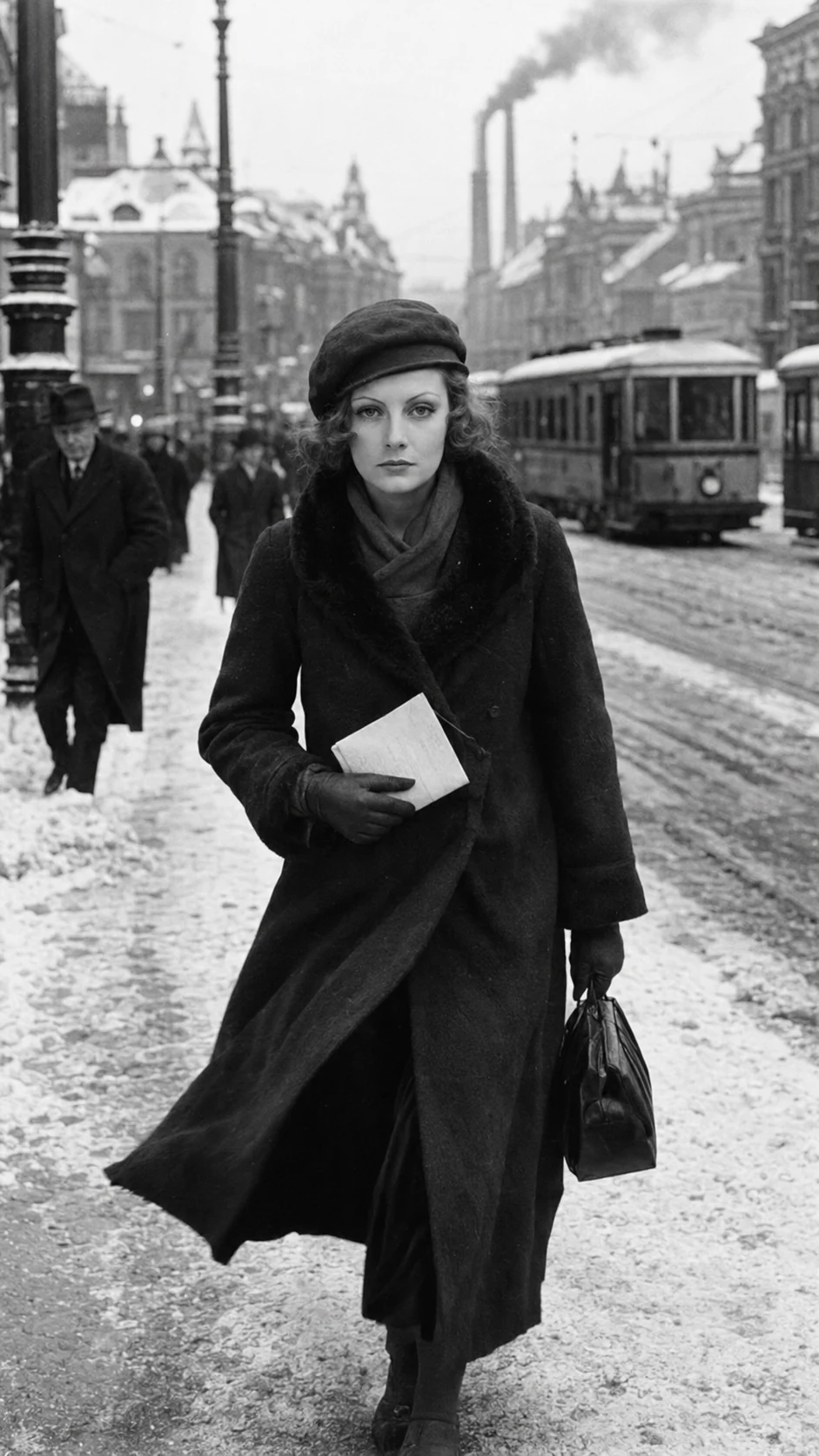
Garbo settled in New York and became a United States citizen in 1951. Her declaration of intention, preserved by the National Archives, dates from 1948: it records an earlier step in the process, not the final grant of citizenship.
She purchased a Manhattan apartment and managed her film earnings intelligently. She invested in art, real estate, and securities. She traveled, maintained a limited circle of friendships, and became known for her long walks through the city.
Photographers followed her through the streets, hoping to capture the aging face of a woman Hollywood remembered as eternally young. Garbo wore dark glasses, scarves, and understated clothing, although New Yorkers learned to recognize her.
Her emotional and romantic life has generated endless speculation. She maintained close relationships with men and women, including John Gilbert, Mercedes de Acosta, and Cecil Beaton. Nevertheless, assigning her labels she never publicly claimed requires caution. Her correspondence reveals affection and conflict but does not permit every friendship to be converted into romantic certainty.
At the 1955 ceremony honoring 1954, the Academy presented Garbo with an honorary Oscar for her “unforgettable screen performances.” She did not attend the ceremony.
9. The Star Who Refused to Repeat Herself
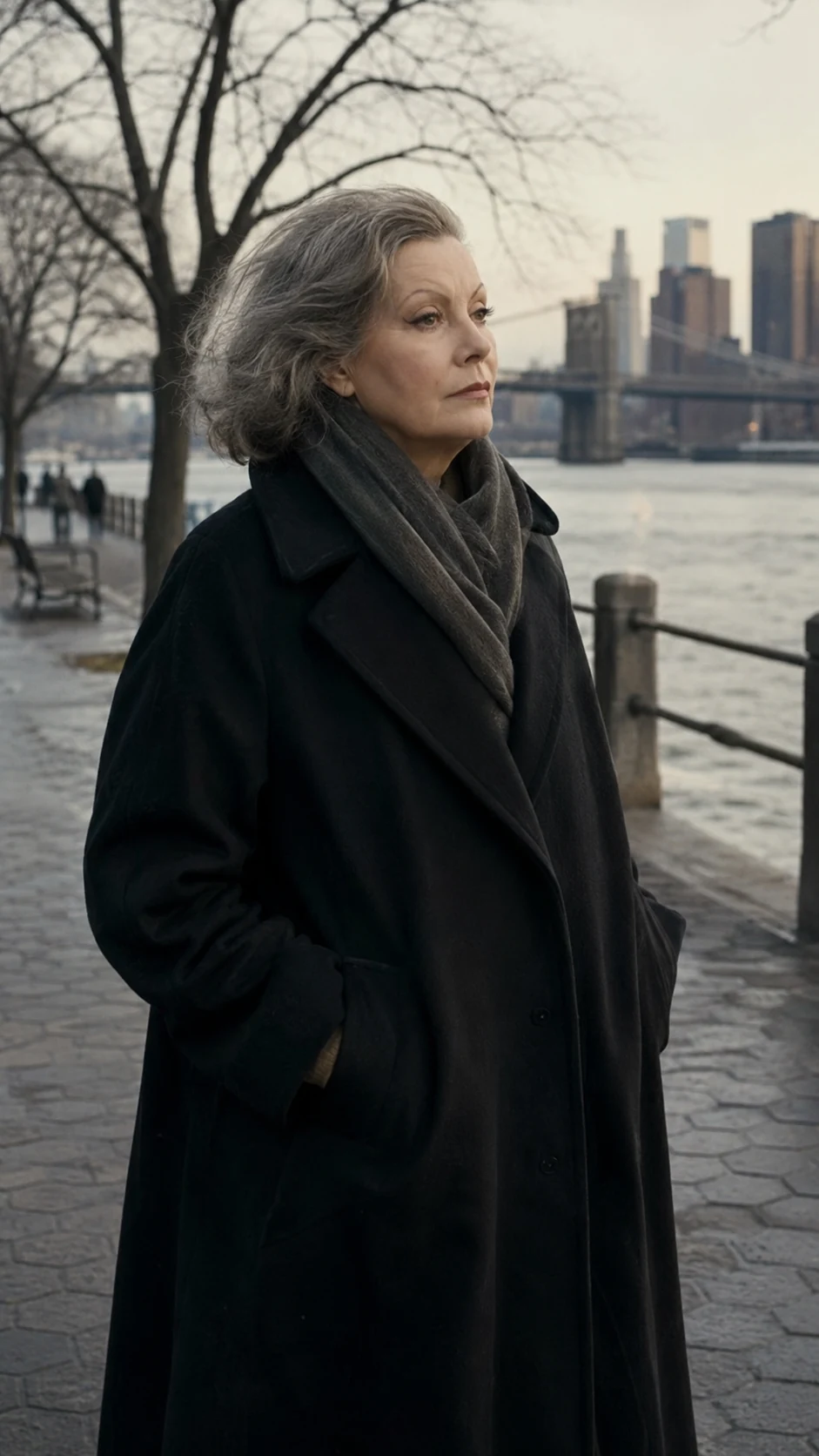
Greta Garbo died in New York on April 15, 1990, at the age of eighty-four. Her ashes were eventually buried at Skogskyrkogården cemetery in Stockholm.
She had portrayed queens, spies, aristocrats, courtesans, and women destroyed by impossible love. Her most enduring creation, however, was herself: a star whose absence eventually became as powerful as her presence.
Garbo shone too early and with an intensity that threatened to consume every possibility of a private life. By leaving, she rejected the obligation to remain forever young, accessible, and profitable.
Hollywood manufactured immortality through repetition. Greta Garbo found another way to preserve herself: she stopped acting before she became an imitation of her own legend.
Timeline
| Year | Event |
|---|---|
| 1905 | Born in Stockholm. |
| 1924 | Appears in Mauritz Stiller’s Gösta Berlings saga. |
| 1925 | Travels to the United States. |
| 1930 | Makes her sound debut in Anna Christie. |
| 1939 | Stars in Ernst Lubitsch’s Ninotchka. |
| 1941 | Her final film, Two-Faced Woman, is released. |
| 1948–1949 | Screen tests and preparations for an unrealized comeback. |
| 1951 | Becomes a United States citizen. |
| 1955 | Receives the honorary Oscar honoring 1954. |
| 1990 | Dies in New York. |
Sources
- Vintkvist, J. (2018). Greta Lovisa Garbo. Svenskt kvinnobiografiskt lexikon.
- Wengström, J. (2003). Testfilm Greta Garbo. Il Cinema Ritrovato, Cineteca di Bologna.
- National Archives. (1948). Declaration of Intention for Greta Garbo. Record Group 21, identifier 595201. DocsTeach.
- Academy of Motion Picture Arts and Sciences. (1955). The 27th Academy Awards.
- Academy of Motion Picture Arts and Sciences. (1930). The 3rd Academy Awards.
- Greta Garbo Estate. (n.d.). Frequently asked questions.
More from this collection
Anthony Perkins: The Actor Who Never Escaped the Bates Motel
Read story →
Ava Gardner: The Woman Hollywood Turned into a Legend Before Hearing Her Voice
Read story →