
The Willis Carrier invention that turned movie theaters into summer refuges
For years, summer was a difficult season for movie theaters. Then an inventor helped turn them into refuges from the heat.
In the 1920s, watching a film during the hottest months could be an uncomfortable experience.
Auditoriums were packed with people, lights and projectors generated heat, and ventilation systems struggled to move the air.
Audiences used paper fans, while many theaters reduced their schedules or temporarily closed.
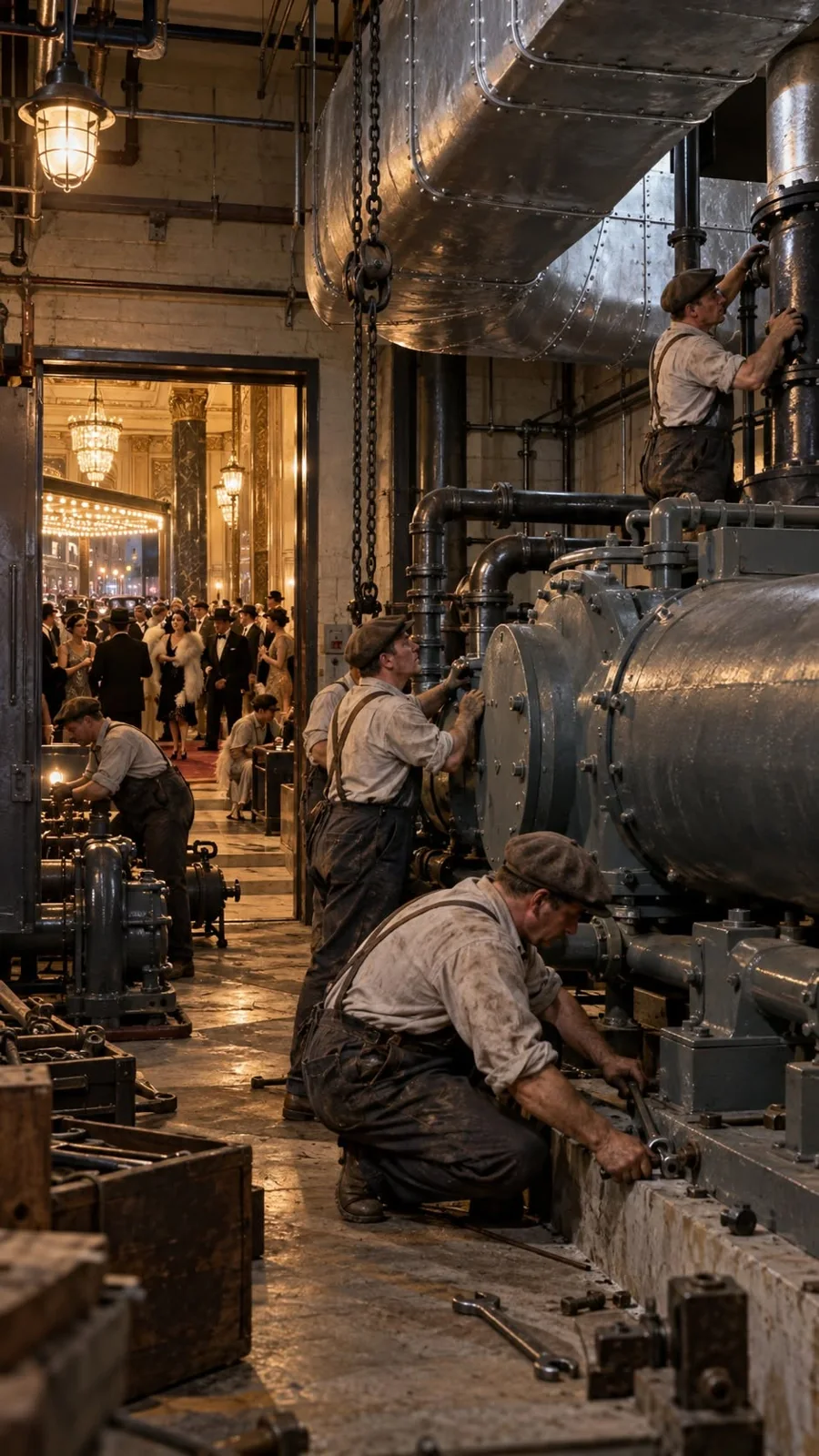
Willis Carrier had already shown that he could control temperature and humidity inside factories. But refrigeration equipment was large, expensive, and difficult to adapt to many public buildings.
In 1922, he introduced a decisive innovation: the centrifugal refrigeration machine.
Instead of relying on the large reciprocating compressors used previously, the new system offered a more compact and practical way to produce the chilled water needed to cool large spaces.
The technology began spreading to department stores and theaters.
Carrier and his team also worked on how air was distributed inside auditoriums.
Some earlier systems delivered cold air through grilles near the floor. Moviegoers experienced unpleasant drafts around their feet while the upper part of the theater remained hot.
Distributing air from the ceiling helped spread it through the auditorium and improved audience comfort.
After other installations, an opportunity arrived that would turn the technology into a public spectacle.
The Rivoli Theatre in Times Square, associated with the Paramount circuit, installed a Carrier system that made its debut over Memorial Day weekend in 1925.
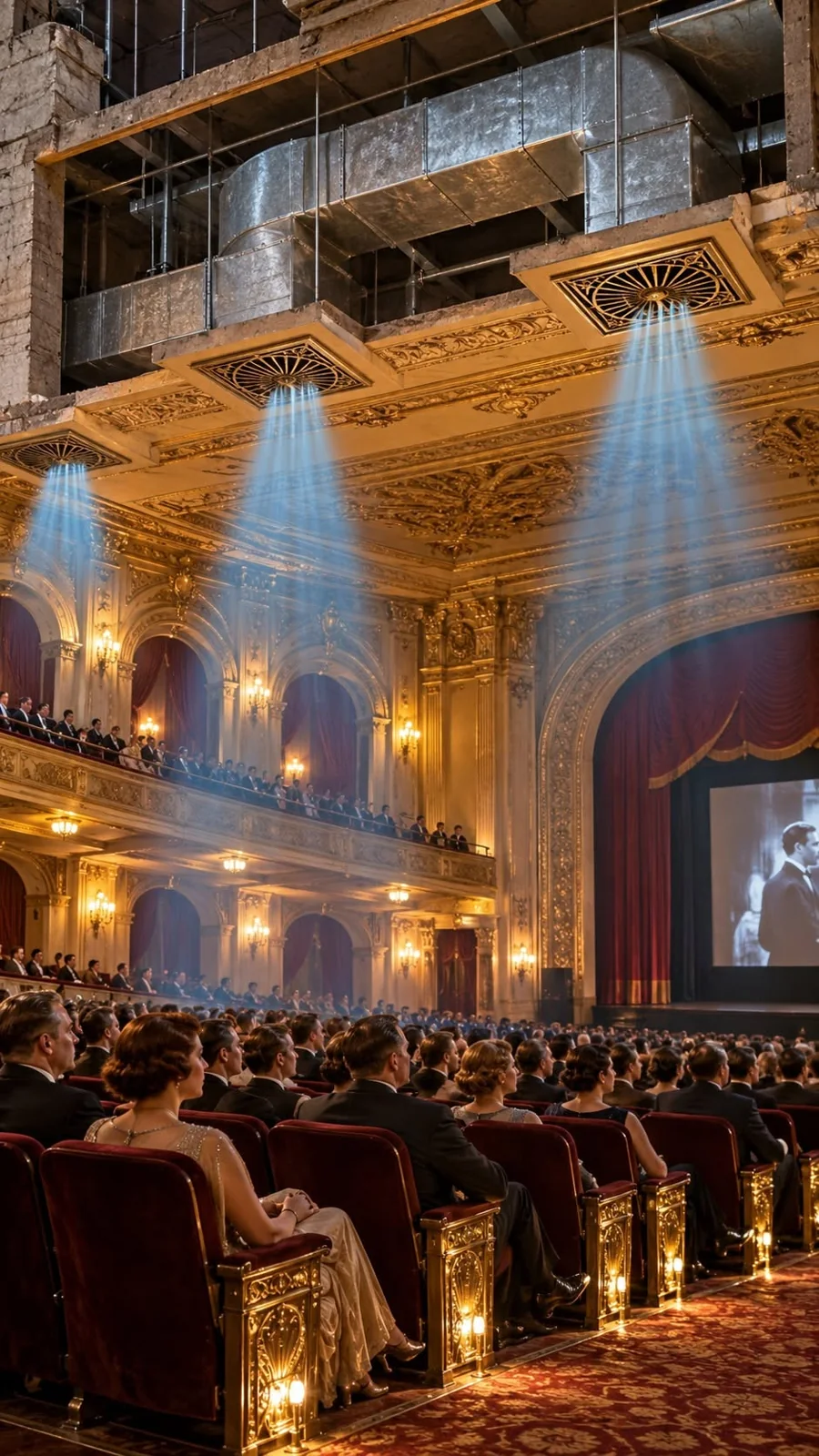
According to accounts of that presentation, the theater was full and the initial cooling was slow. Once the temperature began to fall, the audience’s relief demonstrated the installation’s appeal.
Adolph Zukor, the head of Paramount, could see the technology’s commercial value. Audiences were no longer paying only to watch a movie: they could also pay to escape the heat.
Other owners began installing similar systems. Theater marquees advertised refrigerated interiors, making the indoor temperature part of the attraction.
By 1930, more than 300 American movie theaters advertised refrigeration.
Theaters became one of the first places where many people experienced air conditioning.
This helped change the relationship between summer and movie attendance. A cool auditorium could attract people when staying home was uncomfortable.
But the summer movie hit did not emerge from a single machine or a single film. Changes in distribution, advertising, and studio strategies also played a part.
Willis Carrier did not invent the modern blockbuster. His technology helped create the physical conditions that would, over time, make summer an essential season for the film industry.
The next time you feel cold inside a movie theater, remember that for decades that cool air was one of the main attractions included in the ticket.
Did you know that air conditioning helped turn movie theaters into refuges from the summer heat?
Explore the full biography of Willis Carrier
Sources
- Carrier — The History of Air Conditioning. View source
- Carrier — Frequently Asked Questions. View source
- ACHR News — Time Machine: Air Conditioning and the Cinema. View source