In this storyOpen index
Zaha Hadid: The Architect Who Spent Years Constructing Buildings That Existed Only in Paintings
For years, her buildings could exist only in paintings. When technology caught up with her drawings, Zaha Hadid transformed architecture.
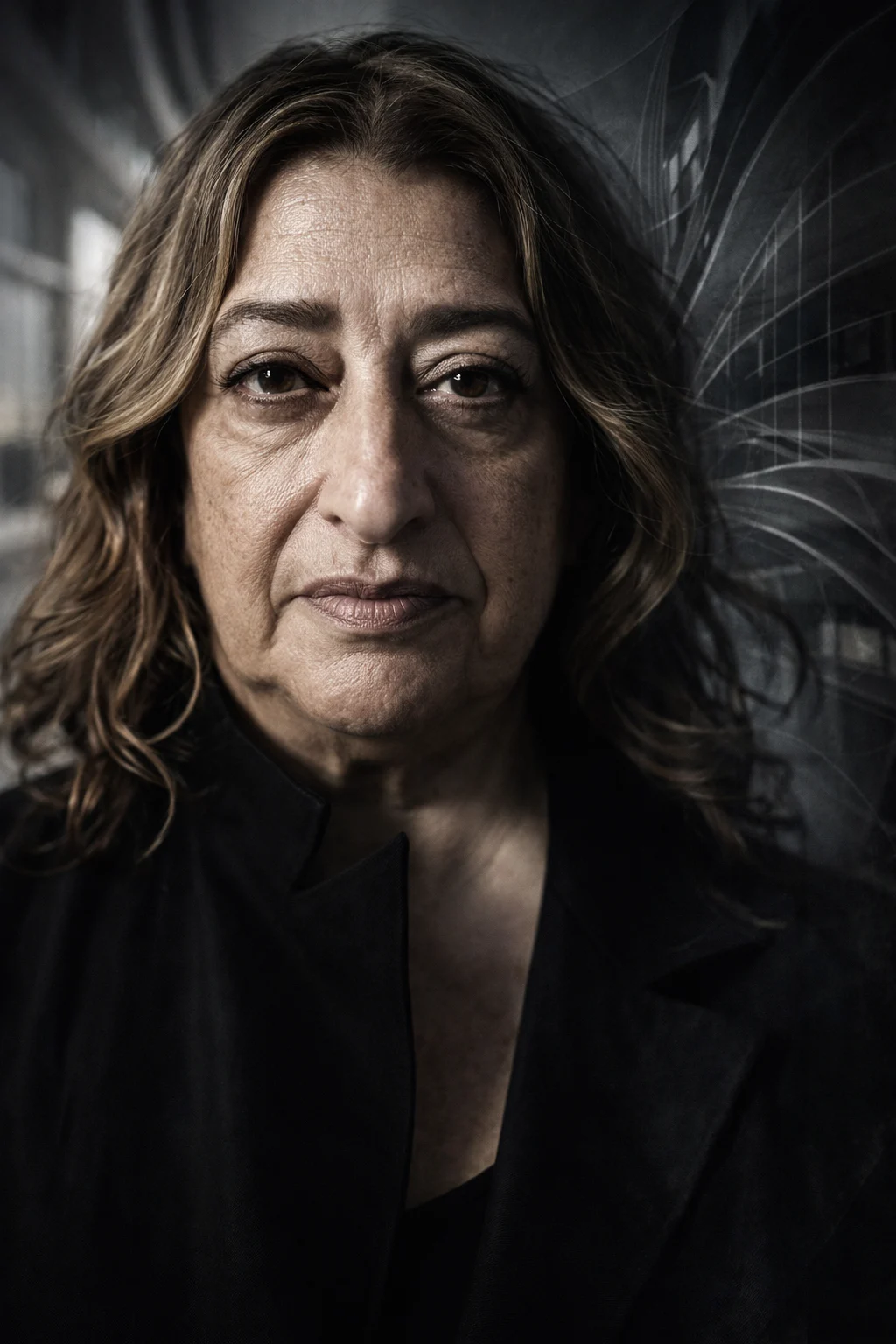
For years, she won competitions whose organizers later lacked the courage to build her designs. Her projects resembled fragments of cities thrown into the air: inclined planes, impossible perspectives, and buildings that appeared to move even while standing still. Critics admired her drawings, but many developers believed that transforming them into architecture would be too expensive, too difficult, or simply impossible.
Zaha Hadid became trapped beneath a label that was as complimentary as it was cruel: “paper architect.” She was internationally famous, taught at prestigious universities, and appeared in major exhibitions, yet nearly all her architecture continued to exist only in paintings and models.
It took more than a decade for her to prove that those images could leave the page. When they finally did, they changed how architects imagined movement, landscape, and the possibilities of a structure.
Zaha Hadid on video
Discover this story on our YouTube channel.
A life told through places and decisive moments
Enter the archive
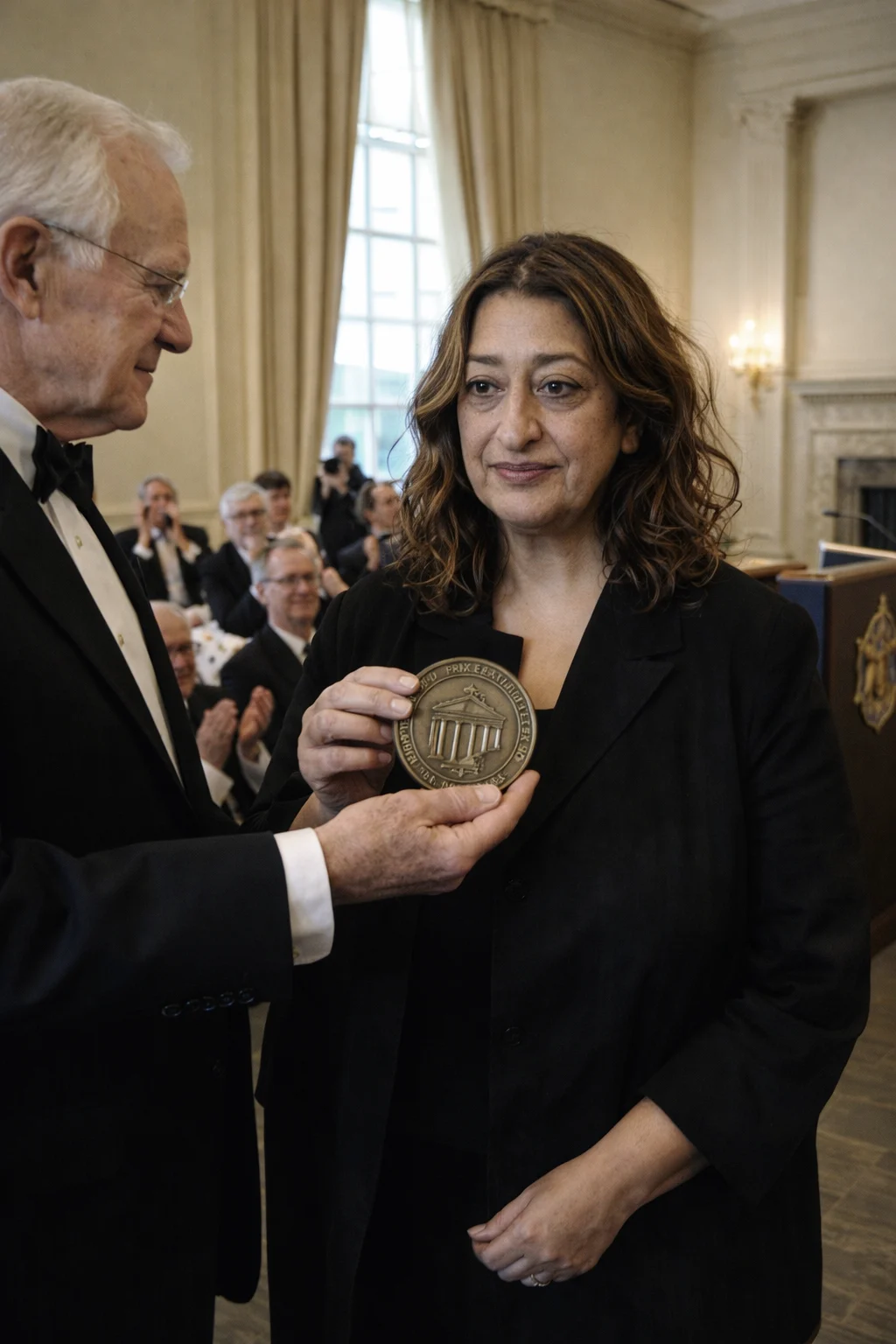
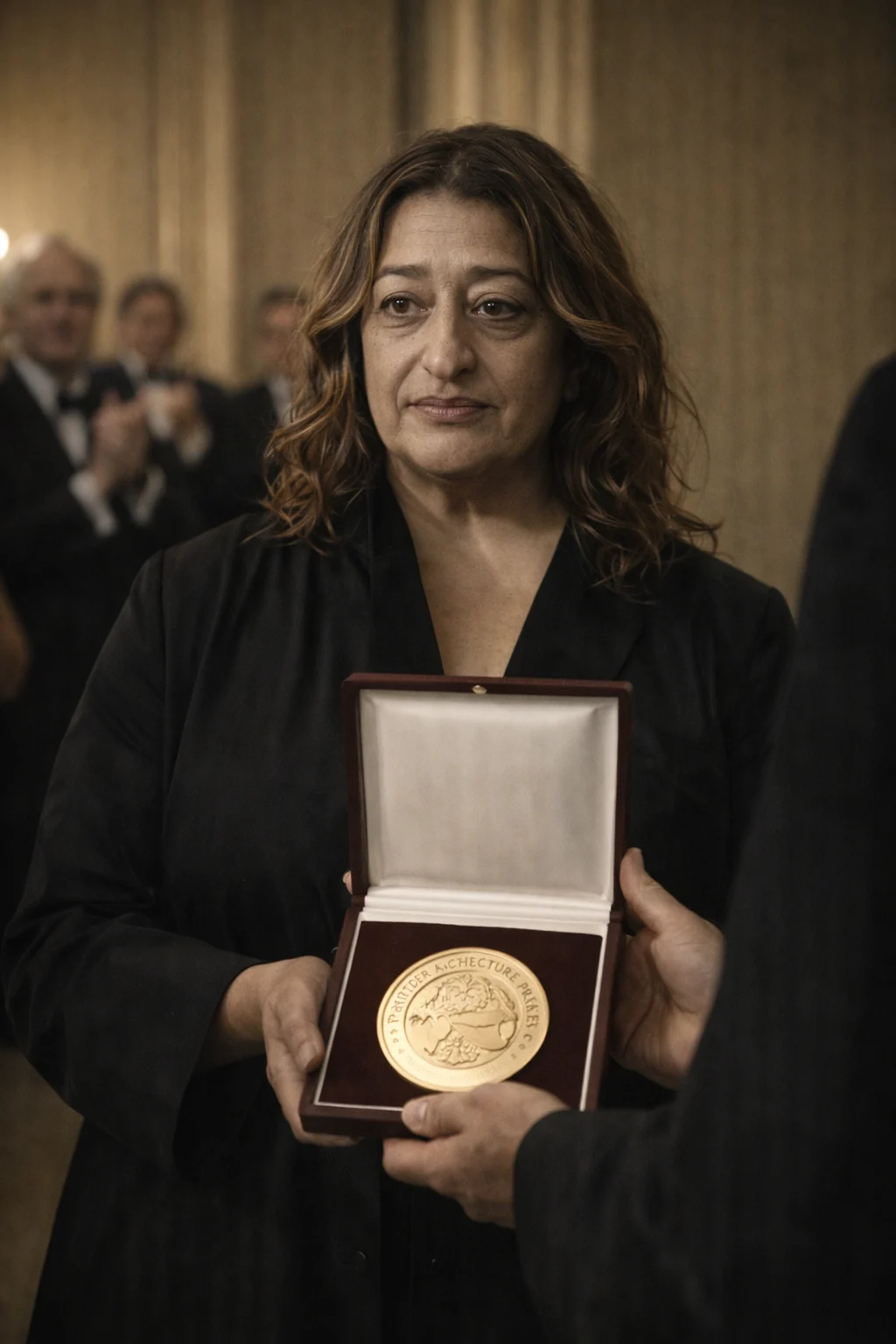
The official Pritzker Prize record preserves the award that made Hadid, in 2004, the prize’s first woman laureate.
- Collection
- Pritzker Prize archive
- Institution
- The Hyatt Foundation
Institutional record from the Pritzker Architecture Prize.
From Baghdad to London
Zaha Mohammad Hadid was born in Baghdad on October 31, 1950. She grew up in an affluent and politically active family during a period of intense modernization in the Iraqi capital. Her father, Muhammad al-Hajj Husayn Hadid, was a businessman who participated in establishing Iraq’s National Democratic Party. Her mother, Wajiha al-Sabunji, had artistic interests that helped shape her daughter’s visual sensibility (Guggenheim Museum, 2006; Jodidio, 2016).
Hadid later recalled childhood visits to ancient Sumerian cities and the marsh landscapes of southern Iraq. Reducing her architecture to a direct translation of those images, however, would simplify a process also formed by mathematics, abstract art, and the political transformations of the twentieth century.
She studied mathematics at the American University of Beirut before moving to London in 1972 to attend the Architectural Association School of Architecture. The school was then one of the world’s most experimental architectural centers. There she studied under Rem Koolhaas and Elia Zenghelis, who challenged conventional architecture and treated projects as forms of cultural and urban research (Betsky, 1998).
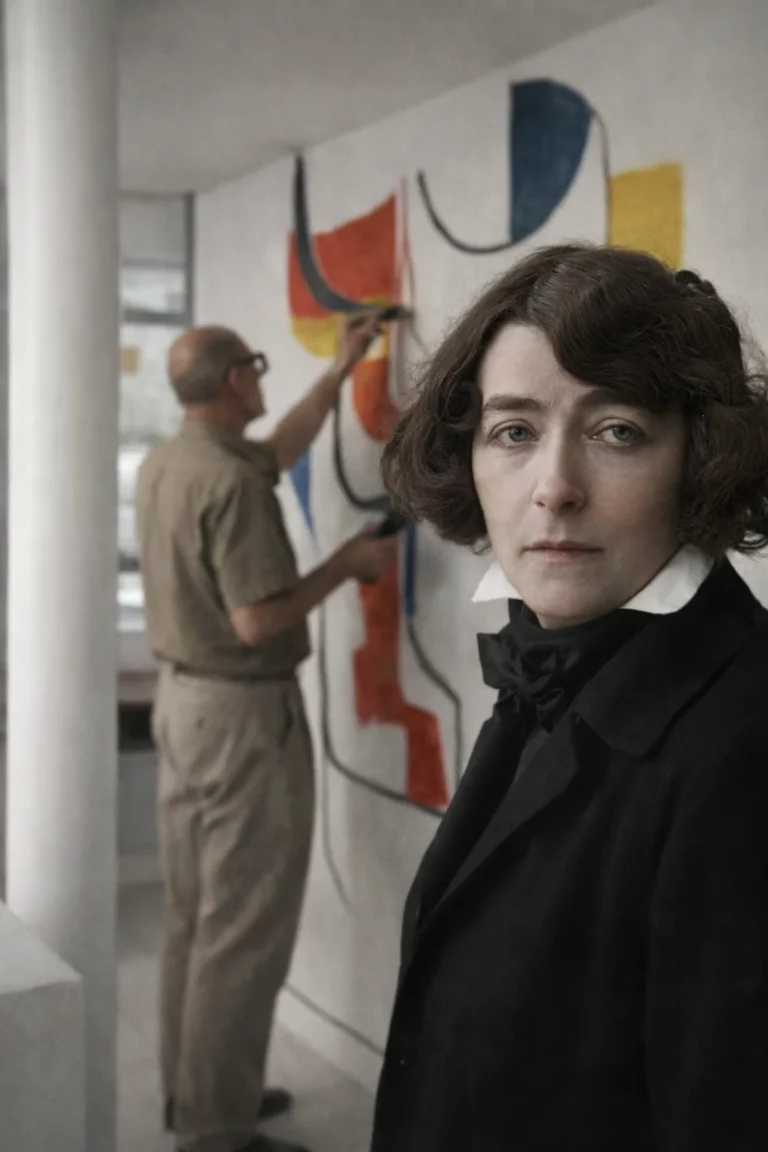
Her 1977 graduation project, Malevich’s Tektonik, imagined a fourteen-level hotel suspended over London’s Hungerford Bridge. The name referred to Kazimir Malevich, a leading figure of Russian Suprematism. Hadid used the artist’s geometric forms to break apart the building and extend it across the city like an abstract composition (Guggenheim Museum, 2006).
After graduating, she briefly worked at the Office for Metropolitan Architecture, founded by Koolhaas and Zenghelis. In 1979, she established her own London practice.
Painting before building
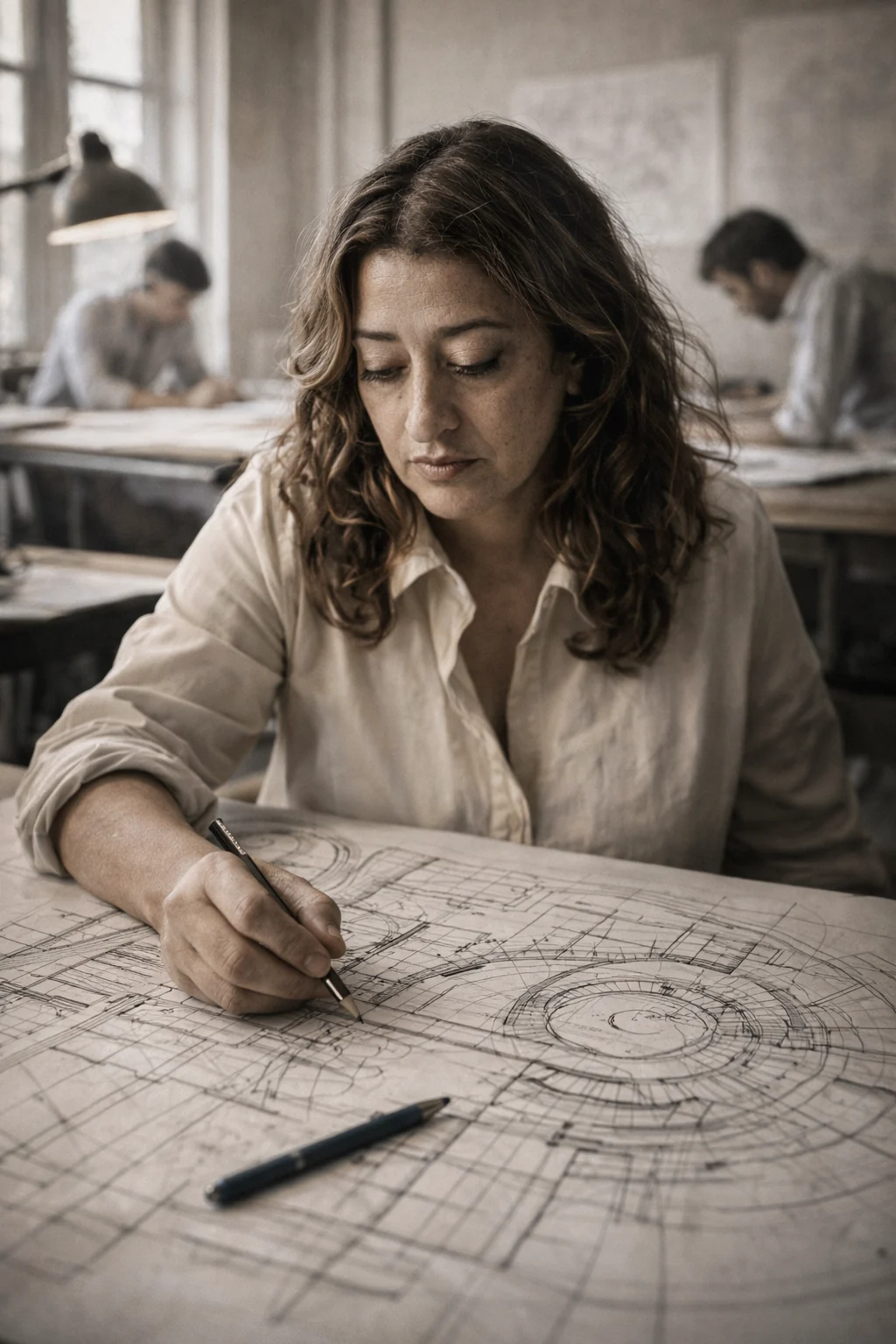
Hadid did not use painting merely to present an already completed design. Painting formed part of the process through which she discovered it. Her images combined plans, sections, perspectives, and aerial views within a single composition.
The stable viewpoint disappeared. An observer could simultaneously contemplate a building from above, from the side, and from inside. Streets became lines of energy, while volumes appeared to detach themselves from the ground (Betsky, 1998).
These paintings allowed her to investigate spaces that traditional architectural drawings could not easily represent. They also encouraged suspicions that her projects belonged more to art than to construction.
In 1983, she won the international competition to design The Peak, a recreational club on a Hong Kong hillside. Her proposal transformed the terrain into a series of beams, terraces, and horizontal fragments that seemed to float above the mountain. The project attracted worldwide attention but was never built (Zaha Hadid Architects, n.d.-a).
The Peak made Hadid an international figure. It also strengthened her reputation as the author of impossible buildings.
The exhibition that gave her a place in history
In 1988, the Museum of Modern Art in New York included Hadid in its Deconstructivist Architecture exhibition alongside Frank Gehry, Rem Koolhaas, Peter Eisenman, Daniel Libeskind, Bernard Tschumi, and Coop Himmelblau.
The exhibition brought together architects who employed fragmentation, unstable geometries, and forms that appeared to conflict with traditional principles of order. Although its participants did not constitute an organized movement, the exhibition helped make “deconstruction” one of the most widely discussed architectural tendencies of the late twentieth century (Johnson & Wigley, 1988).
Hadid was the only woman included. Her presence confirmed her intellectual importance but did not resolve the central problem: almost nothing she designed was being built.
Her status as a woman, an Arab, and an immigrant within a profession dominated by European and American men affected how she was judged. Firmness that might be regarded as authority in a male architect was frequently described as aggression or difficulty in her. Yet discrimination did not account for every obstacle. Her projects also presented genuine technical, financial, and functional challenges.

The competition won twice and lost both times
One of the most frustrating episodes occurred in 1994, when Hadid won the competition for the Cardiff Bay Opera House in Wales. Her proposal was selected through two successive processes, but the project encountered political opposition, concerns about its budget, and resistance from some local groups.
The building was eventually canceled. Hadid had won, but she would not construct it (Betsky, 1998; Jodidio, 2016).
The Cardiff failure appeared to offer her critics definitive proof: her ideas might impress an international jury, but supposedly could not survive in the real world.
For Hadid, the cancellation carried a different meaning. It demonstrated that winning a competition was insufficient when a woman architect still had to convince politicians, engineers, developers, and communities that her vision deserved to exist.
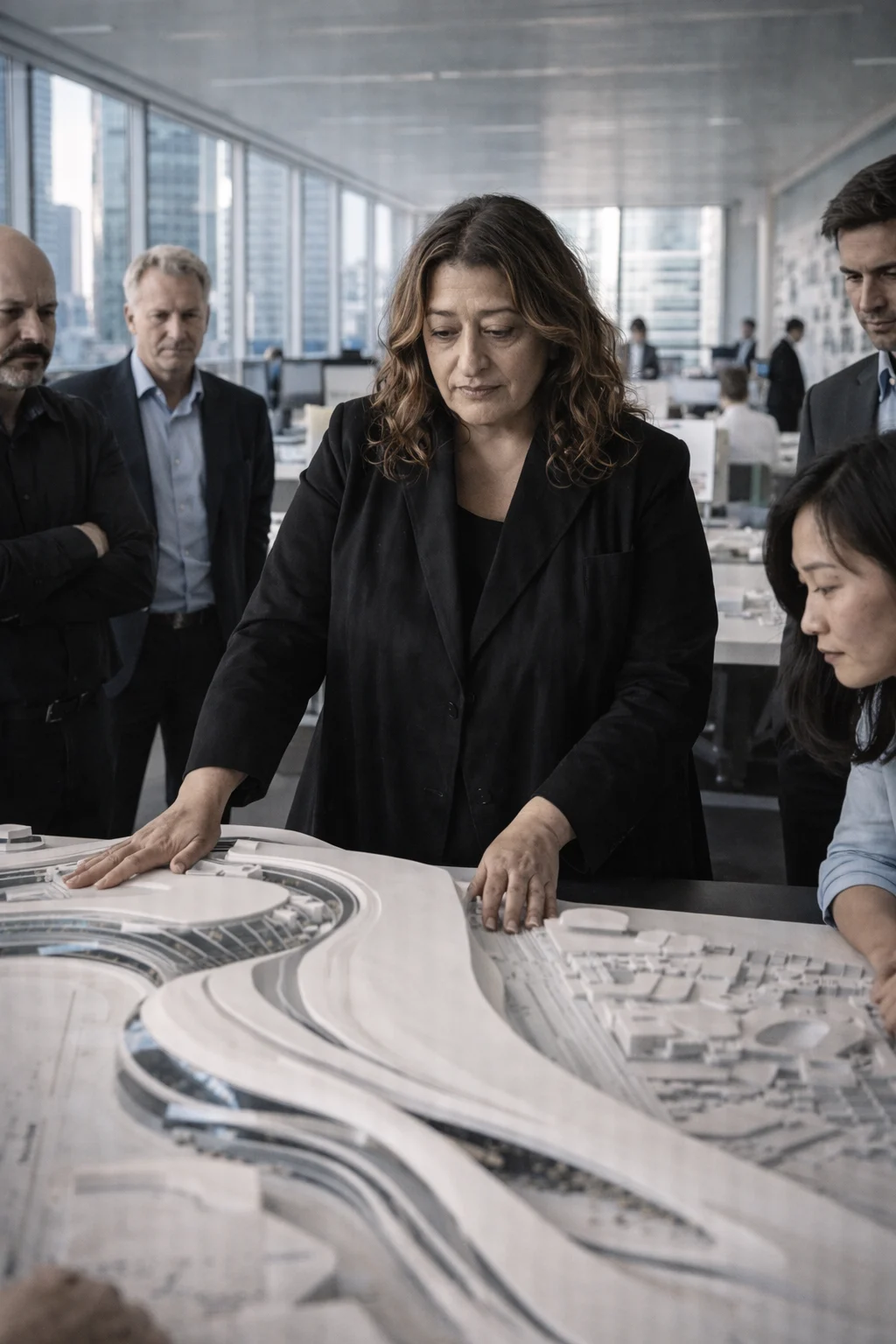
The little-known fact: her first major building almost immediately lost its original function
The opportunity to build came in Weil am Rhein, Germany. After a fire in 1981, furniture company Vitra decided to establish its own fire brigade within its industrial campus. Hadid was commissioned to design a station for that unit.
The Vitra Fire Station, completed in 1993, consisted of angled concrete walls that appeared to freeze an explosion at the precise moment it began. The building did not present a traditional front façade. Its planes directed the movement of vehicles and personnel through the site (Guggenheim Museum, 2006).
The irony was that the private fire brigade was eventually dissolved when local authorities reorganized fire protection. Hadid’s first major completed building ceased operating as a station and began to be used for exhibitions and cultural activities (Vitra, n.d.).
It was not a structural failure or proof that the building was unusable. The program for which it had been created simply disappeared. Even so, the episode seemed to summarize the difficulty of her career: even when she finally built, reality changed the rules.
The station demonstrated something decisive. Her lines could become concrete. Her perspectives could be transformed into corridors, doors, and inhabitable spaces.
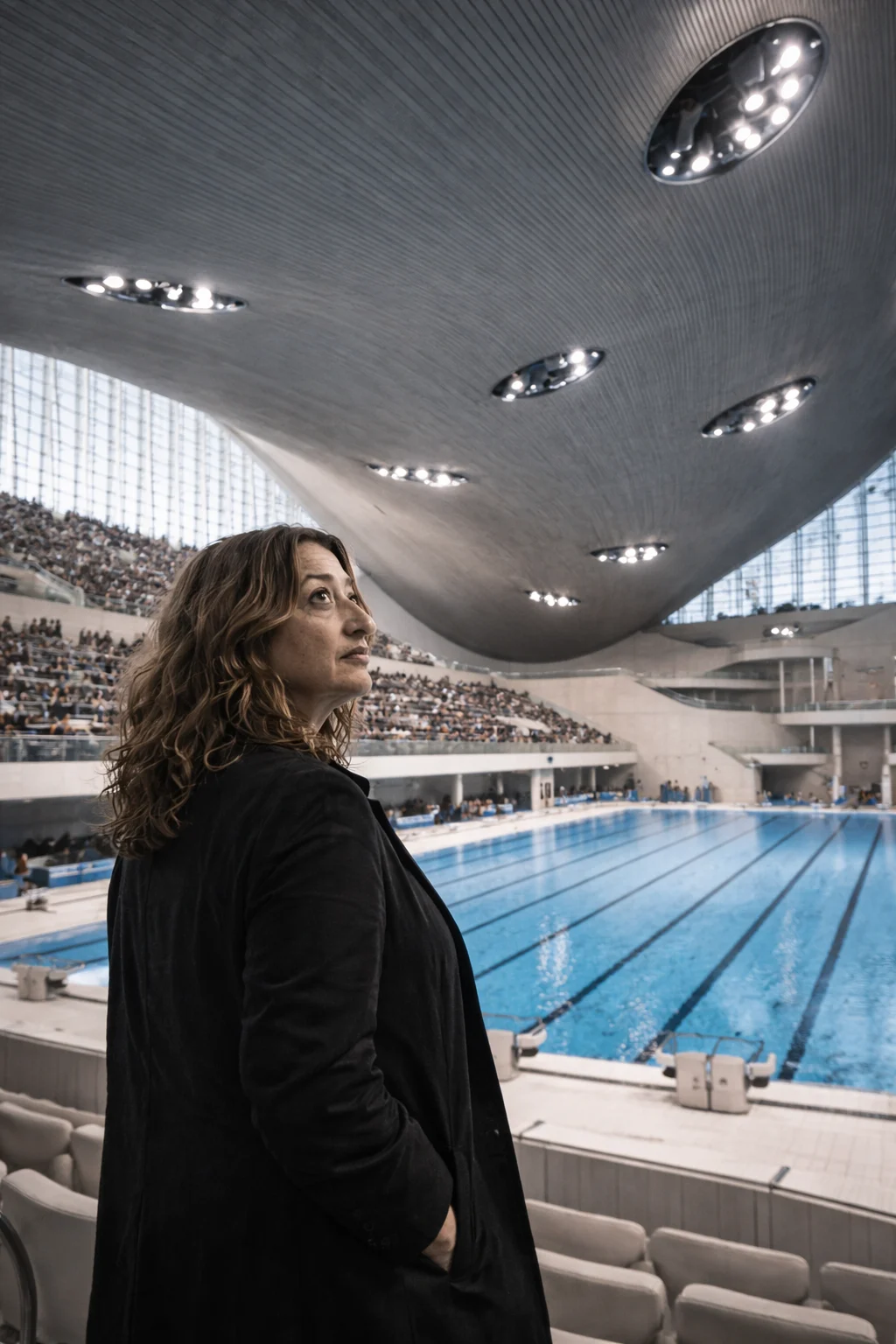
From paper architect to international builder
During the following years, the practice began completing more projects. The Bergisel Ski Jump, opened in Innsbruck in 2002, combined a sporting ramp, tower, and café within a structure that appeared to extend the motion of a ski jump into the landscape (Jodidio, 2016).
The Rosenthal Center for Contemporary Art opened in Cincinnati in 2003. The building employed an “urban carpet” that drew circulation from the street into its galleries. It was one of the works that confirmed Hadid could deliver complex public buildings rather than only small experimental objects.
In 2004, she became the first woman to receive the Pritzker Architecture Prize individually. The jury recognized a career that had expanded the boundaries of architectural geometry and representation (Pritzker Architecture Prize, 2004).
The honor arrived before many of her best-known works existed. Rome’s MAXXI, the Heydar Aliyev Center in Baku, the Guangzhou Opera House, and the London Aquatics Centre would all be constructed afterward.
Computers finally caught up with her drawings
The expansion of digital architecture made it possible to model, calculate, and fabricate geometries that had previously been extremely difficult to coordinate. Curved surfaces could be divided into buildable components, while architects and engineers could analyze complex structures within shared three-dimensional models.
Attributing Hadid’s architecture solely to computers, however, reverses the chronology. She had imagined fragmented and fluid spaces long before digital tools capable of efficiently developing them existed. Technology did not invent her language; it finally caught up with it (Jodidio, 2016).
The collective work of Zaha Hadid Architects, and particularly her collaboration with Patrik Schumacher, was fundamental to this transformation. The practice converted Hadid’s graphic intuitions into design systems capable of producing increasingly large buildings.
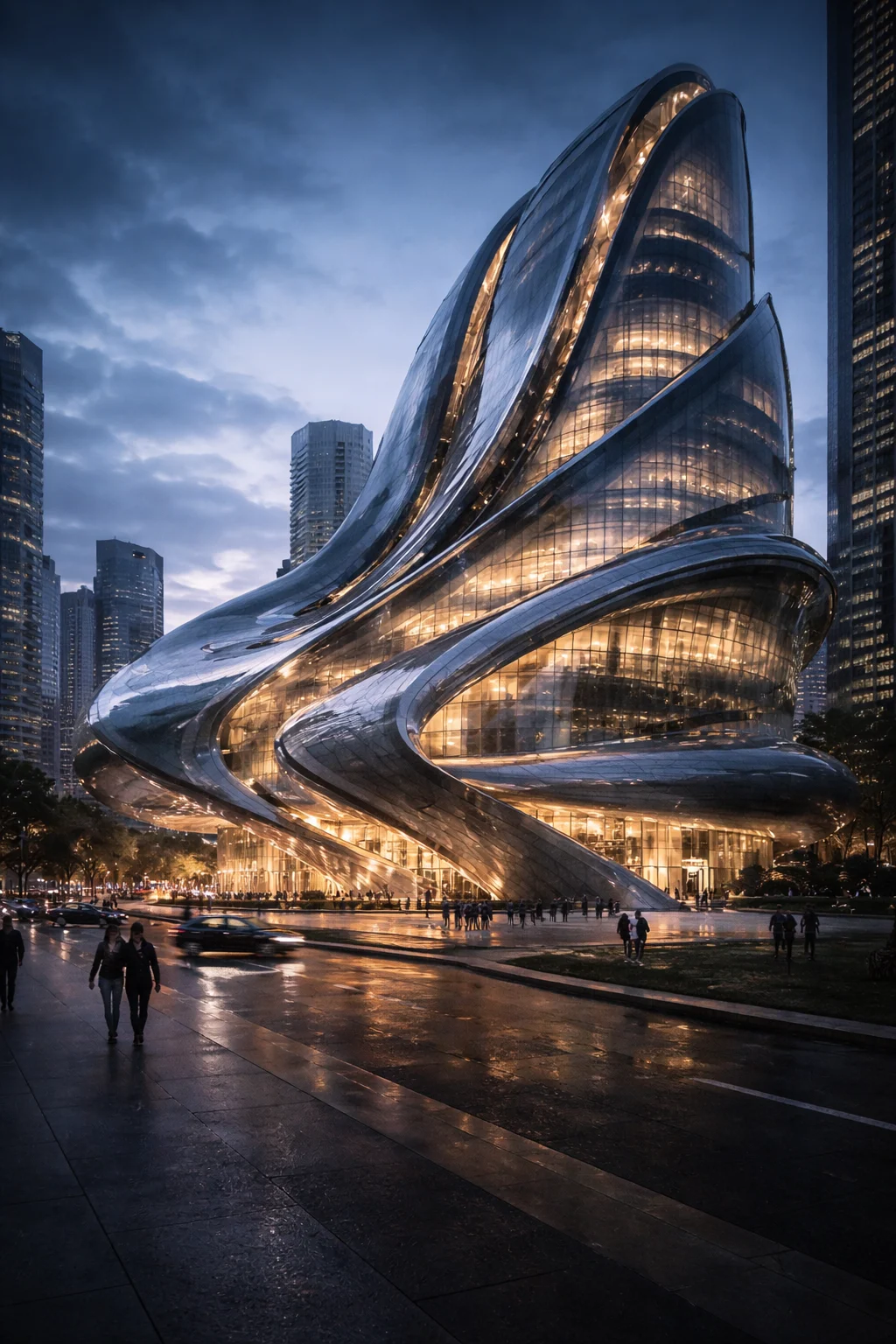
Her architecture also changed. The early work was dominated by sharp angles, fractures, and planes colliding with one another. Later projects adopted continuous surfaces, curves, and spaces resembling landscapes eroded by movement.
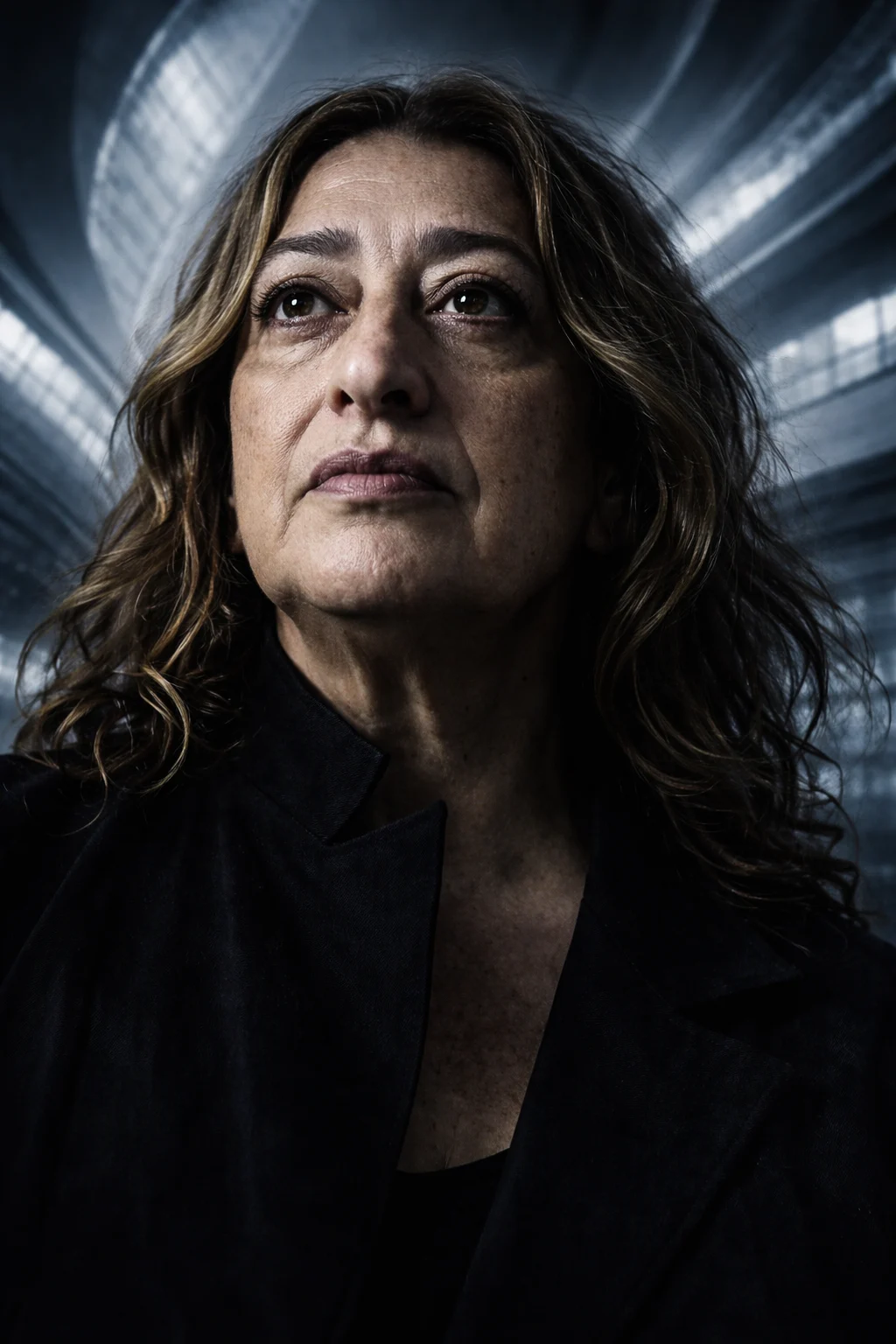
Buildings that appeared to be moving
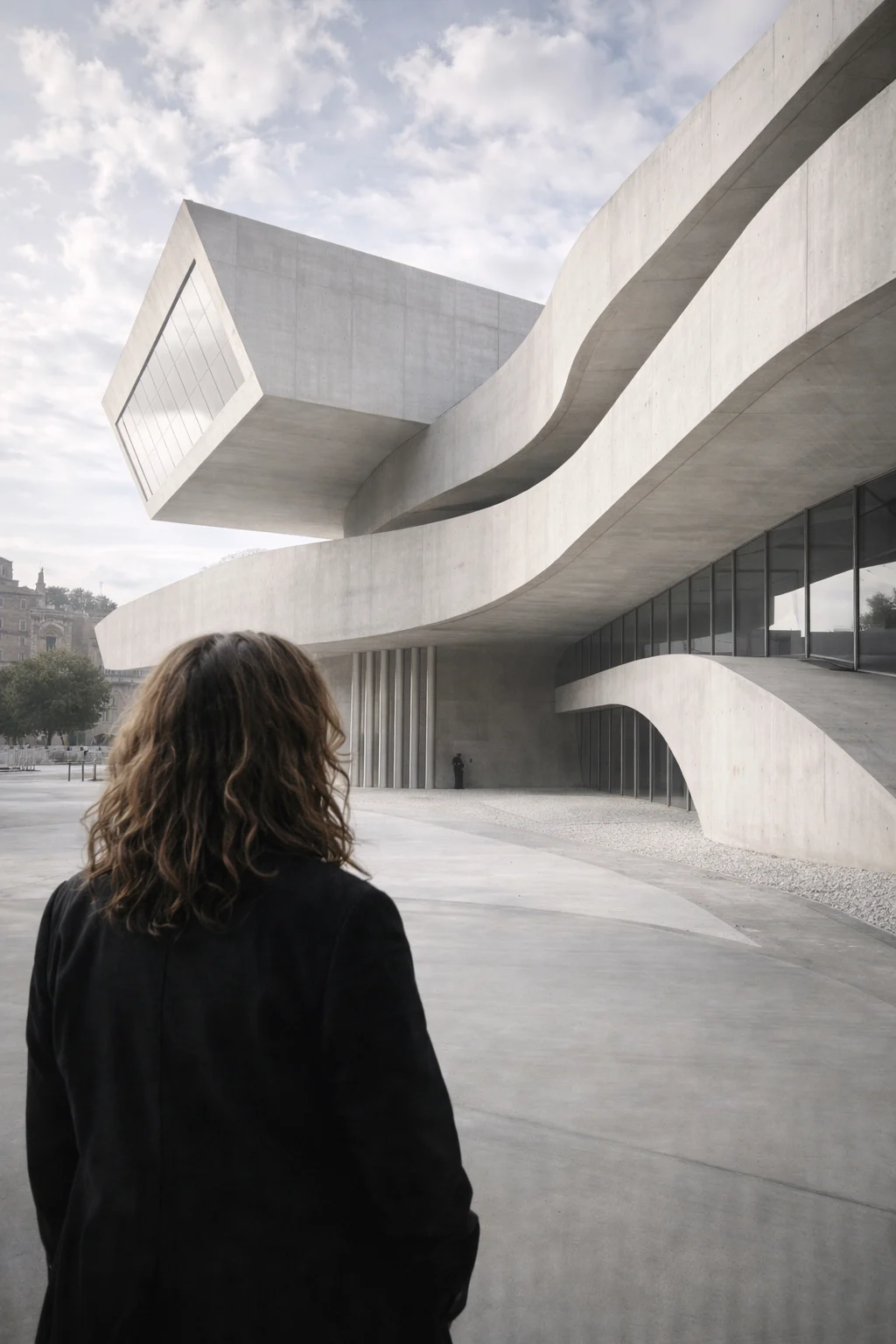
MAXXI, the National Museum of 21st Century Arts, opened in Rome in 2009 and organized its galleries as a network of overlapping paths. Rather than imposing a single route, the building allowed visitors to choose among different directions. The project received the Stirling Prize in 2010 (Jodidio, 2016).
The Guangzhou Opera House, completed in China in 2010, was conceived as two stones shaped by river erosion. The Heydar Aliyev Center, opened in Baku in 2012, used a continuous surface that seemed to rise from the plaza, wrap around the building, and return to the ground.
For the 2012 London Olympics, Hadid designed an aquatics center whose undulating roof evoked the movement of water. The large temporary seating wings installed for the competition were later removed, revealing a lighter structure for everyday public use.
These buildings were not intended to resemble motionless machines. They attempted to transform human movement, circulation, and the forces of landscape into architectural form.
The cost of building the impossible
Fame did not eliminate criticism. Some projects were questioned for their high budgets, maintenance difficulties, or the priority given to visual impact. Others were constructed within authoritarian political systems that used monumental architecture to project modernity and power.
The practice’s growth also raised questions about the culture of the “starchitect.” Buildings publicly attributed to Hadid were produced through the labor of hundreds of architects, engineers, designers, consultants, and construction workers.
Recognizing that collective effort does not diminish her importance. It demonstrates that making radical geometry possible requires far more than a great idea: it requires organizations capable of resolving materials, calculations, regulations, budgets, and fabrication processes.
Hadid maintained that public buildings should create a feeling of discovery. Yet spectacle could become an end in itself. That tension between innovation and excess forms part of her legacy and should not disappear behind admiration.
The woman who stopped asking people to trust her drawings
Hadid won the Stirling Prize in both 2010 and 2011. She was appointed Dame Commander of the Order of the British Empire in 2012. In 2016, she became the first woman to receive the Royal Institute of British Architects’ Royal Gold Medal individually (RIBA, 2016).
She died unexpectedly in Miami on March 31, 2016, at the age of 65, after suffering a heart attack while receiving hospital treatment for bronchitis.
Her practice continued developing projects begun under her direction and completing others conceived by the team she had helped to form. That continuity raises an unavoidable question: where does an architect’s personal vision end, and where does the collective language of her office begin?
For a considerable part of her career, the world demanded proof that her buildings could stand. Eventually, her forms appeared in Germany, Italy, China, Azerbaijan, South Korea, and the United Kingdom.
Zaha Hadid saw cities that could not yet be built. She did not wait for technology, industry, or the profession to be ready. She drew them first and forced architecture to find a way to catch up.
References
Betsky, A. (1998). Zaha Hadid: The complete buildings and projects. Thames & Hudson.
Guggenheim Museum. (2006). Zaha Hadid. Solomon R. Guggenheim Foundation.
Jodidio, P. (2016). Zaha Hadid: Complete works 1979–today. Taschen.
Johnson, P., & Wigley, M. (1988). Deconstructivist architecture. Museum of Modern Art.
Pritzker Architecture Prize. (2004). Zaha Hadid: 2004 laureate. https://www.pritzkerprize.com/laureates/2004
Royal Institute of British Architects. (2016). Zaha Hadid awarded the 2016 Royal Gold Medal. https://www.architecture.com/
Vitra. (n.d.). Fire Station, Zaha Hadid. https://www.vitra.com/
Zaha Hadid Architects. (n.d.-a). The Peak Leisure Club. https://www.zaha-hadid.com/
Zaha Hadid Architects. (n.d.-b). MAXXI: Museum of XXI Century Arts. https://www.zaha-hadid.com/
More from this collection
Adolf Loos: The Architect Who Erased Ornament and Hid Luxury Behind the Walls
Read story →
Frank Lloyd Wright: The Architect Who Wanted Buildings to Grow from the Earth
Read story →